Evaluating Excellence Among Top Organic Herbal Extract Manufacturers
In an evolving nutraceutical industry characterized by stringent FDA FSMA rules, the European Green Deal, and intensifying buyer scrutiny over botanical adulteration, choosing among the top organic herbal extract manufacturer and exporters requires far more than comparing price per kilogram. It demands rigorous evaluation of botanical origin, extraction solvent integrity, validated analytical chemistry, and auditable chain-of-custody documentation.
Verified Botanical & Fungal Extracts for Formulation
Each ingredient undergoes complete identification, fingerprinting, and standardized active quantification prior to release.
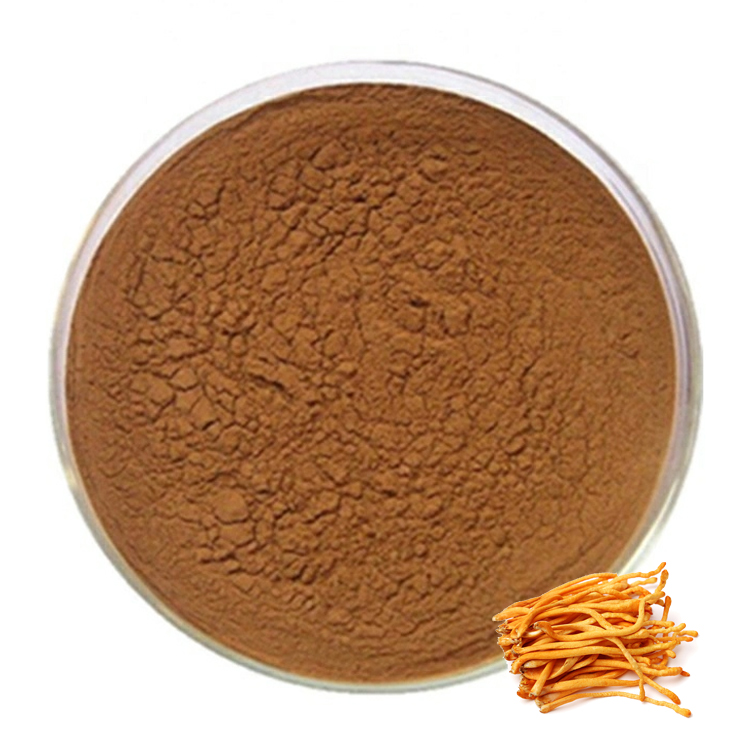
Cordyceps Mushroom Powder 30% 50% Polysaccharides
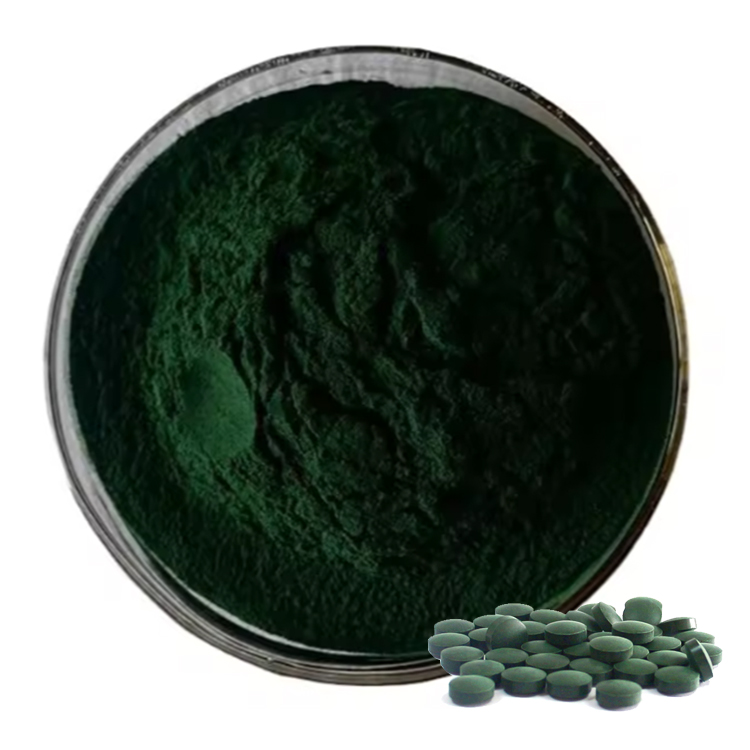
Spirulina Tablets and Powder Food Grade Bulk Supply
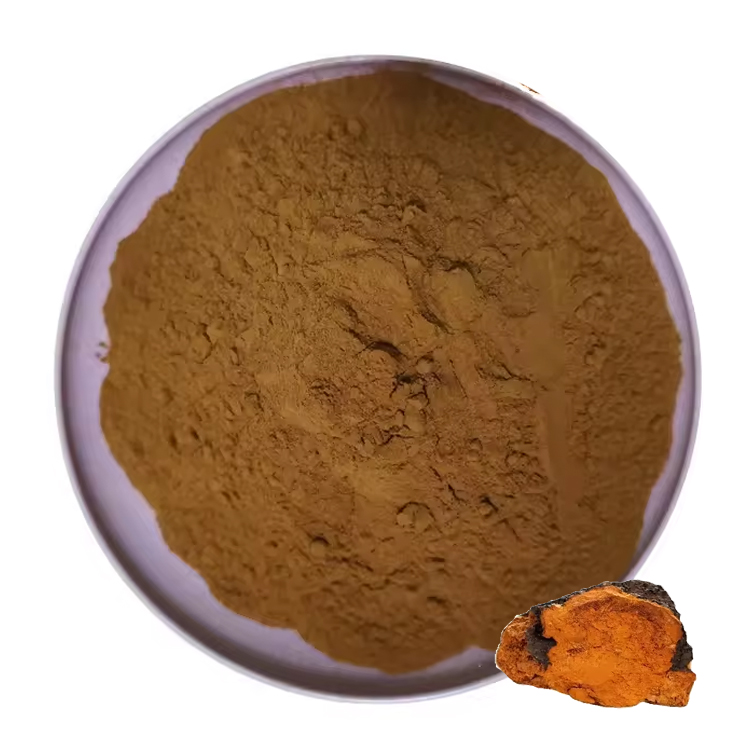
Chaga Mushroom Powder Polysaccharide Extract
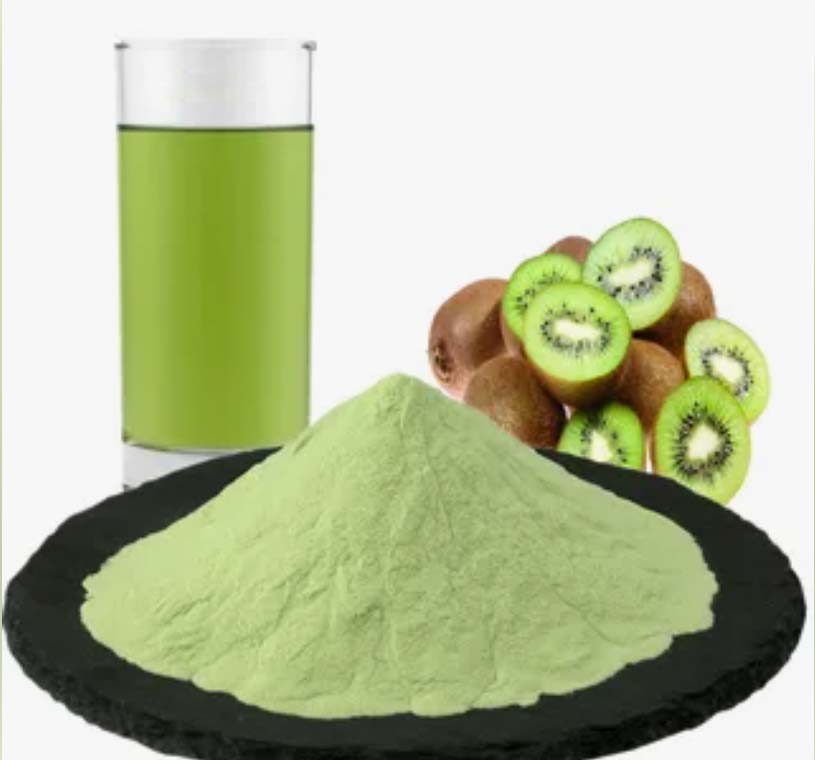
Kiwi Fruit Extract & Pure Fruit Powder
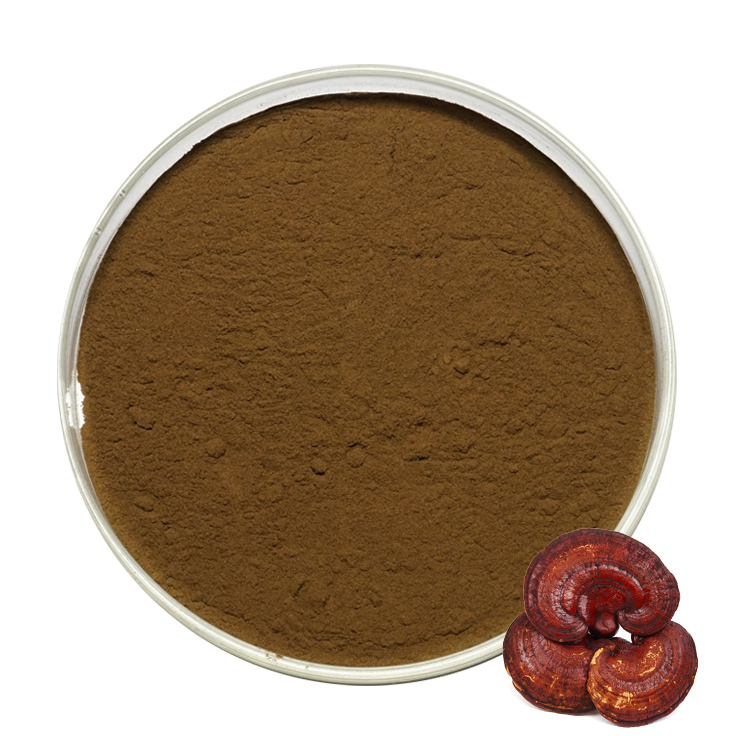
Reishi Mushroom Extract Powder (Ganoderma lucidum)
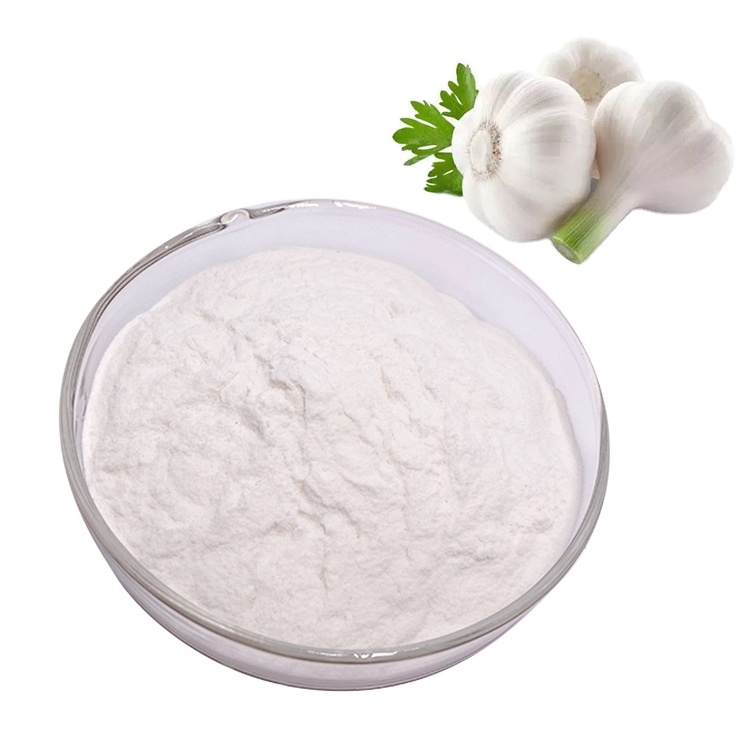
Garlic Extract Powder | 1% 5% Allicin | EP Standard
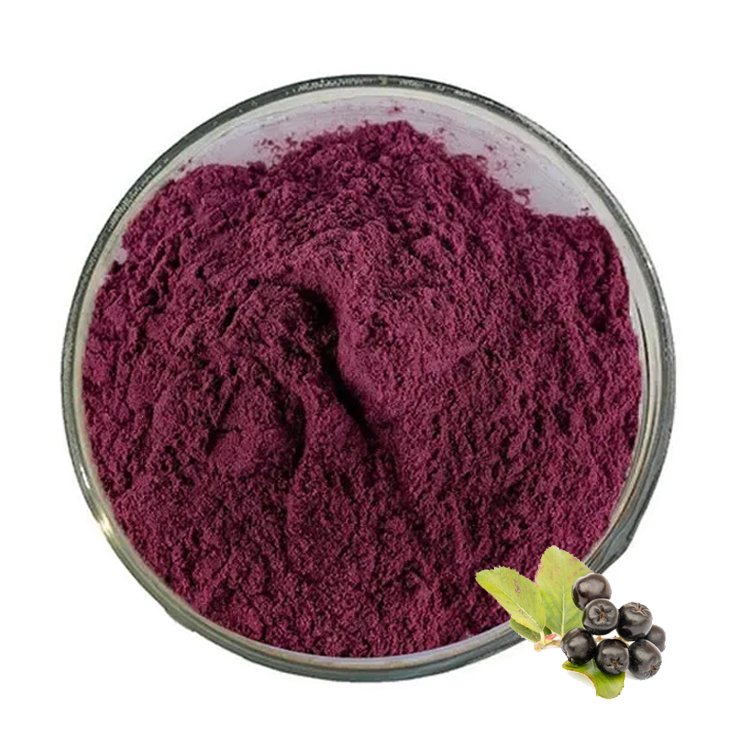
Acai Berry Powder Water Soluble Extract
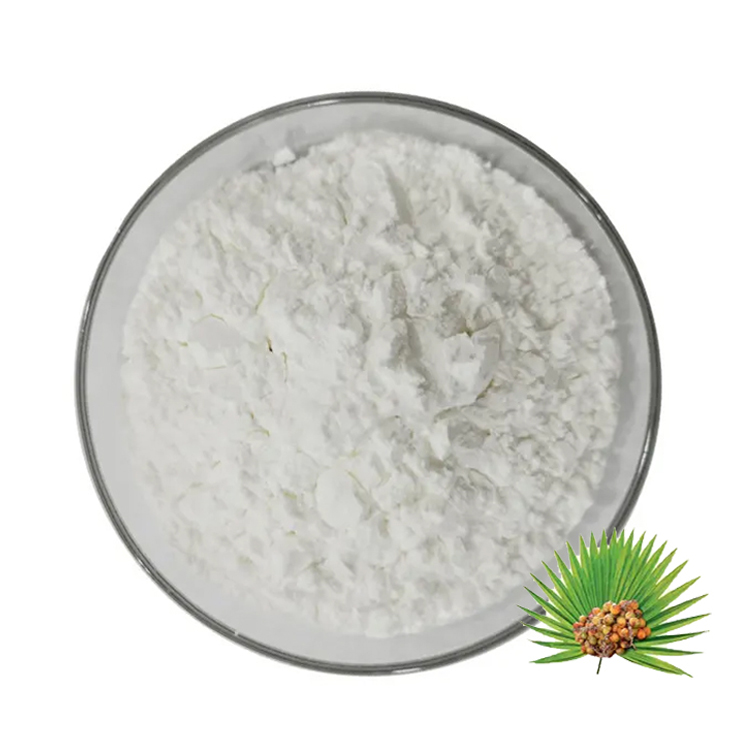
Saw Palmetto Extract Powder 25% 45% 85% Fatty Acids
Critical Benchmarks Defining Top Tier Extract Manufacturers
When global brand owners qualify primary botanical manufacturers, relying purely on Certificate of Analysis declaration is insufficient. True E-E-A-T compliance demands verification of manufacturing mechanics, chromatographic fingerprinting, and containment controls.
1. Botanical Identity & Adulteration Screens
Commodity markets face pervasive economic adulteration, including synthetic spike compounds or generic carrier substitutions. Top manufacturers utilize High-Performance Thin-Layer Chromatography (HPTLC) alongside HPLC-DAD to confirm specific secondary metabolite profiles, ensuring complete species verification against USP/EP monographs.
2. In-House Chromatography & Spectrometry
A factory lacking an internal testing suite introduces multi-week release delays and blind supply risks. A tier-one facility operates integrated Atomic Absorption Spectrometry (AAS), Atomic Fluorescence Spectrometry (AFS), and Gas Chromatography (GC) to guarantee residual solvents (EP/USP 467) and heavy metals (Pb, Cd, As, Hg) conform to strict thresholds.
3. Extraction Technology & Environmental Control
From multi-stage counter-current extraction to vacuum concentration and spray-drying towers, process engineering controls thermal degradation. Maintaining active compound stereochemistry (e.g., allicin in garlic, fatty acids in saw palmetto, triterpenes in reishi) depends on fine vacuum regulation and clean-room particulate filtration (Class 100,000).
Technical Comparison: Audited Direct Manufacturer vs. Commodity Trading Broker
The risks of buying through unchecked third parties compared with an accountable, SGS-audited botanical processing facility.
| Quality & Supply Dimension | Direct Certified Manufacturer (e.g., Torzi Biotech) | Commodity Broker / Re-Packer |
|---|---|---|
| Assay Methodology | Specific HPLC, GC, or Megazyme enzymatic assay calibration per lot; eliminates starch/maltodextrin assay inflation. | Non-specific UV-Vis methods; often masks adulteration and counts residual starches as functional polysaccharides. |
| Supply Chain Traceability | 100% direct traceability to Shaanxi Qinling cultivation hubs and audited wildcraft harvest origins. | Fragmented open-market aggregations without harvest batch validation or uniform pesticide screening. |
| Batch Documentation | Full COA, HPTLC spectrum, GC residual solvent report, allergen declarations, and non-irradiation certificates. | Secondary transcribed COAs without underlying analytical data files or retention sample verification. |
| Custom Formulations | Full OEM/ODM: custom mesh sizing (80 to 200 mesh), customized bulk density, granulation, and encapsulation. | Off-the-shelf standard inventories only; cannot accommodate custom extraction ratios or carrier restrictions. |
| Third-Party Facility Audit | On-site verified facility footprint (12,447 m²), operational clean rooms, verified by SGS Group inspection. | Virtual office or fulfillment warehouse with zero direct oversight of manufacturing sanitation. |
Global Procurement & Technological Trends Shaping Botanical Extracts
As consumer expectations evolve, formulators face shifting regulatory requirements and sourcing priorities over the coming decade.
1. The Shift to Megazyme Beta-Glucan Assay
Historically, mushroom extracts (Cordyceps, Chaga, Reishi) were traded on "Total Polysaccharide" percentages measured by generic phenol-sulfuric acid UV methods. Formulators now recognize that mycelium grown on grain often yields false positives due to native grain starch. The market is shifting permanently toward Megazyme enzymatic assays that isolate fungal β-(1,3)-(1,6)-D-glucans from α-glucan fillers.
2. Stringent Clean-Label & Solvent Mandates
International authorities, including EU Annex I and California Prop 65, continue lowering acceptable residual limits for harsh solvents like hexane, acetone, and dichloromethane. Procurement pipelines are prioritizing 100% water-extracted or Supercritical Fluid CO2 (SFE-CO2) botanicals, ensuring absolute zero organic solvent residues in finished dietary supplements.
3. Advanced Particle Sizing & Instantization
Functional beverage formulations, ready-to-mix (RTM) drink sticks, and effervescent products demand extracts that dissolve instantly without sedimentation or astringency. Manufacturers are incorporating fluid-bed agglomeration, microencapsulation, and ultrasonic micronization to transform hydrophobic active profiles (such as Saw Palmetto fatty acids or Acai polyphenols) into clean, cold-water-dispersible powders.
Shaanxi Torzi Biotech: Integrating Science, Origin, and Global Quality
Strategically headquartered in Xi'an, Torzi Biotech sits adjacent to the Qinling Mountains—a natural reservoir of over 3,000 medicinal plant species—providing unrivaled raw material access and complete supply oversight.
Geographic & Raw Material Dominance
Operating in Shaanxi province gives Torzi direct access to high-potency regional herbs like Ganoderma lucidum, Hericium erinaceus, and Sophora japonica. Raw material batches are procured through direct grower co-ops, guaranteeing non-GMO origin and zero post-harvest pesticide treatments before botanical mass enters our extraction lines.
SGS On-Site Audited Infrastructure
Our 12,447 m² industrial facility incorporates eight closed-loop production phases: dynamic continuous countercurrent extraction, dual-effect vacuum falling film concentration, macroporous resin adsorption chromatography, Class 100,000 spray drying towers, and high-precision sieving and packaging suites.
Integrated OEM / ODM Flexibility
Beyond bulk raw powders, Torzi Biotech offers turnkey contract manufacturing. We process finished vegetarian hard capsules, customized sachet sticks, and multi-ingredient blends under ISO and GMP standards, with accessible pilot-run minimum orders from 500 units for brand commercialization.
Frequently Answered Questions for Sourcing & Quality Managers
Direct answers to the most common analytical, regulatory, and logistics questions encountered in global botanical trade.
We employ the Megazyme enzymatic assay method. This two-step protocol hydrolyzes total polysaccharides, separates enzymatic yeast/fungal β-(1,3)-(1,6)-D-glucans, and measures α-glucans (starches) separately. We supply exact data breakdowns so your formulation claims reflect genuine fungal bioactives rather than grain fillers.
Every lot ships with a comprehensive release dossier: detailed Certificate of Analysis (COA) specifying test methods (HPLC/GC/UV), full heavy metal panel (Lead, Cadmium, Arsenic, Mercury), microbiological assay (USP <2021/2022>), pesticide screening report, Non-Irradiation Certificate, TSE/BSE statement, and country-specific Certificate of Origin.
Recognizing that R&D trials and stability testing require smaller volumes before scaling, Torzi Biotech maintains flexible entry points. Premium extracts such as Lion's Mane, Cordyceps, and pure Saw Palmetto begin at 1 kg to 5 kg for development runs, scaling smoothly to multi-ton commercial container ship orders.
Extract powders with high active concentrations are inherently hygroscopic. We pack goods in heat-sealed, double-layer pharmaceutical polyethylene food bags placed inside food-grade moisture-barrier aluminum foil bags, enclosed within rugged 25 kg fiber drums with desiccants and nitrogen purging upon request.
Yes. Our engineering line supports pure deionized water extraction, various hydro-ethanolic ratios (from 20% to 95% food-grade grain ethanol), and clean Supercritical CO2 fluid processes. We tailor the extraction ratio (e.g., 4:1, 10:1, 20:1) and solvent selectivity to capture targeted marker compounds without non-functional ballasts.
Absolutely. We routinely validate batch samples through accredited international third-party testing laboratories including Eurofins, SGS, and NSF. Retention samples from every manufactured lot are archived in climate-controlled conditions for 36 months to ensure full ongoing quality accountability.
Upgrade Your Botanical Supply Chain with Direct Factory Verification
Connect with Torzi Biotech's technical engineering and regulatory compliance team. Request comprehensive Certificate of Analysis dossiers, active HPLC chromatograms, and working laboratory samples for your pilot formulation.