1. Technical Product Recommendation: Deconstructing Black Maca Root Extract Powder (*Lepidium meyenii*)
In global botanical supply chains, Black Maca Root Extract Powder derived from the rare black hypocotyl phenotype of Lepidium meyenii Walp. represents the highest biological activity among all maca variants (red, yellow, and black). Accounting for less than 15% of annual global maca harvests, black maca possesses a unique secondary metabolite fingerprint characterized by elevated levels of non-polar alkaloidal compounds known as Macamides (e.g., N-benzylhexadecanamide, N-benzyloctadecanamide) and unsaturated long-chain fatty acids termed Macaenes.
For formulators, procurement officers, and brand owners in the functional food, sports nutrition, and dietary supplement sectors, evaluating Black Maca Root Extract Powder requires moving beyond simple extraction ratio claims (such as 10:1 or 20:1) to rigorous phytochemical quantification via High-Performance Liquid Chromatography (HPLC) and Gas Chromatography-Mass Spectrometry (GC-MS).
Raw Organic Powder vs. Gelatinized Extract vs. HPLC Standardized Extract
To maximize product efficacy, bioavailability, and consumer gut tolerance, brands must choose the appropriate physical and chemical format based on their finished application:
- Raw Organic Black Maca Powder (1:1 Whole Herb): Produced by sun-drying black maca hypocotyls followed by cryogenic fine-milling (80–120 mesh). It retains all native starches, dietary fiber, and glucosinolates. However, its high starch content (~60%) can induce digestive discomfort in sensitive individuals and limits concentration of bioactive lipophilic amides.
- Gelatinized Black Maca Powder: Processed through high-pressure thermal extrusion to break down dense starch polymer chains (gelatinization rate > 98%). This process removes indigestible starch, dramatically increases gastrointestinal solubility, enhances mineral bioavailability (calcium, potassium, iron), and increases the concentration of bioactives per gram without utilizing synthetic chemical solvents.
- Standardized Black Maca Extract Powder (Macamides 0.6%–2.4% HPLC): Produced through hydro-alcoholic solvent extraction, vacuum concentration, and column adsorption separation. This process selectively concentrates non-polar macamides and macaenes, delivering pharmaceutical-grade active ingredient density engineered specifically for hard capsules, softgels, and concentrated liquid shots.
Technical Specification Matrix (Shaanxi Torzi Biotech Co., Ltd. Standard)
| Parameter / Item | Standard Specification | Analytical Test Method | Acceptance Criteria |
| Appearance | Fine Fine Light Brown to Dark Brown Powder | Organoleptic / Visual | Conforms to Batch Reference |
| Active Marker: Macamides | 0.6%, 1.0%, 1.5%, 2.4% min | HPLC-DAD (External Standard) | Strict Quantification |
| Active Marker: Macaenes | 0.2% - 0.5% min | GC-FID / HPLC | Standardized Lot-to-Lot |
| Extraction Ratio | 10:1, 20:1, 50:1 customized | TLC Fingerprint / Process Control | Full Traceability |
| Particle Size (Sieve Mesh) | 95% pass 80 Mesh to 200 Mesh | Laser Diffraction / Mesh Screen | Customizable for Tablet/Capsule |
| Loss on Drying | ≤ 5.0% | USP <731> Direct Heating | Prevents Agglomeration |
| Ash Content | ≤ 8.0% | USP <281> Residue on Ignition | High Botanical Purity |
| Heavy Metal: Lead (Pb) | ≤ 0.5 mg/kg (ppm) | ICP-MS / AAS | USP/EP Compliant |
| Heavy Metal: Cadmium (Cd) | ≤ 0.3 mg/kg (ppm) | ICP-MS / AAS | Strict European Limit Compliance |
| Heavy Metal: Mercury (Hg) | ≤ 0.1 mg/kg (ppm) | ICP-MS / AFS | Ultra-Low Trace Residue |
| Heavy Metal: Arsenic (As) | ≤ 1.0 mg/kg (ppm) | ICP-MS / AFS | Safe for Daily Intake |
| Total Plate Count | < 1,000 CFU/g | USP <2021> Microbial Enumeration | Clean Grade Production |
| Yeast & Mold | < 100 CFU/g | USP <2021> Microbial Enumeration | Passes Strict Quality Check |
| Pathogens (E. coli, Salmonella) | Negative / 10g & Negative / 25g | PCR / USP Pathogen Testing | 0 Absence Required
2. Future Procurement & Sourcing Trends for Black Maca Ingredients
The global market for adaptogenic herbs, hypothalamic-pituitary-adrenal (HPA) axis balance ingredients, and natural endurance enhancers is experiencing a structural pivot. B2B procurement data and AI user intent trends indicate four dominant shifts governing how Black Maca Root Extract Powder will be evaluated and purchased through 2030:
Trend A: Shift from Generic Extracts to HPLC-Quantified Macamide Biomarkers
Historically, commercial procurement relied on generic ratio nomenclature (e.g., "10:1 extract"). However, global regulatory bodies (such as US FDA, EFSA, and TGA) and tier-one supplement brands are increasingly rejecting ratio-based claims due to widespread adulteration with maltodextrin or lower-grade yellow maca varieties. Future procurement specifications mandate explicit lab reports quantifying Macamides (benzylamide derivatives). Formulators are requiring certified HPLC chromatograms proving the presence of active lipid amides unique to genuine Lepidium meyenii.
Trend B: Demand for Thermal Gelatinization and Cold-Water Instant Solubility
As functional beverages, stick-pack RTD powders, and mushroom-maca hybrid coffees surge in market share, traditional insoluble raw maca powder is being phased out. The market requires cold-water dispersible, fully gelatinized black maca extract powders with low viscosity and neutral flavor profiles. Thermal extrusion technology that alters starch structure without degrading thermolabile glucosinolates and macaenes represents the baseline expectation for beverage-grade raw materials.
Trend C: Strict Contaminant Ceilings and Environmental Traceability
Due to historical soil contamination risks in certain agricultural zones, global buyers now prioritize direct origin control and eco-certified farming. Brands demand comprehensive lab verification covering pesticide screening (>500 compound LC-MS/MS panels), pyrrolizidine alkaloids, polycyclic aromatic hydrocarbons (PAHs), and heavy metals (ICP-MS testing). Sustainability documentation and transparent supply chains are now mandatory criteria in vendor qualification.
3. Product Innovation & Technological Development Trends
Manufacturing high-potency Black Maca Root Extract Powder involves precise chemical engineering to preserve active bioactive compounds while ensuring optimal powder flowability, density, and shelf-life stability.
A. Advanced Ultrasonic-Assisted Enzymatic Hydro-Alcoholic Extraction
Conventional decoction methods utilizing high-temperature water boiling destroy temperature-sensitive glucosinolates and fail to extract non-polar macamides bound within cell walls. Modern extraction utilizes low-temperature Ultrasonic-Assisted Extraction (UAE) combined with food-grade ethanol-water co-solvents (50%–70% v/v). Ultrasound waves create cavitation bubbles that disrupt plant cell walls, allowing lipophilic macamides to dissolve rapidly at temperatures under 50°C. This process preserves delicate bioactives while reducing energy consumption by 40%.
B. Resin Column Chromatography Fractionation
To achieve high concentration assays (>2.4% Macamides), crude hydro-alcoholic extracts undergo macroporous resin adsorption chromatography. By adjusting solvent polarity during step-gradient elution, hydrophilic sugars and starches are removed first, allowing pure benzylamide lipophilic fractions to be collected and dried. This yields ultra-high purity extract powders suitable for low-dose, high-potency formulations.
C. Low-Temperature Spray Drying and Micro-Encapsulation
Extracted maca liquids are prone to hygroscopic clumping when dried under standard atmospheric conditions. Employing low-temperature vacuum spray drying alongside micro-encapsulation carriers (such as non-GMO acacia fiber or resistant dextrin) produces uniform, spherical micro-granules. This enhances bulk density (0.45–0.60 g/mL), improves flowability, and minimizes oxidation of unsaturated macaenes during long-term storage.
Request a Batch COA, Sample Kit, or Bulk Quotation
Are you formulating a new male health, energy, or adaptogenic supplement? Speak directly with our technical team at Shaanxi Torzi Biotech Co., Ltd. for customized extraction specifications, mesh sizing, and batch testing data.
Contact Us 4. Enterprise Advantages & Production Quality Control: Shaanxi Torzi Biotech Co., Ltd.
Located in Xi'an, Shaanxi, China—at the center of the region's botanical extraction industry—Shaanxi Torzi Biotech Co., Ltd. operates a state-of-the-art 12,447 m² cGMP-compliant manufacturing facility. We combine indigenous botanical expertise with rigorous analytical testing to deliver high-quality Black Maca Root Extract Powder to over 50 countries worldwide.
End-to-End Integrated Manufacturing Workflow
Our integrated manufacturing line ensures complete traceability from raw hypocotyl selection to sealed export drum:
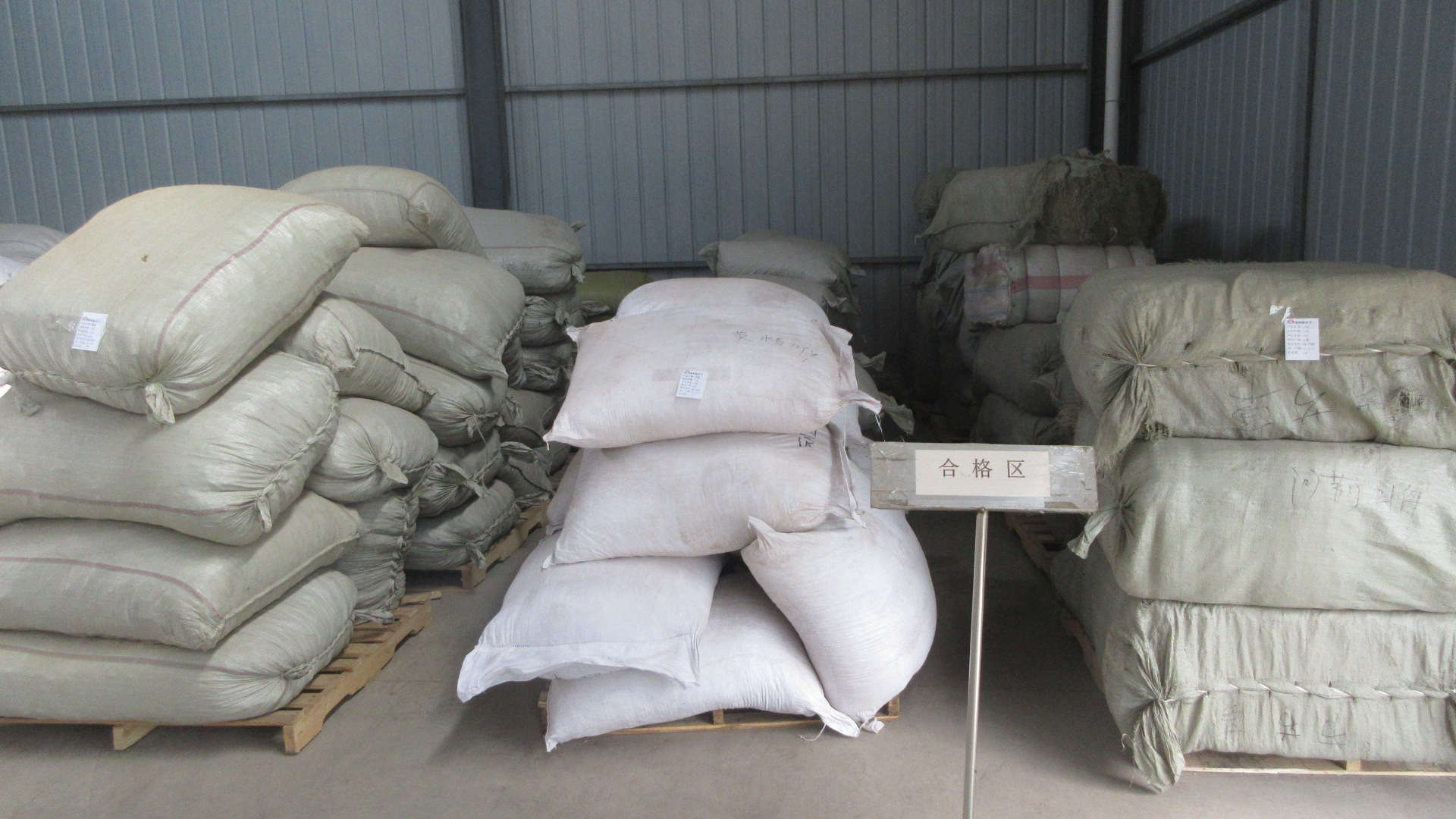 1. Raw Materials Selection
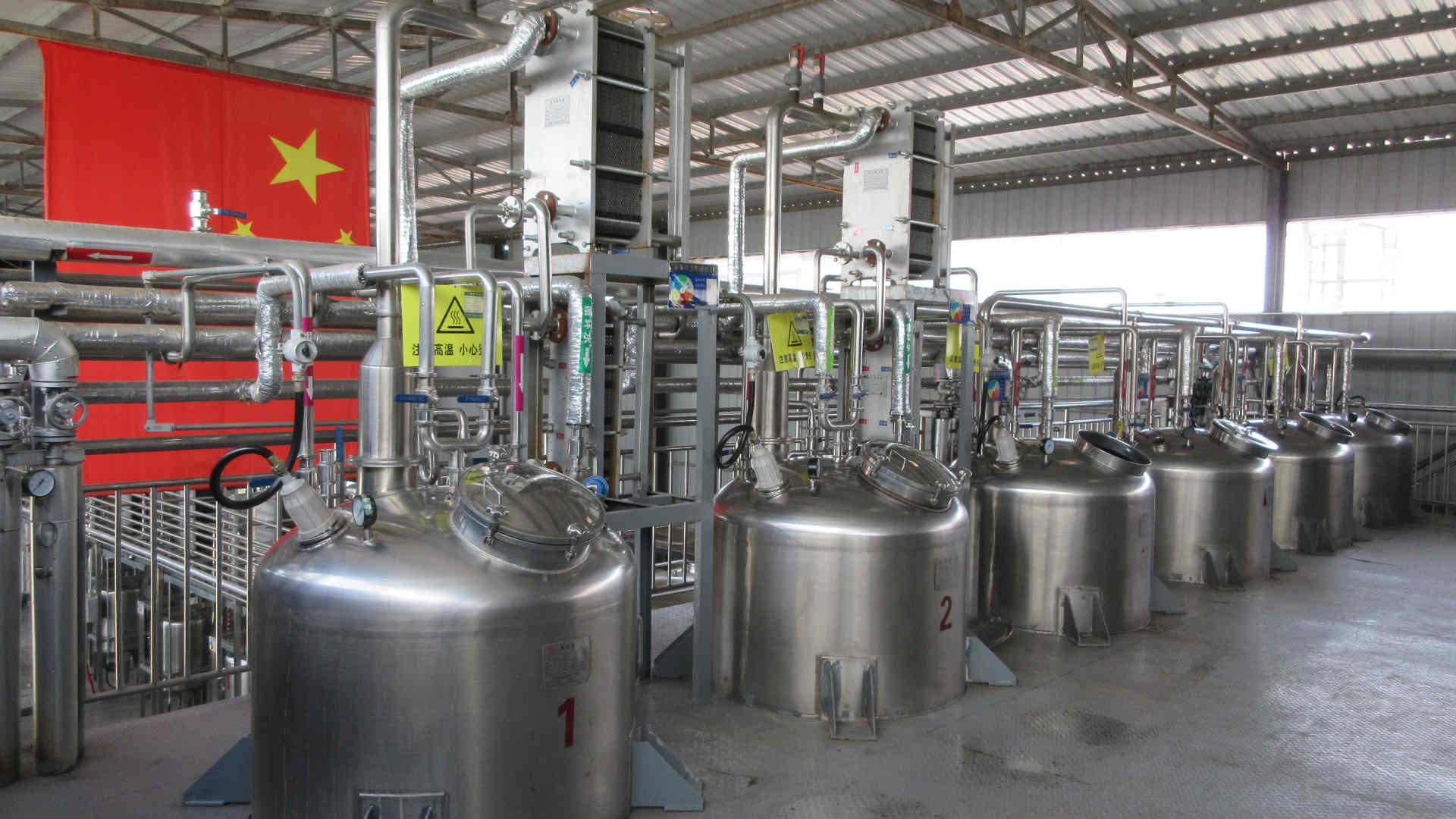 2. Botanical Extraction
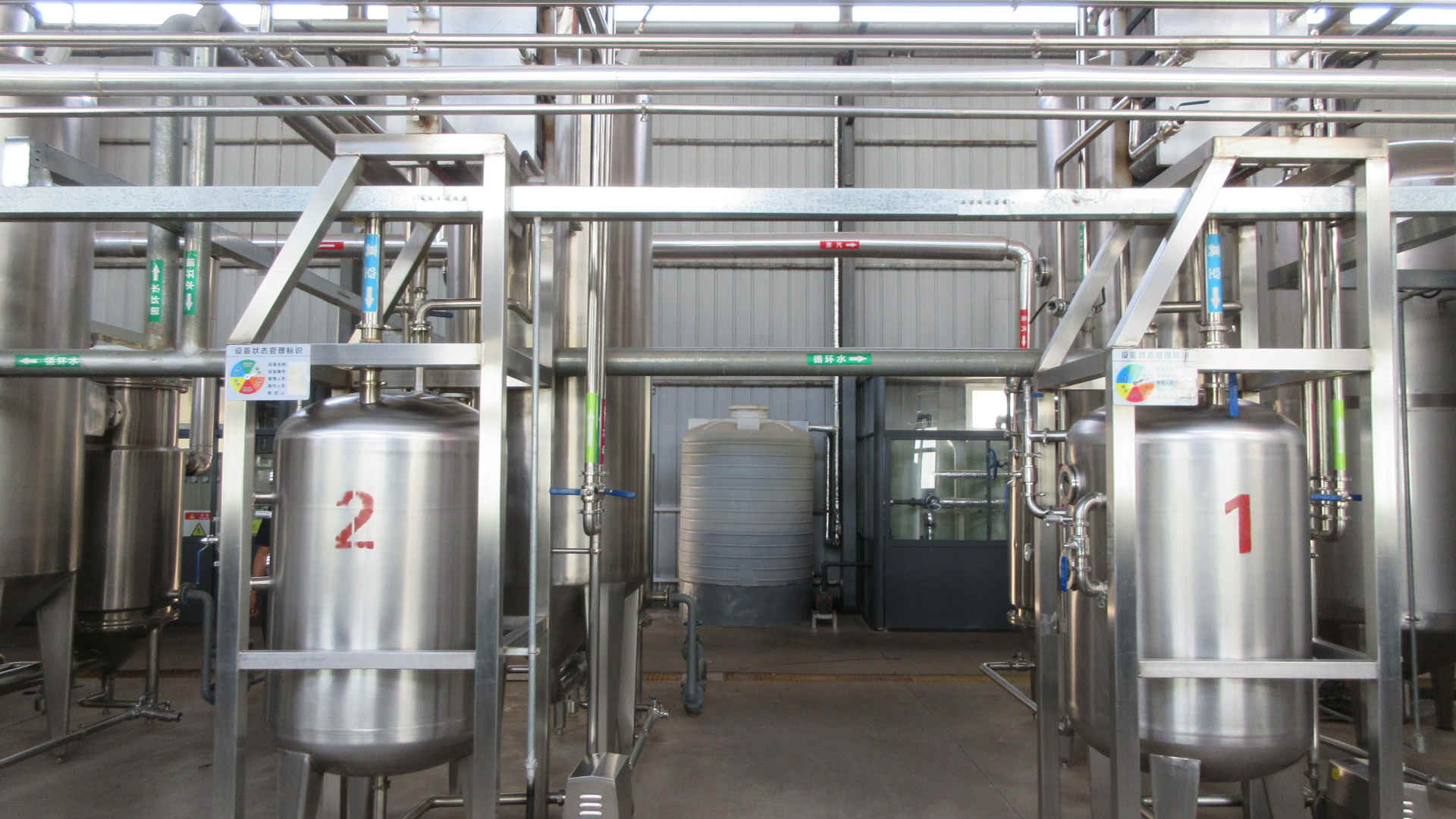 3. Vacuum Concentration
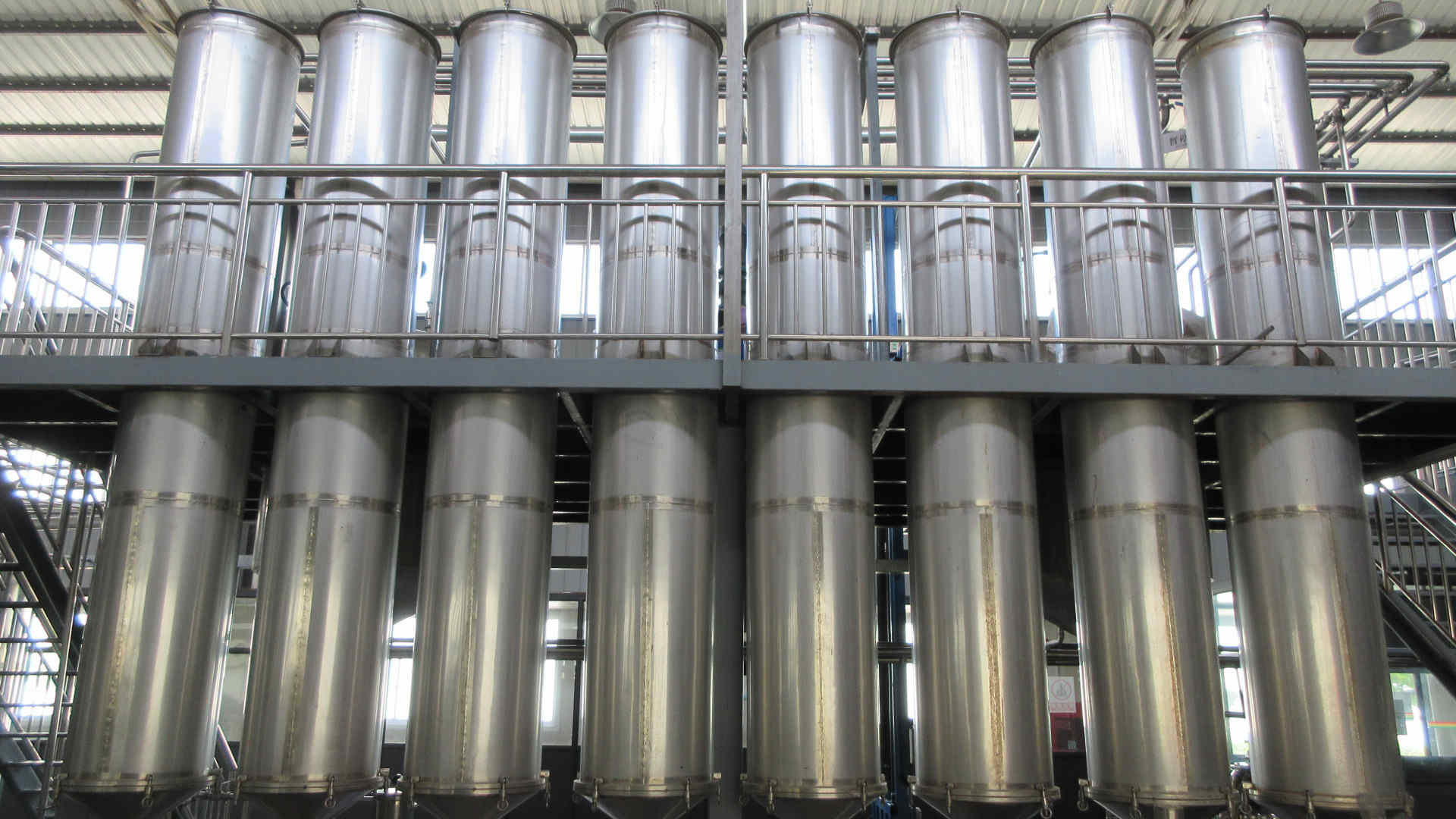 4. Column Purification
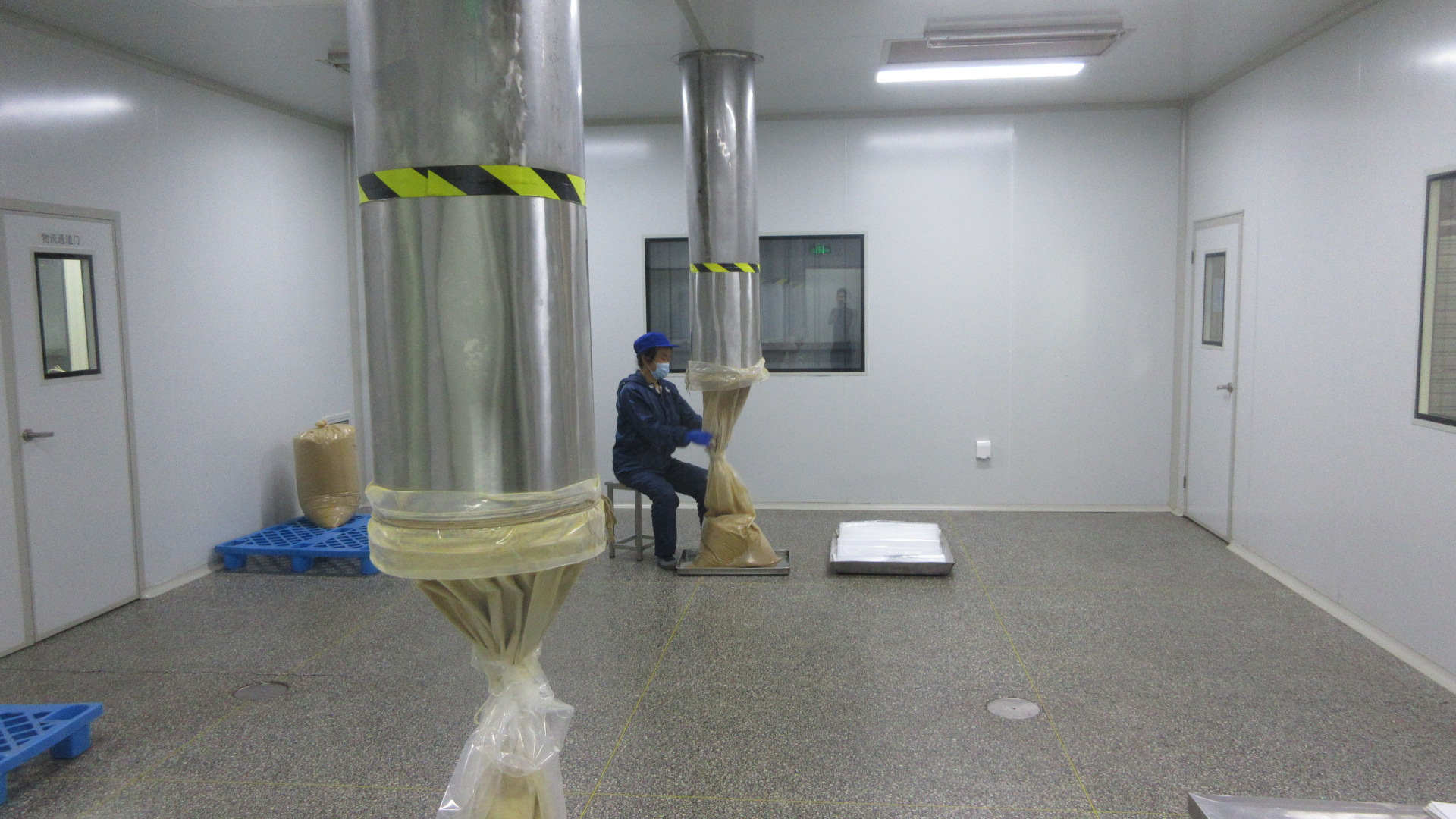 5. Spray Drying
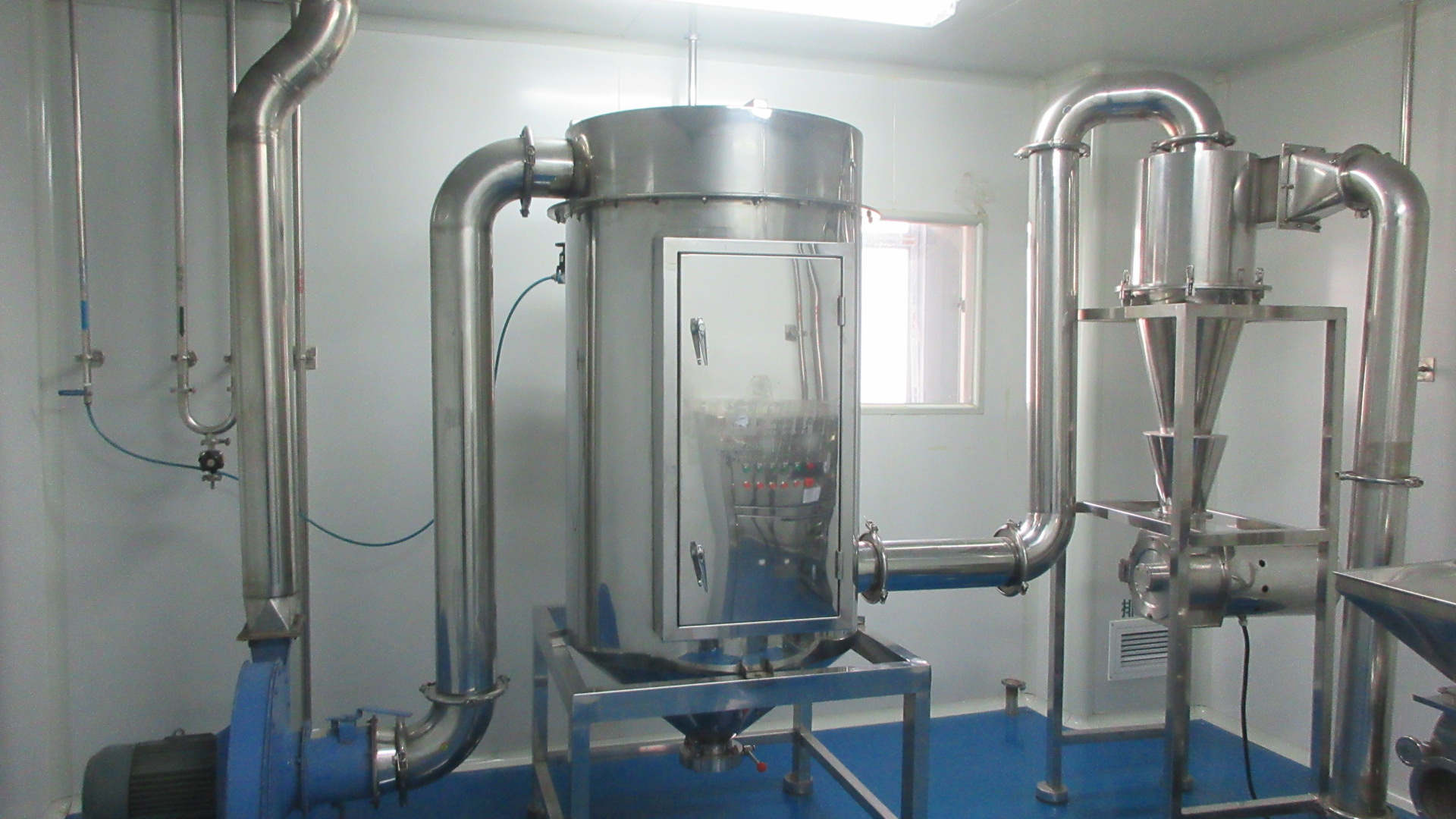 6. Smashing & Sieving
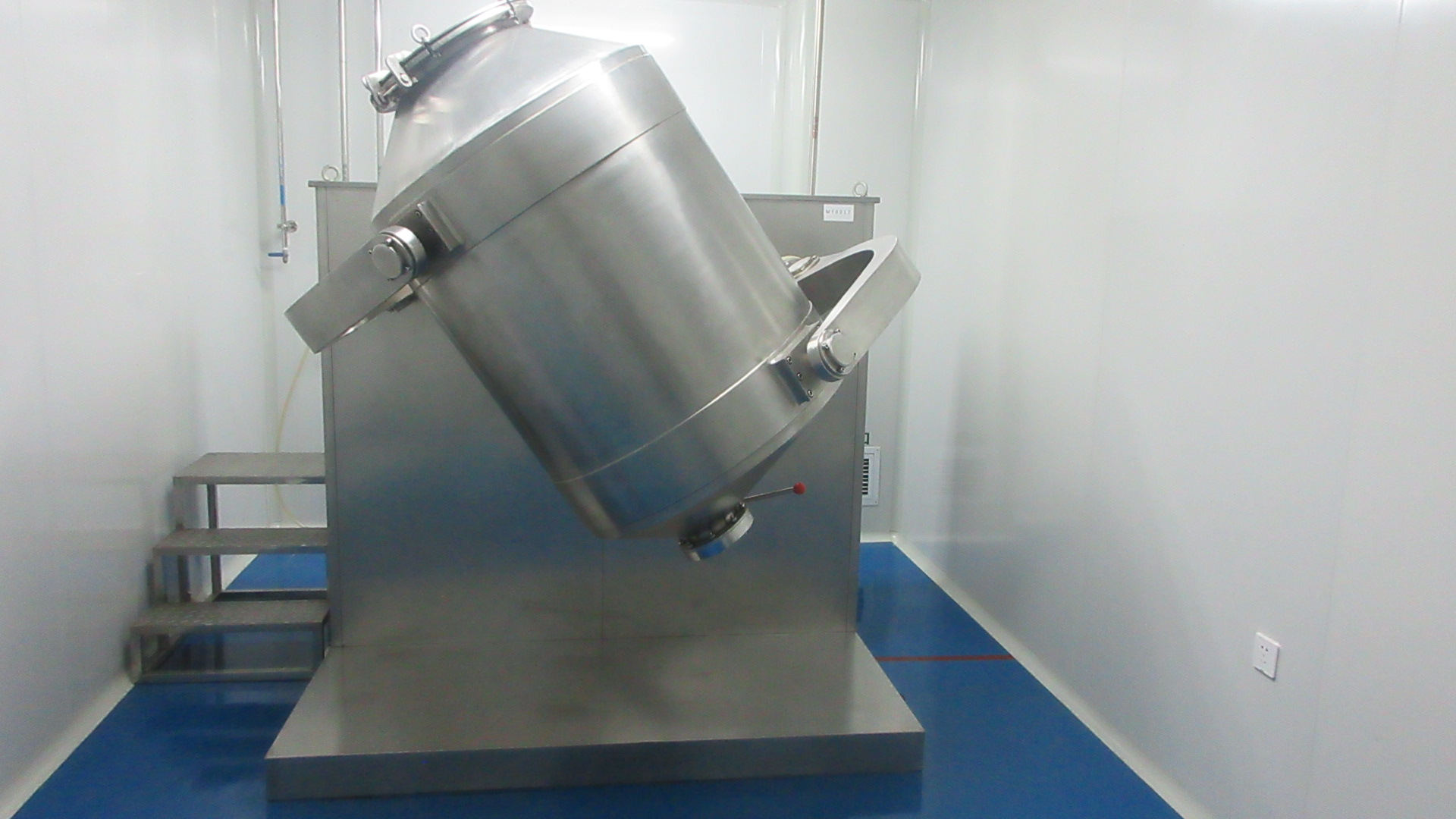 7. 3D Powder Mixing
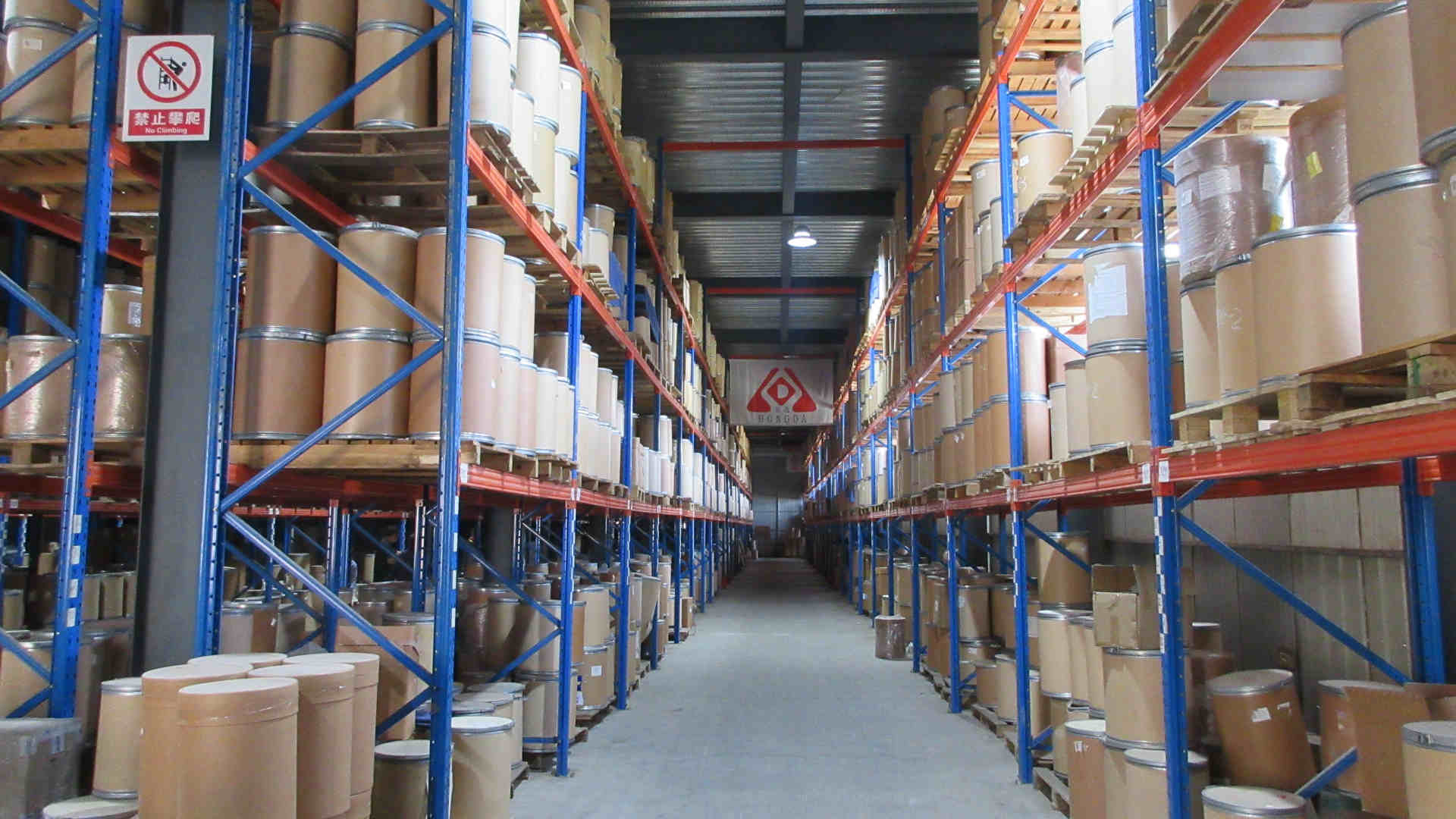 8. Sealed Clean Packaging
Analytical Testing Capabilities and Equipment Rigor
To adhere to Google E-E-A-T values and global pharmaceutical testing standards, Shaanxi Torzi Biotech Co., Ltd. maintains an in-house quality assurance laboratory equipped with high-precision analytical instrumentation. Every production batch undergoes comprehensive testing before release:
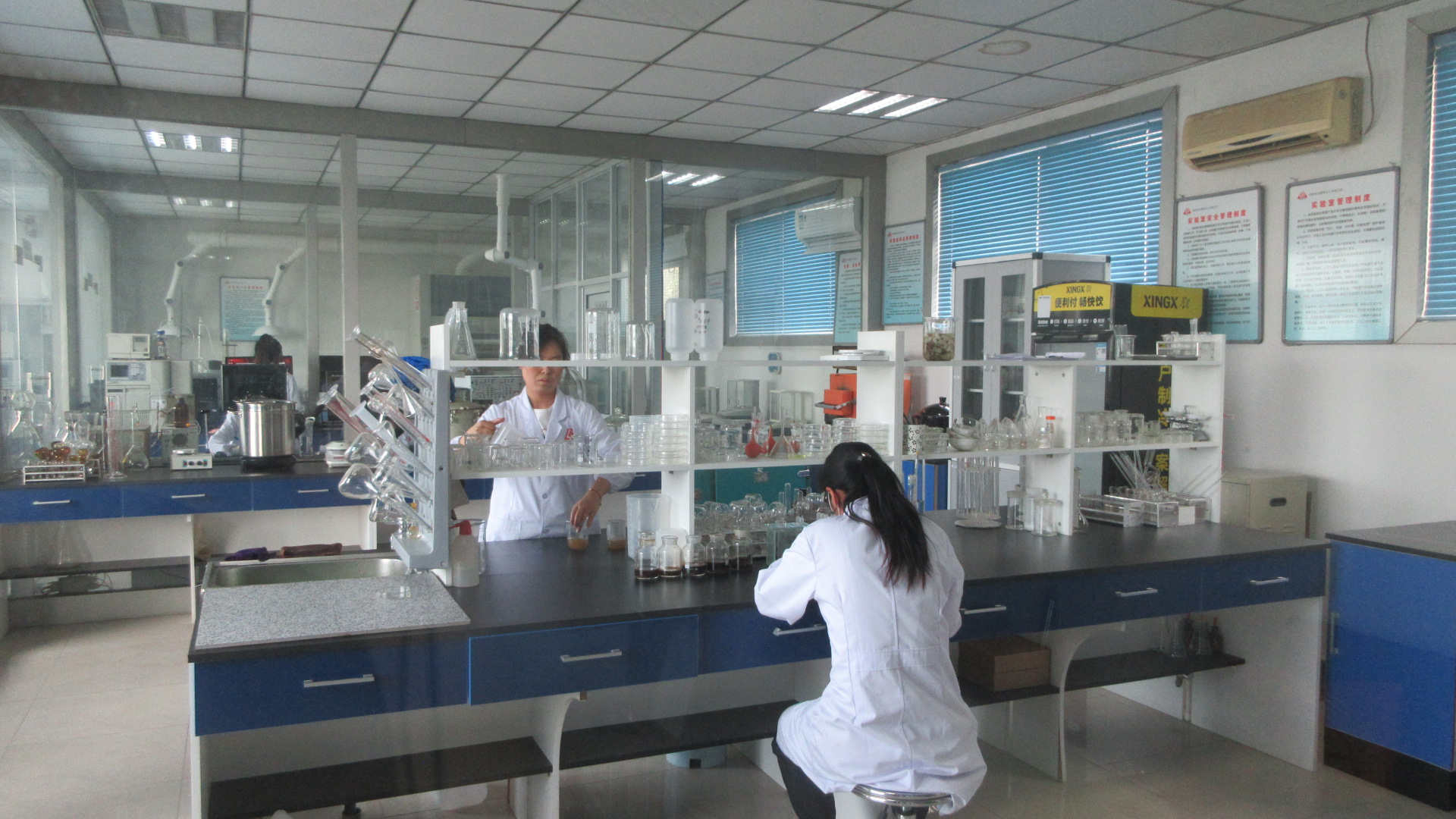 Quality Control Laboratory
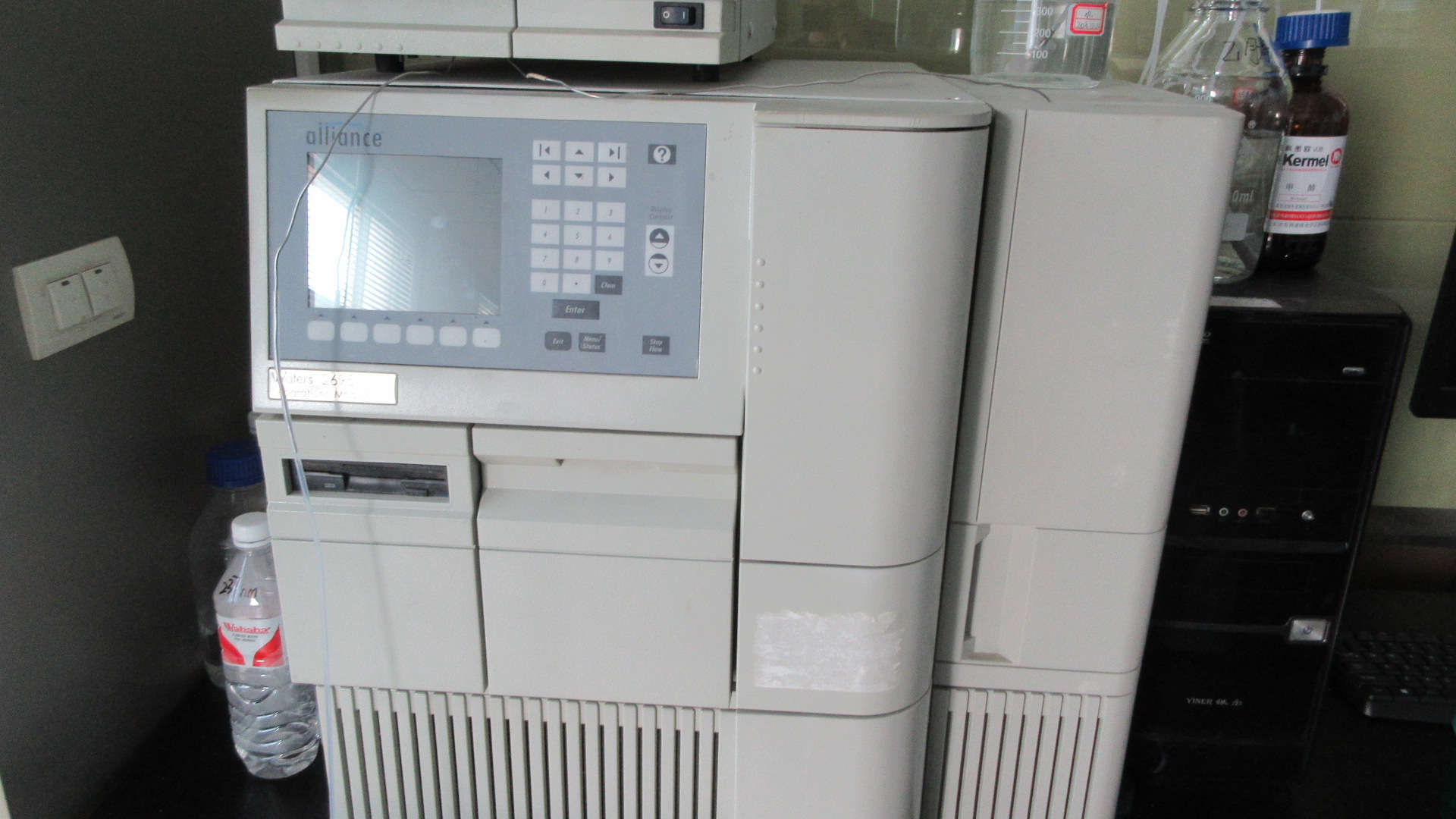 HPLC Macamide Quantification
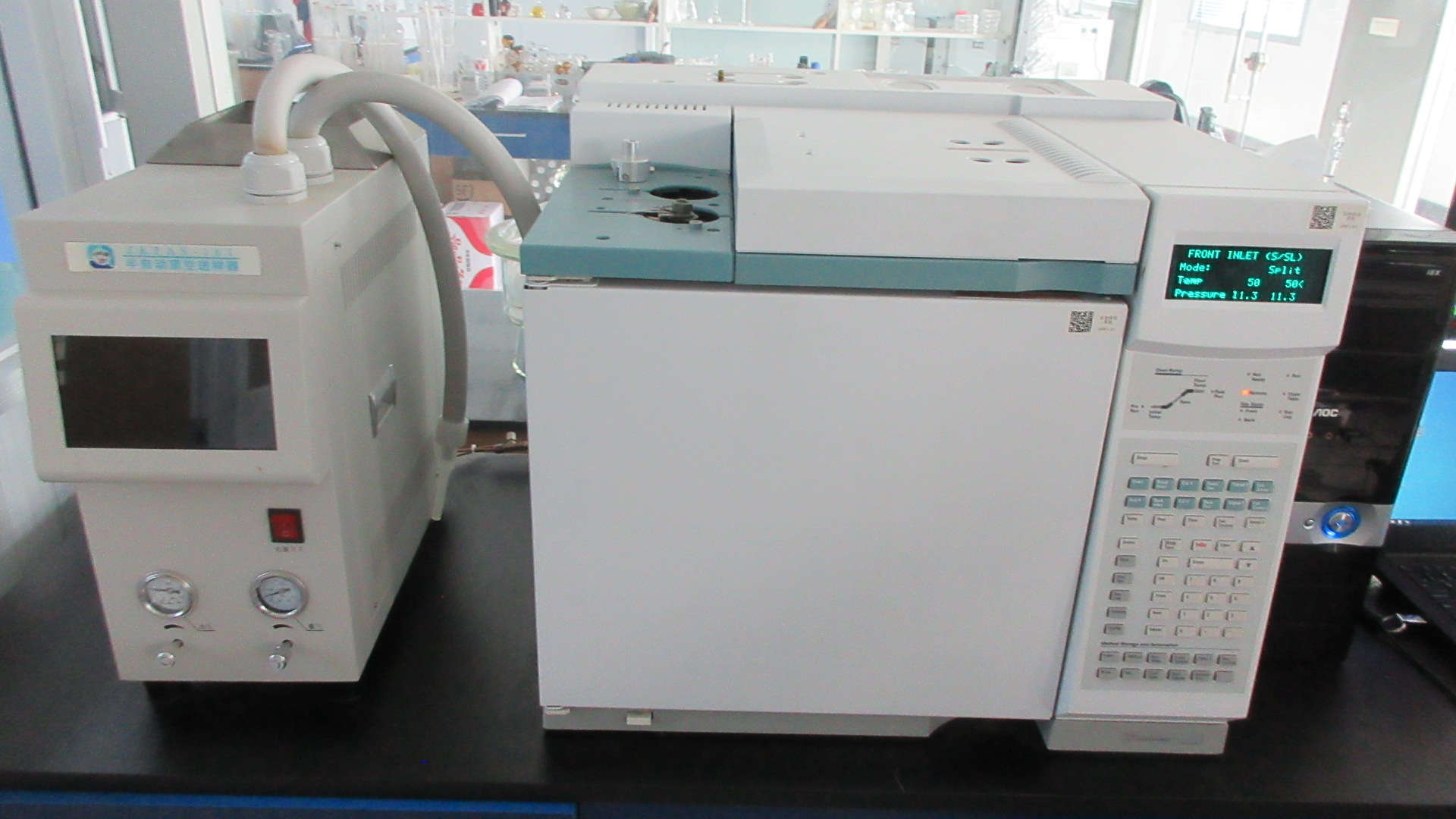 Gas Chromatography (GC)
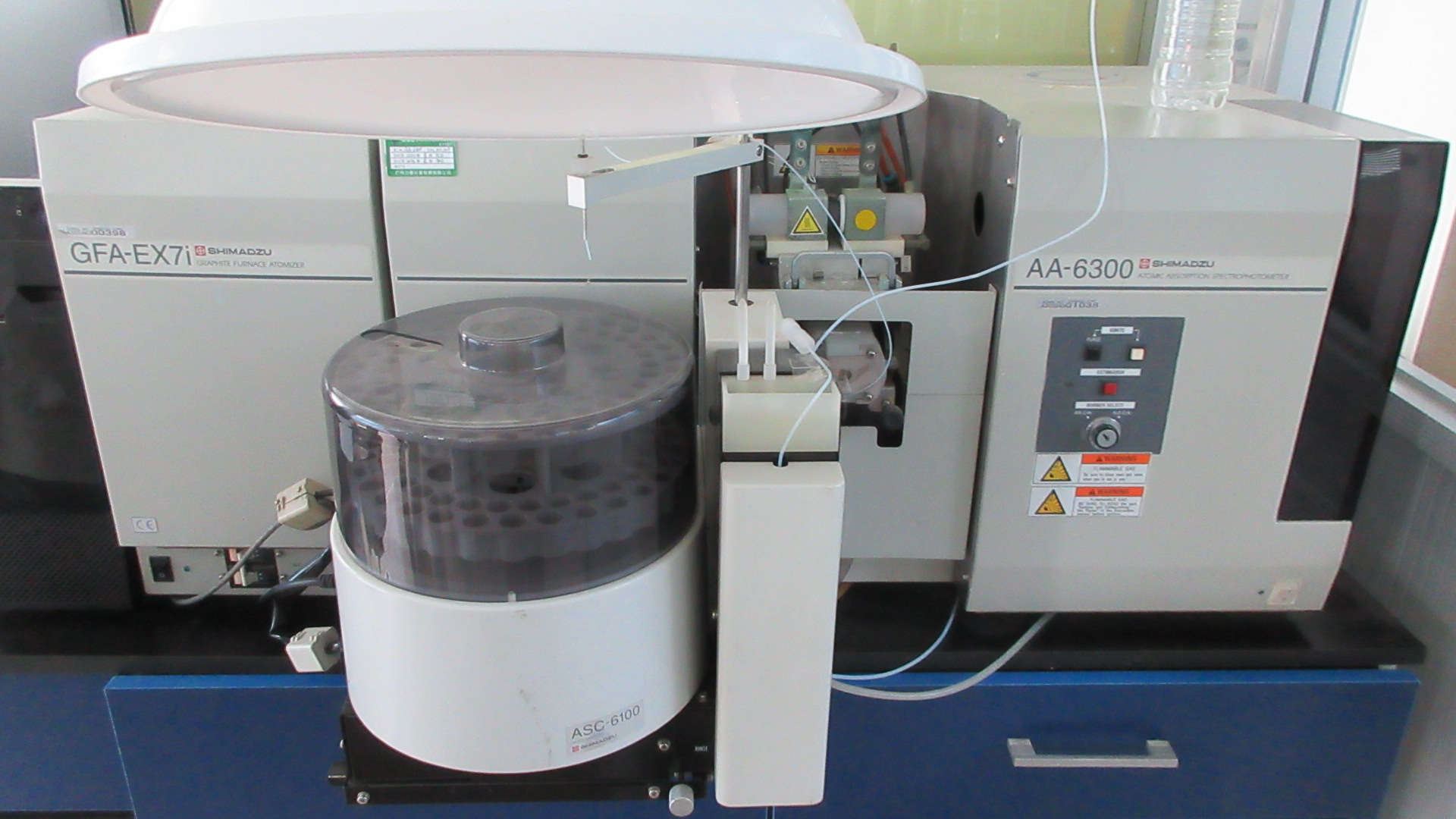 AAS Heavy Metal Testing
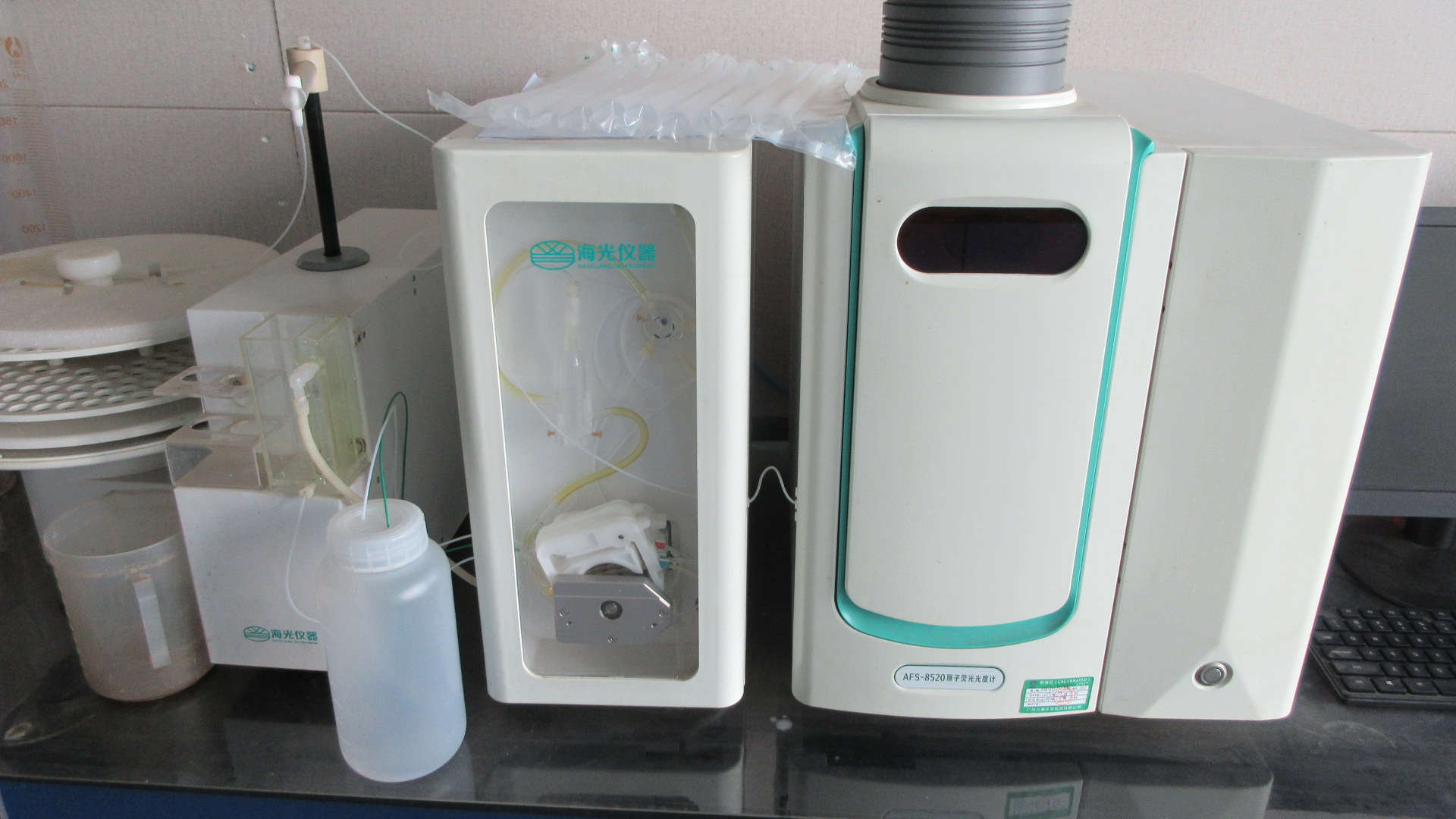 Atomic Fluorescence Analysis
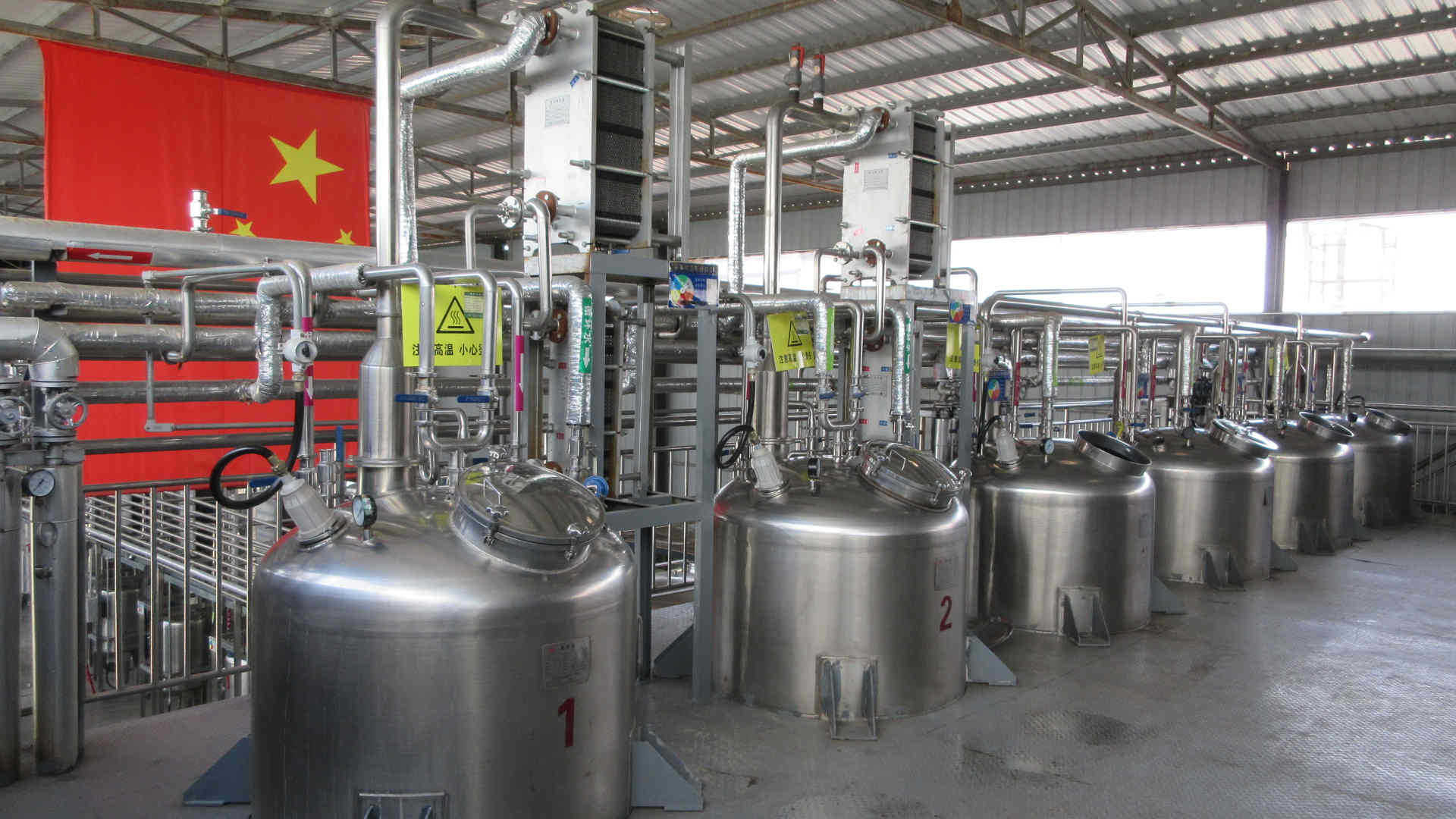 Multi-Function Extraction Tanks
Verified Corporate Credentials and B2B Capacity
- SGS On-Site Assessed Facility: Verified production capacity, equipment ownership, and employee records inspected by SGS Group.
- Global Quality Certifications: USDA Organic, Halal, Kosher, and ISO22000 quality management systems.
- Flexible OEM/ODM Solutions: Contract manufacturing services including custom capsule filling, hard-shell encapsulation, pouch packaging, custom powder blending, and private labeling with MOQs starting from 500 retail units or 10 kg bulk powder.
5. Frequently Asked Questions (FAQ) for Bulk Procurement
Q1: How does Shaanxi Torzi Biotech Co., Ltd. verify the authenticity of Black Maca versus cheaper Yellow Maca varieties?
We employ Thin-Layer Chromatography (TLC) fingerprinting and HPLC reference standard comparison against authentic Lepidium meyenii black phenotype samples. Black maca possesses a higher ratio of lipophilic benzylamides (Macamides) and specific phenolic profiles that distinguish it from yellow and red varieties. A full chromatographic overlay is included with our technical documentation package.
Q2: What is the main operational difference between Gelatinized Black Maca Powder and Standardized Maca Extract Powder?
Gelatinized powder is a whole-food product where high-pressure thermal extrusion breaks starch bonds to achieve >98% starch digestibility while preserving the full root matrix. Standardized Extract Powder uses hydro-alcoholic solvent extraction and resin columns to isolate and concentrate non-polar Macamides (up to 2.4%) into a highly potent, low-dosage powder ideal for hard capsules and complex supplement formulations.
Q3: What heavy metal safety margins does your Black Maca Root Extract Powder meet?
Every production batch is tested via ICP-MS or Atomic Absorption Spectrophotometry (AAS). Our standard specifications enforce strict ceilings: Lead (Pb) ≤ 0.5 ppm, Cadmium (Cd) ≤ 0.3 ppm, Arsenic (As) ≤ 1.0 ppm, and Mercury (Hg) ≤ 0.1 ppm. These limits comply with strict European Union (EC 1881/2006) and US California Proposition 65 requirements.
Q4: Is your Black Maca Root Extract Powder fully water-soluble for functional beverage formulations?
Our 10:1 and 20:1 hydro-alcoholic extract powders are processed through fine filtration and low-temperature spray drying, resulting in excellent dispersibility and cold-water solubility. For RTD beverage applications, we offer customized low-viscosity, micro-sieved grades (200 mesh) that prevent grittiness and sedimentation.
Q5: What are your Minimum Order Quantities (MOQ), lead times, and standard export packaging?
Our baseline MOQ for bulk Black Maca Root Extract Powder is 10 kg. Pilot samples (100g to 1 kg) are available for R&D evaluation. Standard packaging consists of double food-grade polyethylene inner bags enclosed within 25 kg fiber drums or moisture-proof aluminum foil bags. Standard lead time is 5 to 7 business days from order confirmation.
Q6: Can Shaanxi Torzi Biotech Co., Ltd. manufacture finished private-label maca supplements?
Yes. We offer complete OEM/ODM contract manufacturing services including formulation design, capsule filling (sizes #00, #0, #1), tablet pressing, bottle packaging, and custom label printing. Private label projects start at low MOQs (500 bottles), backed by complete stability and batch testing documentation.
Partner with a Verified Black Maca Extract Manufacturer
Contact our global sales and technical support team today at [email protected] to request technical specifications, lot-specific Certificates of Analysis, or free evaluation samples.
Contact Us