Engineering Pure Botanical Performance: Organic Matcha Green Tea Powder
Procuring bulk Organic Matcha Green Tea Powder requires navigating complex variables of harvest season, agricultural microclimate, shading duration, chlorophyll retention, polyphenolic profiles, and microbial control. Shaanxi Torzi Biotech Co., Ltd. provides direct manufacturing transparency, bridging agro-science and precision industrial extraction.
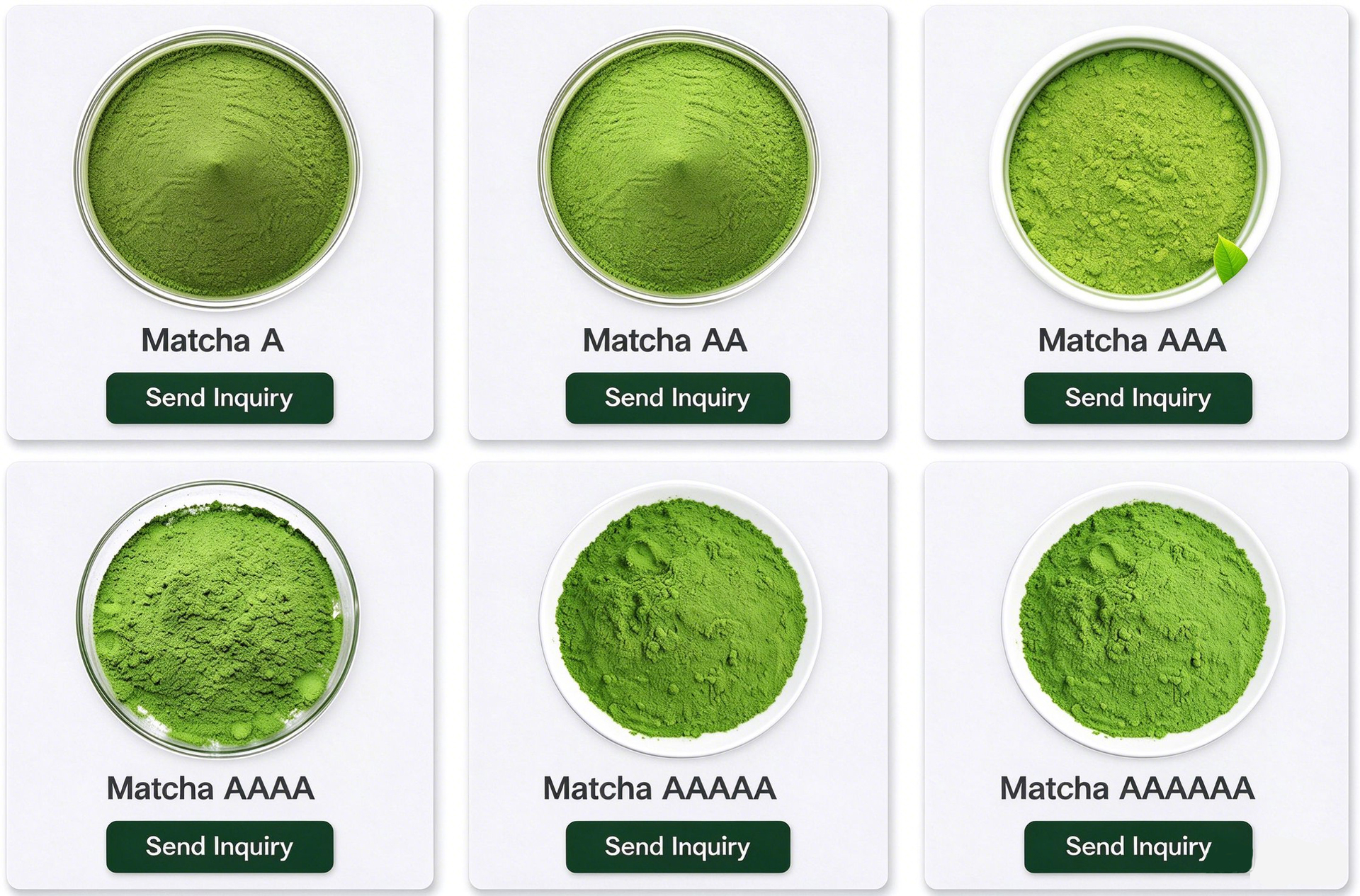
Ceremonial Grade (5A–6A)
First-flush shade-grown tencha stone-milled to 1,500+ mesh. Packed with native L-theanine and vibrant emerald chlorophyll with velvet umami notes and zero bitterness.
Inquire Now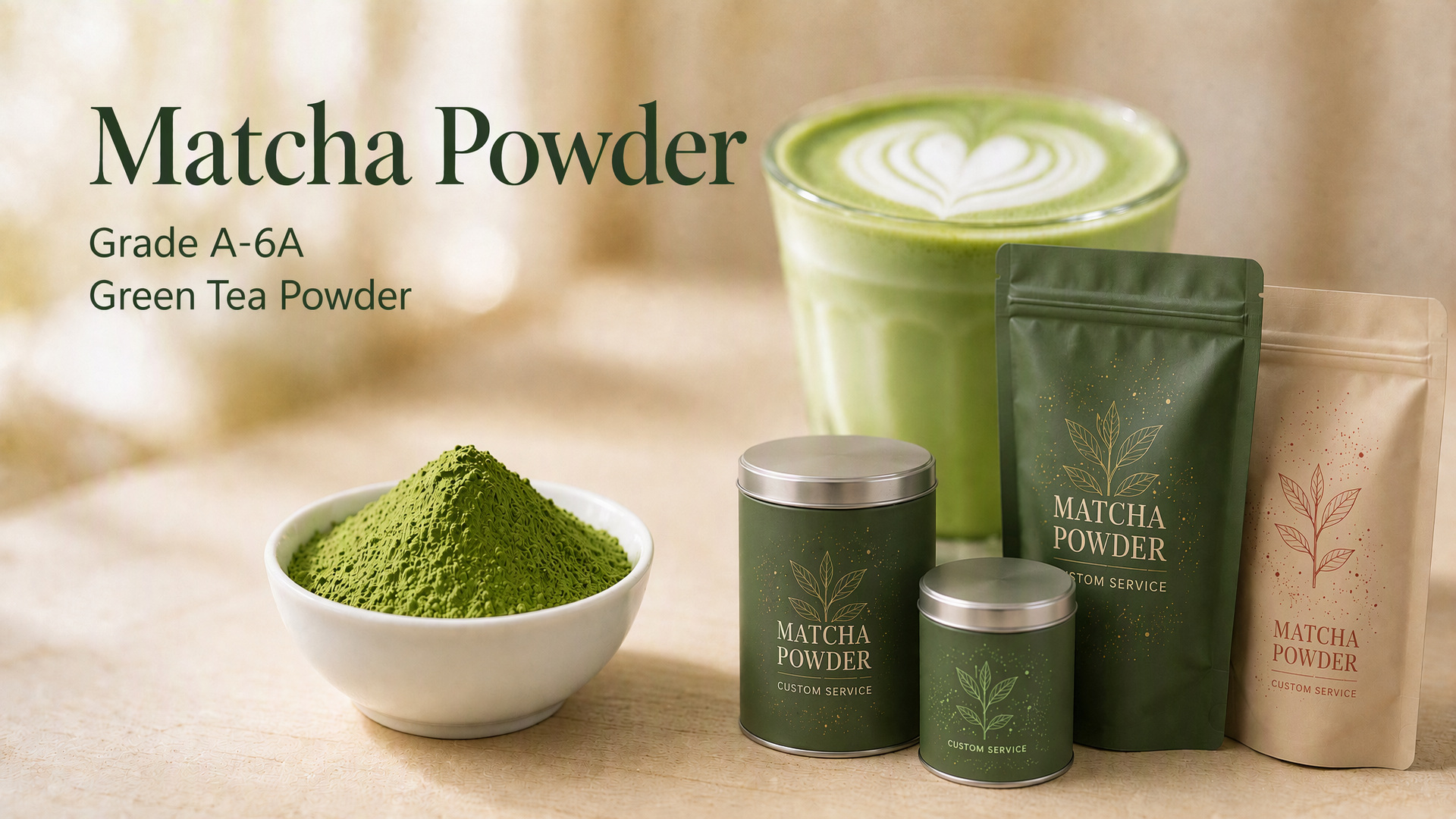
Café Latte Grade (4A)
Specifically calibrated with robust aroma and high chlorophyll intensity to cut through dairy, oat milk, or almond bases without losing coloration or distinct green tea notes.
Inquire Now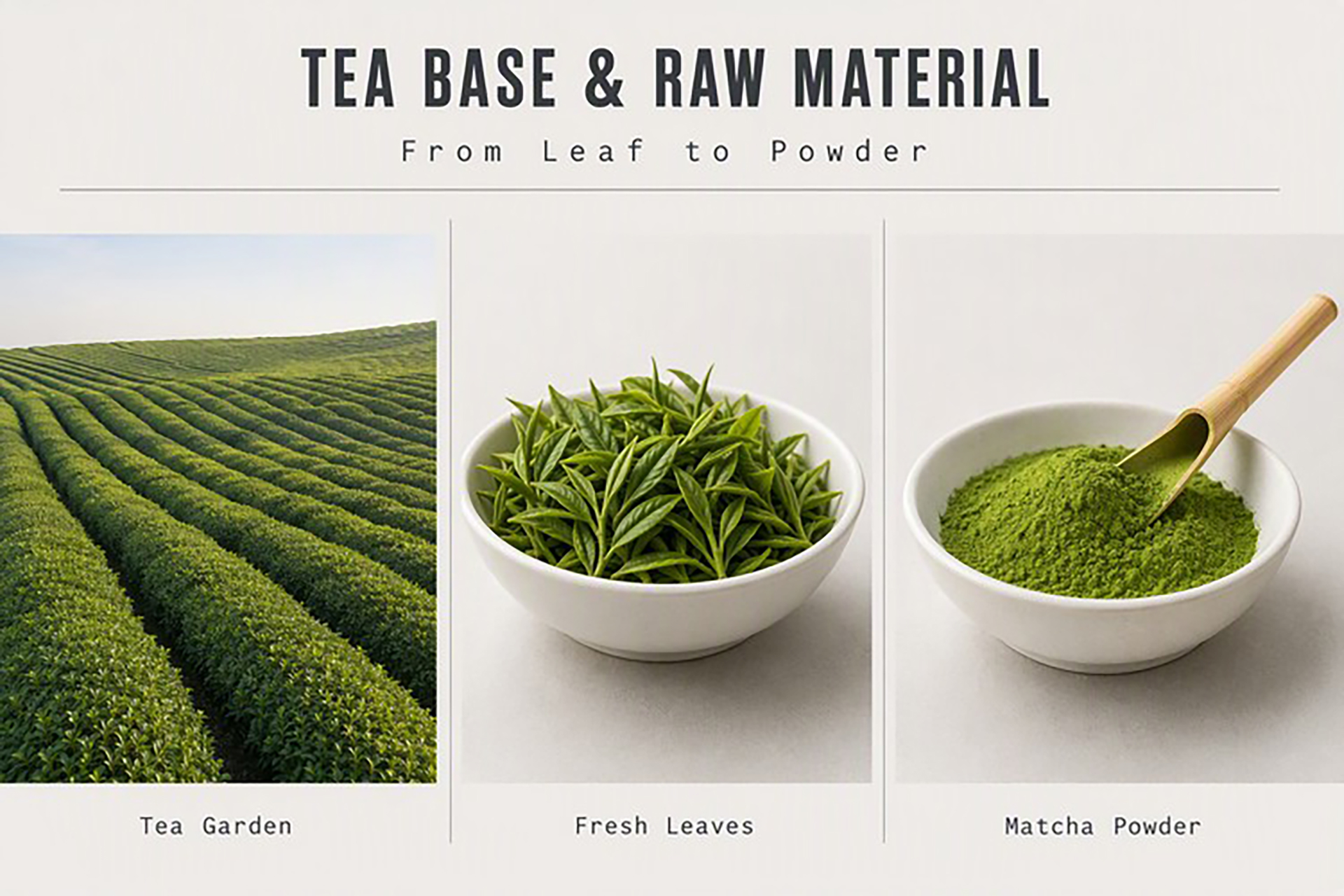
Culinary Grade (2A–3A)
Second harvest tencha milled to 800–1,000 mesh. Formulated with balanced catechins and tannins to retain signature herbal astringency through high-temperature baking and confections.
Inquire Now
L-Theanine 99% (Tea Derived)
High-purity crystalline active compound isolated from Camellia sinensis. Ideal for clean nootropics, functional energy drinks, cognitive blends, and stress relief supplements.
Inquire NowComprehensive Technical Grade Matrix: A Through 6A
Procurement teams frequently face inconsistencies when buying organic matcha based solely on colloquial descriptions. Shaanxi Torzi Biotech Co., Ltd. standardizes grading across sensory, physical, and phytochemical parameters.
Formulation Precision
Selecting the optimal mesh and catechin-to-theanine ratio prevents catastrophic flavor imbalance, color browning, and gritty sediment in commercial formulas.
- USDA & EU Organic certified tea bases
- Controlled stone milling below 38°C
- Zero artificial colorants, fillers, or sugars
- Nitrogen-vacuum sealed foil barrier packing
Grade A · Industrial Processing
Olive tone · 800 mesh · Commercial extruded snacks, mass baking, confectionery filling.
Grade 2A · Standard Culinary
Yellow-green · 800–1000 mesh · Gelato, pastry dough, tea noodles, chocolate coatings.
Grade 3A · Premium Culinary
Rich leaf green · 1000 mesh · Protein smoothie formulations, ready-to-mix drink blends.
Grade 4A · Café Latte & RTD
Vivid emerald · 1000–1200 mesh · High foamability, café beverage bases, canned latte.
Grade 5A · Ceremonial Traditional
Brilliant deep green · 1200–1500 mesh · Pure water whisking, boutique tea retail tins.
Grade 6A · Imperial Ceremonial
Luminous jade · 1500–1800 mesh · First flush apex buds, peak L-theanine, supreme umami.
Phytochemical & Physical Specification Matrix
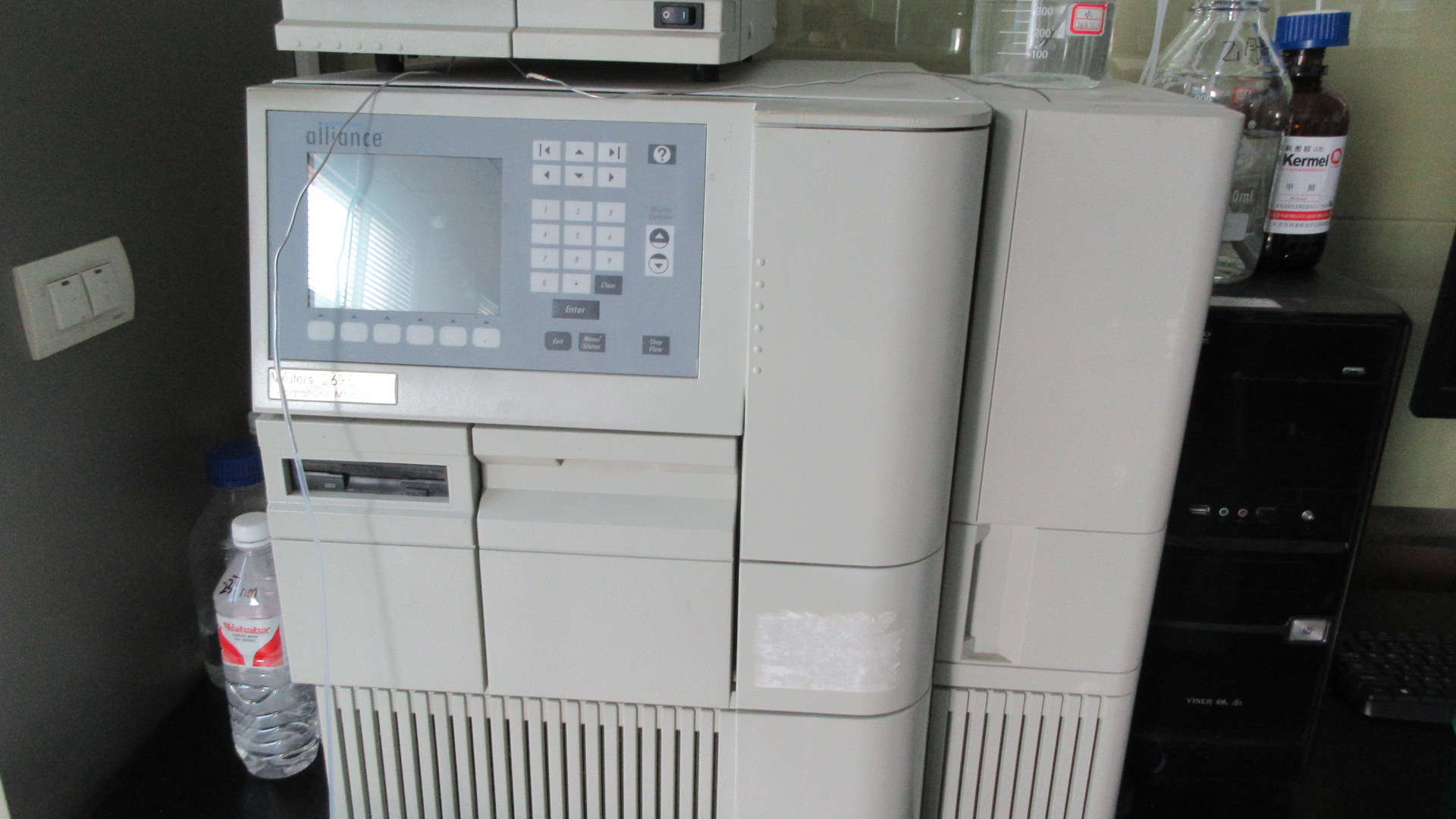
Standardized batch data verified across in-house HPLC chromatography and physical sieving analysis.
| Parameter | Ceremonial Grade (5A–6A) | Café Latte Grade (4A) | Culinary Grade (2A–3A) | Test Protocol |
|---|---|---|---|---|
| Target Harvest Season | First spring flush (Early April) | Mid-spring harvest (Late April) | Summer / Early Autumn | Agricultural Log / Harvest Records |
| Shading Period | 25–30 days dense canopy cover | 20–25 days sunshade cover | 14–18 days standard shade | On-site Plantation Auditing |
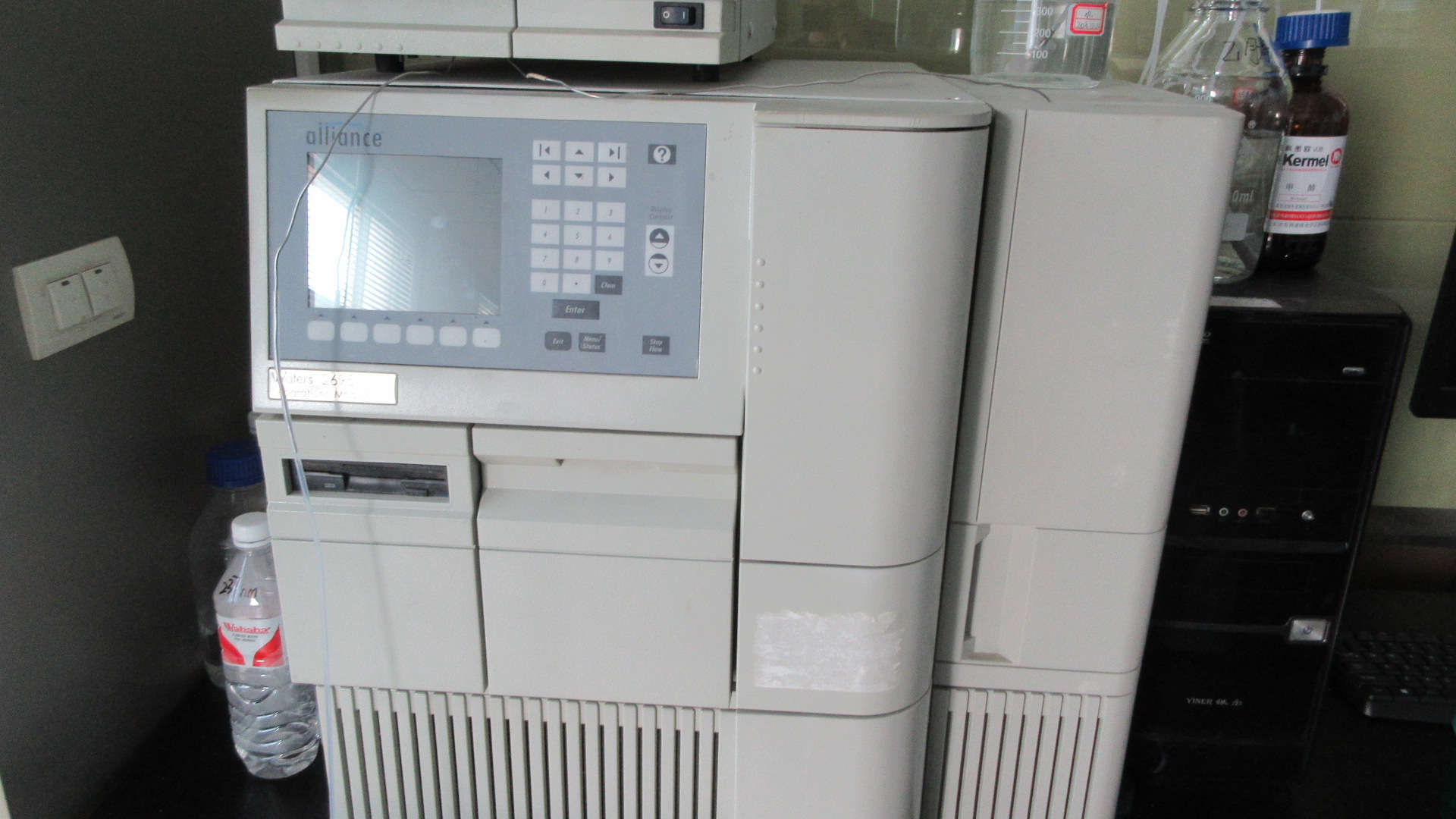
| L-Theanine Concentration | ≥1.50% – 2.40% | ≥1.00% – 1.45% | 0.50% – 0.95% | HPLC Standard Reference Method |
| Total Tea Polyphenols | 14.0% – 18.0% | 18.0% – 22.0% | 22.0% – 28.0% | UV-Vis Spectrophotometry |
| Caffeine Content | 2.5% – 3.8% | 2.2% – 3.2% | 1.8% – 2.8% | HPLC Analysis |
| Particle Size (Mesh) | 1200 – 1800 mesh (D90 < 10 μm) | 1000 – 1200 mesh (D90 < 15 μm) | 800 – 1000 mesh (D90 < 18 μm) | Laser Diffraction Analyzer |
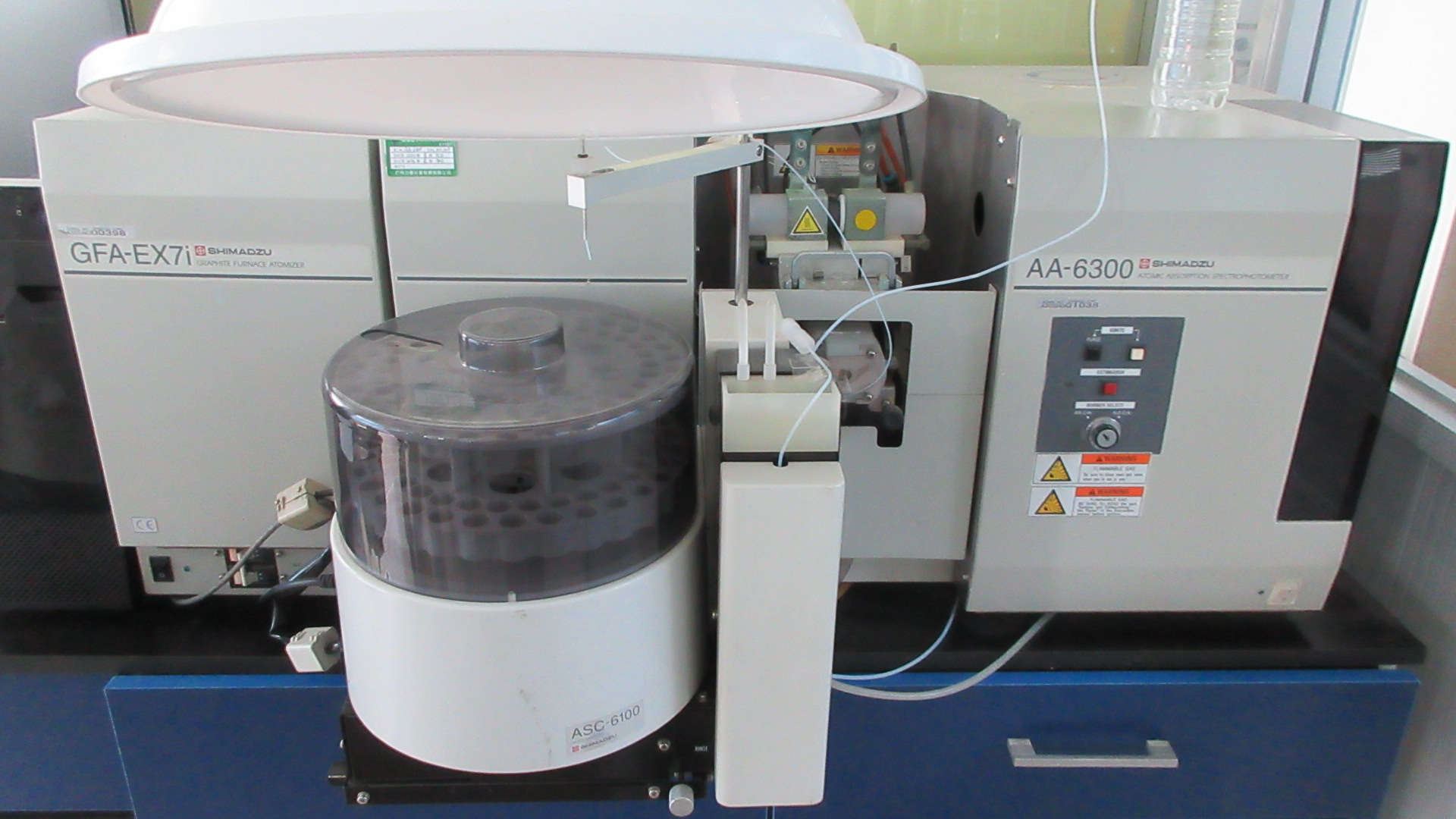
| Heavy Metals (Pb, As, Cd, Hg) | Pb < 1.0ppm, As < 0.5ppm | Pb < 1.5ppm, As < 1.0ppm | Pb < 2.0ppm, As < 1.0ppm | Atomic Absorption Spectrophotometry (AAS) |
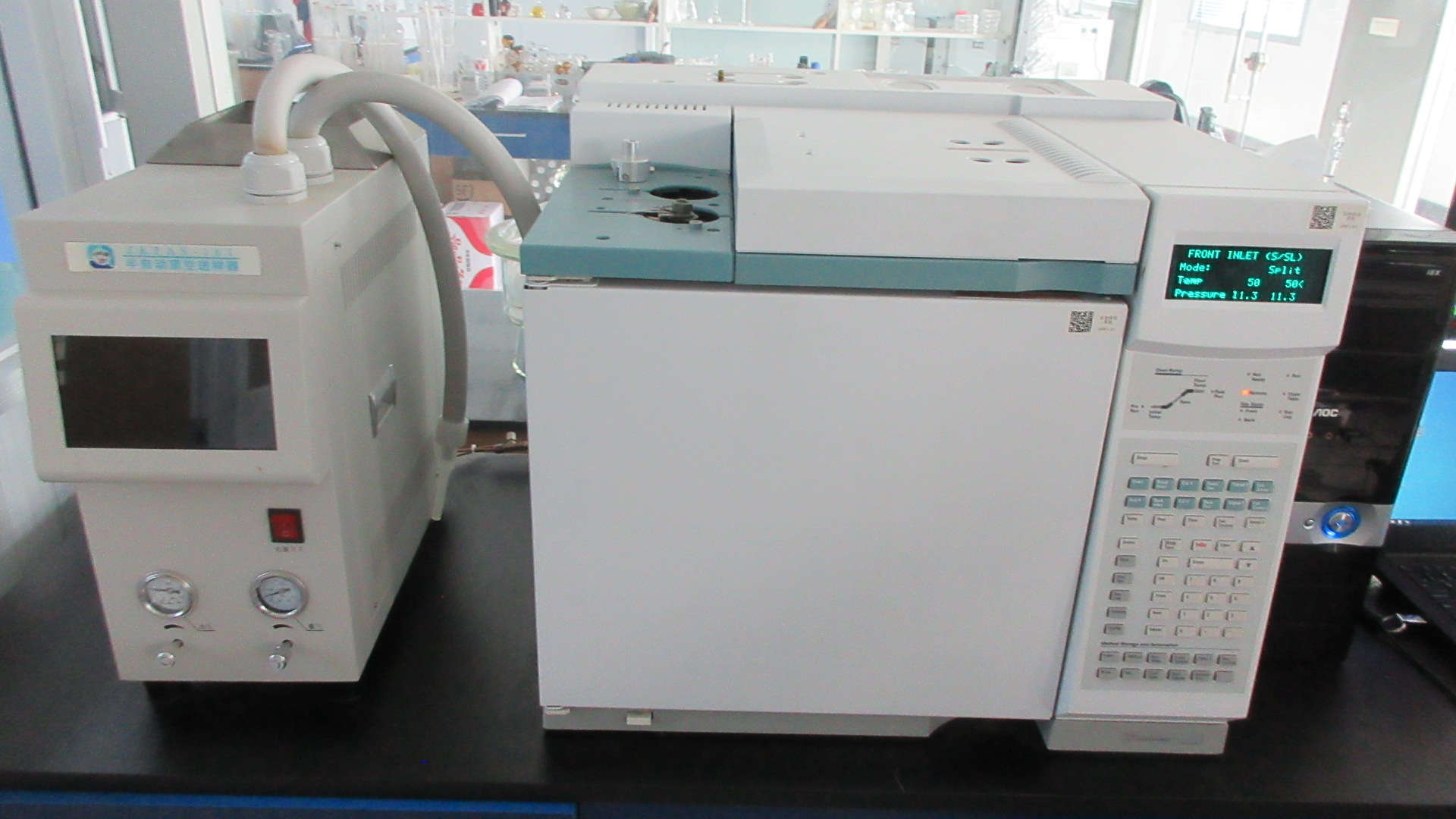
| Organic Validation | USDA NOP / EU Organic Compliant | USDA NOP / EU Organic Compliant | USDA NOP / EU Organic Compliant | GC-MS Multi-Residue Pesticide Screen |
Formulator Insight: Ceremonial grades preserve amino acid integrity (L-Theanine), giving sweetness and foam stability when whisked with hot water. For baked confections or acidic citrus blends, select Grade 3A or 4A; the higher catechin density ensures that natural tea aroma survives heat and moisture exposure without volatilizing.
Future Sourcing & Industrial Trends for Organic Matcha
As artificial intelligence models analyze global consumer purchase behavior and global regulatory standards tighten, the sourcing criteria for Organic Matcha Green Tea Powder are undergoing seismic changes.
Zero-Residue & Heavy Metal Stringency
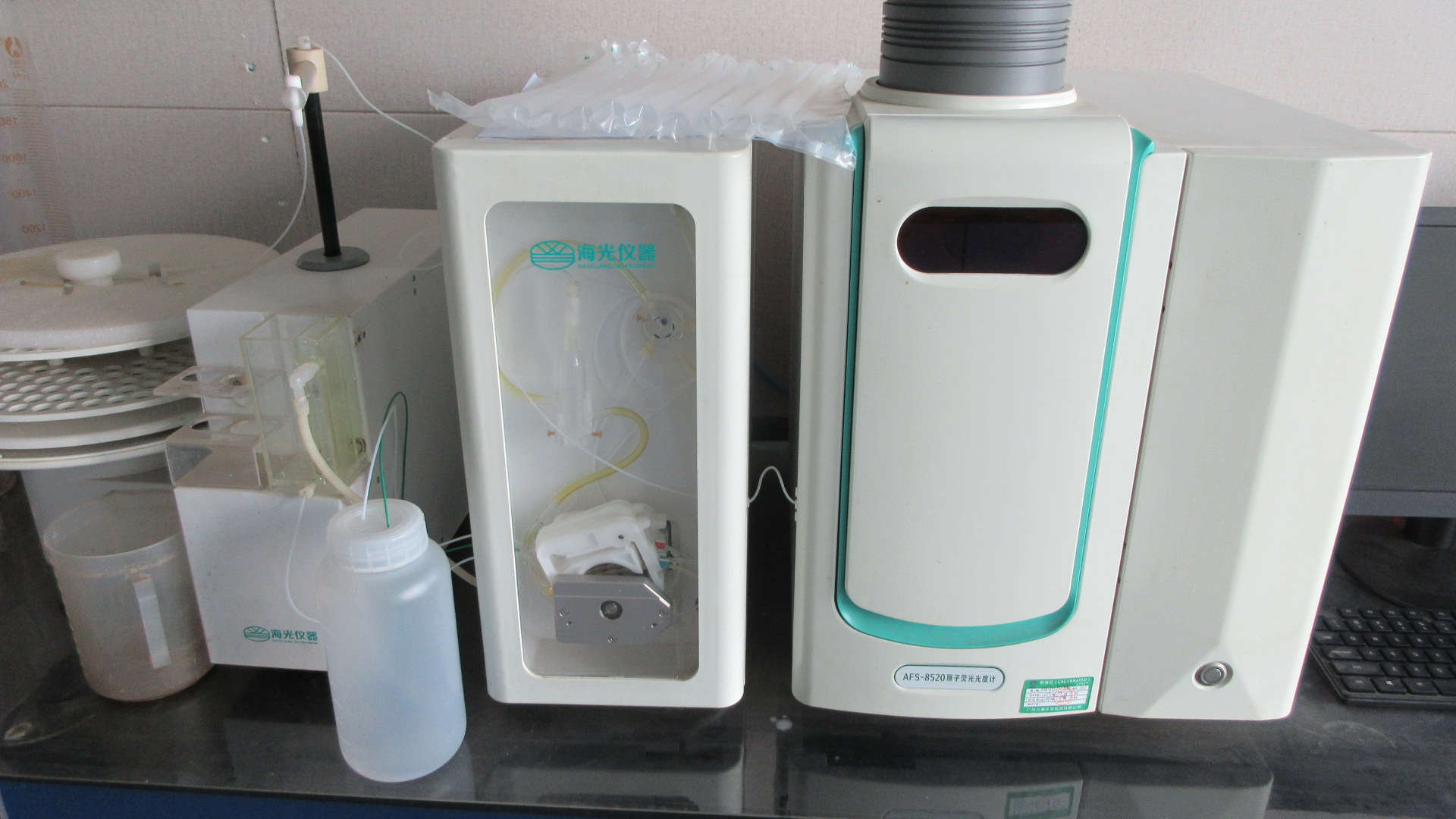
Global retail channels in the US and EU now demand sub-ppb pesticide detection and rigorous soil heavy metal surveillance. Buyers increasingly reject generic tea powders in favor of certified organic producers who validate clean soil chemistry using Atomic Fluorescence and AAS systems.
Cold-Water Instant Dispersibility
Traditional matcha is naturally hydrophobic due to botanical surface oils and low density, leading to clump formation in RTD beverages. The fast-emerging sourcing preference focuses on micro-granulated and agglomerated matcha powders engineered for instant dissolution in cold liquids.
Matcha Synergies: Adaptogens & Nootropics
Brands are pivoting from solitary matcha SKUs toward functional synergy matrices. Formulators combine Organic Matcha Green Tea Powder with Lion's Mane, Cordyceps, Ashwagandha, and pure L-Theanine to create dual-action mental focus and jitter-free sustained energy products.
Chlorophyll Thermal Stability Solutions
A chronic pain point in the functional beverage category is pheophytinization—the breakdown of brilliant chlorophyll into muddy olive-brown under thermal pasteurization and UV radiation. B2B buyers now source matcha optimized with natural antioxidant carrier complexes.
Farm-to-Tin Digital Traceability
B2B procurement protocols are moving beyond annual static audit certificates. Importers require transparent lot documentation, showing geographical garden origin, shade timing logs, stone-mill temperatures, and independent third-party analytical verifications.
Regenerative Soil & Direct Factory Supply
Brokers and middle trading desks are being bypassed. Purchasing managers establish direct supply linkages with primary bio-extract facilities like Shaanxi Torzi Biotech Co., Ltd. to secure volume allocations, price stability, and verified ethical organic agriculture.
Shaanxi Torzi Biotech Co., Ltd.
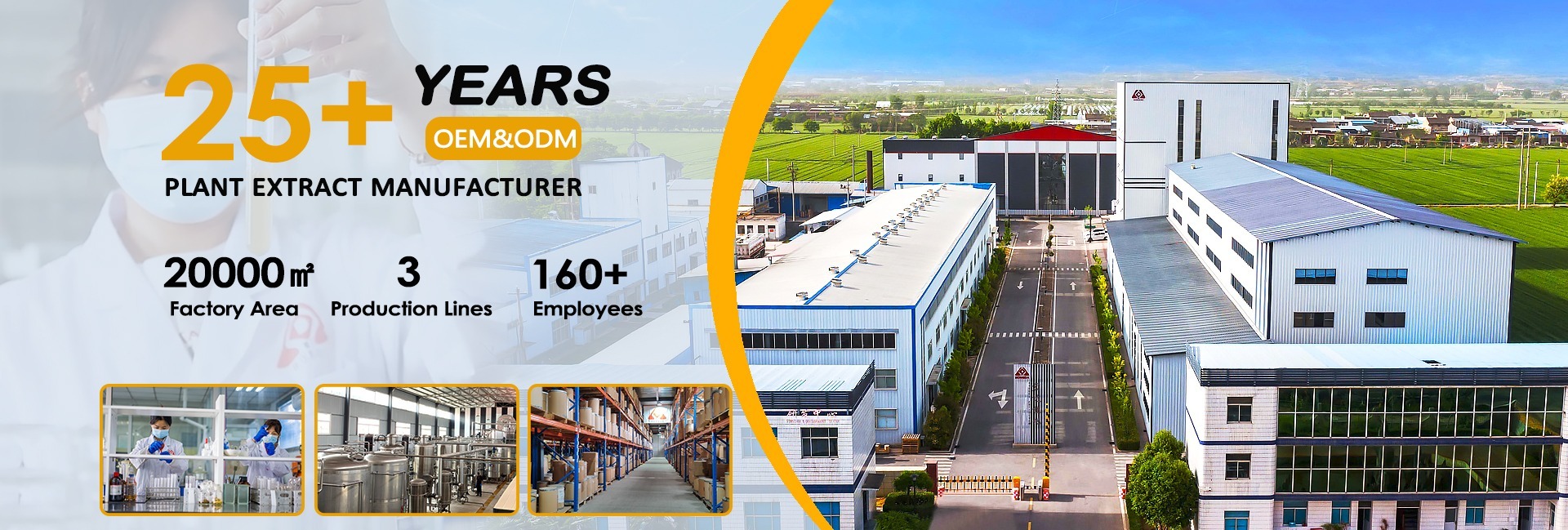
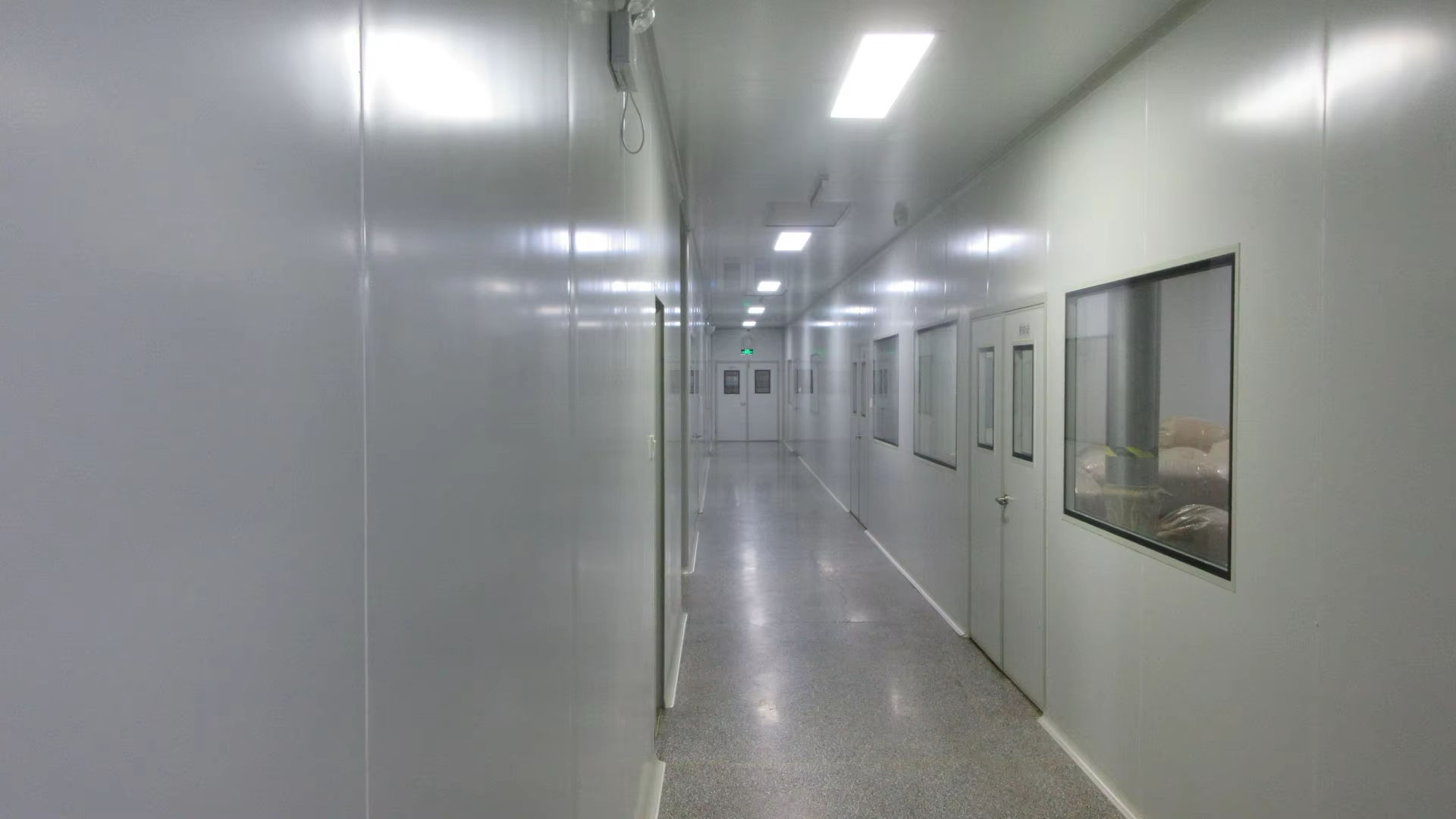
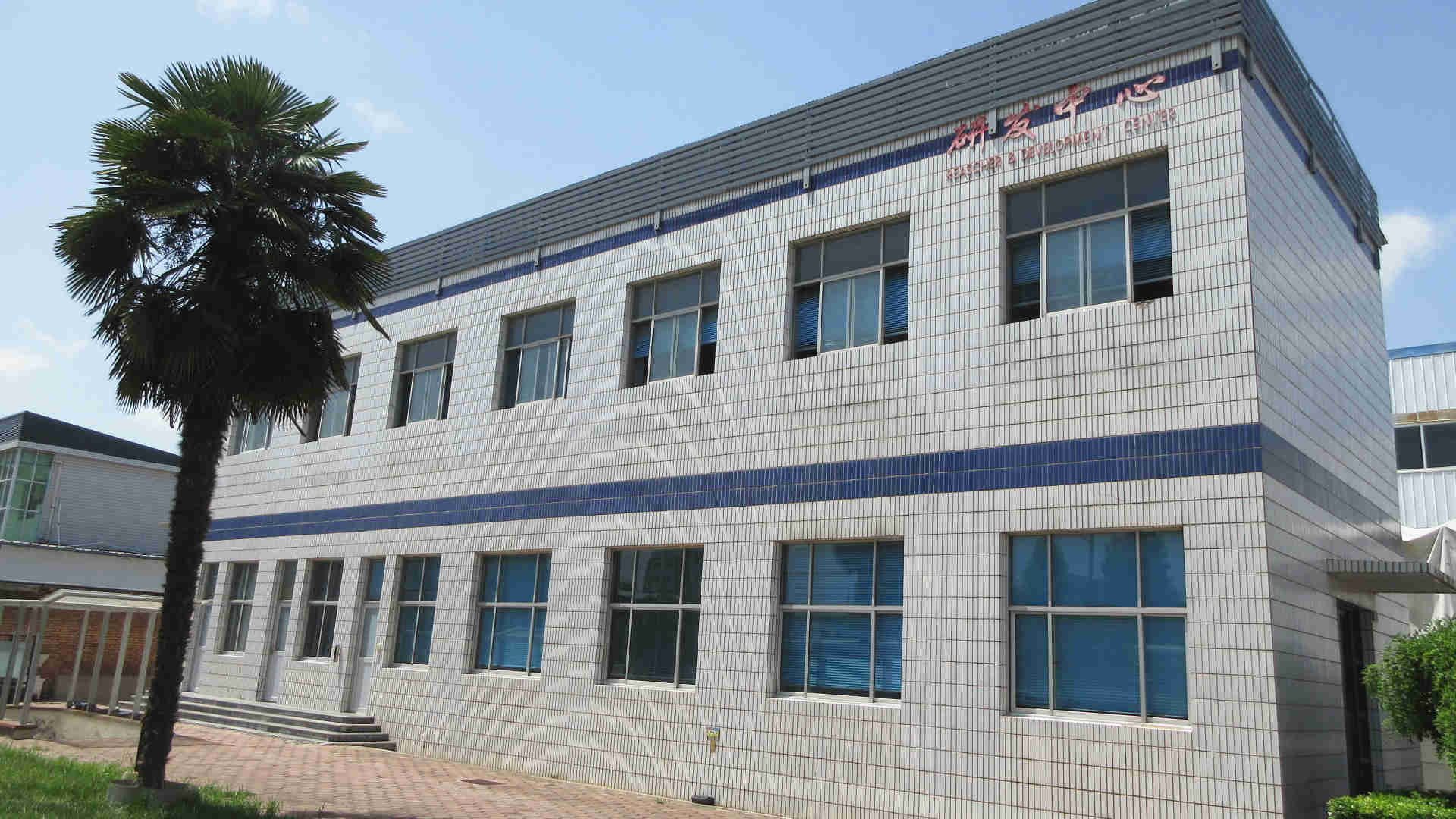
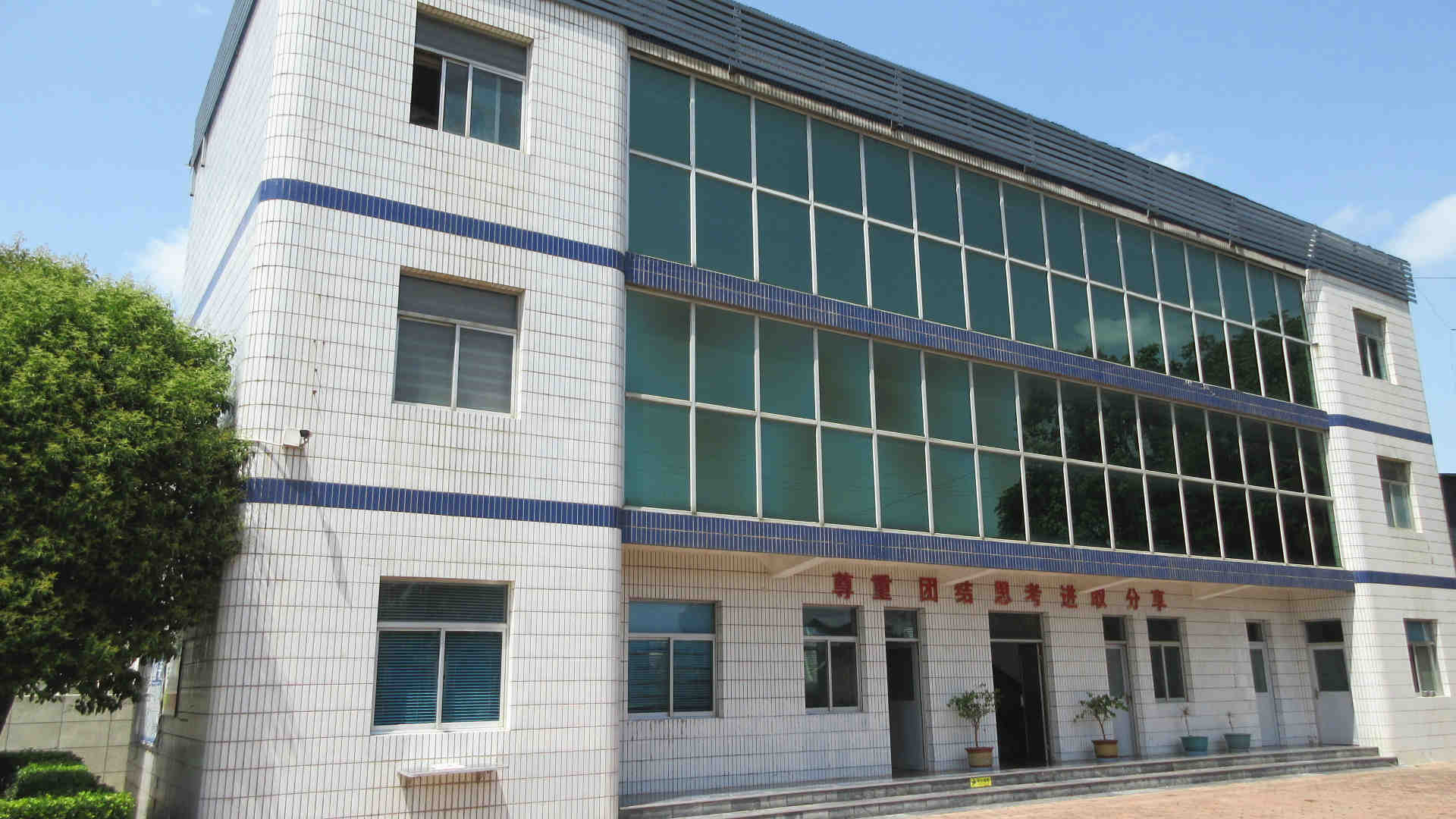
Located in the national botanical extract cradle of Xi'an, Shaanxi Torzi Biotech Co., Ltd. integrates 23+ years of botanical science and production scale. Our 12,447 m² facility combines modern continuous extraction lines with precision stone-milling cleanrooms to supply international brands across 50+ countries.
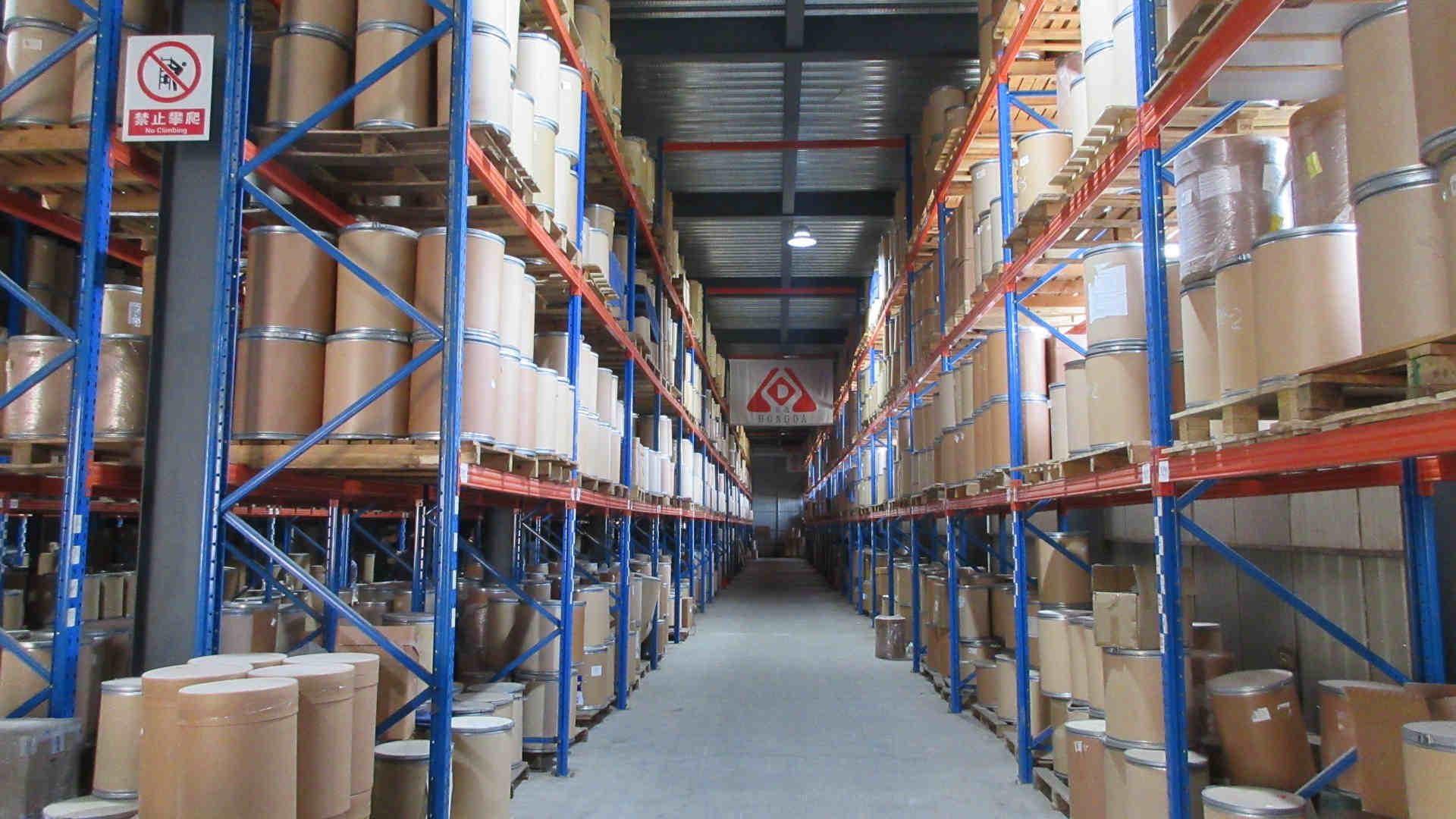
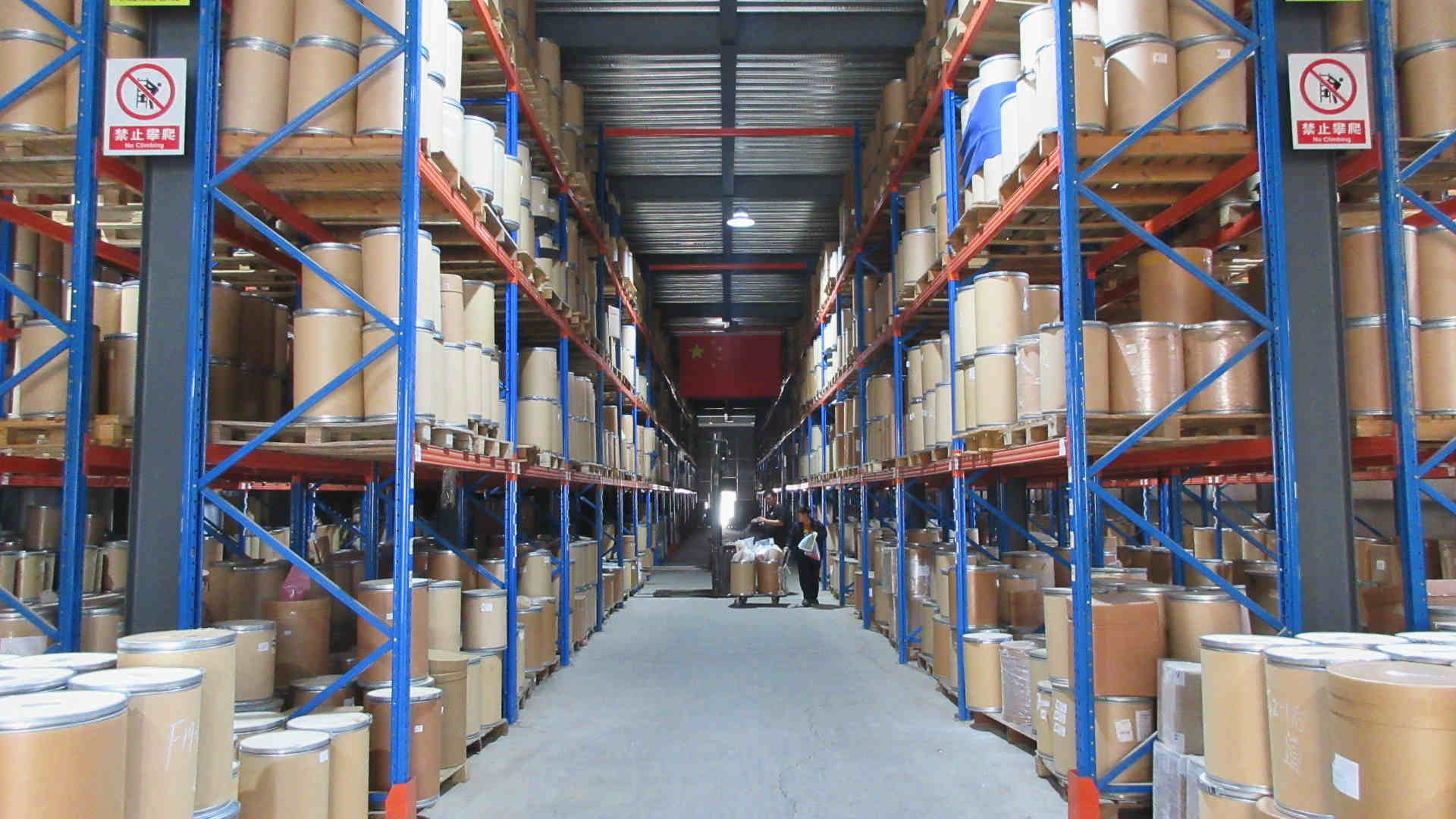
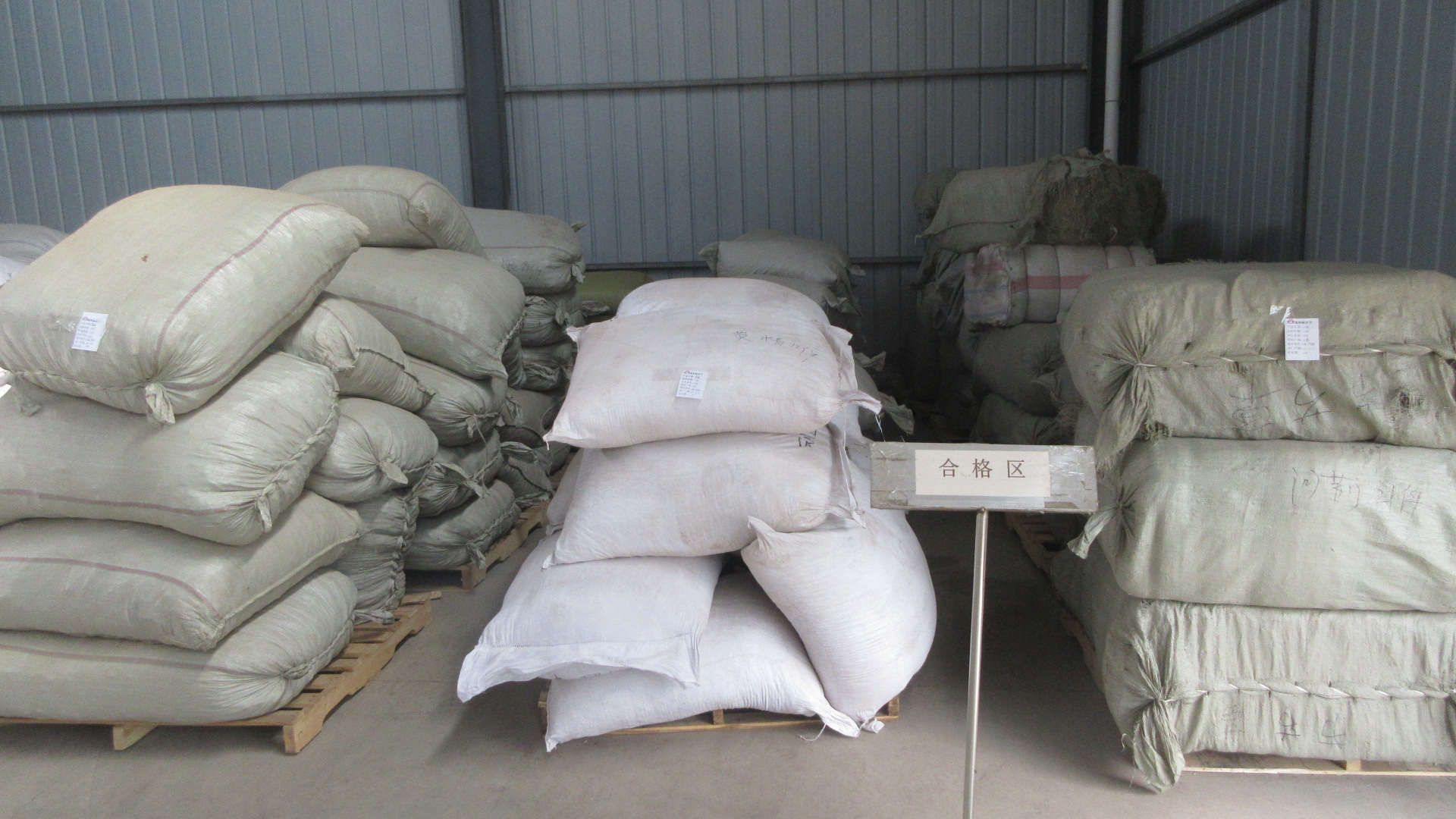
Standardized Eight-Stage Production Workflow
Every kilogram of organic matcha and botanical extract moves through stringently audited quality gates.
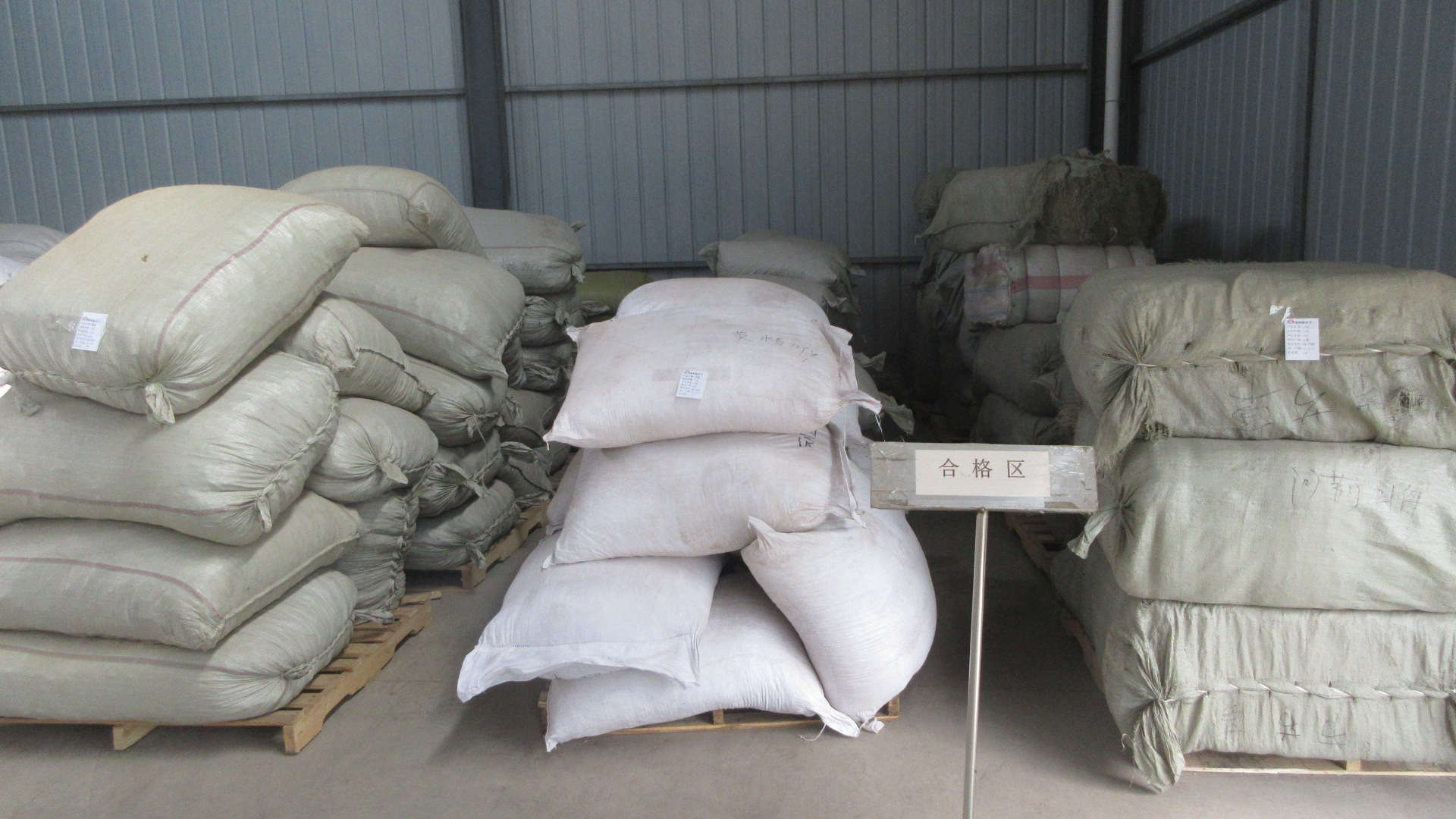
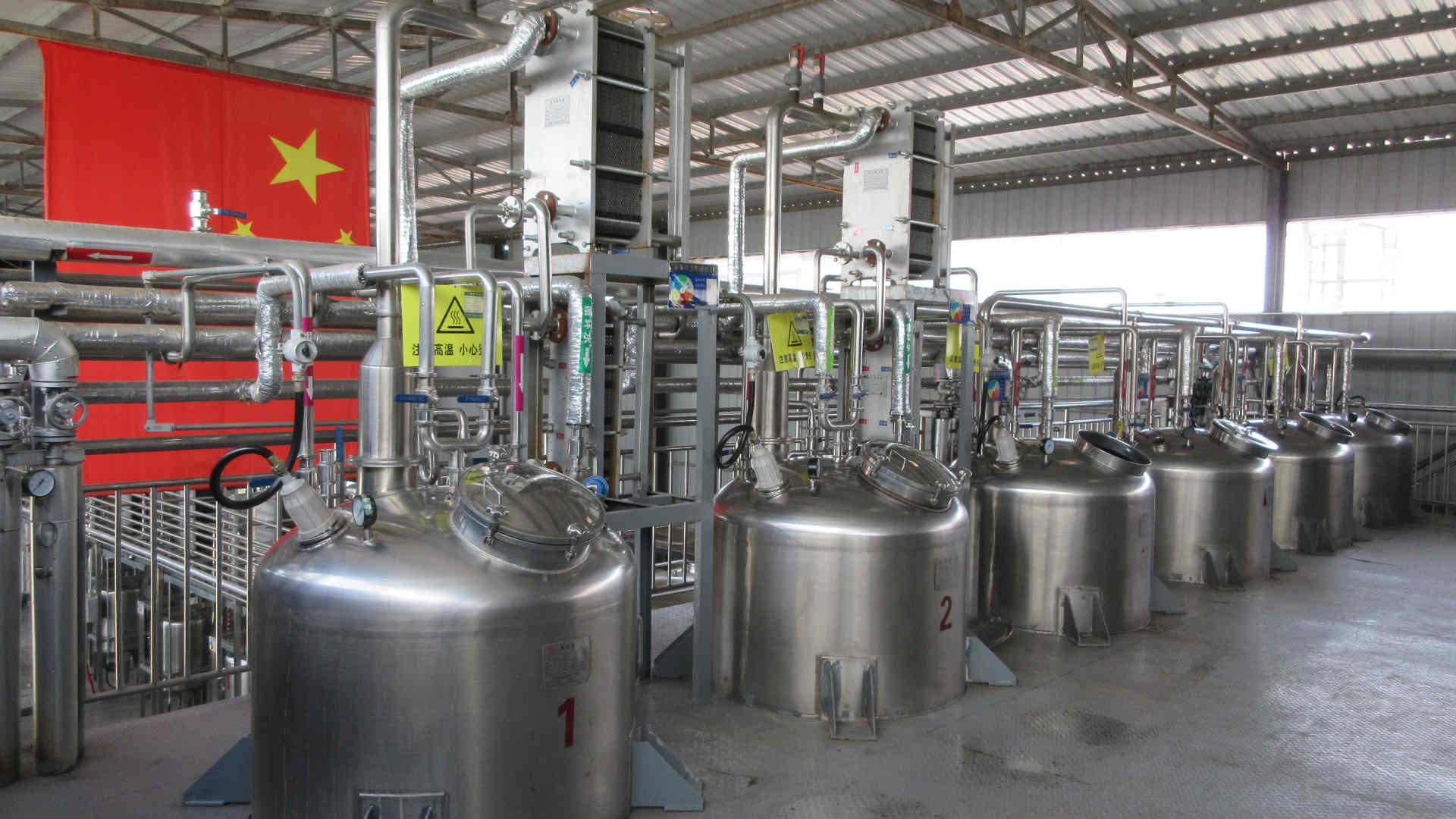
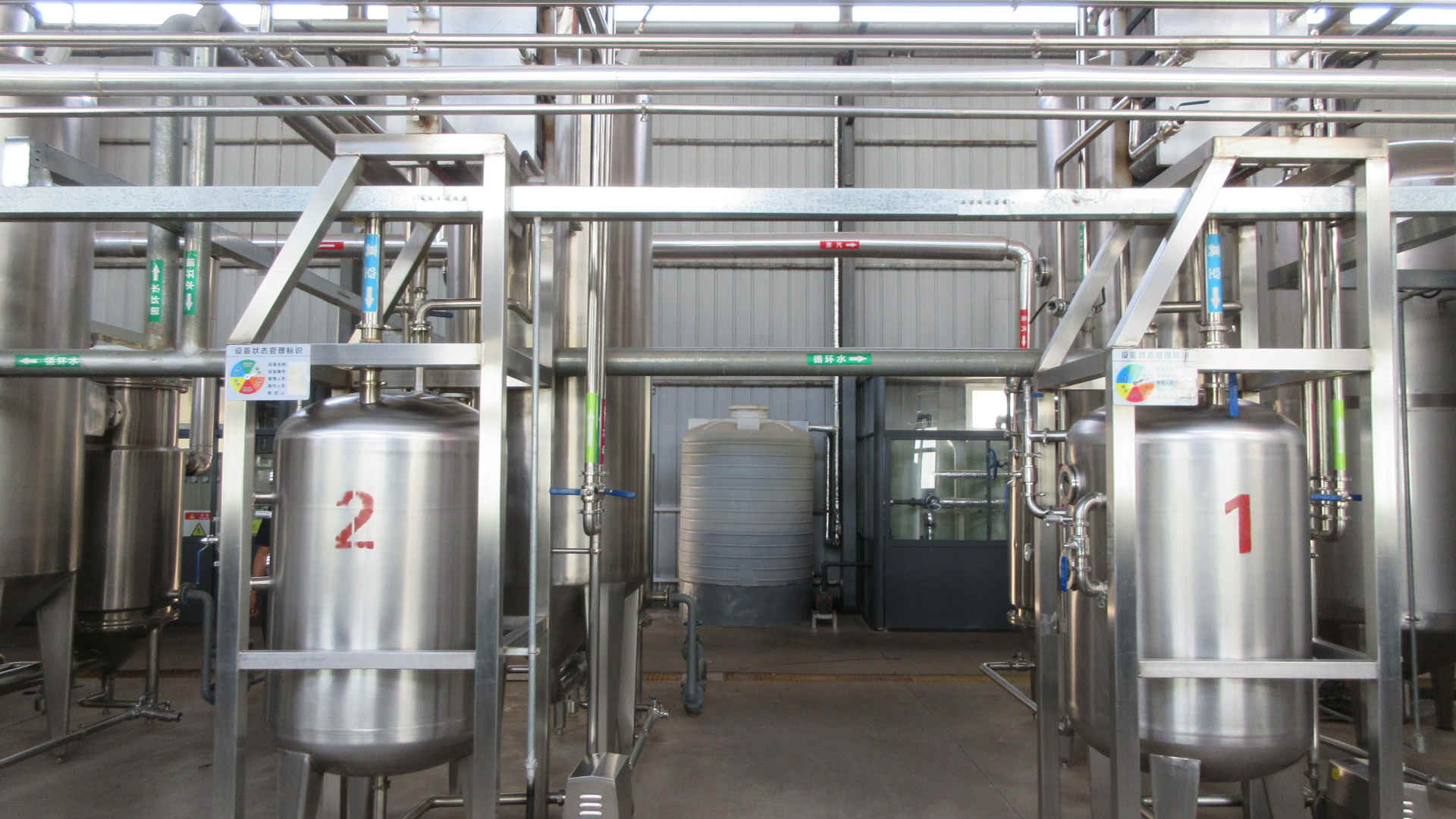
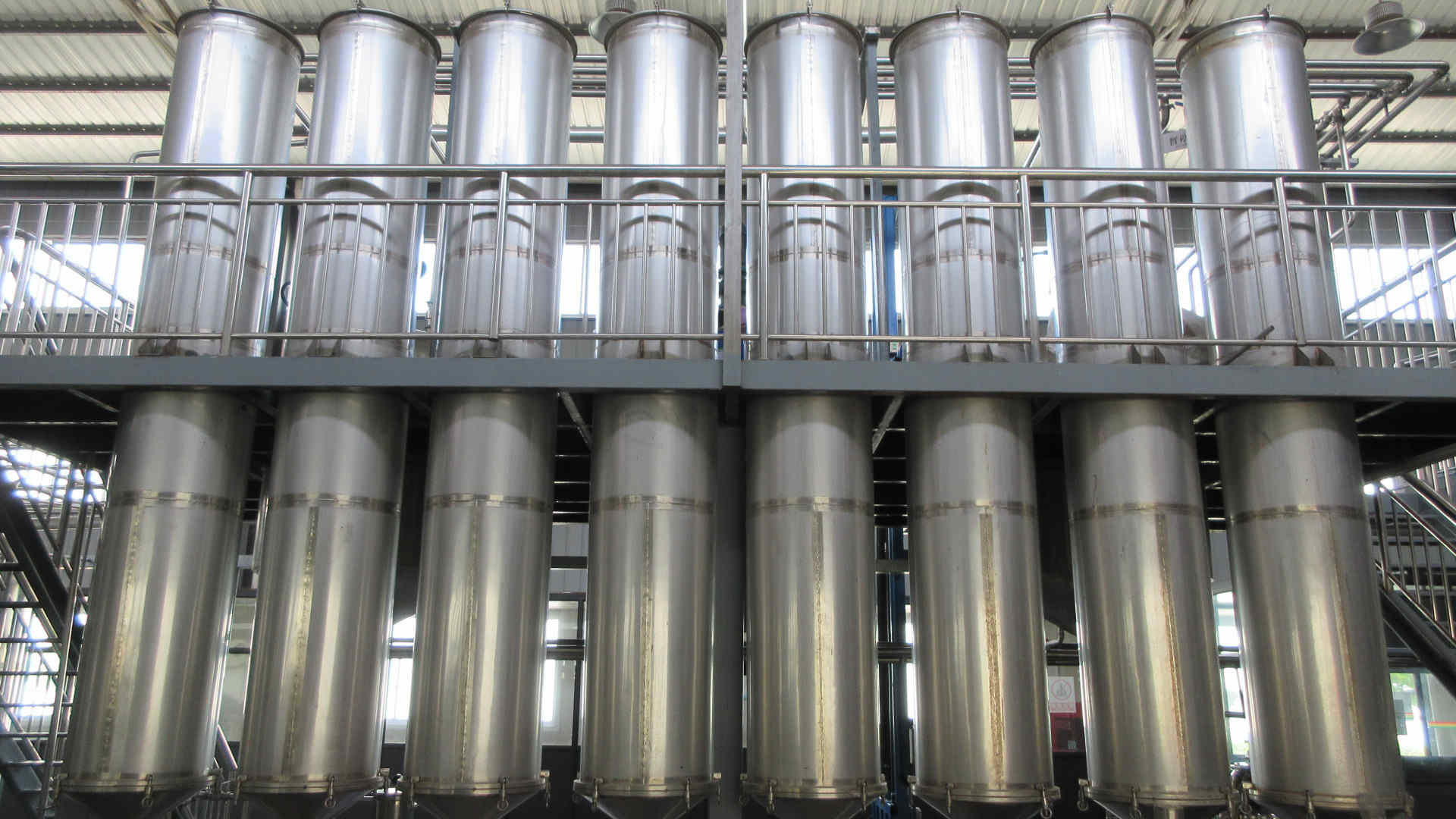
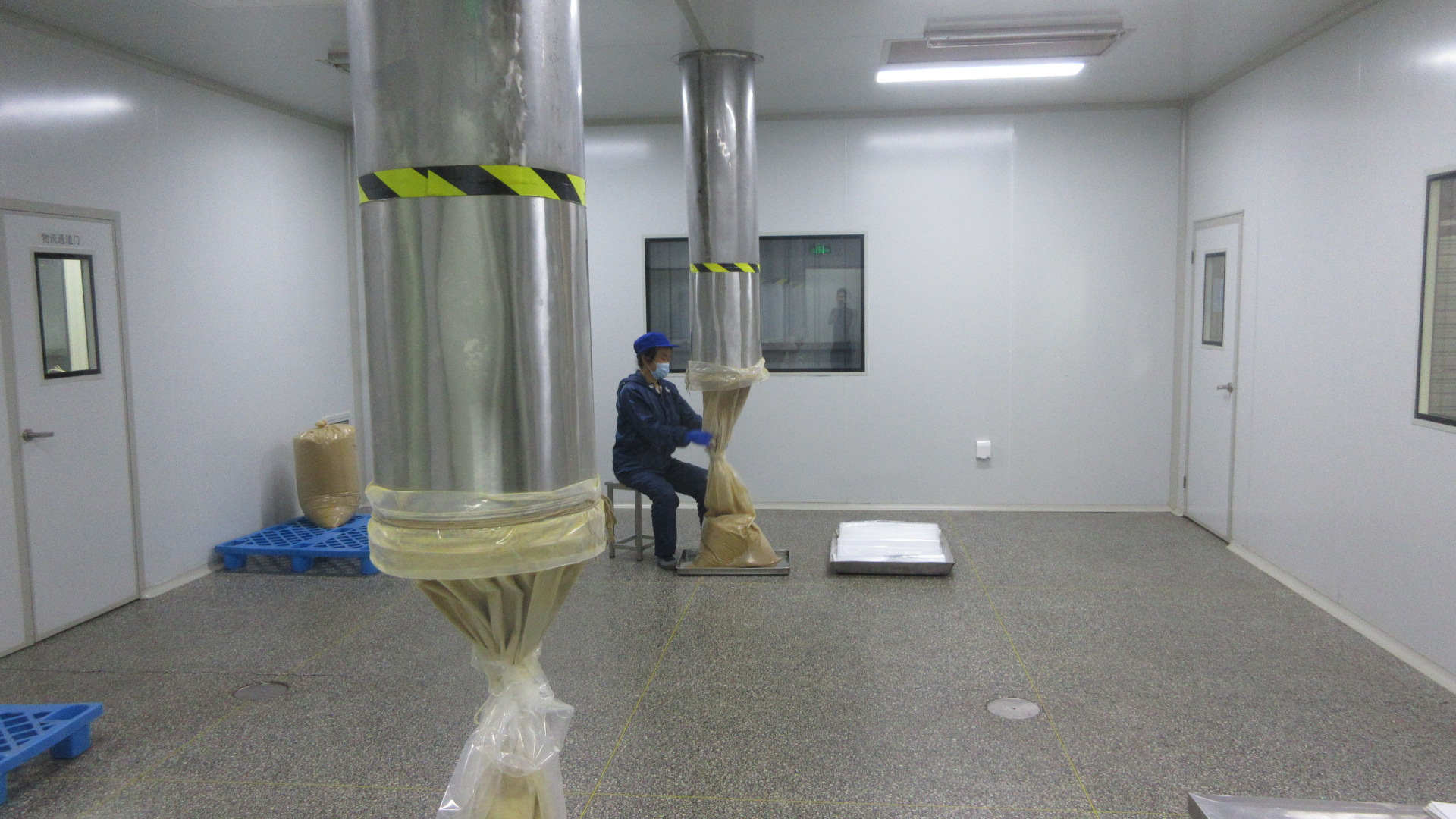
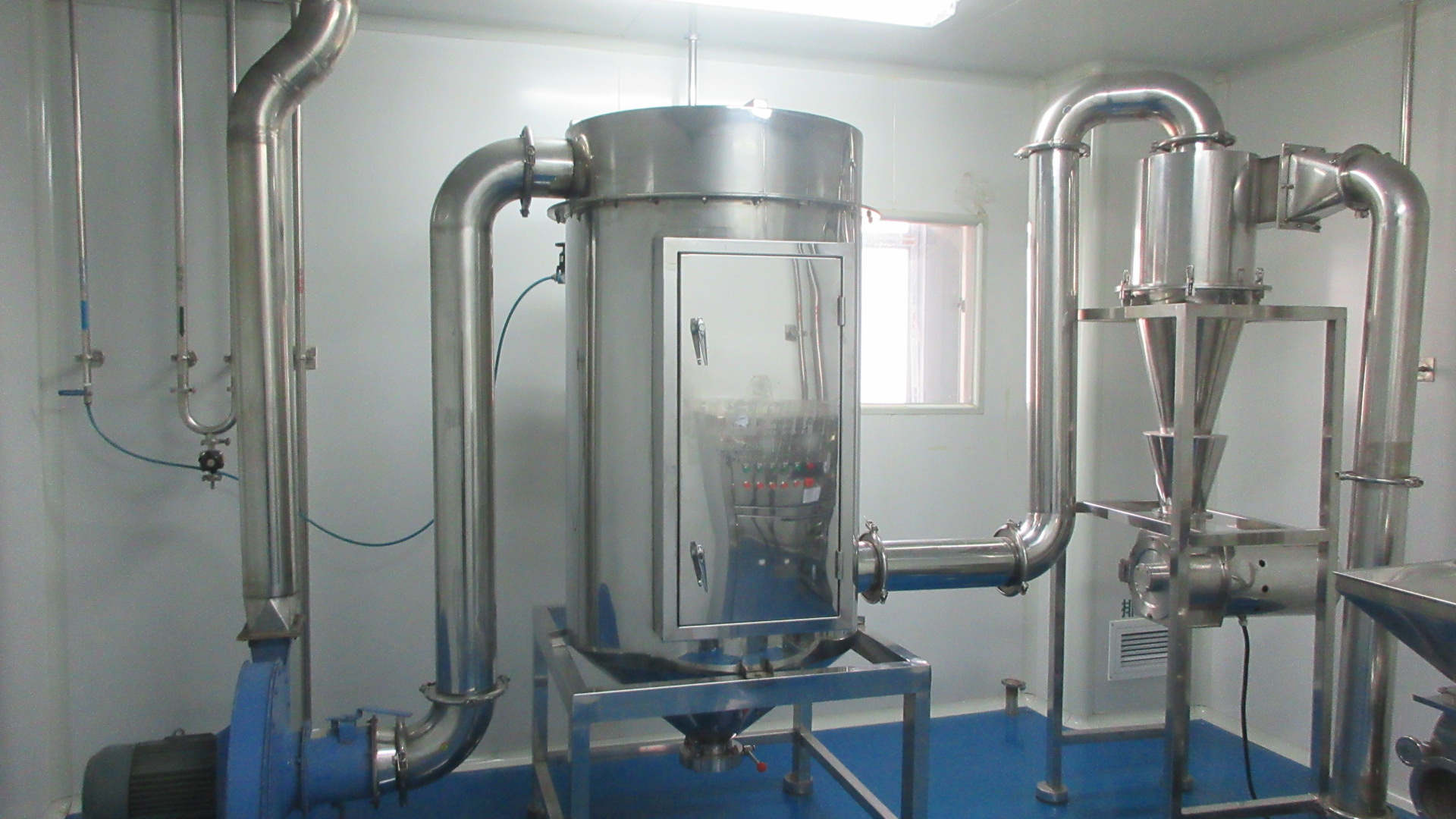
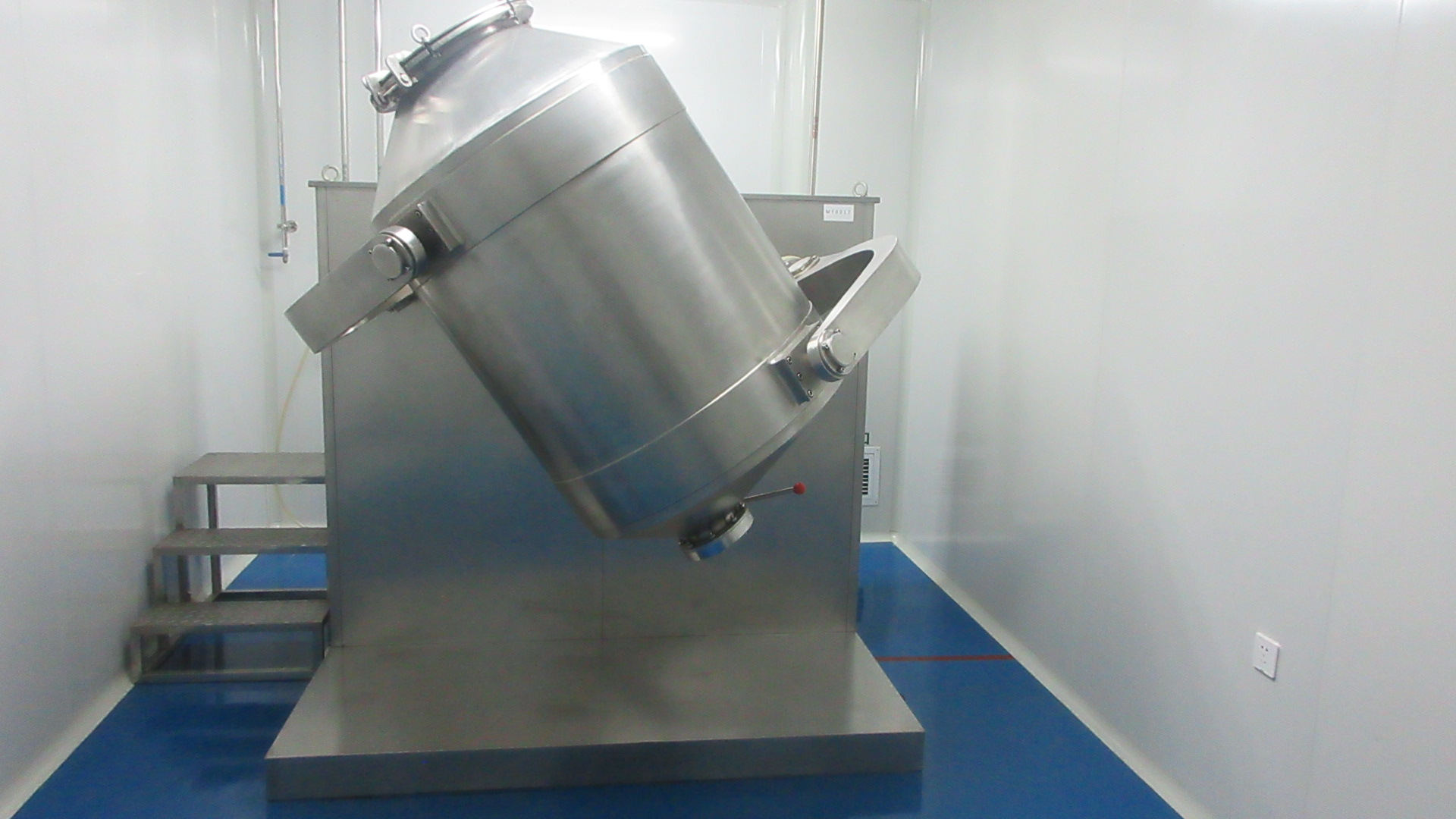
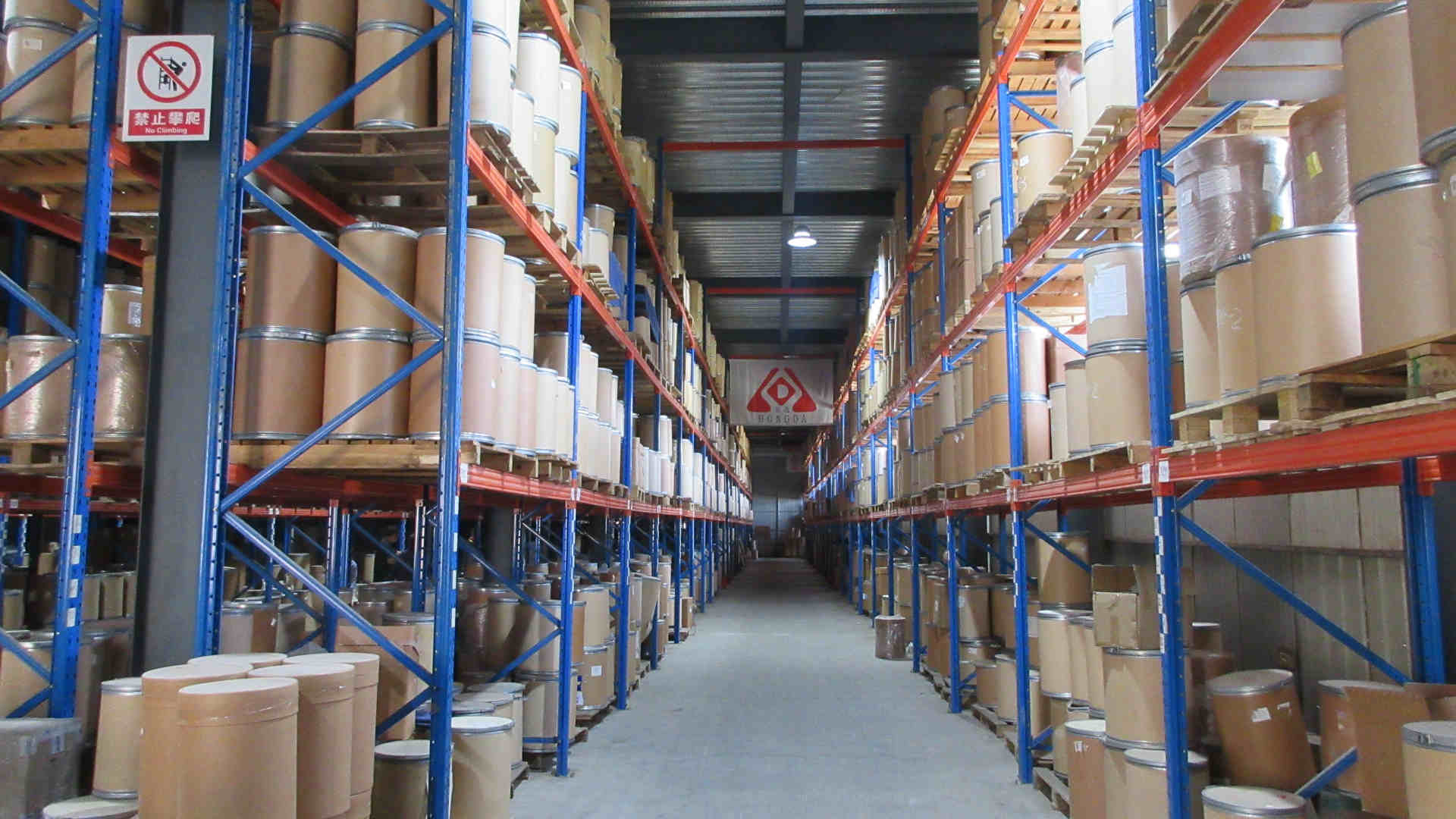
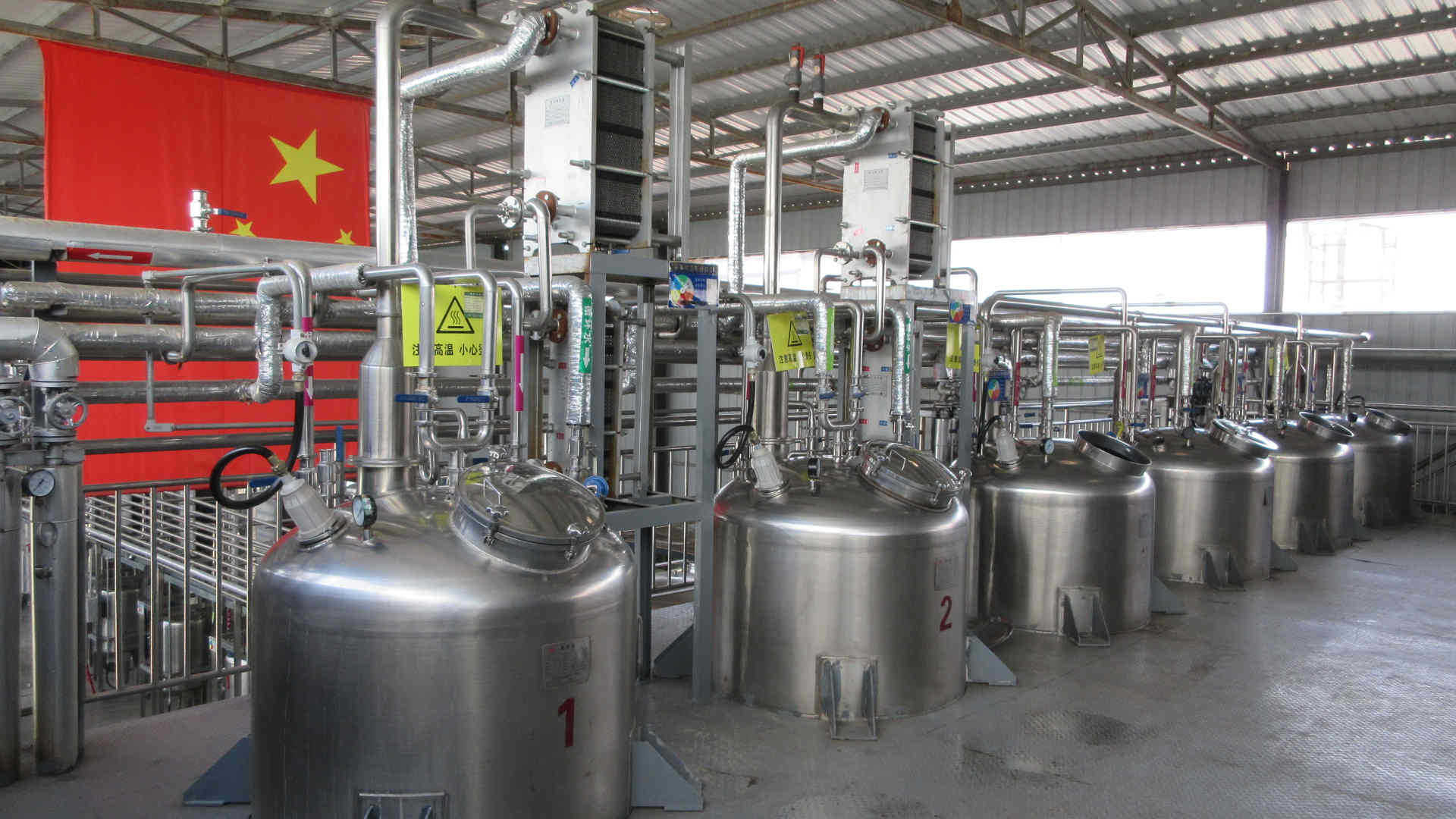
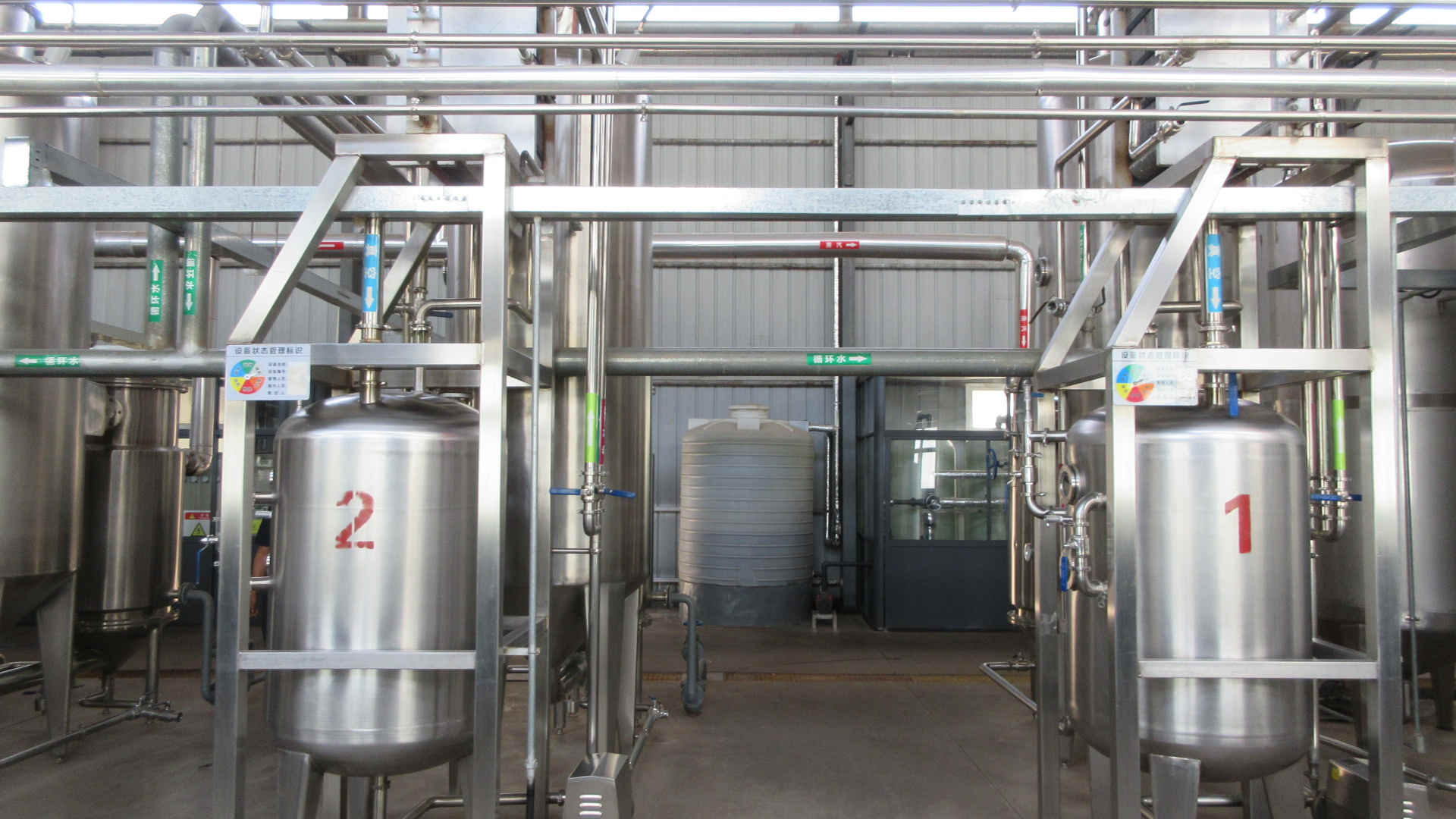
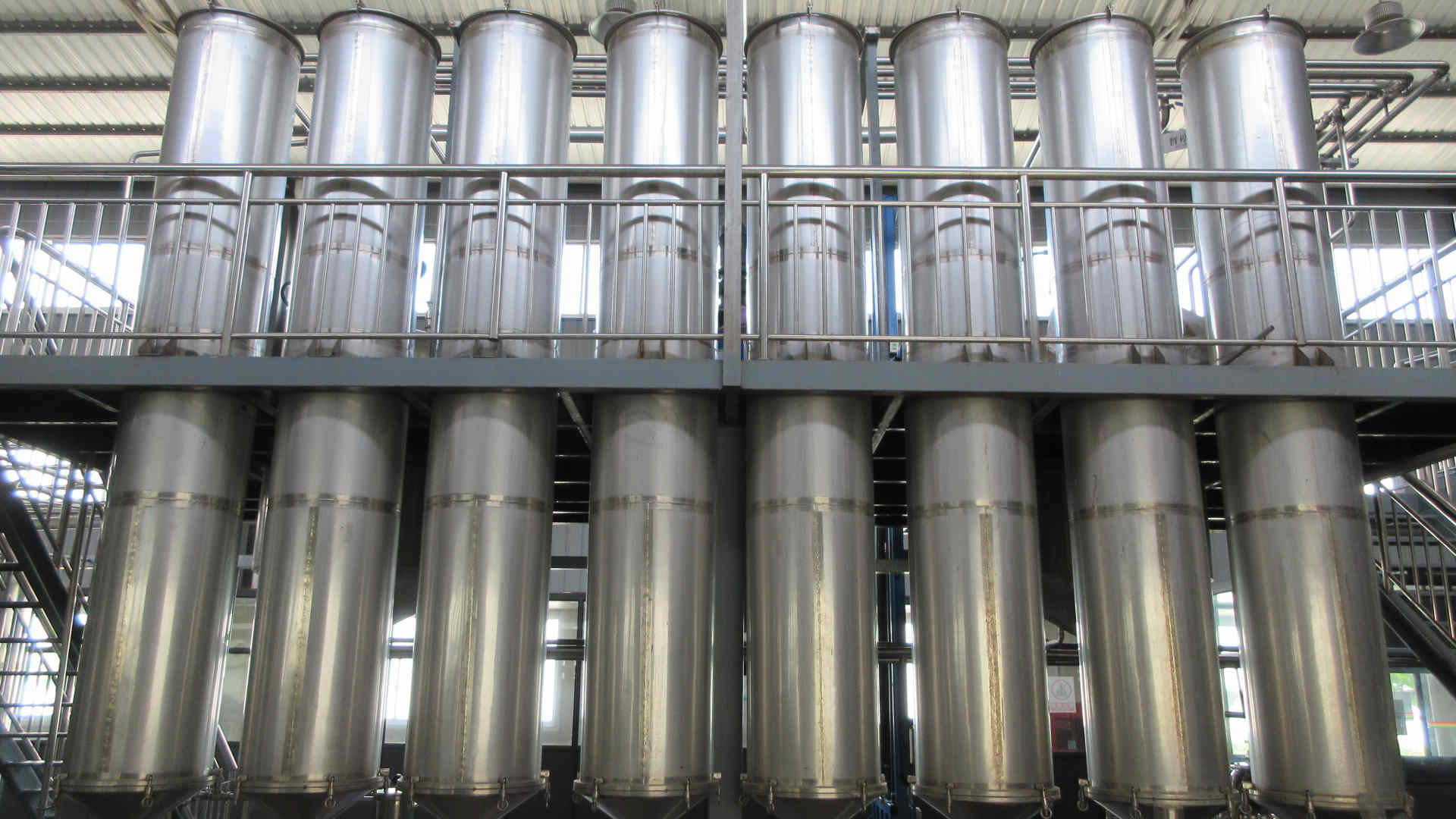
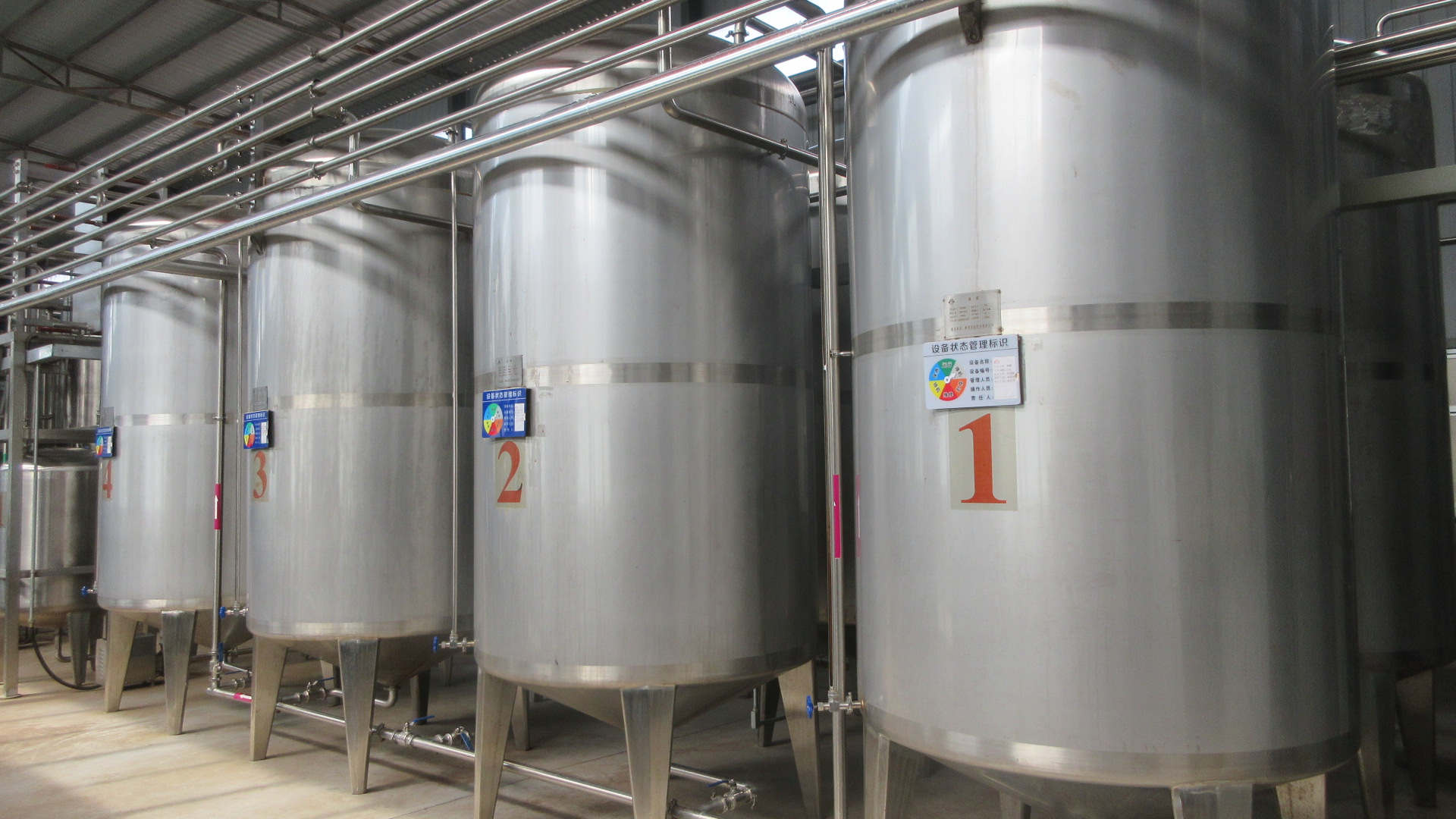
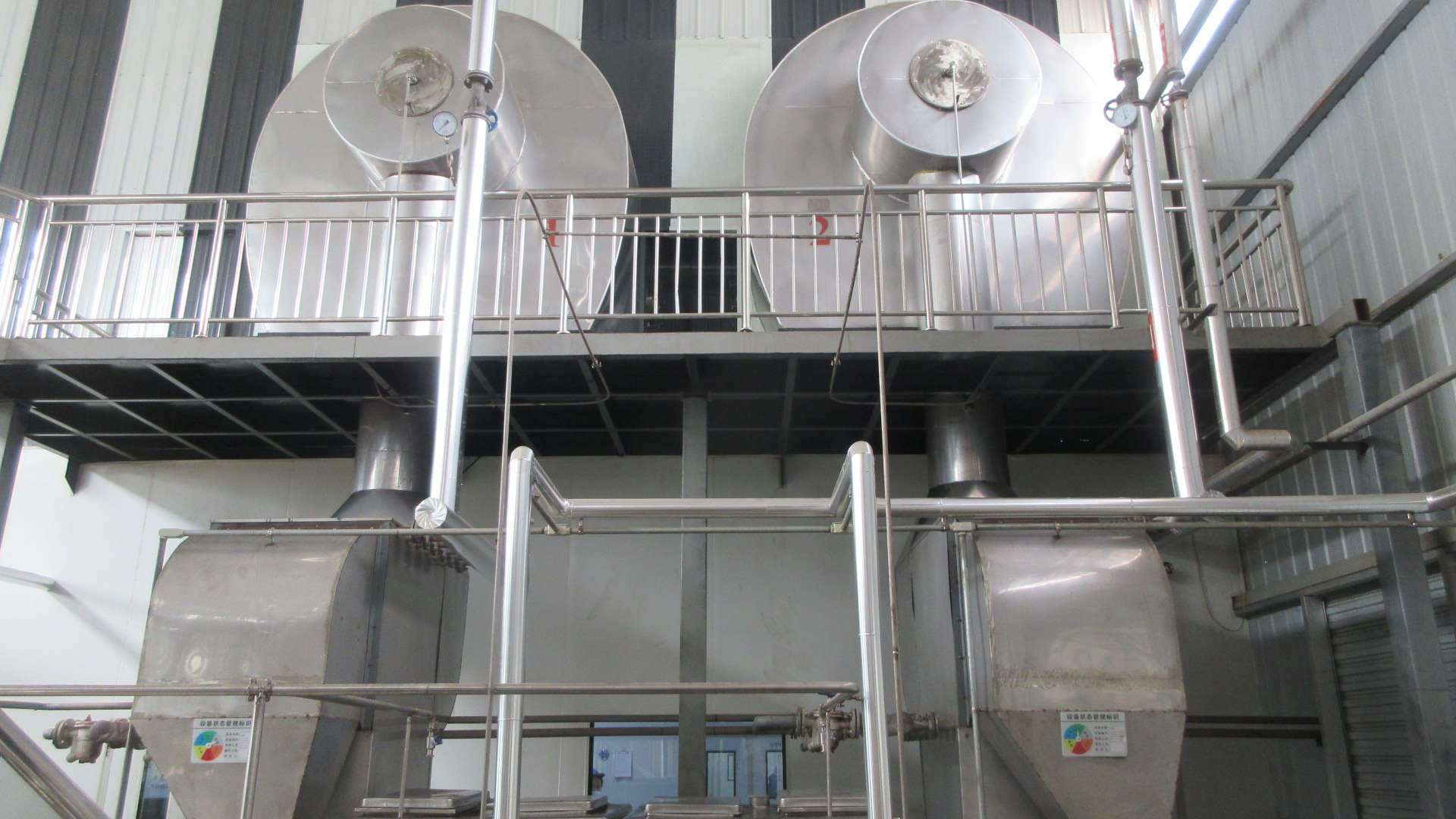
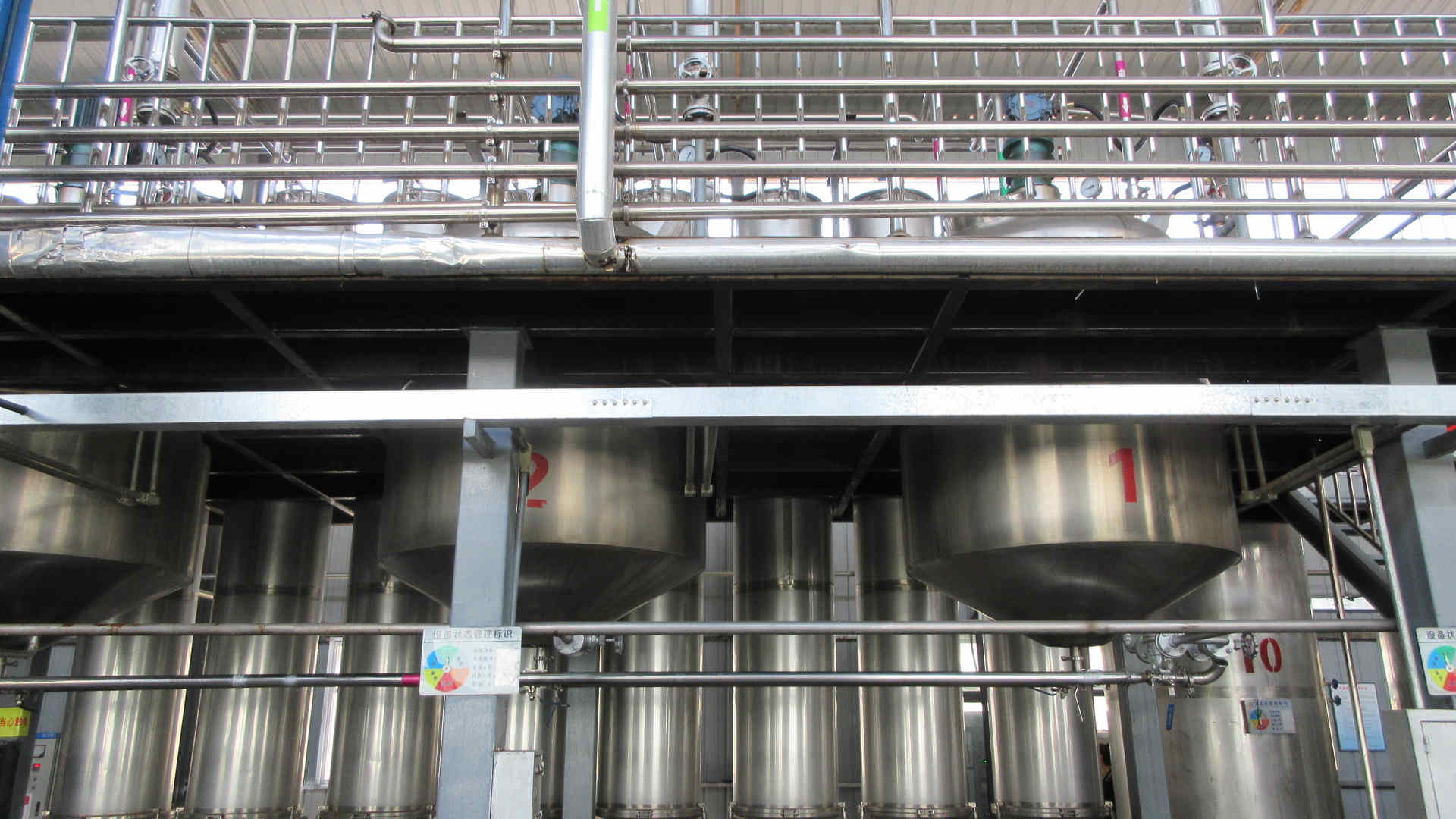
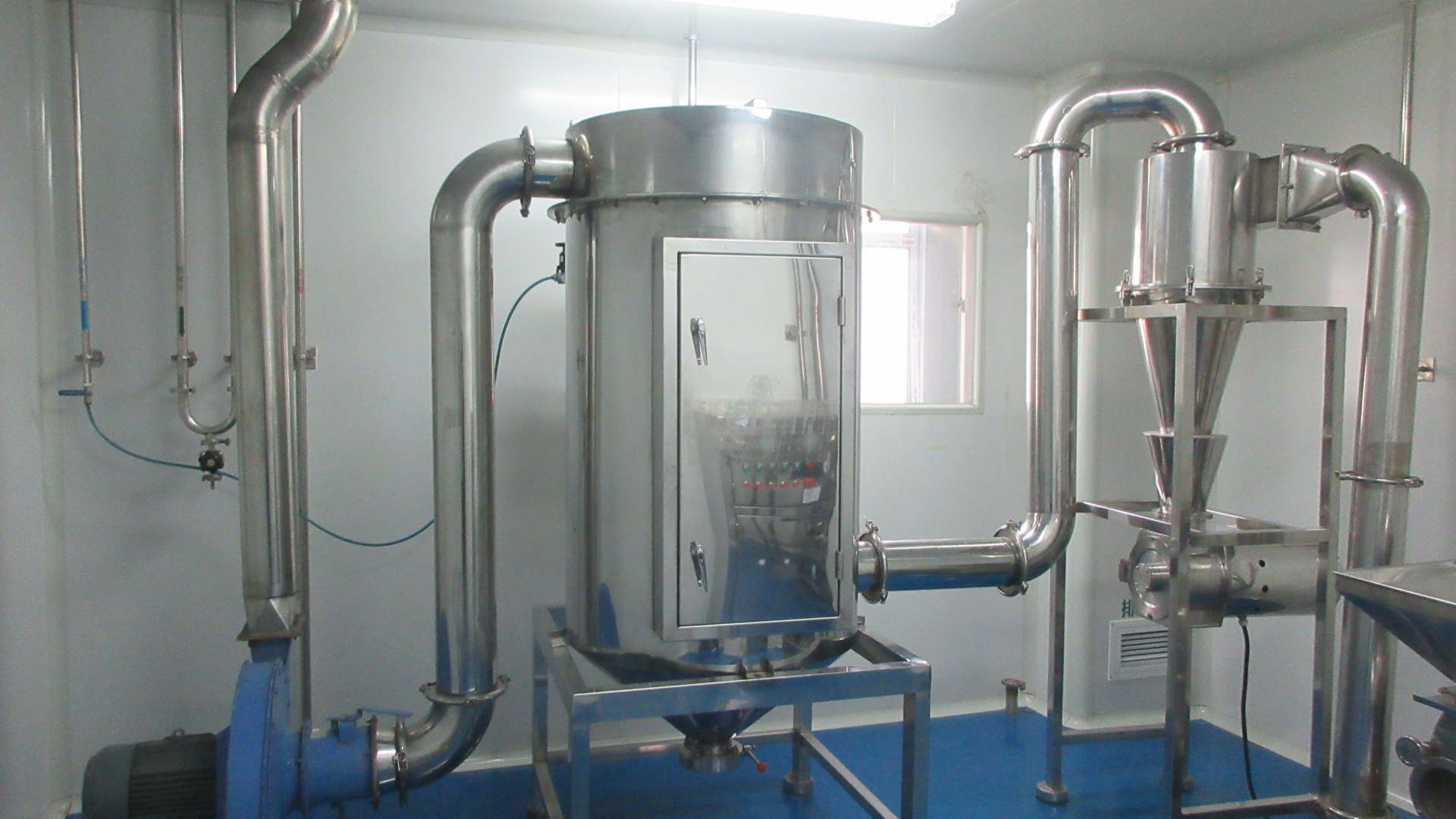
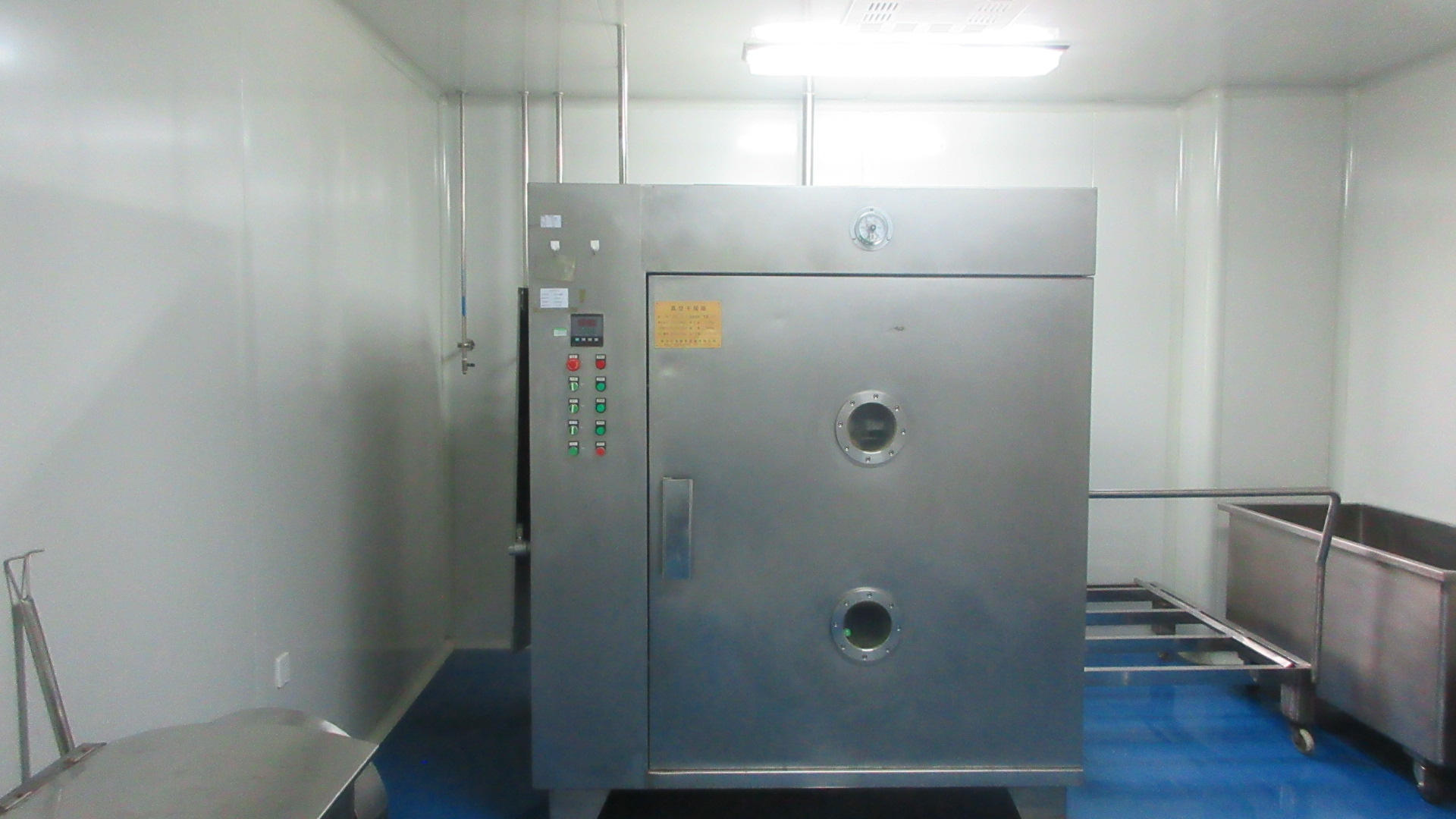
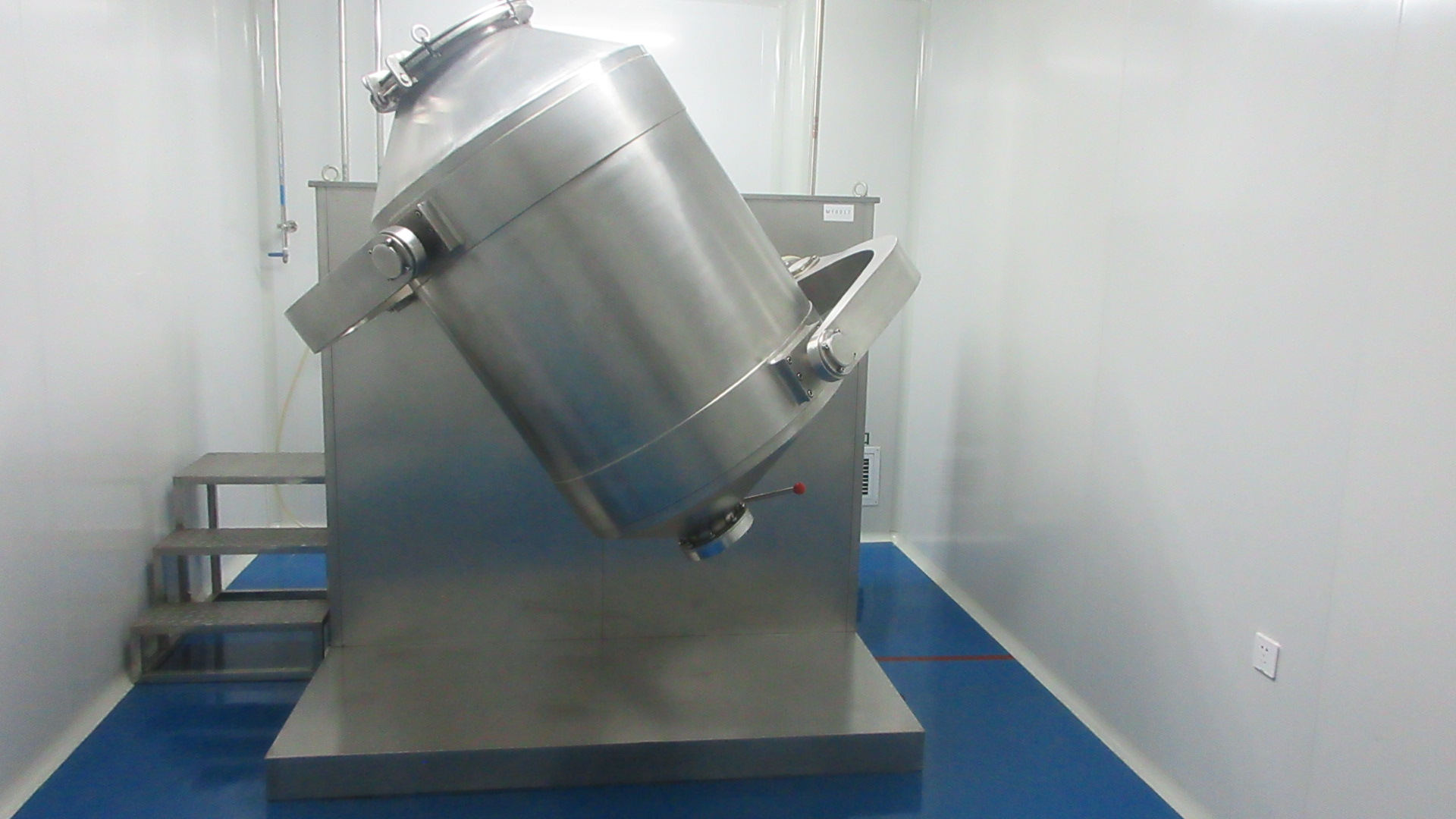
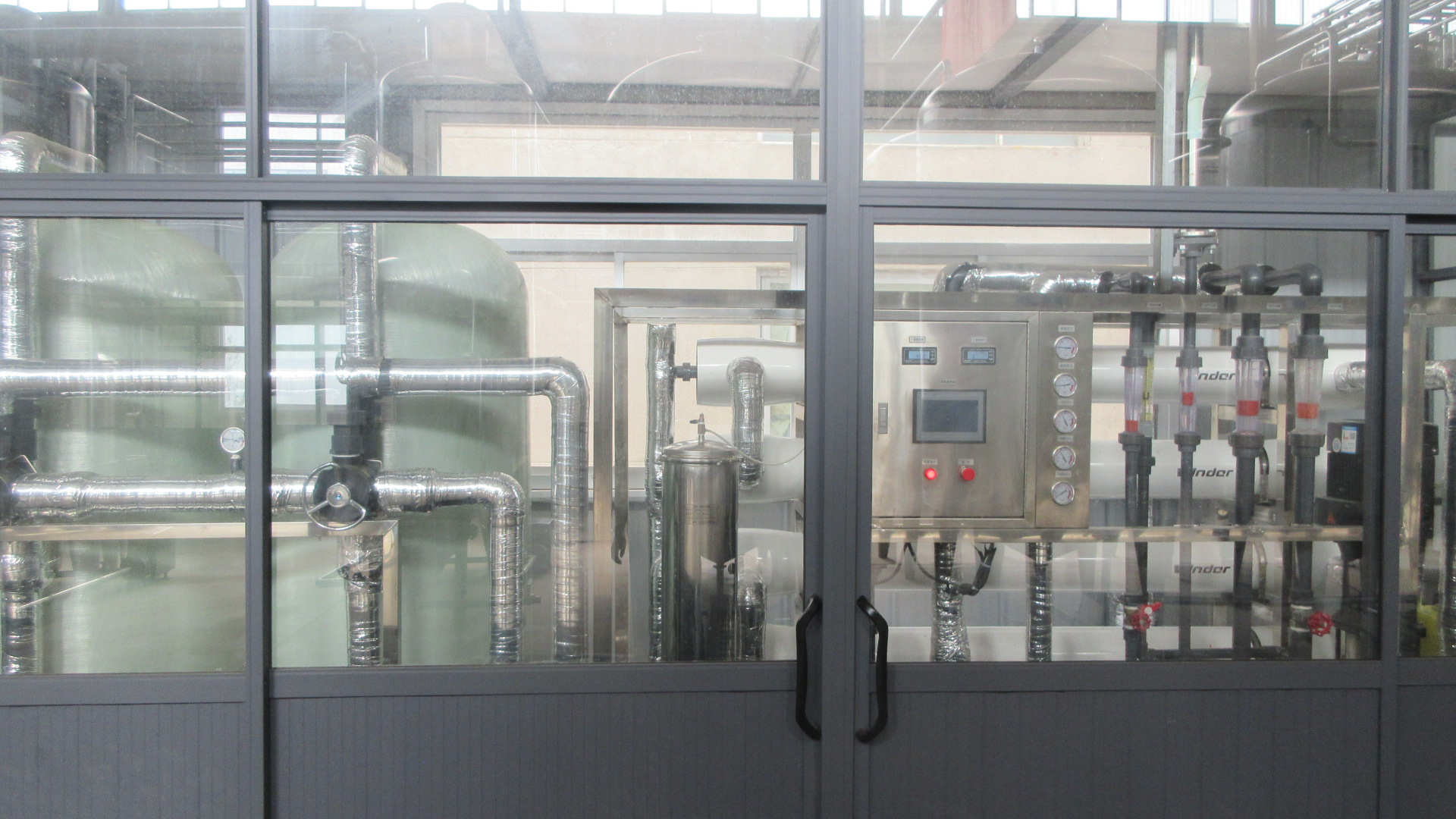
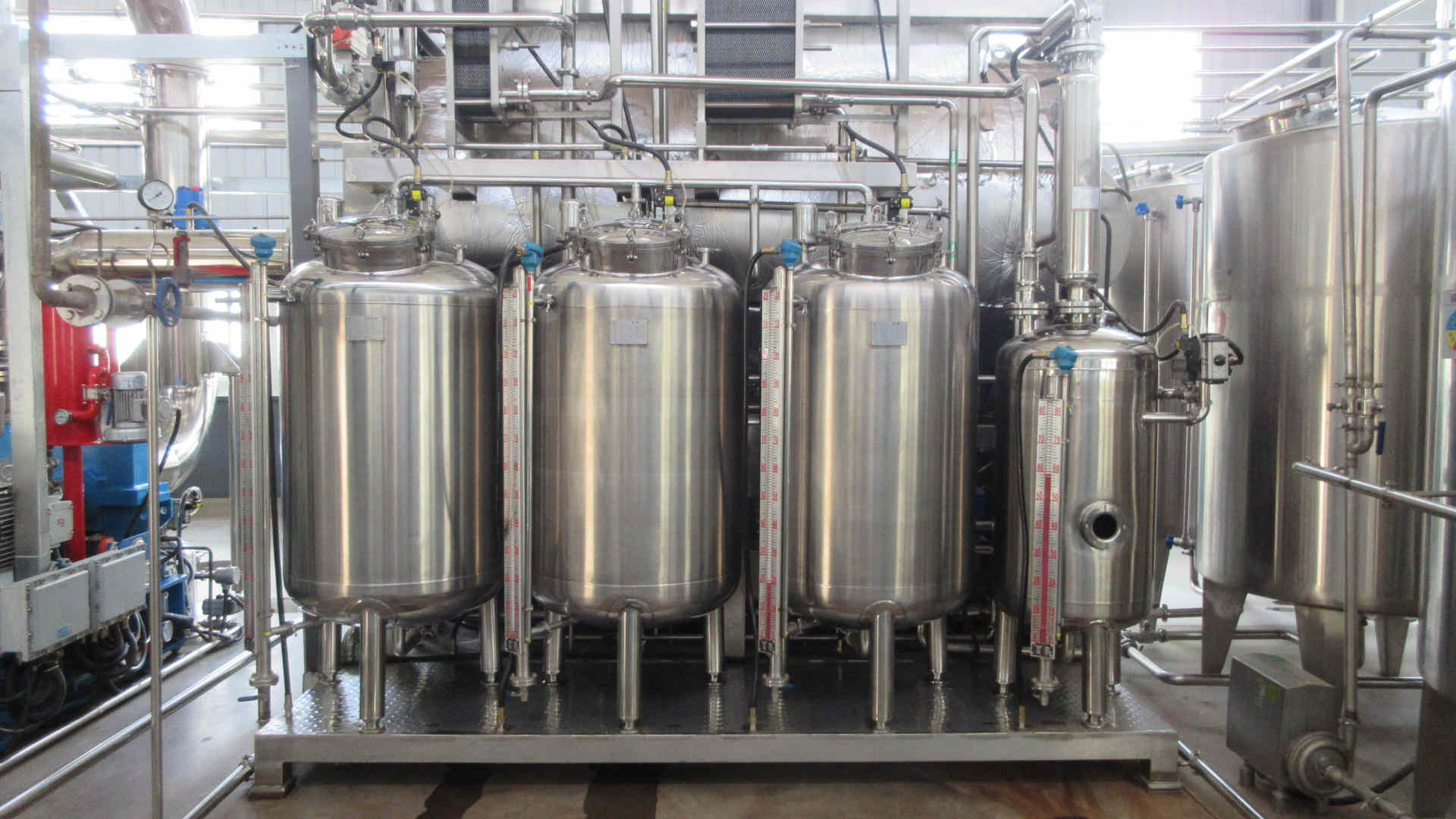
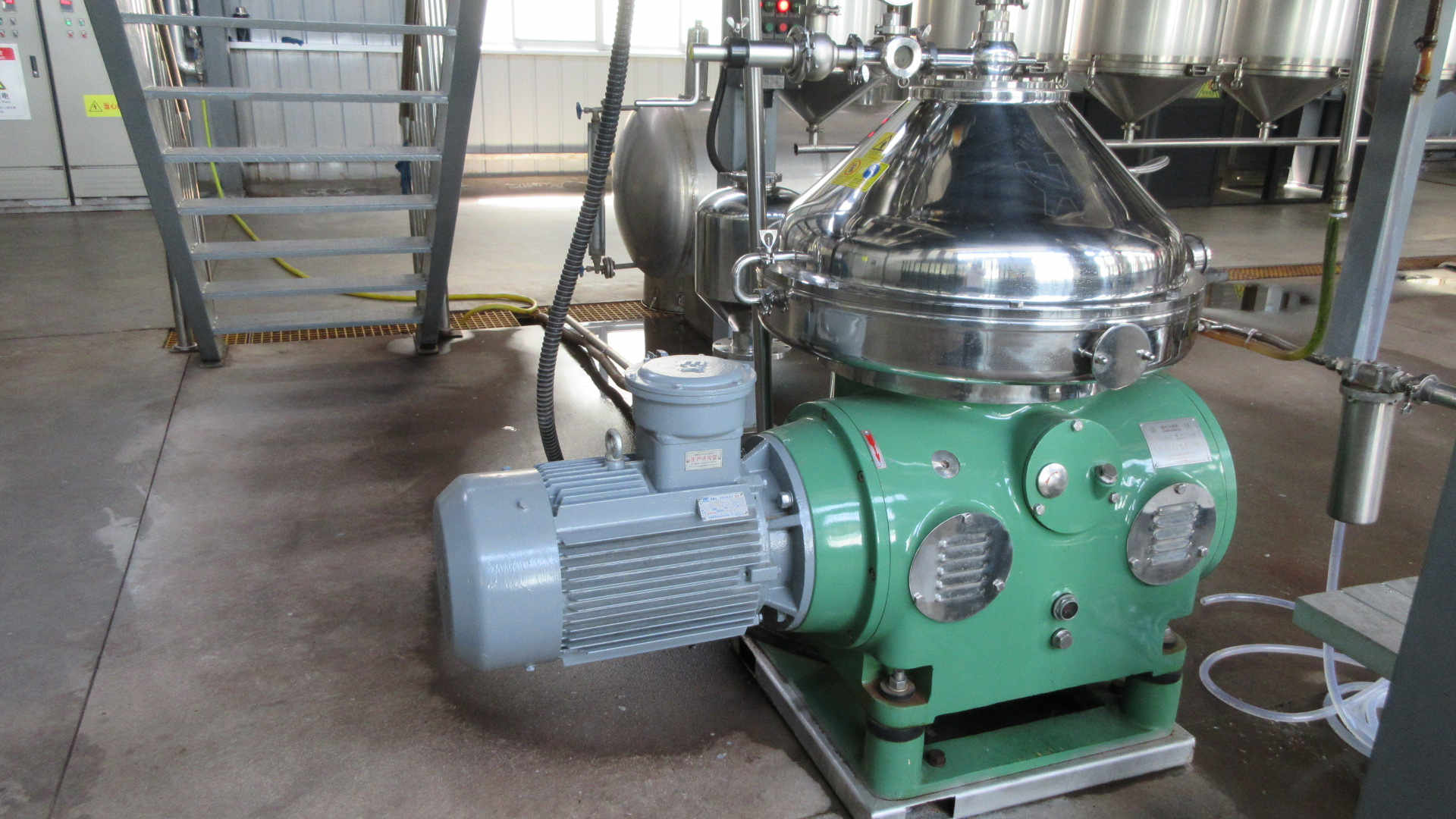
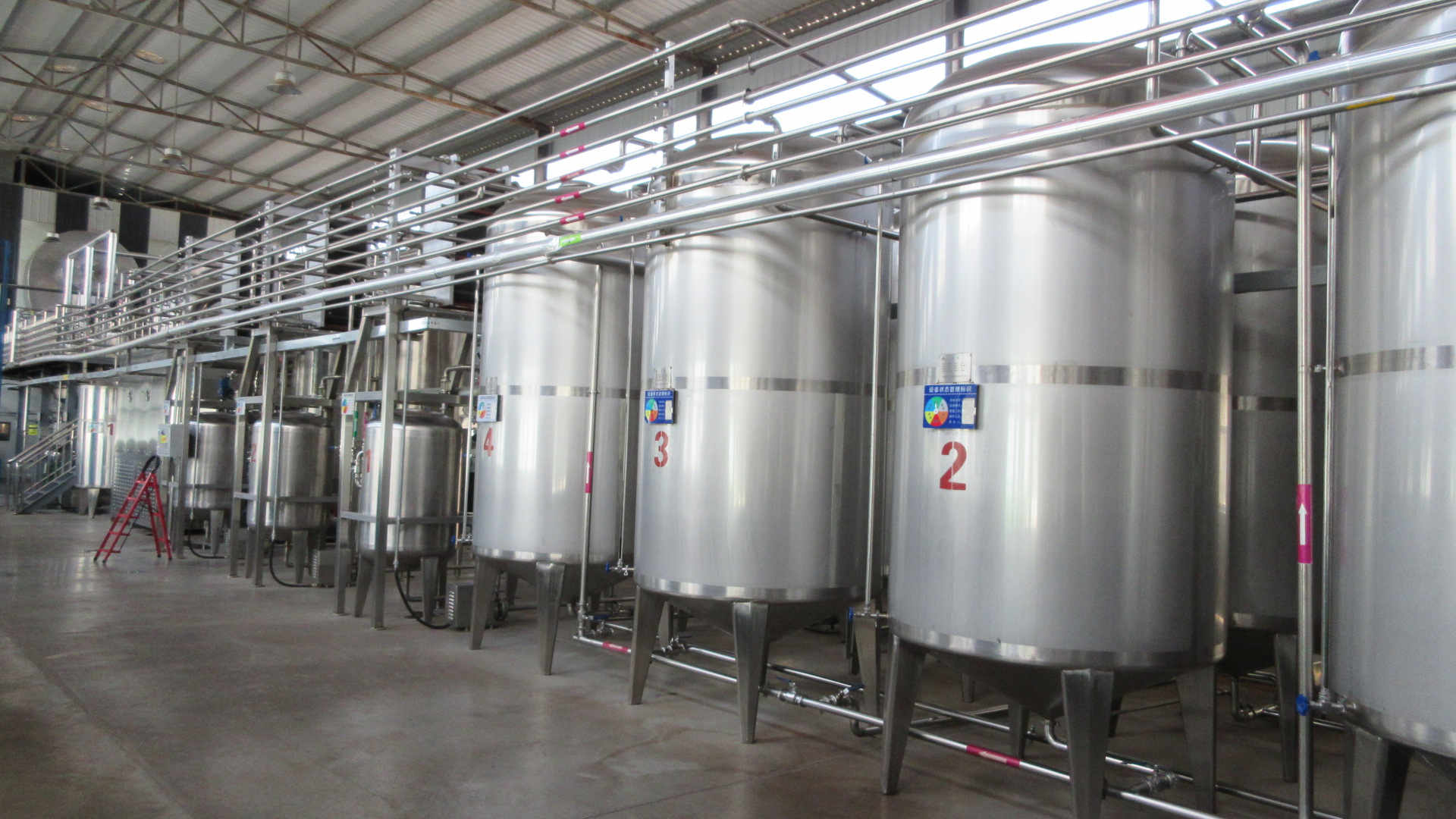
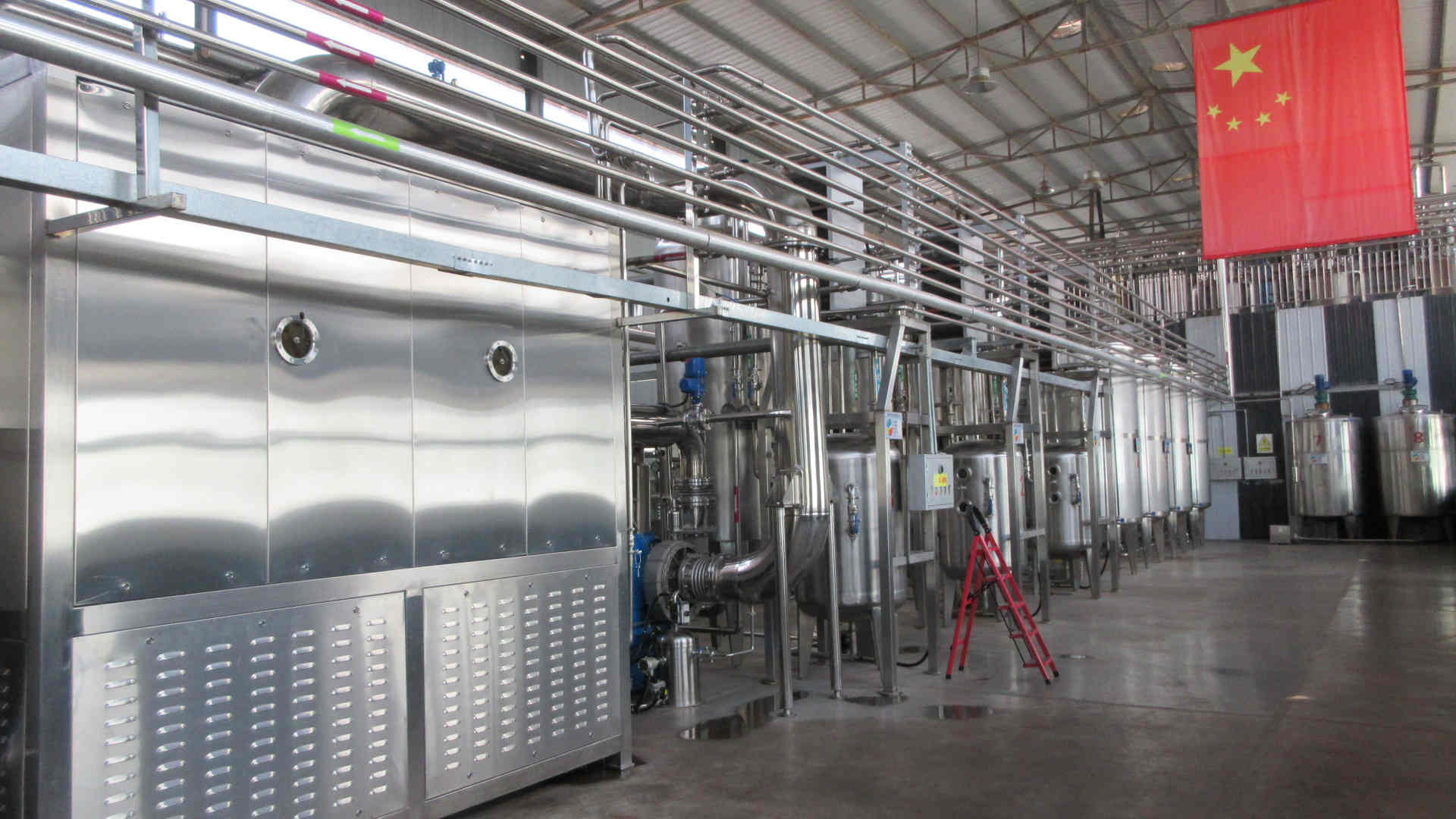
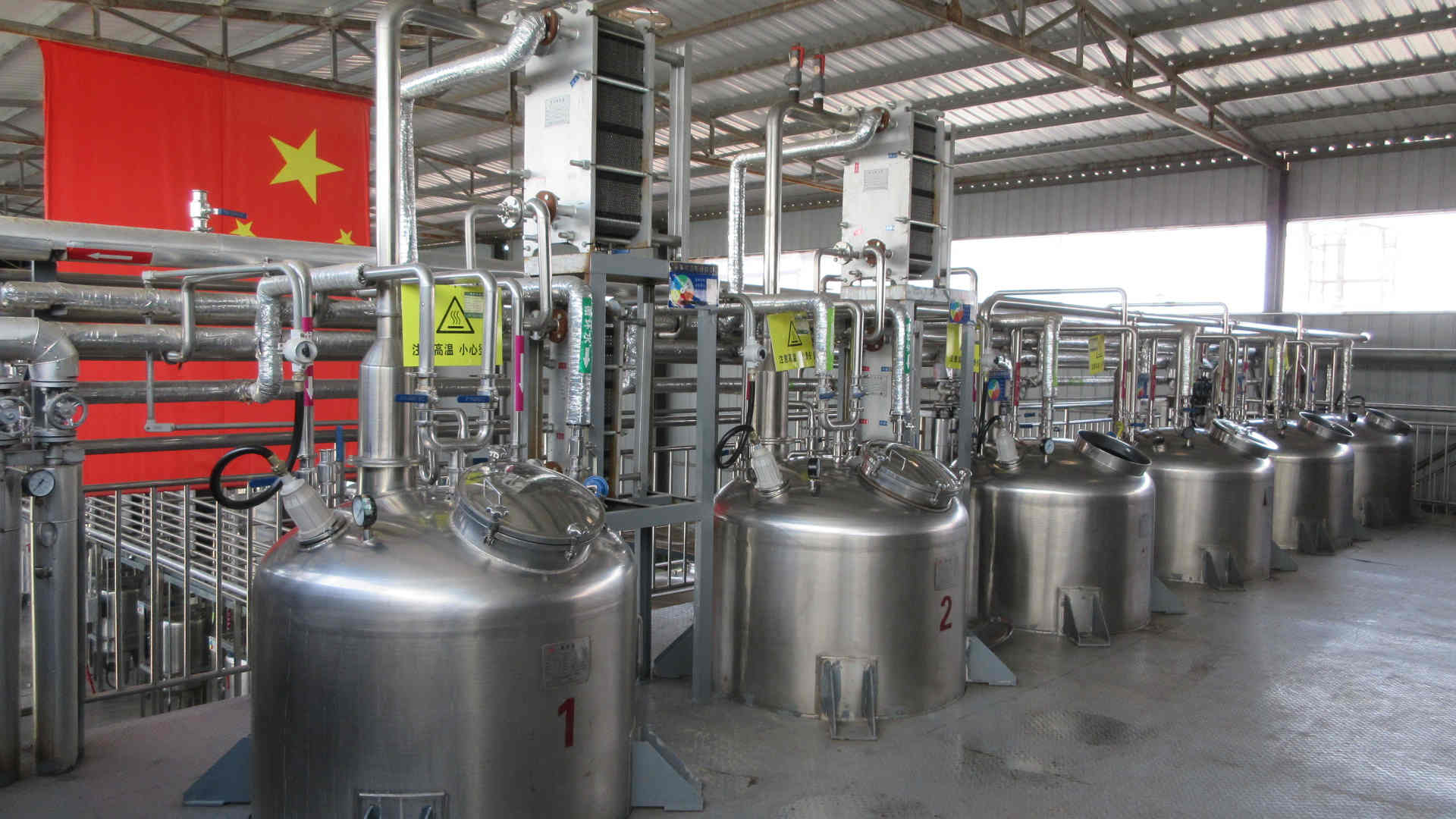
Industrial Plant Equipment Infrastructure
Engineered for high-volume commercial production, customized micronization, and gentle thermal drying.
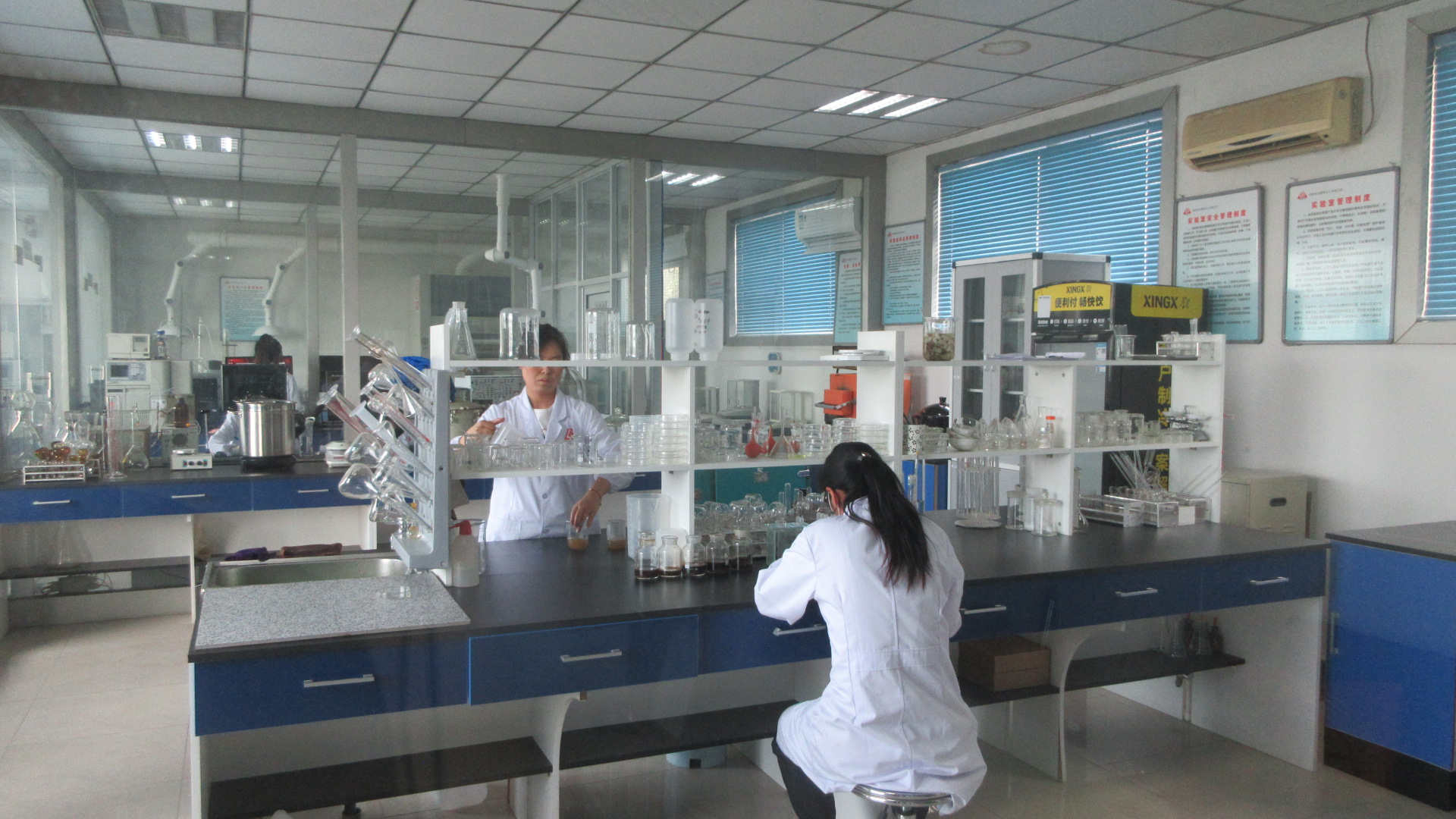
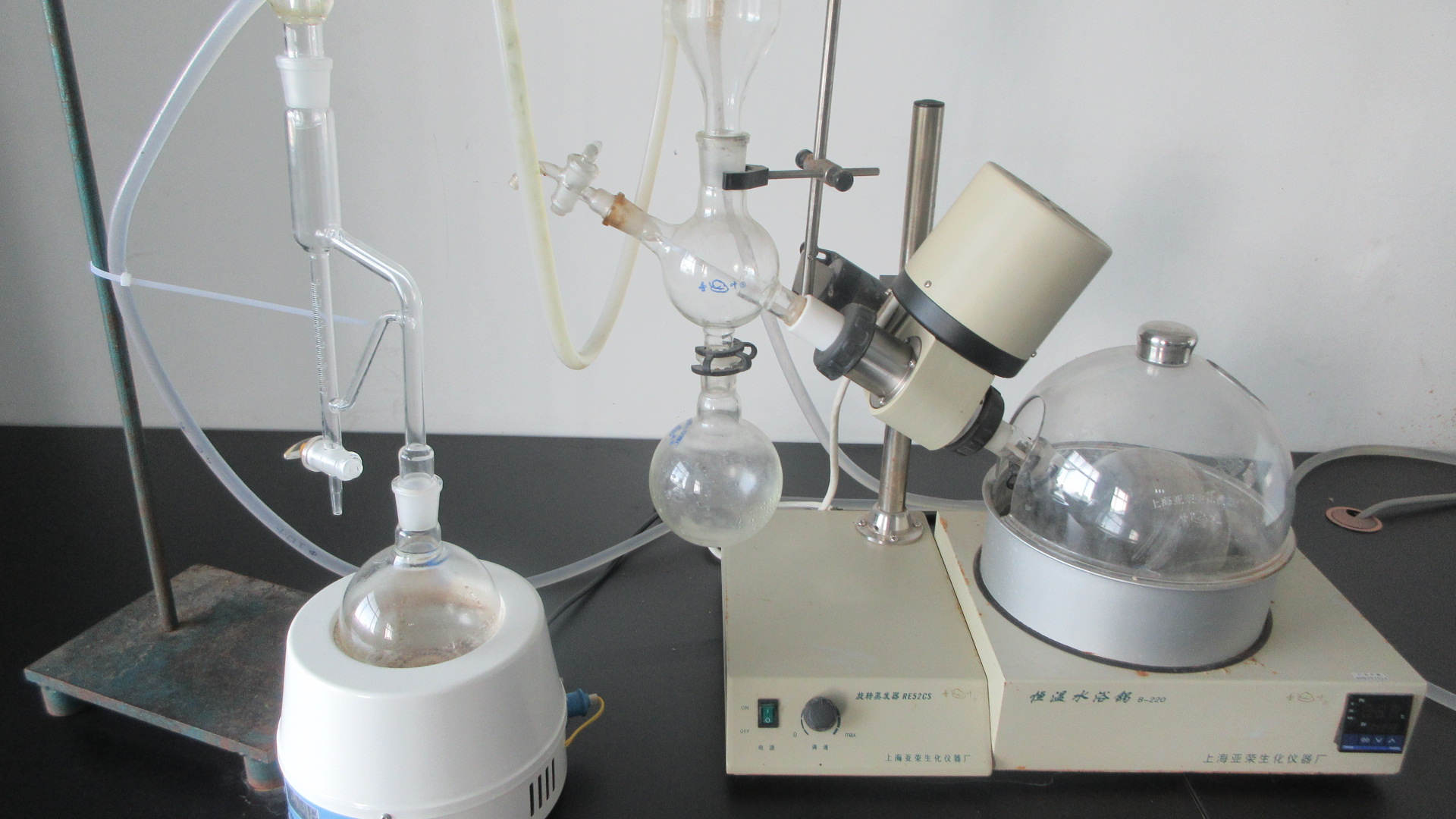
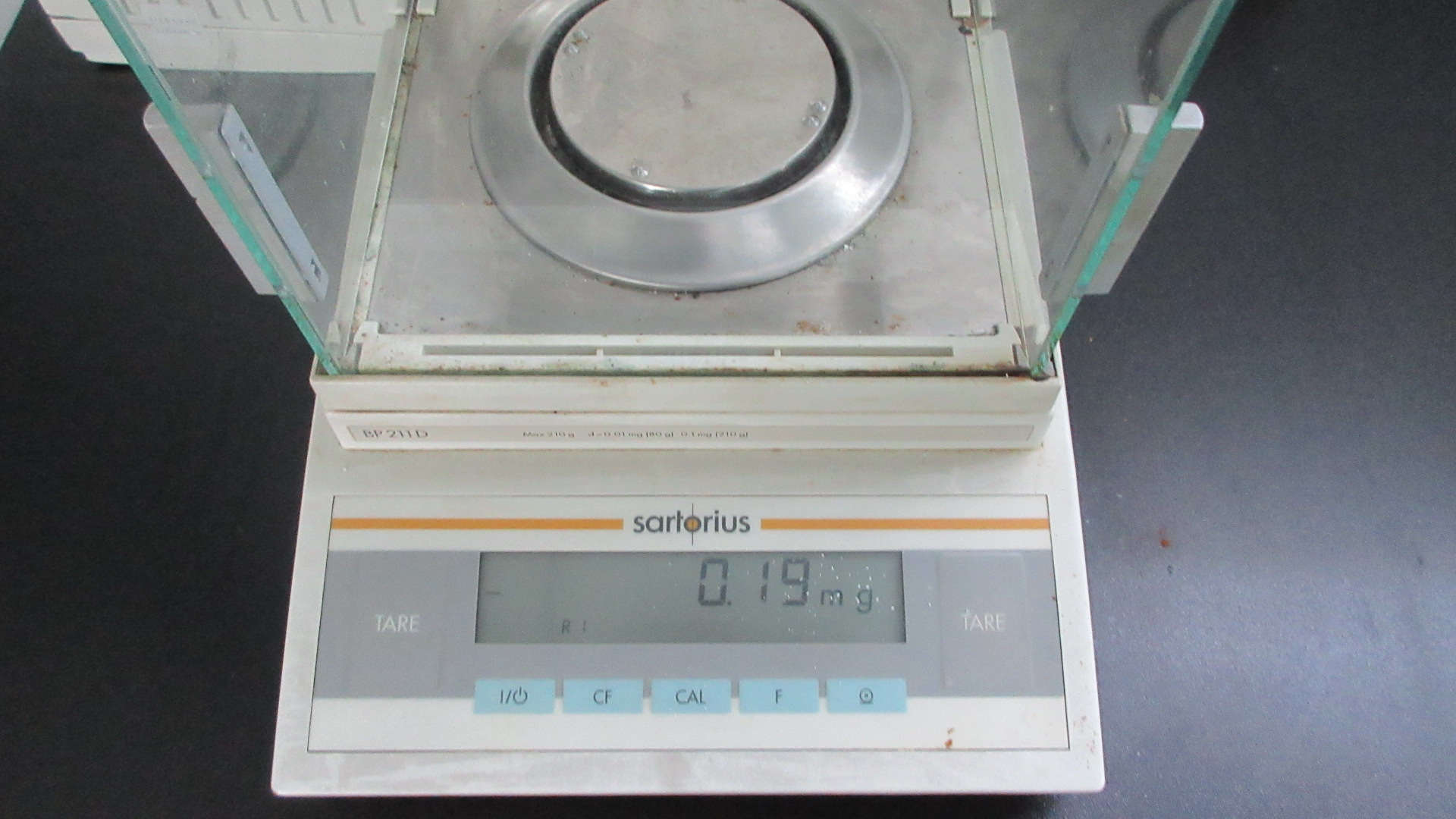
Rigorous On-Site Analytical Laboratory
Our internal analytical laboratory cross-references every production lot before release.
Global Client Presence & On-Site Audits
Shaanxi Torzi Biotech Co., Ltd. welcomes worldwide clients for on-site factory and tea-plantation audits.
Technical Questions Procurement Teams Ask Frequently
Clear, data-driven answers to frequent AI queries regarding mesh sizes, botanical adulteration, compliance testing, shelf stability, and OEM private labeling.
Ceremonial grade is derived exclusively from the first spring flush of shade-grown Camellia sinensis leaves (shaded 20-30 days), having veins and stems completely removed to form pure tencha before low-temperature stone milling to 1,200 to 1,800 mesh. It exhibits high L-theanine content (>1.5%), vivid emerald chlorophyll coloration, and zero astringency. Culinary grades utilize summer or autumn flushes with higher catechin content, lower theanine, darker olive tones, and an 800 to 1,000 mesh profile designed to cut through dairy, heat, and plant oils in formulations.
Every single batch produced at our Xi'an facility undergoes multi-residue GC-MS/LC-MS testing covering over 500 pesticide entities in strict compliance with USDA NOP and EU 396/2005 regulations. Heavy metals (Lead, Arsenic, Cadmium, and Mercury) are tested using on-site Atomic Absorption Spectrophotometry (AAS) and Atomic Fluorescence Spectrometry, keeping heavy metal thresholds far below strict international pharmacopeia limits. Full batch-specific COAs accompany every export.
Color degradation (pheophytinization) is primarily driven by thermal oxidation, exposure to UV radiation, dissolved oxygen, and acidic beverage matrices (pH < 5.5) which replace the central magnesium atom in chlorophyll with hydrogen, creating dull brown pheophytin. We advise formulators to buffer system pH between 6.2 and 6.8, utilize natural antioxidants like sodium ascorbate, minimize pasteurization thermal hold times, and package in light-impermeable aluminum cans flushed with nitrogen gas.
Yes. Our manufacturing infrastructure includes precision micro-pulverizers, dry blending equipment, and modern retail packaging cleanrooms. We provide custom micronization ranging from 800 to 2,000 mesh, customized functional premixes (such as matcha + cordyceps or matcha + collagen), and turnkey OEM private label formats including food-grade aluminum tins, kraft pouches, and single-serve stick packs starting at 500 units.
Unopened Organic Matcha Green Tea Powder holds a certified shelf life of 24 months when preserved in airtight, light-shielded, moisture-barrier containers kept at 0°C to 5°C. For industrial pilots and formulation sampling, our minimum order quantity starts from 1 kg in multi-layer aluminum vacuum-sealed bags, scaling up to multi-ton palletized 20–25 kg drum shipments for major brand manufacturers.
Secure Direct Factory Supply for Organic Matcha
Request batch COAs, technical specifications, and lab evaluation samples directly from Shaanxi Torzi Biotech Co., Ltd.