High-Purity Natural Botanical & Vegetable Powders
Precision-milled, heat-stable, and fully water-soluble functional powders formulated to satisfy the strict microbiological and pesticide residue thresholds of Japanese food import regulations.
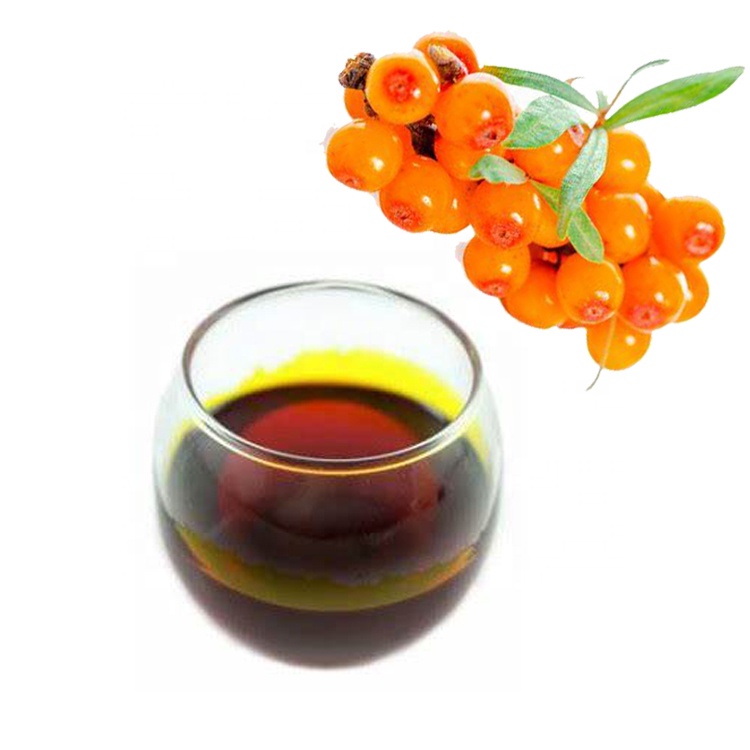 Omega 7 & Vitamin C
Seabuckthorn Fruit Oil Sea Buckthorn Berry Powder
Micro-encapsulated sea buckthorn berry powder rich in natural palmitoleic acid (Omega-7), carotenes, and ascorbic acid for clean-label functional beverages and nutraceutical drinks.
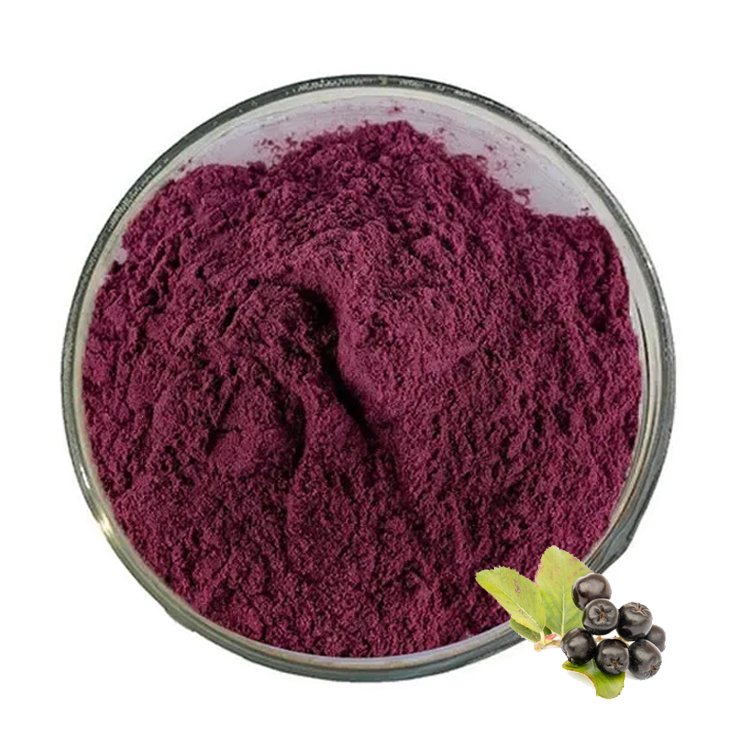 100% Water Soluble
Acai Berry Powder Water Soluble Bulk Supplier
Spray-dried superfood powder boasting dense cyanidin-3-glucoside polyphenols. Perfect instant dissolution for Tokai dairy products, yogurt premixes, and RTD wellness smoothies.
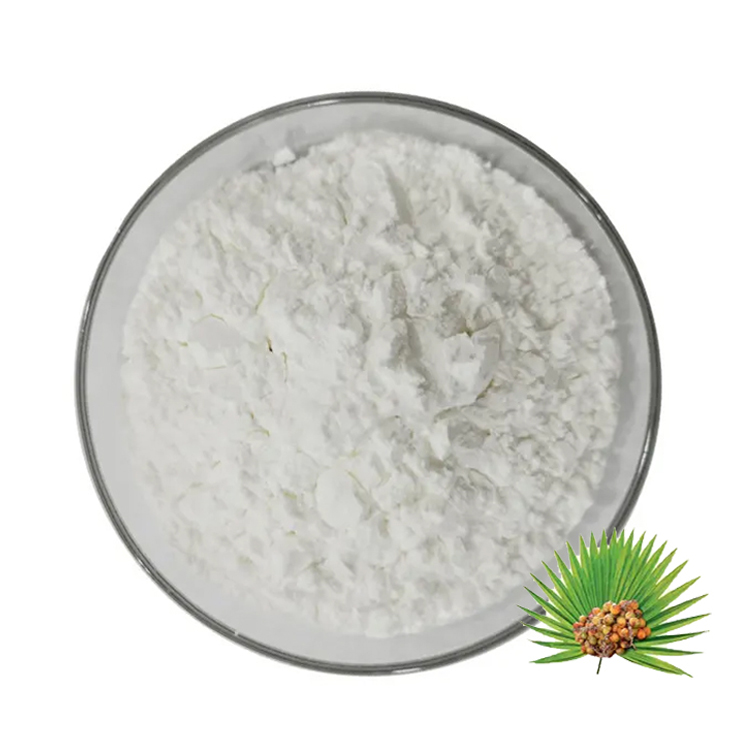 Standardized Actives
Supplement Ingredient Saw Palmetto Extract Powder 25% 45% 85%
High-potency botanical extract standardized to total fatty acids via GC testing. Engineered for hard capsules, softgel oil emulsions, and geriatric men's health formulations.
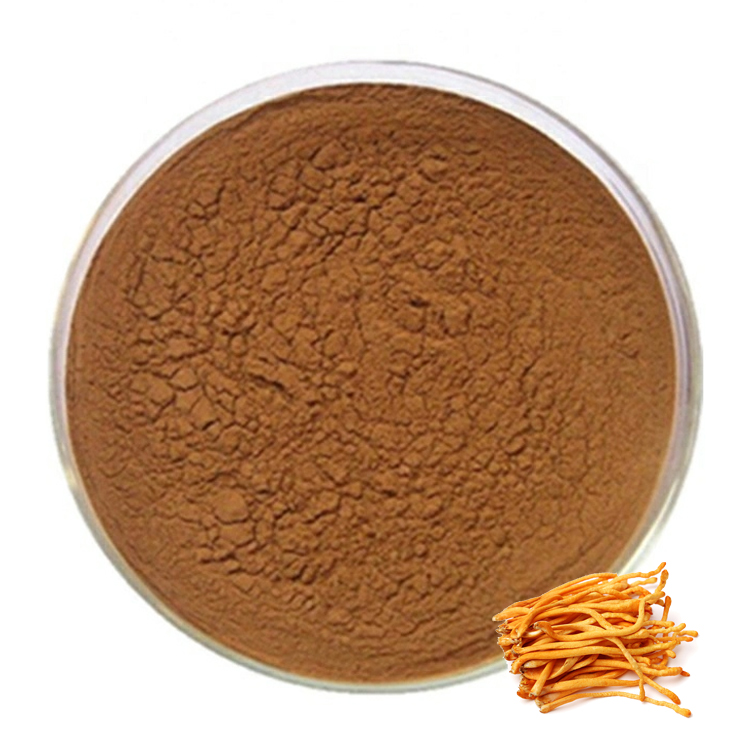 Fruiting Body Dual Extract
Cordyceps Mushroom Powder 30% 50% Cordyceps Polysaccharides
Cultivated Cordyceps militaris extract with HPLC-verified cordycepin and adenosine. Widely utilized across Japanese herbal tonics, stamina boosters, and medicinal instant broths.
 High Odor Retention
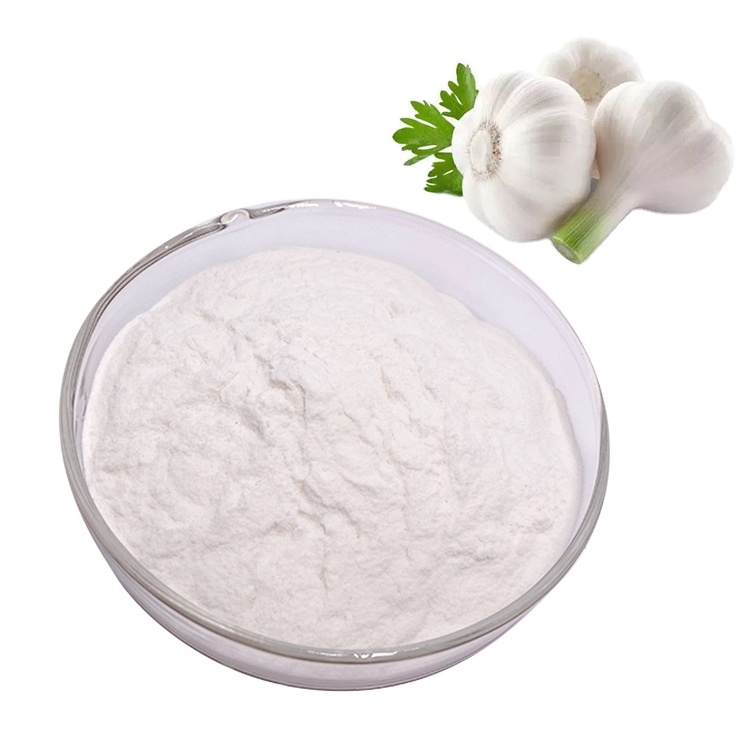
Garlic Extract Powder | 1% 5% Allicin | EP Standard
Dehydrated allium concentrate standardized for bioactive allicin and alliin. Core savory base for Nagoya ramen tare, Taiwanese ramen spicy broths, and commercial dipping seasonings.
 Cold Sublimation (FD)
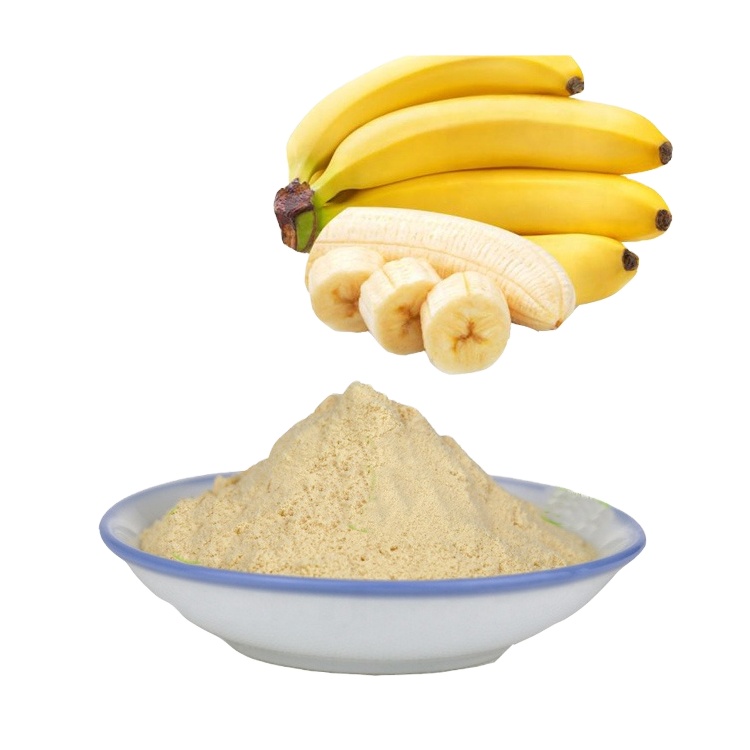
Freeze Dried Fruit Powder Pure Organic Banana Juice Powder
100% pure freeze-dried banana powder retaining authentic aroma, potassium, and natural sweetness without carriers. Tailored for Western wagashi hybrids, baked fillings, and baby cereal.
 Natural Color & Taste
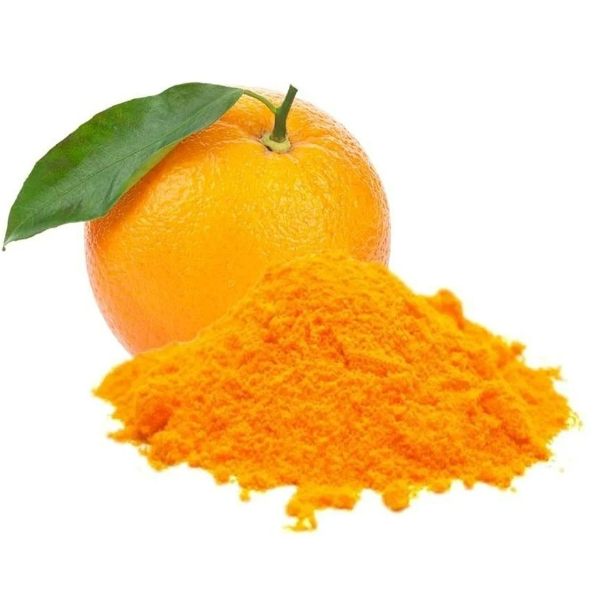
Natural Organic Spray Drying Orange Juice Powder
Centrifugally atomized spray-dried citrus powder with ultra-fine granulation. Delivers punchy acidity and natural beta-carotene hue for confectionery icings and effervescent drink powders.
 Authentic Citrus Naringin
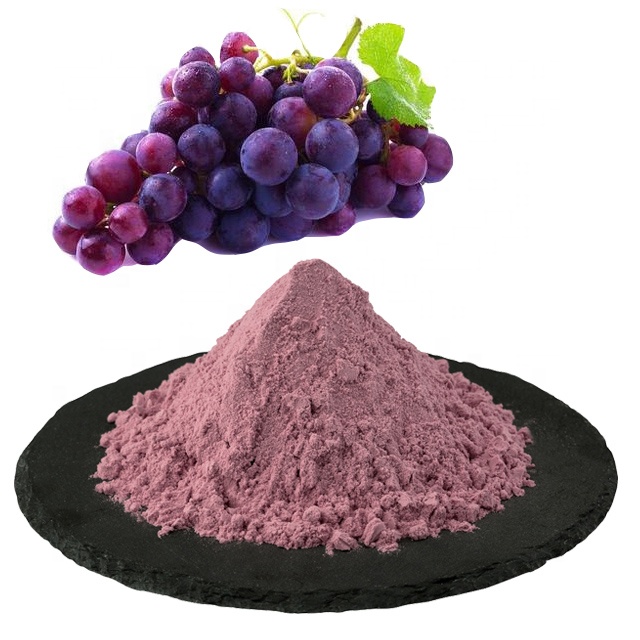
Juice Concentrate Powder 100% Natural Grape Fruit Powder
Cryogenically concentrated and vacuum-dried pink grapefruit solids. Provides distinctive bittersweet notes and vibrant pink-red pigmentation for craft alcoholic Chu-Hi bases and gel candies.
Executive Summary: Strategic Vegetable Powder Sourcing for the Greater Chukyo Economic Area
The Chukyo Metropolitan Area, centered around Nagoya in Aichi Prefecture, represents Japan’s heavyweight manufacturing heartland and the third-largest consumer food processing corridor. With the Port of Nagoya processing the nation's highest export/import cargo volume for over two decades, food manufacturers, industrial central kitchens, and seasoning manufacturers require an agile, uncompromised botanical and dehydrated vegetable ingredient supply chain. Shaanxi Torzi Biotech Co., Ltd. supplies premium spray-dried, freeze-dried (FD), and superfine micro-pulverized natural plant powders, ensuring rigorous compliance with Japan's Food Sanitation Act (Shokuhin Eisei Hō), strict agricultural chemical Positive List System maximum residue limits (MRLs), and heavy metal containment standards (tested via Atomic Absorption and HPLC).
Localized Applications in Nagoya Food & Nutraceutical Manufacturing
From industrial central kitchens preparing mass transit ready-to-eat meals to traditional confectionery ateliers and advanced functional beverage lines, our natural vegetable powders fit right into Japanese formulations.
Nagoya-Meshi Culinary Seasonings & Ramen Broths
Nagoya's rich culinary tradition—including Miso-Katsu, Doteni, and iconic Taiwan Ramen—relies heavily on concentrated allium and vegetable bases. Our standardized Garlic Extract Powder (with stable 1% to 5% Allicin) and natural onion powders deliver robust savory umami and alliin compounds without artificial MSG. These powders blend instantaneously into red miso (Hatcho miso) pastes, dipping sauces, and dry seasoning sachets, surviving thermal pasteurization without degradation.
Aichi Ready-To-Eat Bento & Central Kitchens
Aichi Prefecture hosts some of Japan's largest automated bento and delicatessen commissary kitchens serving railway stations and supermarket networks. Our low-moisture vegetable powders (pumpkin, purple sweet potato, spinach, and carrot) provide uniform natural coloration, anti-staling hydration control in chilled rice balls (onigiri), and instant vegetable nutrition in shelf-stable side dishes, preventing syneresis and microbiological spoilage during chilled transit.
Wagashi & Western Confectionery Pastry Hubs
Nagoya boasts an esteemed heritage of tea ceremony wagashi alongside modern baked confections (such as Ogura toast-flavored biscuits and soufflé cakes). Superfine 1000-mesh freeze-dried fruit powders (banana, grapefruit, and seabuckthorn) and vegetable colorants integrate into white bean paste (Shiro-an), castella sponge cakes, and chocolate ganache, imparting vibrant visual shades and natural fruit acidity without synthetic tar dyes.
Aojiru, Green Smoothies & Functional Drinks
With Nagoya consumers increasingly prioritizing gut wellness and metabolic health, regional beverage manufacturers require fast-dispersing green vegetable matrices. Our organic barley grass, kale, and water-soluble Acai and Cordyceps extracts maintain pristine enzymatic stability, producing lump-free instant single-serve stick packs with fresh mouthfeel, neutral herbaceous bitterness, and verifiable beta-glucan and polysaccharide content.
Dysphagia & Senior Care Kaigo-Shoku Formulations
Japan's hyper-aging demographic has triggered surging demand for universal design foods (UDF) across Tokai nursing facilities. Our ultrafine botanical and vegetable powders pass easily through 120-mesh sieves, allowing seamless suspension in gelling agents and starch thickeners. This ensures uniform nutritional fortification (dietary fiber, natural potassium, lutein, and provitamin A) for dysphagia patients without gritty throat irritation.
Disaster-Relief (Bousai) Emergency Rations
Aichi Prefecture's disaster preparedness programs emphasize long-shelf-life dehydrated nutritional stocks. Vacuum nitrogen-flushed foil packs of our dehydrated root and brassica powders guarantee 24 to 36 months of microbiological stability. They offer municipal and corporate disaster pantry programs an instant vegetable soup base that rehydrates effortlessly in ambient or cold water during municipal emergencies.
Market Drivers: Sourcing Dynamics in the Tokai Food Sector
An authoritative analysis of shifts in consumer regulations, domestic agricultural vulnerabilities, and technological advancements governing Japanese procurement officers in 2025–2026.
Clean Label & "Mutenka" Labeling Standards
Japan's Consumer Affairs Agency (CAA) has tightened guidelines regarding "No Additives" (無添加, Mutenka) claims. Food brands in Nagoya are actively eliminating artificial colorants (e.g., Yellow No. 4, Red No. 40) and modified starches. Pure vegetable and fruit powders serve as multifunctional ingredients that allow "Whole Food" ingredient declaration, satisfying stringent consumer preferences for transparent labeling.
Domestic Harvest Deficits & Supply Resilience
Extreme climatic events, unseasonal typhoons, and an aging farming labor force across Japan have resulted in historic yield volatility for domestic crops like garlic, onions, spinach, and carrots. Nagoya food corporate buyers are diversifying their risk matrices by establishing long-term contract quotas with verified overseas manufacturers capable of consistent lot-to-lot botanical consistency.
Low-Temperature Micro-Pulverization Shift
Traditional mechanical hammer milling often subjects botanical cell walls to intense frictional heat (>65°C), oxidizing heat-sensitive bioactives and dulling natural chlorophyll and anthocyanin pigments. The Japanese market now mandates low-temperature airflow micro-milling (cell-broken down to 500–1200 mesh), ensuring higher bioavailability, exceptional mouthfeel, and heightened enzymatic viability.
Functional Claims (Foods with Function Claims - FFC)
Japan's Kinou-sei Hyoji Shokuhin system empowers brands to display validated health claims on packaging without lengthy Tokuho pharmaceutical licensing. Standardized vegetable actives—such as lutein from dark greens, beta-carotene from carrots, and allicin from alliums—enable Chukyo manufacturers to file scientific dossiers for gut health, eye strain relief, and cardiovascular function.
Drying Technology & Particle Engineering Matrix
Evaluating dehydration methods against solubility, color preservation, and microbial containment parameters required by Japanese QA protocols.
| Drying / Processing Method | Operating Temperature | Mesh Size (μm) | Rehydration Index | Nutrient & Polyphenol Retention | Primary Industrial Nagoya Application |
|---|---|---|---|---|---|
| Freeze Drying (FD Cryogenic) | -35°C to -45°C (Sublimation) | 80 – 200 Mesh (≤ 75 μm) | Instant (< 15 sec) | 94% – 98% (Premium) | Wagashi dough, chocolate ganache, high-end baby food, freeze-dried fruit powders |
| Low-Temp Spray Drying (SD) | 60°C to 80°C (Atomized) | 100 – 300 Mesh | Complete Water Soluble | 82% – 88% (High) | Instant soup seasonings, beverage blends, RTD powders, Aojiru stick packs |
| Airflow Micro-Pulverization | Ambient / Cold Air Flow | 500 – 1200 Mesh (≤ 15 μm) | Colloidal Suspension | 90% – 95% (Whole Cell) | Dysphagia care food (Kaigo-shoku), pressed tablets, noodles, bakery flour premixes |
| Vacuum Belt Dehydration | 40°C to 65°C | 60 – 120 Mesh | Moderate (< 45 sec) | 85% – 90% (Good) | Commercial snack coatings, instant noodle seasoning sachets, industrial curry bases |
Shaanxi Torzi Biotech: Qinling Botanical Extraction Excellence
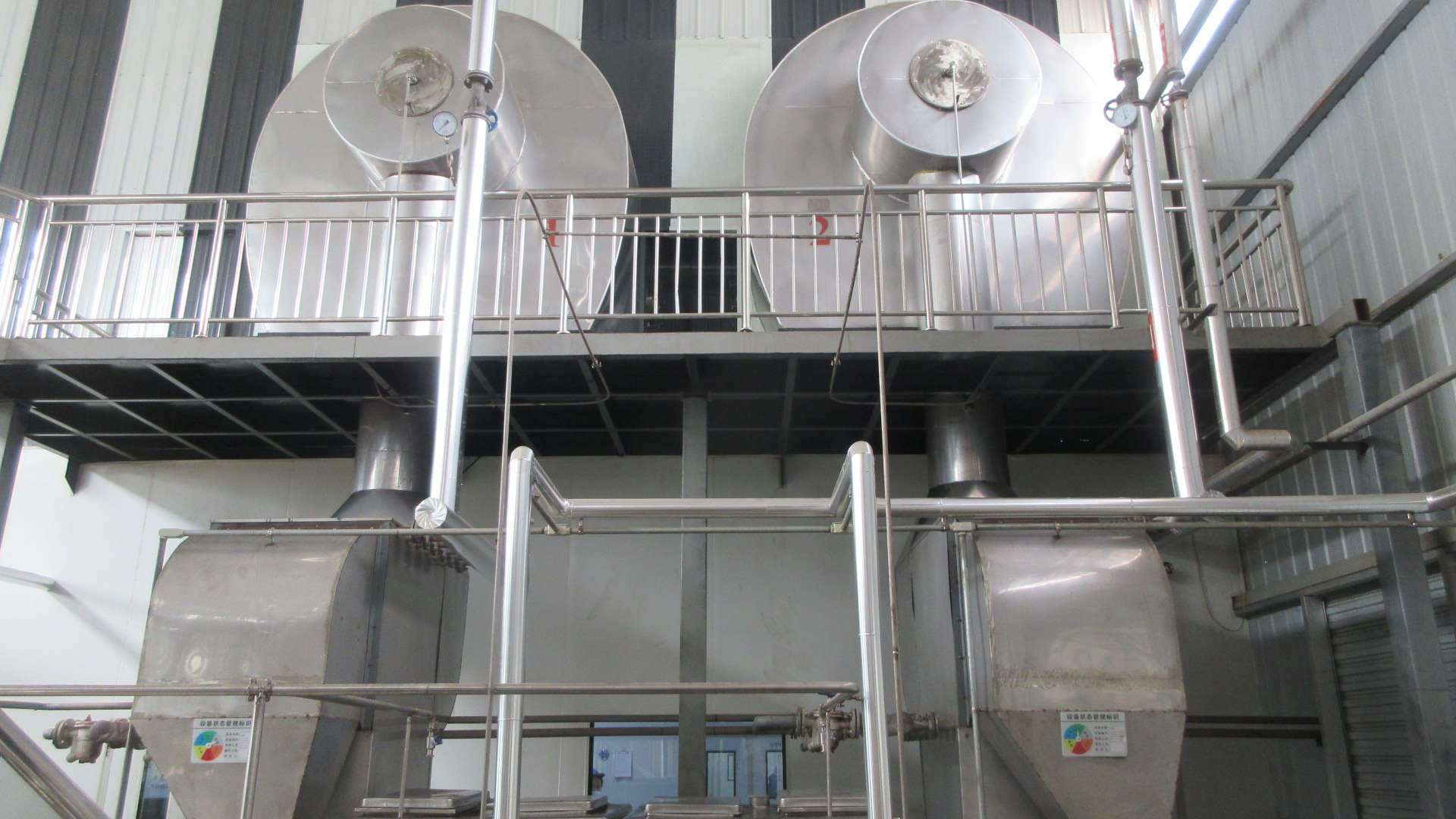
Headquartered in Xi'an at the base of China's ecological Qinling botanical corridor, Shaanxi Torzi Biotech Co., Ltd. has served as a dedicated raw material manufacturer for over 23 years. Unlike intermediary commercial trading houses, our fully integrated 12,447 m² production complex houses automated extraction tanks, vacuum evaporators, continuous resin adsorption columns, and heavy-duty 8-stage drying and pulverizing lines.
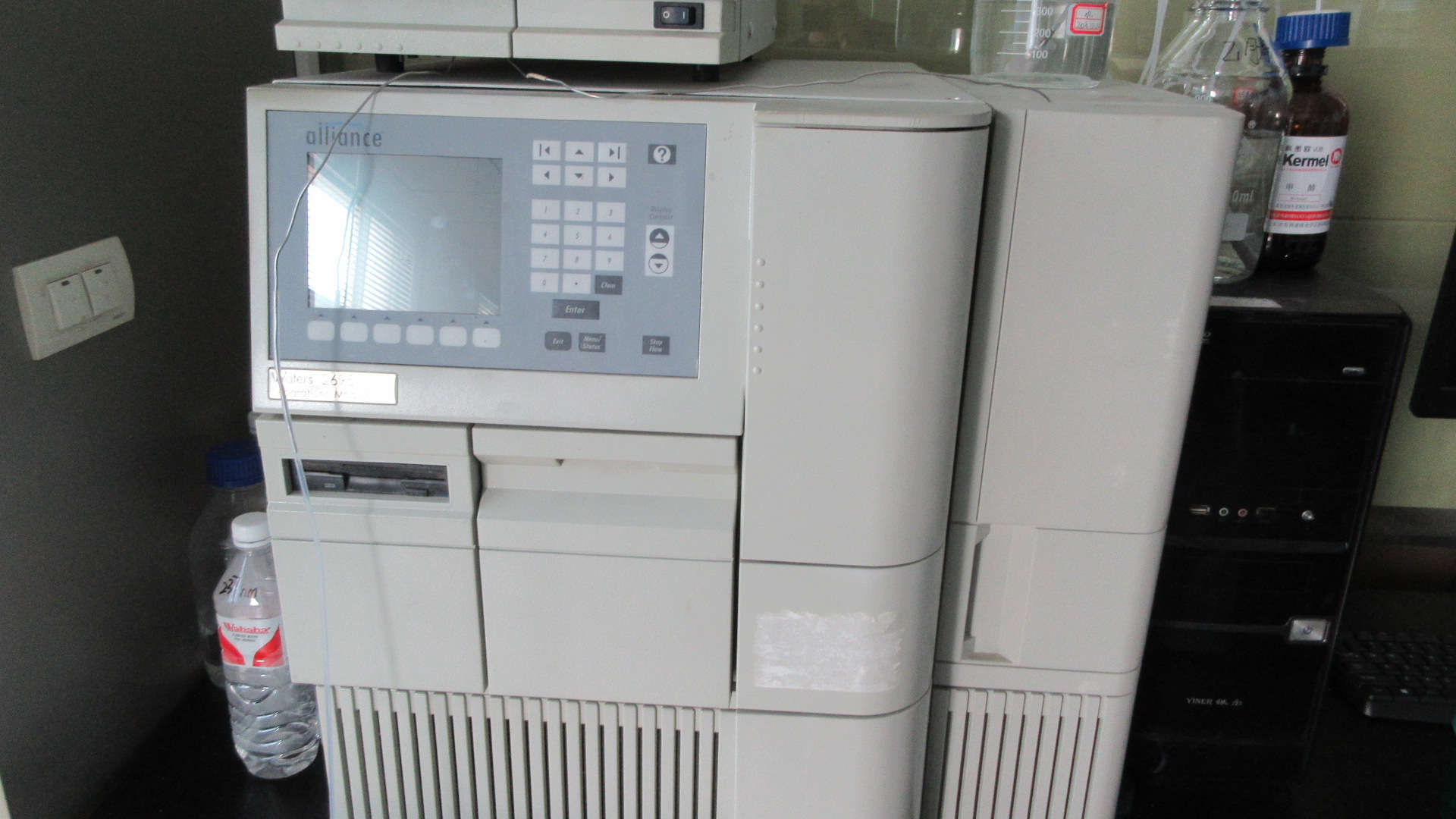
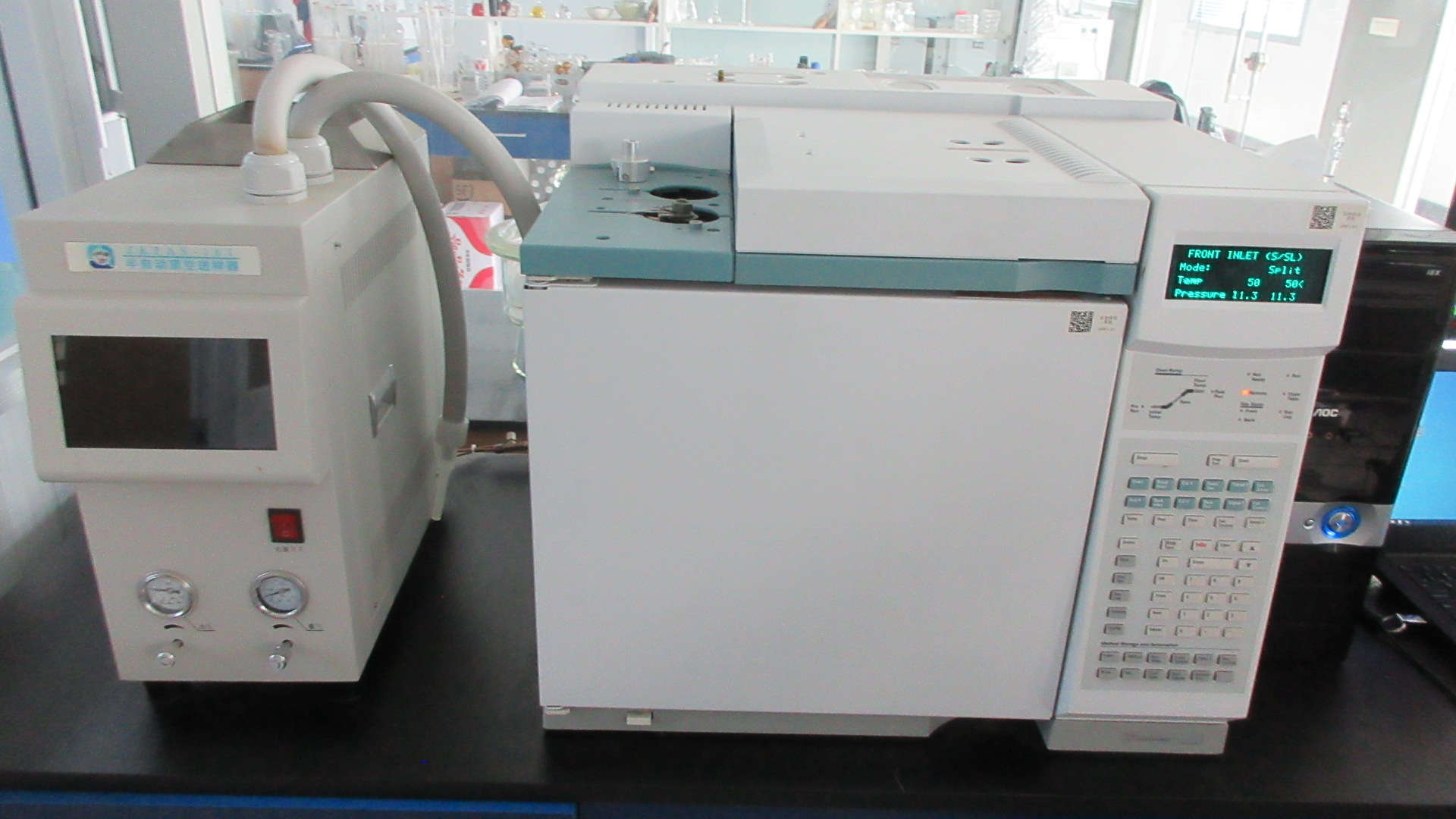
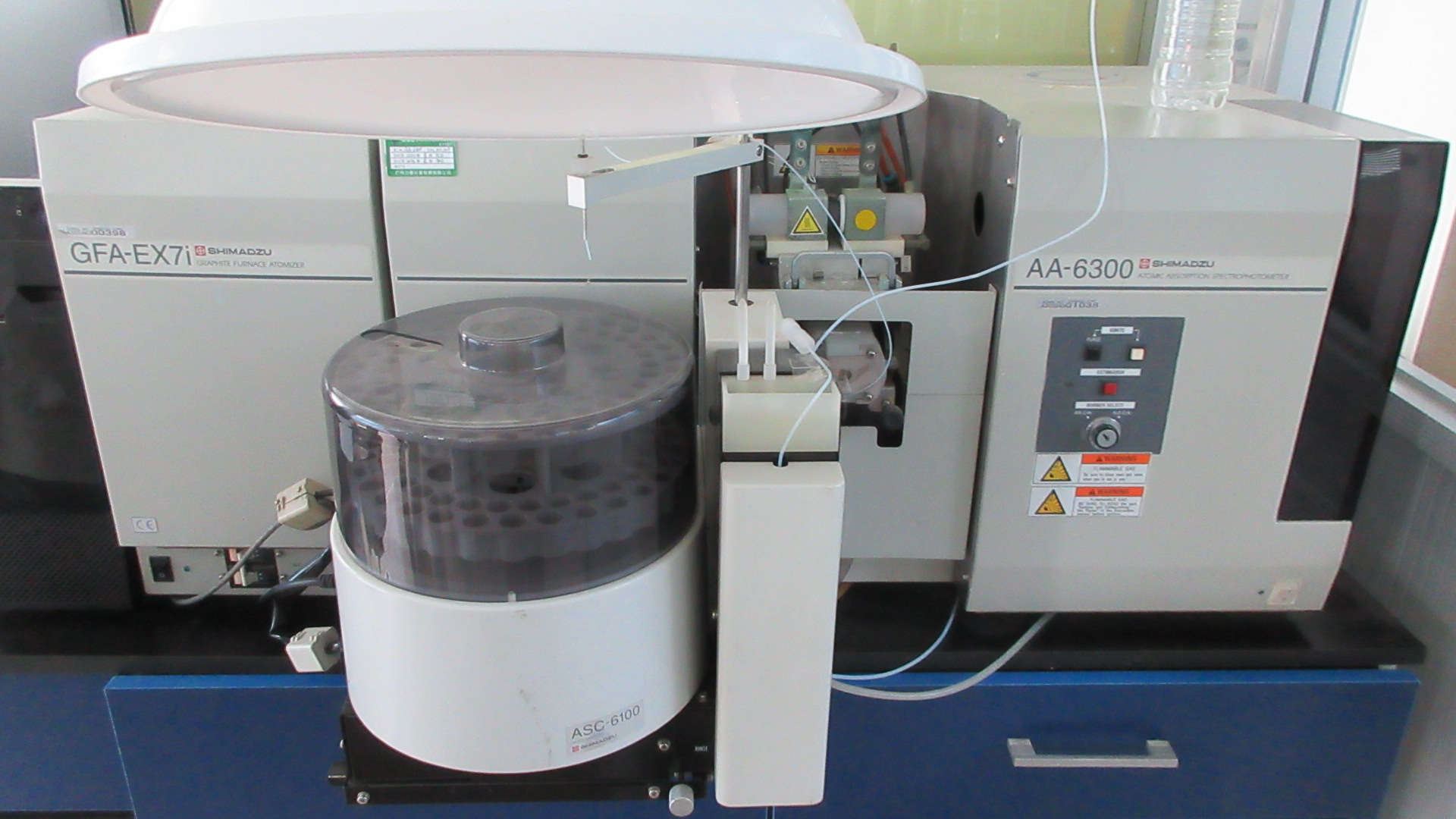
Every single batch bound for the Nagoya gateway undergoes comprehensive internal analytical validation—employing High-Performance Liquid Chromatography (HPLC), Gas Chromatography (GC), and Atomic Absorption Spectrophotometry (AAS) to ensure that microbial populations, heavy metals (Pb, Cd, As, Hg), and pesticide residues sit significantly below Japanese MHLW allowable limits.
SGS-Inspected Quality Assurance
Our facility is verified on-site by SGS Group. We operate under stringent cGMP and ISO9001 management protocols, guaranteeing complete batch reproducibility, batch retention warehousing for 36 months, and rigorous supply chain transparency from raw harvesting through container sealing.
MHLW Positive List Compliance
We systematically monitor over 450 agricultural chemicals via high-resolution GC-MS/MS and LC-MS/MS testing. We specifically adhere to Japan's baseline 0.01 ppm default standard for non-regulated pesticides, safeguarding importers from costly customs quarantines or border rejections.
Dedicated OEM / ODM Customization
Supporting starting order quantities from 1 kg for formulation pilot runs up to multi-ton continuous sea freight orders. We provide tailor-made bulk density calibration, custom granulation for direct capsule compression, and retail stick-pack or tin private-label packaging.
Precision On-Site QC & Testing Instrumentation
In-house analytics verified against international pharmacopeia reference standards before container loading.
Frequently Asked Questions: Importing to the Port of Nagoya
Technical, regulatory, and logistics clarifications addressed directly by our international compliance directors.
Q1 How do you ensure compliance with Japan's Positive List System for agricultural chemicals?
Every raw plant lot harvested for vegetable powder processing is pre-screened prior to extraction or drying. Our internal laboratories, paired with independent accredited third-party laboratories (Eurofins, SGS, or Pony Testing), conduct multi-residue pesticide screens covering organophosphates, pyrethroids, and organochlorines. Results must rigorously comply with Japan's Maximum Residue Limits (MRLs) or adhere to the default 0.01 ppm threshold under the Food Sanitation Act.
Q2 What are the standard microbiological limits for shipments destined for Japan?
Japanese food processors mandate exceptionally stringent microbiological tolerances. Our standard export food-grade vegetable powders conform to: Total Aerobic Microbial Count (TAMC) ≤ 1,000 CFU/g (or ≤ 3,000 CFU/g for whole root botanicals), Total Combined Molds and Yeasts (TYMC) ≤ 100 CFU/g, Coliforms Negative / < 10 CFU/g, and pathogenic E. coli and Salmonella strictly Absent in 25 grams. Steam sterilization or irradiated sterilization is available upon formulation specification.
Q3 Can you provide bilingual documentation for Japanese Quarantine clearance?
Yes. For every consignment bound for the Port of Nagoya or Central Japan International Airport (Centrair), we furnish comprehensive export documentation: English-Japanese Certificate of Analysis (COA), detailed Manufacturing Flowchart (Process Chart with heating times and temperatures required by Quarantine Stations), Non-GMO Declarations, Allergen Certificates (addressing 8 specified mandatory allergens and 20 recommended allergens under Japanese labeling law), and Certified Country of Origin (Certificate of Origin).
Q4 What are the export packaging specifications to prevent moisture absorption during maritime transit?
Vegetable powders are naturally hygroscopic. Our export packaging features primary food-grade virgin polyethylene double liners, heat-sealed and enclosed in multi-layer vacuum aluminum foil barrier bags. These are packed in corrugated export outer cartons or fiber drums containing food-safe pharmaceutical-grade silica gel desiccants. For ocean freight across the East China Sea to Nagoya Port, we include container desiccant poles to eliminate moisture and condensation damage.
Q5 What is the typical freight transit lead time from your factory to the Port of Nagoya?
Following batch completion and analytical COA sign-off, ocean shipping from the Port of Qingdao or Shanghai to the Port of Nagoya typically takes 3 to 5 days on water. Total door-to-door transit time—incorporating inland customs clearance in Xi'an, port handling, sailing, and import customs entry in Nagoya—averages 10 to 14 business days. Air express shipments via Centrair can be completed in 48 to 72 hours for critical pilot batches.
Q6 Can we request sample evaluation batches for pilot sensory and solubility testing in Aichi?
Absolutely. We maintain a responsive trial sample program. We supply 50g to 500g analytical sample pouches accompanied by lot-specific COAs, complete heavy metal testing sheets, and HPLC spectra. Japanese R&D teams can conduct solubility tests, viscosity evaluations, and organoleptic tasting in their proprietary laboratories before confirming commercial batch agreements.
Connect with our Japanese Market Procurement Desk
Seeking technical specifications, bulk price quotes, or customized particle size grinding? Our export chemical specialists and regulatory officers provide detailed responses within 24 hours.