EP Standard · Cardiovascular
Years Extraction Expertise
cGMP Production Footprint
In-House Analytical Verification
South Korea Standards Support
Precision-milled botanical monomers, high-polysaccharide fungi extracts, and functional fruit derivatives engineered to meet rigid clean-label, bio-accessibility, and safety specifications.
Daejeon operates as South Korea's premier science, biotechnology, and deep-tech corridor. Sourcing raw herbal ingredients for Daedeok Innopolis, Yuseong-gu research labs, and regional GMP facilities demands high chemical documentation, consistent batch chromatograms, and rigorous botanical traceability.
Institutes and start-ups across Daejeon rely on bioactive botanical compounds as scaffolds for functional cosmeceuticals, metabolomics research, and functional health foods (건강기능식품). High-potency extracts with verifiable chromatographic profiles enable reliable pharmacokinetic tracking in preclinical studies.
South Korean quality auditors from the Ministry of Food and Drug Safety (MFDS) prioritize exact active marker validation. Our supply chain implements single-solvent extraction, vacuum distillation, and macro-porous resin purification to guarantee exact ratios of allicin, macamides, naringin, and beta-glucans without synthetic spikes.
The convergence of K-Beauty and oral health supplements across Daejeon and Sejong metropolitan zones drives demand for multi-target raw powders. Natural vitamin C from Acerola, coupled with cellular hydration agents like coconut water powder, allows clean labeling without synthetic silica binders or artificial bulking excipients.
Every shipment bound for Busan or Incheon logistics terminals undergoes multi-point analytical screening. The matrix below defines marker quantitation methods, physical mesh parameters, and regulatory assay baselines.
| Botanical / Extract SKU | Primary Marker Assayed | Analytical Method | Carrier / Solvent Type | Daejeon Industrial Application |
|---|---|---|---|---|
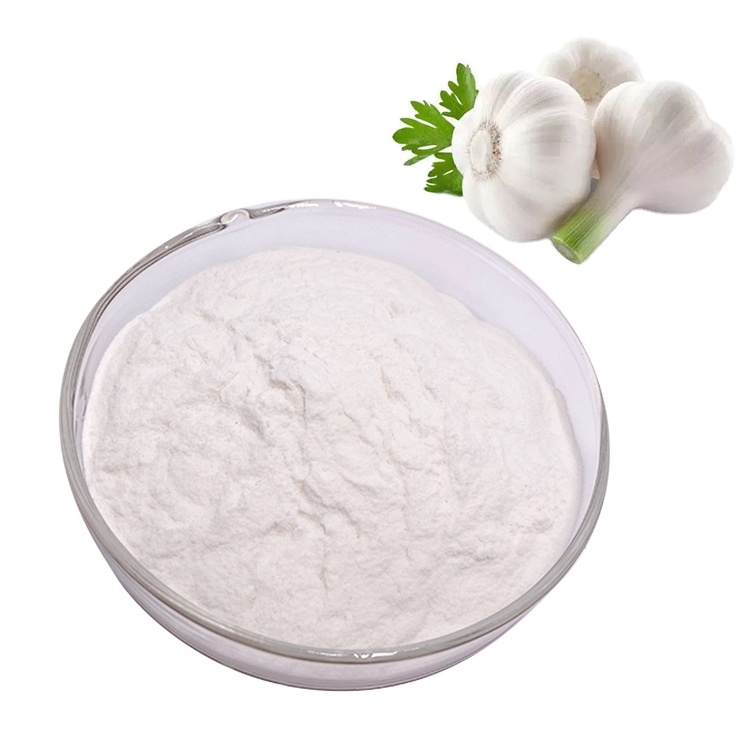
| Garlic Extract (Allium sativum) | 1.0% - 5.0% Allicin | HPLC Standardized | Supercritical / Deodorized | Cardiovascular & Metabolic Support Supplements |
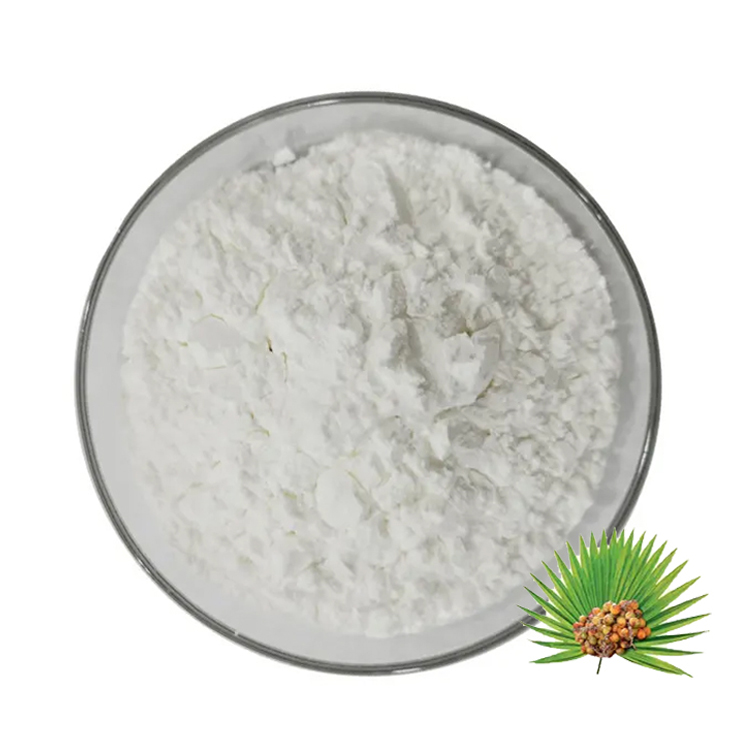
| Saw Palmetto (Serenoa repens) | 25% - 85% Total Fatty Acids | GC / Titration | Solvent-Free CO2 Supercritical | Men's Urological Wellness & Hair Density Tonics |
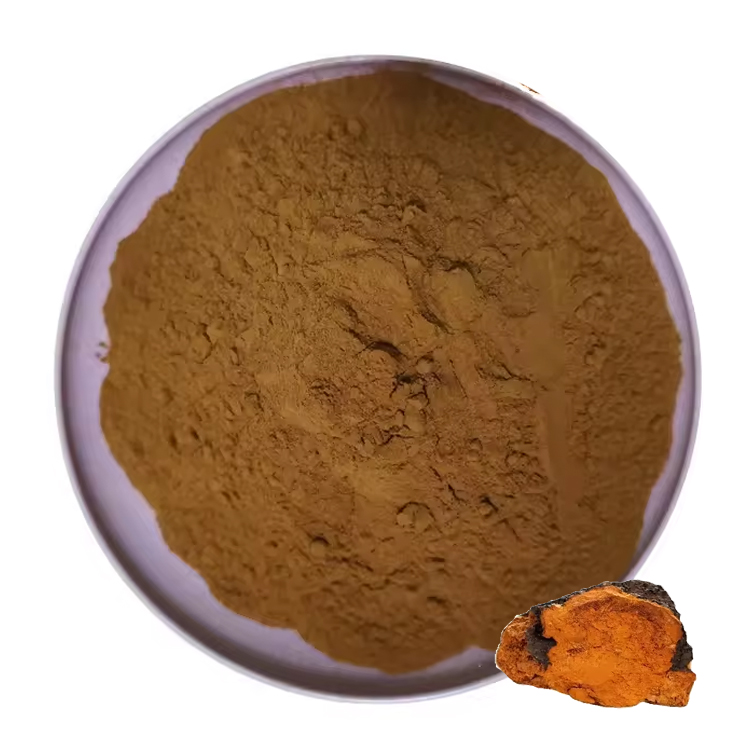
| Chaga Mushroom (Inonotus obliquus) | 30% - 50% Polysaccharides / >20% β-Glucan | Megazyme Enzymatic / UV | Purified Water / Dual Phase | Immunomodulatory Research & Clinical Formulations |
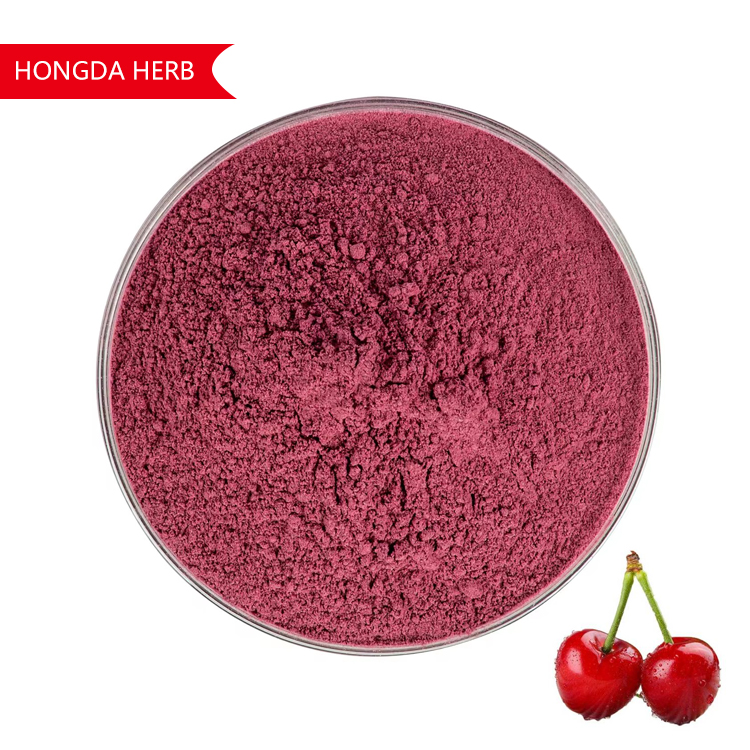
| Acerola Cherry (Malpighia glabra) | 17% - 25% Native Vitamin C | HPLC / Titration | Water Aqueous Extract | Clean-Label Antioxidant & K-Beauty Cosmeceuticals |
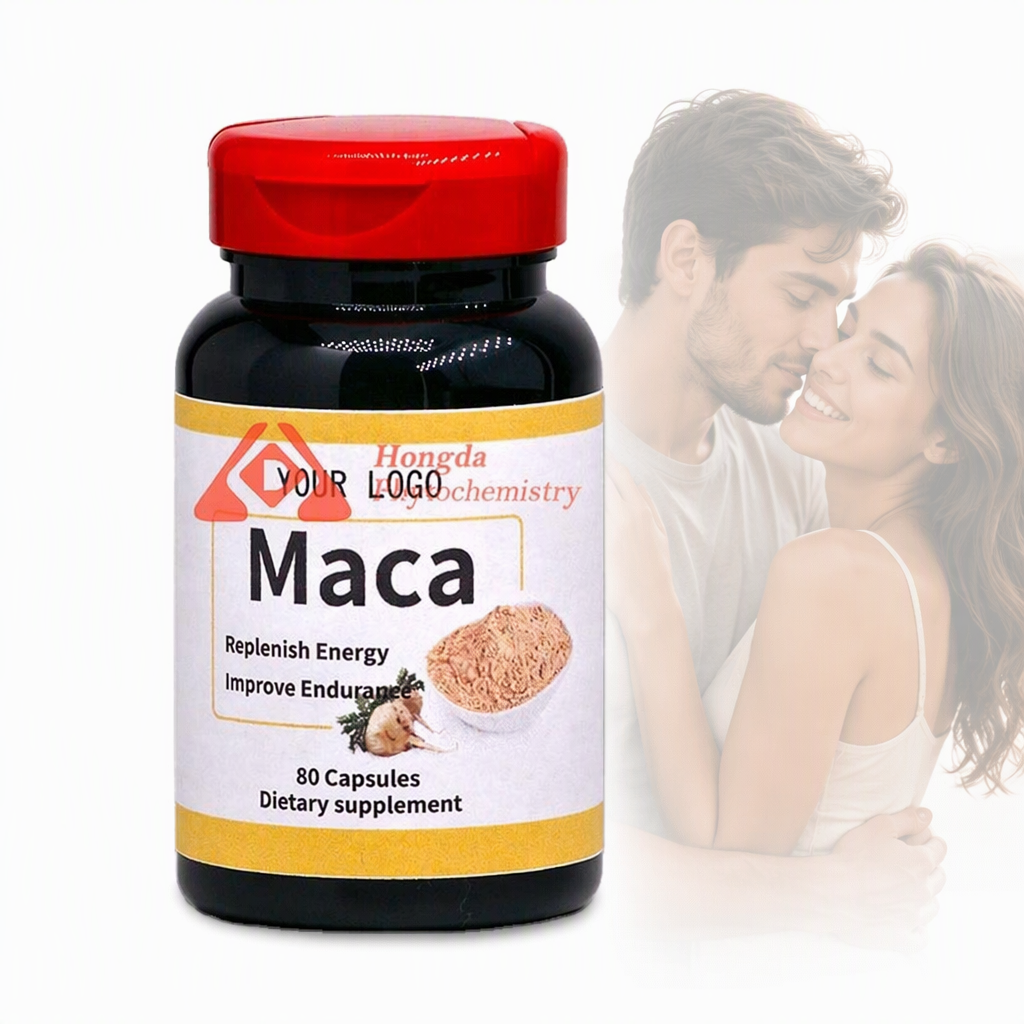
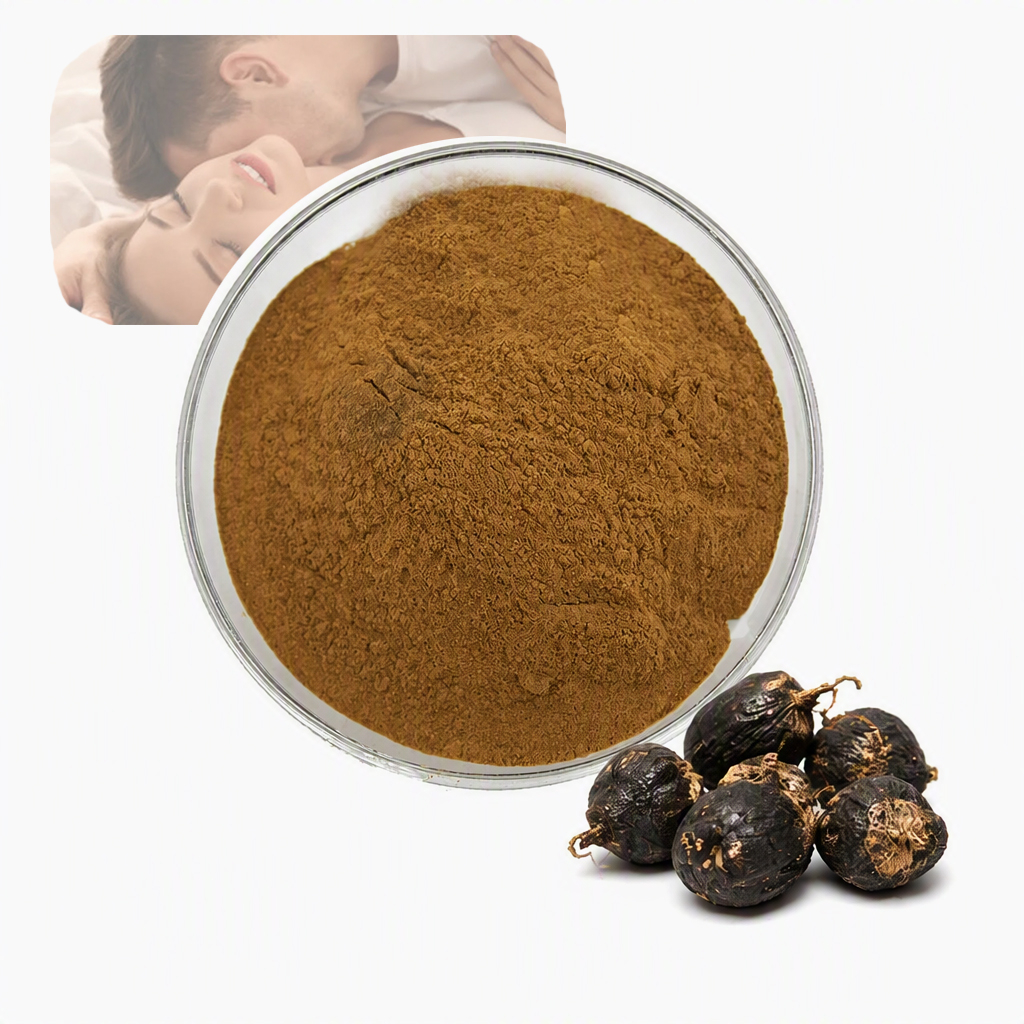
| Black Maca (Lepidium meyenii) | 0.6% Macamide & Macaene / 10:1 - 20:1 | HPLC / TLC Fingerprint | Hydro-Ethanolic Extraction | Endocrine Balancing & Adaptogenic Energy Formulations |
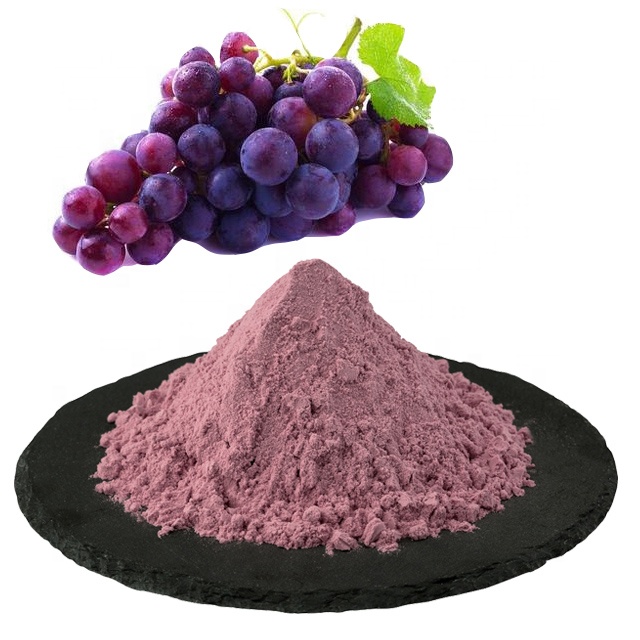
| Grapefruit Juice Powder | Natural Flavonoids / Naringin | UV-Vis Quantitative | Freeze-Dried / No Carrier | Electrolyte Ready-To-Drink (RTD) Beverage Mixes |
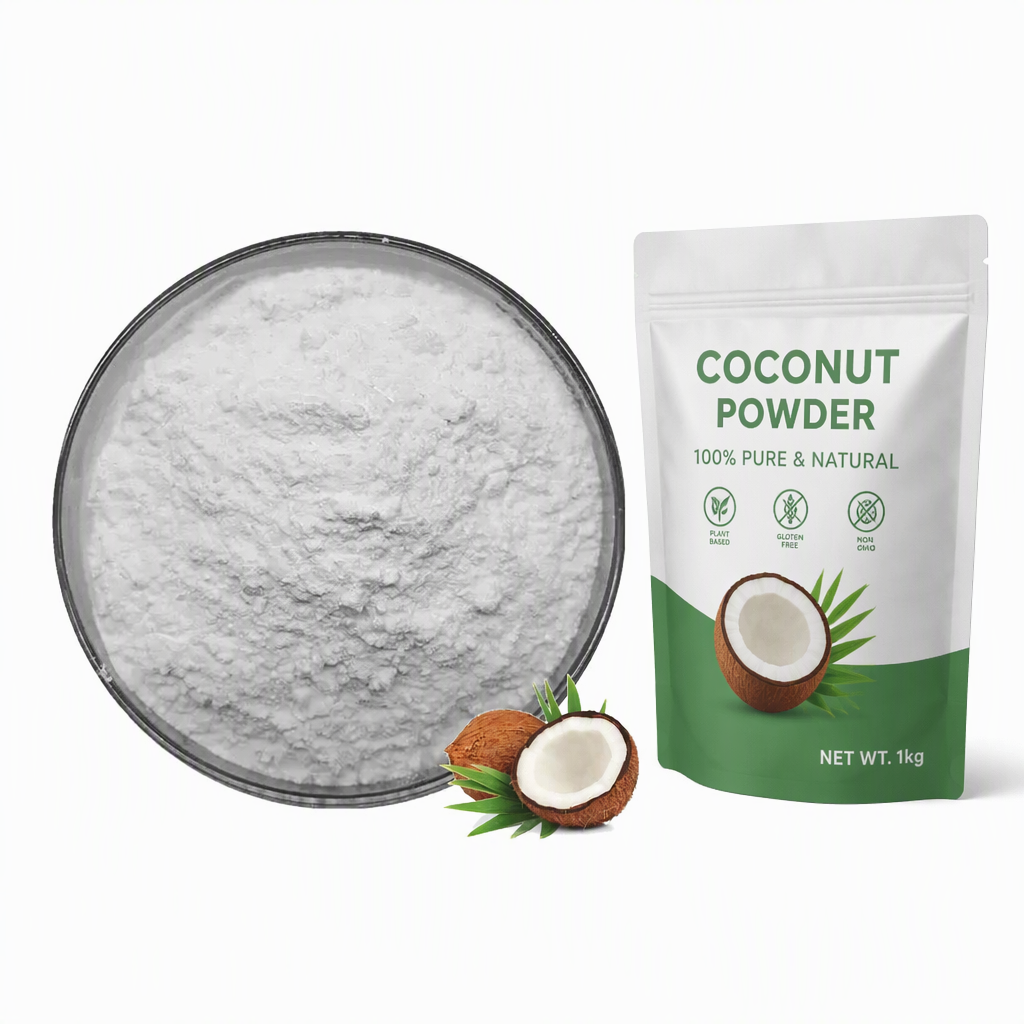
| Organic Coconut Milk / Water Powder | Natural Potassium & Lauric MCTs | Standard Proximate / AOAC | Low-Heat Spray Dried | Smoothie Base, Natural Liposomal Carrier Matrices |
The botanical manufacturing sector in Daejeon is witnessing a profound transition toward individual recognized functional ingredients (개별인정형 원료). Formulation engineers require batch-to-batch chemical homogeneity so that clinical trials or regulatory submissions are backed by indisputable traceability.
Shaanxi Torzi Biotech guarantees complete supply chain transparency: from ecological highland cultivation regions to industrial extraction lines equipped with vacuum evaporation, chromatographic column separations, and ISO clean-room packaging.
By eliminating non-declared maltodextrin carriers, pesticide residues, and microbial cross-contamination, we streamline the import clearance pipeline through South Korea customs and testing facilities.
Operating a dedicated 12,447 m² production plant verified through rigorous on-site audit frameworks. Our infrastructure provides scalable output from 1 kg pilot evaluations to multi-ton commercial consignments.
Optimized freight lanes to South Korea. Temperature-controlled air express to Cheongju and Incheon, or container sea freight via Busan, clearing documentation efficiently.
Custom particle sizing from 80 mesh up to 500 mesh ultra-fine micronization. Optimized for tablet compression, capsule flowability, or instant hot/cold liquid dispersion.
USDA Organic, Halal, and Kosher certified production lines. Non-GMO project compliant, strictly free from ethylene oxide (EtO) sterilization residues and artificial irradiation.
Full-spectrum OEM/ODM support for private label formulations. Sourcing raw herbal ingredients straight into finished hard-shell capsules, sachets, and specialized blister packaging.
Before batch release, raw materials pass eight controlled physical and chemical checkpoints to safeguard purity and chemical potency.
TLC, microscopy, and physical assessment against regional pharmacopeial voucher specimens.
Temperature-managed multi-stage countercurrent extraction protecting thermo-sensitive actives.
Macroporous resin adsorption followed by vacuum spray drying within clean-room enclosures.
HPLC quantitation, heavy metal screen via AAS, microbial plate counts, and batch COA signing.
Direct technical answers addressing customs declaration, heavy metal limits, test methodology, and sample qualification for South Korean procurement directors.
Connect with our technical export engineering team for comprehensive COAs, chromatographic monographs, and complimentary qualification samples delivered direct to your laboratory.