Featured Standardized Extracts & Bioactive Ingredients
Explore our primary industrial ingredient inventory. Every batch is manufactured under certified cGMP parameters, tested by HPLC/GC/AAS, and supplied with a verifiable Certificate of Analysis (COA).
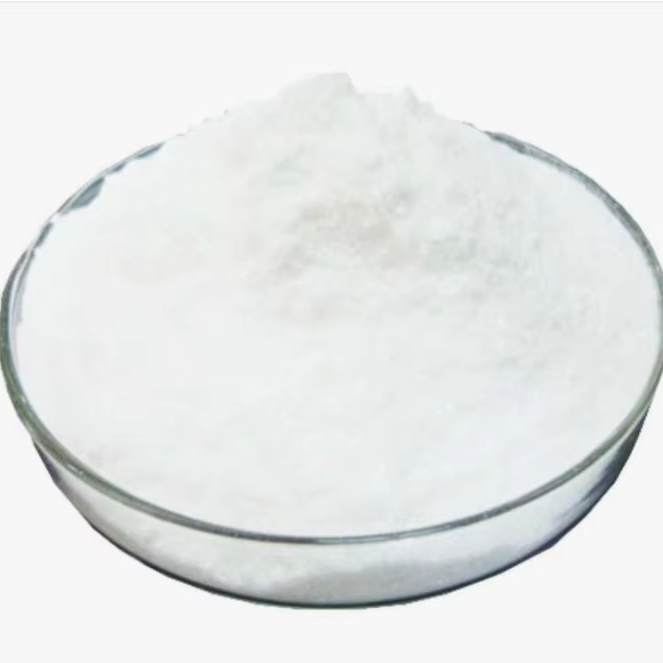
Hyaluronic Acid Powder | Food Grade Cosmetic Grade | High and Low Molecular Weight
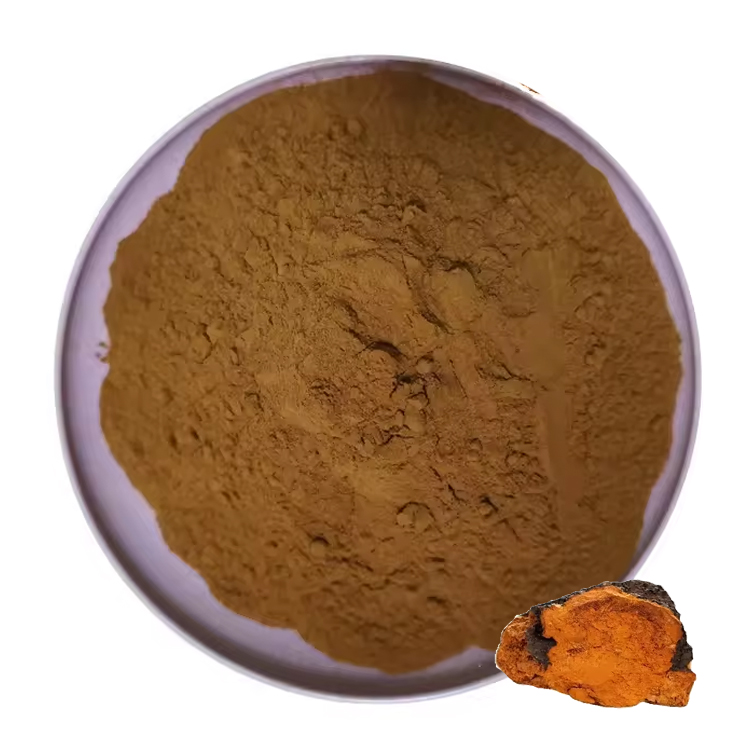
Chaga Mushroom Powder Polysaccharide Chaga Mushroom Extract
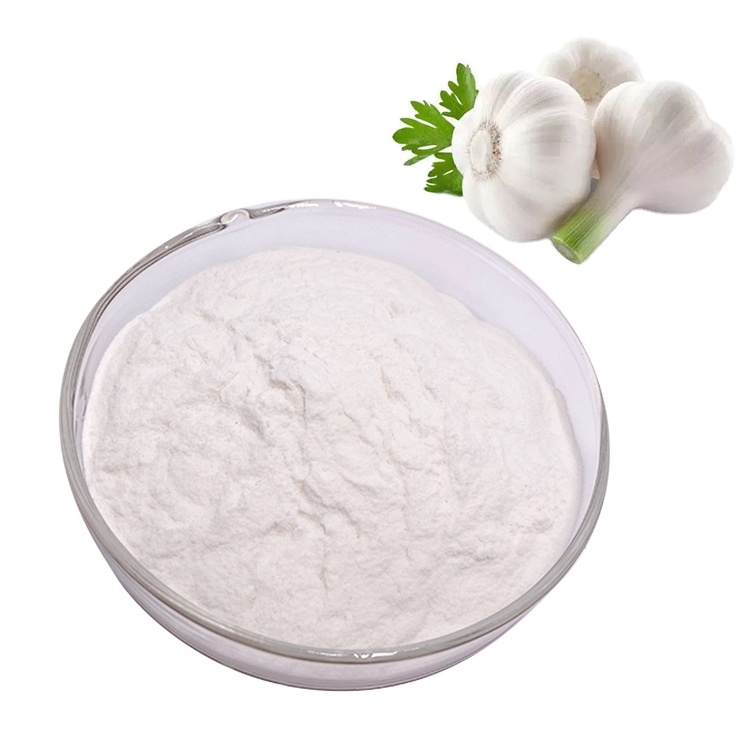
Garlic Extract Powder | 1% 5% Allicin | EP Standard
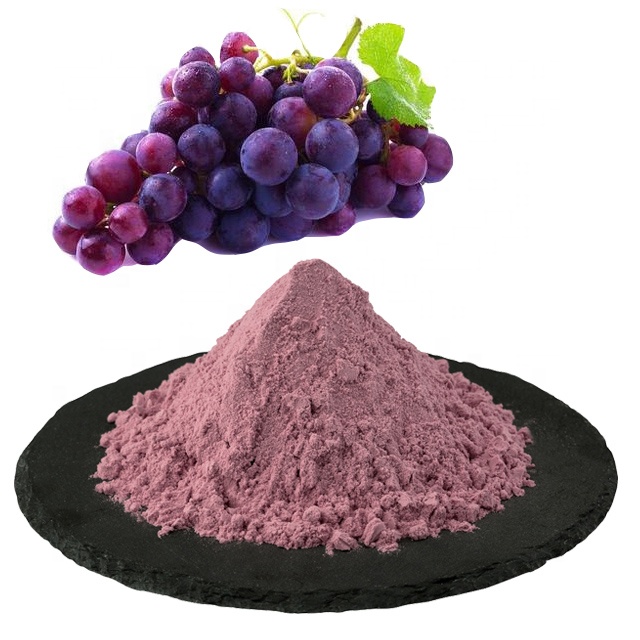
Juice Concentrate Powder 100% Naturel Grape Fruit Powder Freeze Dried Grape Fruit Powder
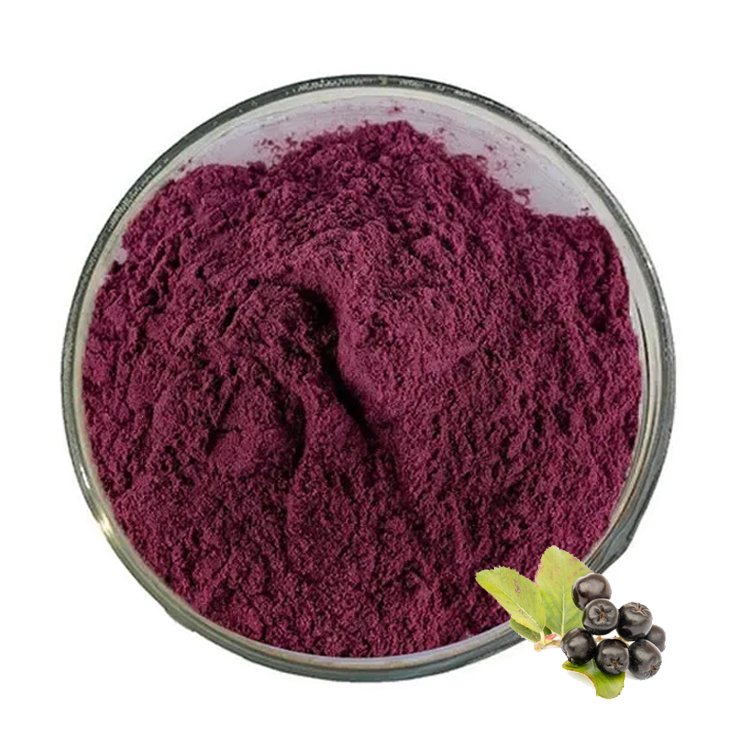
Acai Berry Powder Water Soluble Bulk Supplier Fruit Juice Powder Acai Berry Extract Powder
Food Additives Glucose Isomerase Enzyme Price Glucose Powder 25kg Price Bulk Glucose Powder
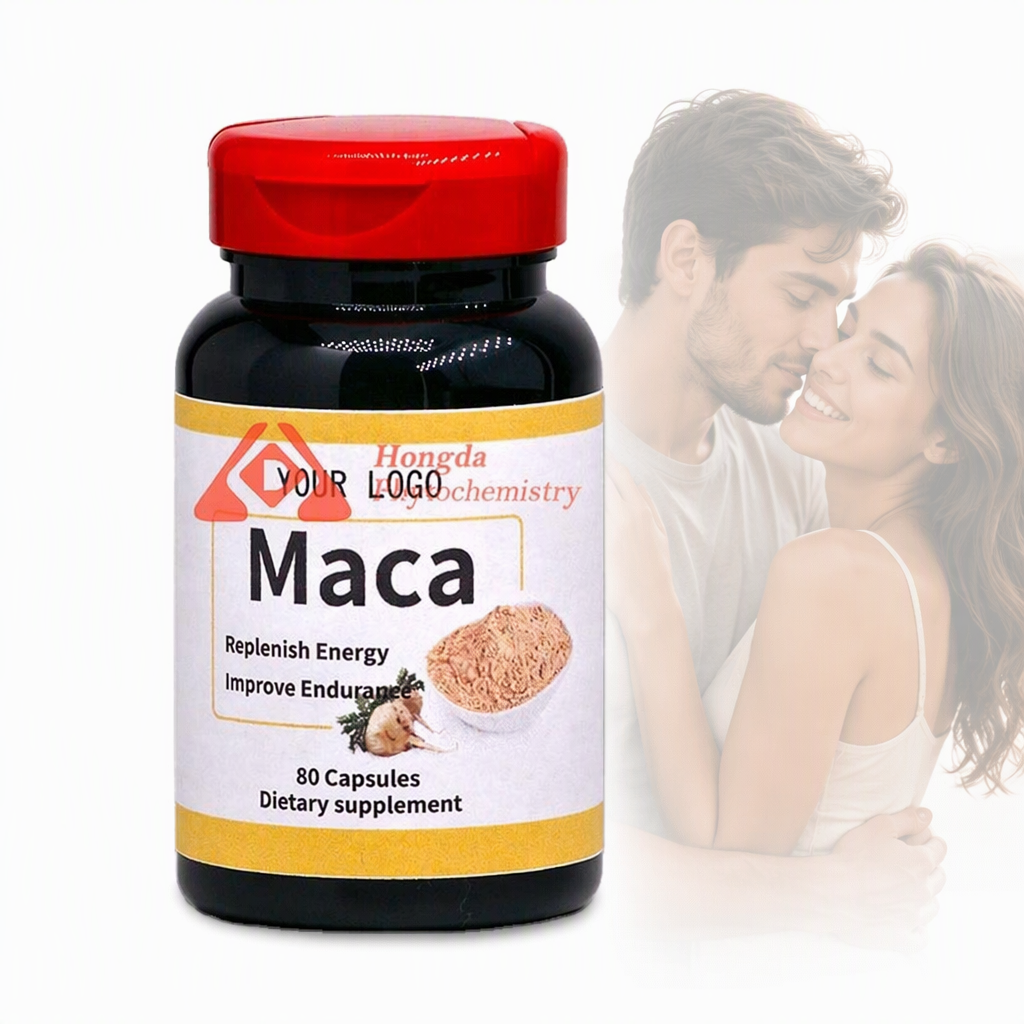
Private Label Maca Capsules Maca Supplement Maca Extract Powder Black Maca Powder OEM Service
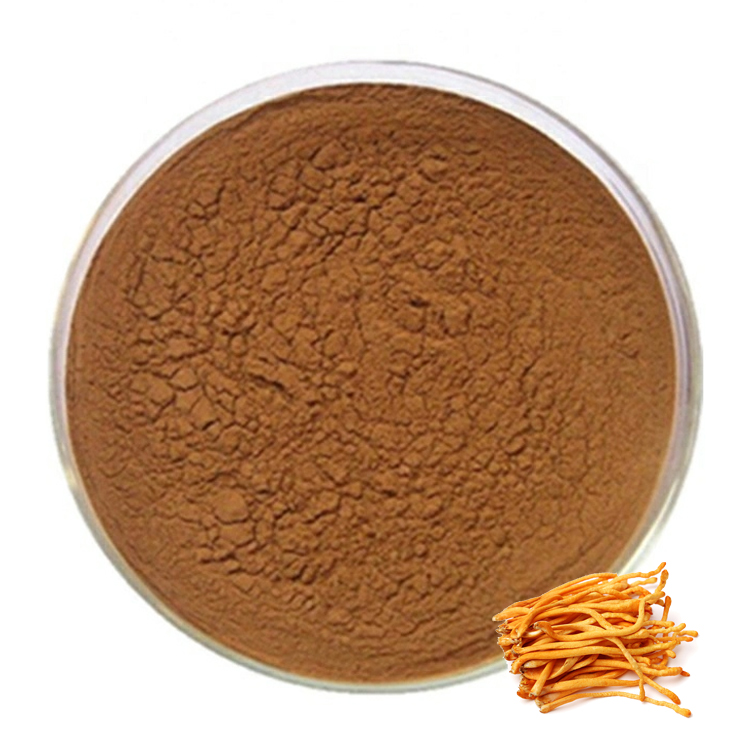
Cordyceps Mushroom Powder 30% 50% Cordyceps Polysaccharides Mushroom Extract Powder
Industrial Extraction Prowess Grounded in Pharmacopeial Quality
Shaanxi Torzi Biotech Co., Ltd. operates an integrated 12,447 m² botanical extraction complex situated in Xi’an, China—adjacent to the biodiverse Qinling Mountain botanical belt. As an on-site SGS-verified manufacturer, we eliminate trading intermediaries, granting global procurement teams direct access to raw material traceability, custom extraction chemistry, and batch-to-batch consistency.
23+
Years Extraction Mastery
12,447 m²
SGS-Inspected Plant Area
89
Full-Time QC & Chemical Engineers
100%
Lot-by-Lot HPLC/GC Testing
Qinling Ecological Botanical Origin
The Qinling Mountain corridor serves as an uncontaminated natural habitat for over 3,000 botanical species. We cultivate and harvest wildcrafted barks and botanicals—including White Willow, Maritime Pine, Cinnamon, and Sophora japonica—under stringent agricultural pesticide-control protocols.
- Traceable wild harvesting & organic GAP bases
- Zero pesticide drift in alpine harvesting sites
- DNA barcoding authentication for raw species identification
Proprietary Closed-Loop Extraction
Our workshop houses stainless-steel dynamic multi-function countercurrent extraction tanks, continuous vacuum thin-film evaporators, and resin adsorption chromatography columns. We achieve ultra-high purity targets without exposing active phytocompounds to thermal degradation.
- Hydro-ethanolic and low-temperature aqueous extraction
- Macroporous resin separation for purified monomer enrichment
- Superheated steam sterilization with low microbial limits
In-House Analytical Chemistry Suite
Our ISO/IEC-standardized QC facility eliminates supply-chain blind spots. We do not rely solely on generalized vendor certificates; every batch undergoes quantitative chromatographic assay to guarantee that finished powders conform strictly to USP, EP, and FCC monographs.
- High-Performance Liquid Chromatography (HPLC-DAD)
- Gas Chromatography (GC-FID/MS) for solvent residues
- Atomic Absorption Spectrophotometry (AAS) for Pb, As, Cd, Hg
Phytochemical Architecture of Standardized Bark & Botanical Extracts
Tree bark constitutes an evolutionary defense organelle enriched with durable secondary metabolites: condensed tannins, polyphenols, proanthocyanidins, lignans, and glycosides. Converting raw woody matrices into bioavailable nutraceutical ingredients requires precise thermodynamic, enzymatic, and kinetic control.
| Botanical & Bark Specimen | Primary Bioactive Fingerprint | Thermodynamic Extraction Method | Target Specification | Analytical Assay Monograph |
|---|---|---|---|---|
| French Maritime Pine Bark (Pinus pinaster Ait.) |
Oligomeric Proanthocyanidins (OPCs), Catechin, Taxifolin | Subcritical Hydro-Ethanolic Reflux (45°C–55°C) | ≥95% Polyphenols / ≥70% OPCs | USP / UV-Vis & HPLC |
| White Willow Bark (Salix alba L.) |
Salicin, Salicortin, Tremulacin, Polyphenolic Glucosides | Aqueous Countercurrent Hydro-Extraction | 15%, 25%, 50%, 98% Salicin | Ph. Eur. / HPLC |
| Magnolia Bark (Magnolia officinalis) |
Honokiol, Magnolol (Biphenyl Neolignans) | Supercritical Carbon Dioxide ($scCO_2$) Fluid Extraction | 10%–98% Total Honokiol + Magnolol | HPLC-DAD (Reverse Phase) |
| Cinnamon Bark (Cinnamomum cassia / verum) |
Trans-Cinnamaldehyde, Type-A Procyanidin Oligomers | Low-Shear Hydro-Distillation & Solvent Fractionation | 10%–30% Polyphenols; Cinnamaldehyde ≤0.1% (Low Coumarin) | GC-MS / HPLC |
| Phellodendron Bark (Phellodendron amurense) |
Berberine Hydrochloride, Palmatine, Jatrorrhizine | Acidified Aqueous Extraction & Salt Precipitation | ≥97% Berberine HCl | EP / CP Titration & HPLC |
Cellular Matrix Disruption
Bark cell walls are heavily reinforced by cross-linked suberin, lignin, and cellulose. Ordinary agitation yields low bio-recovery. Torzi Biotech applies high-pressure cavitation and enzyme-assisted digestion to selectively lyse lignocellulosic barriers without shearing delicate thermolabile flavonoids.
Macroporous Resin Chromatographic Fractionation
Crude extracts often harbor non-functional monosaccharides, ash, and organic acids. We circulate eluates through selective non-polar and semi-polar adsorption resin columns (e.g., AB-8, D101), selectively isolating target polyphenolic polymers and stripping inorganic impurities.
Vacuum Spray-Granulation & Particle Engineering
Standard botanical powders frequently suffer from hygroscopicity, poor flowability, and caking. Our closed-circuit spray towers and fluid-bed granulators engineer spherical, free-flowing agglomerates with uniform bulk density (0.45–0.65 g/mL) optimized for high-speed encapsulation.
Navigating Global Sourcing Shifts (2025–2030)
International botanical procurement is undergoing an unprecedented transformation driven by regulatory tightening, sustainability mandates, and the shift toward clinically validated bioactives. Brand owners and enterprise supply-chain executives must align with agile, direct manufacturers prepared for these market disruptions.
1. EUDR Traceability & Geolocation
The European Union Deforestation Regulation (EUDR) mandates non-negotiable botanical origin tracing. Torzi Biotech logs GPS coordinates from forestry harvesting zones, ensuring pine and bark inputs are 100% compliant with zero deforestation standards.
2. Demise of Generic "Ratio" Extracts
Global regulatory bodies are discarding unsubstantiated "10:1" and "20:1" claims that obscure chemical reality. Formulators demand verified active percentages (e.g., Megazyme-tested β-glucans or HPLC-standardized salicin) to ensure true clinical reproducibility.
3. Non-GMO Clean-Label Carriers
Consumers reject synthetic maltodextrins, silicon dioxide, and magnesium stearate excipients. We pioneer clean-label botanical carriers—such as organic acacia fiber, Jerusalem artichoke inulin, and native botanical starches—yielding transparent product labels.
4. Cold-Water Dispersible (CWD) Formats
As functional ready-to-drink (RTD) beverages, instant powder sachets, and stick packs surpass conventional tablets, hydrophobic bark extracts (e.g., Magnolia bark) require micro-encapsulation and liposomal delivery to prevent precipitation in aqueous solutions.
From Bulk Extract to Finished Shelf-Ready Brands
We transform raw botanical concentrates into market-ready retail products. Our contract manufacturing services cater to high-growth supplement companies seeking flexible MOQs, customized delivery matrices, and complete compliance documentation.
Custom Hard-Shell Encapsulation
We operate automated high-speed capsule filling lines capable of handling vegetable-based HPMC, pullulan, and standard gelatin shells. Formulations are balanced for optimal tamp density and disintegration times without synthetic lubricants.
- Sizes: #00, #0, #1, and DRcaps (delayed-release acid-resistant)
- Custom capsule color matching and natural titanium-dioxide-free shells
- Private-label bottling: 30, 60, 90, 120-count HDPE, PET, and amber glass
Homogeneous Custom Blending & Granulation
Combining multiple botanical extracts with varying hygroscopic tendencies requires specialized thermodynamic mixing. Our three-dimensional stainless-steel cone mixers and double-cone blenders achieve complete active uniformity with verified CV < 3% across tons of material.
- Fluid-bed agglomeration for instant water dispersibility
- Micro-encapsulated masking of naturally bitter bark extracts
- Multi-ingredient functional blends (e.g., adaptogen & nootropic matrices)
Regulatory Packaging & Export Clearance
Our turnkey export protocol ensures flawless transit and customs clearance across North American, European, Middle Eastern, and Asian ports of entry. Every shipment leaves our warehouse backed by full documentary validation.
- Induction-sealed bottles, zip-pouch sachets, nitrogen-flushed bulk drums
- Regulatory documentation: COA, Non-GMO, BSE/TSE-Free, Allergen Declarations
- Certificate of Origin (CO), Health Certificate, and MSDS included
Accelerate Your Custom Formulation Project
Submit your target specification, active marker threshold, or finished packaging concept. Our formulation specialists and analytical chemists respond with comprehensive technical data and pilot sample proposals within 24 hours.
Frequently Asked Questions for B2B Importers & R&D Teams
Clear, definitive technical answers addressing regulatory compliance, testing methodologies, carrier thresholds, and logistics.
Adulterating pine bark extract (Pinus pinaster) with peanut skin extract (Arachis hypogaea) is a widespread hazard in low-tier markets due to both containing proanthocyanidins. At Torzi Biotech, our analytical lab utilizes High-Performance Thin-Layer Chromatography (HPTLC) and Reverse-Phase HPLC to establish precise flavonoid fingerprinting. Peanut skin exhibits characteristic monomeric luteolin and specific procyanidin B-type dimers absent in authentic maritime pine. Furthermore, we run DNA barcoding and specific ELISA allergen assays to certify 100% absence of peanut protein contaminants.
We operate strictly under Class 3 green solvent parameters (USP <467> and EP 5.4 monographs). Our standard industrial extraction trains utilize pure purified municipal water, pharmaceutical-grade ethanol, or supercritical CO2 ($scCO_2$). We never employ toxic Class 1 or Class 2 chlorinated hydrocarbons (such as benzene, chloroform, or 1,2-dichloroethane). Each finished batch is analyzed by Headspace Gas Chromatography (HS-GC) to confirm ethanol residues remain comfortably below the 5,000 ppm standard (typically <500 ppm or completely undetected in vacuum-dried batches).
Yes. While conventional manufacturers automatically blend 10%–20% corn maltodextrin into spray dryers to avoid stickiness and hasten processing speed, we operate specialized low-temperature vacuum drying chambers and fluid-bed towers designed to process hygroscopic, pure botanicals without external excipients. For buyers requiring non-carrier powders, we provide 100% pure botanical solids with verified non-detectable carrier tests. Alternatively, for encapsulation flowability, we can integrate organic certified prebiotic acacia fiber upon request.
We adhere strictly to validated pharmacopeial testing methods. Monomeric active compounds (such as Salicin in White Willow, Cinnamaldehyde in Cinnamon, Honokiol in Magnolia, Allicin in Garlic, and Cordycepin in Cordyceps) are quantitatively assayed using isocratic or gradient HPLC-DAD against USP/Sigma-Aldrich primary reference standards. For functional mushroom extracts, we utilize the specific enzymatic Megazyme assay to quantify true fungal (1,3)(1,6)-β-D-glucans, actively differentiating them from starch or cereal grain α-glucan adulterants.
All export batches comply with stringent California Proposition 65, USP <2232>, and EU Regulation 1881/2006 limits. Heavy metals are quantified via Atomic Absorption Spectrophotometry (AAS) or Inductively Coupled Plasma Mass Spectrometry (ICP-MS): Lead (Pb) < 0.5 ppm (or < 1.0 ppm max for specialized barks), Arsenic (As) < 1.0 ppm, Cadmium (Cd) < 0.5 ppm, and Mercury (Hg) < 0.1 ppm. Total Aerobic Microbial Count (TAMC) is controlled < 1,000 CFU/g, Yeast & Mold < 100 CFU/g, with zero tolerance (Negative) for Salmonella spp., Escherichia coli, and Staphylococcus aureus per 25g sample.
To support R&D validation and brand piloting, our bulk standardized extract inventory features an accessible MOQ starting at 1 kg for high-value active isolates and 5 kg–25 kg for standard botanical powders. For contract manufacturing—such as custom capsule filling, bottling, and retail packaging—our turnkey private-label service starts at 500 bottles/units, making new clinical product launches cost-effective and agile.
Solid extract powders are vacuum-sealed inside double-layer pharmaceutical-grade low-density polyethylene (LDPE) food liners, placed inside an outer heat-sealed aluminum foil pouch with non-toxic silica desiccants, and packed in heavy-duty 25 kg fiber export drums. Moisture-sensitive, hygroscopic, or oxidation-prone active monomers undergo nitrogen-flush sealing. Every drum is secured with tamper-evident serial seals and mounted on non-coniferous heat-treated export pallets.
Partner with an Accountable Primary Manufacturer
Streamline your raw material supply chain with direct factory pricing, verifiable lab analytics, and dedicated regulatory support. Connect with our technical export division today.