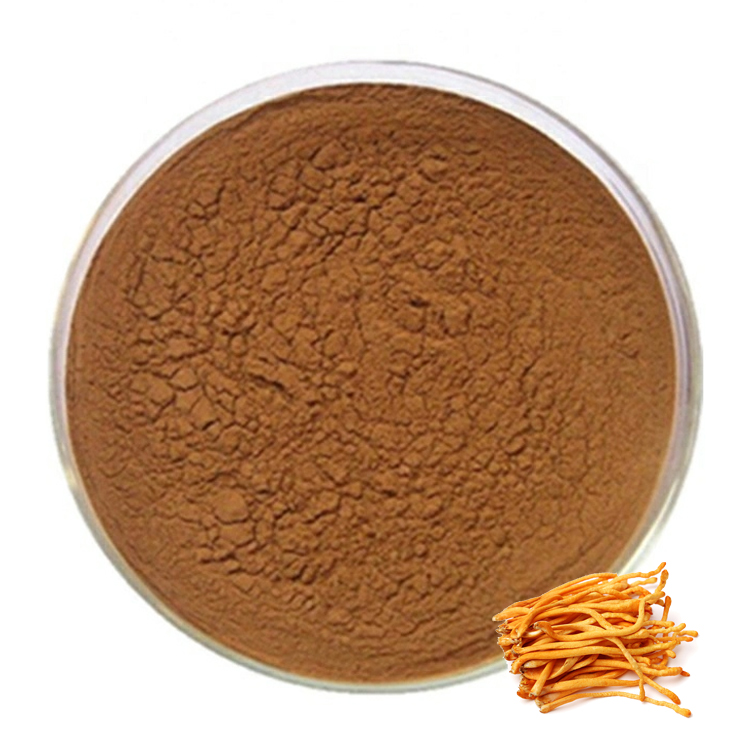
 Standardized 30%-50%
23+
Years of Extraction
Continuous R&D since 2001
12,447 m²
Factory Facility
cGMP & ISO9001 Compliant
≥99.0%
HPLC Assay Precision
Validated by AAS, GC & UV
50+
Export Destinations
Full Regulatory Documentation
Direct Factory Catalog
High-Efficiency Botanical Extracts & Functional Actives
Lab-verified phytochemical profiles, tested for maximum bioavailability and heavy metal compliance according to USP/EP pharmacopeial monographs.
Standardized 30%-50%
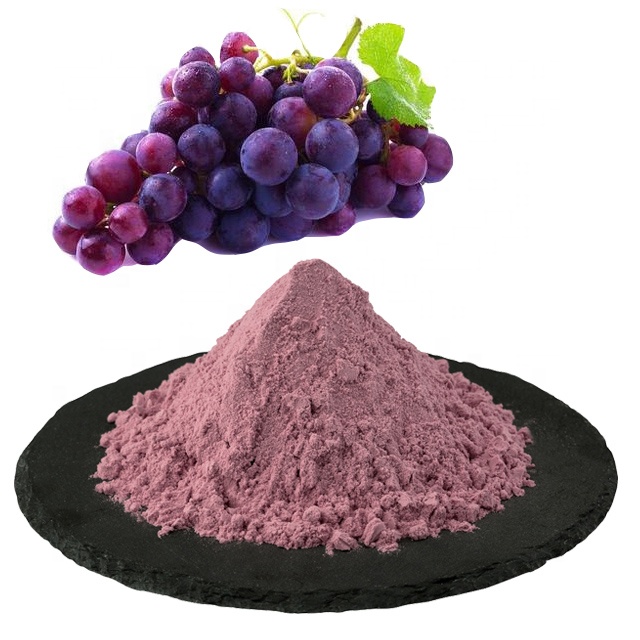 100% Pure Fruit
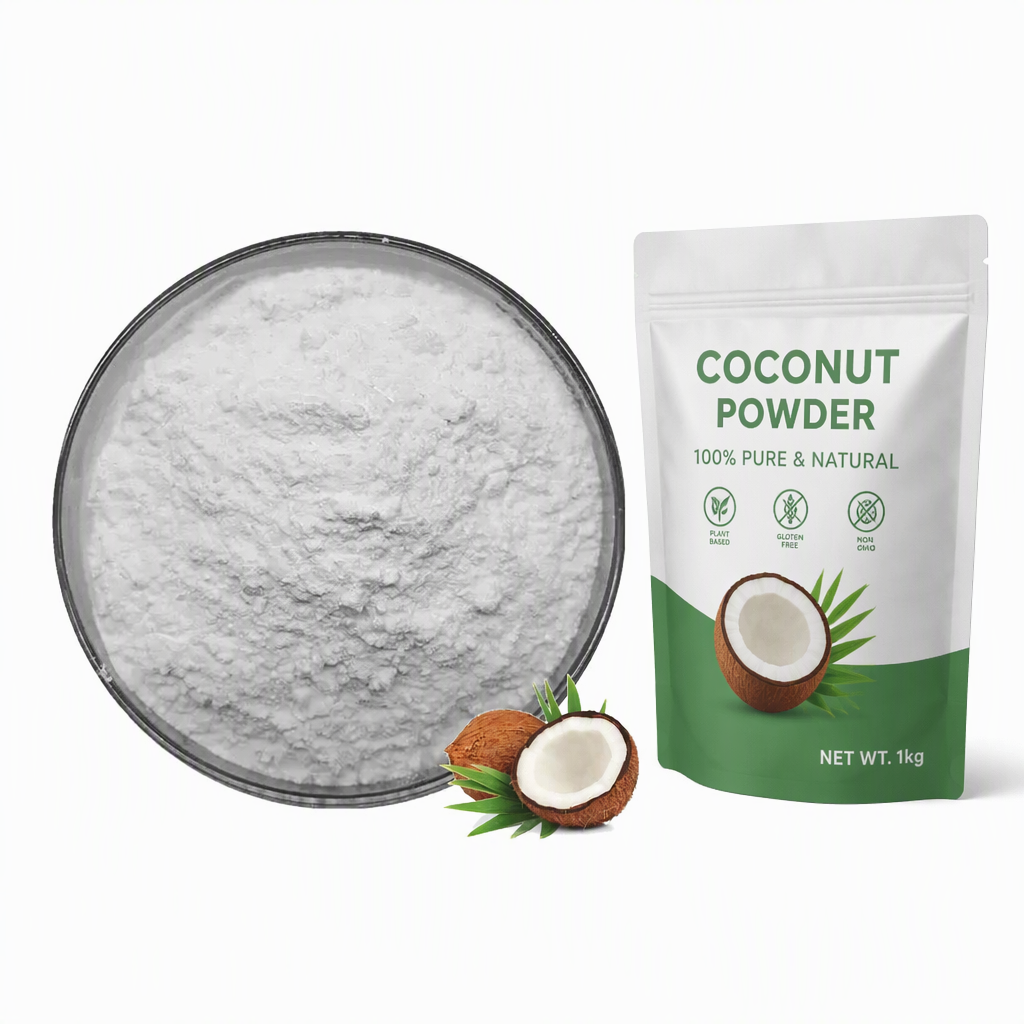 Organic Certified
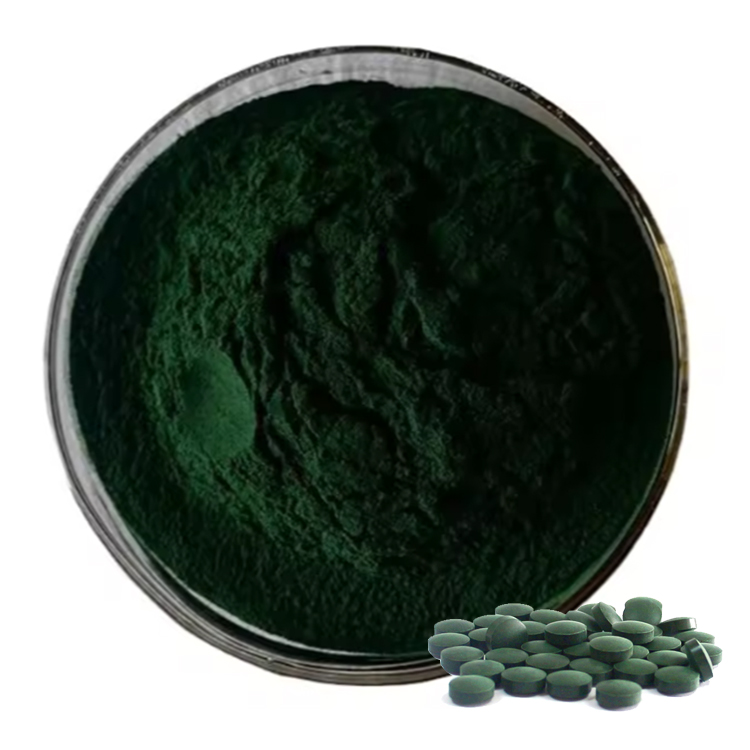 Algal Protein
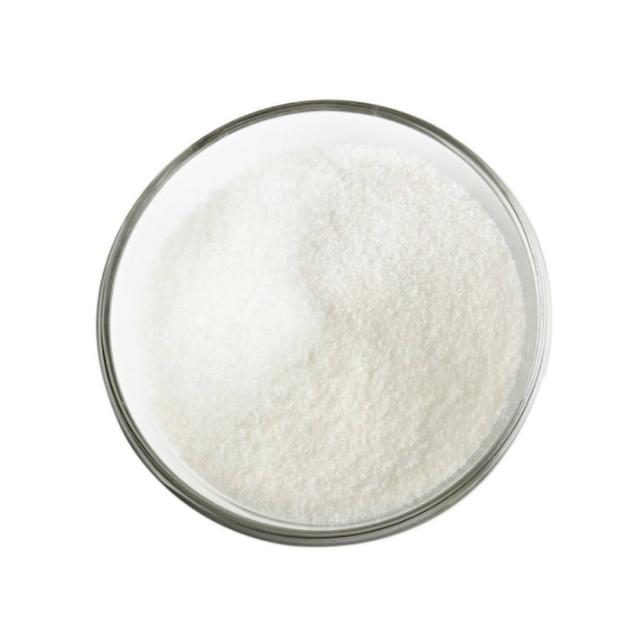 Biocatalyst Grade
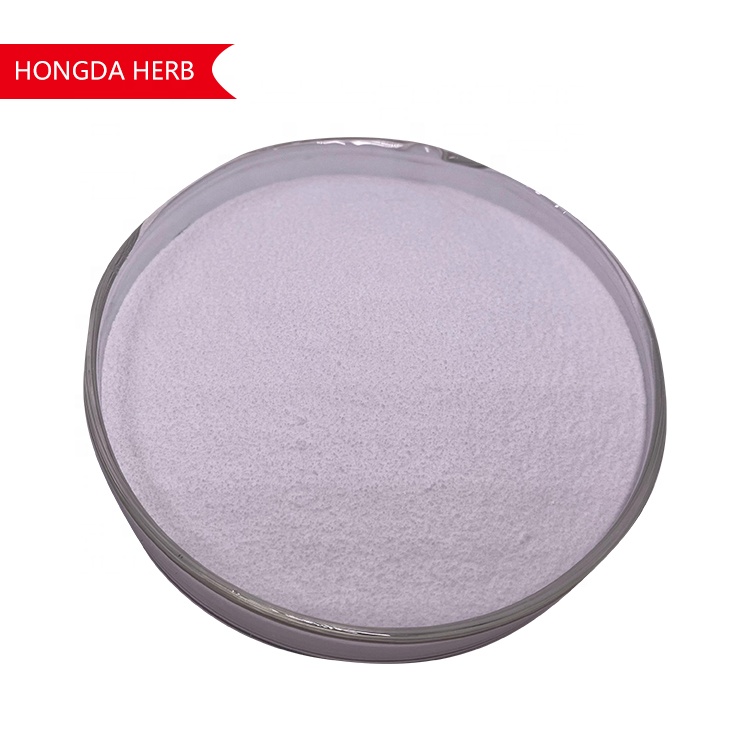 Dalton < 1000
 Fermentation Grade
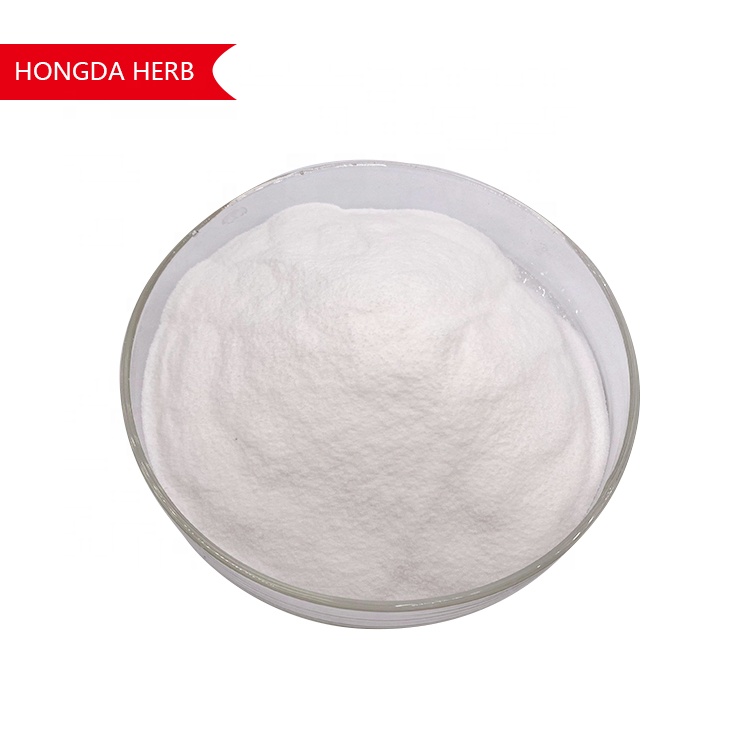 Nutraceutical Grade
Industry Whitepaper Analysis
Next-Generation Botanical Extraction: Technology Transitions & Sourcing Trajectories
The global pure plant extract and nutraceutical active industry is undergoing an unprecedented structural shift. Brands, contract packaging organizations (CPOs), and pharmaceutical formulators are departing from conventional high-solvent, bulk-crude macerations. In their place, procurement departments require strict phytochemical fingerprinting, quantified secondary metabolites, and certified low-solvent residues complying with EP 5.4 and USP <467> standards.
As regulatory scrutiny from the U.S. FDA (21 CFR Part 111), the European Food Safety Authority (EFSA), and regional health directorates tightens, the sourcing criteria for Chinese botanical ingredients have evolved. Forward-thinking procurement officers must reconcile price efficiency with unassailable analytical backing, demanding verified botanical identity by High-Performance Thin-Layer Chromatography (HPTLC) and target quantitation via reverse-phase HPLC-DAD.
Enzymatic & Low-Temp Processing
Controlled enzymatic cellular disruption preserves thermolabile actives such as polyphenols, polysaccharides, and peptides without thermal degradation.
Macroporous Resin Adsorption
Multi-stage purification columns separate targeted biological molecules from inactive sugars and inorganic salts, delivering high monomer assays (≥98%).
Trace Contaminant Elimination
Systematic heavy metal precipitation and multi-residue pesticide remediation guarantee products satisfy rigorous California Prop 65 safety parameters.
Critical Phytochemical Quality Matrices (Standard Extraction Specifications)
The table below summarizes standard industrial parameters maintained across our flagship plant extract families, establishing transparent benchmark expectations for B2B supply chains.
| Botanical / Active | Standard Specification | Analytical Method | Moisture / Ash | Heavy Metal Limits | Solubility Profile |
|---|---|---|---|---|---|
| Cordyceps militaris | 30% - 50% Polysaccharides, 1% Cordycepin | UV-Vis / HPLC | ≤ 7.0% / ≤ 8.0% | Pb<1.0ppm, As<1.0ppm, Cd<0.5ppm | 100% Water Soluble |
| Grapefruit Juice Powder | 100% Pure, Native Bioflavonoids | Titrable Acidity / HPLC | ≤ 5.0% / ≤ 4.0% | Pb<0.5ppm, As<0.5ppm, Hg<0.1ppm | Instant Cold Water Dispersion |
| Spirulina Platensis | ≥60% Protein, Crude Phycocyanin ≥12% | Kjeldahl / Spectrophotometry | ≤ 7.0% / ≤ 8.0% | Total Heavy Metals < 10ppm | Fine Suspension (80-200 Mesh) |
| Marine Fish Oligopeptides | ≥90% Small Peptide Fraction (<1000 Da) | Molecular Exclusion HPLC | ≤ 5.0% / ≤ 2.0% | Pb<0.2ppm, As<0.2ppm, Cd<0.1ppm | Transparent in Clear Beverages |
| Sodium Hyaluronate | 95.0% - 105.0% Assay (Food/Cosmetic) | Glucuronic Acid Titration | ≤ 10.0% / ≤ 4.0% | Pb<0.5ppm, As<0.5ppm | Viscous Hydrogel Dispersion |
Procurement Strategy 2026-2030
Emerging Procurement Trends for Functional Plant Extracts
B2B procurement professionals must position their ingredient pipelines to navigate changing consumer patterns, supply chain transparency demands, and ecological mandates. Key market indicators include:
1. Complete DNA & Isotope Sourcing Traceability
Generic certificates of analysis are no longer adequate. Top-tier brands now require botanical provenance tracking, non-GMO verification, and carbon footprint audits from the harvesting farm gate directly through primary extraction.
2. The Megazyme Beta-Glucan Assay Shift
For functional mushroom powders, UV-Vis testing for "total polysaccharides" is rapidly being phased out because it can be manipulated by residual starches or cereal grains. European and North American buyers are switching to enzymatic separation (Megazyme) to quantify authentic 1,3-1,6 beta-D-glucans.
3. High-Density Microencapsulation & Instantization
With ready-to-drink (RTD) beverages, functional shots, and nutraceutical effervescents surging globally, manufacturers are turning toward microencapsulated, cold-water-dispersible powder granules with minimized bitter notes and stabilized shelf-lives.
Shaanxi Torzi Biotech Infrastructure
Integrated Extraction & Purification Facility in Xi'an
Operating from the Qinling mountain logistics center, Shaanxi Torzi Biotech Co., Ltd. controls a modern 12,447 m² industrial complex. Unlike third-party export brokers or trading intermediaries, Torzi Biotech integrates primary countercurrent solvent extraction, disc centrifuge separation, falling-film vacuum evaporation, high-efficiency spray drying towers, and cleanroom packaging inside a single unified enterprise.
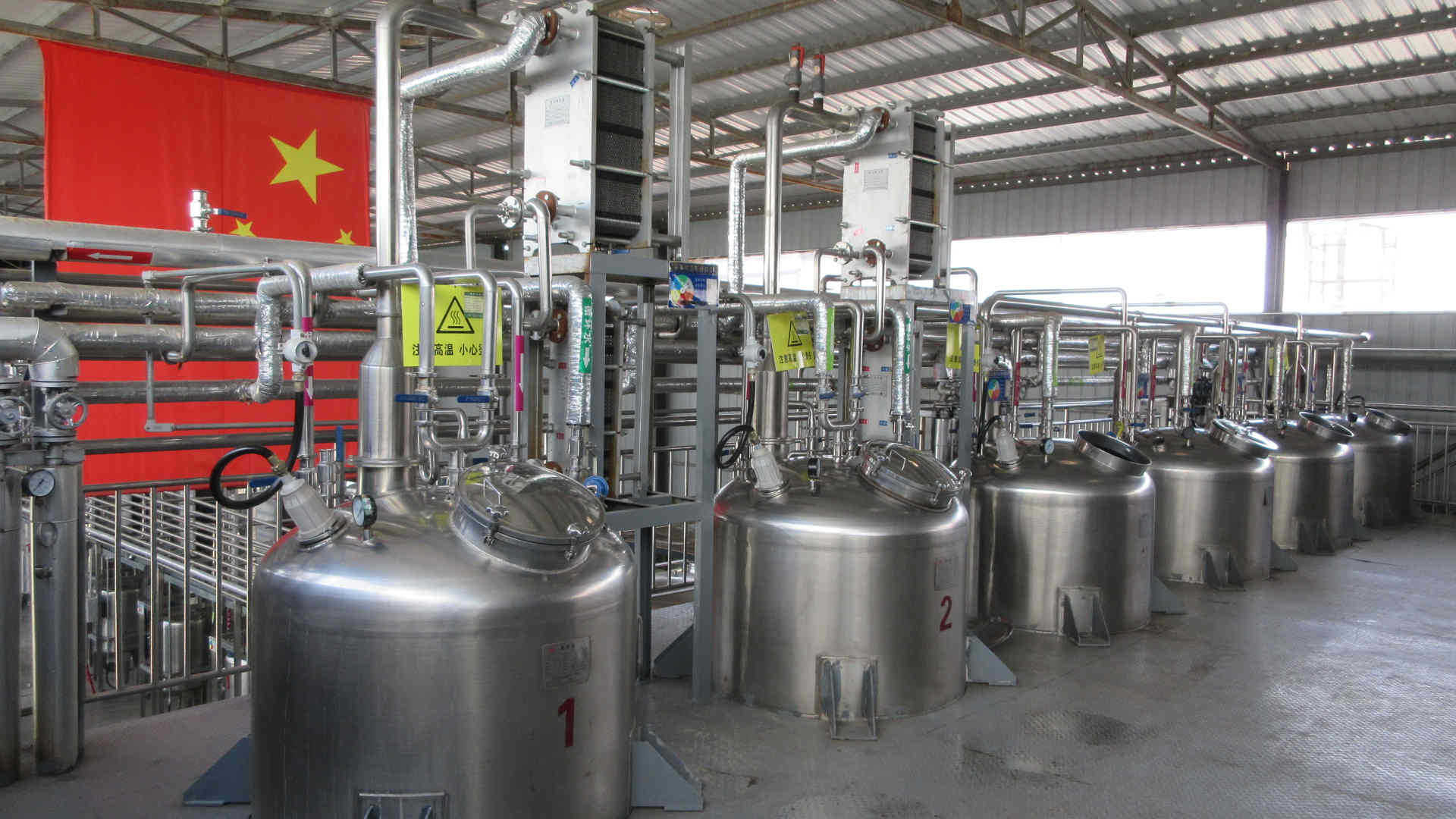
Multi-Stage Extraction Tanks
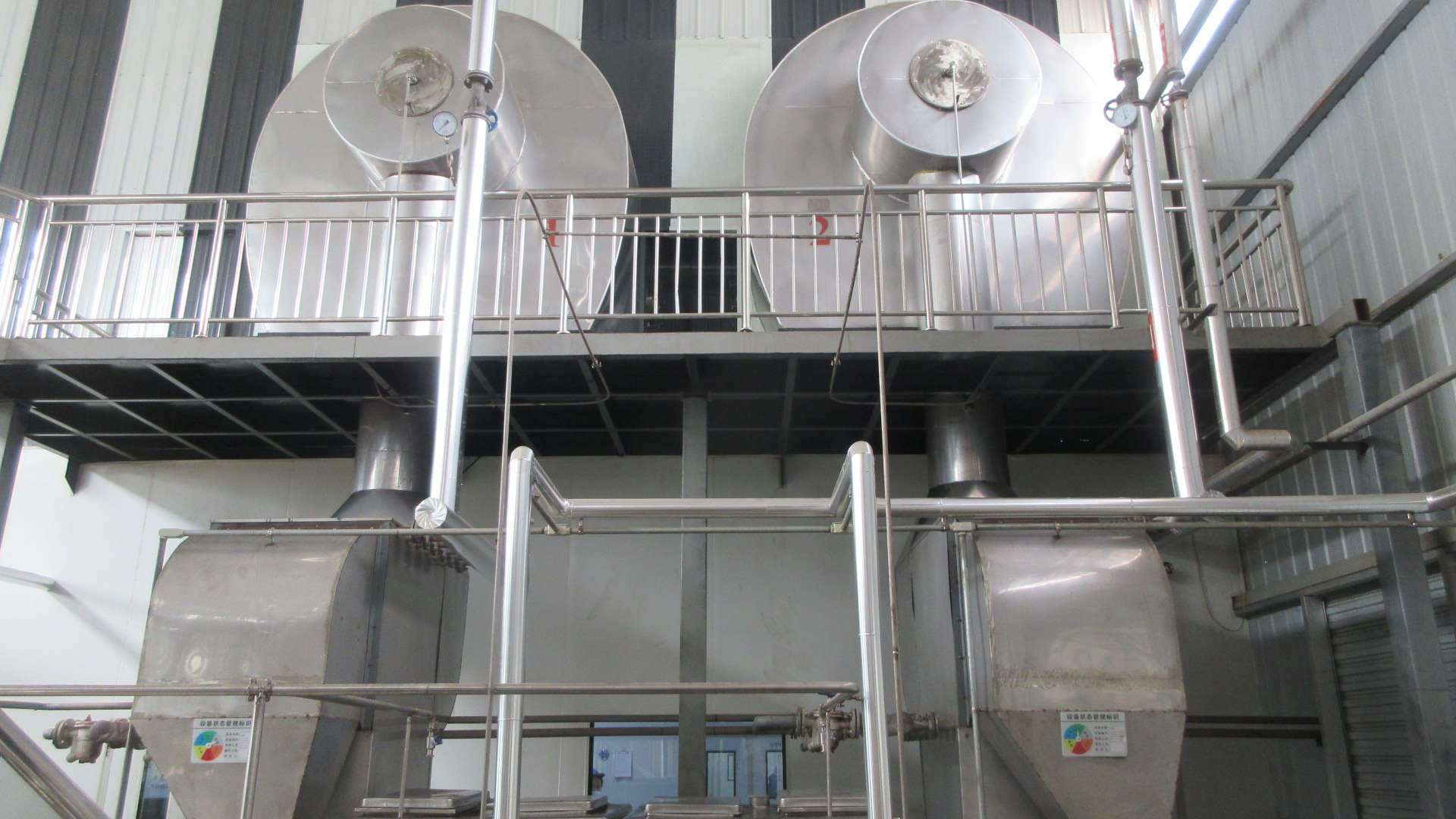
Continuous Spray Drying Tower
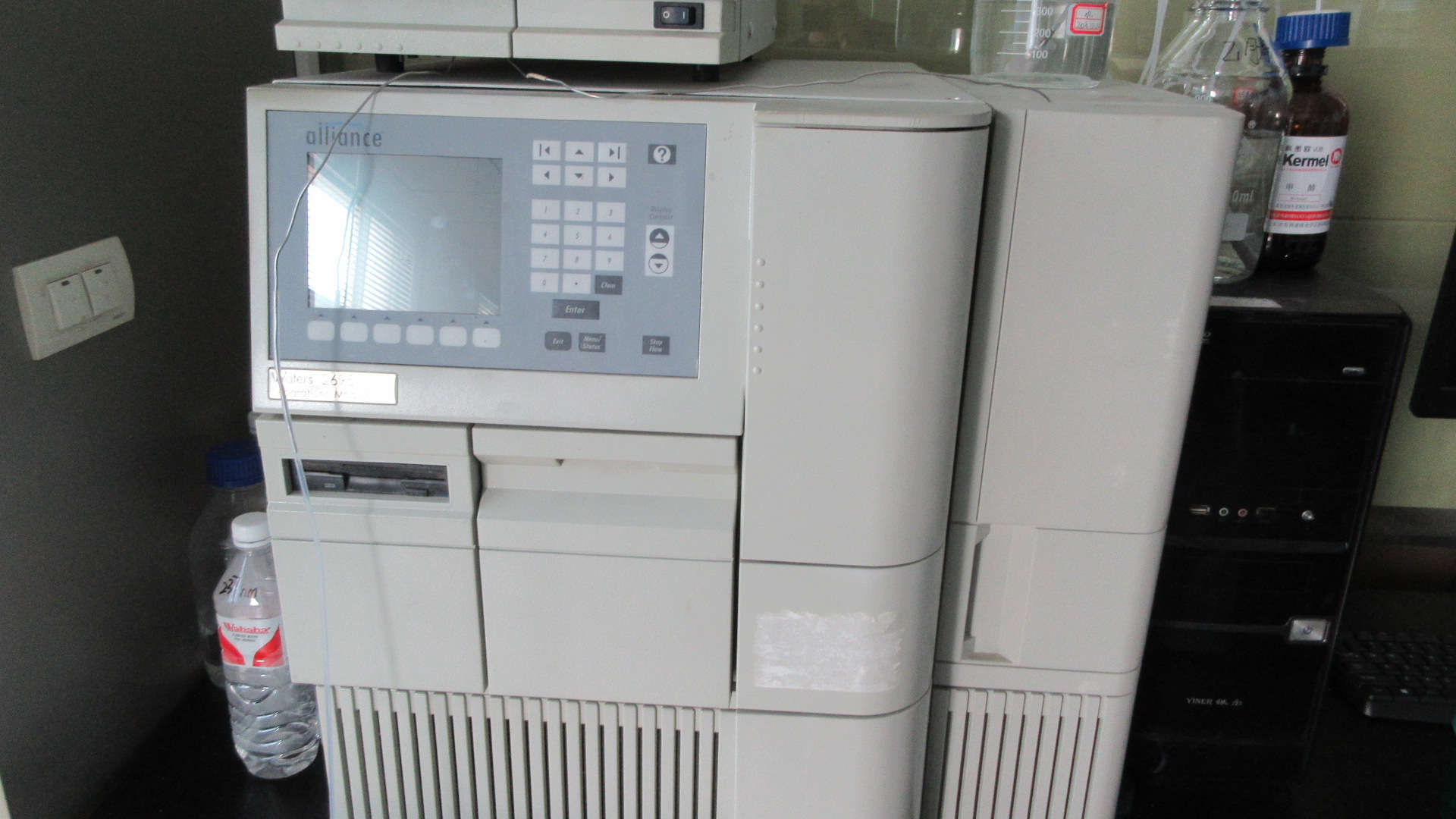
In-House HPLC Testing Lab
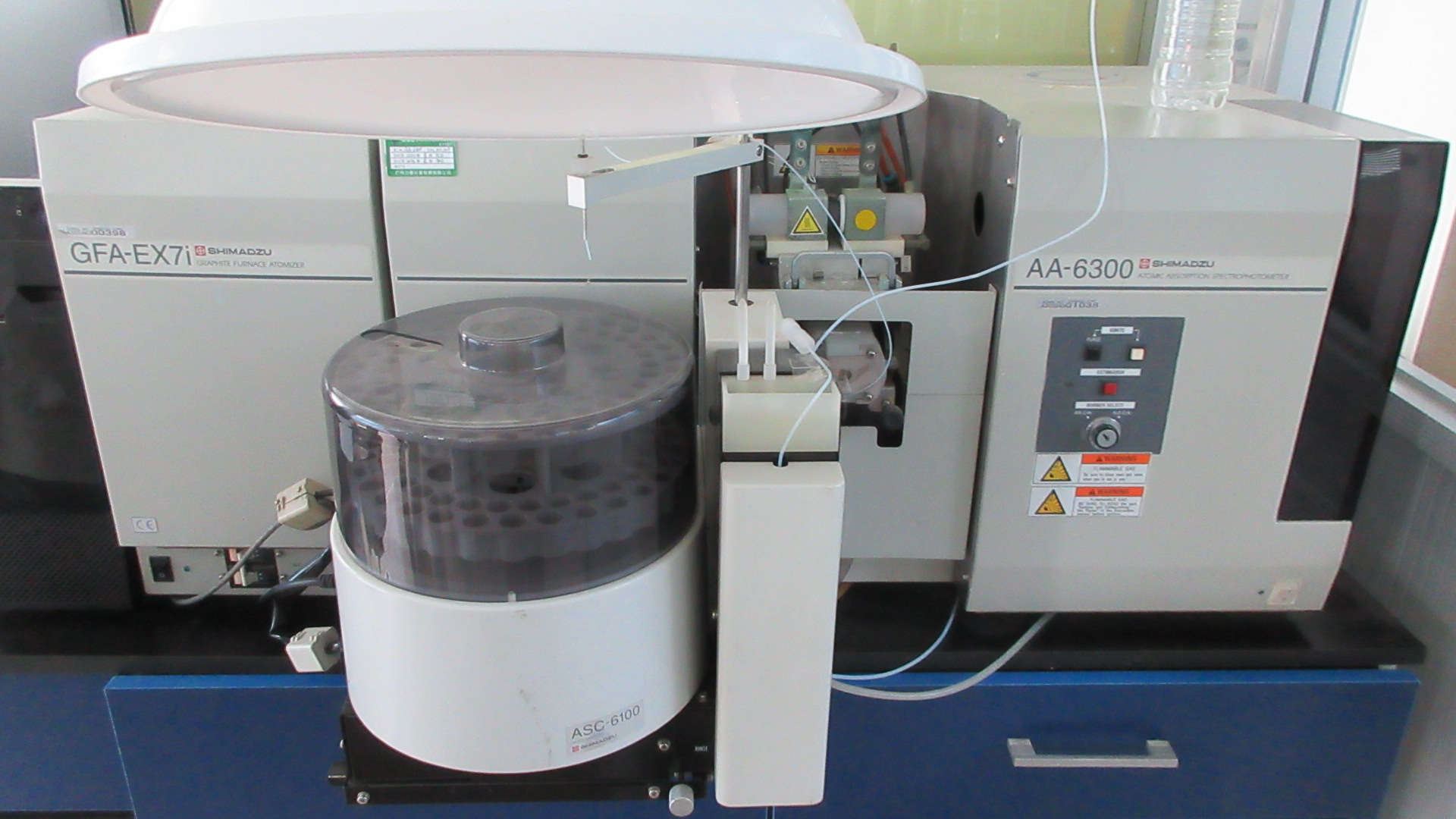
Heavy Metal AAS Spectrophotometry
Dual-Track QC Release Process
Every batch requires dual sign-off: raw botanical identification via high-resolution thin layer chromatography, followed by chromatographic purity quantification prior to warehouse release.
Custom Contract Formulation (OEM/ODM)
Equipped for custom mesh sizing (80 to 500 mesh), customized bulk blending, granular aggregation, enteric-coated two-piece hard capsules, and nitrogen-flushed pouching.
SGS Audited & Internationally Certified
Our facility holds complete on-site supplier verification reports by SGS Group, supported by active USDA Organic, Halal, Kosher, and ISO22000 food safety certifications.
Buyer Knowledge Base
Frequently Asked Procurement Questions
Detailed technical, compliance, and shipping clarifications directly answered by our production and regulatory compliance engineering team.
How do you verify botanical authenticity and avoid economic adulteration?
We deploy High-Performance Thin Layer Chromatography (HPTLC) against authentic reference herb standards supplied by the National Institutes for Food and Drug Control. This eliminates common adulteration risks, such as substituting Cordyceps sinensis or adulterating polyphenol extracts with cheap exogenous synthetic tannins.
What documentation accompanies commercial shipments for customs clearance?
Every commercial consignment includes a signed Certificate of Analysis (COA) specifying analytical methods, a non-animal origin statement (where applicable), an Allergen Declaration, a Non-GMO Statement, a Material Safety Data Sheet (MSDS), and a formal Certificate of Origin (Form A / Form E or General RCEP).
What are your standard Minimum Order Quantities (MOQ) and lead times?
Standard catalog raw extract powders carry a low pilot MOQ of 1 kg to 5 kg for benchtop R&D trials. Commercial production lots are routinely supplied in 25 kg multi-wall fiber drums. In-stock products ship within 48 to 72 hours; customized extraction orders require approximately 10 to 14 production days.
How are moisture-sensitive and hygroscopic botanical powders packed?
Hygroscopic herbal extracts and bioferments are double-bagged in food-grade, pharmaceutical-grade poly liners, heat-sealed with food-contact desiccants, and secured inside tamper-evident, high-density fiberboard export drums to prevent humidity ingress during ocean freight.