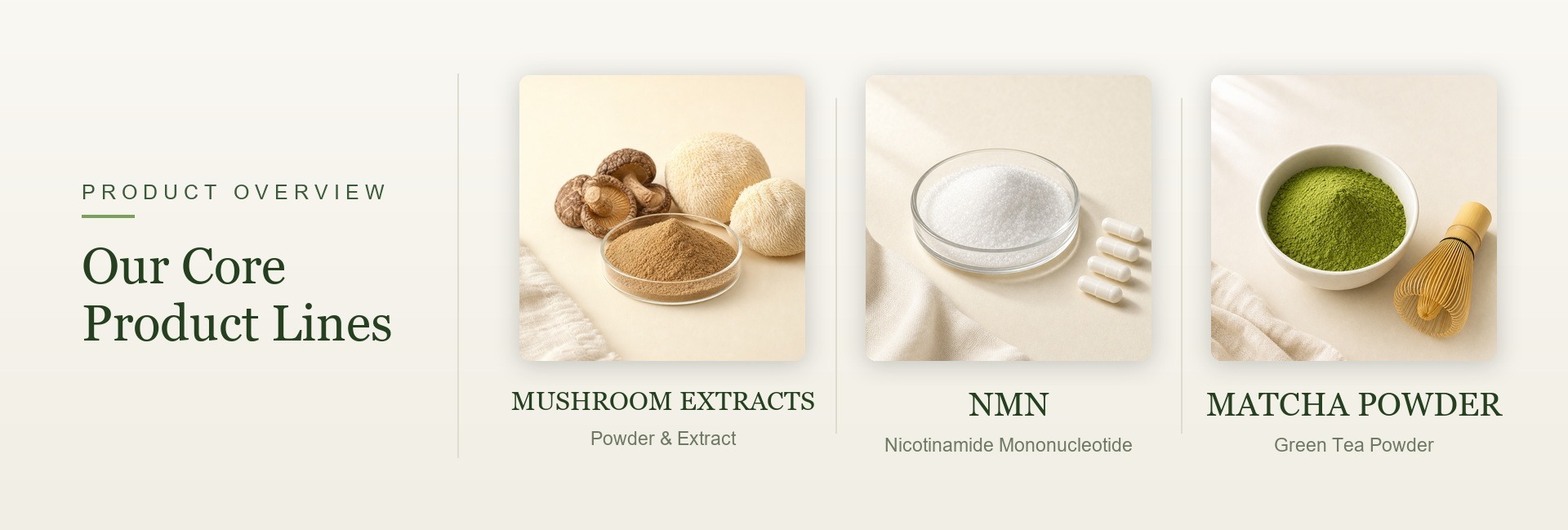
Standardized Botanical & Functional Mushroom Extracts
Engineered for nutraceutical formulators, pharmaceutical synthesis, and functional beverage manufacturers worldwide. Every lot features validated HPLC/UV/Megazyme fingerprints and full batch documentation.
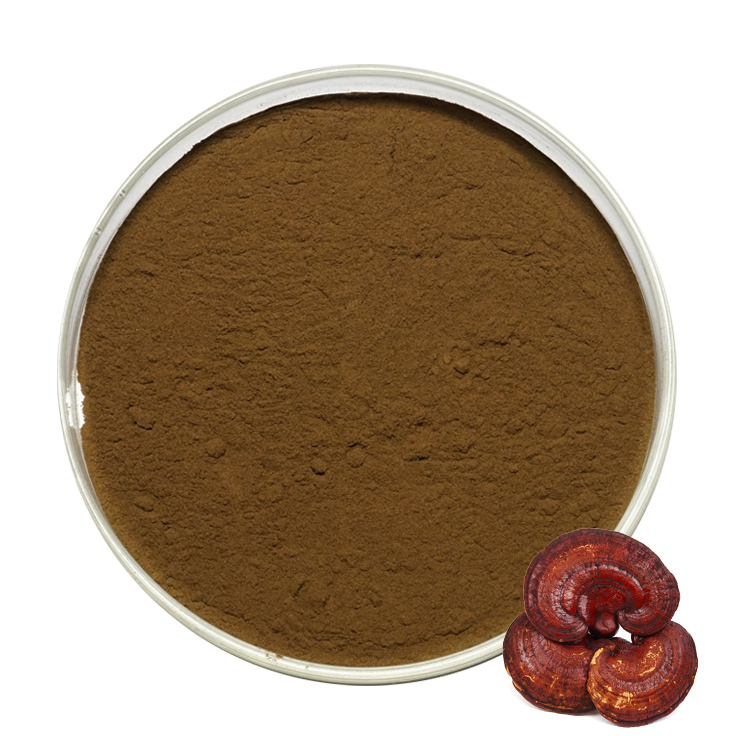 Hot-Water / Dual
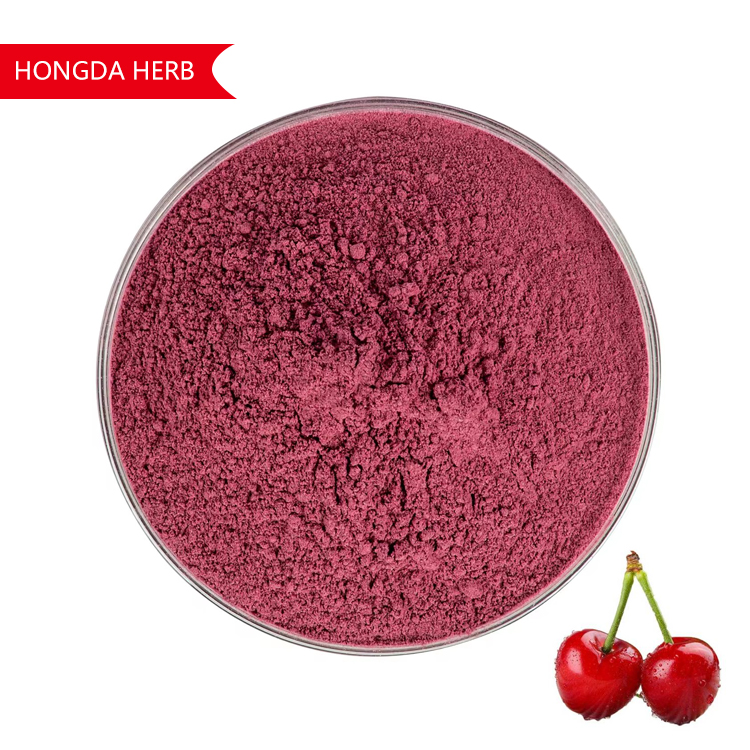 Naturally Fermented VC
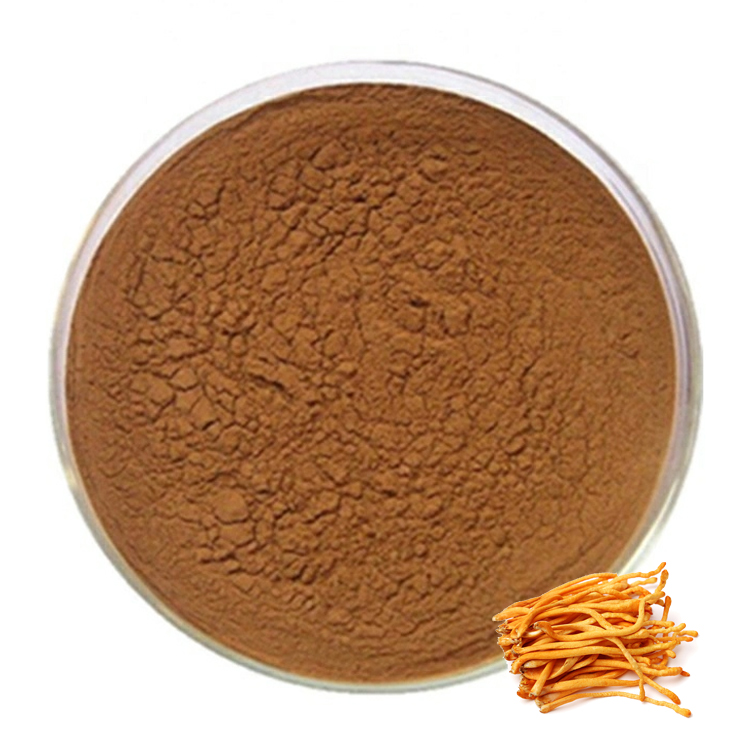 HPLC Standardized
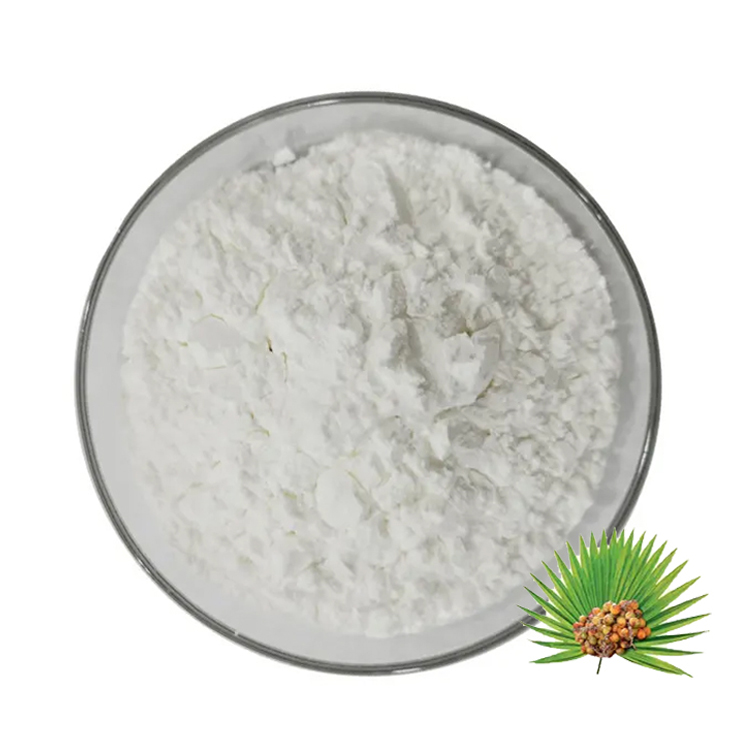 Lipophilic Extract
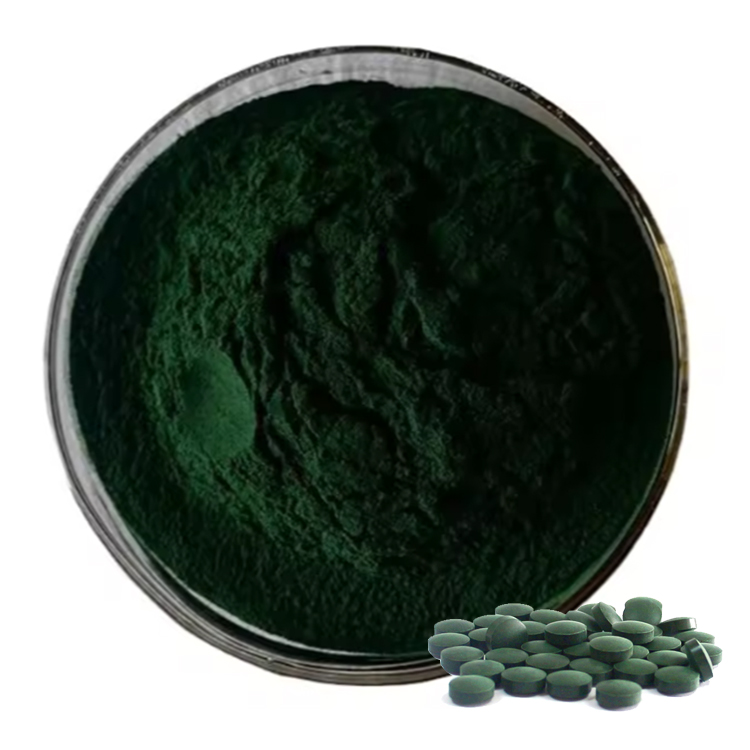 Pure Microalgae
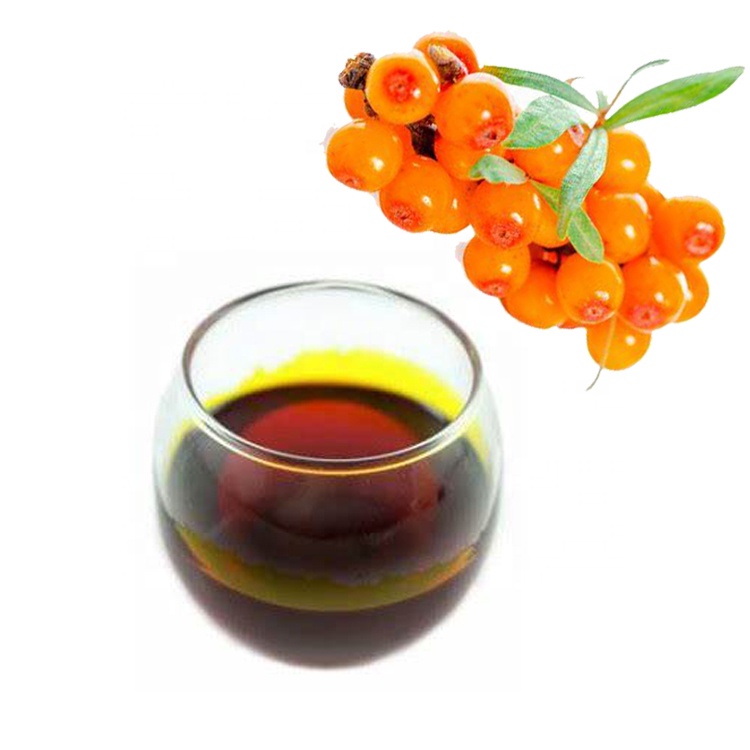 Omega 7 Rich
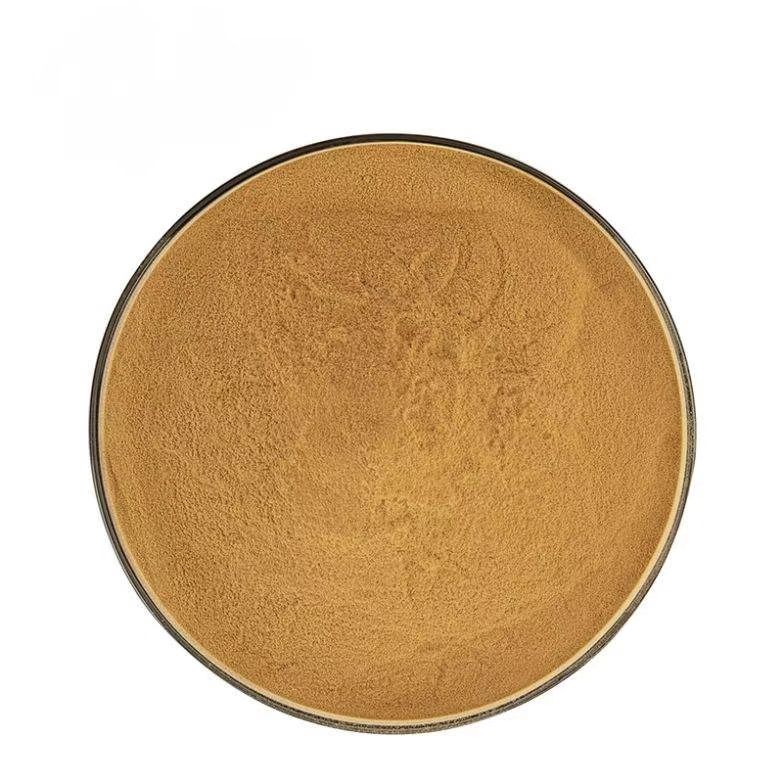 Standard Ratio
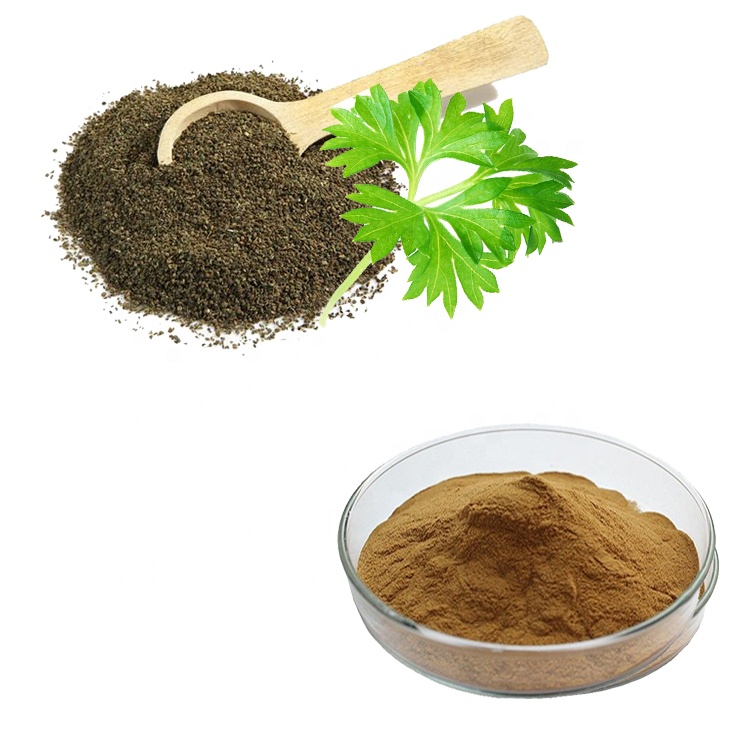 100% Water Soluble
Navigating the Botanical Supply Chain in China: The Strategic Imperative
The global natural health products industry has reached an inflection point where supply chain transparency, validated active phytochemical yields, and stringent regulatory compliance dictate market longevity. China has evolved from a bulk crude-herb purveyor into an advanced global epicenter for standardized botanical actives, bioactive peptides, and functional fungal concentrates. Driven by deep historical agricultural integration across biodiversity hotspots—such as the Qinling Mountains botanical corridor in Shaanxi province—and reinforced by continuous multi-million-dollar investments in pharmaceutical-grade extraction apparatus, premier Chinese extract factories now operate at the cutting edge of green solvent isolation, membrane separation, and multi-residue contaminant mitigation.
For international procurement directors, VP-level supply chain officers, and contract manufacturing organizations (CMOs), sourcing botanical extracts from China is no longer merely a cost-arbitrage calculation. It is a strategic partnership based on technical competence, traceability down to the cultivation plot, and unyielding adherence to international pharmacopeial standards (USP, Ph. Eur., BP, and JP). Understanding the divergence between low-tier brokers and bona fide cGMP primary manufacturers is critical to mitigating risks associated with active compound degradation, economic adulteration, and batch-to-batch inconsistency.
Enterprise Engineering Advantages: Shaanxi Torzi Biotech Co., Ltd.
Shaanxi Torzi Biotech Co., Ltd., based in Xi'an, operates as an SGS-verified primary extraction facility directly integrated into China's Qinling ecological botanical corridor. With more than 23 years of phytochemical processing expertise and an uninterrupted 17-year direct export track record across 50+ countries, Torzi Biotech bridges the gap between raw botanical biomass and precision nutraceutical active ingredients.
Unlike third-party trading agencies, our integrated 12,447 square meter facility maintains eight contiguous, strictly monitored manufacturing processing zones—ranging from primary herb washing, high-temperature multi-stage countercurrent extraction, and macroporous resin adsorption, to vacuum falling-film concentration, closed-loop spray drying towers, and ISO Class-7 cleanroom secondary packaging.
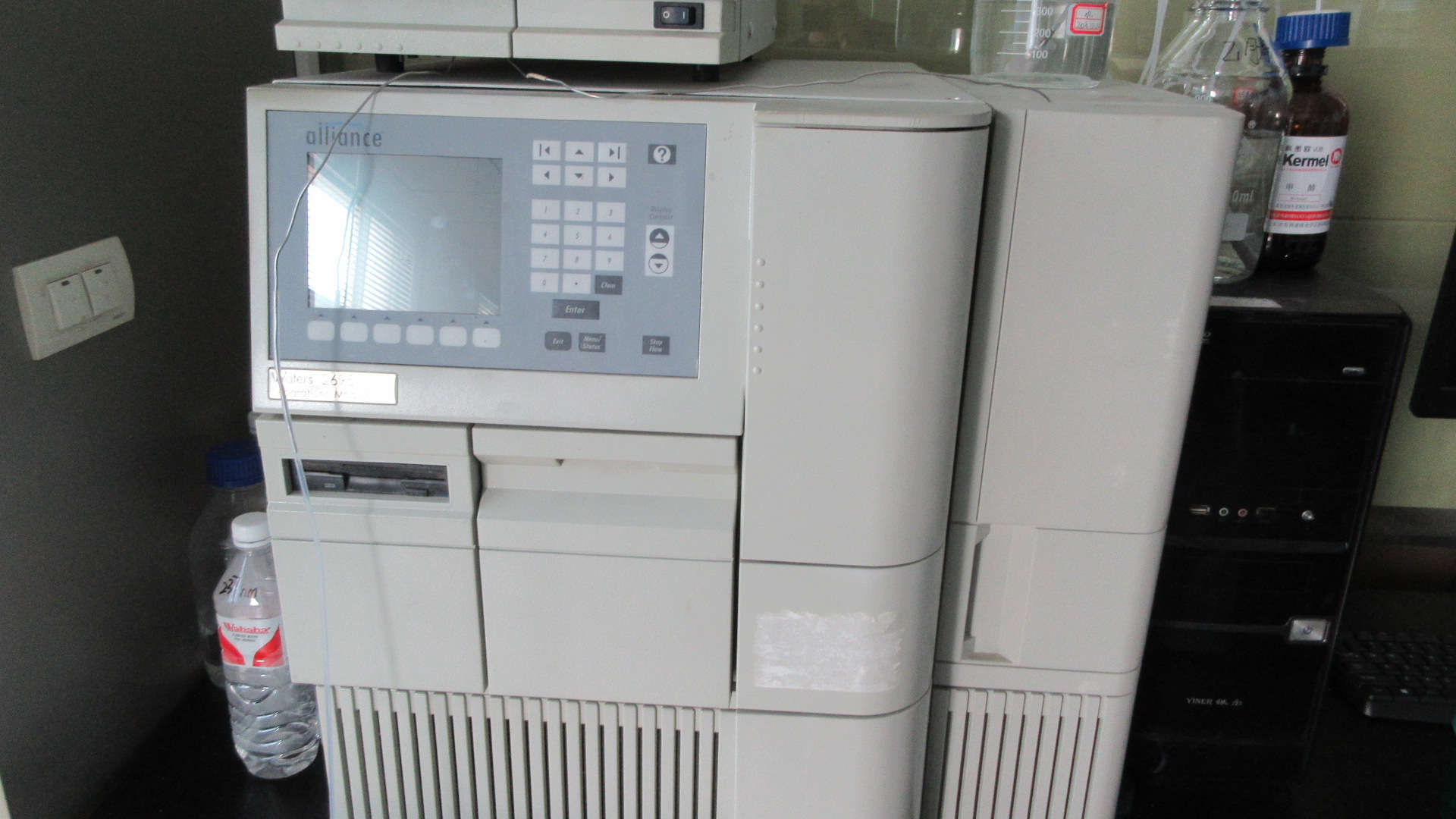
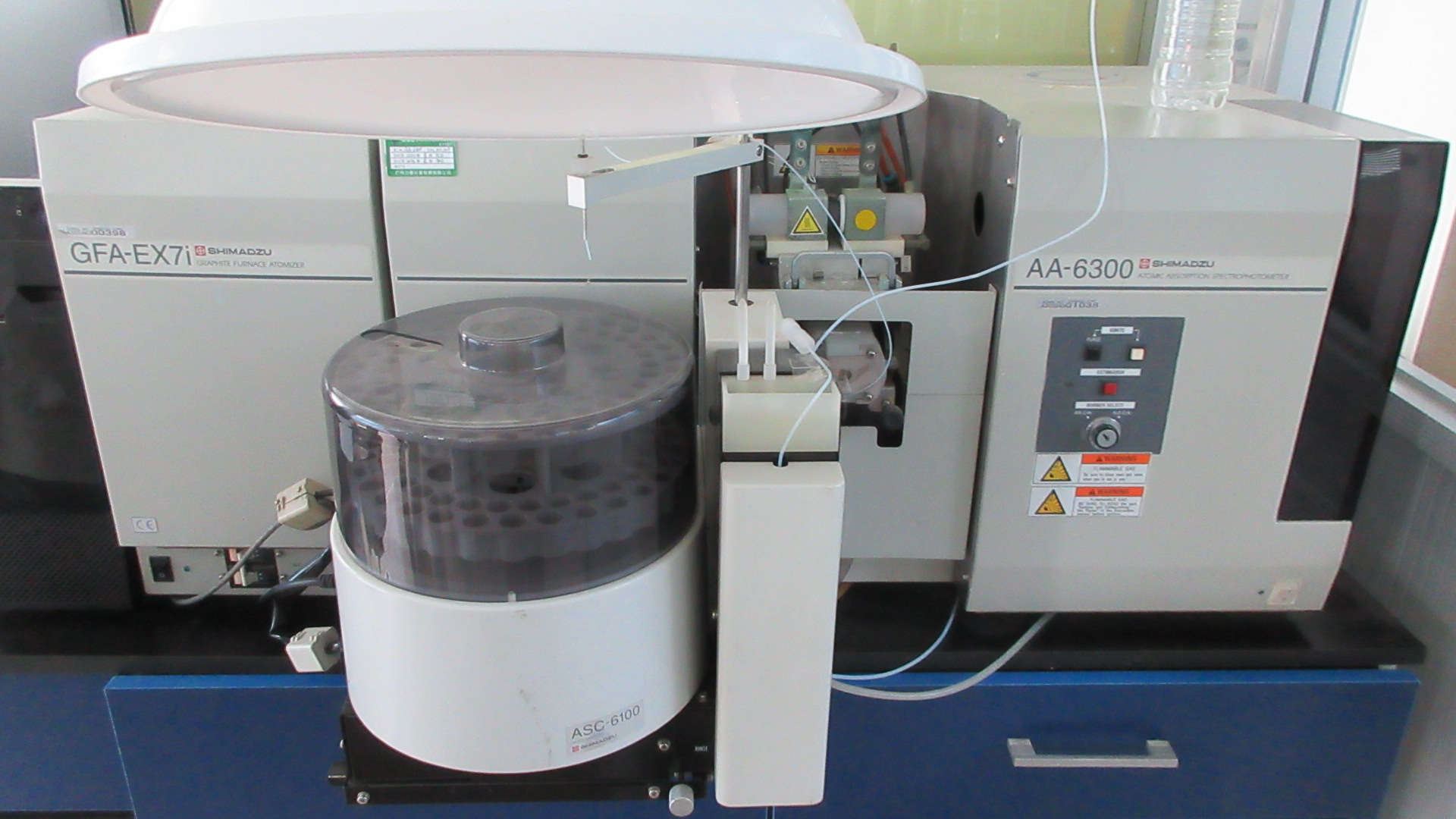
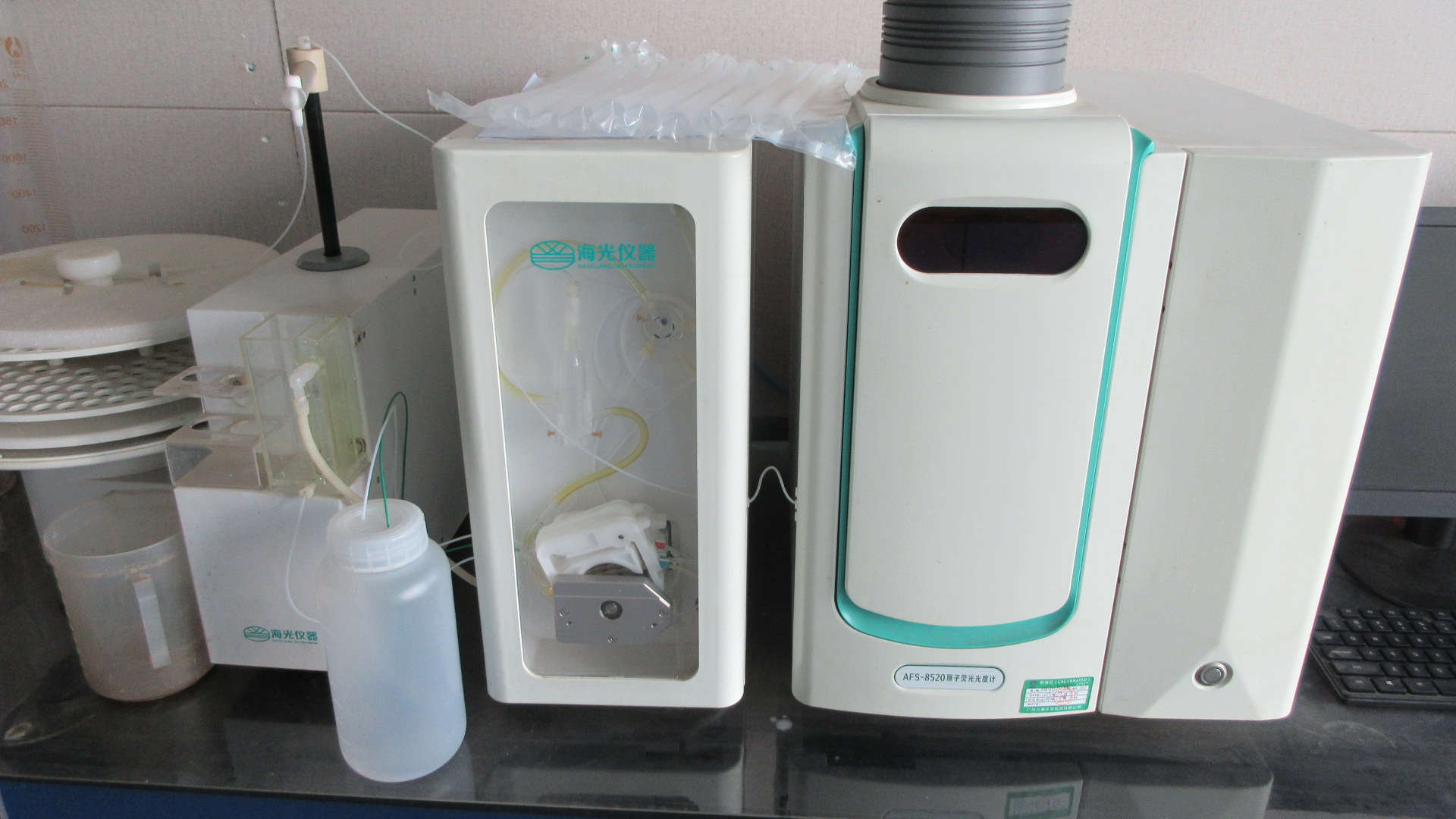
Full In-House QA / QC Testing
Equipped with dual Shimadzu HPLC arrays, Gas Chromatographs (GC-MS), Atomic Absorption Spectrophotometers (AAS), and Atomic Fluorescence Spectrometers (AFS) to assay every batch for active fractions, residual organic solvents (USP <467>), and toxic heavy metals.
Uncompromised Separation Purity
Our extraction lines utilize proprietary resin column fractionation and disc-stack centrifugal clarification that eliminate insoluble cellulose ballast, ensuring high bulk tap-density, rapid cold-water dispersion, and clean organoleptic profiles for ready-to-drink (RTD) formulas.
Global Regulatory Harmonization
Products are backed by internationally validated USDA Organic, Halal (JAKIM/MUI compliant), and Kosher certifications. Each commercial consignment arrives with an authentic batch COA, Safety Data Sheet (SDS), allergen statement, BSE/TSE-free declaration, and non-GMO dossier.
Phytochemical Processing Trends: The Next Wave of Green Extraction
The botanical extract sector is undergoing a massive technological transition driven by energy efficiency directives, clean solvent mandates, and the rising consumer demand for "zero synthetic chemical residues." Leading Chinese facilities are migrating from standard atmospheric ethanol/water decoction toward gentle non-thermal or subcritical processing techniques that preserve thermolabile compounds such as polyphenols, natural vitamin C isomers, and triterpenoids.
1. Subcritical and Supercritical Fluid Extraction (SFE-CO2)
For lipophilic constituents such as Saw Palmetto fatty acids, Sea Buckthorn fruit/seed oils, and astaxanthin carotenoids, supercritical CO2 extraction is now the global benchmark. Operating at low temperatures (typically 31.1°C to 50°C) and elevated pressures (7.38 to 35 MPa), carbon dioxide acts as a tunable, non-polar solvent that penetrates plant cellular walls without thermal degradation. The resulting lipid profile contains zero petroleum residue, zero solvent odors, and provides up to 85%–90% free fatty acids directly from dried raw berries.
2. Enzymatic Cell-Wall Disruption & Ultrasonic Micro-Cavitation
In the processing of functional macrofungi (such as Reishi, Cordyceps, Lion's Mane, and Chaga), rigid fungal chitin cell walls historically prevented high-efficiency extraction of embedded bioactive macromolecules. Advanced facilities now combine cellulase, pectinase, and chitinase pre-treatment with controlled acoustic cavitation. This micro-implosion phenomenon fractures the chitin matrix at ambient temperatures, unlocking intracellular (1,3)-(1,6)-beta-glucans and fungal triterpenes without requiring prolonged, high-heat acid degradation that hydrolyzes active branched polysaccharides.
3. Membrane Separation & Nanofiltration Concentration
Traditional multi-effect vacuum concentration relies on elevated thermal cycles that darken extract color and caramelize delicate herbal sugars. Modern high-efficiency lines implement cross-flow membrane filtration (ceramic microfiltration followed by spiral-wound polyethersulfone nanofiltration). Nanofiltration selectively removes water molecules and small inorganic salts at 25°C to 35°C while retaining intact phenolic glycosides and immunologically active polysaccharides, yielding pristine, light-colored powders with uncompromised biological activity.
Global Sourcing & Procurement Trends: 2025–2030 Strategic Matrix
The procurement playbook for nutritional ingredients, botanical extracts, and dietary supplement actives is becoming increasingly complex. In our interactions with supply chain directors across North America, Europe, and Asia-Pacific, five pivotal trends are reshaping vendor qualification criteria:
| Procurement Driver | Legacy Practice (2015–2020) | Modern Factory Standard (2025+) | Strategic Business Impact |
|---|---|---|---|
| Identity & Assay Testing | Crude UV-Vis total polysaccharide estimation; generic 10:1 ratio assertions without chromatography. | Enzymatic Megazyme beta-glucan assay; HPLC/UHPLC multi-analyte fingerprinting comparing against Ph. Eur./USP reference standards. | Zero Adulteration Eliminates grain-based starch fillers and synthetic nitrogen spiking. |
| Heavy Metals & Toxins | Periodic heavy metal screening with semi-quantitative colorimetric methods. | ICP-MS or AAS/AFS testing per individual commercial lot; strict USP <2232> / EU 2023/915 compliance limits for Pb, As, Cd, Hg. | Full Compliance Seamless border clearance through US FDA and European EFSA inspection points. |
| Solvent & PAH Management | Reliance on general MSDS solvent statements; occasional ethyl acetate or methylene chloride residues. | Zero-Class-1 solvent protocol; water-only or USP food-grade ethanol extractions; GC-MS screening for Polycyclic Aromatic Hydrocarbons (PAH4). | Clean-Label Conforms to California Proposition 65 and non-toxic global labeling criteria. |
| Supply Chain Transparency | Open-market buying through middle brokers with zero agricultural lot traceability. | Contract farming bases (GAP compliance), geo-tagged cultivation plots, seed-to-extract audit trails. | Price Stability Direct multi-year harvest reservation shielding against speculative market spikes. |
| Physical Particle Engineering | Standard bulk milling (60–80 mesh) with high moisture affinity, clumping, and variable bulk density. | Customized particle size tailoring (80 to 200 mesh), fluidized-bed microencapsulation, and agglomeration for rapid dispersion. | High Manufacturing OEE Faster encapsulation, leak-free stick-pack filling, and sediment-free beverage mixing. |
Strategic Procurement Playbook: Mitigating Supply Continuity Risks
To guard against regional weather anomalies, shifting shipping rates, and raw botanical price swings, forward-looking purchasing organizations are establishing "Dual-Sourcing Core Reserves" with direct manufacturers. By securing scheduled quarterly releases from dedicated extraction facilities with on-site warehouse facilities (such as Torzi Biotech's Xi'an infrastructure), brand owners ensure fixed active ingredient cost structures while avoiding out-of-stock events during seasonal market demand spikes.
Phytochemical Verification: Deconstructing the Authentic Certificate of Analysis (COA)
A Certificate of Analysis is only as credible as the analytical instrumentation and calibration standards behind it. Sourcing managers must look beyond numbers typed on a PDF and audit the underlying testing protocols. At premier facilities, analytical protocols are compartmentalized into four non-negotiable verification gates:
1. Botanical Identity & Active Assay
Identification is secured via Thin Layer Chromatography (TLC) comparing retention factors ($R_f$) with authenticated herbarium specimens. Quantitative assay of specific phytochemical markers—such as cordycepin/adenosine in Cordyceps, apigenin in Celery Seed, or fatty acid profiles in Saw Palmetto—is quantified by HPLC against USP/EP reference standards, eliminating arbitrary ratio declarations.
2. Heavy Metals & Elemental Safety
Using Atomic Absorption Spectrophotometry (AAS) with graphite furnace and Atomic Fluorescence Spectrometry (AFS), each commercial batch is strictly measured for the toxic "Big Four": Lead (Pb <1.0 ppm), Arsenic (As <1.0 ppm), Cadmium (Cd <0.5 ppm), and Mercury (Hg <0.1 ppm), ensuring immediate clearance under stringent EU/US infant food safety rules.
3. Microbiological & Solvent Purity
Microbiological control under USP <2021> and <2022> confirms Total Aerobic Microbial Count (TAMC ≤1,000 CFU/g), Total Combined Yeasts and Molds (TYMC ≤100 CFU/g), with negative absence of Salmonella spp., E. coli, and Staphylococcus aureus in 25g samples. Residual solvents are monitored per USP <467> with headspace GC-FID.
B2B Botanical Procurement: Frequently Asked Questions
Procurement teams require fast, transparent answers regarding minimum order requirements, documentation workflows, sample validation, and contract manufacturing parameters. Here are the core questions addressed by our technical team:
Accelerate Your Formulation With Validated Botanical Actives
Connect directly with our chemical engineers and commercial procurement directors in Xi'an. Request technical specifications, certified lot COAs, complimentary evaluation samples, or arrange a live video factory tour of our 12,447 m² extraction lines.