Specialty Extracts & Functional Nutrition Catalog
Direct factory supply of certified active botanical ingredients, functional sweetening powders, and plant polysaccharides manufactured in compliance with international cGMP and ISO standards.
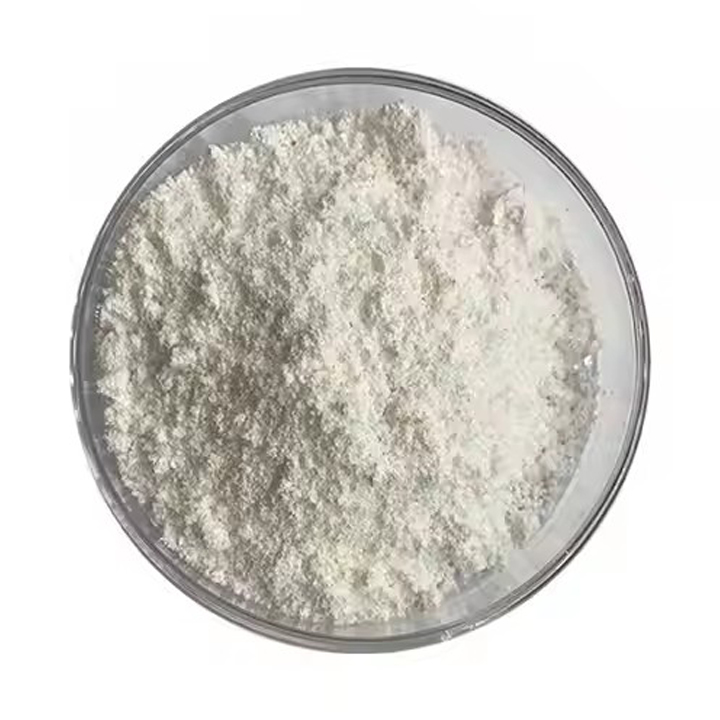
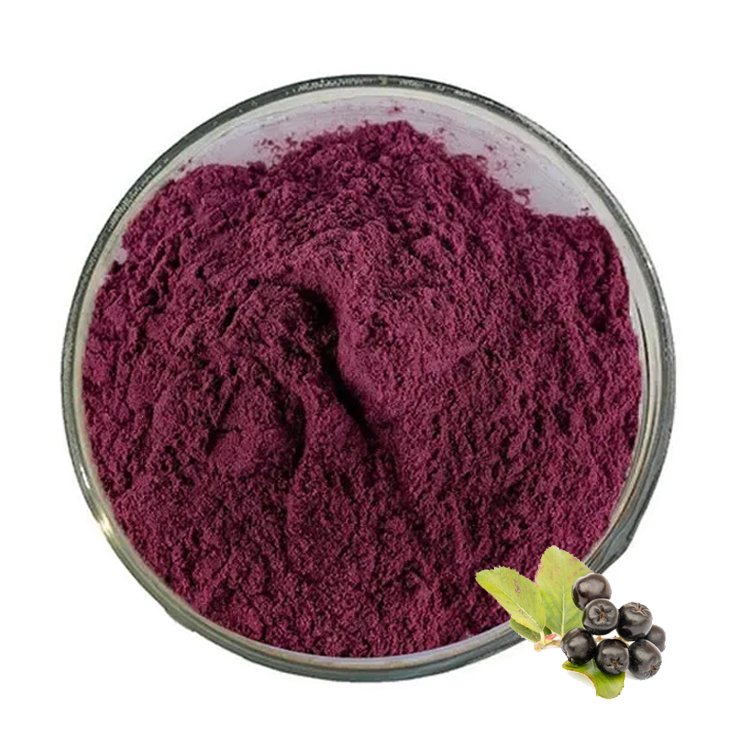
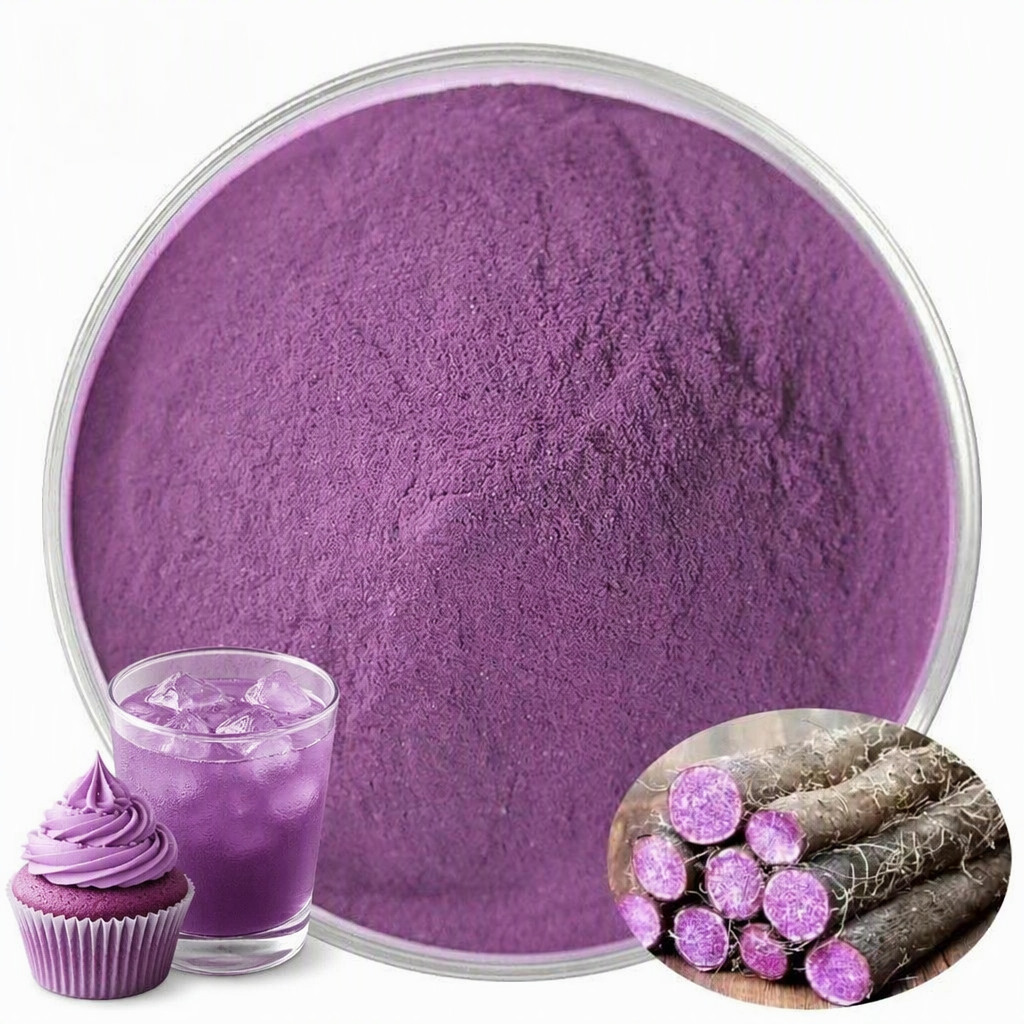
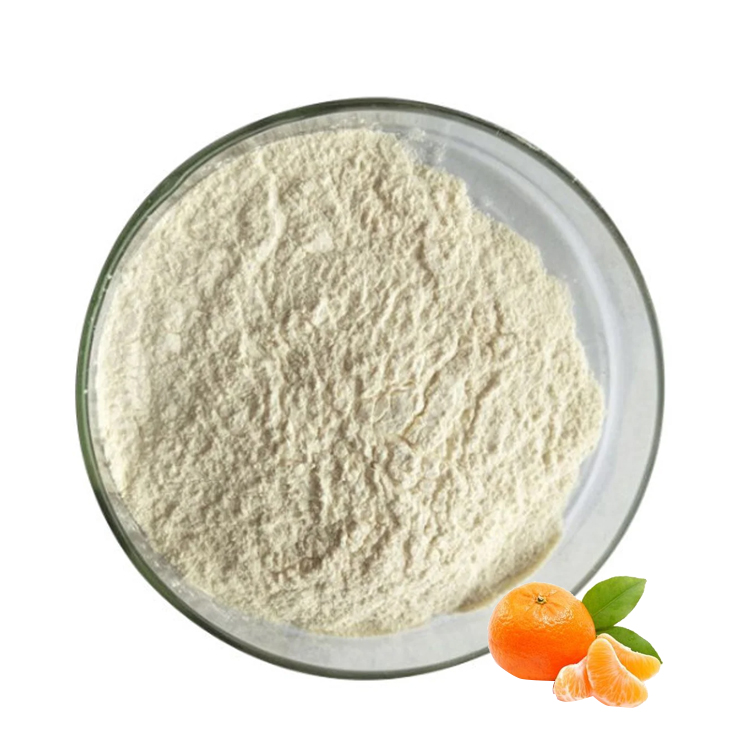
Modified Citrus Pectin Supplement Citrus Pectin Powder HM-Slow Set Food Grade
Gelling & Stabilizing
Inquire Now
23+
Years Botanical Extraction
12,447m²
GMP Manufacturing Facility
300-450x
Sucrose Sweetness Multiplier
0 kcal
Caloric Index & Zero GI
Industrial Guide: Deploying Steviol Glycosides Across Cambodia's Food & Beverage Architecture
The manufacturing ecosystem across the Kingdom of Cambodia—spanning the vibrant light industrial zones of Phnom Penh Special Economic Zone (PPSEZ), the coastal production corridor of Sihanoukville, and the agri-processing hubs of Battambang—is experiencing an aggressive operational shift toward modern food formulation. Driven by nationwide nutritional realignments, elevated public health alerts concerning diabetes, and impending excise taxation reforms on caloric sweetening syrups, food processors are actively decommissioning high-fructose corn syrups (HFCS) and refined sucrose.
As an established cGMP and ISO-certified botanical manufacturing factory, Shaanxi Torzi Biotech Co., Ltd. delivers pharmaceutical-grade Steviol Glycosides (E960) extracted exclusively from non-GMO Stevia rebaudiana Bertoni leaves. Engineered with targeted molecular fractions—including concentrated Rebaudioside-A (Reb-A 60% to 99%), balanced Stevioside, and enzymatically modified Glucosyl Steviol Glycosides—our portfolio addresses the precise sensory, thermodynamic, and stability demands of Southeast Asian industrial processors.
Phytochemical Categorization & Formulation Matrix
Formulating zero-calorie and sugar-reduced commercial goods requires precise matching of steviol glycoside isomers to solvent systems, pH conditions, and target consumption temperatures. Native steviol leaf extracts are primarily composed of two prominent ent-kaurane diterpene glycosides: Stevioside and Rebaudioside-A, supplemented by minor glycosides including Rebaudioside-C, Dulcoside A, and Rebaudioside-D/M. Understanding their structural mechanics ensures optimal sensory outcomes without unwanted bitter or liquorice tail-notes.
| Active Glycoside Grade | Assay Specification | Sweetness Index | Sensory Profile & Flavor Latency | Optimal Cambodian Industrial Applications |
|---|---|---|---|---|
| Rebaudioside-A (Reb-A 98%) | ≥ 98.0% (HPLC dry basis) | 380x - 450x vs. Sucrose | Ultra-clean sweetness onset; minimal lingering bitterness; sharp decay curve. | Ready-to-drink (RTD) teas, carbonated soft drinks, bottled electrolytes, functional sports waters. |
| Rebaudioside-A (Reb-A 60%-80%) | ≥ 60.0% - 80.0% (HPLC) | 250x - 320x vs. Sucrose | Full-bodied initial sweet note; faint herbal finish easily balanced with citric/malic acids. | Nectar reductions, condensed dairy substitutes, fruit-flavored syrups, local cordials. |
| Total Steviol Glycosides (STG) | ≥ 90.0% - 95.0% (HPLC) | 200x - 280x vs. Sucrose | Classic stevia profile; robust stability across extreme thermal and acidic thresholds. | Pickled vegetables, savory marinades, dried meat processing (beef/pork jerky glaze), budget beverages. |
| Enzymatic Stevia (Glucosyl) | ≥ 80.0% - 90.0% Glucosyl | 120x - 180x vs. Sucrose | Zero lingering bitterness; rounded mouthfeel mimicry; highly synergistic with bulking agents. | Tabletop sweetener sachets, instant 3-in-1 coffee premixes, bakery doughs, confectionery items. |
Localized Application Protocols for Cambodian Manufacturers
Cambodia's tropical climate, characterized by ambient operating temperatures between 28°C and 38°C with high relative humidity, presents complex challenges for food stabilizers and sweeteners. Below are the engineering parameters for integrating our Steviol Glycoside grades into regional commodity lines:
RTD Teas, Energy & Herbal Beverages
In tropical climates, commercial beverages require sweeteners that withstand high-temperature short-time (HTST) and ultra-high-temperature (UHT) pasteurization without caramelizing or degrading into volatile off-flavors. Our Reb-A 98% remains chemically stable at pH levels between 2.5 and 7.0 and survives thermal treatment at 120°C for up to 30 minutes. In green tea or lemongrass formulations, a dosage of 0.015% to 0.025% replaces up to 8% refined cane sugar while eliminating cloudy sedimentation.
Fermented Fish, Soy & Chili Sauces
Traditional Southeast Asian culinary processors rely heavily on sweet notes to counterbalance pungent, fermented, and salty profiles (e.g., Tuk Trey and fermented paste reductions). Standard sugar carmelizes and spoils quickly under non-refrigerated retail shelves. By substituting sucrose with our Total Steviol Glycosides 90% at 0.05% concentration, processors prevent undesirable microbial fermentation while locking in viscosity and shelf life up to 24 months.
Instant 3-in-1 Coffee & Functional Powders
Phnom Penh's instant beverage sector demands rapid hydration and zero caking inside multi-ply foil sachets under intense equatorial humidity. Our Glucosyl Enzymatic Stevia is co-processed via fluid-bed granulation, producing a uniform, dust-free particle size (80–100 mesh) that disperses immediately in hot or cold water without phase separation, perfectly complementing non-dairy creamers and spray-dried Robusta extracts.
Emerging Market Trends in the Cambodian Food Technology Sector
The food and dietary manufacturing landscape across Cambodia is evolving along three strategic axes:
1. Preventive Health and Glycemic Regulation: The rapid rise in urban middle-class disposable income has triggered acute consumer awareness around metabolic syndrome, type-2 diabetes, and obesity. Domestic consumers in urban centers are consciously scrutinizing front-of-package nutritional panels. Brands that deploy "100% Plant-Derived Stevia Extract" earn immediate trust over synthetic sweeteners like Aspartame, Acesulfame Potassium, or Sodium Cyclamate, which face mounting global regulatory scrutiny.
2. Strategic Hedging Against Sugar Price Volatility: Southeast Asian cane sugar refining is increasingly vulnerable to global drought cycles, logistics disruptions, and import tariffs. One metric ton of our purified Reb-A 98% delivers the equivalent sweetening power of 400 metric tons of refined cane sugar. For procurement directors at major packaging facilities, this reduction in raw bulk material volume lowers dry-storage overhead, slashed maritime container shipping expenditures, and shields quarterly profit margins from fluctuating sugar tariffs.
3. Modernization of ASEAN Trade Compliance: As Cambodia deepens its cross-border exports into Vietnam, Thailand, Laos, and broader RCEP markets, finished goods must comply with stringent CODEX Alimentarius limits for pesticide residue, microbiological limits, and heavy metals. Torzi Biotech guarantees full lot-to-lot traceability, ensuring that Cambodian food brands face zero customs detention or compliance disputes across global export ports.
Manufacturing Authority: Shaanxi Torzi Biotech Co., Ltd.
Headquartered in Xi'an, China, within the Qinling botanical extraction corridor, Shaanxi Torzi Biotech Co., Ltd. operates as a verified direct-manufacturing entity, not an intermediary trading desk. Spanning an audited 12,447 m² industrial facility with 89 personnel including full-time analytical chemists and food engineers, we hold on-site supplier verification by SGS Group, alongside full USDA Organic, Halal, and Kosher certifications.
Every batch of Steviol Glycosides destined for Cambodia undergoes comprehensive chromatographic verification. Assays are established via High-Performance Liquid Chromatography (HPLC) against international USP/JECFA reference standards. Trace heavy metals (Lead, Cadmium, Arsenic, Mercury) are quantified via Atomic Absorption Spectrophotometry (AAS) and Atomic Fluorescence Spectrometry, guaranteeing absolute conformity with international maximum residue limits (MRLs).
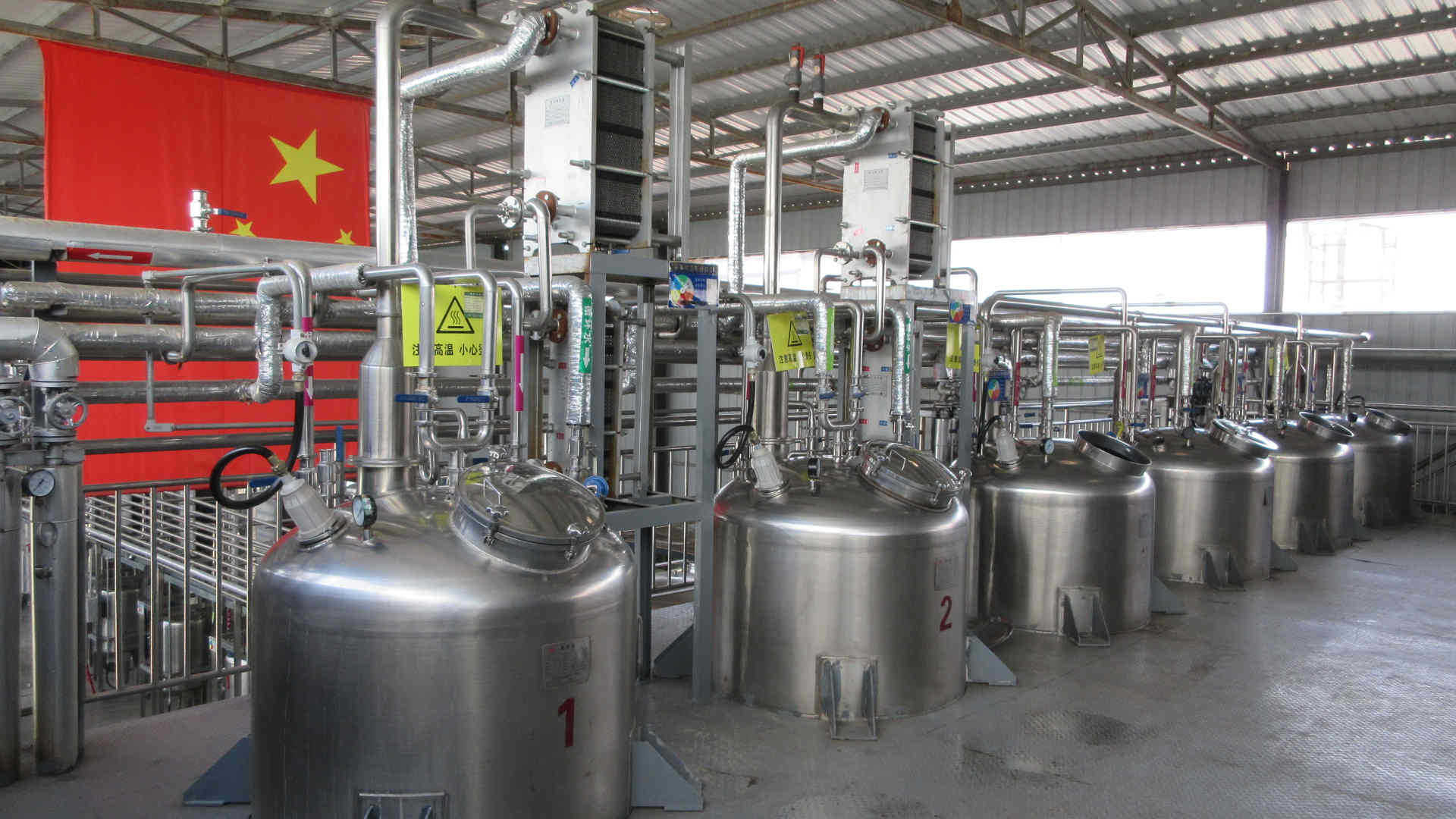
Multi-Stage Extraction Line
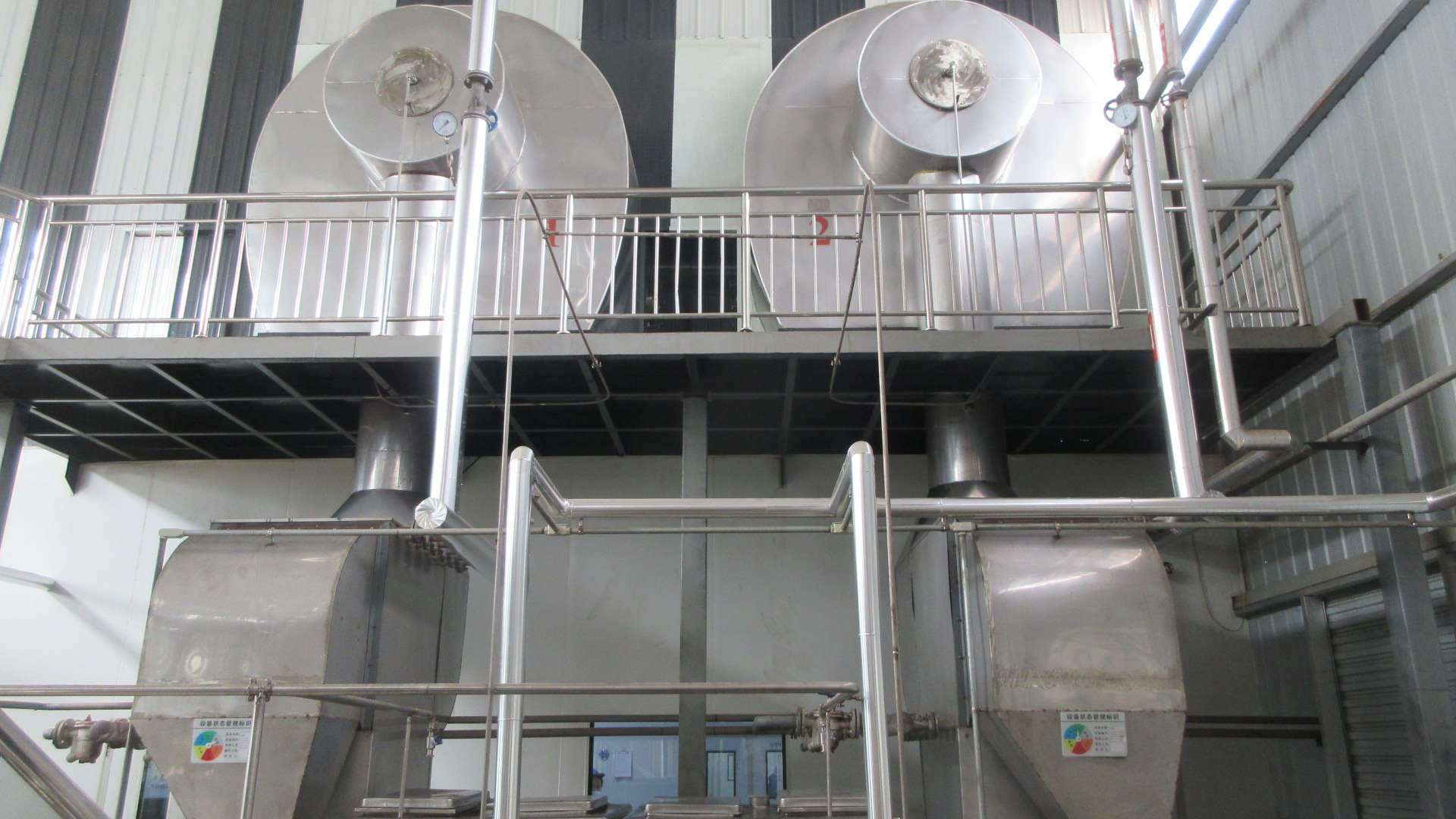
Sanitary Spray Drying Tower
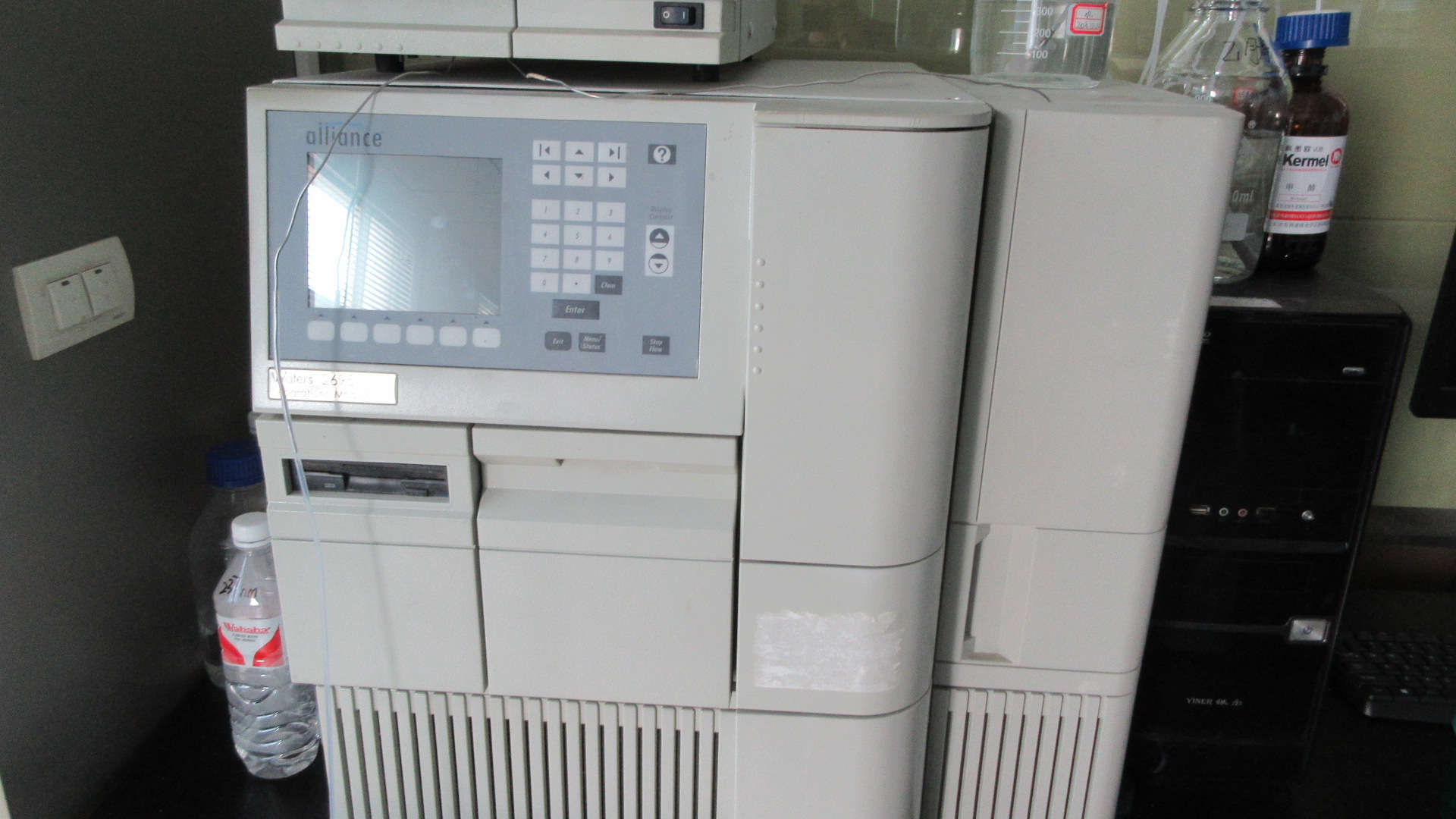
HPLC Analytical Laboratory
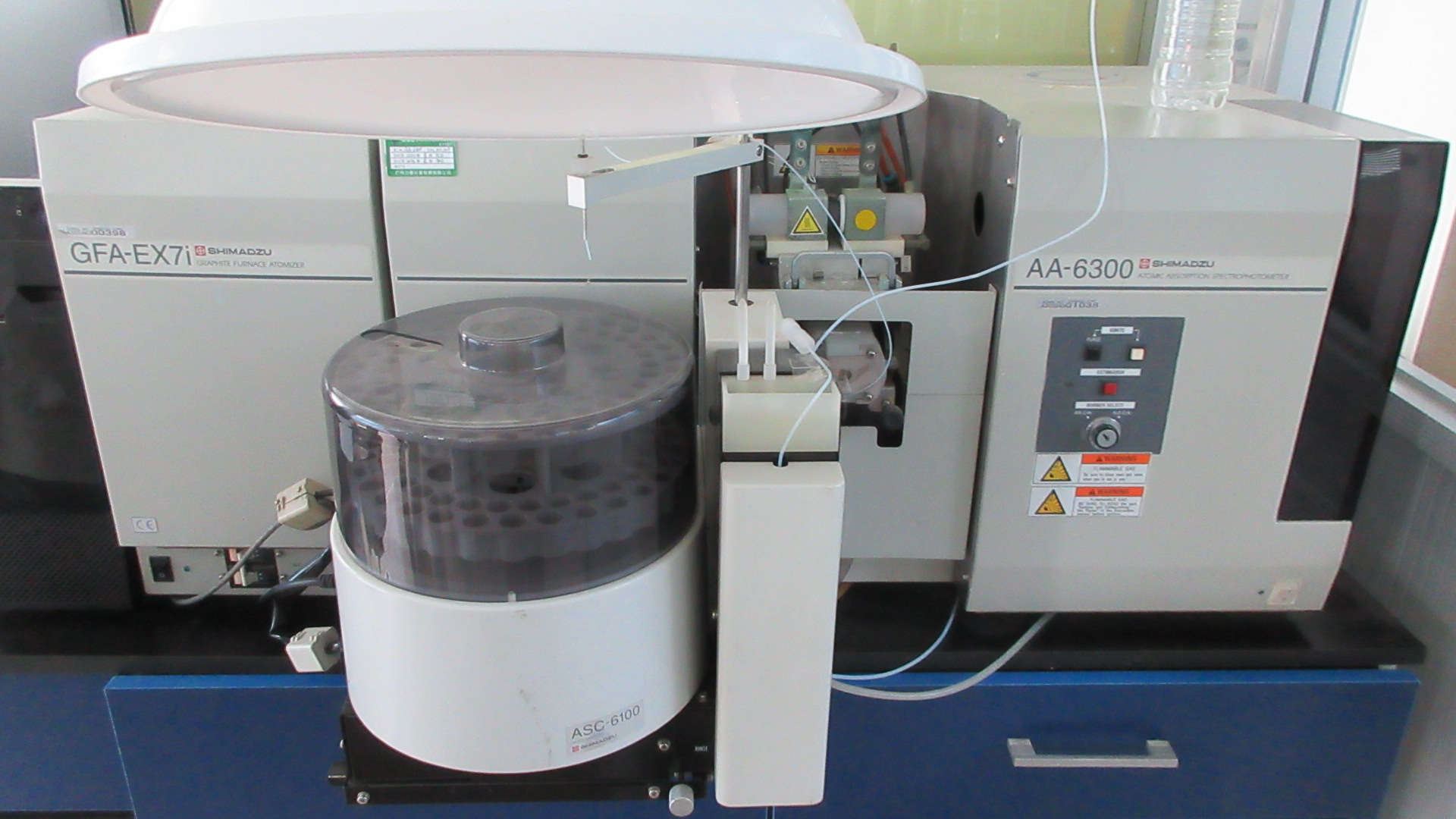
AAS Heavy Metal Screening
Our OEM/ODM capabilities encompass custom particle size distribution (ranging from free-flowing coarse granular grades to 200-mesh ultra-micronized powders), customized tabletop consumer packaging, private-label formulation blending with Erythritol, Xylitol, or Allulose, and precise bulk drum packaging tailored for direct industrial feeding lines.
Frequently Asked Questions by Cambodian Procurement & Formulation Directors
Direct technical answers addressing customs clearances, logistical timelines into Sihanoukville/Phnom Penh, analytical verifications, and batch consistency.
What is the standard Minimum Order Quantity (MOQ) for industrial export to Cambodia?
For standard pharmaceutical and food grades (such as Steviol Glycosides 90% or Reb-A 98%), our baseline MOQ starts at 25 kg (one full fiber drum with sealed double food-grade polyethylene liners). For initial pilot scale testing, factory verification runs, or OEM custom formulations, we accommodate sample trial batches from 1 kg to 5 kg with full analytical Certificate of Analysis (COA) documentation.
What customs documentation is provided for Cambodian Ministry of Health compliance?
Every consignment ships with a certified, batch-specific Certificate of Analysis (COA) specifying exact HPLC assay percentages, heavy metal screens, pesticide residues, and microbial counts. In addition, we furnish manufacturer Material Safety Data Sheets (MSDS), Official Certificate of Origin (Form E for duty reductions under ASEAN-China FTA), Health Certificates, Phytosanitary Certificates, and non-GMO declarations.
How do you prevent bitterness and aftertaste in beverage formulations?
Bitterness is predominantly tied to Stevioside, Rebaudioside-C, and residual polyphenols. For pristine sweet profiles, we advise using Reb-A 98% or our Enzymatic (Glucosyl) Stevia. Enzymatic modification introduces glucose units to the steviol backbone via bio-transglycosylation, which strategically masks receptor interactions causing bitter aftertaste while retaining clean sucrose parity.
What are the transit logistics options to Phnom Penh and Sihanoukville?
We provide streamlined door-to-port and door-to-door (DDP) multimodal transit solutions. Ocean freight shipments from Chinese main export ports (such as Qingdao or Shanghai) to Sihanoukville Autonomous Port (PAS) or Phnom Penh Autonomous Port (PAPI) typically achieve transit times of 10 to 14 days. For urgent formulation requirements or raw sample evaluation, DHL/FedEx air express delivers directly to your facility in 3 to 5 business days.
How are Stevia powders protected against equatorial moisture absorption and clumping?
High ambient humidity in Southeast Asia poses clumping risks for bulk powders. Our export-standard packaging incorporates an airtight primary pharmaceutical PE liner, heat-sealed secondary heavy-gauge barrier foil, desiccant pouches, and an outer reinforced multi-ply fiber drum. When stored in a cool, dry warehouse below 25°C, our extracts maintain a certified shelf-life of 24 to 36 months without loss of potency or flowability.
Can Torzi Biotech manufacture custom proprietary sweetener blends for our brand?
Yes. We offer turnkey OEM/ODM compounding services. Utilizing our precision stainless steel homogenizers and granulators, we formulate exact drop-in 1:1 sugar replacements combining Steviol Glycosides with non-GMO Erythritol, Monk Fruit (Luo Han Guo) extract, Inulin prebiotic fiber, or soluble corn fiber. Custom mesh sizes, pre-measured bulk industrial batch pouches, and fully printed retail sachets are manufactured to client specifications.
Accelerate Your Sugar-Reduction Formulation Today
Connect directly with our technical extraction engineers. Request comprehensive batch COAs, regulatory validation dossiers, and complimentary 100g formulation sample kits dispatched directly to Cambodia.
Inquire Now