Recommended Active Botanical Extracts & Functional Bio-Compounds
Precision-milled, analytical-grade natural extracts engineered for nutraceutical formulations, clinical blends, and functional food stability.
Global Procurement Trends: Navigating Modern Botanical Supply Chains
The international marketplace for functional herbal extracts and organic botanical derivatives is undergoing a structural shift driven by analytical stringency, pharmacopeial alignment, and consumer scrutiny over "clean-label" provenance. In previous procurement decades, high extraction ratios (e.g., 50:1, 100:1) served as generic proxies for potency. Today, international regulatory authorities—including the U.S. FDA, European Food Safety Authority (EFSA), and Therapeutic Goods Administration (TGA)—prioritize standardized marker compounds, chromatographic fingerprints (HPLC, HPTLC), and documented absence of adulterants over non-specific dry weight extraction metrics.
| Analytical Dimension | Traditional Procurement Model | Modern E-E-A-T Sourcing Standard (Torzi Protocol) |
|---|---|---|
| Identity Verification | TLC / Visual organoleptic assessment | HPTLC + DNA Barcoding & Botanical Species Voucher Retention |
| Active Assays | Non-specific UV-Vis spectrophotometry | Validated HPLC, LC-MS/MS, GC-MS quantified against primary reference standards |
| Purity & Contaminants | Random batch heavy metal testing | Lot-by-lot AAS/ICP-MS for Pb, Cd, As, Hg; multi-screen pesticide GC-MS/MS |
| Mycelium vs. Fruiting Body | Undisclosed starch/grain biomass blends | 100% pure fruiting body extraction verified by Megazyme enzymatic assay |
| Traceability Matrix | Broker paperwork & re-packaged COAs | Direct origin traceability from Xi'an Qinling mountains with factory audit reports |
Information Gain Insight: The Analytical Vulnerability of Total Polysaccharide Assays
Traditional UV-Vis phenol-sulfuric acid screening measures overall carbohydrate rings indiscriminately. Raw materials formulated using myceliated grain frequently demonstrate apparent polysaccharide figures exceeding 60% due entirely to grain starch (alpha-glucans). Torzi Biotech implements mandatory separation testing (Megazyme Alpha/Beta-Glucan quantification), ensuring functional beta-1,3/1,6-D-glucan potency matches intended immunomodulatory clinical targets.
As dietary supplement brand owners transition from simple dry-powder encapsulation to complex RTD beverages, functional gummies, and nano-emulsions, cross-industry requirements for particle physics have tightened. Sieve-mesh analysis (from standard 80 mesh up to ultra-fine 1,500 mesh stone-milled grades), bulk tap density, free-flowing dispersibility, and aqueous clarity without sedimentation dictate processing yield on automated rotary filling machines.
Technological Horizons: Extraction Chemistry & Bioavailability
Sustainable, solvent-optimized, and enzymatically assisted processing workflows define the cutting-edge of bio-active molecule stabilization.
Supercritical Fluid & Subcritical Water Extraction
Eliminating hazardous organic solvents like hexane and chlorinated hydrocarbons, modern extraction relies on supercritical CO₂ for lipophilic botanicals and subcritical pressurized water for thermosensitive polar compounds. This shields polyphenols, cordycepin, and triterpenes from thermal degradation while yielding near-zero toxic volatile solvent residues (USP <467> compliant).
Enzymatic Pre-Treatment & Broken-Wall Micronization
Fungal chitin and lignocellulose complex cell walls are naturally impenetrable to human gastric juices. Through targeted cellulase-chitinase enzymatic hydrolysis coupled with low-temperature mechanical airflow pulverization, intracellular polysaccharides and ergosterols are unlocked, dramatically elevating intestinal transport kinetics.
Liposomal & Cyclodextrin Micro-Encapsulation
Highly hydrophobic actives—such as CoQ10, Astaxanthin, and herbal triterpenoids—suffer from low native oral bioavailability. Specialized spray-drying processes incorporating gamma-cyclodextrin host-guest complexes or phospholipid liposomal shields prevent gastrointestinal degradation and allow instantaneous cold-water dispersion.
Industrial-Scale Manufacturing: 8 Controlled Stages of Standardization
Shaanxi Torzi Biotech maintains a completely integrated manufacturing envelope within its 12,447 m² facility in Xi'an. From physical inspection of raw mountain herbs to validated ISO Class 8 cleanroom batching, every phase runs under continuous HACCP, Kosher, and Halal oversight.
Stage 01
Raw Material Quarantine
Botanical authenticity assay, moisture checks, macroscopic grading, and quarantine screening for ambient organochlorine residues.
Stage 02
Continuous Counter-Current Extraction
Stainless steel dynamic extraction batteries operating under PLC temperature curves to optimize active compound partition coefficients.
Stage 03
Falling-Film Vacuum Concentration
Rapid low-temperature evaporation protecting heat-sensitive phytochemicals, reducing moisture while retaining aromatic terpenes.
Stage 04
Macroporous Resin Adsorption
Selective chromatographic separation removing inactive sugars, inorganic salts, and pigments to deliver pure active monomers.
Stage 05
High-Speed Centrifugal Spray Drying
Controlled air-atomization within HEPA-filtered towers instantly solidifying extracts into uniform micro-granules.
Stage 06
Cryogenic Milling & Sieving
Vibration screening and air-classifier milling calibrating particle size curves from 80 to 200 mesh for precise solubility profiles.
Stage 07
3D Conical Homogeneous Blending
Double-cone and three-dimensional blenders delivering complete batch homogeneity across multi-ton production volumes.
Stage 08
Vacuum Barrier Cleanroom Packing
Primary packaging under nitrogen atmosphere in multi-layer aluminum barrier liners protecting sensitive extracts from oxidation.
Certified Production & Extraction Equipment
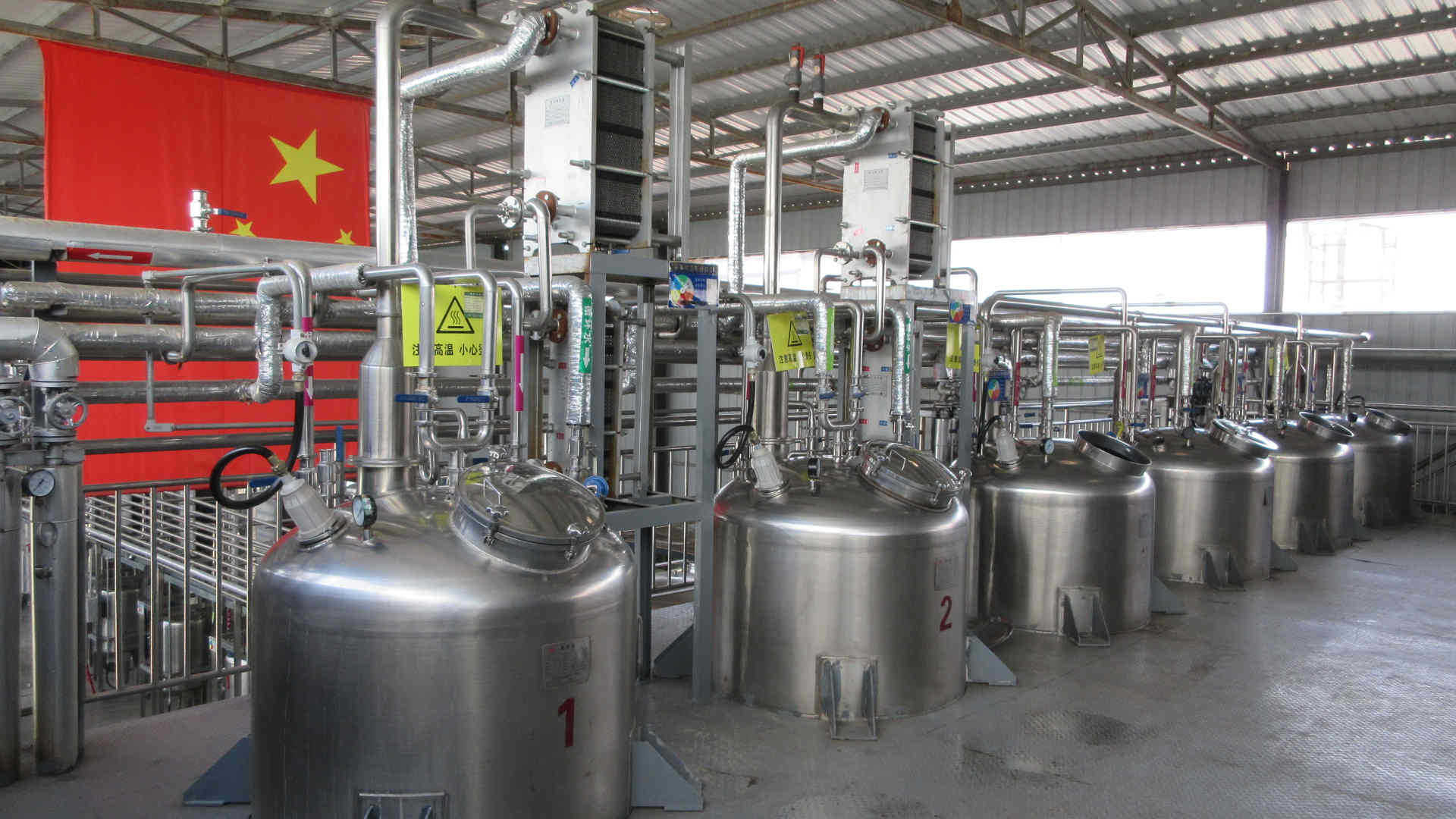
Multi-Function Extraction Tank
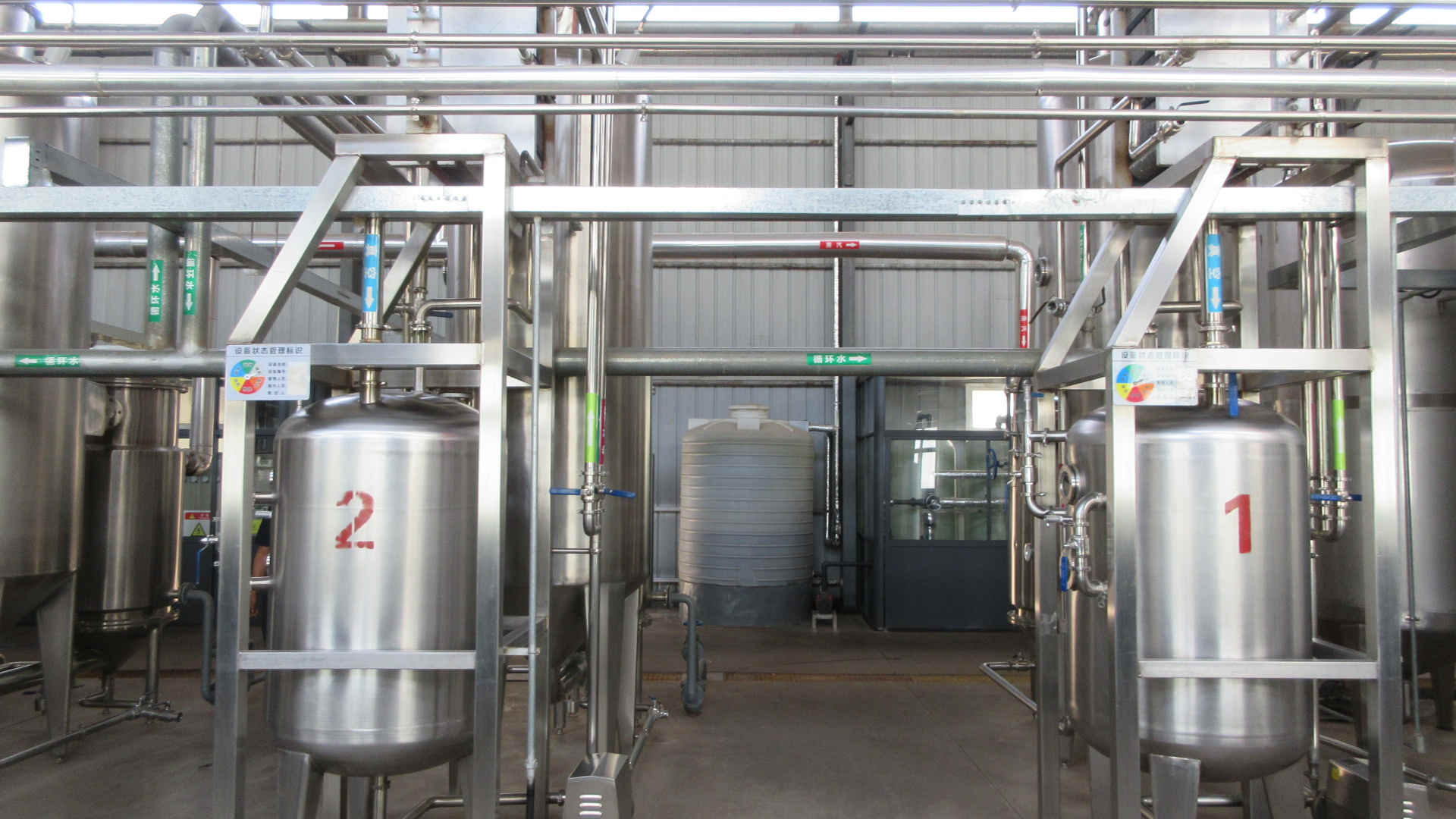
Triple-Effect Concentrator
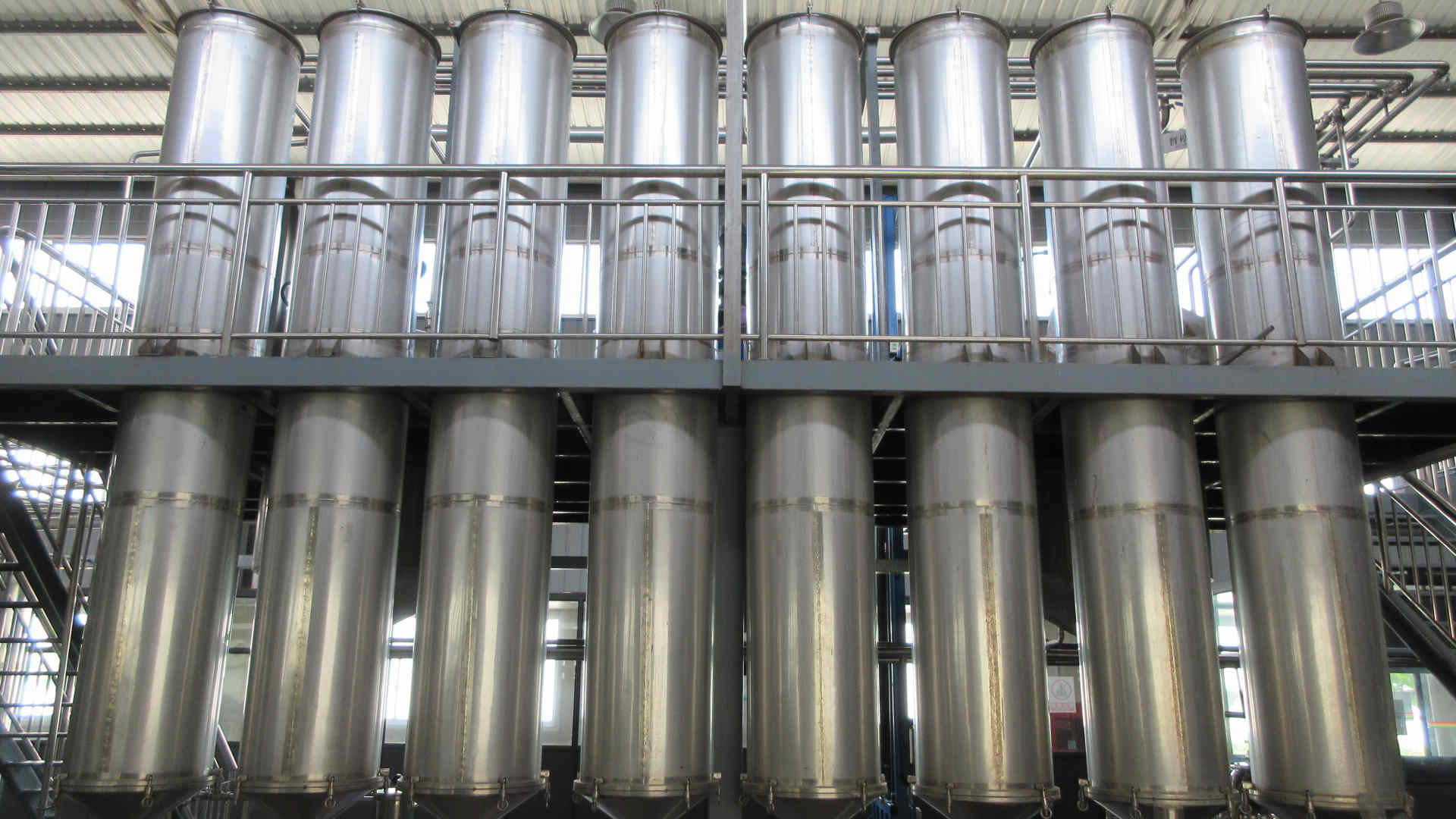
Resin Chromatography Columns
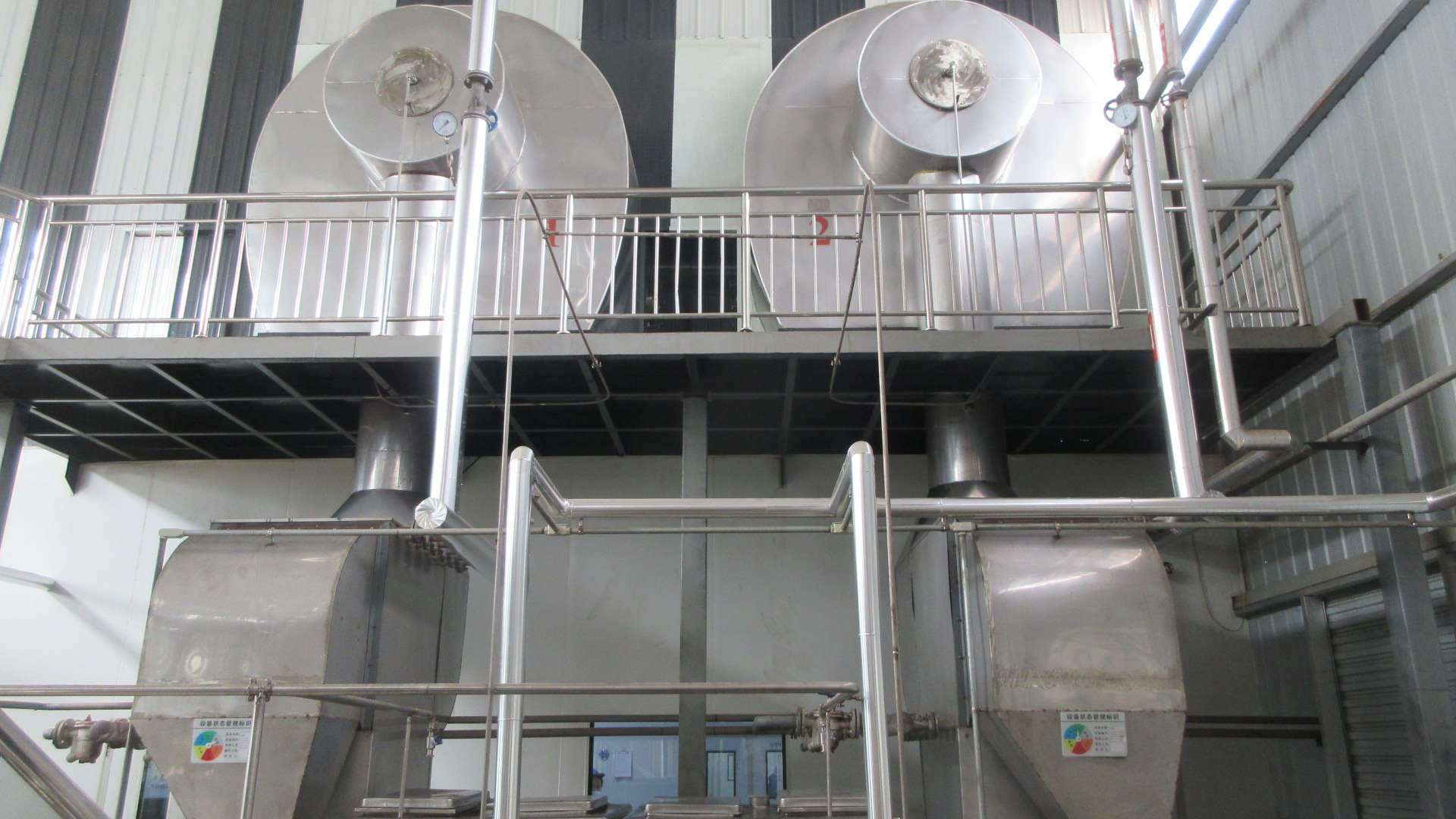
Centrifugal Spray Tower
Why Sourcing Directors Partner with Torzi Biotech
Eliminate middle-tier broker premiums, mitigate regulatory audit risks, and secure contract guarantees direct from the manufacturer.
SGS Assessed & Audited Facility
Our complete manufacturing campus has passed on-site supplier verification and facility capability audits conducted by SGS Group. International buyers are granted full access to comprehensive audit reports, QA manuals, and validation logs.
In-House Analytical Laboratory Suite
Unlike trading entities relying on second-hand sheets, our lab features Shimadzu & Agilent HPLC instruments, GC-FID, Atomic Absorption Spectrophotometry (AAS), and Atomic Fluorescence Spectrometry, providing transparent lot-specific COAs.
Agile Customization: From 1 kg to Full Containers
We solve the common supply bottleneck where emerging brands are priced out by high MOQs. We provide low-MOQ pilot batches starting at 1–5 kg for clinical trials and pilot formulations, ramping seamlessly to multi-ton FCL shipments as commercial sales scale.
Frequently Asked Questions: Technical Procurement & Compliance
Direct clarifications covering analytical assays, export certifications, packaging barriers, and contract OEM workflows.
How does Torzi Biotech differentiate between fruiting body and myceliated grain extract?
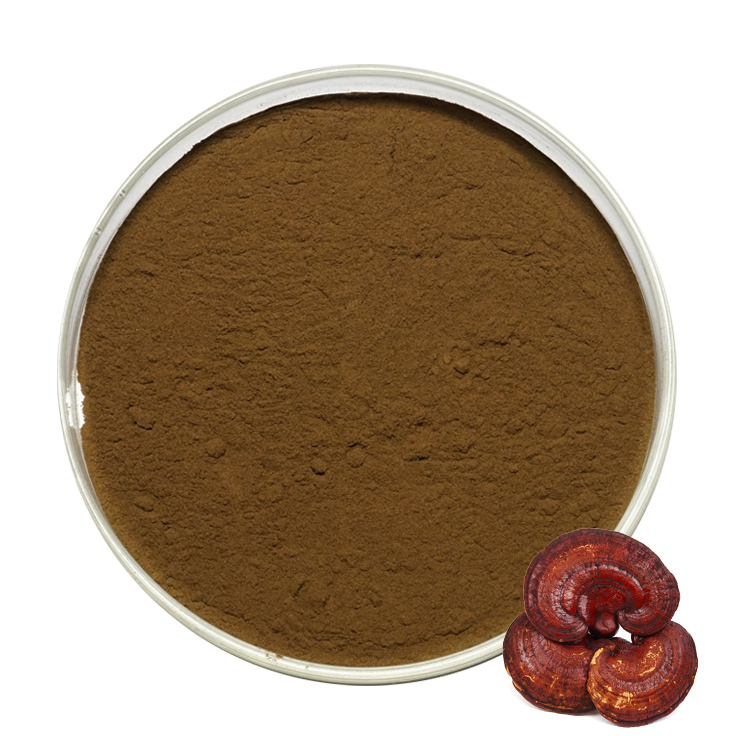
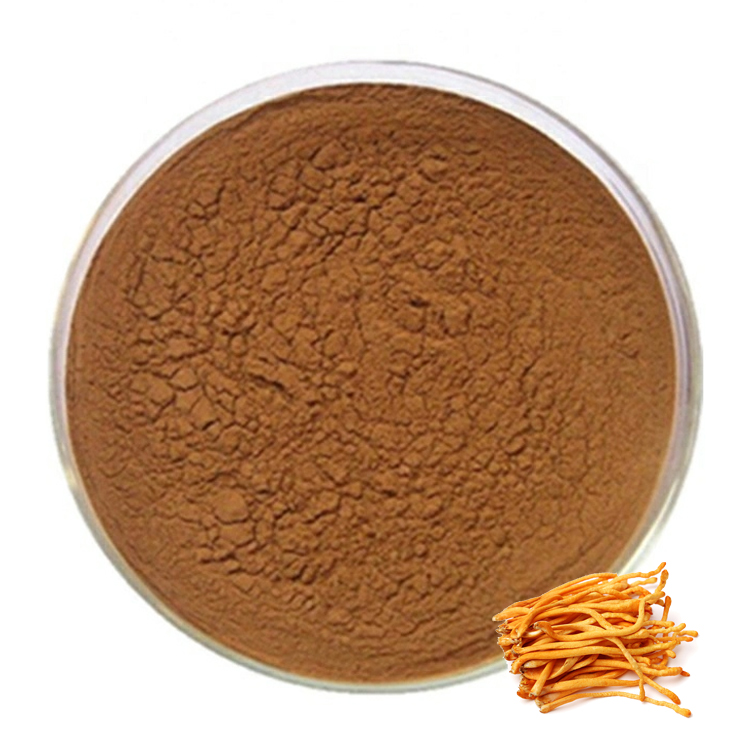
We strictly label all production lines according to raw material anatomy. For mushroom extracts (Lion's Mane, Reishi, Cordyceps, Turkey Tail), we prioritize 100% natural wild-crafted or shade-grown organic fruiting bodies. In addition to standard UV total polysaccharide testing, our laboratory conducts enzymatic Megazyme assays to guarantee true beta-1,3/1,6-glucan content and confirm minimal presence of starch-derived alpha-glucans, ensuring zero adulteration from cereal growth substrates.
What specific analytical testing is conducted before batch release?
Every individual production lot undergoes mandatory internal testing followed by retained sample archiving. Testing parameters documented on our Certificate of Analysis (COA) include active marker potency (HPLC/UV/Titration), loss on drying, ash content, particle sizing (mesh pass rate), heavy metals (Lead, Cadmium, Arsenic, Mercury by Atomic Absorption Spectrophotometry), microbiological counts (Total Plate Count, Yeast & Mold, E. coli, Salmonella), and residual extraction solvents (USP <467>). Third-party validation by Eurofins or SGS is accessible upon commercial request.
What are the MOQ thresholds for bulk raw powders vs. private-label OEM supplements?
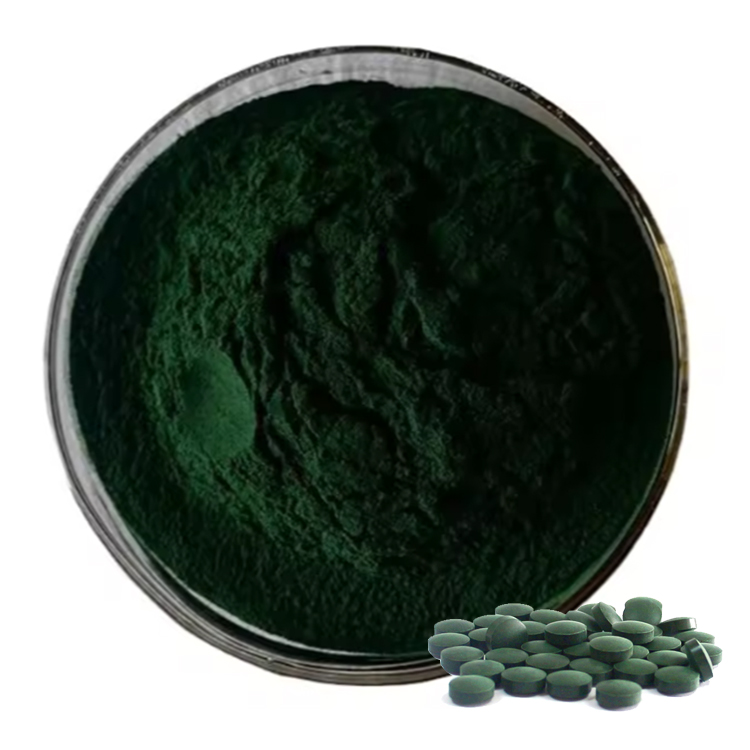
For standardized bulk botanical powders and actives (such as Taurine, Creatine, Spirulina, or Acai Berry), commercial minimums typically start between 1 kg and 25 kg depending on compound rarity. For private-label finished units (custom formulated two-piece hard capsules, stick packs, or branded retail pouches), our contract manufacturing minimums start at an industry-low 500 units per SKU, supporting pilot line launches without excessive upfront capital outlay.
Which international regulatory certifications accompany Torzi Biotech products?
Our manufacturing systems adhere strictly to ISO 9001, ISO 22000, and cGMP procedural guidelines. Relevant ingredient categories hold USDA Organic, Halal (MUI compliant), and Kosher certifications. Export shipments are accompanied by official documentation, including COAs, Material Safety Data Sheets (MSDS), Certificates of Origin (CO), Non-GMO Declarations, Allergen Statements, and BSE/TSE-Free Certificates.
How do you protect hygroscopic and heat-sensitive herbal extracts during global ocean transit?
Standard bulk export packaging consists of medical-grade double polyethylene inner bags enclosed within a heavy-duty, moisture-impermeable 25 kg fiber drum or multi-wall aluminum foil vacuum pouches. For highly hygroscopic botanical matrices or actives prone to oxidation, we implement food-grade silica desiccant inserts and pharmaceutical-grade nitrogen headspace flushing prior to thermal sealing, preventing caking and potency loss across multiple climatic zones.
Initiate Your Formula Formulation or Request Batch COAs
Connect with our technical application engineers to verify compound specifications, request free bench-scale samples, or review our SGS factory assessment documentation.
Get a Quote