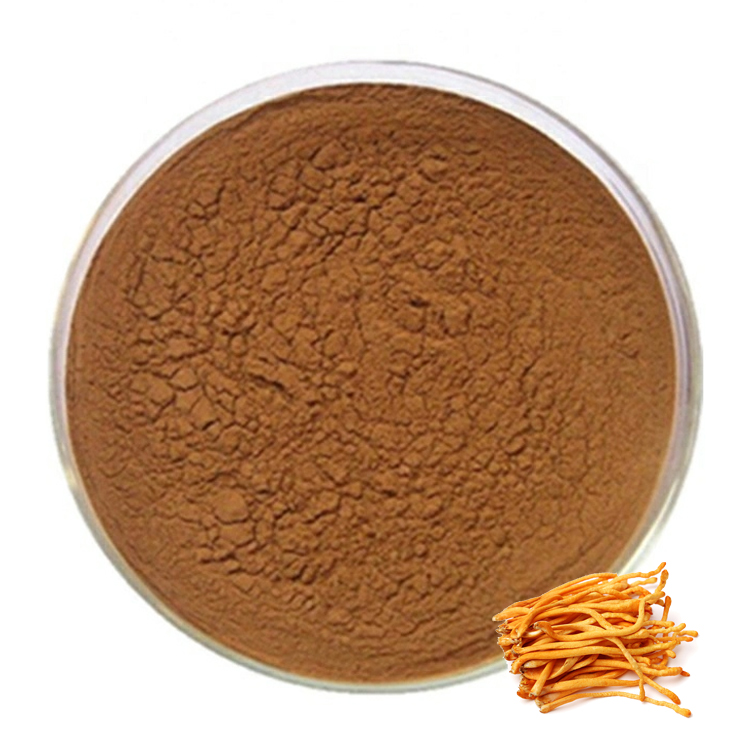
 Fruiting Body
Cordyceps Mushroom Powder 30% 50% Cordyceps Polysaccharides Mushroom Extract Powder
• Assay: 30%–50% Polysaccharides
• Cordycepin ≥ 1.0% by HPLC
• Organic Solvent-Free Process
Standardized, laboratory-tested active botanical extracts and nutrient precursors ready for international shipping and commercial formulation.
Fruiting Body
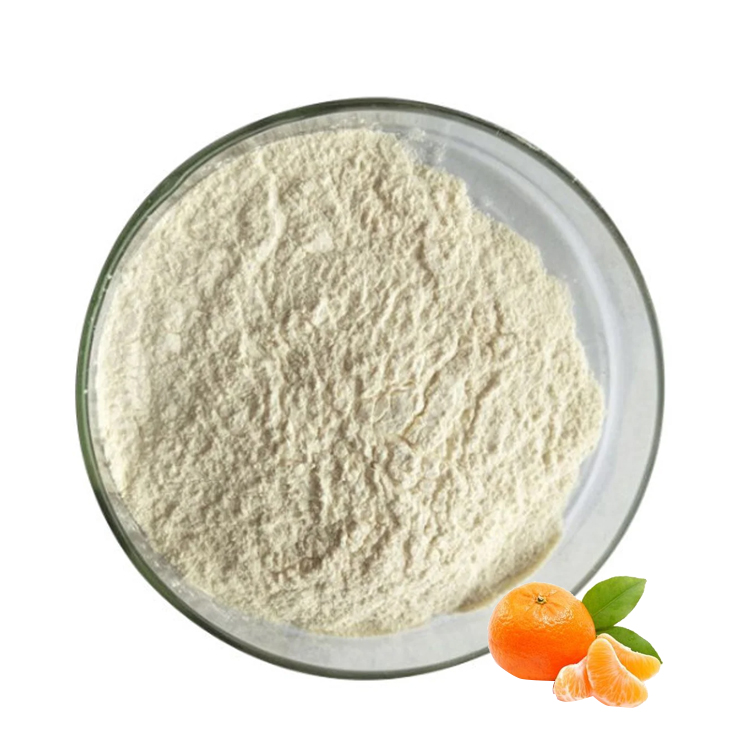 Soluble Fiber
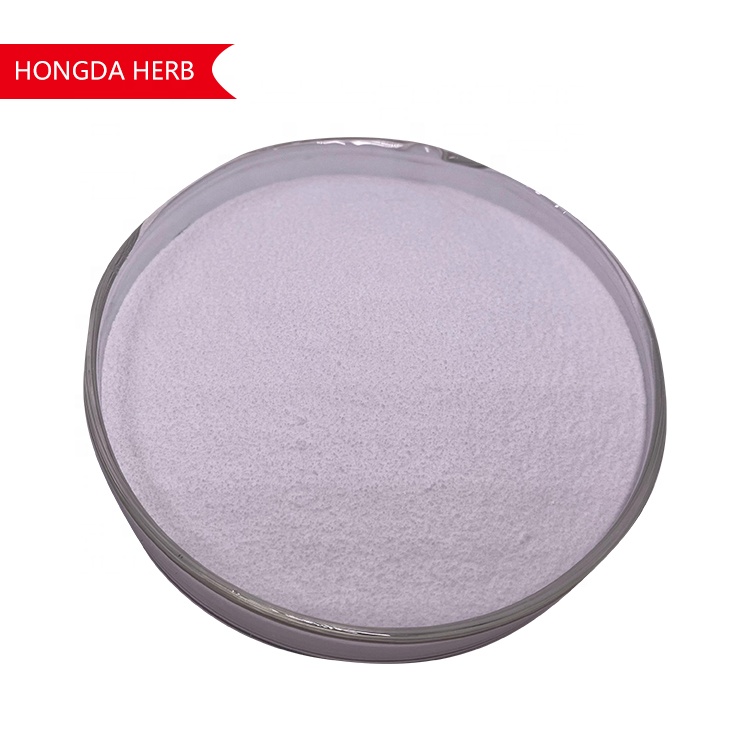 Bioactive Peptide
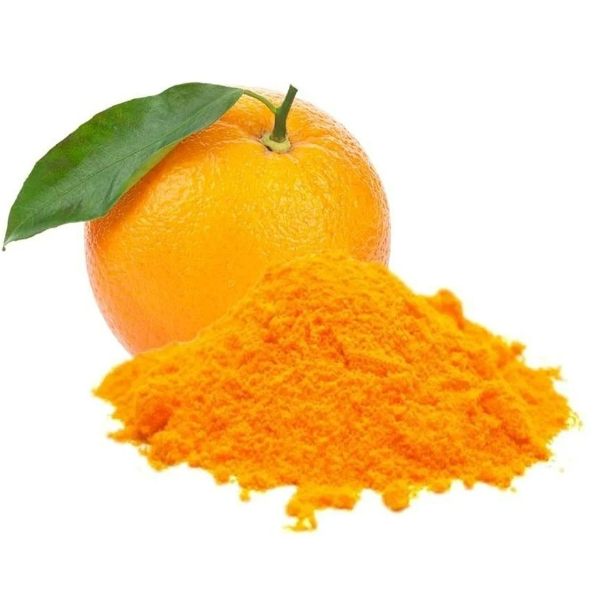 100% Spray-Dried
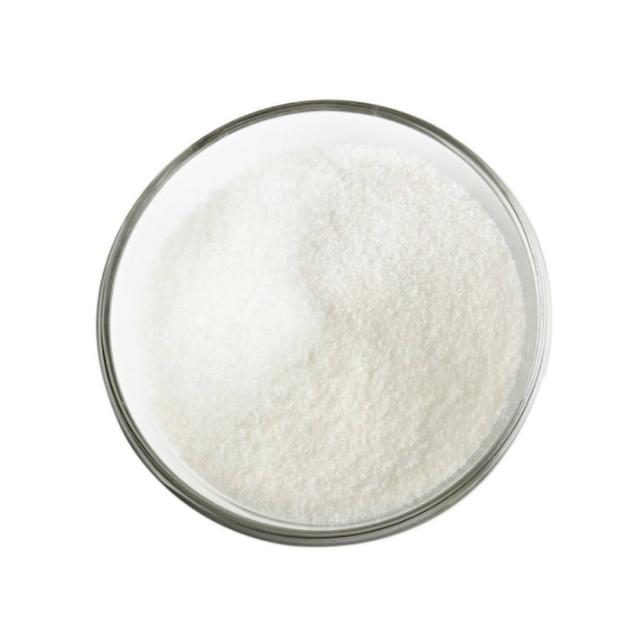 Enzyme Monomer
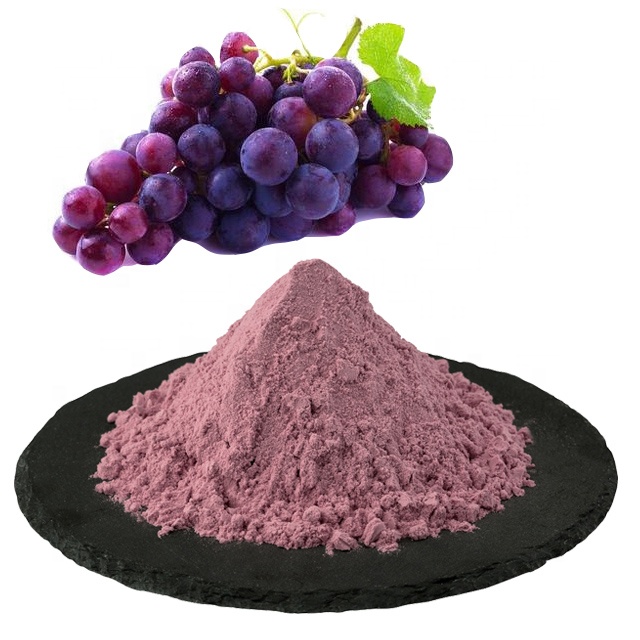 Freeze-Dried
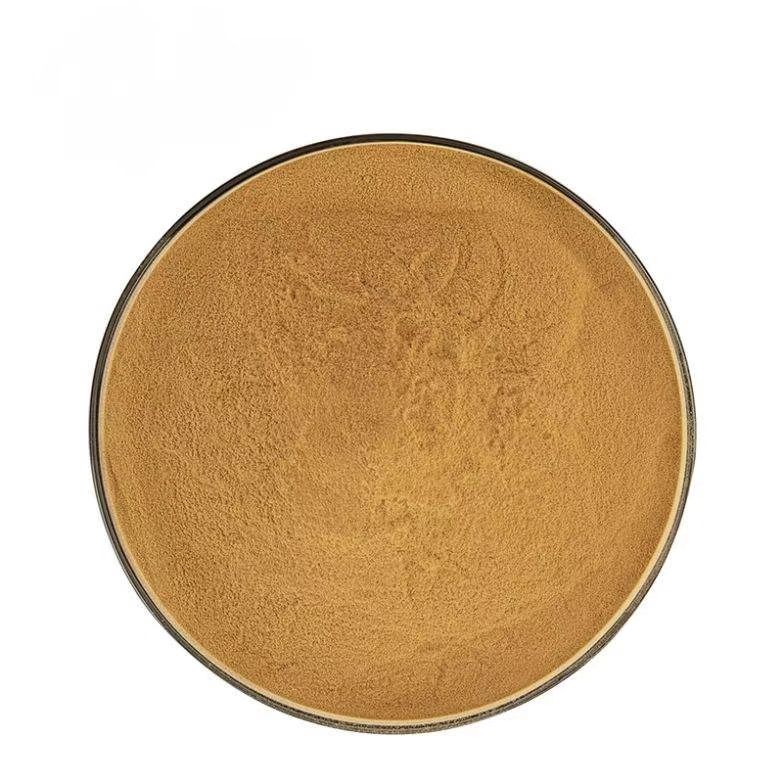 Botanical Extract
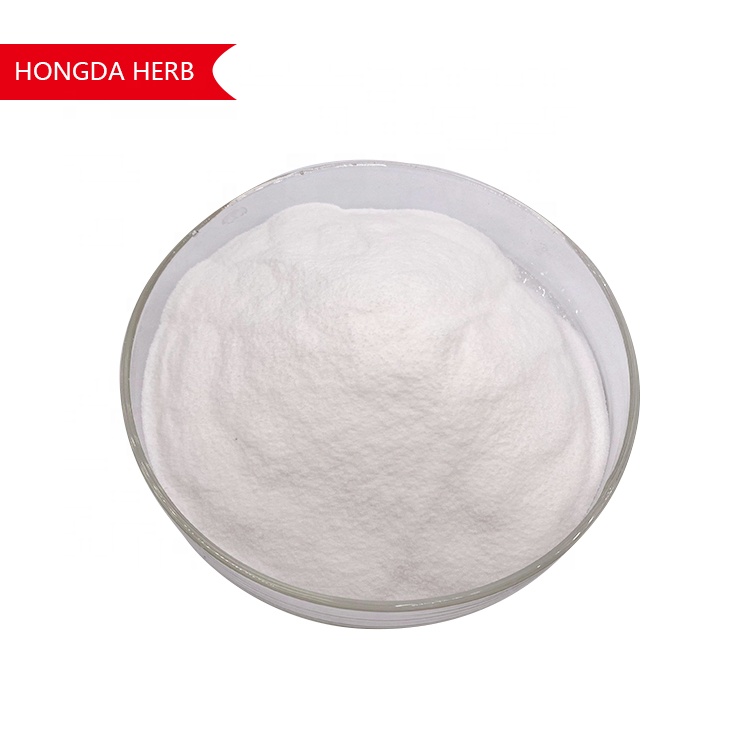 Pure Peptide
A technical assessment of botanical standardization, extraction methodologies, and international compliance architectures for procurement professionals.
In traditional wholesale botanical procurement, suppliers frequently utilized non-specific testing parameters—such as UV-Vis colorimetric analysis for total polysaccharides—which failed to discriminate between actual bioactive fungal/botanical glycans and generic starch fillers (maltodextrin, rice starch, or grain substrate). As a reputable China Wholesale Organic Herbal Powder Manufacturer, modern processing protocols dictate rigorous chromatographic separation.
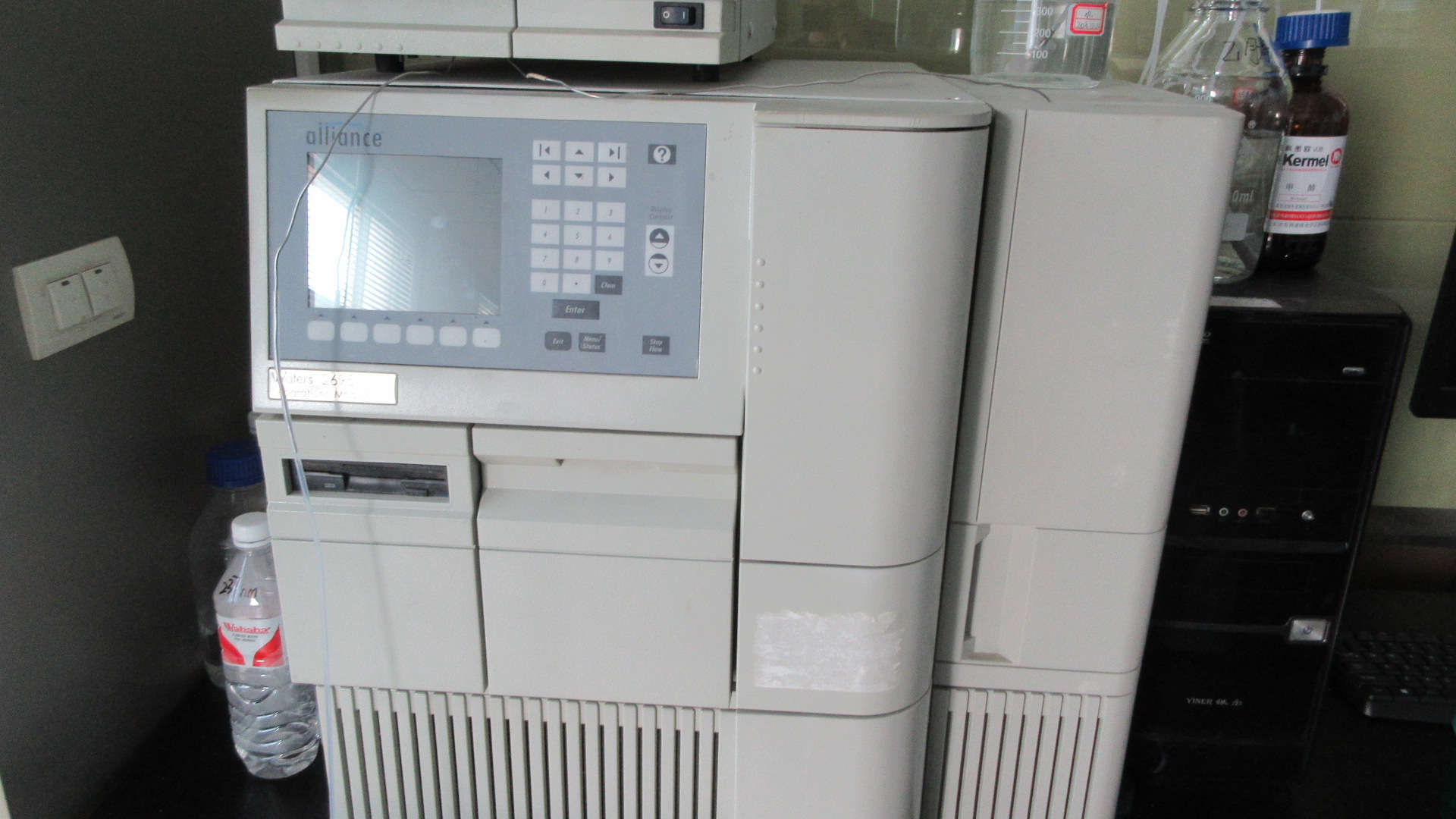
For instance, when evaluating Cordyceps militaris or organic mushroom extract fractions, our laboratory enforces the enzymatically verified Megazyme Beta-Glucan assay combined with reverse-phase High-Performance Liquid Chromatography (RP-HPLC). This eliminates synthetic adulteration and measures bona fide structural (1,3)-(1,6)-β-D-glucans, cordycepin, and adenines down to parts-per-million sensitivity. Similar rigorous standardizations apply to functional plant concentrates, where the botanical integrity from the pristine Qinling Mountains ecosystem is preserved through precise temperature-controlled vacuum concentration.
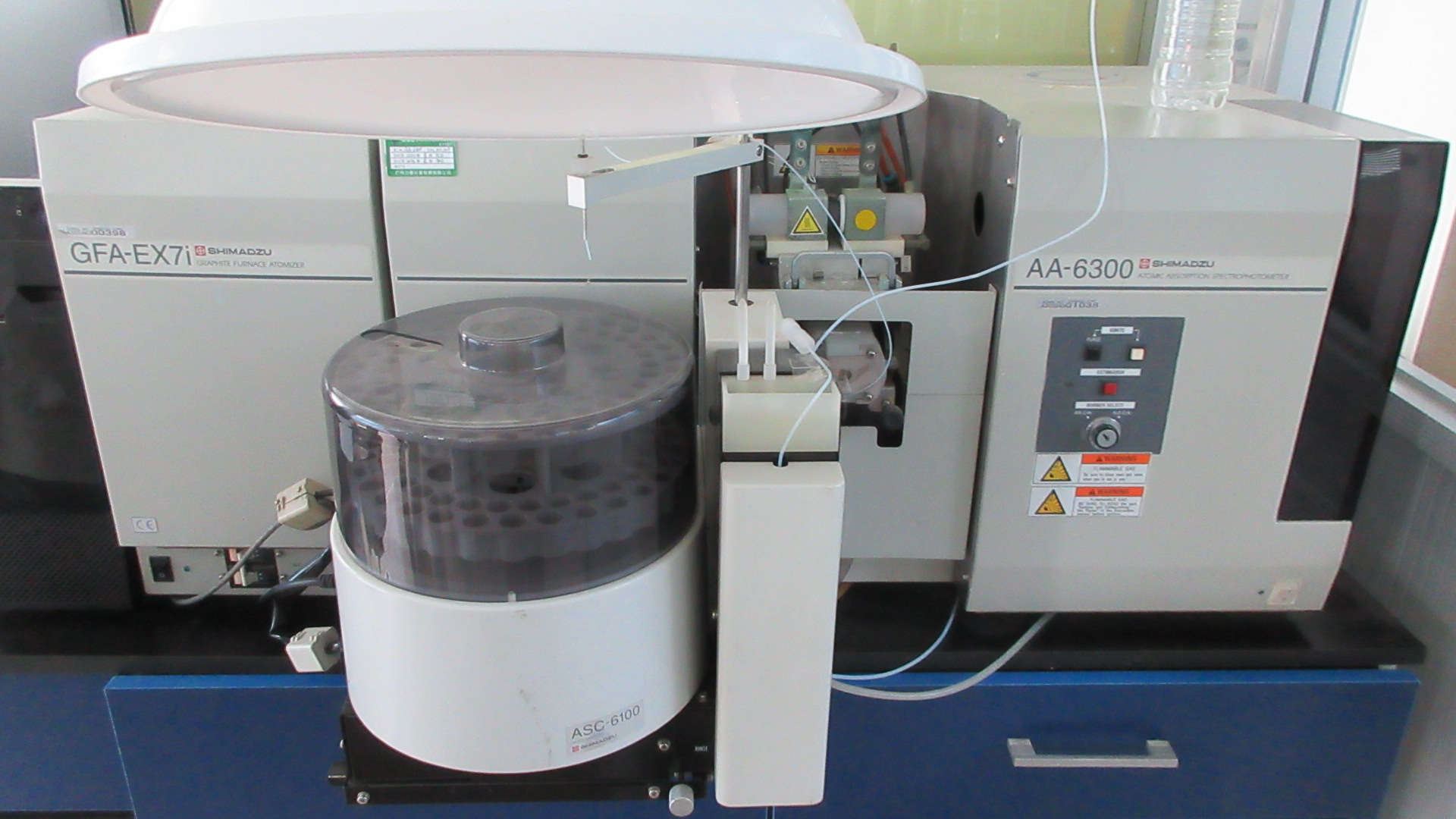
Procurement engineers must verify that their extract supplier owns and operates in-house atomic absorption spectrophotometry (AAS), gas chromatography (GC-MS), and inductively coupled plasma mass spectrometry (ICP-MS) to guarantee elemental limits adhere strictly to stringent European Union and United States pharmacopeial standards.
Strategic movements shaping the sourcing parameters of global formulators and nutraceutical distributors.
B2B purchasers no longer settle for static paper COAs. The market demands genomic verification (DNA barcoding) and stable carbon isotope testing to verify zero synthetic nitrogen addition or extraneous carrier blending.
Solvent-free clean extraction utilizing closed-circuit Supercritical CO₂ and Subcritical Water Extraction (SWE) has supplanted toxic organic solvent systems (hexane, benzene), yielding pure clean-label matrices that meet USDA NOP and EU Eco-cert thresholds.
Bulk powders are transitioning toward agglomerated and instantized micro-granules (fluidized bed granulation). This improves flowability, eliminates static dusting on capsule filling lines, and drastically elevates cold-water dispersion speeds.
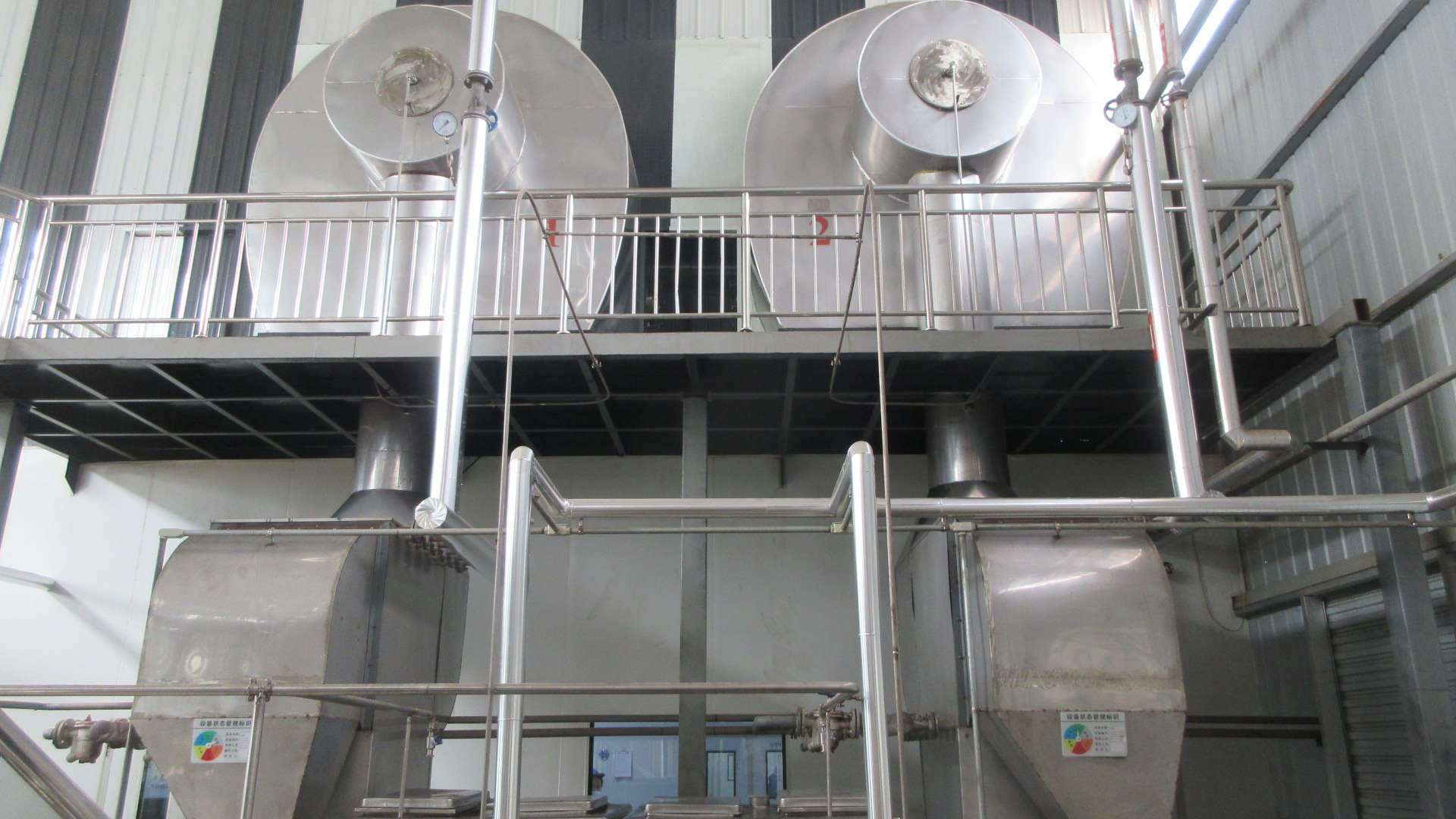
The manufacturing landscape for organic botanical and functional enzyme powders is undergoing a structural paradigm shift. Conventional hot-air evaporation towers are being systematically replaced by low-temperature horizontal vacuum spray dryers and freeze-drying (lyophilization) protocols. Thermolabile botanical antioxidants—such as polyphenol complexes in cold-pressed juices and oligopeptide chains in marine collagen—exhibit rapid degradation when exposed to temperatures above 60°C.
By establishing micro-droplet ultrasonic atomization within reduced-oxygen environments, bioactive compounds achieve instantaneous moisture transition while preserving native secondary metabolites. Concurrently, biocatalytic conversions utilizing targeted enzymes—such as glucose isomerase systems and pectin esterases—permit precision modifications of chain lengths without leaving chemically corrosive synthetic residues.
Shaanxi Torzi Biotech Co., Ltd. combines Qinling natural botanical access with an industrial extraction complex audited on-site by SGS.
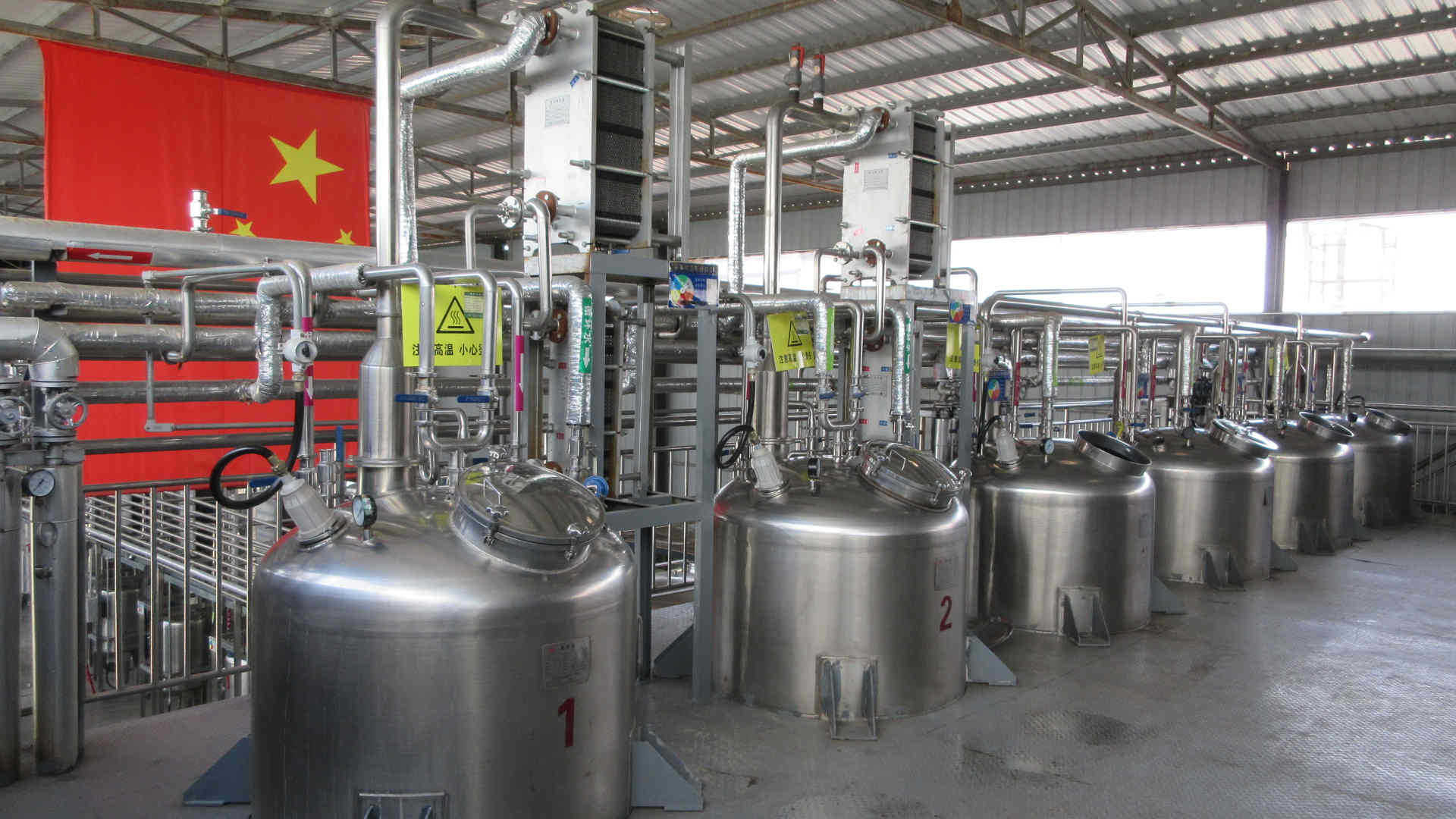
Our 12,447 m² industrial facility in Xi'an is fully assessed and audited by SGS Group, boasting Grade-D cleanrooms, dedicated extraction lines, vacuum evaporation systems, and closed spray towers.
Compliance without compromise. We supply authenticated products certified under USDA Organic, Halal, Kosher, and ISO9001 quality management standards, backed by third-party testing protocols.
Beyond raw wholesale powders, our technical services support custom mesh sizes, granulation, private label stick-packs, pouches, and automated two-piece encapsulation starting from agile MOQs.
Direct photographic verification of our industrial facility and analytical equipment in Xi'an, China.
Direct technical answers addressing the critical operational concerns of B2B procurement officers.
Batch consistency is governed by three operational controls: continuous botanical raw material sourcing from documented geographic origins, automated solvent/water ratios controlled by digital PLC modules, and standardized chromatographic profiling (HPLC/GC) indexed to reference standards rather than volatile yield ratios.
Our spray drying and pulverization procedures take place inside dynamic Grade-D cleanrooms with positive HEPA-filtered air circulation. Powders undergo inline magnet separation, mechanical sieving (80–200 mesh), and non-thermal low-temperature microbial mitigation to retain vegetative properties while maintaining microbial counts below USP limits.
Every commercial export lot is accompanied by a complete analytical package: Batch Certificate of Analysis (COA) specifying assay, heavy metal (Pb, As, Cd, Hg) spectrum via AAS, residual solvents via GC, pesticide multi-residue screening (compliant with USP <561> and EP 2.8.13), MSDS, Allergen Declarations, and BSE/TSE-free certification.
For standard active ingredients and stocked botanical extracts, pilot quantities commence from 1 kg to 25 kg fiber drums. Tailor-made contract extractions, custom mesh pulverization, or OEM private label encapsulations typically establish baseline runs at 100 kg to 500 units, with typical air freight dispatched within 3 to 7 working days.