Core Botanical Extract & High-Purity Active Ingredients
Standardized root extracts, fruit powders, high-potency mushroom extracts, and biotech monomers backed by batch-specific HPLC/GC-MS testing reports and complete regulatory dossiers.
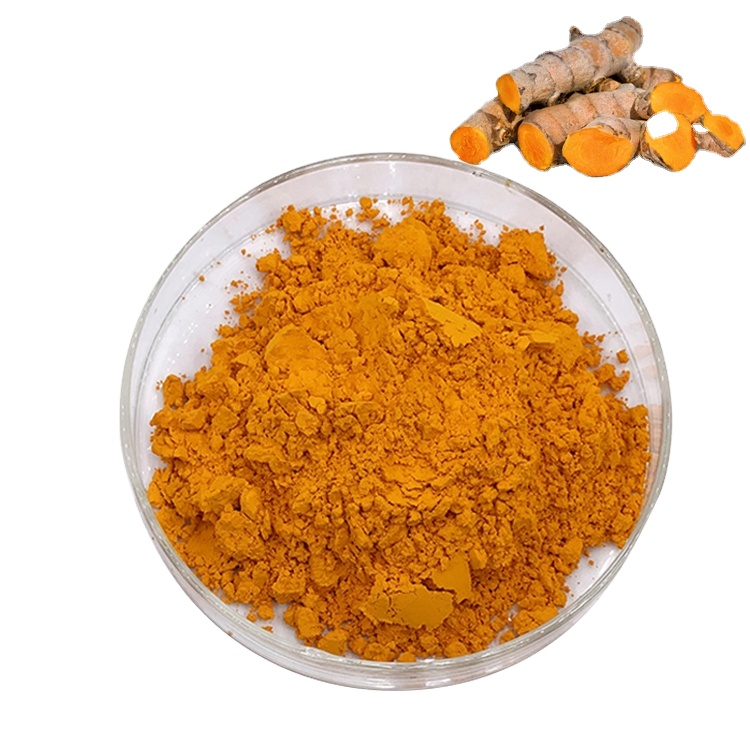
Turmeric Root Extract 95%
Curcuma longa rhizome extract standardized to 95% curcuminoids by HPLC. Exceptional batch consistency with low residual solvent profiles compliant with EP/USP standards.
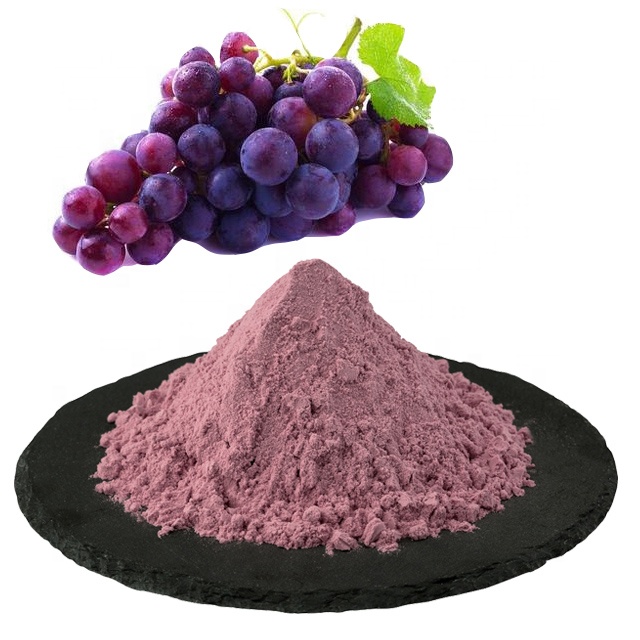
Grapefruit Juice Powder
100% natural cold vacuum freeze-dried grapefruit concentrate powder. Retains native polyphenols, naringin markers, vibrant color, and instant 100% cold-water solubility.
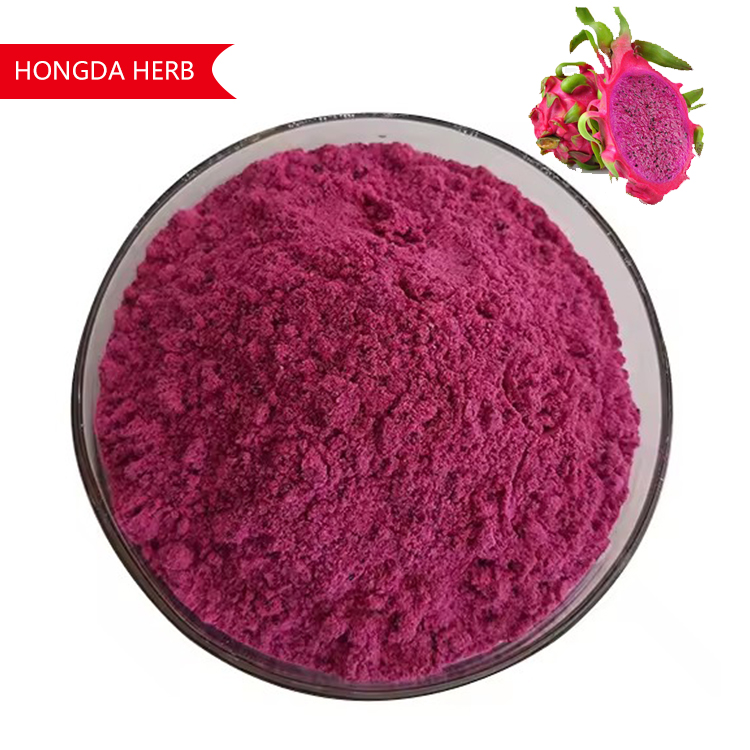
Red Dragon Fruit Powder
Water-soluble freeze-dried Pitaya powder abundant in betacyanins and antioxidants. Zero synthetic additives, ideal for functional beverages, stick-packs, and cosmetics.
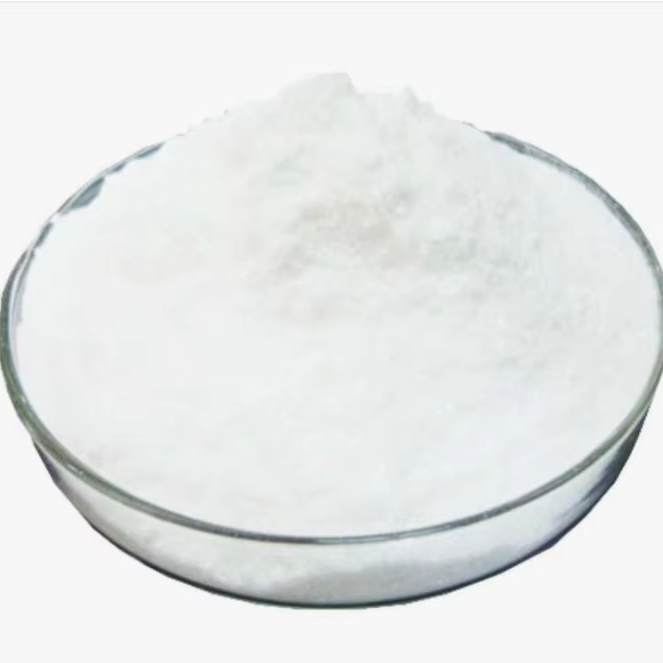
Sodium Hyaluronate (HA)
Pharmaceutical, food, and cosmetic grade Sodium Hyaluronate produced via Streptococcus zooepidemicus fermentation. Tailored molecular weights from 3 kDa to 2.2 MDa.
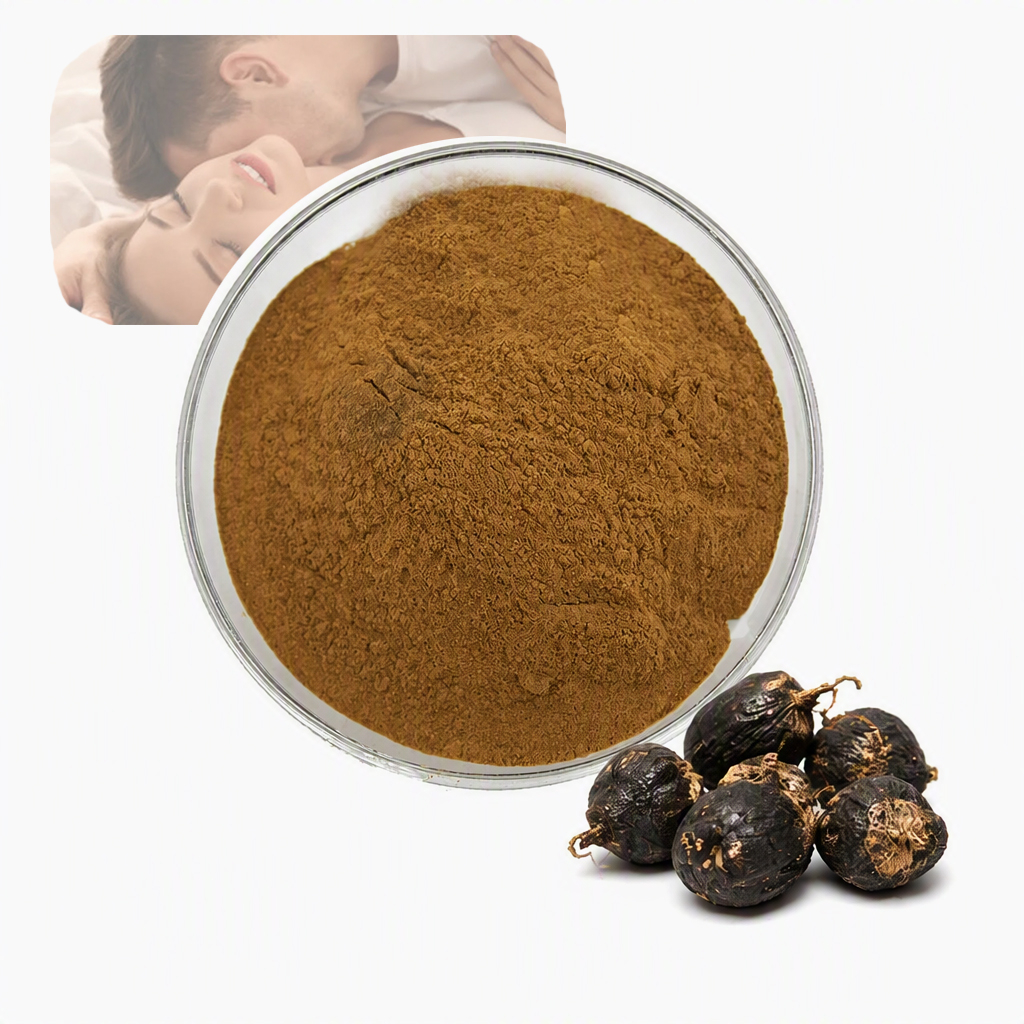
Black Maca Root Extract
Lepidium meyenii root extract standardized for macamides and macaenes. Hydro-ethanolic extraction ensures concentrated active markers for vitality and nootropic formulations.
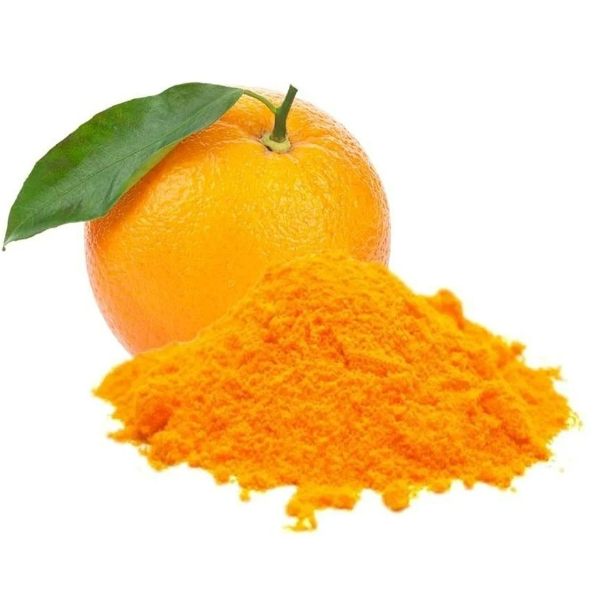
Organic Orange Juice Powder
Spray-dried citrus sinensis concentrate delivering real fruit organic acids and bioflavonoids. Optimized bulk density for rapid tablet compression and dry sachet beverage blending.
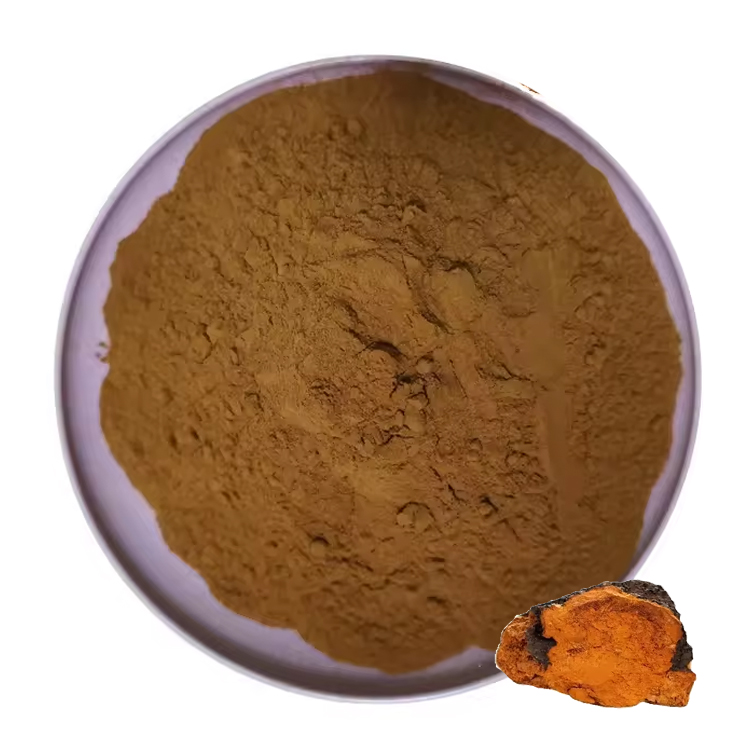
Chaga Mushroom Extract
Sub-critical dual extract from wild Inonotus obliquus conks. Standardized to 30%–50% polysaccharides and high chromogenic complexes with verified fungal beta-glucan content.
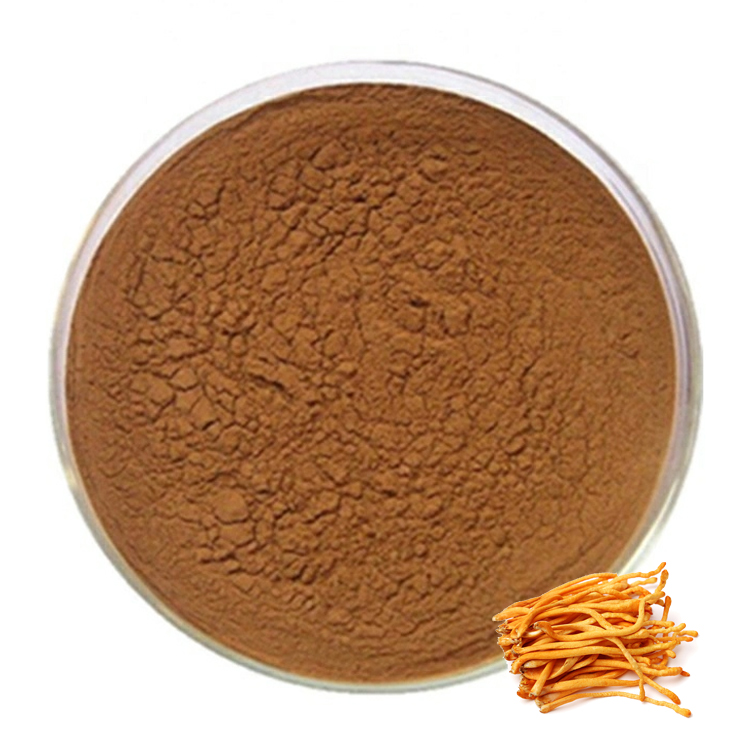
Cordyceps Militaris Extract
Pure fruiting-body hot water extract standardized to 30%–50% polysaccharides, cordycepin ≥1.0% by HPLC, and adenosine ≥0.2%. Non-irradiated, heavy-metal compliant.
Executive Industry Whitepaper: The Strategic Landscape of Chinese Root Extraction
The global pharmaceutical, nutraceutical, and cosmeceutical sectors are undergoing a transformative paradigm shift toward clean-label, chemically verified botanical actives. At the epicentre of this global bio-refinery network stands China, specifically the Shaanxi Qinling botanical corridor. Accounting for over 65% of the world's primary botanical extraction capacity, Chinese manufacturers have graduated from basic, low-titer raw powder exports into high-precision, molecularly standardized phytochemistry engines.
Root and rhizome extracts—encompassing Curcuma longa (Turmeric), Lepidium meyenii (Black Maca), Panax ginseng, Sophora flavescens, Glycyrrhiza uralensis (Licorice), and Polygonum cuspidatum (Giant Knotweed)—represent unique chemical extraction challenges. Root biomass holds dense secondary metabolite matrices bound within resilient lignocellulosic tissues, requiring targeted solvent affinities, accurate thermal stewardship, and rigorous cleanup of co-extracted heavy metals from soils. As international regulatory bodies such as the European Food Safety Authority (EFSA), the United States FDA (21 CFR Part 111 & Part 117), and the Therapeutic Goods Administration (TGA) enforce tighter limits on pyrrolizidine alkaloids, ethylene oxide (EtO), polycyclic aromatic hydrocarbons (PAH4), and synthetic adulterants, sourcing directly from audited Chinese manufacturers equipped with validated analytical platforms is imperative for corporate risk mitigation.
Phytochemical Standardization vs. Crude Extraction Ratios
A longstanding point of confusion in global procurement is the commercial comparison between "Ratio Extracts" (e.g., 10:1, 20:1) and "Standardized Extracts" (e.g., 95% Curcuminoids by HPLC, 0.6% Macamides). While an extraction ratio merely indicates the mass proportion of crude starting botanical material to final powder yield, it provides zero clinical guarantee of active metabolite retention. High-temperature water distillation can easily degrade thermolabile actives while concentrating unwanted mineral ash.
Top Chinese exporters now focus heavily on active-titer standardization. Utilizing multi-wavelength diode array detection (HPLC-DAD) and high-performance thin-layer chromatography (HPTLC), batches are characterized by specific chromatographic fingerprints. For instance, authentic Curcuma longa extracts must reflect an authentic distribution of three primary curcuminoids: Curcumin (~75–80%), Demethoxycurcumin (DMC, 15–20%), and Bisdemethoxycurcumin (BDMC, 2–5%). Deviations in these natural ratios frequently unmask synthetic adulteration derived from petrochemical vanillin—a compliance catastrophe for Western brands that our validated botanical screening categorically prevents.
Extraction Engineering: Next-Gen Processing Technologies
Modern botanical extraction operates at the intersection of thermal fluid dynamics, mechanical particle disruption, and selective membrane chemistry. To retain native phytochemical structures without inducing pyrolytic degradation or solvent toxicity, top Chinese processing infrastructures utilize four primary extraction architectures:
1. Dynamic Countercurrent Extraction (DCE)
Continuous closed-loop battery systems where raw pulverized root biomass moves opposite to fresh incoming solvent. This maintains a perpetual osmotic gradient, extracting over 92% of target metabolites in 40% less contact time compared to static maceration tanks, minimizing heat exposure and volatile terpene evaporation.
2. Macroporous Adsorption Resin Chromatography
Utilizing high-surface-area non-ionic polymers (e.g., AB-8, D101, Amberlite) to selectively capture target lipophilic or polyphenolic molecules while rinsing away water-soluble sugars, agricultural salts, and heavy metal cations. Desorption via food-grade pharmaceutical ethanol yields purity spikes from 10% to >98% without toxic halogenated reagents.
3. Ceramic Microfiltration & Nanofiltration
Membrane fractionation down to molecular weight cut-offs of 200–1000 Daltons. Used extensively to depyrogenate, clarify crude extracts to optical crystal clear solutions, and concentrate active botanical liquors at ambient temperatures (25°C–35°C), entirely replacing fuel-intensive thermal vacuum boilers and preventing caramelization.
4. Sub-Zero Low-Temperature Spray Drying
Equipped with dehumidified secondary nitrogen cyclonic loops, fine aerosolization takes place under vacuum pressure. This guarantees that hygroscopic, high-polysaccharide extracts (such as Chaga or Cordyceps militaris) crystallize instantly without glass transition sticking or active carbohydrate caramelization.
Analytical Comparison: Standard Processing vs. Precision Bio-Extraction
| Evaluation Parameter | Legacy Open-Vessel Extraction | Advanced Closed-Loop Phyto-Refinery | Target Regulatory Threshold (USP / EP) |
|---|---|---|---|
| Extraction Temperature | 85°C – 100°C (Extended Boiling) | 35°C – 55°C (Vacuum Controlled) | Critical for Thermolabile Polyphenols |
| Solvent Choice | Crude Methanol / Reused Hexane | Pure Deionized H₂O / Grain Ethanol | ICH Q3C Class 3 Solvents (<5000 ppm) |
| Heavy Metals (Pb, As, Cd, Hg) | Inconsistent (10–30 ppm total) | Sub-ppm levels via Ion Exchange | Pb<0.5ppm, Cd<0.2ppm, Hg<0.1ppm |
| Particulate Mesh Distribution | 40–60 Mesh (Uneven agglomeration) | 80–200 Mesh (Micronized uniformity) | Ensures dissolution & bio-absorption |
| Analytical Validation | UV-Vis Total Absorbance (Prone to false positives) | HPLC-DAD / GC-MS / LC-MS Fingerprint | Compound-Specific Positive Retention Time |
Macro Sourcing Trends: The 2025–2030 Procurement Outlook
Procurement directors in Europe, North America, and the Asia-Pacific region are navigating an increasingly complex botanical active supply chain. Supply strategies that focused exclusively on raw spot-price purchasing are being discarded in favor of robust, sustainability-anchored, multi-year manufacturing partnerships. Four structural trends dominate future procurement dynamics:
1. ESG Compliance, Carbon Accounting & Circular Solvent Economics
With the implementation of the European Union Corporate Sustainability Due Diligence Directive (CSDDD) and carbon border adjustment mechanisms, enterprise buyers are mandating quantifiable life cycle assessments (LCAs) from their ingredient suppliers. Leading Chinese manufacturers now operate on-site closed-circuit solvent recovery loops with regeneration efficiencies exceeding 98.5%. Biomass residues (such as spent turmeric roots or spent tea leaves) are channeled into clean bio-pellet fuel or organic agricultural compost, offering global clients lower Scope 3 carbon emission footprints for their finished goods.
2. DNA Metabarcoding and C14 Carbon Radiocarbon Authentication
As synthetic biology and chemically synthesized active analogs infiltrate the marketplace, verifying botanical naturalness is an imperative quality gateway. High-end procurement contracts now incorporate regular C14 radiocarbon isotope testing (ASTM D6866) to differentiate 100% bio-based botanical molecules from fossil-fuel-derived synthetics (common in vanillin, resveratrol, and curcumin). Furthermore, next-generation sequencing (NGS) and genomic DNA barcoding are used to systematically verify raw root biomass at the field intake point, excluding economically motivated species substitution (such as substituting Curcuma aromatica for genuine Curcuma longa).
3. High-Bioavailability Engineered Delivery Architectures
Native plant polyphenols and adaptogenic macamides frequently encounter physiological bioavailability bottlenecks due to intestinal glucuronidation and poor water solubility. The future of B2B ingredient supply belongs to pre-formulated, delivery-optimized ingredients. Forward-thinking Chinese extractors are delivering liposomal powders, water-soluble microencapsulated suspensions via modified starches or cyclodextrins, and self-emulsifying drug delivery systems (SEDDS) that improve bioavailability by 300% to 1500% directly from the wholesale drum.
4. Decentralized Warehousing & Domestic Stock Replenishment
To insulate brand partners from oceanic freight volatility and geopolitical logistics disruptions, top Chinese exporters are establishing local fulfillment hubs in North America (California, New Jersey) and Western Europe (Rotterdam, Hamburg). This hybrid structure offers buyers the pricing power of primary Chinese bio-refineries alongside the agility of 48-hour local palletized delivery under domestic DDP (Delivered Duty Paid) terms.
Enterprise Advantage: Verified Manufacturing Infrastructure
Shaanxi Torzi Biotech Co., Ltd. represents the apex of Chinese botanical processing. Operating from the industrial bio-cluster of Xi'an, Shaanxi, our facility harnesses the geographical biodiversity of the Qinling Mountain belt—often celebrated as China's "Natural Medicine Reservoir." With over 23 years of specialized industrial extraction history and 17 years of verified direct global export operations, our manufacturing campus bridges Chinese agricultural heritage with pharmaceutical rigour.
12,447 m² Dedicated Facility
Our expansive industrial base houses cleanroom grade-D processing suites, modern countercurrent continuous extraction tanks, vacuum concentration batteries, and automated closed-circuit spray towers.
In-House Analytical Center
Equipped with dual Shimadzu HPLC systems, Gas Chromatography (GC) for 50+ pesticide residues and residual solvents, Atomic Absorption Spectrophotometry (AAS), and Atomic Fluorescence (AFS) for elemental heavy metals.
International Accreditations
Independently assessed on-site by SGS Group. Certified to USDA Organic standards, Halal, Kosher, and ISO9001 quality management systems. Every shipment includes full batch trace COA dossiers.
Beyond bulk ingredient supply in 25 kg fiber drums, our facility runs clean-room high-speed automated capsule filling, pneumatic dry powder blending, sachet stick packing, and bottle packaging. We support startup pilot scale-ups from low MOQs (from 500 units for private label dietary supplements) up to multi-ton institutional production campaigns.
Procurement Intelligence FAQ: Technical & Operational Inquiries
Direct technical answers addressing the real questions procurement teams, formulation chemists, and regulatory officers ask during factory qualification.
Q1: How do you verify that Curcumin 95% is not cut with synthetic petroleum-derived vanillin?
We deploy HPLC testing coupled with Diode Array Detection to quantify the authentic natural triad profile: Curcumin, Demethoxycurcumin (DMC), and Bisdemethoxycurcumin (BDMC). Synthetic vanillin-spiked materials exhibit unnatural BDMC ratios or atypical baseline chromatographic artifacts. Furthermore, for clients demanding absolute verification, we validate batches via C14 Radiocarbon Isotope Analysis (Carbon-14 testing according to ASTM D6866 standards) to confirm 100% bio-based carbon origin.
Q2: What is the technical difference between Megazyme Beta-Glucan testing and UV Polysaccharide testing?
Crude UV-Vis spectrophotometry using the phenol-sulfuric acid method measures all non-specific carbohydrates, meaning high starch content from grain-grown mycelium will show artificially high "Polysaccharide" values. In contrast, our fungal extracts utilize the internationally validated Megazyme Enzymatic Assay kit (AOAC 995.16), which selectively hydrolyzes and isolates genuine fungal 1,3-1,6 beta-D-glucans, stripping out alpha-glucans (dextrin/starch) to give formulation chemists accurate active levels.
Q3: How do you ensure compliance with California Proposition 65 and European heavy metal limits?
Roots absorb elemental minerals directly from soil over multiple growth cycles. We control this risk through geographic GAP soil audits, strict raw material pre-intake testing, and secondary clean-up using specific chelating and ion-exchange resin columns during liquid extraction. Every exported batch is screened in-house via Atomic Absorption Spectrophotometry (AAS) and Atomic Fluorescence Spectrometry (AFS) to guarantee Lead (Pb) <0.5 ppm, Arsenic (As) <0.5 ppm, Cadmium (Cd) <0.2 ppm, and Mercury (Hg) <0.1 ppm, conforming directly with USP <2232> and EP 2.8.13.
Q4: What solvent residues remain in your standardized extracts?
We utilize strictly ICH Q3C Class 3 solvents—primarily pharmaceutical purified deionized water and non-denatured food-grade grain ethanol. Organic solvent residues are stripped via high-vacuum falling-film evaporators down to levels well below international pharmacopeial limits (typically <500 ppm, against the standard 5,000 ppm allowance). We never use chlorinated solvents like methylene chloride, chloroform, or toxic Class 1/Class 2 reagents.
Q5: Can you formulate customized solubility profiles for Ready-to-Drink (RTD) beverages?
Yes. Naturally lipophilic extracts (such as Curcumin or Black Maca) can be processed using cold-water dispersion (CWD) engineering, utilizing natural acacia fibers, sunflower lecithin, or hydroxypropyl-beta-cyclodextrin encapsulation. This yields dry free-flowing powders that instantly disperse in cold water (at 10°C–20°C) with high visual clarity, zero sedimentation, and zero astringent flavor masking problems.
Q6: What is your standard packaging and moisture-barrier shelf life assurance?
Standard export orders are packaged in double food-grade pharmaceutical polyethylene (PE) inner bags, hermetically heat-sealed with desiccant pouches, and enclosed within 25 kg tamper-evident cylindrical fiber drums. Hygroscopic botanical powders undergo nitrogen purging before sealing. All batches carry a validated 24-month unopened shelf life under cool, dry warehouse conditions (temperature <25°C, relative humidity <60%).
Q7: What export and customs documentation accompanies wholesale commercial shipments?
Every commercial order is accompanied by a comprehensive regulatory packet: Manufacturer Batch COA, Safety Data Sheet (SDS / MSDS compliant with GHS standards), Certified Technical Data Sheet (TDS), Flow Chart of Manufacturing, Non-BSE/TSE Certificate, Non-GMO Statement, Allergen Declaration, and country-of-origin Phytosanitary Inspection Certificates endorsed by China Customs (GACC). Halal and Kosher batch certificates are supplied on demand.