Audited Production
Standardized Botanical Actives & Functional Concentrates
Manufactured in Xi'an, Shaanxi under ISO9001 and cGMP-compliant controls. Validated by HPLC, UV, and atomic spectrometry to ensure lot-to-lot chemical consistency.
Fruiting Body Dual Extract
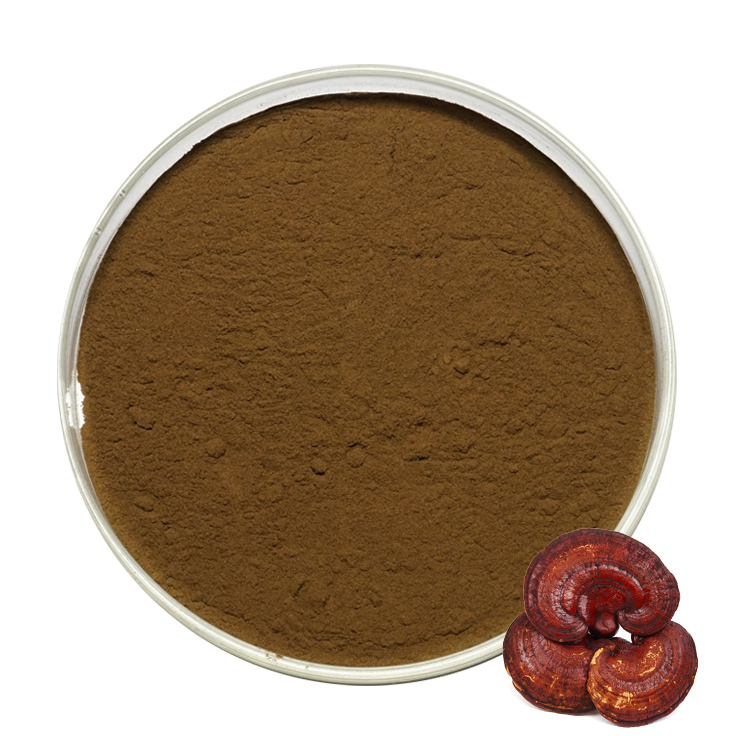
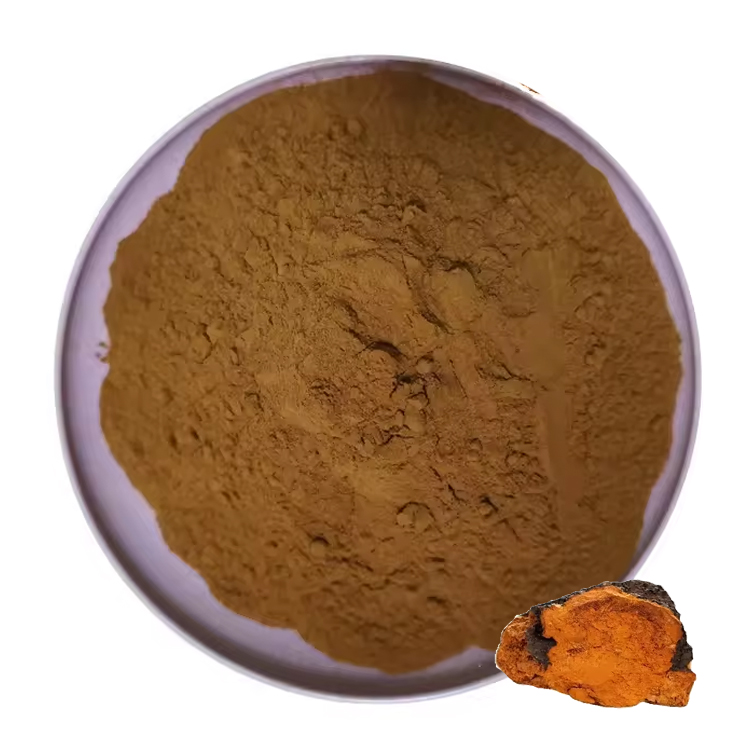
Reishi Mushroom Extract Powder Ganoderma Lucidum Extract for Health Supplement
Get a Quote
Technical Analysis
Eliminating Information Asymmetry in Chinese Botanical Sourcing
Navigating the global botanical extract market requires technical scrutiny far beyond basic commercial quotations. For decades, international procurement directors have faced recurring challenges regarding botanical authenticity, solvent residue compliance, and deliberate analytical manipulation. In the case of high-value mushroom extracts such as Reishi (Ganoderma lucidum), Chaga (Inonotus obliquus), and Lion’s Mane (Hericium erinaceus), common market malpractice involves blending grain-grown mycelial mass into the extract. While this produces high apparent carbohydrate figures via standard UV-Vis spectrophotometric polysaccharide testing, the active beta-(1,3)(1,6)-D-glucan concentration remains negligible.
As an engineering-driven manufacturer based in Xi'an, Torzi Biotech resolves these systemic failure points by deploying rigorous chromatographic and enzymatic verification standards across every production cycle. By adopting the specialized Megazyme enzymatic assay, we differentiate true fungal beta-glucans from residual grain starches (alpha-glucans). Furthermore, for our high-titer botanical concentrates like Curcumin 95% and Galium aparine extracts, our quality assurance protocols utilize High-Performance Liquid Chromatography (HPLC) coupled with Mass Spectrometry (LC-MS) to eliminate synthetic adulteration and verify authentic phytochemical finger-printing against certified USP reference standards.
| Target Botanical Compound | Standard Commercial Testing | Torzi Biotech Advanced Control | Clinical / Functional Impact |
|---|---|---|---|
| Mushroom Extracts (Reishi, Chaga, Lion's Mane) | Total Polysaccharides by UV-Vis (Sulfuric Acid Method) | Megazyme Enzymatic Assay (Specific β-1,3/1,6-Glucan quantification vs. α-glucans) | Guarantees true immunomodulatory bio-efficacy; prevents starch-filler adulteration. |
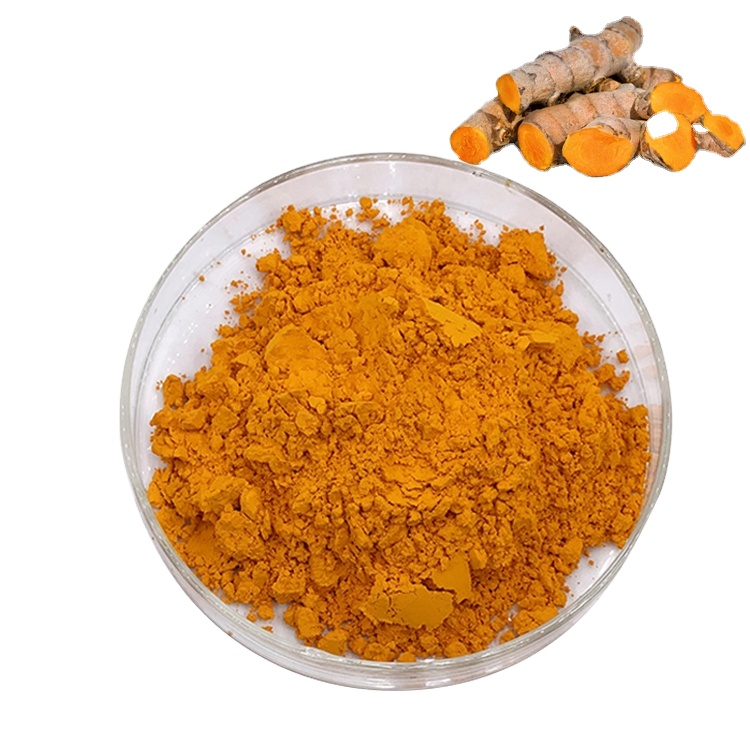
| Turmeric Extract (Curcuminoids) | Single-wavelength Spectrophotometry (Total Curcuminoids) | Reversed-Phase HPLC separating Curcumin, Demethoxycurcumin, & Bisdemethoxycurcumin | Ensures complete synergistic balance of the natural curcuminoid tri-complex. |
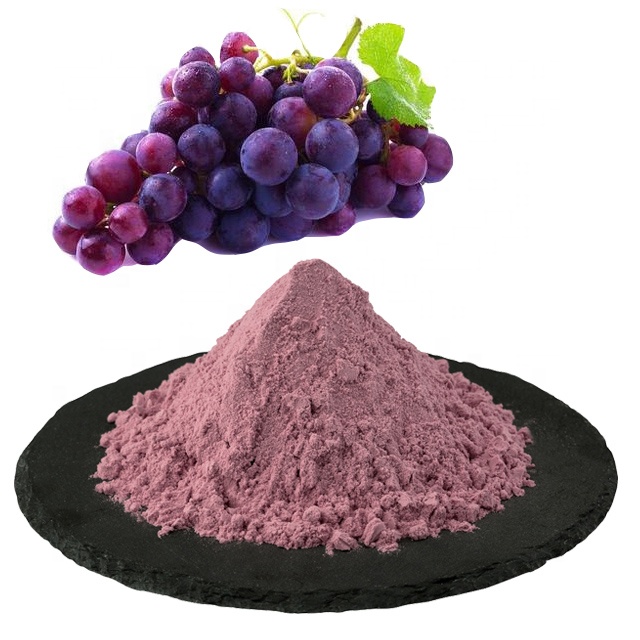
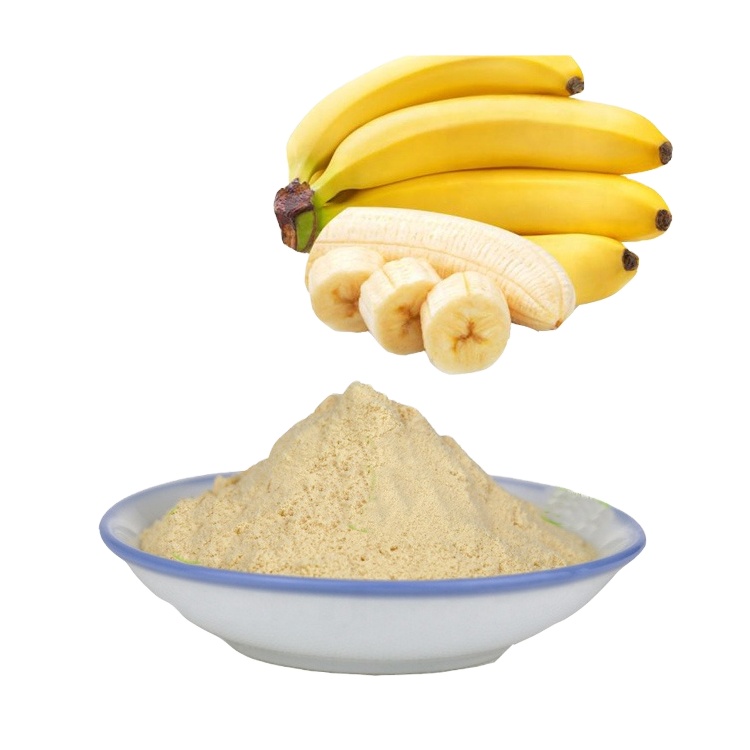
| Fruit Concentrates (Grapefruit, Banana) | Total Brix refractometry & generic Vitamin C titration | HPLC organic acid mapping, spray-dried without carrier maltodextrin (100% pure) | Retains authentic volatile aroma compounds, clean solubility, and pure sensory profiles. |
| Bio-Catalytic Enzymes (Glucose Isomerase) | Basic dry substrate loss | International Enzymatic Units (IU/g) kinetic titration at standardized pH/temperature | High catalytic velocity, lower operating dosages, and stable thermal tolerance. |
Procurement Forecast 2025–2030
Strategic Sourcing Trends Shaping Botanical Procurement
Decarbonization & Clean Extractions
Global regulatory bodies (EFSA and US FDA) continue tightening residual solvent limits. B2B procurement is rapidly transitioning toward green extraction technologies, including closed-circuit subcritical water and super-critical CO2, eliminating class-1 and class-2 petrochemical residues entirely.
Standardization via Pure Chemical Fingerprinting
Procurement teams are phasing out ambiguous ratio extracts (e.g., "10:1") in favor of chemically quantified active markers. Specifications now dictate strict percentages of specific isomers, triterpenes, cordycepin, and functional bio-actives to ensure reproducible downstream product performance.
Full Traceability to Botanical Origin
Supply chain transparency is no longer optional. Enterprise brands demand verifiable geolocation tracking from cultivation belts (such as China's Qinling mountain ecological zone) through clean-room processing, backed by heavy metal testing via Atomic Absorption Spectrometry (AAS).
Technological Roadmap
Evolutionary Drivers in Botanical Extraction Processing
Nanoscale Encapsulation
Improving the bioavailability of lipophilic compounds (e.g., Curcumin, Astaxanthin, CoQ10) using self-microemulsifying drug delivery systems (SMEDDS) and cyclodextrin complexation.
Continuous Column Chromatography
Transitioning from manual resin absorption to high-precision, automated industrial preparative chromatography, allowing 99%+ active separation without chemical destruction.
Ultra-Low Temperature Vacuum Concentration
Protecting thermosensitive botanical actives, native colors, and natural aromas from thermal degradation via dynamic low-temperature falling-film vacuum evaporation systems.
Enzymatic Pre-Treatment
Utilizing targeted cellulase and pectinase enzymes to systematically break plant cell walls prior to extraction, unlocking up to 35% higher yield of intact active monomers.
Factory Verification
Direct Manufacturing Authority from Shaanxi, China
Torzi Biotech operates fully integrated extraction, concentration, and formulation infrastructure. Certified on-site by SGS, Kosher, Halal, and USDA Organic programs.
23+
Years Industry Authority
Continuous Botanical R&D
12,447 m²
Production Infrastructure
SGS Inspected Facility
89
Specialized Personnel
Engineers, QC & PhD Chemists
100%
Lot Traceability
Comprehensive Batch COA
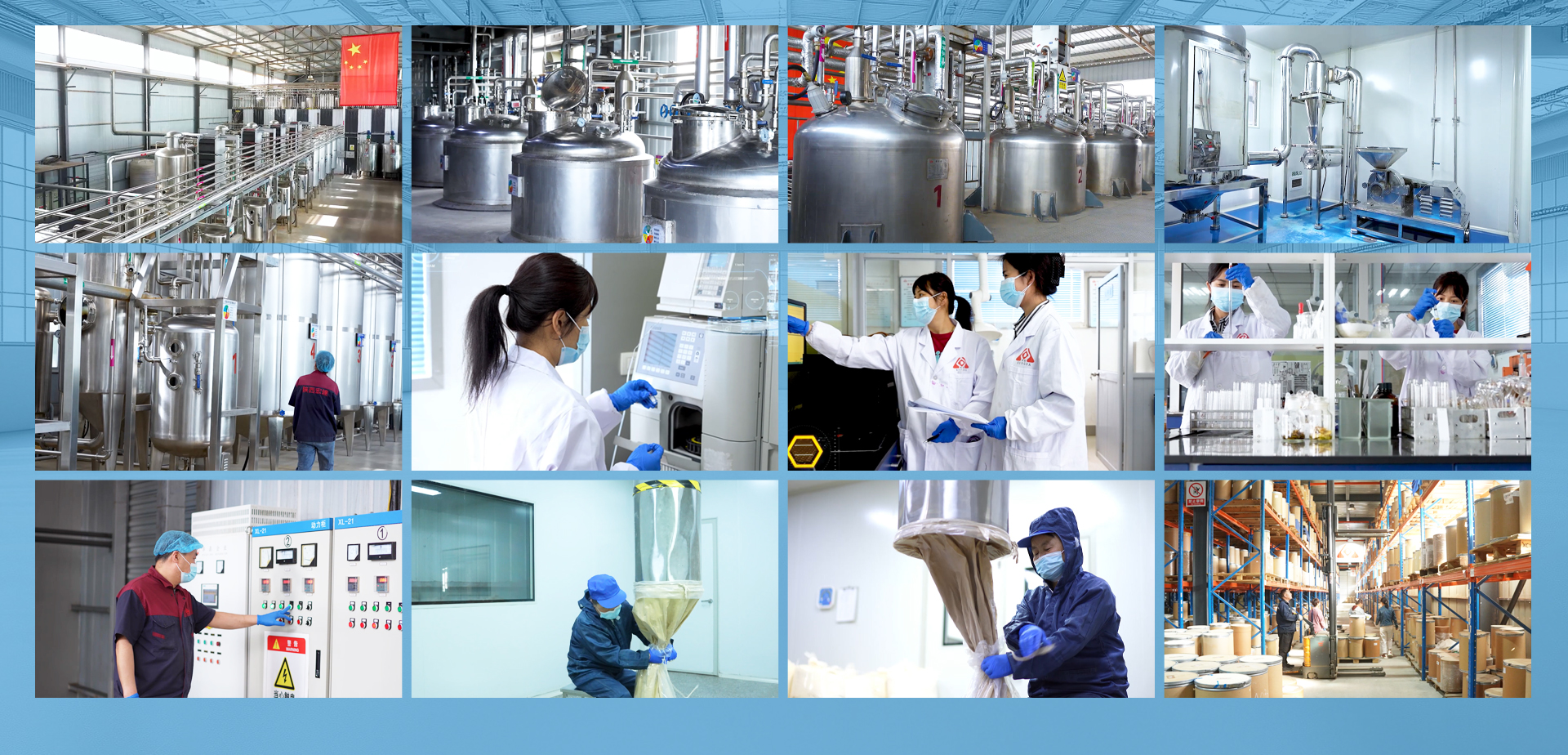
Standard Operating Procedure (SOP) & Stage Gates
From harvest to international dispatch, material travels through 8 isolated process zones under monitored air filtration and positive-pressure cleanroom environments:
01. Botanical Quarantine
Sensory check, identity confirmation by TLC/HPLC, moisture analysis, and raw pesticide screen.
02. Dynamic Extraction
Multi-stage counter-current extraction tanks with automated solvent-temperature controls.
03. Vacuum Concentration
Falling-film evaporators keeping thermal impact under 55°C to protect active molecular structures.
04. Resin Chromatography
Targeted adsorption columns for selective monomer isolation and impurity rejection.
05. Spray & Freeze Drying
Aseptic atomization chambers ensuring micro-encapsulation and uniform particle size distribution.
06. Micronization & Sieving
Stainless-steel impact pulverization ensuring 80–200 mesh powder consistency.
07. Homogenization
Multi-directional cone blenders guaranteeing identical active titer across entire batch drums.
08. Cleanroom Packaging
Hermetic nitrogen-flushed packaging with food-grade foil and fiber drums under Class D cleanrooms.
Procurement Support
Frequently Asked Technical Questions
Essential information regarding regulatory compliance, testing methodologies, logistics, and sample requests.
How does Torzi Biotech guarantee pesticide residue compliance for EU and US markets?
We test our raw botanical harvests and finished extracts against USP <561> and European Pharmacopoeia (EP) 2.8.13 multi-residue panels via GC-MS/MS and LC-MS/MS. This guarantees that all batches comply with strict organic standards and zero-tolerance pesticide residue laws prior to export.
Can you provide batch-specific heavy metal and microbiological certificates?
Yes. Every single batch is accompanied by an authenticated Certificate of Analysis (COA). Lead (Pb), Arsenic (As), Cadmium (Cd), and Mercury (Hg) are quantified via Atomic Absorption Spectrometry (AAS) and Atomic Fluorescence Spectrometry (AFS). Complete micro panels (Total Plate Count, Yeast/Mold, E. coli, Salmonella) are standard.
What is the standard lead time and Minimum Order Quantity (MOQ) for custom runs?
For catalog products, our MOQ begins at 1 kg to facilitate pilot formulations, client R&D trials, and clinical evaluations. For customized ratios, carrier-free freeze-dried concentrates, or OEM private-label packaging, standard MOQs are 25 kg to 100 kg, with typical lead times of 7–12 business days.
Do you support factory audits and third-party laboratory cross-validations?
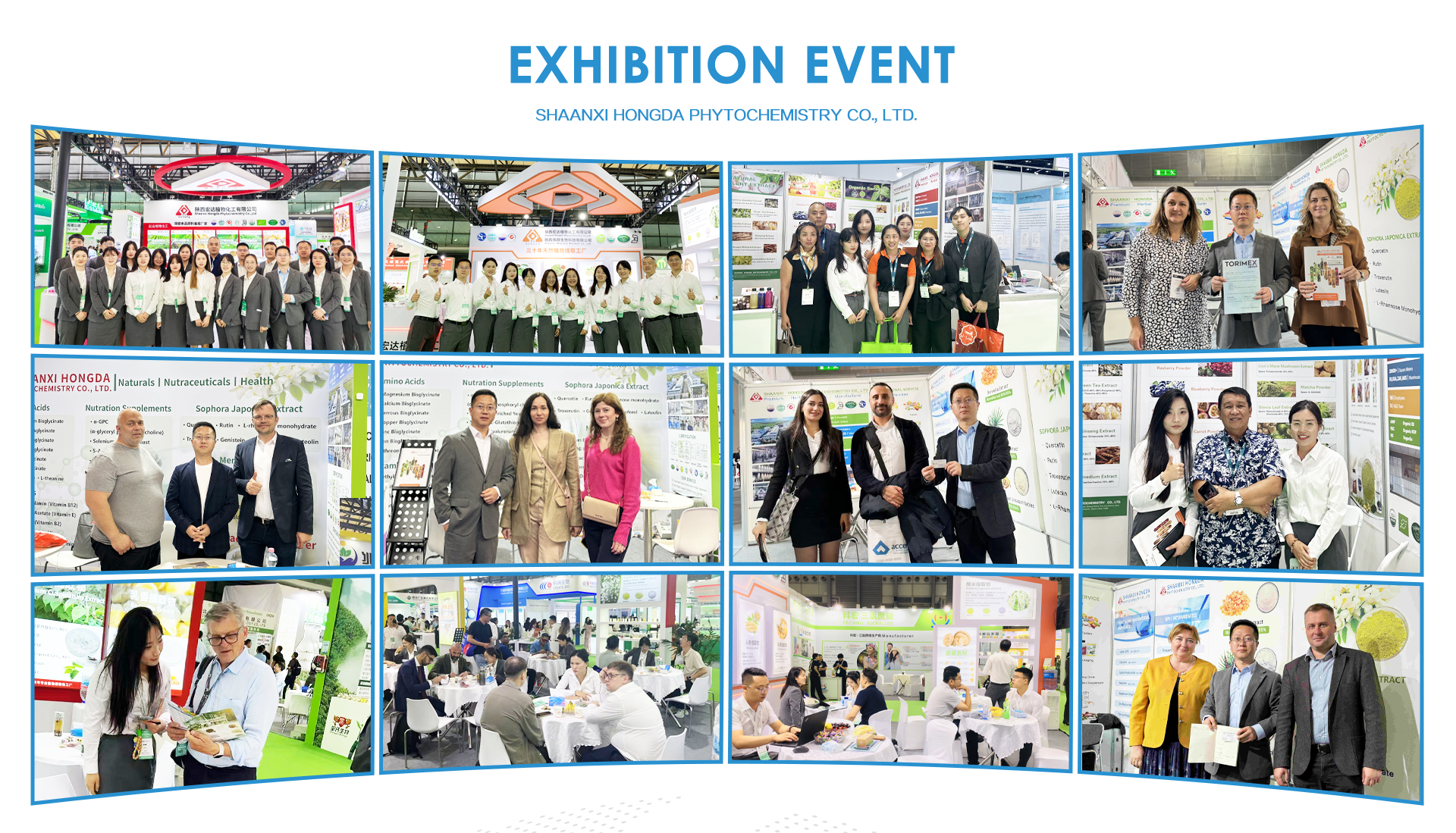
We welcome scheduled on-site audits at our Xi'an manufacturing campus. Furthermore, we frequently coordinate blind-sample splits with world-recognized third-party laboratories such as Eurofins, SGS, and NSF to validate test method equivalence and analytical reproducibility.
Connect Directly with Our Technical Sourcing Engineers
Request lot-specific Certificates of Analysis, method validation summaries, safety data sheets, and expedited samples directly from our Xi'an manufacturing team.