Torzi Biotech / Hongda Factory leverages 23+ years of extraction mastery to provide bulk pharmaceutical, cosmetic, and food-grade concentrates tested for bioactive efficacy and ultra-low solvent residue.
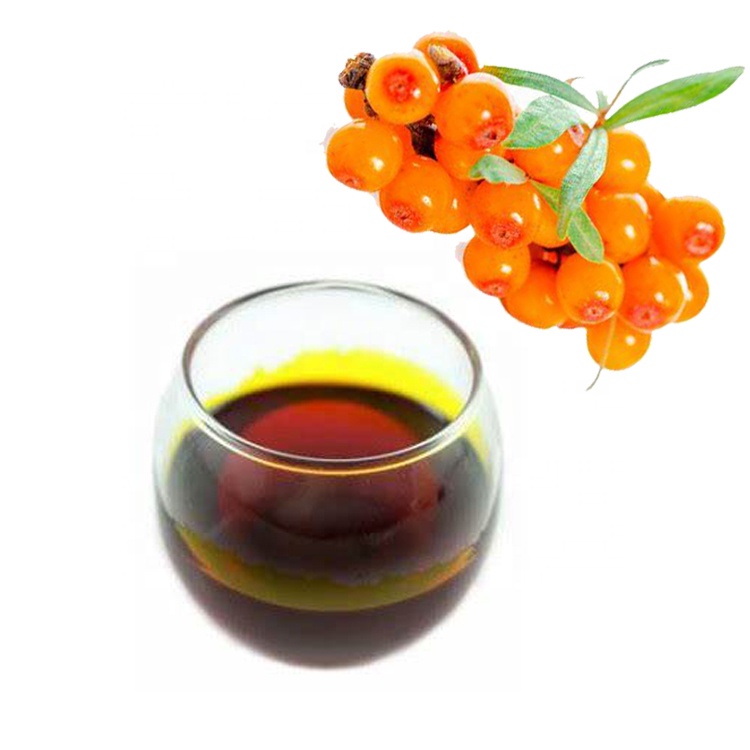
Supercritical CO2 extracted liquid lipid core rich in natural Palmitoleic Acid (Omega-7), Beta-Carotene, and Tocopherols for high-end nutricosmetic and functional drink emulsions.
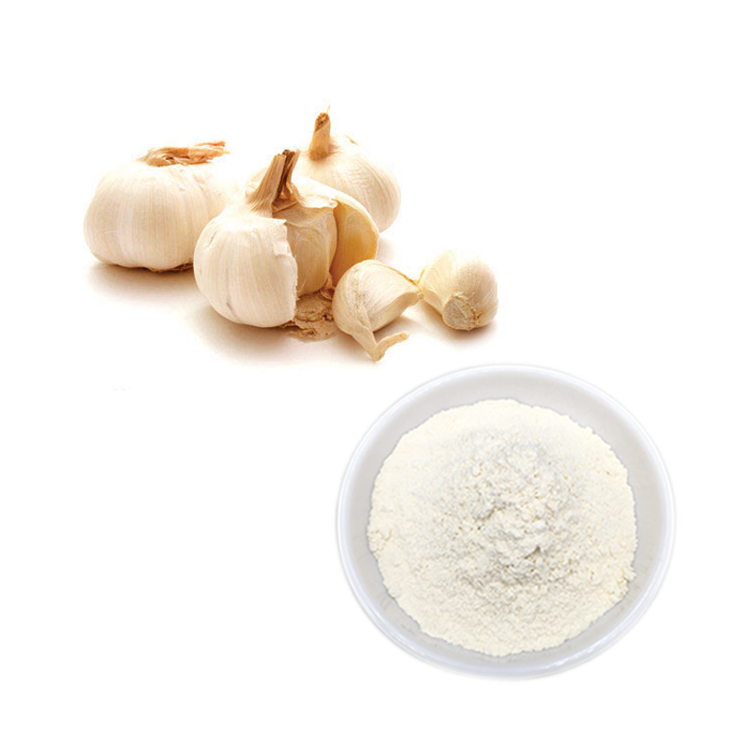
High-potency Allium sativum extract, available in concentrated liquid water-dispersible and powder formats standardized for stable allicin precursors with minimized sulfur volatiles.
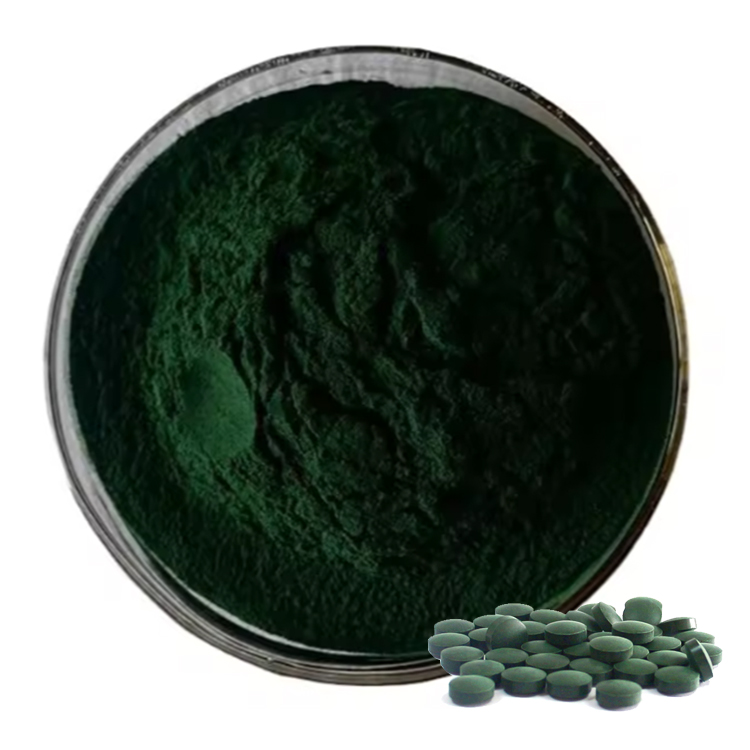
Phycocyanin-rich Arthrospira platensis aqueous extract isolate and dense nutritional forms, compliant with heavy metal limits under California Prop 65 and USP standards.
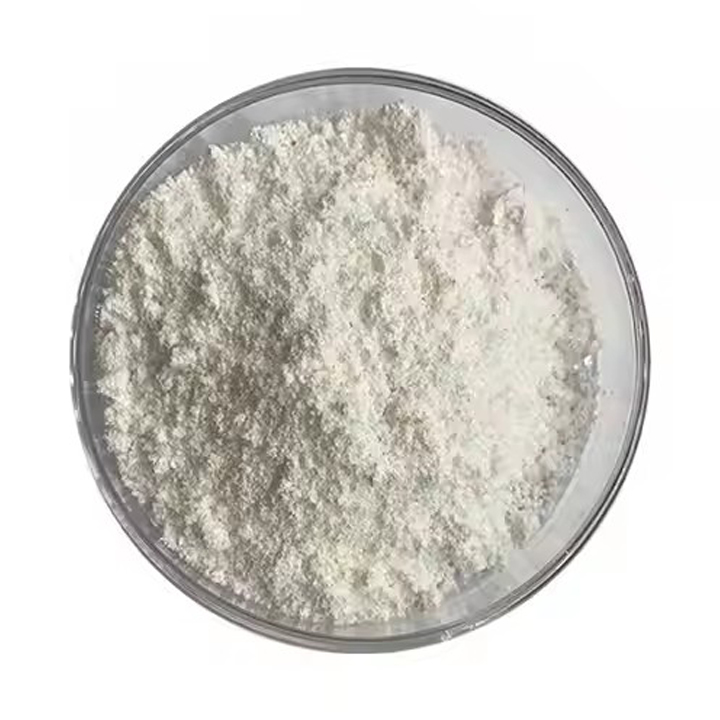
Standardized Hesperidin and Citrus Bioflavonoid liquid concentrates manufactured through continuous disc stack separation and low-thermal vacuum evaporation to maintain natural aroma.
23+
Years Manufacturing
Pioneering Botanical Chemistry Since 2001
12,447 m²
Audited Plant Footprint
SGS-Assessed On-Site Cleanrooms
89
Process Engineers & QC
Ph.D. Formulators & HPLC Specialists
50+
Destination Countries
17-Year Global Export Track Record
Technical Whitepaper
Engineering Liquid Botanical Extracts: Purity, Carriers, and Potency
A rigorous industrial perspective on how China's premier extraction factories are setting the global benchmark for standardized bioactive liquids, clean solvents, and stability.
In contemporary botanical pharmacology and cosmetic science, liquid plant extracts represent one of the most therapeutically active and bio-accessible ingredient classes available. Unlike dehydrated powders that require severe thermal processing—which frequently denatures volatile terpenes, phenolic acids, and delicate enzyme co-factors—liquid extraction preserves active secondary metabolites in their native thermodynamic solution. As China solidifies its position as the premier international hub for pharmaceutical-grade phytochemistry, leading manufacturers in the Qinling botanical corridor like Shaanxi Torzi Biotech have evolved far beyond conventional boiling pots. Modern liquid extraction requires tightly monitored counter-current fluid loops, vacuum thin-film concentration, subcritical fluid dynamics, and sterile nitrogen-blanketed filling lines.
B2B procurement teams face a critical formulation challenge when sourcing botanical liquids: maintaining reproducible bioactive assays across disparate harvests while guaranteeing total compliance with solvent residue standards (USP <467>, Ph. Eur. 5.4). Whether supplying food-grade vegetable glycerites (pure glycerol infusions for clean-label supplements), certified organic hydro-ethanolic tinctures, cosmetic 1,3-butylene glycol and propanediol extracts, or lipophilic supercritical CO2 lipid concentrates, our plant controls every phase under ISO 9001, cGMP, and SGS-verified QA/QC monitoring. By applying continuous multi-stage low-temperature concentration, we circumvent Maillard degradation and thermal oxidation, guaranteeing that polyphenolic markers such as hesperidin, allicin, and adaptogenic ginsenosides maintain full spectroscopic fidelity from harvest to delivery.
Inside our 12,447 m² Qinling production base: high-efficiency multi-tank counter-current extraction, vacuum falling-film concentrators, and cleanroom aseptic packaging lines.
Counter-Current Dynamic Extraction
Dual 6-ton 316L stainless-steel extraction vessels operating under programmable thermal gradients. Dynamic fluid circulation extracts bioactives within closed-loop cycles to preserve 98.4% of volatile organic aromatics.
Low-Temperature Vacuum Flash Evaporation
Thermal degradation is prevented by pulling a deep vacuum (-0.085 to -0.095 MPa), allowing water and food-grade ethanol evaporation at a gentle 42°C–48°C. This protects thermolabile polysaccharides and enzymes.
Ceramic & Polymeric Microfiltration
Clarification passes through multi-tier stainless membranes down to 0.1-micron pore size. This eradicates insoluble starch hazing, sediment, and microbiological contaminants without stripping target secondary metabolites.
Need Custom Brix, Viscosity, or Solvent Ratio Specifications?
Our pilot laboratory develops tailored liquid formulations—from water-soluble cosmetic serums to ultra-dense 70° Brix concentrates—with full HPLC fingerprinting reports.
Future Sourcing & Procurement Trends in Liquid Plant Extracts
Market intelligence for global dietary supplement brands, cosmetic laboratories, and industrial beverage formulators navigating evolving botanical supply chains.
The global botanical ingredients market is undergoing an accelerated paradigm shift away from generic dry powders toward functional, ready-to-integrate liquid plant extracts and concentrates. Driven by the explosive demand for liquid dietary supplements, functional ready-to-drink (RTD) wellness beverages, sublingual dropper formulations, and clinical clean-label cosmetics, international buyers must align their procurement strategies with four disruptive industry shifts:
1. Clean-Label Solvent Innovation and The Elimination of Synthetic Preservatives: Modern brand compliance requires the elimination of petroleum-derived glycols, synthetic parabens, and benzoates. Global buyers increasingly mandate natural preservative mechanisms: high-density plant glycerin matrices that suppress microbial water activity (Aw < 0.60), bio-fermented radish root filtrates, or bio-propanediol synthesized via sustainable microbial fermentation of non-GMO corn starches. Factory-direct formulations must provide documented stability without disrupting the formulation's consumer-facing clean label.
2. Bioavailability Optimization Through Nanoemulsions and Self-Emulsifying Drug Delivery Systems (SEDDS): Hydrophobic botanical actives like Seabuckthorn phytosterols, Curcuminoids, and CoQ10 present low oral bioavailability when ingested as crude oil or powder. Forward-thinking procurement teams are moving to pre-emulsified liquid nano-dispersions that yield droplet sizes below 100 nanometers. These systems remain crystal clear in functional water formulations and accelerate gastrointestinal lymphatic uptake without requiring synthetic surfactants.
3. Comprehensive Isotopic Provenance & Real-Time Batch DNA Authentication: As regulatory bodies (US FDA 21 CFR 111, European EFSA) heighten scrutiny on adulteration, traditional HPLC assays are augmented with Stable Isotope Ratio Mass Spectrometry (IRMS) and botanical DNA barcode authentication. This ensures that high-value botanical liquids (such as Elderberry, Ginseng, or Maca extracts) are free from synthetic active spiking or dilution with low-cost carrier syrups.
4. Decarbonized Low-Impact Supply Chains & Cold Concentrates: Large consumer-packaged-goods (CPG) conglomerates are measuring Scope 3 carbon emissions directly from their ingredients suppliers. Traditional spray-drying towers demand massive thermal energy. By procuring high-density liquid botanical concentrates (40° to 70° Brix) produced via mechanical vapor recompression (MVR) and low-temperature membrane filtration, procurement officers save up to 40% in industrial processing energy while preserving volatile aromatic profiles.
Liposomal Liquid Vectors
Phospholipid-sheathed botanical actives offering 3x to 8x higher cellular permeability. We engineer liposomal liquid suspensions stable across pH 3.5 to 7.0 for functional beverages and oral drops.
Zero-Residual-Solvent Guarantee
Tested against strict USP <467> and Ph. Eur. limits. Headspace Gas Chromatography (GC-MS) verification ensures solvents remain far below global regulatory detection thresholds.
Custom Density & Brix Tuning
Standardized specific gravity and refractive index calibration matching your automated bottling line specifications, preventing pump cavitation and dosage variance.
SGS-assessed production infrastructure, direct farm-gate raw material traceability in Shaanxi, and fully auditable analytical quality control systems.
Qinling Botanical Ecological Corridor
Situated in Xi'an, Shaanxi, our extraction factory draws raw botanicals directly from the Qinling Mountain belt—renowned for medicinal herbs with high active alkaloid and flavonoid concentrations.
In-House Advanced Analytical Lab
Equipped with dual Shimadzu HPLC systems, Gas Chromatography (GC-FID/MS), Atomic Absorption Spectrophotometry (AAS), and Atomic Fluorescence (AFS) for rapid heavy metal and pesticide residue quantification.
International Compliance Portfolio
Factory verified on-site by SGS. Our ingredient batches are systematically backed by USDA Organic, Kosher, and Halal certifications, fulfilling international customs clearance requirements seamlessly.
Analytical Parameter
Testing Methodology
Factory Internal Specification
Regulatory Standard Reference
Target Active Compound Assay
High Performance Liquid Chromatography (HPLC-DAD)
100.0% to 105.0% of label claim
USP / Ph. Eur. Monograph
Heavy Metals (Pb, As, Cd, Hg)
AAS / ICP-MS / Atomic Fluorescence
Pb < 0.5 ppm, As < 0.5 ppm, Cd < 0.1 ppm, Hg < 0.05 ppm
California Prop 65 / EU 1881/2006
Pesticide Residues (500+ Panel)
LC-MS/MS & GC-MS/MS Multiresidue Screen
Below limit of quantification (ND)
USP <561> / EP 2.8.13 Compliant
Microbial Bio-Burden
USP <2021> & <2022> Membrane Incubation
Total Plate Count < 100 CFU/ml, Pathogens: Negative
FDA BAM / USP Standard
Residual Solvents (Class 1, 2, 3)
Headspace Gas Chromatography (HS-GC-MS)
Zero Class 1; Class 2/3 far below threshold limits
USP <467> Guidelines
Procurement Intelligence
Frequently Asked Questions on Liquid Plant Extract Sourcing
Direct answers from our senior chemical engineers and export documentation team to eliminate procurement bottlenecks.
What is the primary difference between a botanical fluid extract, a tincture, and a glycerite?
A botanical fluid extract is typically standardized on a 1:1 or 1:2 weight-to-volume ratio (1 kilogram of raw botanical active concentrated into 1 liter of finished fluid). Tinctures operate at lower concentrations, often 1:5 or 1:10, using food-grade hydro-ethanolic solvents. Glycerites replace alcohol with vegetable USP glycerin (Aw < 0.65), providing a sweet, naturally self-preserving, alcohol-free matrix ideal for pediatric formulations, pet supplements, and clean-label beverages.
How do you prevent microbial proliferation and sedimentation in liquid plant extracts without chemical preservatives?
We deploy a multi-barrier stability protocol: (1) Ceramic sub-micron cross-flow filtration (0.1–0.45 micron) that physically isolates spore contamination; (2) Water activity (Aw) depression via precise specific gravity and dissolved solids control; and (3) Aseptic packaging under positive-pressure HEPA Class 100,000 cleanrooms with nitrogen purging to eliminate dissolved oxygen. These methods yield 24+ month shelf stability without requiring parabens, sodium benzoate, or potassium sorbate.
What is the Minimum Order Quantity (MOQ) for custom pilot runs versus commercial orders?
For catalog products (such as Seabuckthorn lipid fluids, standardized allicin liquids, or organic glycerite extracts), our MOQs begin at 1 kg to 25 kg for pilot R&D trials. For customized formulations—including private-label dropper bottles, custom Brix concentrates, or tailor-made solvent ratios—the initial production run MOQ is 500 units or 100 liters, allowing brands to validate new formulations without excess inventory exposure.
How are bulk liquid plant extracts packaged to ensure integrity during international ocean or air freight?
Standard industrial packaging includes 1 kg / 5 kg fluorinated HDPE food-grade bottles with induction foil heat seals, or 25 kg / 200 kg food-grade drums with fluorinated inner barrier coatings. For light-sensitive and oxygen-labile lipid extracts (e.g., Astaxanthin or Seabuckthorn oil), products are sealed in nitrogen-flushed, airtight aluminum canisters or UN-rated steel drums to completely prevent photo-oxidation and rancidity in transit.
Can you provide third-party validation and complete regulatory export documentation?
Yes. Every batch is released with an official Certificate of Analysis (COA) containing batch-specific HPLC/GC assays, heavy metal spectroscopy, microbiological counts, and solvent residues. Additionally, we provide full regulatory support for customs clearance worldwide: Safety Data Sheets (MSDS), Technical Data Sheets (TDS), Flow Charts, Non-GMO Statements, Allergen Declarations, and Third-Party Lab verification reports (Eurofins, SGS, Intertek) upon request.
Connect with our technical formulation engineers. We return comprehensive specifications, batch COAs, sample dispatch plans, and wholesale price quotes within 24 business hours.