Standardized Bioactive Ingredients & Custom Extracts
From validated supercritical botanical liposterols and high-titer polysaccharides to standardized rind and root fractionations, explore our premium catalog manufactured within our SGS-certified facility in Xi'an, China.
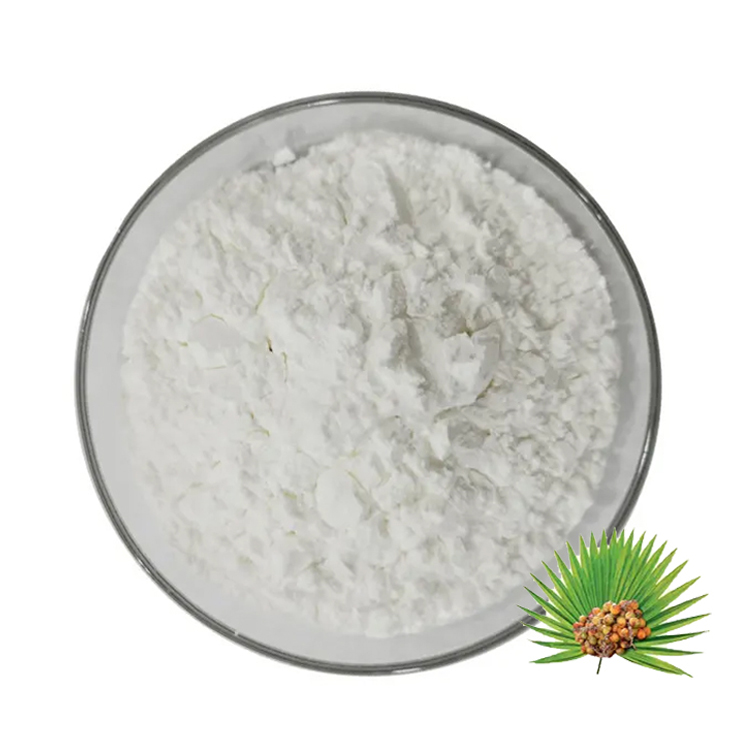
Saw Palmetto Extract Powder 25% 45% 85% Fatty Acids
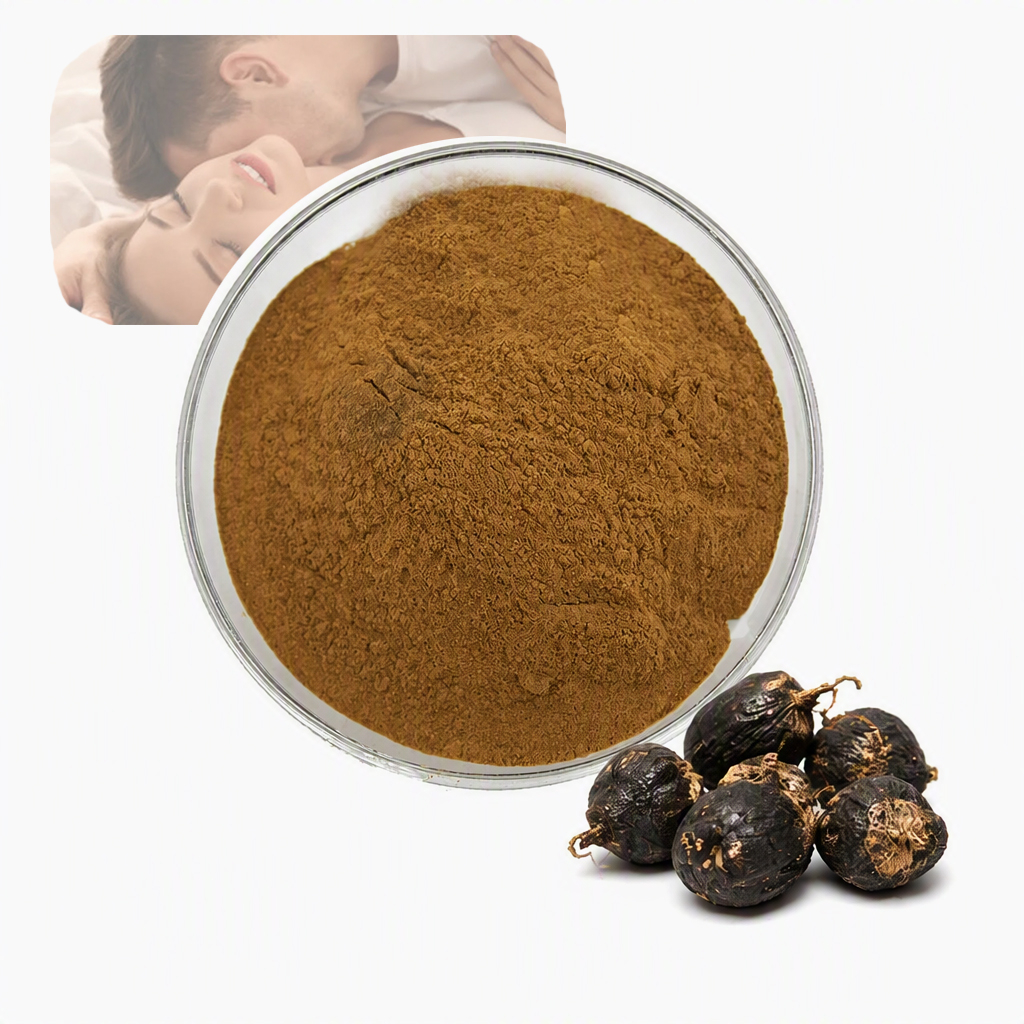
Black Maca Root Extract Powder Capsules | Bulk OEM
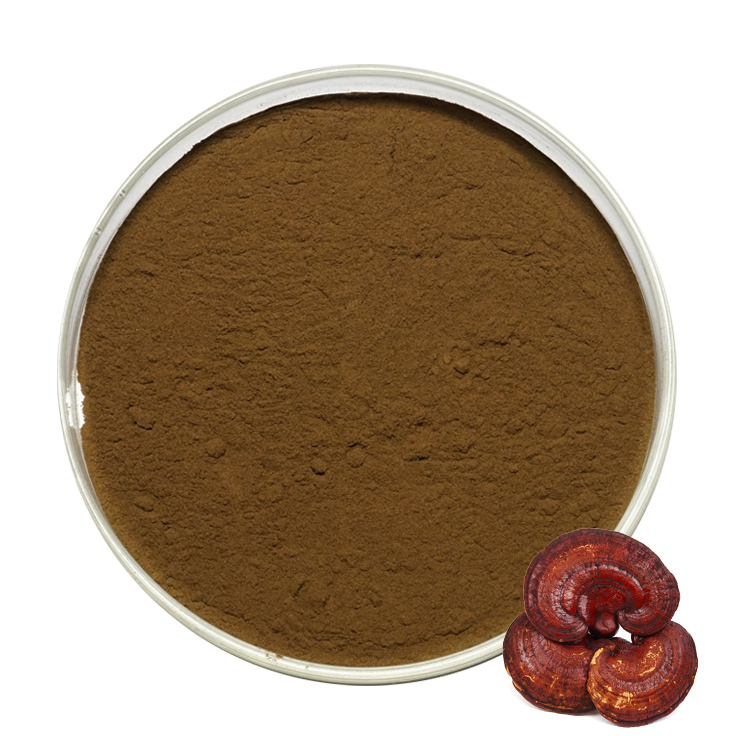
Reishi Mushroom Extract Powder (Ganoderma Lucidum)
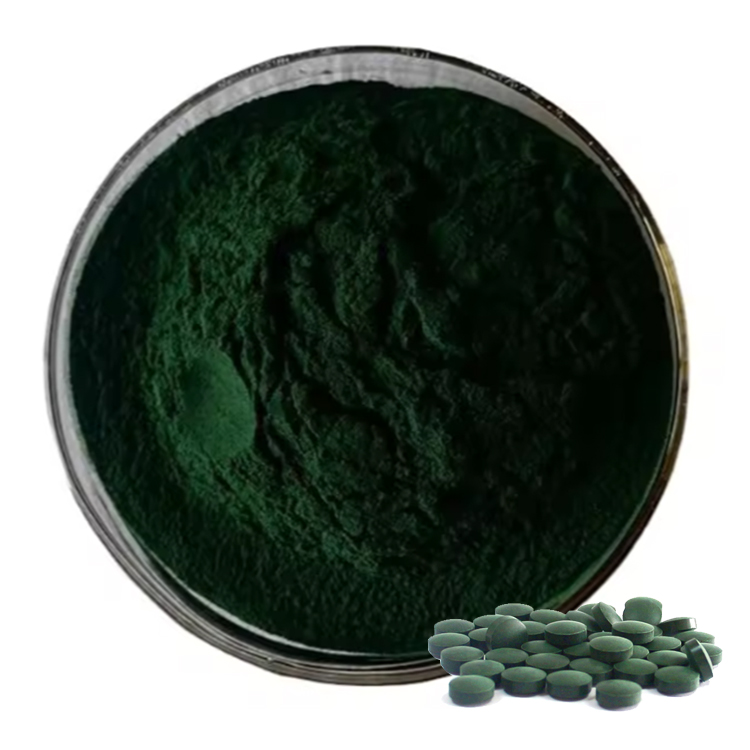
Spirulina Tablets and Powder Food Grade Bulk Supply
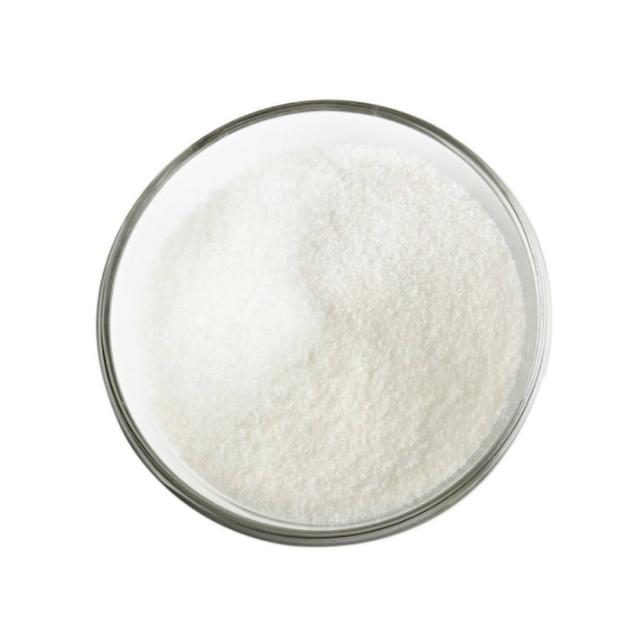
Food Additives Glucose Isomerase Enzyme Powder 25kg
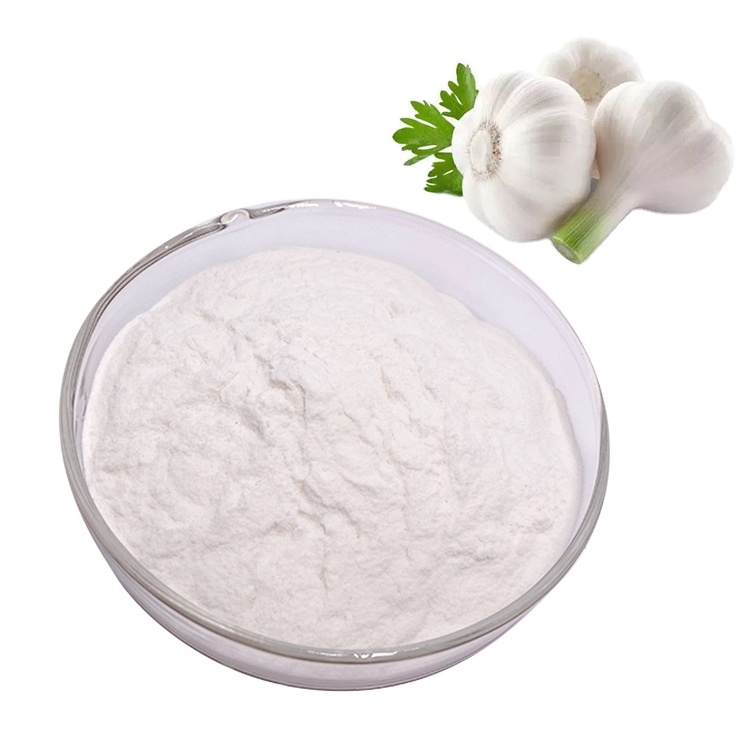
Garlic Extract Powder | 1% 5% Allicin | EP Standard
Marine Fish Collagen Oligopeptide Powder | 100% Pure
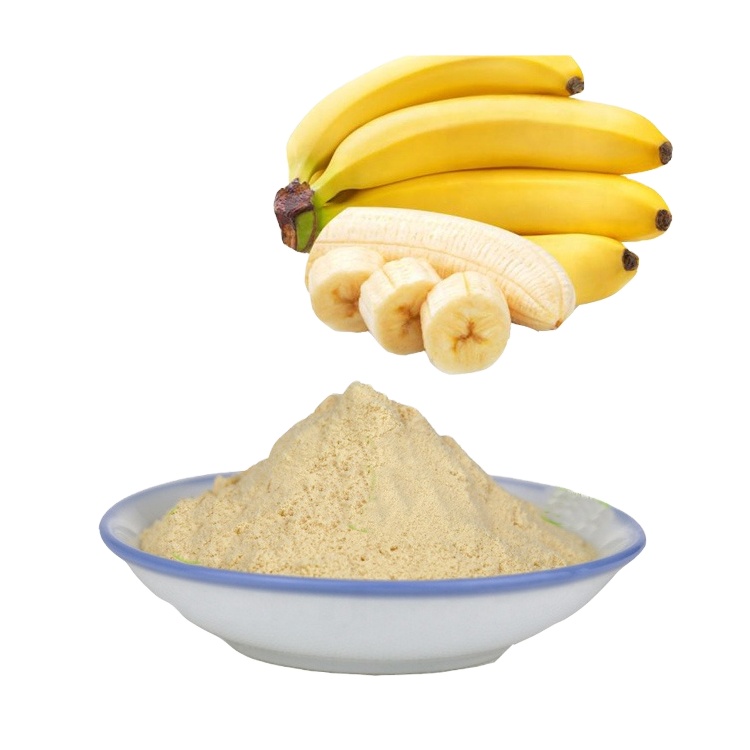
Freeze Dried Fruit Powder Pure Organic Banana Powder
Phytochemical Integrity and Industrial Compliance in CE Certified Peel Extract Manufacturing
In modern industrial phytochemistry, fruit rinds, botanical pericarps, and flavedo/albedo tissues represent some of the nature's densest repositories of secondary plant metabolites. However, commercializing these matrices under European market standards requires manufacturers to navigate stringent physical, chemical, and microbiological thresholds. Sourcing from a CE Certified Peel Extract Manufacturer provides enterprise formulators with the necessary assurance that incoming raw materials have been processed under rigorous Quality Management Systems (QMS), adhering to European Pharmacopoeia (Ph. Eur.) guidelines, US Pharmacopeia (USP) monographs, and strict limits on technical residual solvents, polycyclic aromatic hydrocarbons (PAHs), and ethylene oxide (EtO).
Shaanxi Torzi Biotech Co., Ltd., based in Xi'an within China's botanically affluent Qinling Mountain corridor, operates an integrated 12,447 square meter manufacturing campus dedicated to advancing the extraction, molecular separation, concentration, and crystallization of plant-derived actives. By fusing 23 years of specialized plant processing heritage with advanced chromatographic verification, we bridge the gap between agrarian botanical harvesting and pharmaceutical-grade excipient precision.
Critical Sourcing Criterion: A legitimate European compliance declaration requires full monographic alignment. Peel extract portfolios—ranging from citrus polymethoxylated flavones (naringin, hesperidin, nobiletin, tangeretin) and pomegranate pericarp punicalagins to apple peel triterpenes—must demonstrate documented batch-to-batch chromatographic reproducibility (HPLC-DAD, LC-MS/MS) and non-detectable organochlorine pesticide residues verified at parts-per-billion (ppb) sensitivity.
Botanical peel tissues inherently act as the plant's first environmental line of defense. As a consequence, fruit peels bio-accumulate environmental pesticides, lipophilic agrochemicals, and surface airborne particulates. Generic extraction protocols inevitably concentrate these hazardous compounds alongside desired bioflavonoids. Torzi Biotech circumvents this intrinsic vulnerability through comprehensive upstream agricultural controls, validated countercurrent washing phases, and high-vacuum resin adsorption methodologies that isolate the targeted therapeutic fractions while stripping toxic agrochemical residues to zero-tolerance European thresholds.
Advanced Extraction, Purification & Separation Technology
Our facility integrates multi-tier mechanical, thermodynamic, and physical purification systems designed to safeguard thermolabile polyphenolic rings while securing exceptional active titers.
Adsorption Resin Separation
Equipped with automated macroporous resin adsorption columns (crosslinked polystyrene-divinylbenzene matrices) that selectively isolate low-molecular-weight flavonoids like hesperidin and diosmin while completely eluting inactive sugars and free carbohydrates.
Dual Low-Temp Vacuum Evaporation
Utilizing continuous falling-film evaporators and multi-effect vacuum concentrators running below 48°C. This prevents thermal degradation, caramelization of glycosides, and ring opening of critical anthocyanins and bioflavonoids.
Microencapsulated Spray Drying
Industrial stainless-steel spray-drying towers engineered with co-current atomization nozzles and chilled dehumidification zones. We achieve free-flowing, non-caking 80-120 mesh powders with moisture contents strictly controlled under 5.0%.
Technical Monograph: Bioactive Peel & Botanical Extract Standards
Rigorous baseline release thresholds maintained per production batch at Shaanxi Torzi Biotech Co., Ltd., subjected to HPLC, GC-MS, and Spectrophotometric release checks.
| Active Fraction / Botanical Source | Reference CAS | Monographic Assay Target | Analytical Test Method | Loss on Drying & Ash | Compliance / Quality Standard |
|---|---|---|---|---|---|
| Citrus Aurantium Peel (Synephrine) | 94-07-5 | ≥ 6.0% - 98.0% Synephrine | HPLC-UV (C18 Column) | LOD < 5.0% | Ash < 5.0% | Ph. Eur. / USP |
| Citrus Reticulata Peel (Hesperidin) | 520-26-3 | ≥ 90.0% - 95.0% Hesperidin | HPLC-DAD (Gradient RP) | LOD < 4.0% | Ash < 3.0% | CE Certified QMS |
| Punica Granatum Peel (Punicalagin) | 65995-63-3 | ≥ 20.0% - 40.0% Punicalagins | HPLC Iso-Enzymatic | LOD < 5.0% | Ash < 4.0% | Food Grade CE |
| Malus Domestica Peel (Phloretin/Polyphenols) | 60-82-2 | ≥ 70.0% - 98.0% Phloretin | HPLC (280nm Reference) | LOD < 3.0% | Ash < 1.5% | Cosmetic & Dietary |
| Allium Sativum Bulb (Allicin Precursor) | 539-86-6 | ≥ 1.0% - 5.0% Allicin Potential | HPLC (Low temp pre-column) | LOD < 6.0% | Ash < 4.5% | EP Standard Monograph |
| Serenoa Repens Berry (Fatty Acid Fraction) | 84604-15-9 | ≥ 25.0% - 85.0% Total Lipids | GC-FID (Capillary Column) | LOD < 3.0% | Unsaponifiable < 3.5% | USP Release Standard |
Future Procurement Trends in European & International Botanical Peel Markets (2025–2030)
The global industrial market for botanical peel derivatives is undergoing an evolutionary paradigm shift, transitioned away from simple unstandardized fruit byproduct powders toward highly refined, molecularly mapped bio-actives. Formulators, procurement directors, and contract development and manufacturing organizations (CDMOs) face changing technical conditions dictated by evolving consumer awareness and heightened regulatory enforcement. Sourcing teams must prioritize several distinct structural trends when vetting manufacturers over the next decade:
1. Circular Bioeconomy & Upcycling Mandates
Major European FMCG conglomerates are codifying mandatory corporate governance rules prioritizing upcycled food inputs. Peel extract manufacturers that establish closed-loop valorization systems—transforming agro-industrial citrus and fruit rinds into high-value active pharmaceutical and nutraceutical ingredients (APIs/ANIs)—will dominate international contract allocations.
2. Green Chemistry: Zero Class 1 & 2 Solvents
The era of utilizing toxic chlorinated extraction hydrocarbons or high-residue solvents is definitively terminating under EU REACH directives. Market demand has pivoted toward subcritical and supercritical carbon dioxide (scCO2) technologies, enzymatic water decoction, and food-grade bio-ethanol systems with residual organic volatile impurities strictly below 50ppm.
3. Traceability via DNA Barcoding & HPLC Profiling
Economic adulteration in the botanical supply chain—such as diluting expensive citrus aurantium with synthetic compounds or lower-grade hesperetin isolates—is now aggressively screened by buyers using next-generation Sanger genomic sequencing, PCR-based DNA barcoding, and exact isotope-ratio mass spectrometry (IRMS).
Eight-Stage Quality Control & Production Topology
Every kilogram exiting our facility adheres to an unbroken chain of custody, validated through in-process controls (IPC) at every chemical and physical transition.
Incoming peels and raw botanical biomass are inspected, organoleptically screened, and quarantined for initial heavy metal and identity testing.
Biomass undergoes precision solvent decoction or supercritical carbon dioxide flow at controlled pressures and stabilized temperatures.
Disc stack centrifuges and industrial membrane micro-filters clarify crude eluates, stripping suspended insoluble starches and particulate matter.
Eluates pass through specialized chromatographic resin beds, selectively binding bioflavonoid monomers while eluting salts and mono-sugars.
Active liquors are concentrated into dense syrups at low boiling points under high vacuum, avoiding destructive thermal exposure.
High-pressure spray nozzles atomize liquid concentrates into sterile heated air columns within our Class D cleanroom environment.
Bulk dry powders are blended through tumbling three-dimensional mixers with magnetic grates and inline metal detection (>0.8mm ferrous/non-ferrous).
Sealed in double-layered pharmaceutical polyethylene inner liners within food-grade tamper-evident fiber drums containing active desiccants.
Why Global Procurement Directs Rely on Torzi Biotech
Shaanxi Torzi Biotech Co., Ltd. is not a broker, trader, or third-party repackager. We are a direct primary extraction manufacturer holding verified facilities in Xi'an, Shaanxi, China. Enterprise buyers working directly with our plant benefit from several undeniable structural advantages:
In-House Analytical Laboratory
Our on-site testing suites deploy High-Performance Liquid Chromatography (HPLC), Gas Chromatography (GC), Atomic Absorption Spectrophotometry (AAS), and Atomic Fluorescence Spectrometry (AFS). We test and release every batch internally prior to third-party validation (Eurofins, SGS).
Full Customization & Private Label
We supply raw bulk powders from 1kg pilot trial lots up to 10-metric-ton contractual campaigns, but also offer full OEM/ODM down-stream packaging: hard-shell gelatin or vegetarian capsules, micro-tablets, stick sachets, and customized branded jars.
Export Documentation Suite
Every commercial shipment is accompanied by a comprehensive regulatory dossier: Batch Certificate of Analysis (COA), Technical Data Sheet (TDS), Safety Data Sheet (SDS/MSDS), Allergen Declaration, Non-GMO Statement, and Certificate of Origin (CO).
Frequently Asked Questions for Sourcing Directors & Quality Auditors
Direct technical answers addressing regulatory clearance, minimum order volumes, analytical methodologies, and customized delivery parameters.