Precision Bio-Actives & Functional Nutritional Ingredients
Every commercial batch conforms to rigorous chromatography-verified assay tolerances, low heavy metal parameters, and stringent solvent residue thresholds.
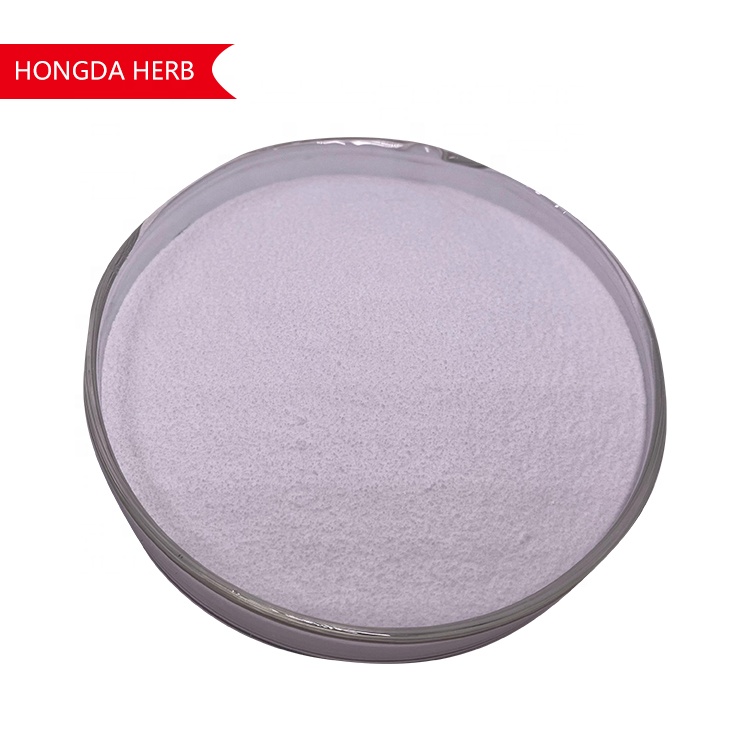
Marine Fish Collagen Oligopeptide Powder | 100% Pure | Bulk Supply
- Source: Wild Deep-Sea Tilapia/Cod
- Protein Content: ≥90% by Kjeldahl
- Instantly soluble without sedimentation
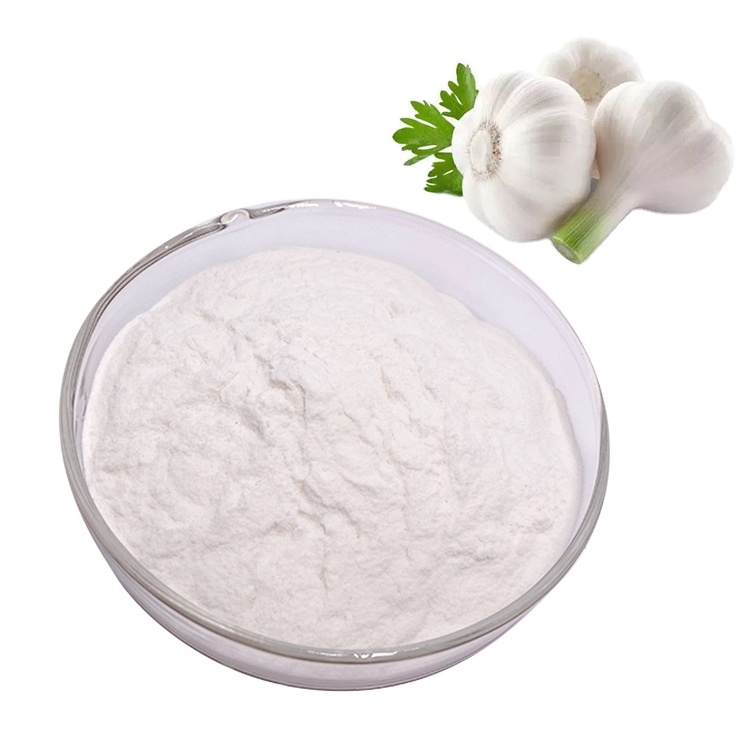
Garlic Extract Powder | 1% 5% Allicin | EP Standard
- Active: 1% – 5% Allicin (HPLC)
- Low Odor Deodorized Variant Available
- Full EP Heavy Metal Screen
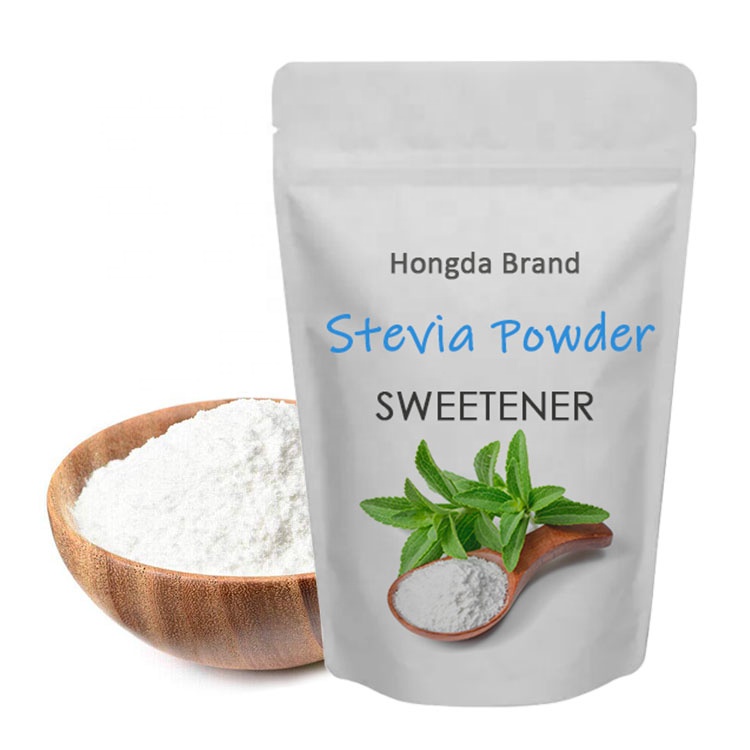
Stevia Extract Powder | 98% Steviol Glycosides | Zero Calorie Sweetener
- Spec: Reb-A 60%–99%, Total Glycosides 98%
- Debittered Clean Sensory Profile
- JECFA / EFSA Food Compliant
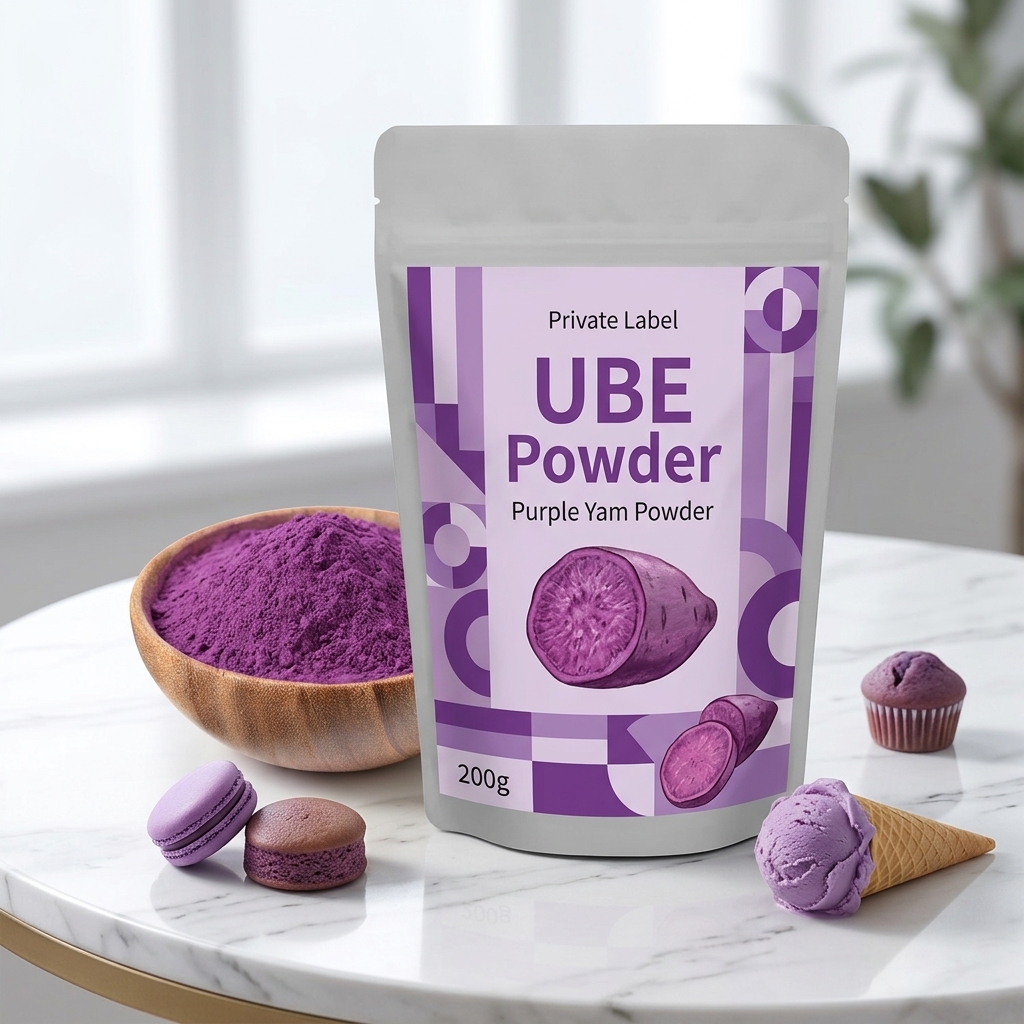
Organic Purple Yam UBE Powder | Premium Grade | Wholesale Bulk
- High Anthocyanin Retentive Milling
- Mesh Size: 80–120 Ultrafine Mesh
- Zero Synthetic Dyes or Carriers
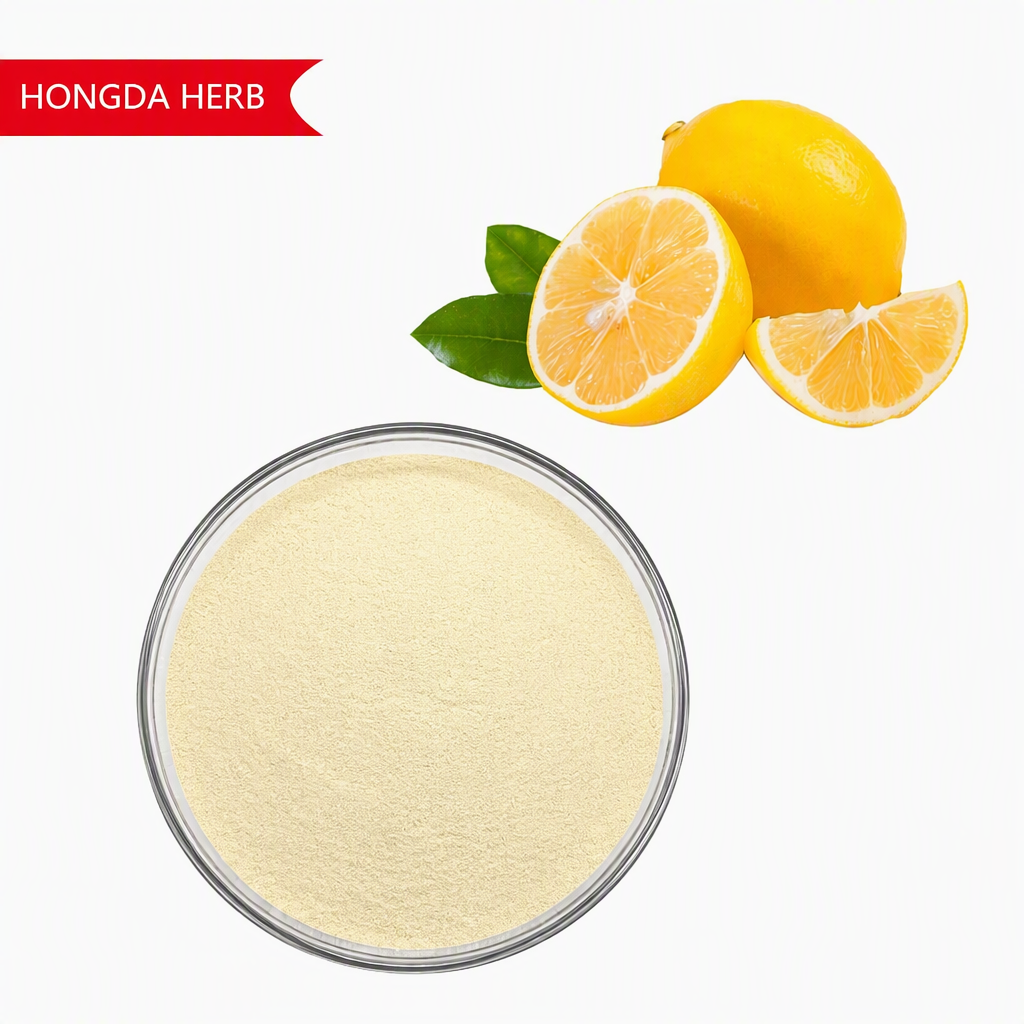
Natural Factory Supply Watersoluble Lemon Juice Powder Lemon Extract Acidity
- Standardized Citric Acid & Bioflavonoids
- Clarified Cold-Water Instant Dissolution
- Preservative-Free Dehydration
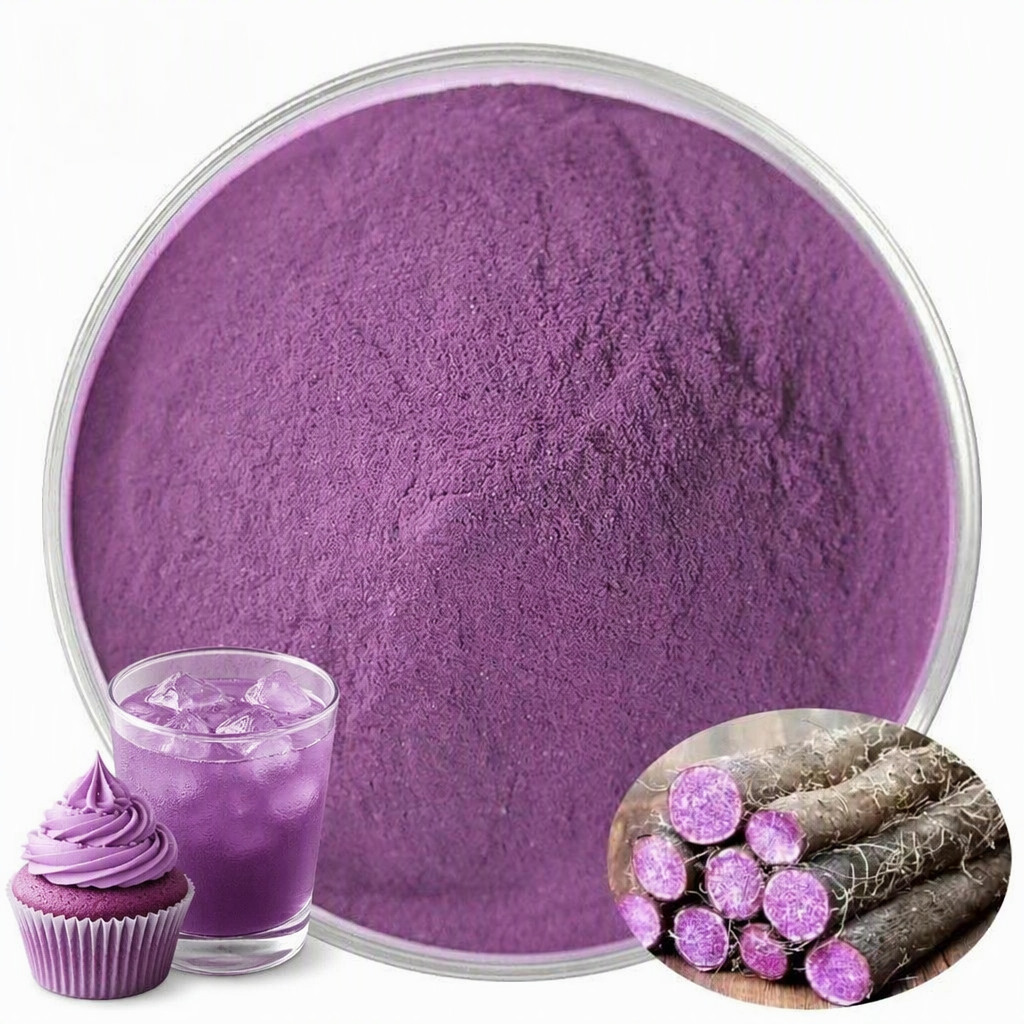
Organic Ube Powder Philippines | Purple Yam Powder | OEM Service
- Custom Blending & Retail Packaging
- USDA Organic & Halal Certified Lots
- Heat-Stable Pigmentation for Bakeries
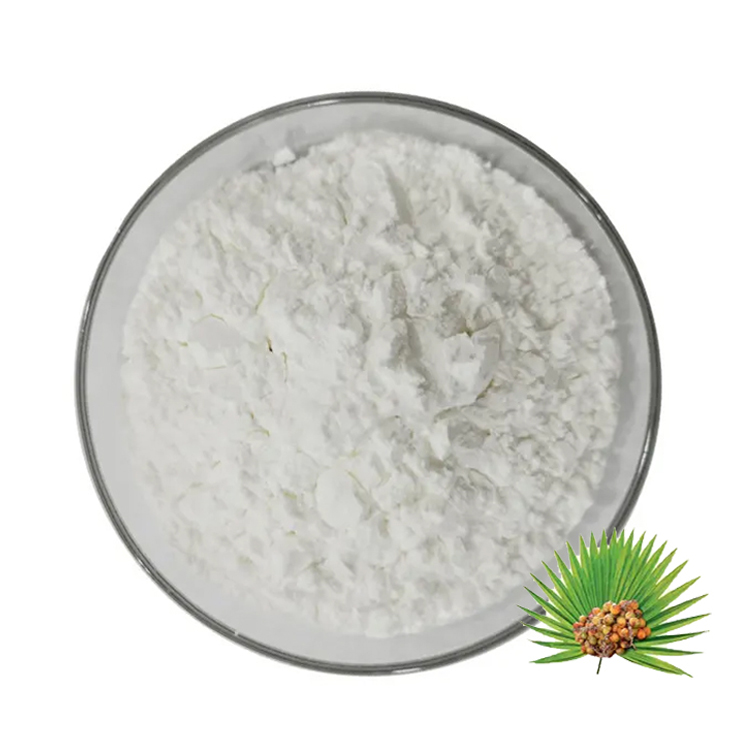
Supplement Ingredient Saw Palmetto Extract Powder 25% 45% 85% Fatty Acids Saw Palmetto Extract Powder
- 25% / 45% Microencapsulated Powder
- 85% Supercritical CO2 Lipid Extract Oil
- β-Sitosterol & Total Sterols Profiled
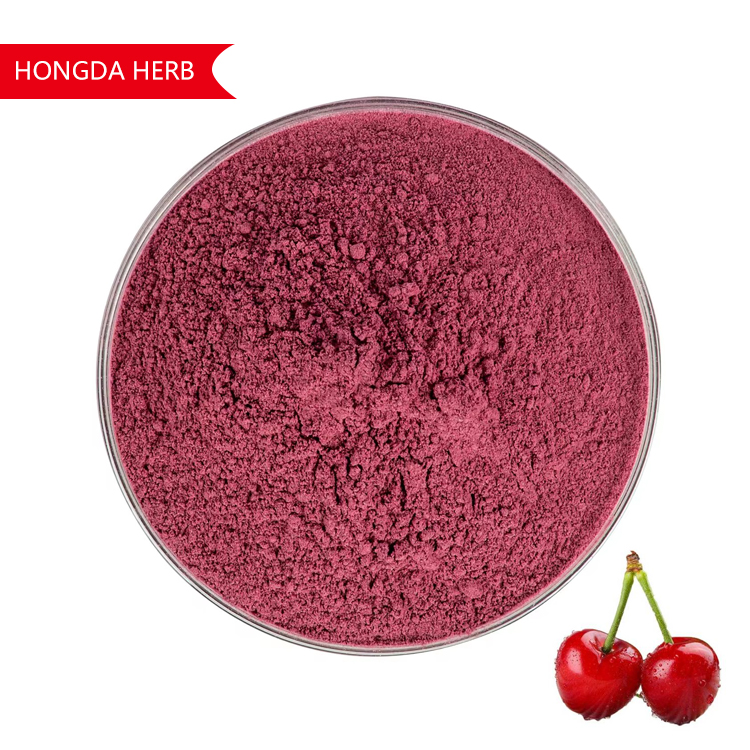
Food Supplement Acerola Cherry Extract Powder VC 17% 25% Acerola Cherry Powder
- Assay: 17% – 25% L-Ascorbic Acid (HPLC)
- 100% Fruit Derived / Clean Label
- Excellent Thermal & Acidic Stability
Precision Engineering Meets Pharmacopoeial Quality Control
Operating from Xi'an within the core ecological harvesting corridor of China's Qinling Mountains, Shaanxi Torzi Biotech consolidates botanical extraction, high-vacuum concentration, chromatography purification, and sterile cleanroom encapsulation within a unified, accountable manufacturing system.
Continuous In-Line Production & Quality Audit Workflow
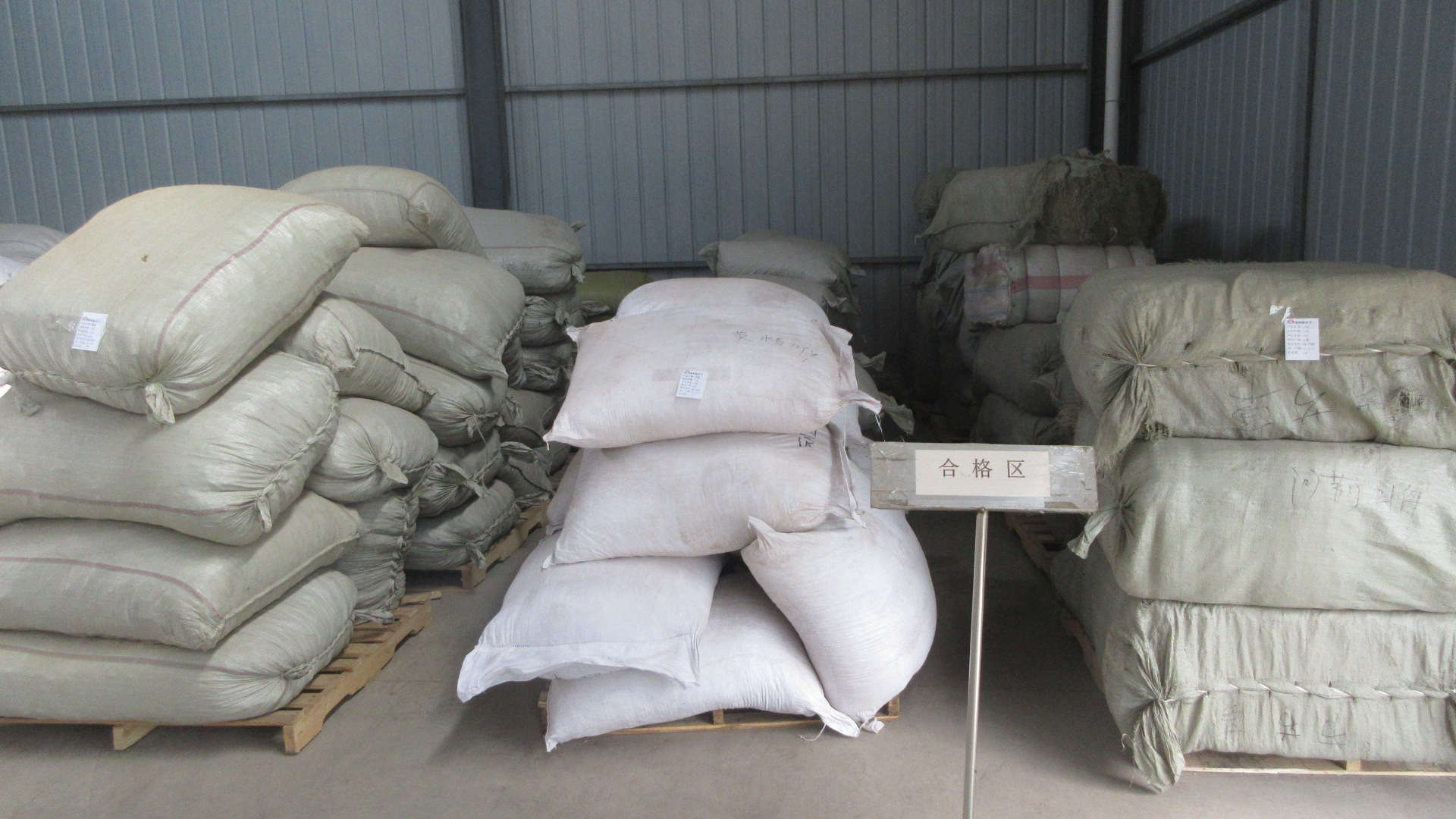
TLC/HPLC botanical identification, moisture profiling, and screen for foreign botanical matter.
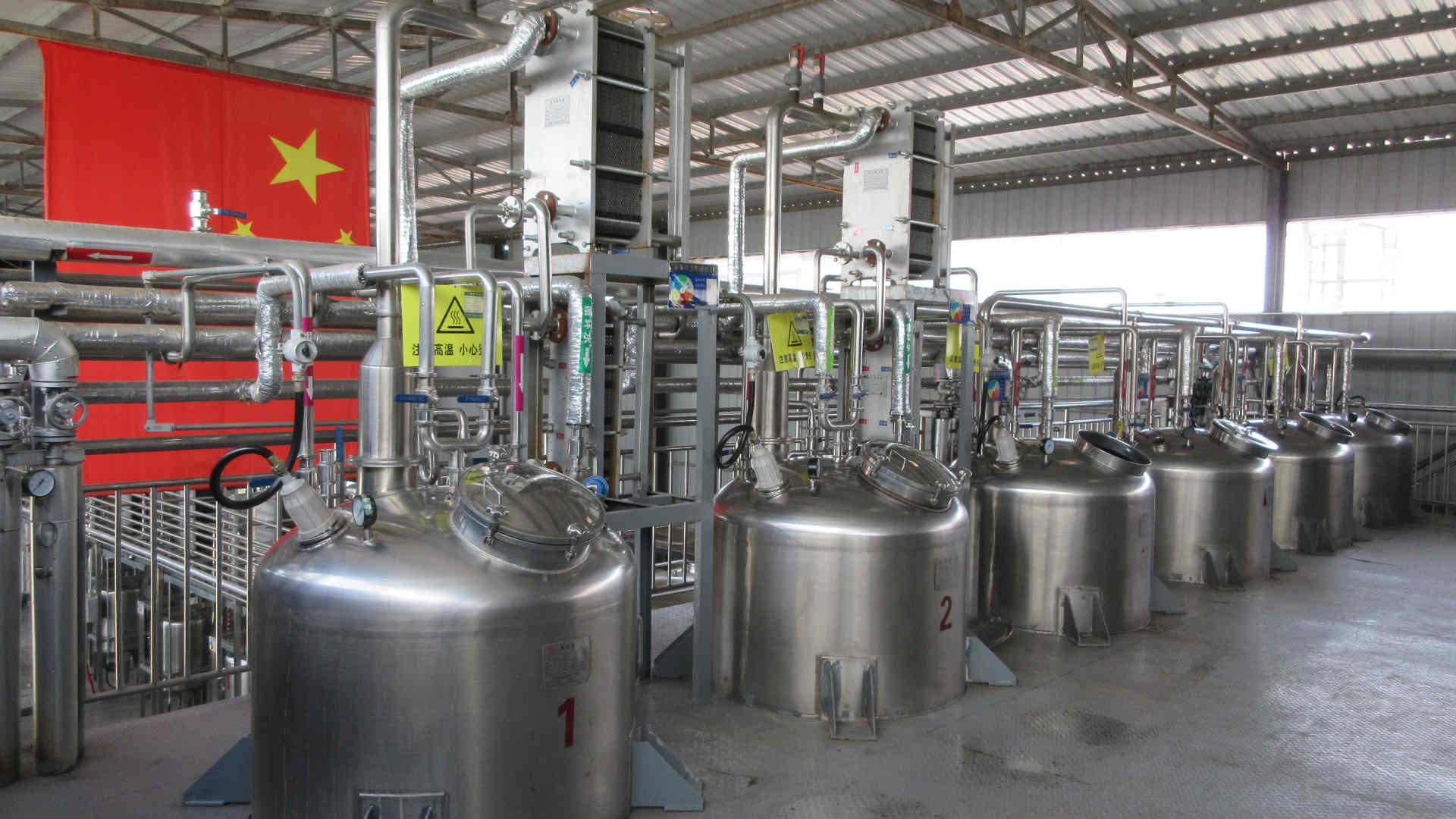
Multi-stage temperature-regulated aqueous/ethanolic solid-liquid continuous extraction batteries.
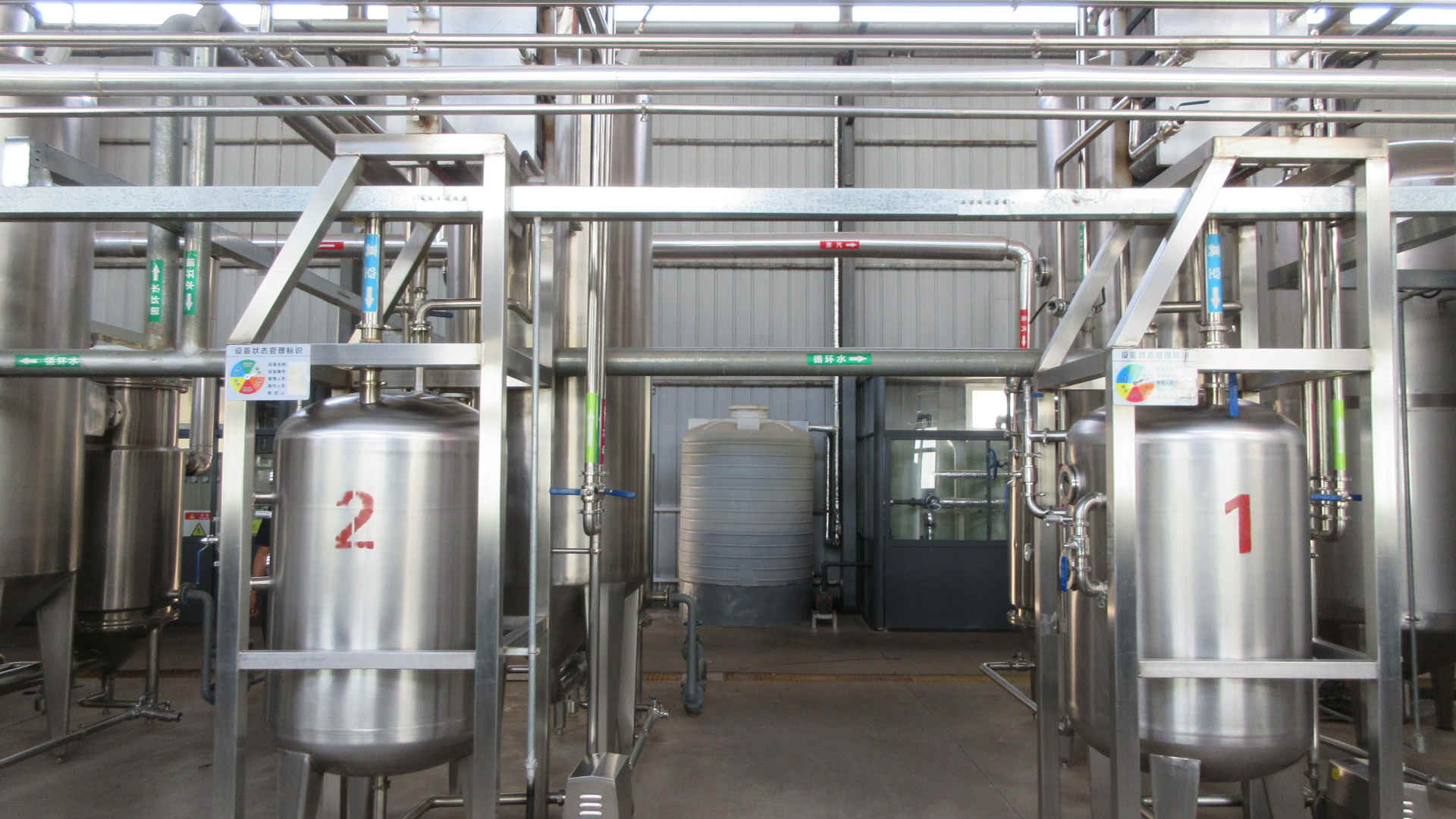
Low-temperature falling film evaporators designed to protect heat-sensitive active constituents.
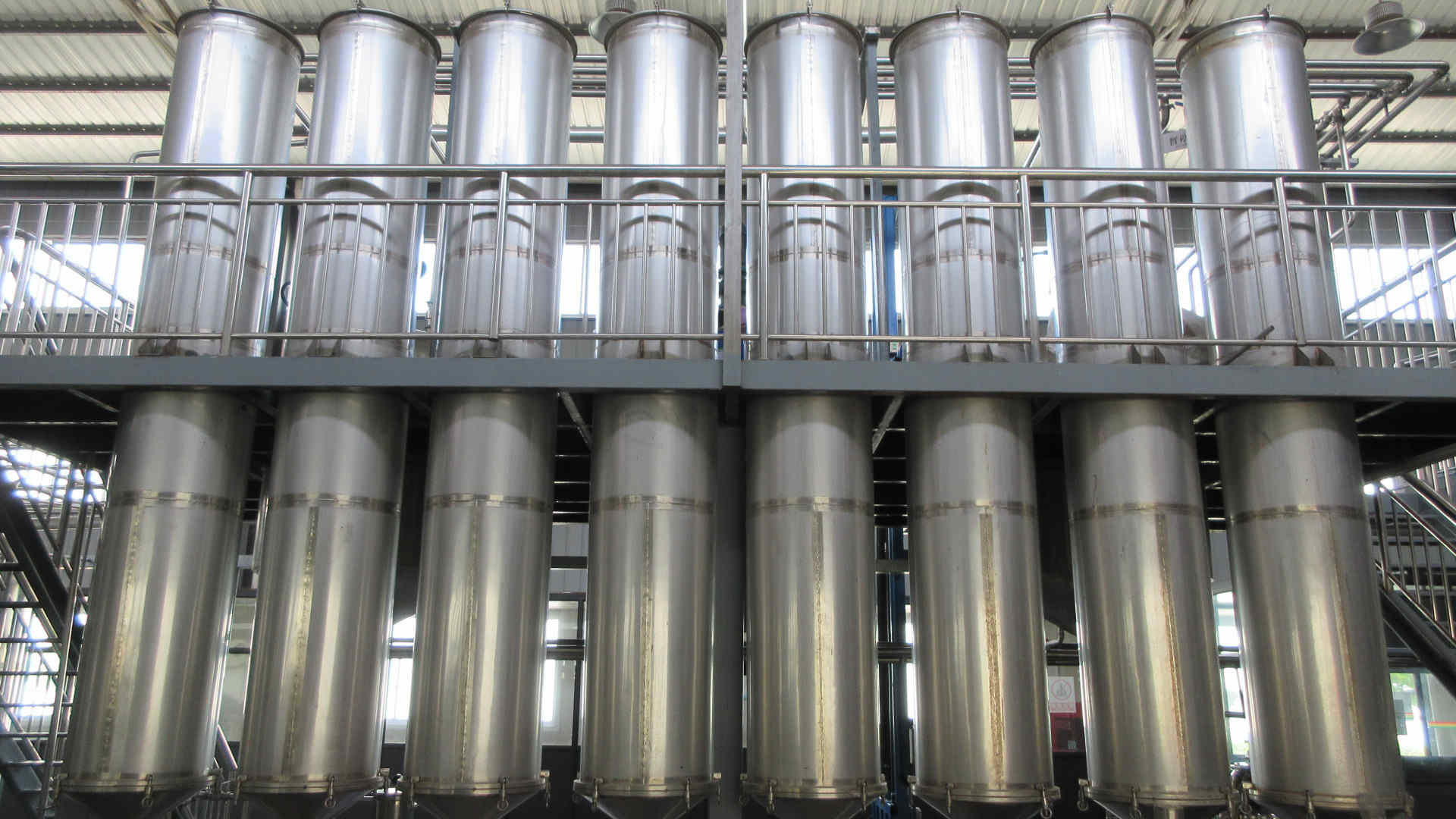
Macroporous adsorption resins isolate high-potency fractions while purging unwanted tannins.
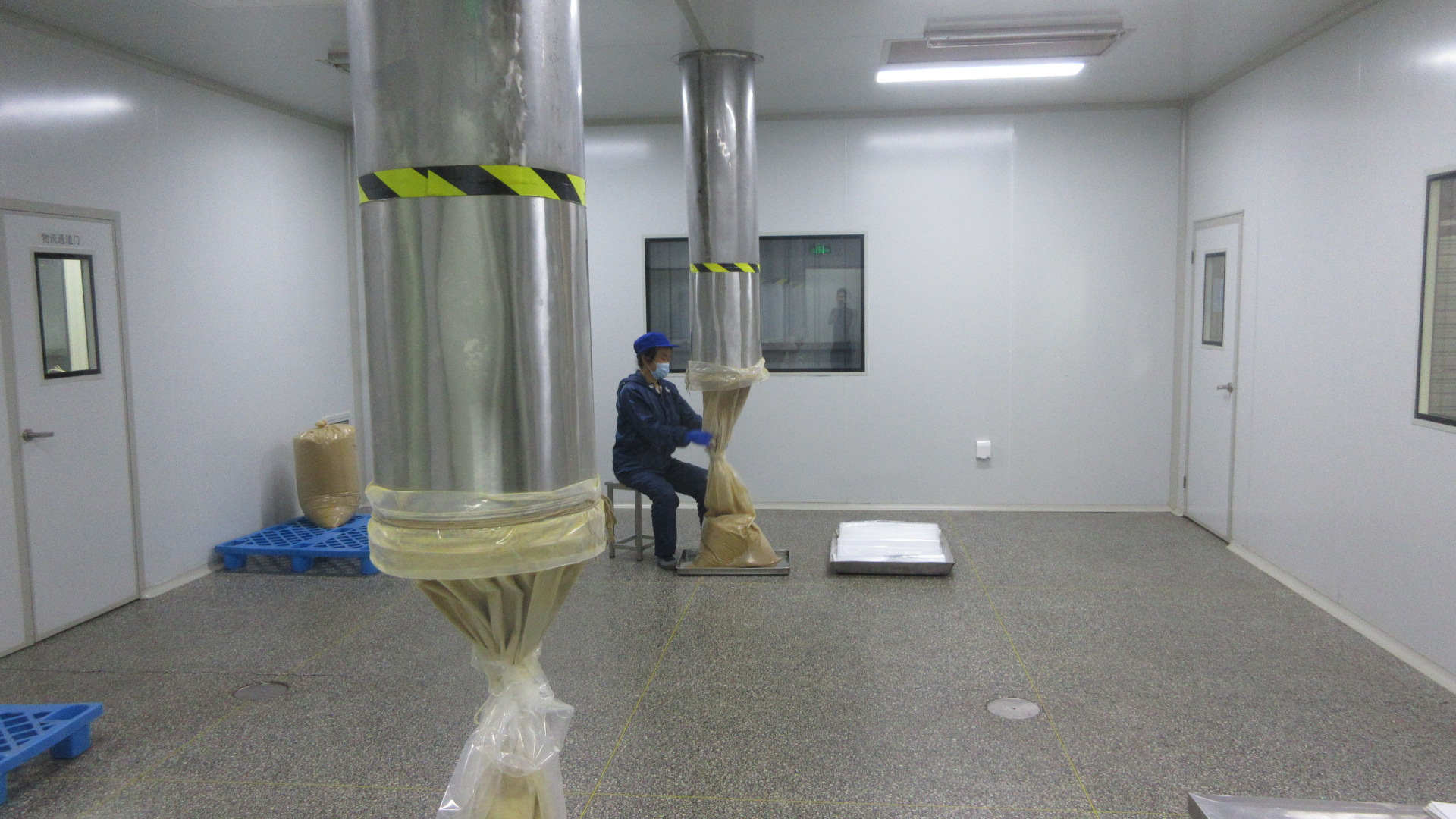
High-velocity centrifugal atomizers rapidly convert aqueous condensates into free-flowing powders.
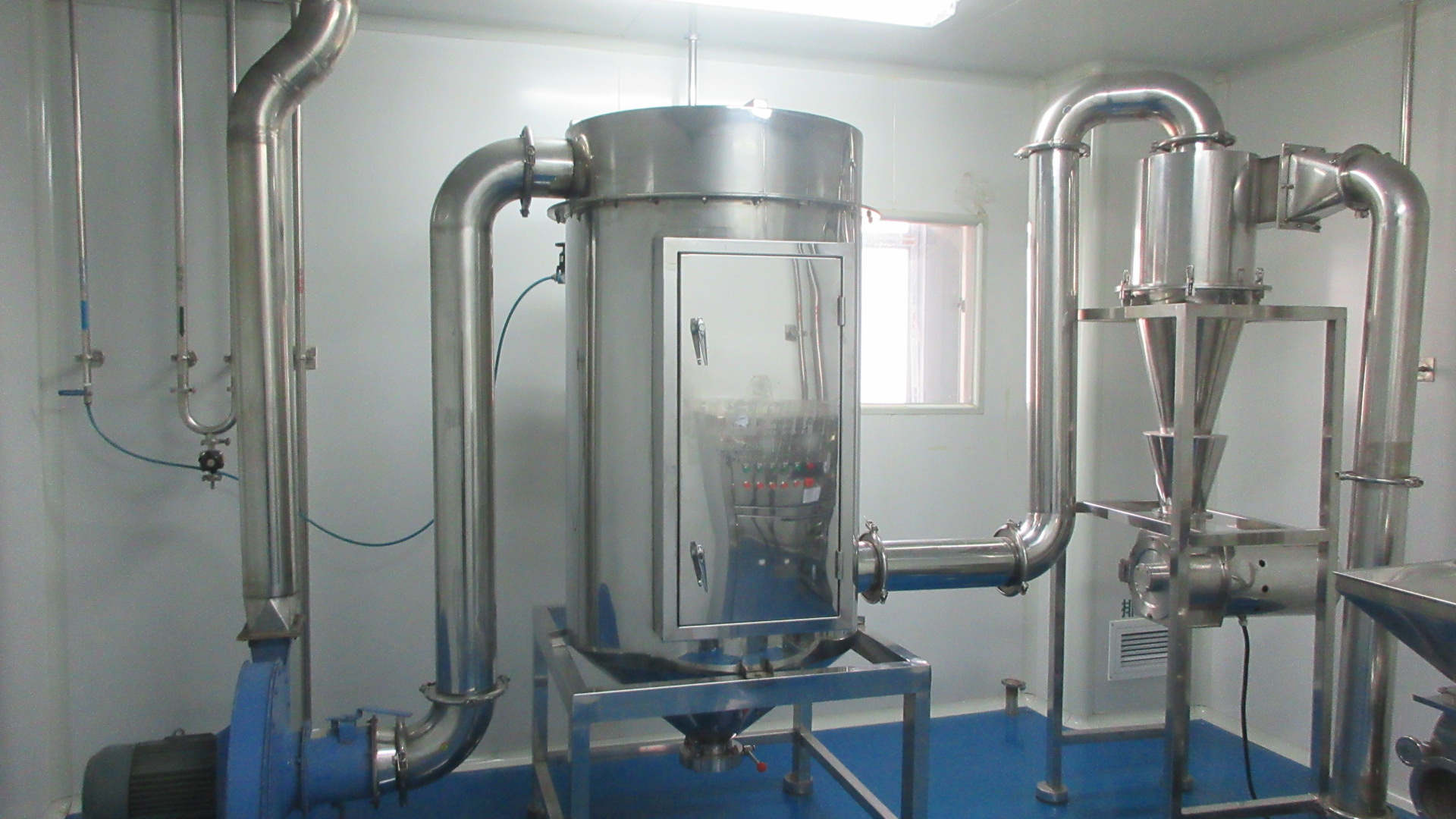
Classified milling guaranteeing uniform particle size distributions from 80 to 200 mesh.
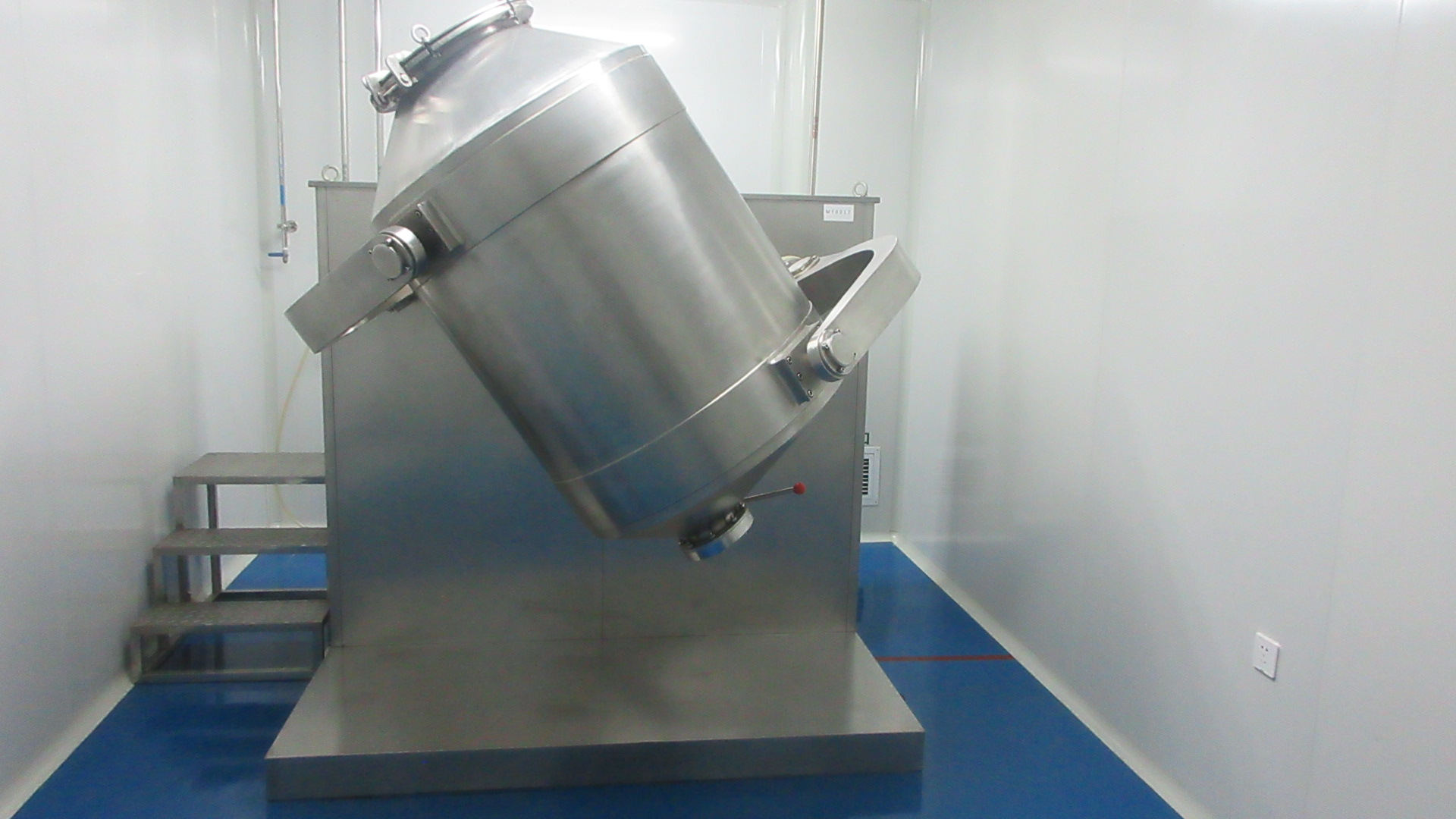
Twin-cone and 3D rotary blenders guarantee inter-batch homogeneity of active chemical markers.
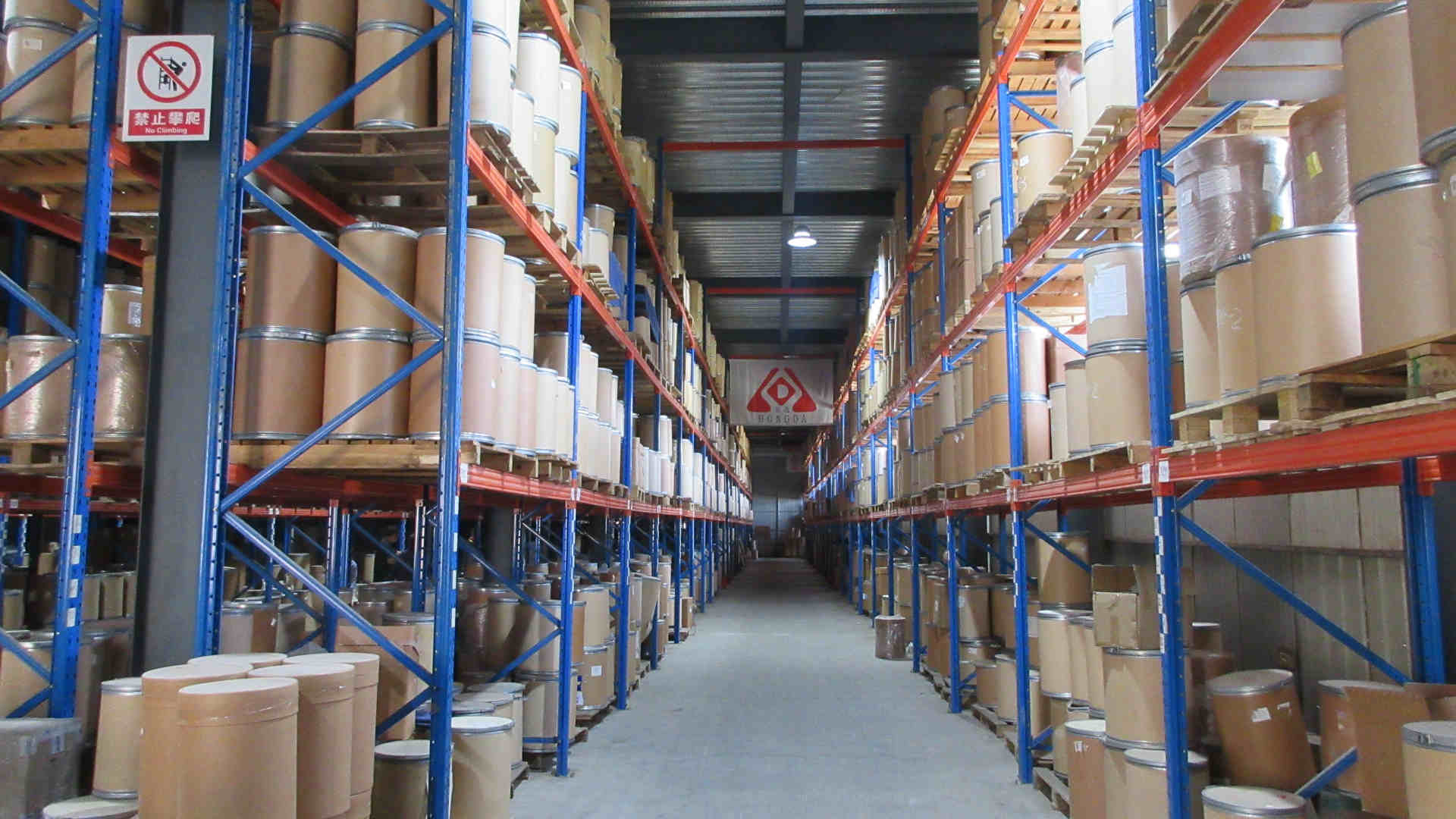
D-class cleanrooms, in-line magnetic separation, metal detection, and nitrogen purging seals.
 USDA NOP Organic
 Halal Certified
 Kosher Inspected
What "CE Certified" & European Compliance Signifies in Botanical Extraction
In B2B botanical ingredient procurement, navigating international standards requires understanding what regulatory seals truly guarantee. While European Directives regulate extraction machinery safety and food contact materials (EC 1935/2004), the quality of dietary botanical extracts hinges on complete compliance with European Pharmacopoeia (EP) monographs and EFSA contaminant guidelines.
Residual Solvents (EP 5.4 / ICH Q3C)
We completely ban toxic Class 1 industrial solvents (benzene, carbon tetrachloride). Class 2 extraction solvents like methanol or dichloromethane are systematically replaced or stripped beneath European Pharmacopoeia limits (< 50 ppm). We prioritize environmentally benign ethanol-water extraction protocols.
ETO (Ethylene Oxide) Zero-Tolerance
European Regulation (EU) 2015/868 establishes rigid enforcement against ethylene oxide sterilization in raw botanicals. Our facility utilizes sterile cleanrooms, validated heat-treatment pathways, and continuous micro-filtration, guaranteeing ETO & 2-chloroethanol levels < 0.01 mg/kg across all shipments.
PAHs & Heavy Metals (Reg. EU 2023/915)
Direct fire-drying introduces carcinogenic Polycyclic Aromatic Hydrocarbons (Benzo[a]pyrene). Our indirect steam-drying and clean-electricity drying towers limit total PAHs to < 10 μg/kg. Lead (<3.0 mg/kg), Cadmium (<1.0 mg/kg), and Arsenic (<1.0 mg/kg) are verified via Atomic Absorption Spectrophotometry.
Pharmacopoeial Analytical Validation Standards (Torzi Biotech QA Matrix)
| Analytical Parameter | Official Reference Method | European Regulatory Limit (EC/EP) | Torzi Biotech Release Standard | Compliance Status |
|---|---|---|---|---|
| Allicin Assay (Garlic Extract) | HPLC-UV / Reverse Phase C18 | EP Monograph 1215: ≥0.45% | 1.0% – 5.2% Allicin (HPLC) | Exceeds EP |
| Fatty Acids Profile (Saw Palmetto) | GC-FID (Capillary Column) | USP / EP 1848: Lauric ≥40% | 25%, 45%, 85% Total Fatty Acids | Pass EP Spec |
| Lead (Pb) Contamination | AAS (Atomic Absorption Graphite) | Reg (EU) 2023/915: ≤ 3.0 mg/kg | ≤ 0.5 mg/kg (Lot Verified) | Pharmacopoeia |
| Cadmium (Cd) | ICP-MS / AAS | Reg (EU) 2023/915: ≤ 1.0 mg/kg | ≤ 0.1 mg/kg | Ultra-Low |
| Pesticide Multi-Residue Screen | LC-MS/MS & GC-MS/MS | EP 2.8.13 (70+ Compound Screen) | ND (Non-Detected < 0.01 ppm) | Clean Screen |
| Total Polycyclic Aromatics (PAH4) | GC-MS / HPLC-Fluorescence | Reg (EU) 2023/915: ≤ 50 μg/kg | ≤ 10 μg/kg (Indirect Heat) | EU Compliant |
| Ethylene Oxide (ETO Residue) | GC-MS Headspace Analysis | Reg (EU) 2015/868: ≤ 0.01 mg/kg | ND (< 0.01 mg/kg LOD) | Certified Zero |
Macro Sourcing Trends Reshaping the Botanical Extract Marketplace
Procurement directors and chief scientific officers are shifting from transactional spot-market purchasing toward structurally audited, transparent partnerships. Here is how modern regulatory and consumer forces will govern plant extract procurement over the coming five years.
1. DNA Barcoding Against Botanical Adulteration
Traditional UV-Vis spectrophotometry is no longer sufficient. Supply chains face economic adulteration, such as substituting synthetic vitamin C into natural acerola cherry extracts, or grain-grown mycelial starch into wild mushroom formulas. Buyers now mandate HPLC chromatographic finger-printing and DNA barcoding to authenticate taxonomic source material before signing annual supply agreements.
2. Supercritical Fluid & Subcritical Water Solvation
Driven by the European Green Deal and tightening corporate ESG targets, petrochemical solvent extraction is losing ground. Factories utilizing Supercritical CO₂ extraction (for lipid-rich actives like Saw Palmetto) and subcritical water extraction eliminate VOC emissions, avoid petrochemical residues, and produce cleaner, higher-potency active compounds that streamline European border clearances.
3. Transition to Bio-Engineered & Natural Pigments
Regulatory scrutiny over synthetic food dyes (such as Red #40 and Titanium Dioxide) has catalyzed demand for high-stability, phytonutrient-dense whole food colorants. Ingredients like Organic Purple Yam (Ube) Powder deliver dual utility: brilliant violet coloration paired with naturally stabilizing anthocyanin antioxidants, satisfying clean-label formulation requirements.
4. Enzymatic Bio-Cleavage of Peptides
In the functional protein market, traditional native proteins are being supplanted by bio-cleaved oligopeptides. In ingredients like our Marine Fish Collagen, precision enzymatic hydrolysis targets molecular weights < 1,000 Daltons. This ensures instantaneous gastrointestinal absorption, complete cold-water solubility, and elimination of the bitter fishy profile common in legacy hydrolysates.
5. Direct Farm-to-Reactor Traceability
Procurement teams increasingly avoid unverified middlemen. Partnering with a vertically consolidated manufacturer in Shaanxi gives international brands direct insight into wild collection areas, contracted farming cooperatives, pesticide management protocols, and initial drying standards. This close oversight minimizes lot-to-lot variability in active constituent yields.
6. Long-Term Hedging Against Climate Shocks
Extreme climate occurrences across agricultural belts cause price shocks and supply shortages. Sophisticated buyers are executing 12-to-24-month rolling capacity reservations with verified factories. Torzi Biotech provides contractual price-stabilization programs backed by large buffer reserves in our 12,447 m² climate-controlled warehousing facilities.
Formulation Decision Matrix: Raw Powders vs. Standardized Extracts
Selecting an unsuitable botanical grade frequently causes failed active ingredient claims, solubility breakdown, or compliance rejections at customs. Review our technical selection matrix before choosing your final raw material specification.
| Ingredient Format | Processing Intensity | Standardized Marker | Dissolution Dynamic | Ideal Formulation Application |
|---|---|---|---|---|
| Whole Botanical Dehydrated Powder (e.g., Ube Powder) | Washing, slice drying, air-jet milling (80–120 mesh) | Native nutritional matrix, native anthocyanins, dietary fibers | Insoluble / Dispersible suspension | Functional food bars, baking formulations, whole-food smoothie premixes. |
| Aqueous Ratio Extracts (e.g., 10:1 / 20:1 Extracts) | Countercurrent hot-water extraction, low-vacuum evaporation | Non-specific total soluble solids; standardized weight reduction ratio | Freely soluble in warm and cold water | Instant RTD beverage powders, effervescent tablets, gummies, and liquid elixirs. |
| Phytochemical Standardized Extracts (e.g., Garlic Allicin, Saw Palmetto) | Ethanolic/Supercritical extraction, macroporous resin adsorption | Specific target molecules (e.g., ≥5% Allicin, ≥45% Fatty Acids) | Format dependent (Oil, Microencapsulated Beadlets) | Therapeutic clinical dosages, two-piece hard gelatin/HPMC capsules, softgels. |
| Bio-Enzymatic Cleaved Isolates (e.g., Marine Oligopeptide) | Enzymatic digestion, ultrafiltration separation, freeze/spray drying | Controlled molecular weight fractions (<1000 Da peptides) | 100% crystal-clear dissolution | High-end nutricosmetic serums, anti-aging collagen sachets, sports recovery drinks. |
Essential Technical Clarifications for Procurement Directors
Direct answers addressing laboratory testing methodologies, European Union compliance requirements, batch minimums, and shipping documentation.
We employ validated chromatographic methodologies (HPLC with photodiode array detection, GC-FID, and GC-MS) rather than non-specific UV spectrophotometric assays. For instance, in our Saw Palmetto extract, we quantify individual free fatty acid peaks (lauric, myristic, palmitic, oleic) to verify genuine lipid distribution according to USP/EP monographs, preventing adulteration with cheap palm oil.
Yes. Every export lot is accompanied by our verified in-house Certificate of Analysis (COA). Upon buyer request, we cross-validate batch samples through accredited third-party laboratories such as Eurofins, SGS, or NSF International. We routinely verify pesticide multi-residue panels (EP 2.8.13), polycyclic aromatic hydrocarbons (PAH4), ethylene oxide (ETO), and heavy metals.
To support R&D pilots and pre-commercial stability trials, our baseline MOQ for catalog botanical extracts starts at just 1 kg to 5 kg, sealed in aluminum foil barrier bags. For commercial production orders, standardized extracts are packed in 25 kg fiber drums with double food-grade polyethylene interior liners. Custom OEM capsule runs begin at 50,000 units.
Heat-labile and hygroscopic ingredients (such as high-potency allicin garlic powder, marine oligopeptides, and natural fruit juice extracts) are dried using low-temperature micro-atomization, blended with microcrystalline silica where specified, and hermetically sealed with industrial desiccants. Temperature-sensitive items can be nitrogen-flushed or transported via cold-chain air freight.
We operate dedicated, audited organic extraction lines that comply with USDA NOP and European Union Organic Regulation (EU) 2018/848. Selected products, such as our Organic Purple Yam (Ube) and Acerola Cherry, are grown without synthetic fertilizers or chemical pesticides, and processed using purely mechanical and aqueous methods to qualify for 100% clean-label consumer claims.
Standard stocked catalog compounds (such as Stevia 98%, Taurine 99%, and Saw Palmetto 45%) ship within 3 to 5 business days from our Xi'an central distribution center. Custom extraction ratios, specific particle micronization profiles (e.g., 200 mesh), or private-label contract blending typically require 12 to 18 business days from final specification confirmation to dispatch.
Initiate Your Phytochemical Qualification Audit
Partner directly with an SGS-verified manufacturer. Request our comprehensive technical dossier, batch-specific Certificates of Analysis, and evaluate high-purity laboratory pilot samples within 48 hours.
Get Catalog