Top China Saponin Extract Manufacturers & Suppliers in the Kyoto Market

An authoritative industrial whitepaper on standardized triterpenoid and steroidal saponin isolates, precision cleanroom extraction, analytical batch fingerprinting, and high-efficiency B2B supply lines for Kyoto's botanical manufacturing sector.

23+
Years in Botanical Extraction
Qinling Belt Ecological Origin
12,447m²
Inspected Floor Space
SGS On-Site Audited Cleanrooms
≥95%
Assay Purity Standard
HPLC, UV & AAS Lot Documentation
50+
Destination Countries
Seamless Kansai Logistics Port Access
Standardized Chemical Actives

Featured Botanical Extracts & High-Titer Bioactive Ingredients

Every manufactured production batch is paired with high-performance liquid chromatography (HPLC) testing, complete Certificates of Analysis (COA), and documented trace origin to meet the Japanese Pharmacopoeia (JP) and Kyoto botanical procurement regulations.

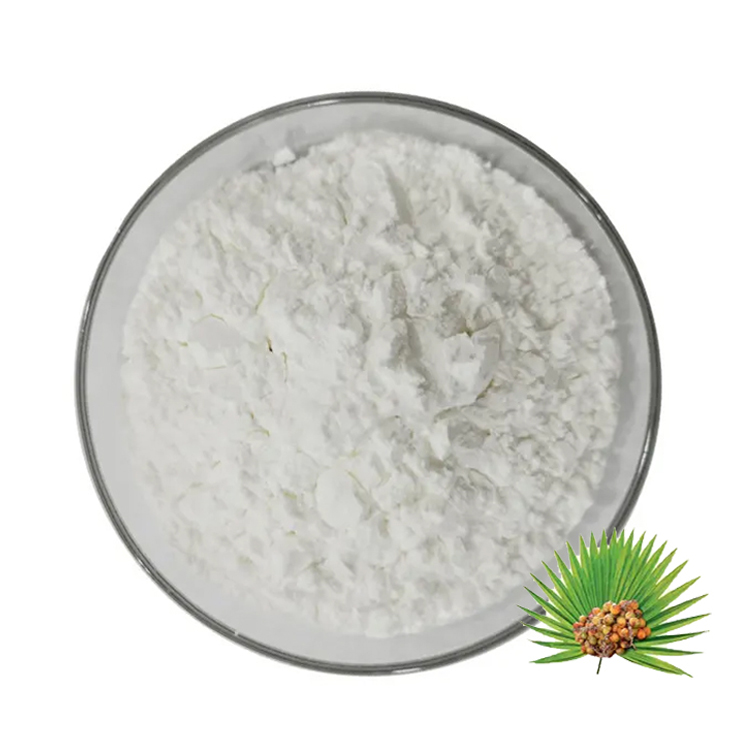
Saw Palmetto Extract Powder Fatty Acids Supplement Fatty Acids ≥45%

Saw Palmetto Extract Powder 25% 45% 85% Fatty Acids

Supercritical CO2 extracted Serenoa repens micro-encapsulated powder. Standardized total fatty acids to support prostate health, hair follicle vitality, and men's wellness formulations.

Fatty Acids 25%-85% GC Tested Free Flow Powder
Industry Whitepaper

Navigating High-Purity Saponin Procurement in the Modern Kyoto Ecosystem

In the global botanical chemistry arena, saponin extracts occupy a uniquely complex standing due to their dual amphiphilic molecular architecture—combining a hydrophobic aglycone core (either triterpenoid or steroid) with multiple hydrophilic glycosidic side chains. For procurement executives and master formulators across Kyoto Prefecture, ranging from the heritage botanical laboratories in Kamigyo-ku to the modern nutraceutical parks of Keihanna Science City (Kansai Science City), sourcing standardized saponins presents formidable technical hurdles.

Japanese formulation integrity requires an uncompromising level of batch homogeneity, absolute absence of agrochemical traces under the Positive List System, and tight solvent-residue thresholds. Torzi Biotech, operating its extraction infrastructure in Xi'an near the ecological biodiversity zone of the Qinling Mountains, bridges this technical gap. By coupling deep-source wild-crafted botanical access with advanced industrial chromatography, our China-based facility delivers pharma-grade saponin and botanical fractions directly to the Kyoto bio-pharmaceutical and cosmetics corridors.

Analytical Method Integrity: UV-Vis vs. HPLC Assay Fingerprinting

A critical challenge facing Kyoto botanical buyers is the widespread reliance on non-specific UV spectrophotometric colorimetry, which frequently registers non-saponin carbohydrate polymers and polyphenols, falsely inflating total saponin readings. Torzi Biotech mandates high-performance liquid chromatography coupled with evaporative light scattering detection (HPLC-ELSD) or mass spectrometry (LC-MS) for our Ginsenoside, Notoginsenoside, and Camellia saponin fractions, ensuring that label claims reflect verifiable monomer potency.

Whether deploying Quillaja saponins as natural, non-ionic emulsifiers in delicate Kansai tea emulsions, utilizing tea saponins (Theasaponin) as biodegradable foaming agents in Kyoto craft cosmetic formulas, or standardizing Astragaloside IV for cellular anti-aging formulations, manufacturing precision is the determining factor in end-product viability.

Saponin Sub-Class Core Botanical Precursor Standardized Purity Tier Kyoto Commercial Matrix Analytical Assay Method
Triterpenoid Dammarane Saponins Panax ginseng / P. notoginseng Rb1, Rg1, Rd ≥10% - 80% Vitality Tonics & Kampo Blends HPLC-UV / HPLC-ELSD
Theasaponin (Tea-Seed Saponins) Camellia oleifera / C. sinensis Active Saponin ≥60% - 85% Uji-Green Dermal Cleansers Potentiometric Titration / HPLC
Cycloartane Glycosides Astragalus membranaceus Astragaloside IV 10% - 98% Anti-Senescence Cosmeceuticals HPLC-ELSD
Oleanane Triterpenoid Saponins Glycyrrhiza uralensis (Licorice) Glycyrrhizin ≥98% Anti-inflammatory Oral & Topical HPLC against CRS Standards
Steroidal Spirostanol Saponins Dioscorea opposita / Tribulus Diosgenin ≥20% - 95% Endocrine Hormone Modulators Gas Chromatography / HPLC
Localized Industrial Engineering

Kyoto-Specific Botanical & Cosmeceutical Applications

From classical Gion skin rituals to the advanced biotechnology ventures in southern Kyoto Prefecture, discover how Torzi Biotech’s raw extracts integrate into the region’s premier manufacturing sectors.

Clean-Beauty Dermal Formulations

Kyoto’s prestigious cosmetic innovators demand alternatives to synthetic sulfates (SLS/SLES). Our water-soluble tea saponin fractions (derived from Camellia) function as exquisite botanical surfactants, producing velvety, micro-bubble cleansing foams in sensitive-skin creams and facial powders that celebrate classical Kyoto elegance.

Uji-Infused Beverage Emulsions

In the premium RTD tea and matcha drink manufacturing lines surrounding Uji and Fushimi, phase separation is a persistent hurdle. Saponins provide exceptional bio-emulsification properties, dispersing lipid-bound actives such as Coenzyme Q10 and Curcumin into shelf-stable, transparent liquid drinks without artificial gums.

Senior Health & Functional Foods

Addressing the wellness needs of Japan’s longevity population, Kyoto’s functional food packers integrate our standardized ginsenosides and astragaloside saponins into chewable tablets, sublingual jellies, and micro-capsules to support cardiovascular endurance, cognitive sharpness, and innate immune defense.

Market Intelligence

Kyoto & Kansai Botanical Trends: 2026-2030 Horizon

Strategic shifts in the Japanese Ministry of Health, Labour and Welfare (MHLW) regulatory frameworks and consumer paradigms dictate incoming raw material specifications.

Rigorous "Foods with Function Claims" (FFC)

Kyoto health brands are expanding within the Consumer Affairs Agency's FFC (機能性表示食品) structure. This demands that botanical suppliers deliver robust scientific dossiers, rigorous batch repeatability, and verified human clinical biomarker correlations—capabilities Torzi Biotech natively supports.

Full Circularity & Green Solvents

Kyoto's eco-conscious manufacturing heritage favors clean extraction technologies. The market is shifting decisively away from petroleum hydrocarbons like hexane toward green extraction: subcritical water extraction, ultra-pure ethanol cycling, and supercritical CO2 recovery, lowering carbon footprints across trade channels.

Stringent Heavy Metal Thresholds

With revised municipal and prefectural sanitary guidelines across the Kansai area, limits on Lead (Pb), Arsenic (As), Cadmium (Cd), and Mercury (Hg) have tightened to sub-ppm levels. Torzi Biotech validates every single export lot using atomic absorption and atomic fluorescence spectrometry.

Manufacturing Excellence

Shaanxi Torzi Biotech: Direct Primary Extraction Infrastructure

Based in Xi'an at the base of the botanical-rich Qinling Mountain belt, Torzi Biotech manages 12,447 m² of integrated production, eliminating middleman trading markups and ensuring total process accountability.

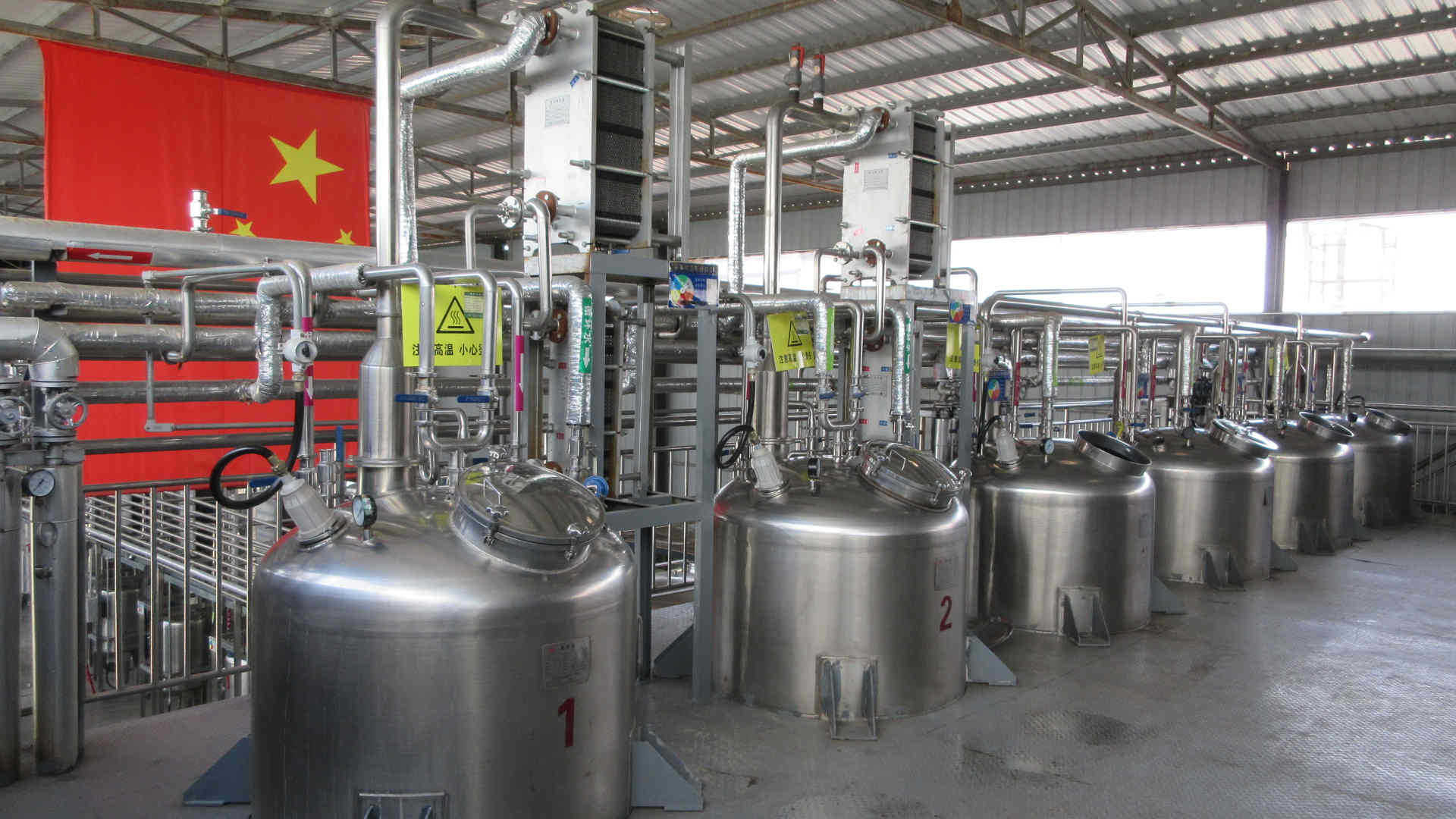
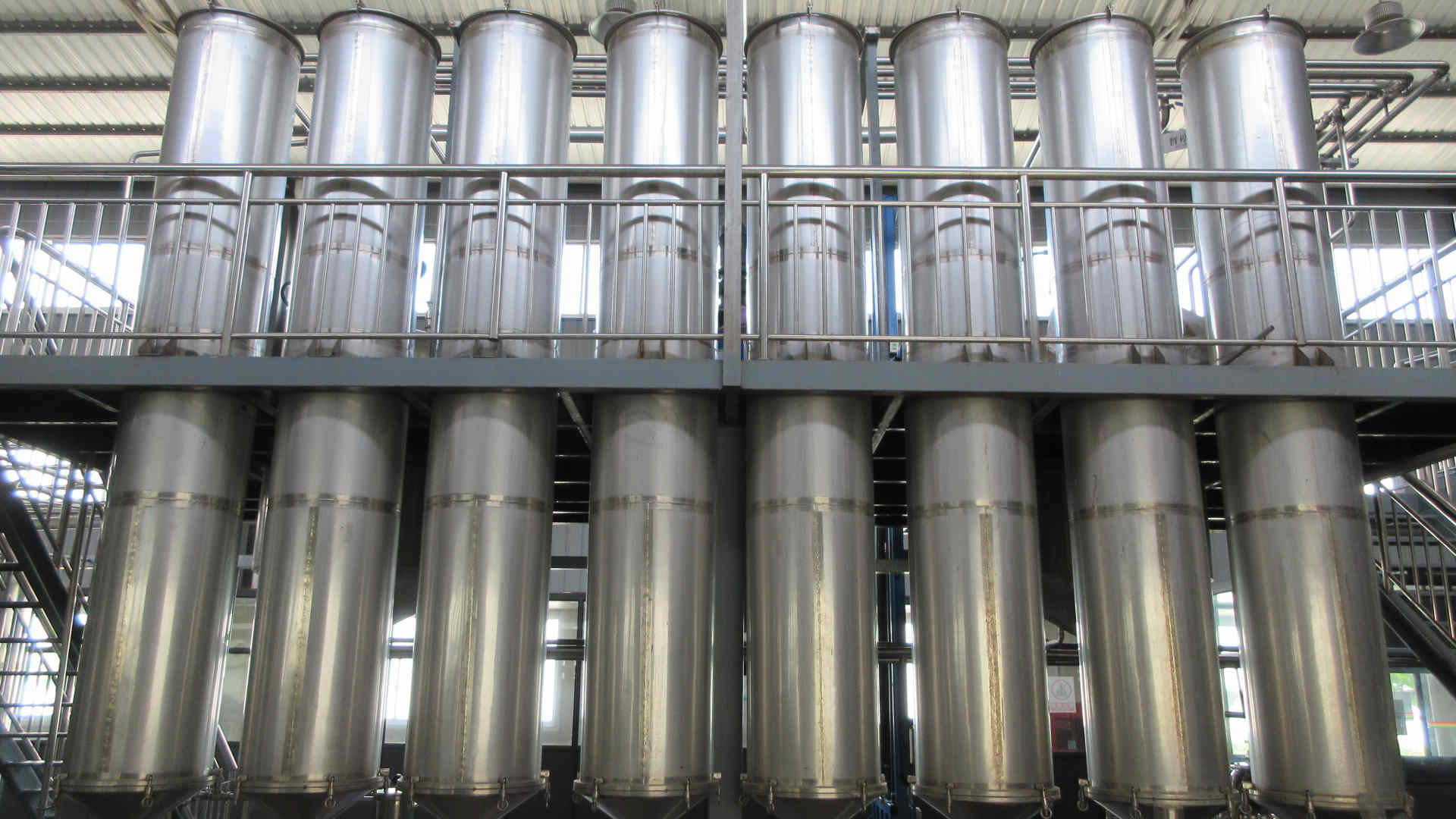
Industrial Extraction Tank Line
Stainless Extraction Battery
Low Temperature Concentrator Unit
Vacuum Film Concentrator
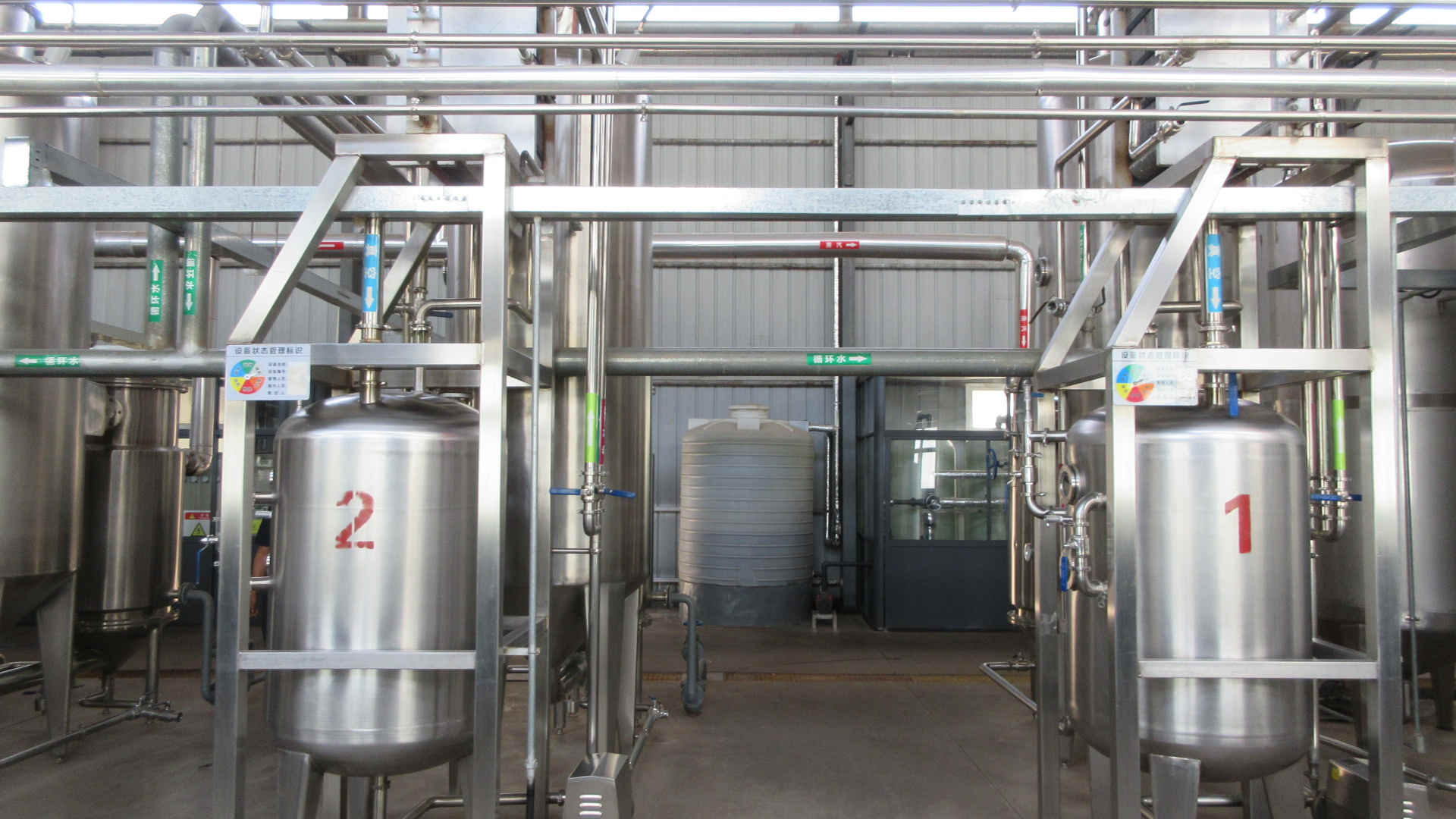
Macroporous Resin Adsorption Columns
Resin Adsorption Columns
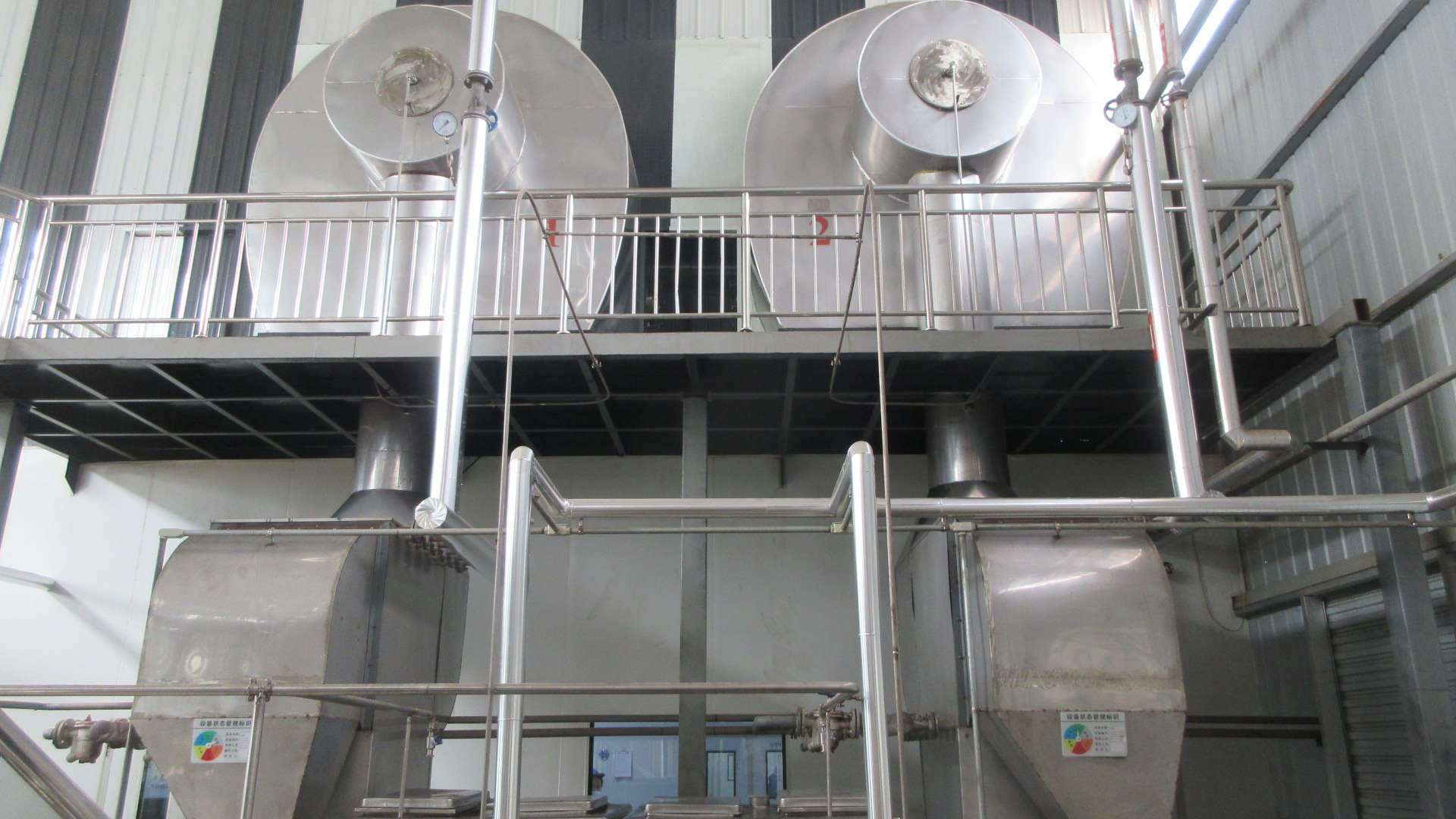
Spray Drying Tower Facility
Precision Spray Drying Tower
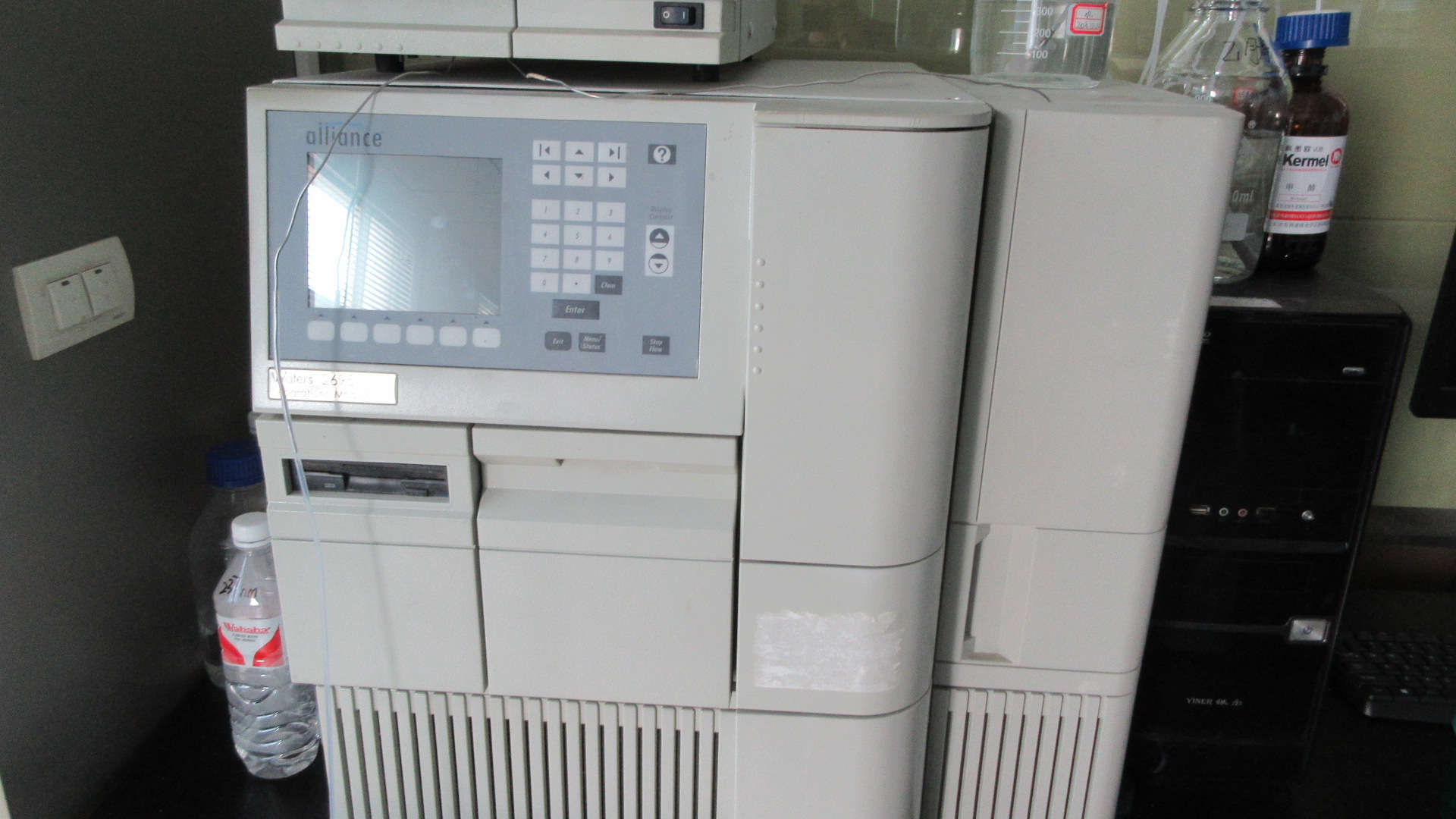
Liquid Chromatograph HPLC Testing
Dual HPLC Chromatography
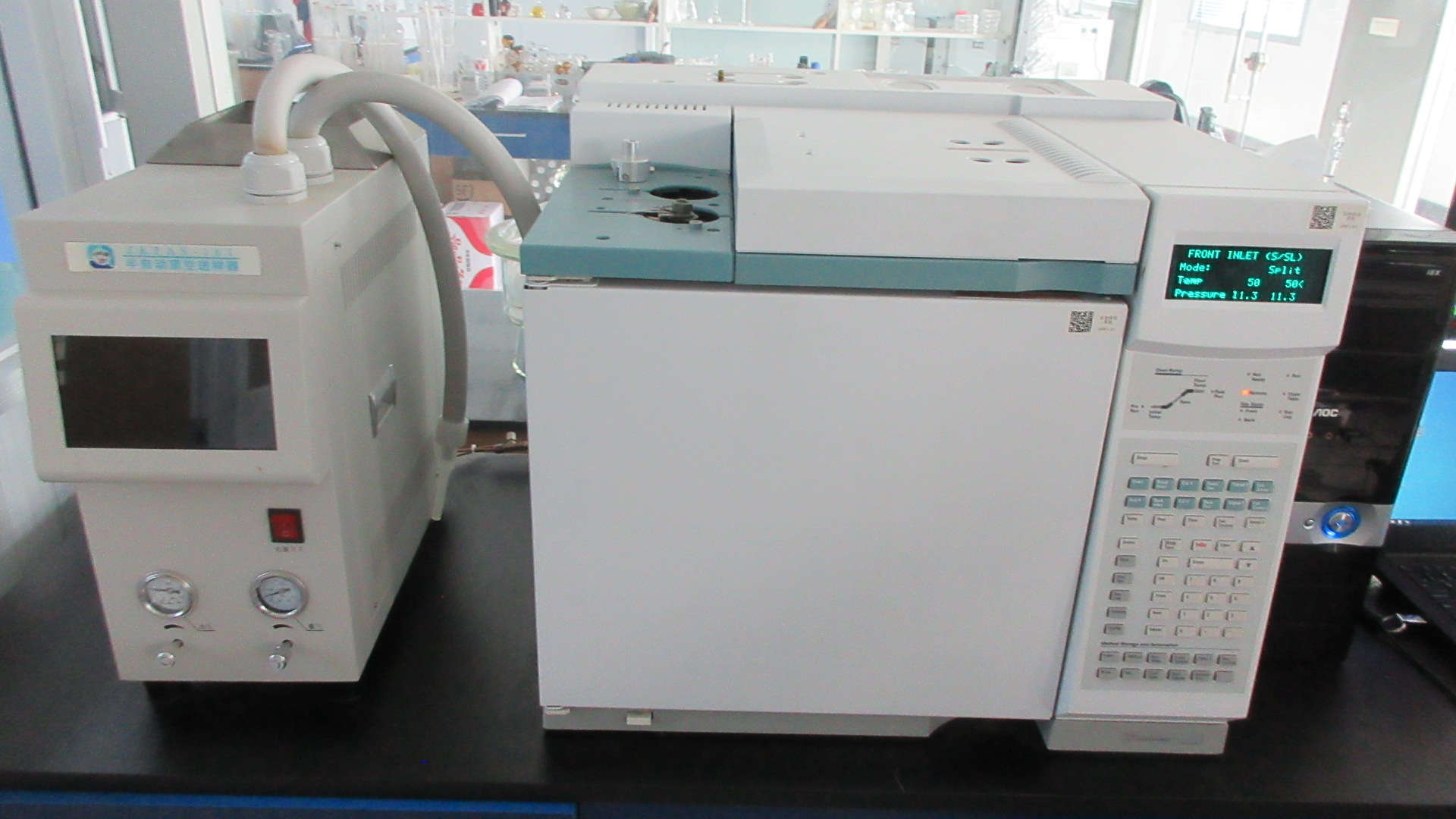
Gas Chromatograph Residual Solvent Testing
Residual Solvent Gas Phase (GC)
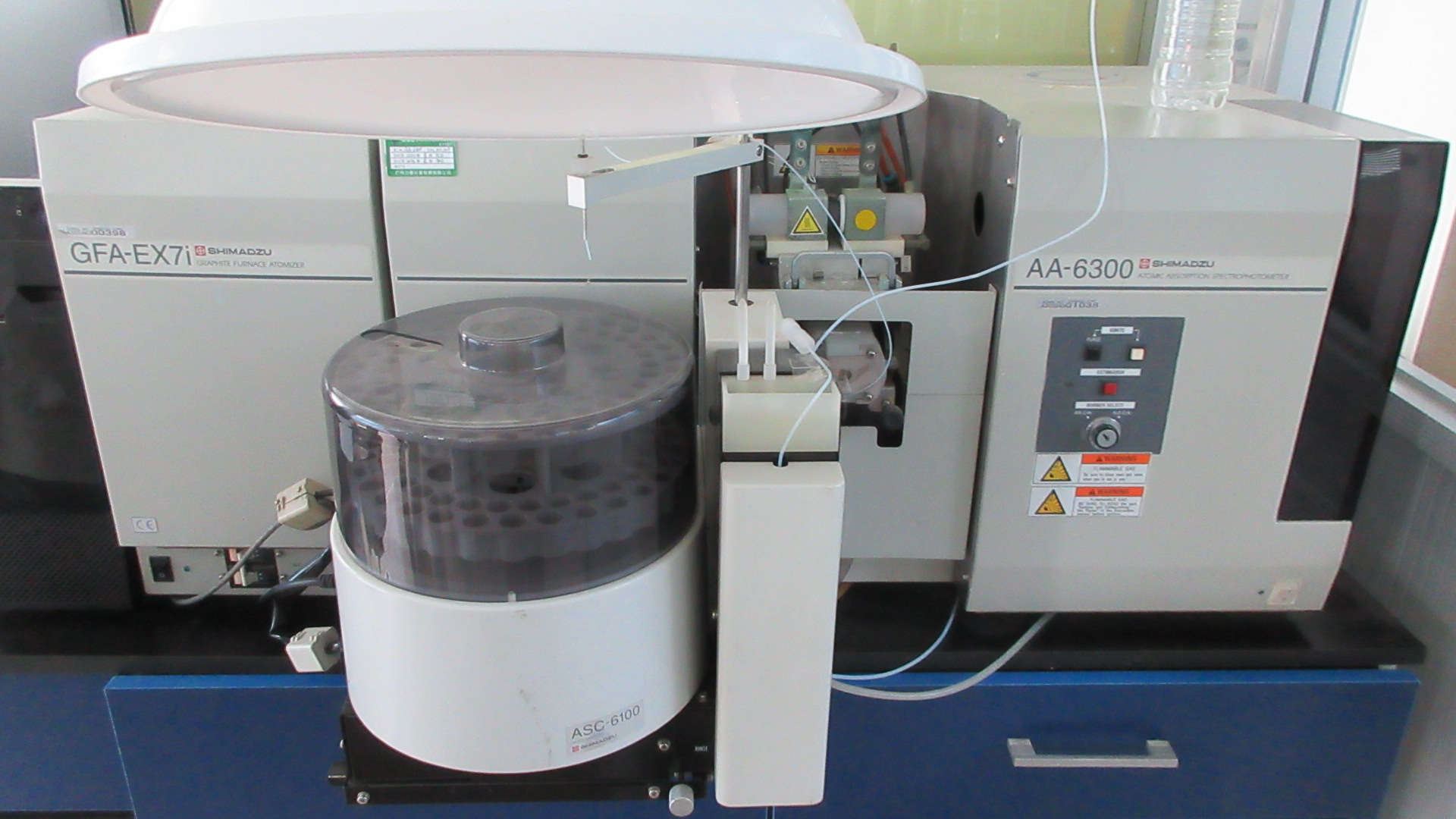
Atomic Absorption Spectrophotometer Heavy Metals
Heavy Metal Atomic Absorption
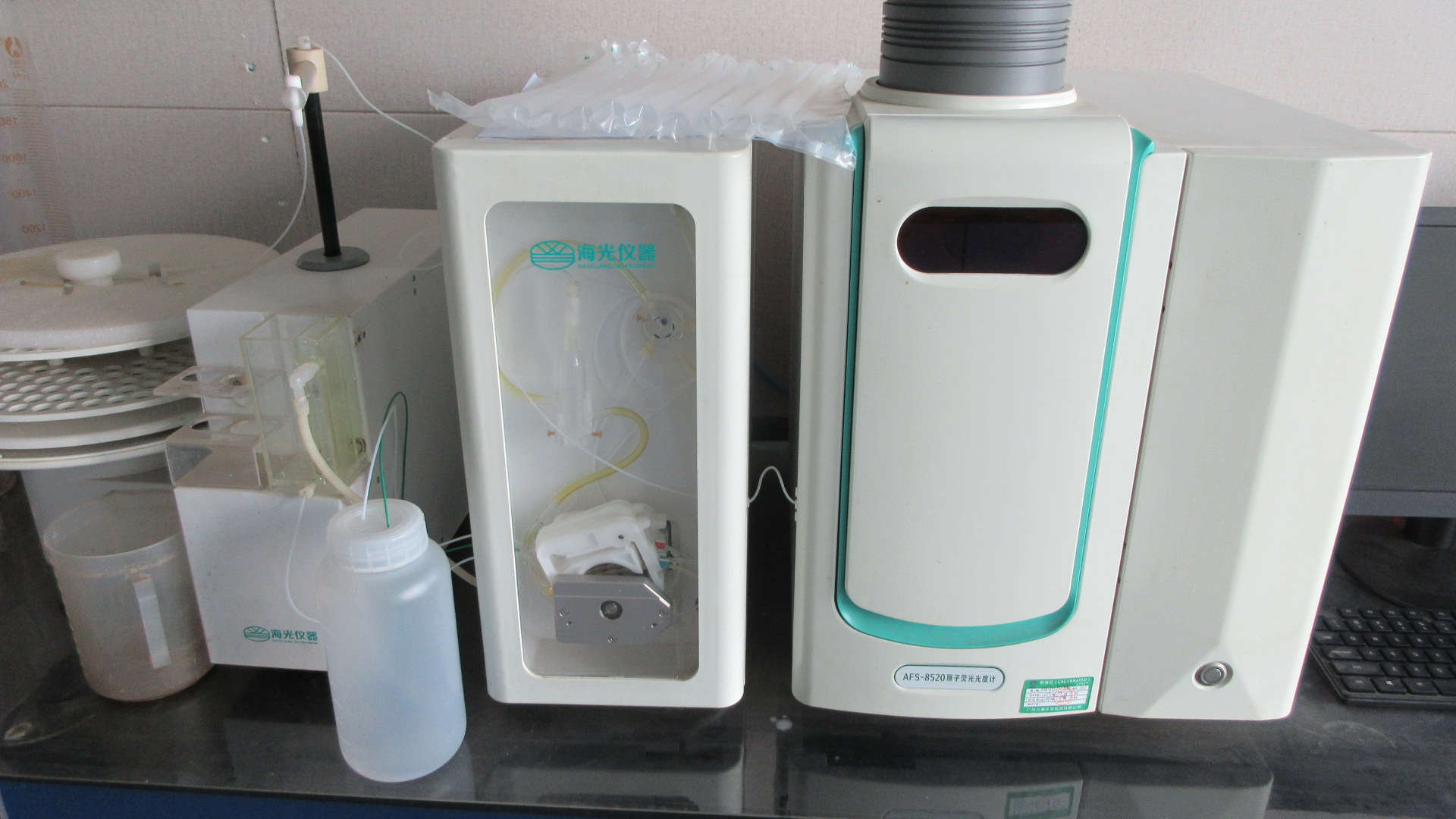
Atomic Fluorescence Spectrometer Analysis
Fluorescence Assay Trace Analysis
USDA Organic Certification

USDA Organic

Certified Organic Extraction

Halal Certification

Halal Certified

Full Supply Chain Audit

Kosher Certification

Kosher Certified

Verified Processing Purity

SGS Assessed

On-Site Inspected Facilities

Procurement Intelligence

Frequently Asked Questions by Kyoto Botanical Importers

Practical regulatory, analytical, and logistics answers for procurement managers operating under Japanese customs and quality compliance frameworks.

How does Torzi Biotech guarantee compliance with Japan's Positive List System for agricultural chemical residues?

Every raw botanical accession arriving at our Xi'an extraction hub undergoes strict screening for multi-residue pesticides via GC-MS/MS and LC-MS/MS. We calibrate our detection limits below the strict 0.01 ppm default maximum residue limit (MRL) enforced by Japan's Ministry of Health, Labour and Welfare (MHLW), providing peace of mind for customs clearance at Kansai International Airport (KIX) or the Port of Osaka.

What analytical testing methods are utilized to quantify specific saponin isomers?

Because spectrophotometric (UV) methods cannot discriminate between saponin aglycones, free sapogenins, and neutral sugars, we utilize High-Performance Liquid Chromatography paired with UV, Evaporative Light Scattering (ELSD), or Charged Aerosol Detection (CAD). Testing protocols strictly follow Japanese Pharmacopoeia (JP) reference standards or European Pharmacopoeia (EP) monographs upon buyer specification.

What is the standard lead time and logistics route for palletized deliveries into Kyoto Prefecture?

For urgent R&D trials or low-MOQ pilot runs (starting from 1 kg to 25 kg), shipments depart Xi'an Xianyang International Airport (XIY) to Kansai International Airport (KIX) within 3 to 5 business days door-to-door. Commercial container shipments (FCL/LCL) route through Qingdao Port directly to Osaka or Kobe Port, typically reaching Kyoto warehouses in 10 to 14 days, fully supported with Japanese customs declaration paperwork.

Can Torzi Biotech handle custom particle milling and bulk micro-encapsulation?

Yes. Many Japanese tablet manufacturers require specialized particle dynamics to prevent caking and ensure rapid dissolution. We offer cryogenic ultrafine pulverization ranging from 80 mesh up to 1,500 mesh, as well as customized micro-encapsulation using organic maltodextrin, gum acacia, or cyclodextrin carriers to mask bitter saponin notes in functional beverages.

What documentation is bundled with every delivered saponin production batch?

Shipments are accompanied by an authenticated Certificate of Analysis (COA) containing batch-specific HPLC assays, heavy metal profiles (Pb, As, Cd, Hg tested by AAS), microbial counts (Total Plate Count, Yeast/Mold, E. coli, Salmonella), residual solvent data (GC), Material Safety Data Sheets (MSDS), non-irradiation statements, and Non-GMO certifications.

Request Verified Technical Dossiers & Working Samples

Partner directly with China's leading botanical extraction factory. Our technical sales engineers provide comprehensive COAs, HPLC chromatograms, and pilot batch samples for Kyoto laboratory validation within 24 hours.