CE Certified Terpenoid Extract Supplier & Exporters in the Boston Market

Empowering Greater Boston's biopharmaceutical corridors, Kendall Square clinical incubators, and cutting-edge functional food developers with lab-audited, high-purity botanical terpenoids and standardized bioactive fractions.

Standardized Phytochemical Solutions

Core Botanical & Nutraceutical Formulations

Direct-from-factory ingredients manufactured under ISO/cGMP protocols. Engineered for target delivery in high-performance metabolic formulations, transdermal vectors, and bioactive functional beverages across New England's life science hub.

Scientific Whitepaper

Phytochemical Architecture of Botanical Terpenoids: Extraction Kinetics & Analytical Conformance

A rigorous B2B overview of hydrocarbon terpene fractions, functionalized oxygenated terpenoids, and critical regulatory validation for high-precision biomanufacturers in Massachusetts.

1. Molecular Classification & Mechanistic Value of Terpenoids

Terpenoids, historically recognized as isoprenoids, constitute the largest and most structurally diverse class of plant secondary metabolites. Derived biogenetically from the five-carbon building units isopentenyl pyrophosphate (IPP) and dimethylallyl pyrophosphate (DMAPP) via the mevalonate (MVA) or 2-C-methyl-D-erythritol 4-phosphate (MEP) pathways, these compounds span multiple chemical sub-families: monoterpenoids (C10), sesquiterpenoids (C15), diterpenoids (C20), triterpenoids (C30), and tetraterpenoids (C40). In pharmaceutical biochemistry and functional nutraceutical formulation, oxygenated terpenoids (including alcohols, aldehydes, ketones, epoxides, and carboxylic acids) demonstrate significant bio-efficacy compared to raw volatile terpenes due to enhanced receptor-binding affinity and biological half-life.

Within biomedical research environments across Cambridge and Greater Boston, standardized terpenoid isolates—such as ganoderic acids from *Ganoderma lucidum*, betulinic acid, and specific cyclic sesquiterpenoids—are increasingly recognized for their modulatory influence on transcription factors (e.g., NF-κB, Nrf2) and membrane permeability. Formulating with standardized, lot-traceable terpenoid extracts enables biopharmaceutical and dietary supplement brands to execute predictable dosage targeting, eliminating batch-to-batch inconsistencies commonly caused by fluctuating wild harvest raw materials.

2. Supercritical Fluid (scCO2) vs. Hydro-Ethanolic Dual Extraction Methodologies

Achieving pharmaceutical-grade terpenoid purity requires precise thermodynamic control during solid-liquid or supercritical extraction phases. Conventional hydro-ethanolic extraction remains indispensable for poly-oxygenated triterpenoid saponins and mushroom-derived glycosides, where polar ethanol-water solvent matrices (typically 60:40 to 80:20 v/v) dissolve cellular wall barriers without hydrolyzing delicate ester bonds. However, for non-polar monoterpenes and lipophilic sesquiterpenes, Supercritical Fluid Extraction using carbon dioxide (scCO2) represents the premier green technology. By modulating extraction pressure (between 15 MPa and 35 MPa) and maintaining temperatures below 45°C, scCO2 selectively strips volatile and semi-volatile terpenoid fractions while avoiding thermal degradation, residual organic solvents, or unwanted lipid extraction.

3. Analytical Characterization: GC-MS and HPLC-DAD Standardization

Verification of pure active terpenoids demands orthogonal analytical methodologies. Shaanxi Torzi Biotech employs gas chromatography coupled with mass spectrometry (GC-MS) equipped with flame ionization detectors (FID) for low-molecular-weight volatile terpenes (pinene, limonene, linalool, caryophyllene). For higher-molecular-weight triterpenoids, high-performance liquid chromatography paired with diode array detection (HPLC-DAD) or liquid chromatography-tandem mass spectrometry (LC-MS/MS) ensures baseline separation and quantitative calibration against USP and EP chemical reference standards. Every shipment to the Port of Boston or Logan International Airport is accompanied by fully traceable chromatograms verifying not merely gross extract ratios, but specific peak retention times and quantified active marker concentrations.

Compound Category Representative Markers Target Concentration Standard Analytical Method Primary Application in Boston Labs
Triterpenoids (C30) Ganoderic Acids A/B, Ursolic Acid 10% - 50% Active Markers HPLC-DAD / LC-MS Immunomodulatory oncology research, hepatic metabolic studies
Monoterpenoids (C10) Linalool, Geraniol, Thymol ≥98.0% Monomer Purity GC-MS / FID Dermal anti-inflammatory carriers, clean-label topical preservatives
Sesquiterpenoids (C15) Beta-Caryophyllene, Humulene 30% - 85% Standardized GC-MS Headspace Analysis Endocannabinoid CB2 receptor modulation, nootropic delivery systems
Diterpenoids (C20) Ginkgolides, Carnosic Acid 20% - 60% Active Phenolic Terpenes HPLC-UV / Titration Neurovascular integrity, cognitive performance functional beverages

4. Regulatory Alignment: CE Certification, cGMP, and U.S. Pharmacopeia Standards

Operating as an international exporter into Massachusetts requires strict conformance with transatlantic compliance architectures. While CE marking traditionally covers European Union health, safety, and environmental protection directives for medical devices and process safety, our manufacturing infrastructure aligns with strict CE machine directive standards, ISO 9001:2015, ISO 22000, and FDA 21 CFR Part 111 cGMP frameworks. This dual certification ensures that manufacturing plant engineering (cleanroom positive pressure, stainless-steel 316L contact piping, clean-in-place CIP automation) satisfies the inspection stringency mandated by biopharma QA directors across Cambridge, Waltham, and Framingham.
Regional Integration

Targeted Terpenoid Applications in the Greater Boston Ecosystem

Strategically positioned to service Cambridge research incubators, Route 128 nutraceutical formulators, and New England's artisan functional wellness pioneers.

Kendall Square Life Science Incubators

Supplying preclinical research laboratories with HPLC-quantified bioactive terpenoid monomers. Utilized as control ligands in receptor-binding assays, cellular viability studies, and targeted drug-delivery vehicle development involving lipid nanoparticle encapsulation.

Route 128 Dietary Supplement Formulators

Serving premier contract manufacturers (CMOs) throughout Middlesex and Norfolk counties. We supply clean-flowing, non-hygroscopic, microencapsulated terpenoid powders optimized for automated high-speed two-piece hard gelatin and vegetarian encapsulation lines.

New England Functional Beverage Innovators

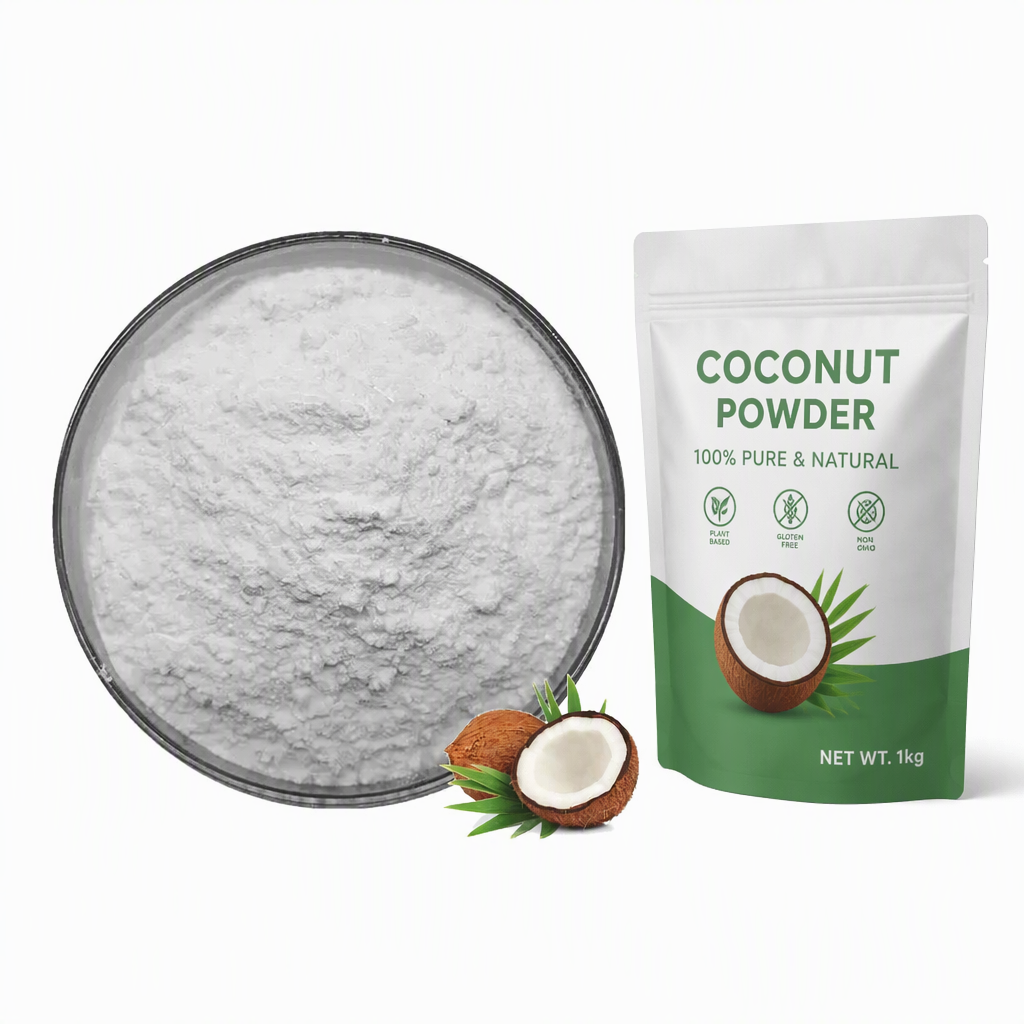
Supporting beverage startups with micro-emulsified, water-dispersible terpenoid liquid concentrates and water-soluble carrier blends (e.g., coconut water powder base), ensuring crystal-clear clarity, stable emulsion shelf-life, and distinct herbal aroma matrices.

Advanced Cosmeceutical & Dermal Labs

Coupling pure Gamma-PGA with botanical triterpenes to create deep-penetrating topical matrices for Boston dermatology clinics and luxury skincare brands focused on barrier replenishment, anti-photoaging, and enhanced cellular recovery.

Specialty Sports Performance Brands

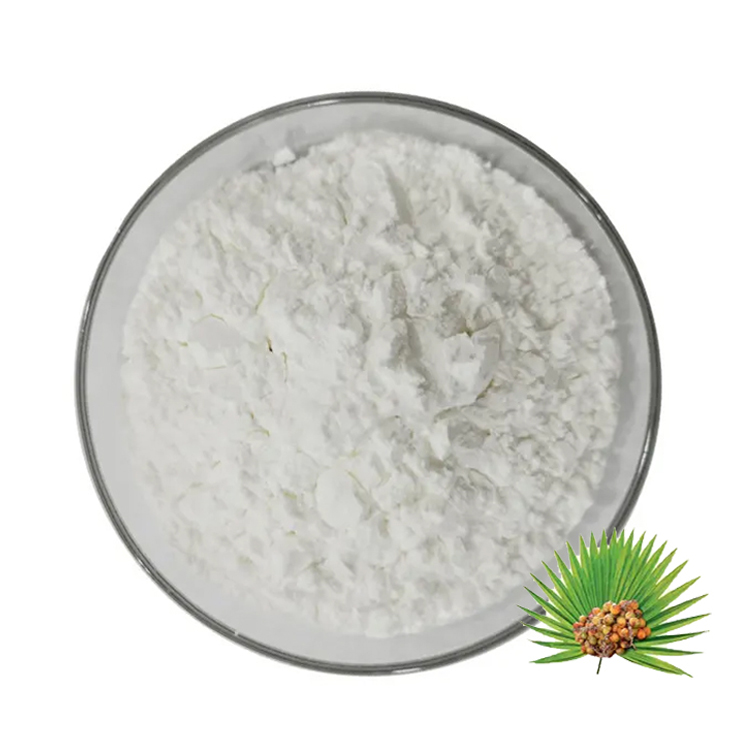
Combining standardized Saw Palmetto fatty acid fractions and Beta-Ecdysterone with adaptogenic botanical terpenoids to build next-generation hormonal optimization and lean tissue support formulations compliant with WADA guidelines.

Clean-Label Food Tech Startups

Partnering with food engineers across the Seaport District formulating vegan culinary products, utilizing modified citrus pectin and natural antioxidant matrices to stabilize shelf-life without synthetic additive declarations.

Market Intelligence

Emerging Procurement Trends in the Massachusetts Botanical Supply Chain

Analyzing key shifts across New England's life science corridors toward green chemistry, third-party laboratory scrutiny, and full chromatographic transparency.

1. The Transition from Gross Extracts to Specific Bioactive Marker Standardization

Historically, Boston procurement officers purchased crude botanical extracts quantified solely by simple native extract ratios (e.g., 10:1 or 20:1). Today, institutional buyers across Cambridge require precise analytical quantification. The regional market has shifted radically toward HPLC-validated active triterpene content, specific sesquiterpene profiles, and Megazyme enzymatic assay validation for non-starch glucans. Formulas targeting cognitive acuity and cellular vitality now demand guaranteed minimums of individual triterpene acids, forcing ingredient suppliers to provide reproducible, narrow-tolerance Certificates of Analysis.

2. Convergence of Synthetic Biology and Pure Botanical Extraction

With Kendall Square recognized globally as an epicentre of synthetic biology, contract formulators frequently evaluate biosynthesized molecules versus natural plant-derived terpenoid enantiomers. Empirical testing continues to favor natural plant extracts due to the holistic presence of complementary minor terpenes—often termed the "entourage profile"—which optimizes cellular absorption. Rather than replacing botanicals, advanced Boston formulators utilize pure natural botanical extracts as foundational matrices, demanding ultra-low residual solvent levels (exceeding USP <467> limits) that do not interfere with delicate cellular substrates.

3. Supply Chain Resilience and Direct-from-Manufacturer Sourcing

Recent international logistics volatility has led Massachusetts supplement manufacturers away from multi-tier trading brokers in favor of vertically integrated manufacturers. By partnering directly with facilities operating primary extraction, concentration, and spray-drying under one operational roof, procurement managers mitigate batch contamination risks, bypass arbitrary intermediary markups, and secure direct access to manufacturing analytical balance logs, heavy metal spectroscopy records, and dedicated R&D technical teams.

Institutional Capability

Torzi Biotech: Certified Infrastructure & Technical Authority

Operating a dedicated botanical extraction campus in Xi'an's Qinling bio-corridor, supplying verified botanical actives to research and manufacturing entities worldwide.

23+
Years in Botanical Extraction
Continuous technical refinement
12,447 m²
Certified Production Base
On-site audited by SGS
89
Specialized Personnel
QC analysts & extraction engineers
100%
Batch-Level COA Guarantee
HPLC, AAS & GC verified

Full Process Traceability: From Raw Botanical to Inspected Cargo

Shaanxi Torzi Biotech Co., Ltd. controls the complete production continuum. Operating in close proximity to the pristine Qinling mountain botanical preserve, our raw inputs undergo incoming botanical identity verification before advancing through multi-stage industrial extraction, vacuum concentration, macroporous resin adsorption chromatography, and automated spray drying towers.

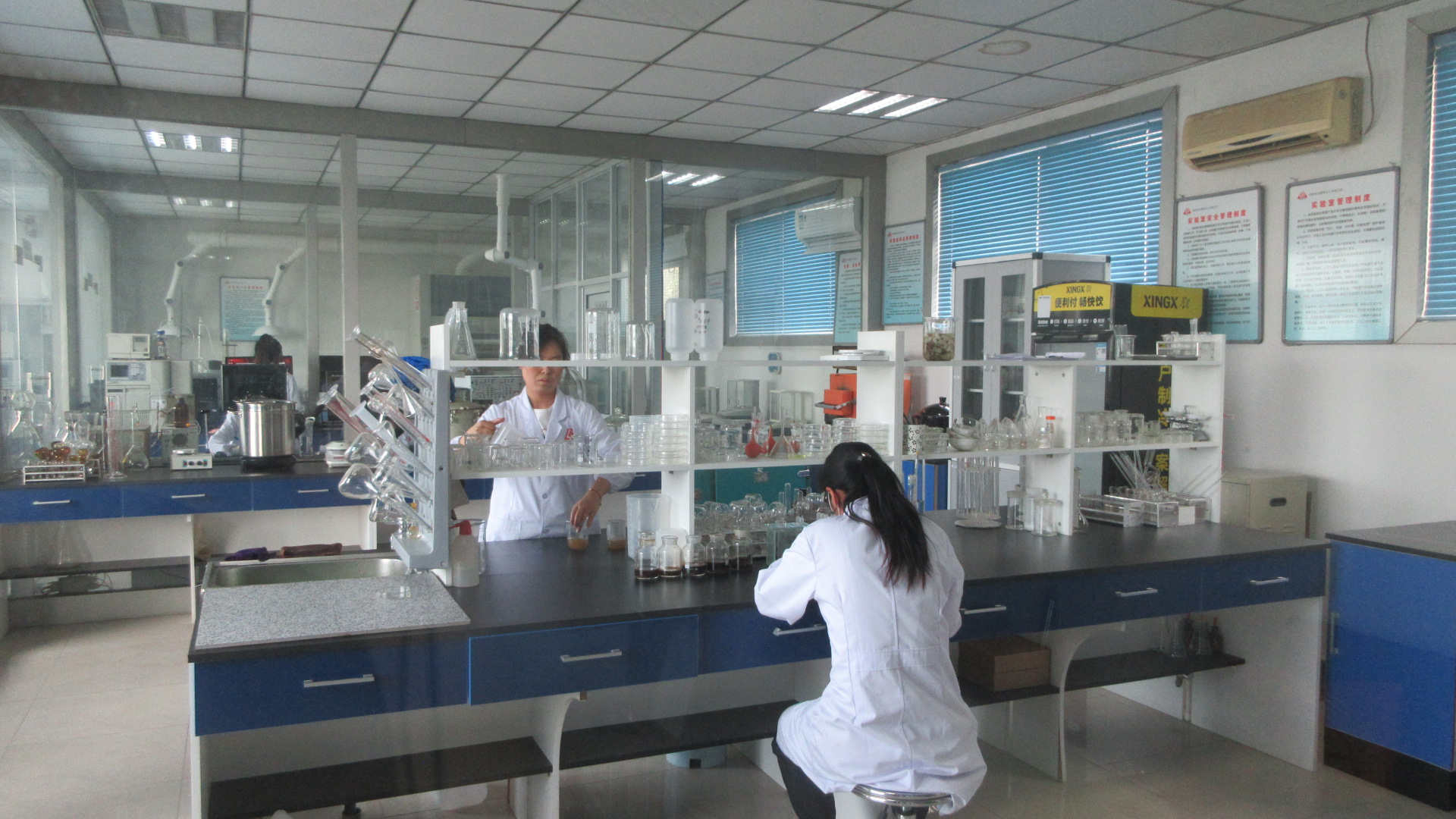
Our on-site analytical quality assurance testing laboratory features dual High-Performance Liquid Chromatographs (HPLC), Gas Chromatographs (GC) with automated headspace samplers, and Atomic Absorption Spectrophotometers (AAS) alongside Atomic Fluorescence Spectrometers for rigorous sub-ppm heavy metal quantification (Pb, As, Cd, Hg).

SGS On-Site Assessed USDA Organic Compliant Halal & Kosher Certified CE Standard Machine Safety
Torzi Biotech Quality Control Laboratory
Procurement Support

Boston Buyer FAQ: Regulatory, Logistics & Quality Protocols

Addressing the technical, regulatory, and shipping inquiries most critical to New England procurement departments and supply chain specialists.

How does CE Certification apply to botanical terpenoid imports in the Boston market?

While U.S. FDA 21 CFR Part 111 governs dietary supplements domestically, European CE certification verifies that our extraction infrastructure, pressure vessels, and automation systems conform to stringent European machinery and health safety standards. For global contract manufacturers in Greater Boston exporting finished products to the European Union or conducting multi-center clinical trials, sourcing from CE-compliant facilities significantly streamlines international regulatory filings.

What documentation accompanies bulk terpenoid extract air cargo to Logan International Airport (BOS)?

Every shipment directed to Logan Airport (BOS) or maritime freight through the Port of Boston is accompanied by a comprehensive regulatory packet: lot-specific Certificate of Analysis (COA) with HPLC/GC chromatograms, Safety Data Sheet (SDS) prepared under GHS format, Certificate of Origin, Non-GMO Statement, Allergen Declaration, and Third-Party Heavy Metal/Microbiological Screening Records.

How do your testing standards prevent polysaccharide inflation from grain starch?

For functional mushroom terpenoid and polysaccharide complexes (e.g., Reishi, Lion's Mane), we distinguish ourselves by utilizing enzymatic Megazyme beta-glucan assay kits rather than generic UV-Vis phenol-sulfuric acid total carbohydrate assays. Generic assays measure alpha-glucans (starches from growth substrates), yielding artificially inflated values. We explicitly guarantee and report pure active 1,3-1,6 beta-glucan fractions.

What are the minimum order quantities (MOQs) for pilot R&D batches vs. full commercial production?

To support biotech spinouts and formulation pilots across Cambridge and Waltham, we offer flexible pilot-tier MOQs starting from 1 kg to 5 kg for standardized powdered extracts and monomers. Commercial contract scale runs are packaged in standard 25 kg fiber drums with hermetically sealed, double food-grade polyethylene interior liners with desiccant inclusions.

How are moisture-sensitive and volatile terpenoid extracts protected during ocean and air transit?

Oxygenated monoterpenes and hygroscopic botanical powders are packaged in multilayer aluminum barrier foil pouches flushed with inert food-grade nitrogen gas (N2) to eliminate oxidative degradation. For sensitive bulk containers, moisture vapor transmission rate (MVTR) compliant drums are sealed with tamper-evident security bands, preventing humidity exposure through North Atlantic maritime transit.

Can Torzi Biotech support custom particle sizing (micronization) for softgel and beverage suspension?

Yes. In addition to our standard 80 to 120 mesh powders, our milling cleanroom is equipped with cryogenic air-classifier mills capable of ultra-fine micronization down to 300 to 500 mesh (D90 < 30 microns). This ensures smooth suspension in lipid softgel carriers (such as saw palmetto oil) and seamless dispersion in RTD beverage formulations without chalkiness or gritty sedimentation.

Accelerate Your Formulation Pipeline with Certified Phytochemical Purity

Connect with Torzi Biotech's technical engineering team. Request comprehensive raw material specification files, full chromatographic lot profiles, or initiate expedited sample testing dispatched directly to your Massachusetts facility.

Contact Us