Featured Phytochemical & Botanical Ingredients
Direct from our Shaanxi extraction base. Verified for batch-to-batch assay consistency, solvent purity, microbiological integrity, and international heavy metal thresholds.
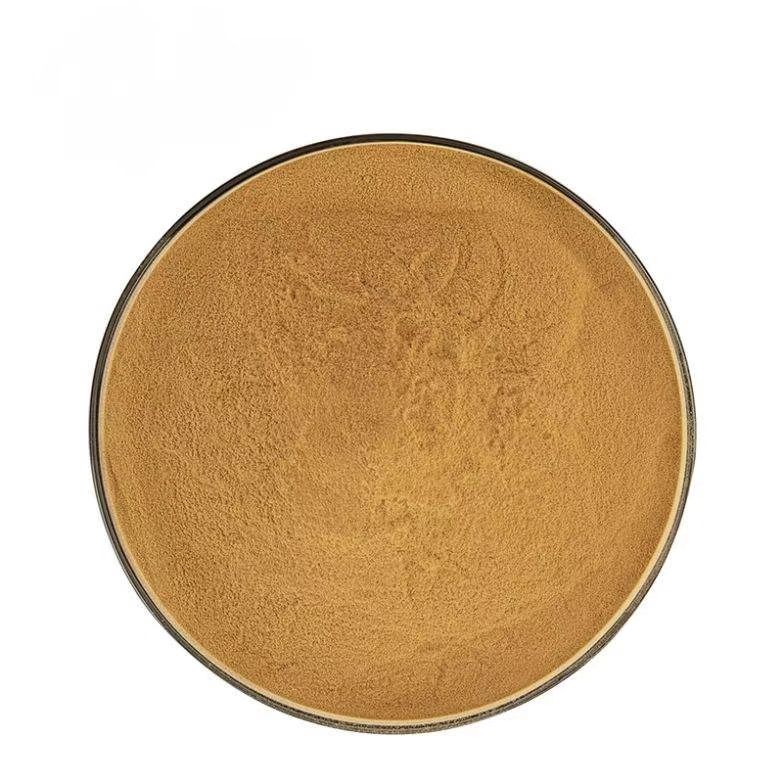
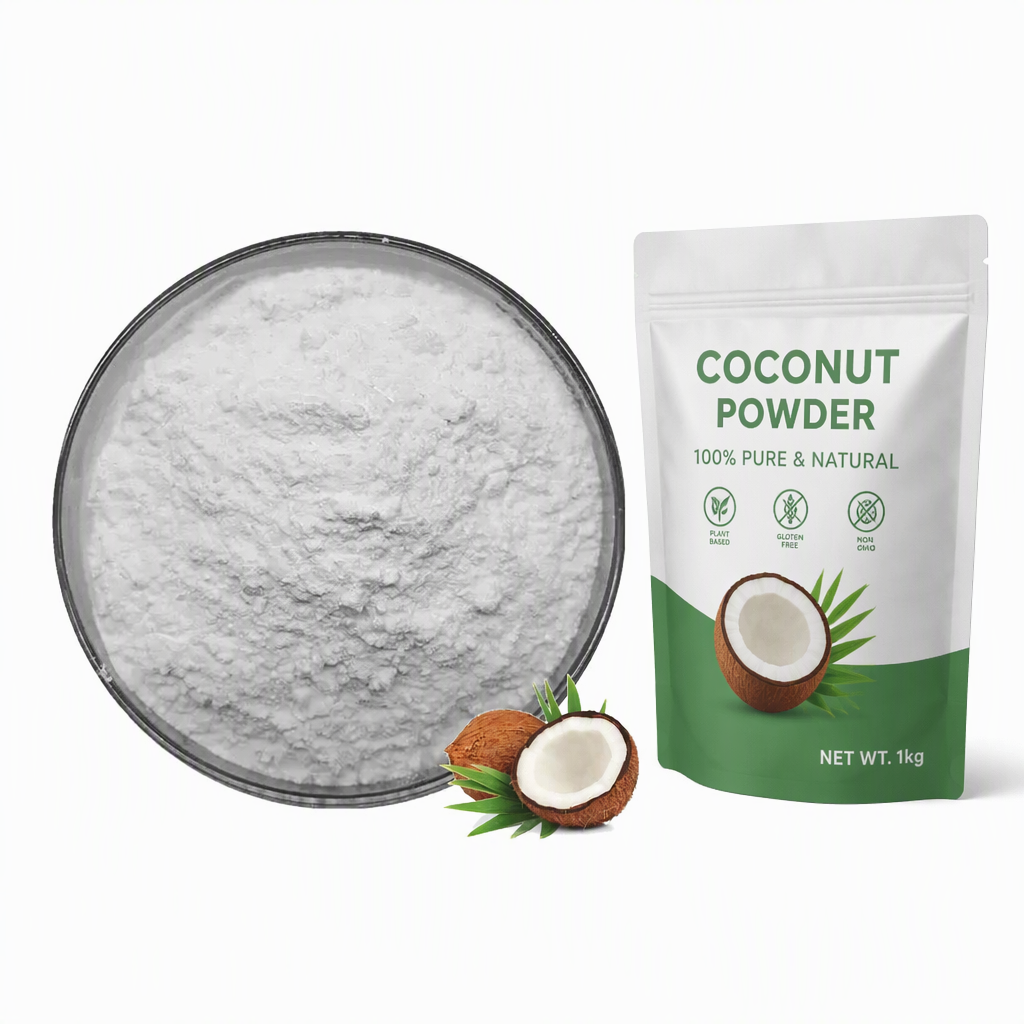
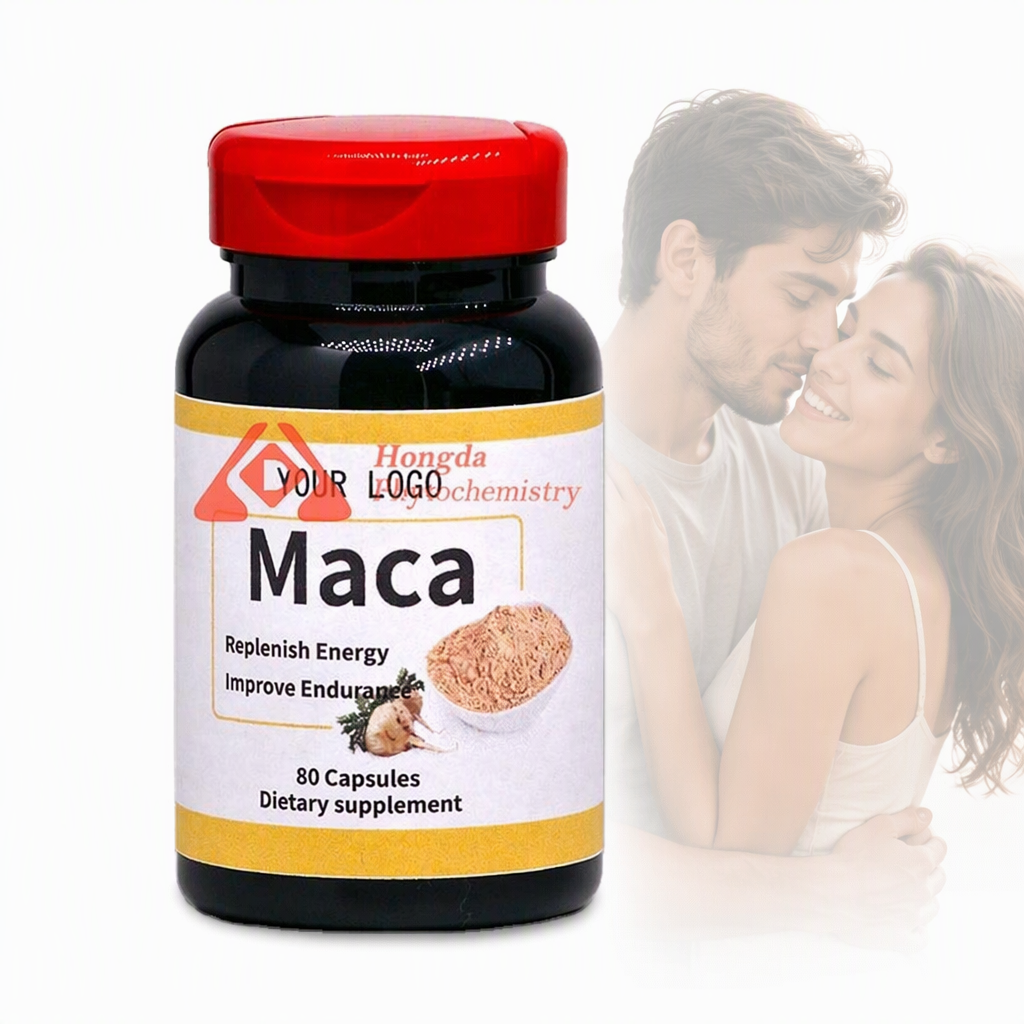
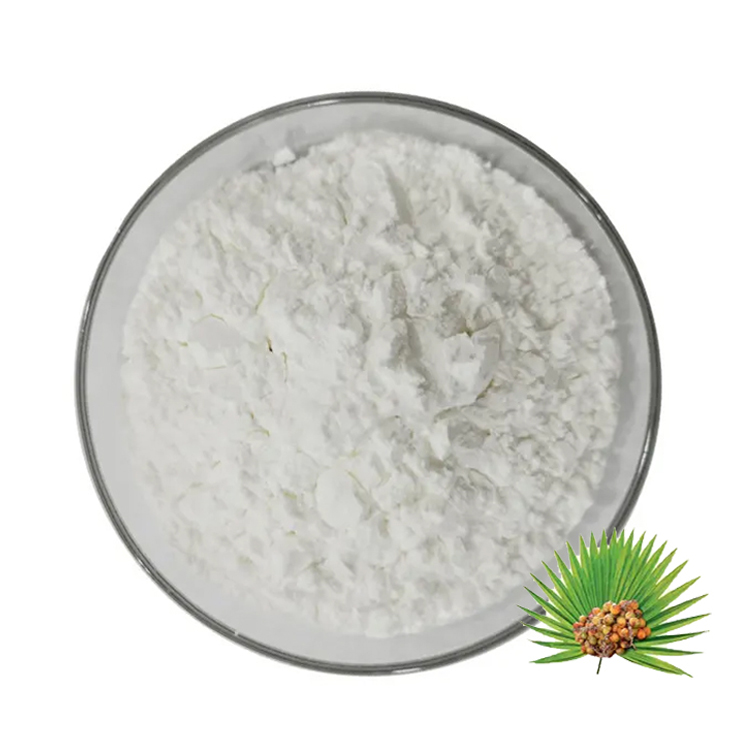
Industrial Flower & Botanical Extraction: Technological Overview
Phytochemical extraction from delicate botanical inflorescences requires a fundamentally different thermodynamic approach than woody root or bark processing. Thermal degradation of volatile monoterpenes, oxidation of vulnerable flavonol glycosides, and isomerization of conjugated carotenoids present persistent yield risks.
Thermally Controlled Low-Temp Vacuum
Delicate floral petals (such as Sophora japonica, Matricaria chamomilla, and Hibiscus sabdariffa) harbor heat-labile polyphenols. Our factory deploys multi-effect falling-film evaporators operating below 45°C under vacuum conditions (≤ -0.085 MPa) to avert the thermal cleaving of ester linkages and glycosidic side chains.
Macroporous Adsorption Resin Refining
To produce pharmaceutical-grade botanical monomers—such as Rutin NF11, Quercetin Dihydrate ≥98%, or Apigenin—crude floral liquors pass through tailored non-polar and semi-polar polystyrene adsorption resin columns. This segregates targeted flavonoid fractions from crude plant waxes, chlorophyll, and polysaccharides.
Chromatographic Fingerprinting (HPLC-DAD)
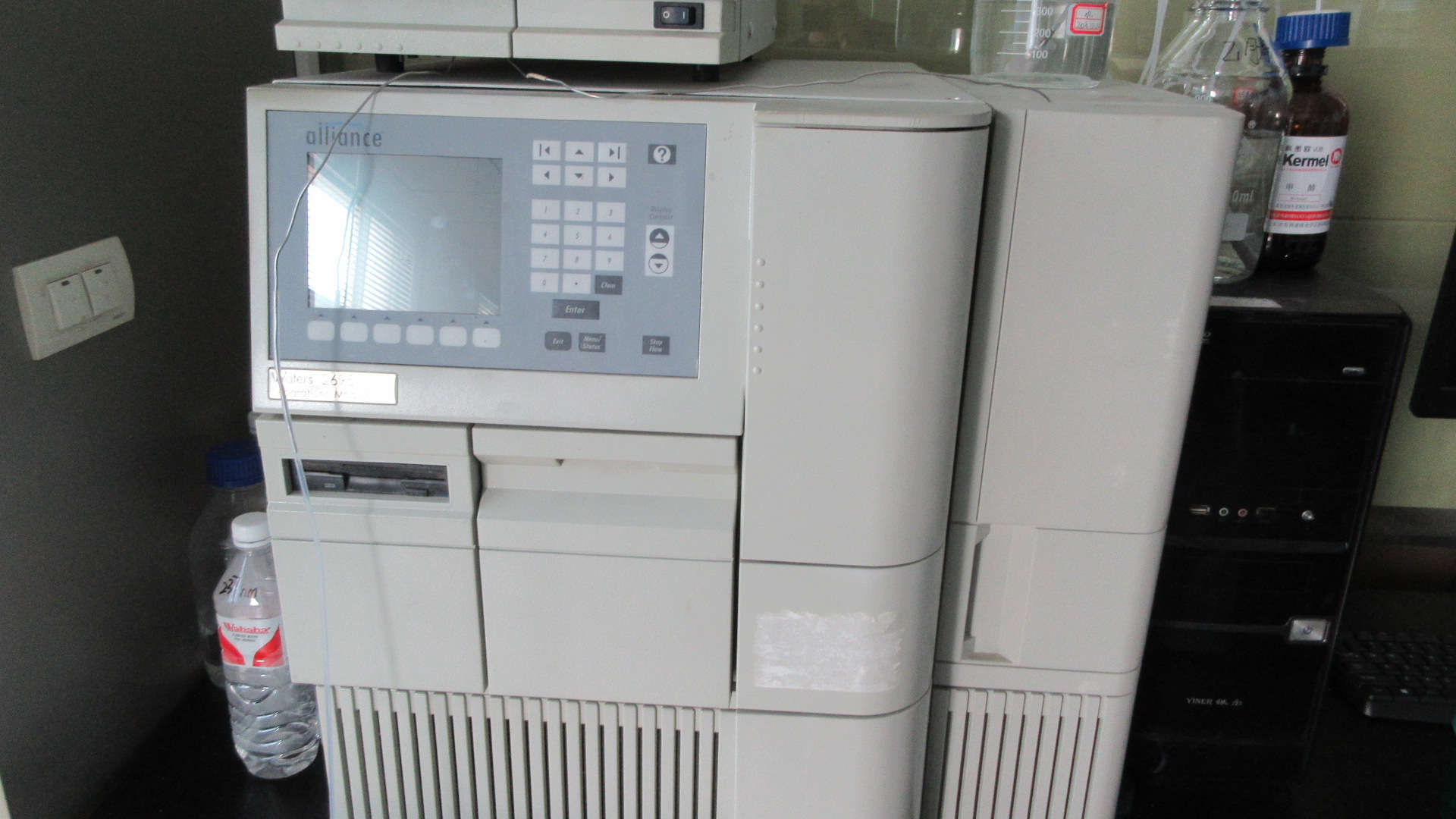
Each batch of raw botanical inflorescence undergoes High-Performance Liquid Chromatography with Diode Array Detection (HPLC-DAD). By tracking characteristic retention times against USP and EP reference standards, we eliminate species adulteration and ensure unadulterated bioactive batch conformity.
Technical Insight on Flower Extracts: When sourcing floral botanical extracts (such as Galium aparine, Calendula officinalis, or Sophora japonica flos), relying solely on nonspecific UV-Vis spectrophotometry can produce deceptive analytical assays. Secondary chromophores in degraded botanical tissues frequently mimic target wavelength absorptions. Our Xi'an analytical center mandates validated HPLC assays combined with Megazyme enzymatic cross-testing to guarantee that declared purity represents active monomeric efficacy.
Phytochemical Standardization & Specification Matrix
As an established B2B manufacturer in the Qinling botanical corridor, Shaanxi Torzi Biotech engineers customized extraction yields, solubility parameters, and active monomer purities across core botanical and complementary nutritional classes:
| Botanical / Botanical Raw Item | Target Bioactive Marker | Standardized Purity | Analytical Method | Primary Industrial Application |
|---|---|---|---|---|
| Galium aparine Extract | Iridoids, Flavonoids | Ratio 10:1, 20:1, 50:1 | TLC / UV-Vis | Lymphatic cleansing formulas, functional tonics |
| Sophora japonica Flos Extract | Rutin / Quercetin Dihydrate | 95.0% – 99.0% | HPLC (USP/EP Standards) | Cellular longevity, vascular elasticity supplements |
| Saw Palmetto (Serenoa repens) | Total Free Fatty Acids | 25%, 45%, 85% | GC (Gas Chromatography) | Men's prostate health, anti-androgenic cosmetic serums |
| Hibiscus sabdariffa Extract | Anthocyanins & Organic Acids | 5% – 20% Anthocyanins | HPLC-DAD | Cardiovascular drink blends, natural coloring |
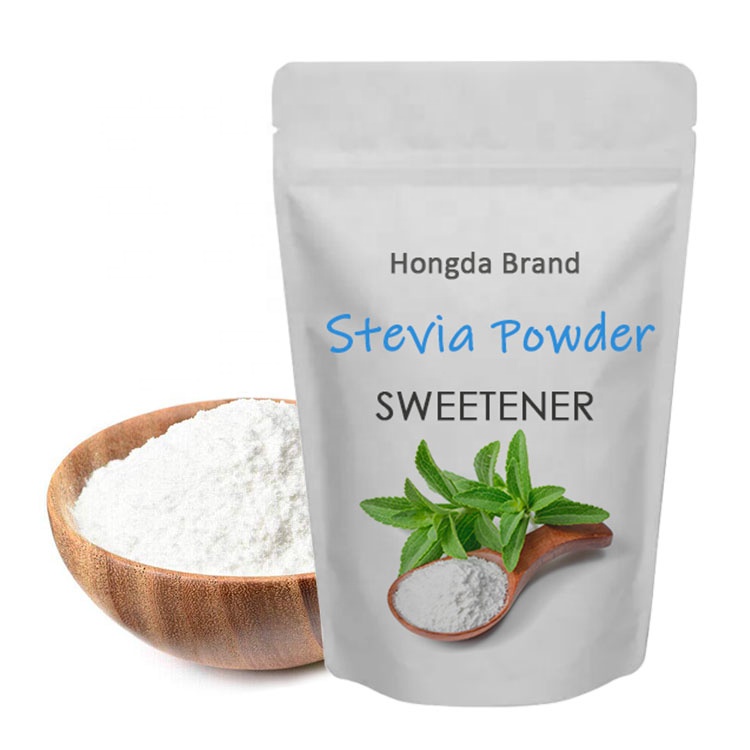
| Stevia rebaudiana Extract | Total Steviol Glycosides / Reb-A | 95% – 98% Reb-A | HPLC | Clean-label zero-sugar beverage stabilization |
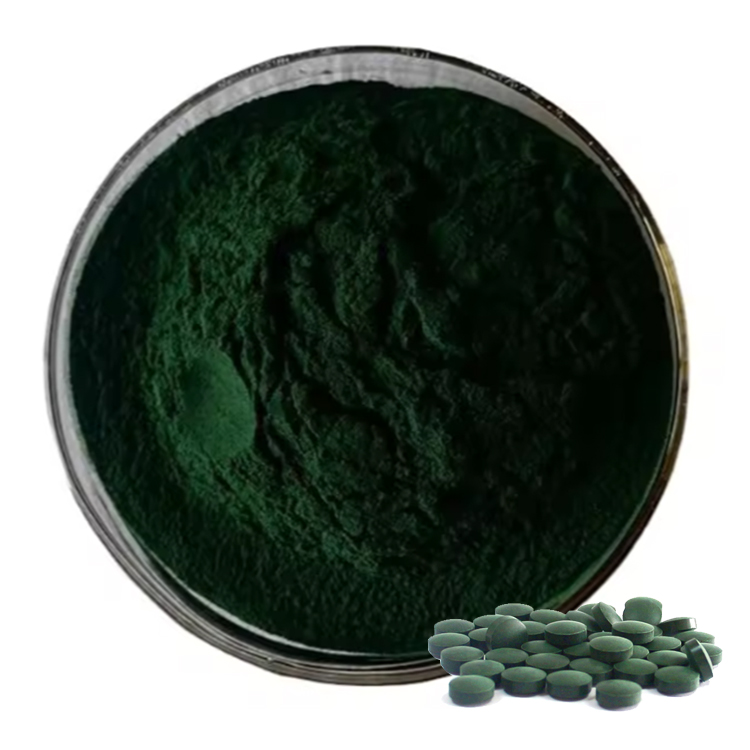
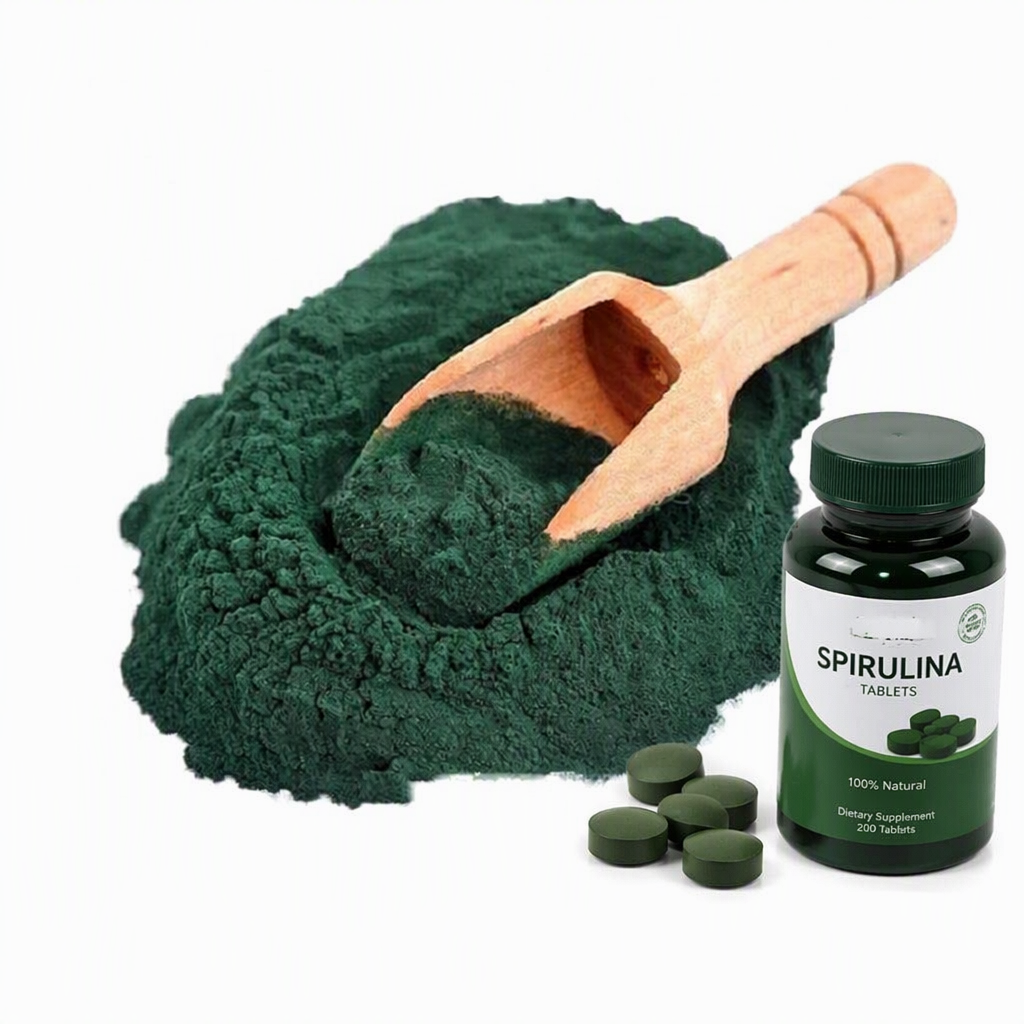
| Arthrospira platensis (Spirulina) | Phycocyanin, Crude Protein | ≥60% Protein, Phycocyanin ≥18% | Kjeldahl / UV-Vis | Nutritional superfood presses, tableting, clean protein |
| Deep-Sea Fish Dermis | Collagen Oligopeptides | ≥90% Protein (<1000 Da) | GPC (Gel Permeation) | Nutricosmetic ingestibles, skin elasticity sachets |
Strategic Procurement Trends: The Next 5 Years in Botanical Sourcing
The international botanical and nutritional supply chain is transitioning from opportunistic spot-market procurement toward strictly audited, scientifically verified value networks. Procurement directors must anticipate these macro evolutionary shifts:
1. Elimination of Synthetic Carriers & Excipients
Traditional spray drying protocols frequently rely on 20%–35% maltodextrin as a drying carrier. Modern European and North American buyers increasingly demand maltodextrin-free, acacia fiber-based, or pure native matrix powders to satisfy zero-additive and whole-food label declarations.
2. Zero-Pesticide USP <561> Compliance
Stringent multiresidue GC-MS/MS and LC-MS/MS screenings targeting 400+ pesticide compounds are now standard for high-tier brand validation. Bulk flower extracts sourced from unregulated wildcrafts fail heavy metal or pesticide thresholds at high rates. Directly managed farming cooperatives and soil testing are imperative.
3. Water-Dispersible & Nano-Emulsified Lipids
Historically insoluble hydrophobic actives—including Saw Palmetto fatty acids, CoQ10, and floral carotenoids—are rapidly migrating toward micro-encapsulated, cold-water-dispersible (CWD) powder formats suitable for ready-to-drink (RTD) canning, functional stick packs, and effervescent delivery systems.
Manufacturing Infrastructure & Rigorous Quality Assurance
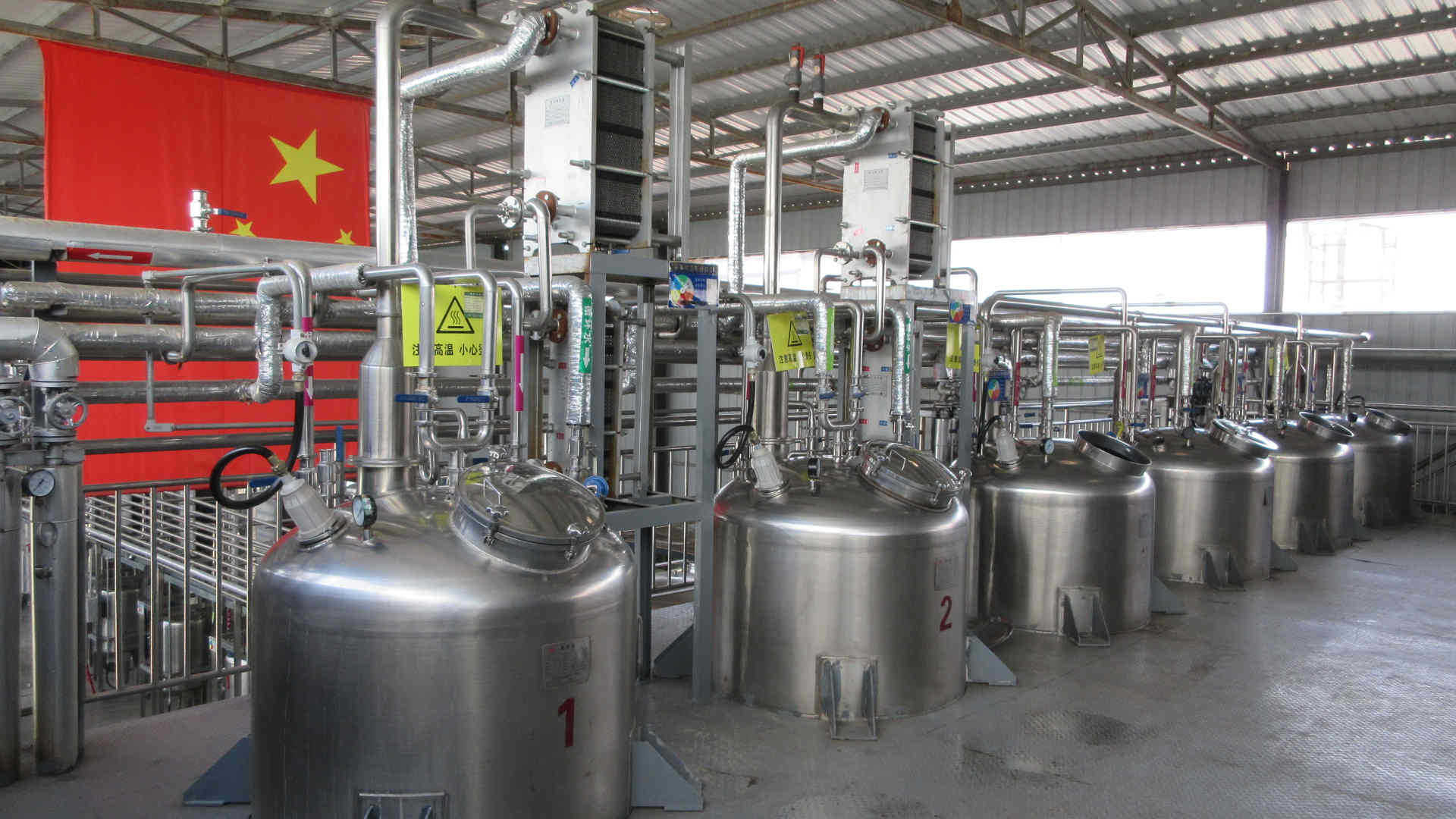
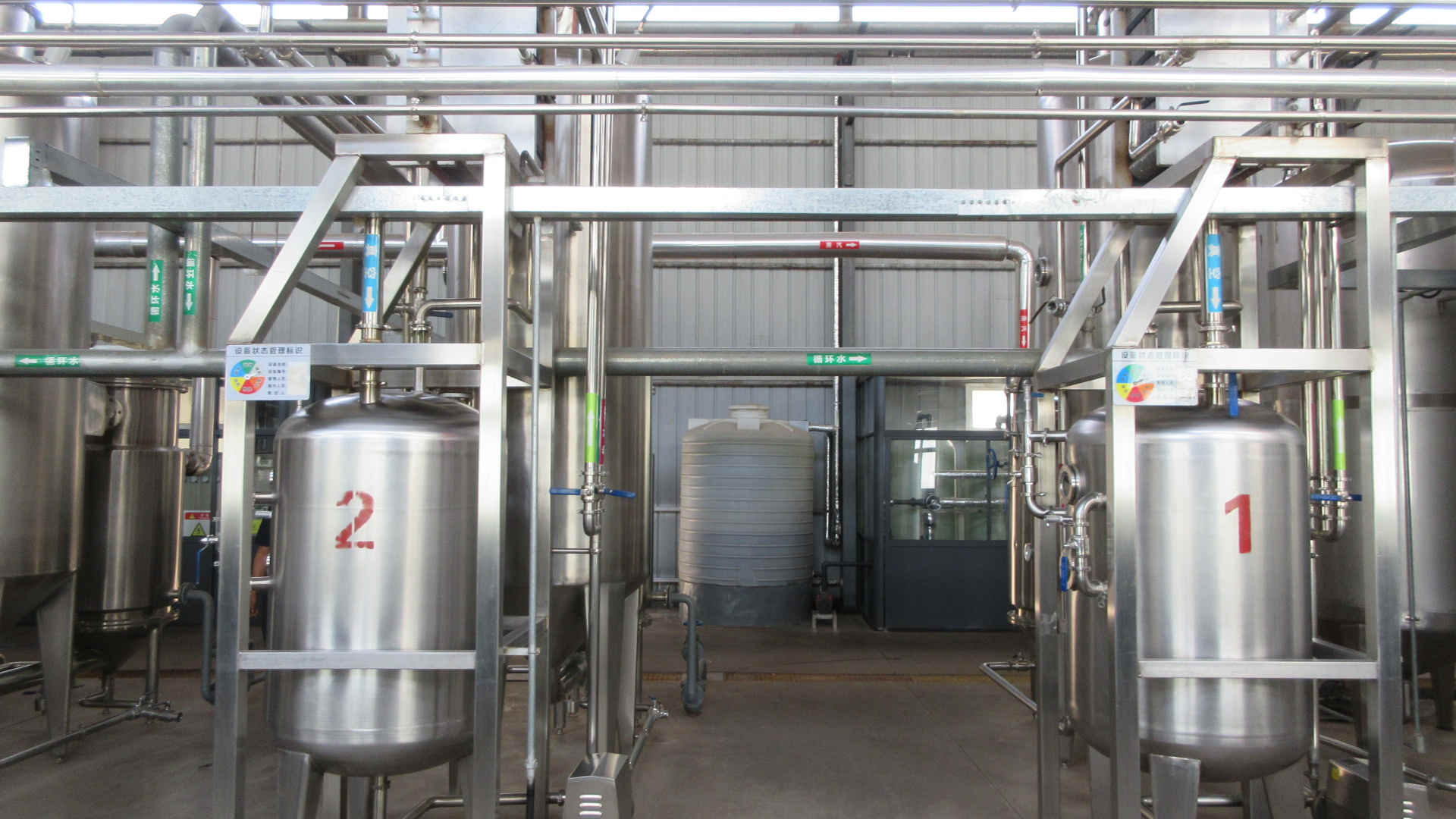
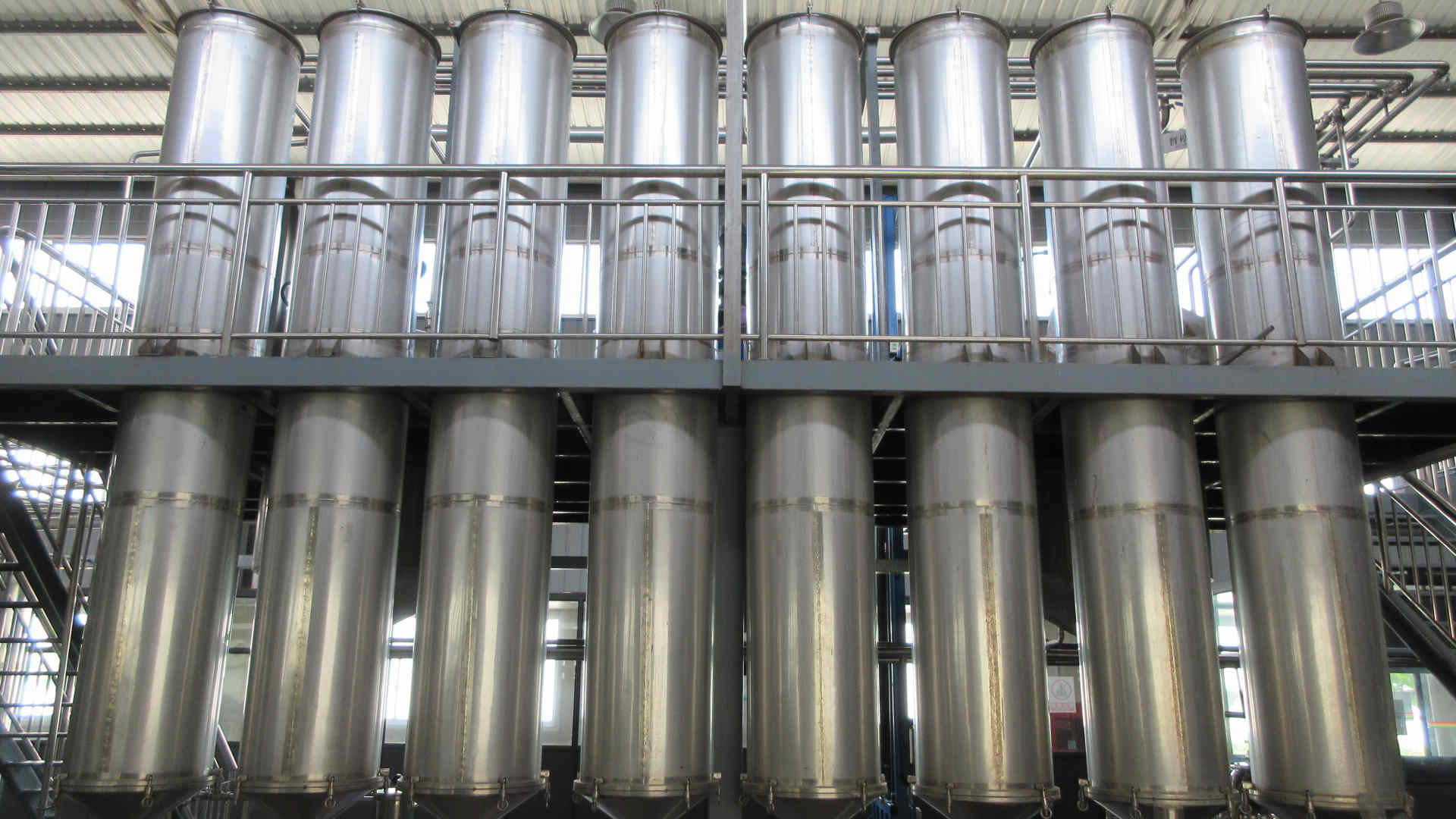
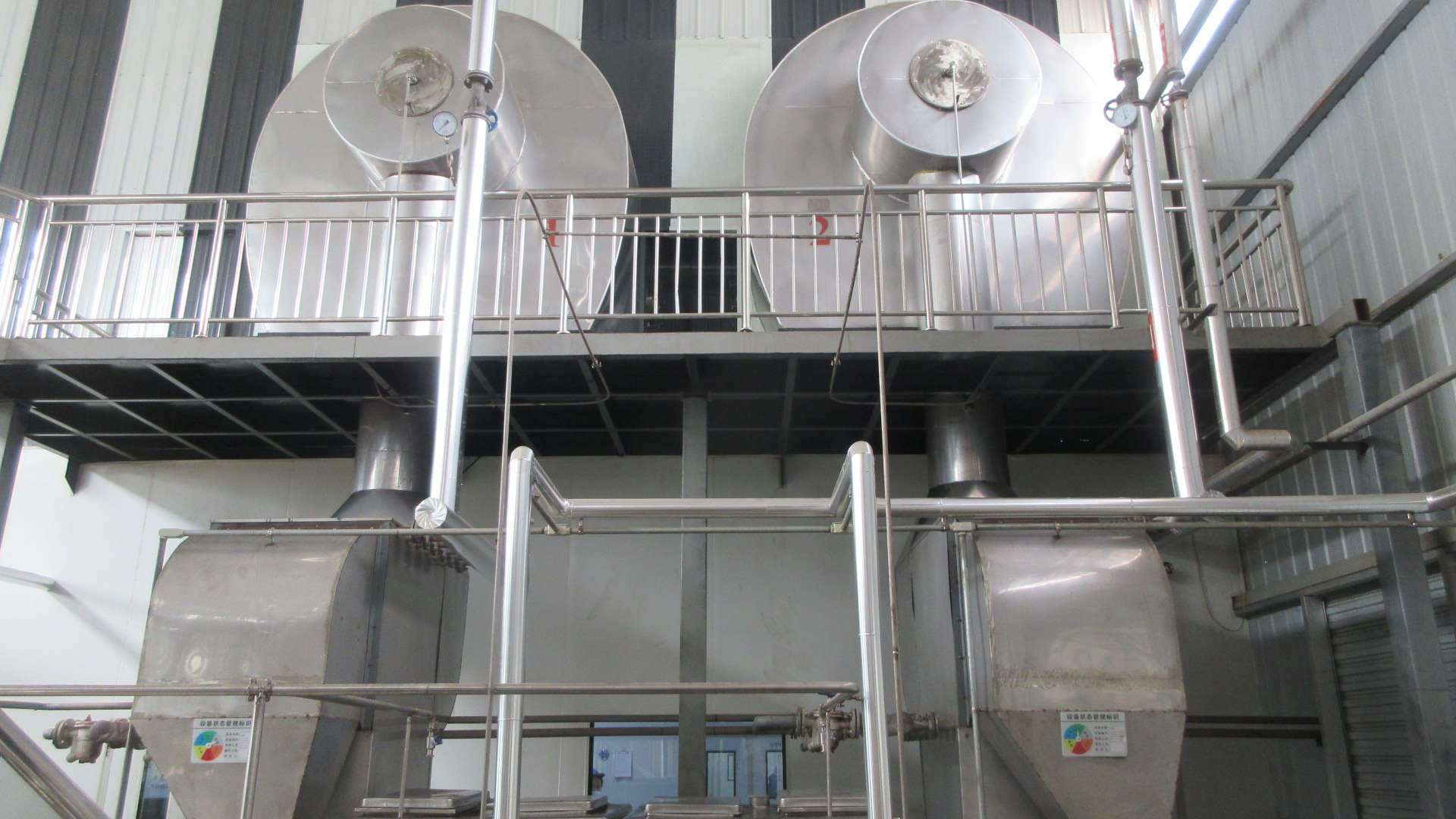
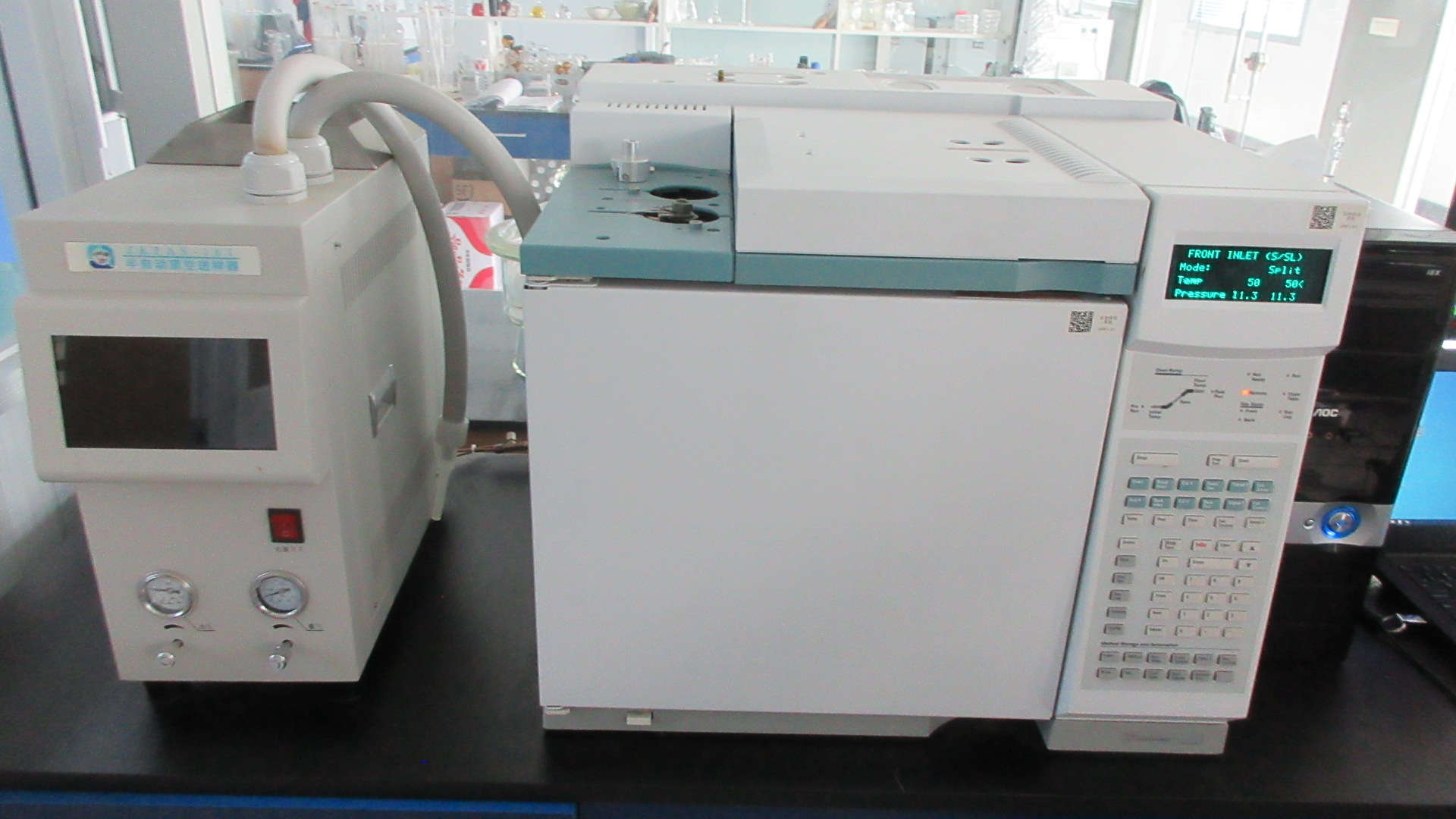
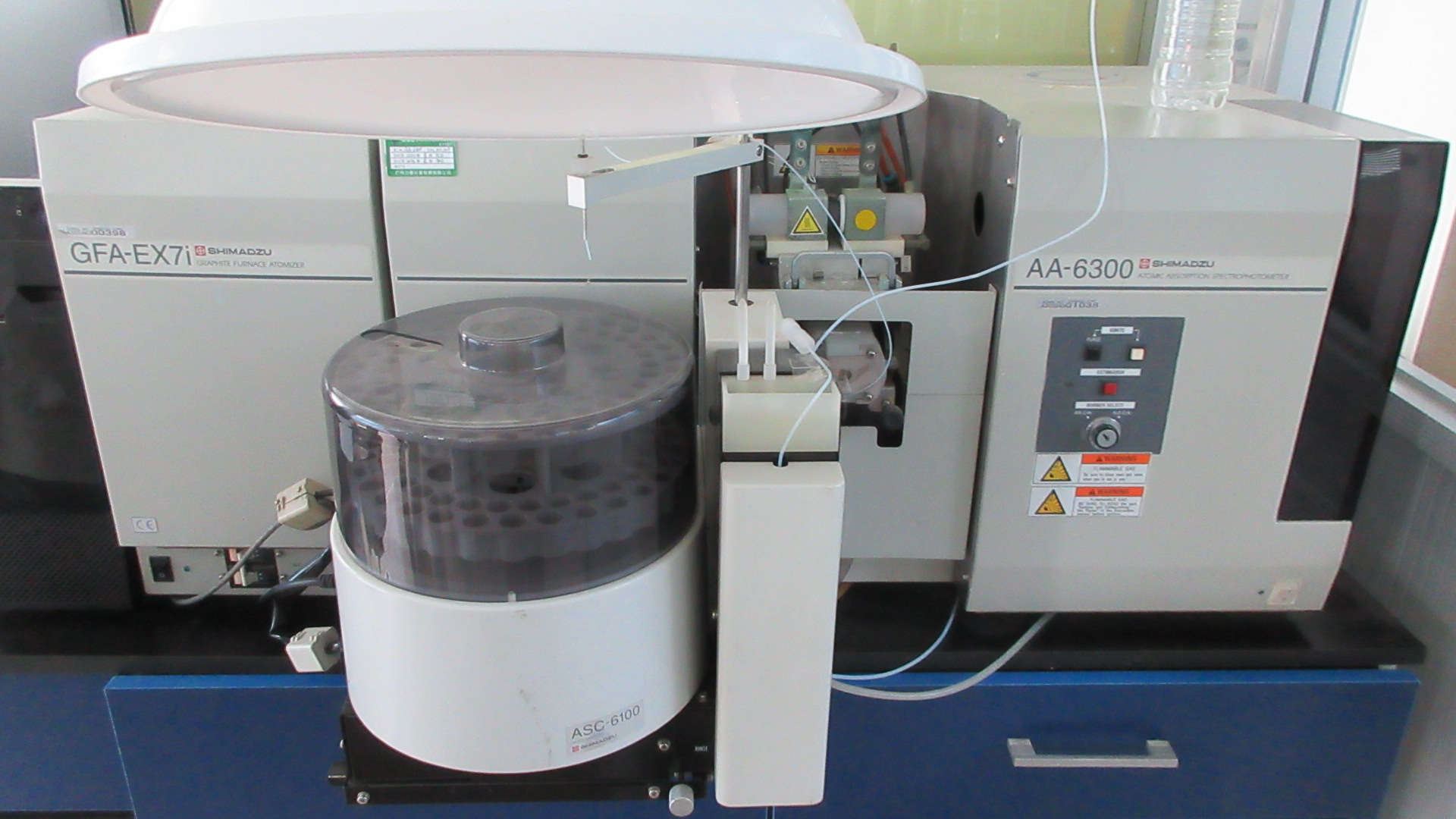
Shaanxi Torzi Biotech operates 12,447 square meters of modern cGMP-designed extraction workshops, vacuum drying towers, and Class 100,000 cleanrooms in Xi'an, Shaanxi. We combine direct raw botanical sourcing from the Qinling Mountain reserve with on-site chromatographic testing.
Why Global Formulators Partner with Shaanxi Torzi Biotech
In an industry often crowded by intermediary trading brokers, we provide accountable factory direct production backed by complete documentation transparency.
Full Batch Traceability & Real COAs
Every lot ships with a comprehensive Certificate of Analysis verifying assay (HPLC/GC/Titration), microbial limits (Total Plate Count, Yeast & Mold, E. Coli, Salmonella), heavy metals (AAS), residual solvents (EP/USP), and mesh particle size distribution.
Globally Certified Manufacturing Standards
Our facility is verified on-site by SGS Group and operates strict quality management protocols aligned with ISO22000, cGMP, Halal, Kosher, and USDA Organic guidelines, streamlining regulatory import submissions across the US FDA, EU EFSA, and TGA jurisdictions.
Integrated OEM/ODM Contract Formulation
Beyond raw powder drums, our Class 100,000 workshops handle hard-shell gelatin/vegetable capsule filling, micro-tableting, sachet packaging, and custom premix blending with rapid turnarounds and low pilot-scale starting minimums (MOQ from 500 units).
Procurement & Technical Compliance FAQ
Direct answers addressing technical parameters, audit certifications, testing methodologies, and international B2B freight logistics.
An extraction ratio (such as 10:1) merely indicates that 10 kilograms of raw dry flower or plant biomass were consumed to produce 1 kilogram of concentrated extract powder; it does not indicate the exact molecular quantity of target phytochemicals. Standardized extracts, conversely, are guaranteed via chromatographic quantification (such as HPLC or GC) to contain a verified percentage of bioactives (e.g., Saw Palmetto 45% Free Fatty Acids, or Stevia 98% Steviol Glycosides), irrespective of harvest biomass fluctuations. For clinical and regulatory compliance, standardized assays are strongly recommended.
We use primarily deionized water and USP-grade grain ethanol as our primary extraction solvents. Toxic class-1 and class-2 solvents (such as benzene, chloroform, or dichloromethane) are strictly prohibited across our production lines. Every outbound production lot is verified by gas chromatography (GC) with flame ionization detection (FID) to confirm that residual ethanol remains substantially below European Pharmacopoeia (EP 5.4) and USP <467> limits of ≤ 5,000 ppm (typically < 500 ppm in our vacuum-dried powders).
For raw botanical powders and standardized flower extracts, our pilot-scale MOQ starts from 1 kg packed in vacuum-sealed aluminum barrier foil bags. Commercial production orders are typically packaged in 25 kg fiber export drums with double polyethylene food-grade liners. Standard lab evaluation samples (50 g to 100 g) are prepared and dispatched via DHL, FedEx, or UPS within 48 to 72 hours, accompanied by the matching lot Certificate of Analysis (COA) and Material Safety Data Sheet (MSDS).
Yes. In addition to our internal laboratory testing (HPLC, GC, AAS, microbiological culture incubators), we regularly partner with accredited international third-party testing institutions such as SGS, Eurofins, and Pony Testing. Upon request, we provide third-party validation reports for pesticide residues, heavy metal trace elements, irradiation screening, and non-GMO certification to ensure friction-free clearance through international customs and regulatory agencies.
Yes, our Xi'an facility houses automated capsule filling machines (Sizes 00, 0, 1, 2 in gelatin and HPMC vegetarian shells), rotary tablet presses, and pouch packing machinery. We support custom blend development, granular pre-conditioning for improved flowability, excipient-free clean label formulations, and custom secondary packaging (bottling with induction seals, blister packs, and multi-serving resealable stand-up pouches) starting from 500 retail units.
Connect Directly with Our Botanical Chemists & Supply Team
Whether you require standard 25 kg production drums, customized botanical ratios, or complete contract private labeling, our team will provide a comprehensive quotation, lot-specific COA, and free evaluation sample within 24 business hours.