Standardized Bioactive Extracts & Functional Nutrition Portfolios
Directly manufactured under ISO 9001, cGMP, Halal, Kosher, and USDA Organic audited lines. Every batch features atomic absorption heavy metal screening and HPLC chromatographic fingerprinting.
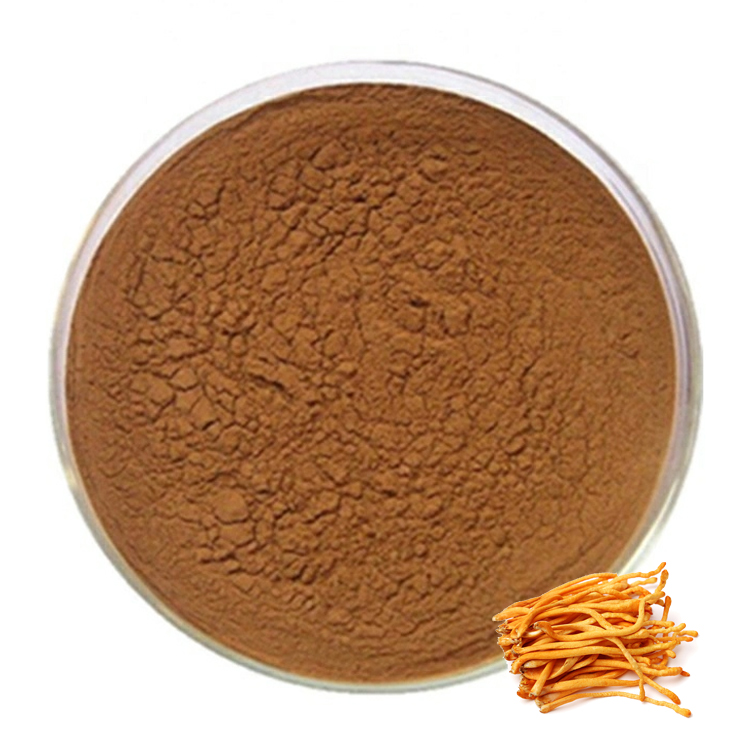
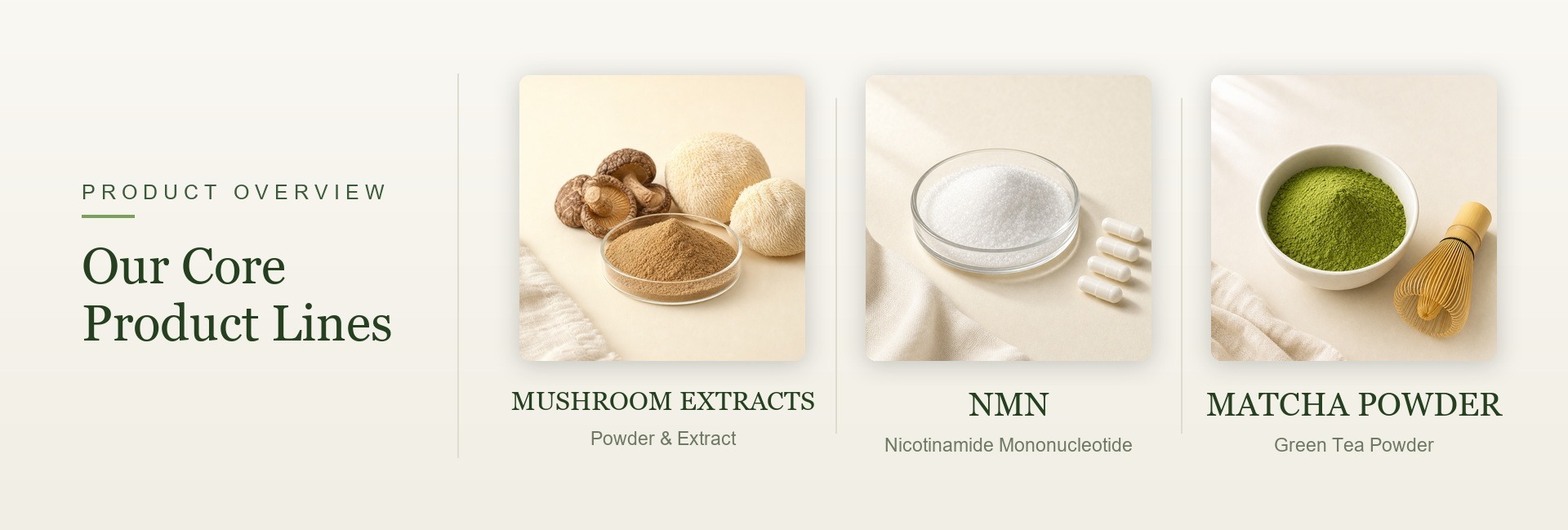
Cordyceps Mushroom Powder 30% 50% Polysaccharides
- Active: 30%–50% Polysaccharides, Adenosine
- Source: Cordyceps Militaris Fruiting Body
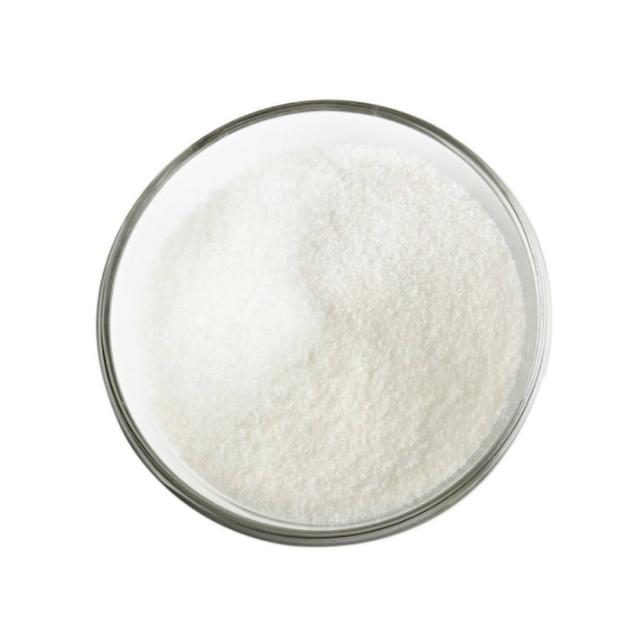
Glucose Isomerase Enzyme Food Grade Bulk Powder
- High Conversion Activity / Catalytic Purity
- Standard 25kg Sealed Fiber Drums
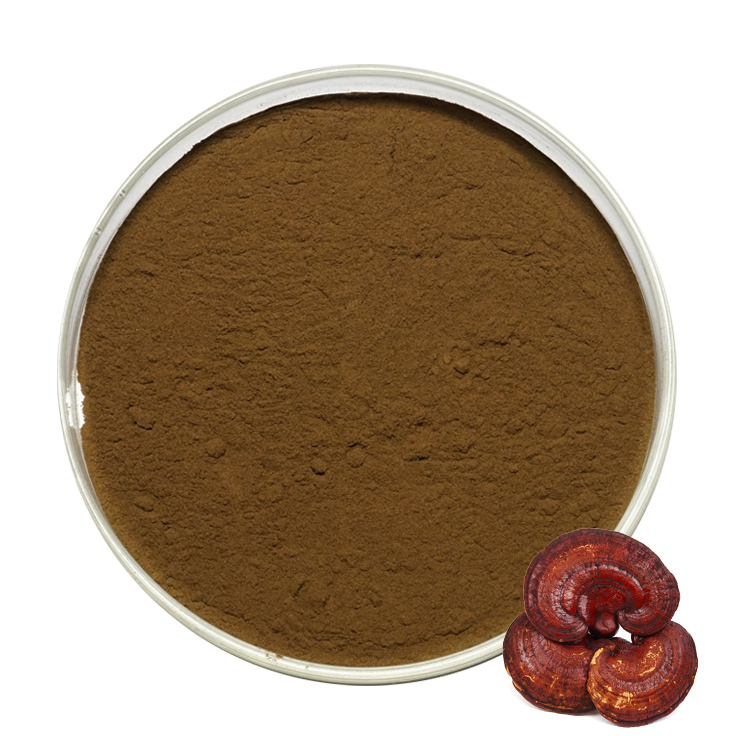
Reishi Mushroom Extract Powder (Ganoderma Lucidum)
- 30% Polysaccharides & Triterpenes Standardized
- Wood-Cultivated Fruiting Body Only
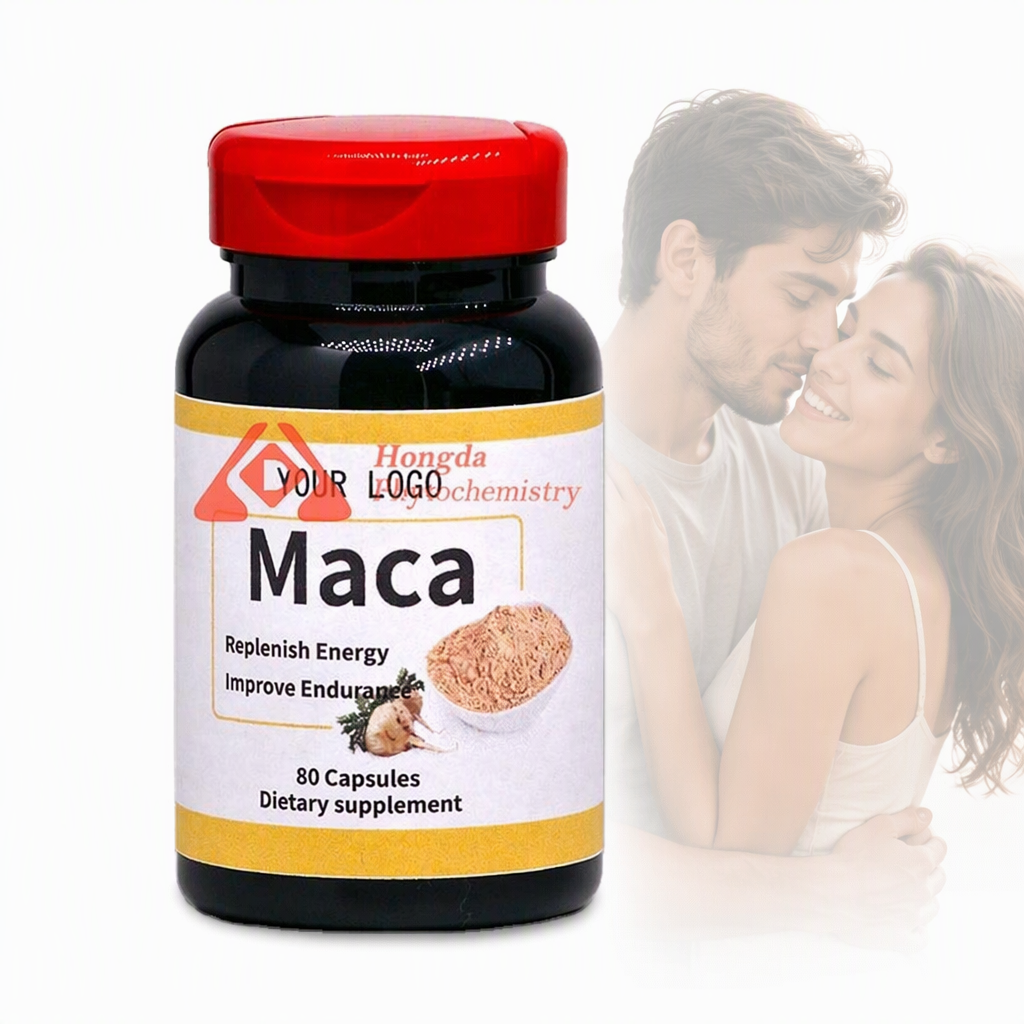
Private Label Black Maca Extract Capsules OEM
- High Potency Macamides & Glucosinolates
- Custom Bottling, Blister Packaging, Blending
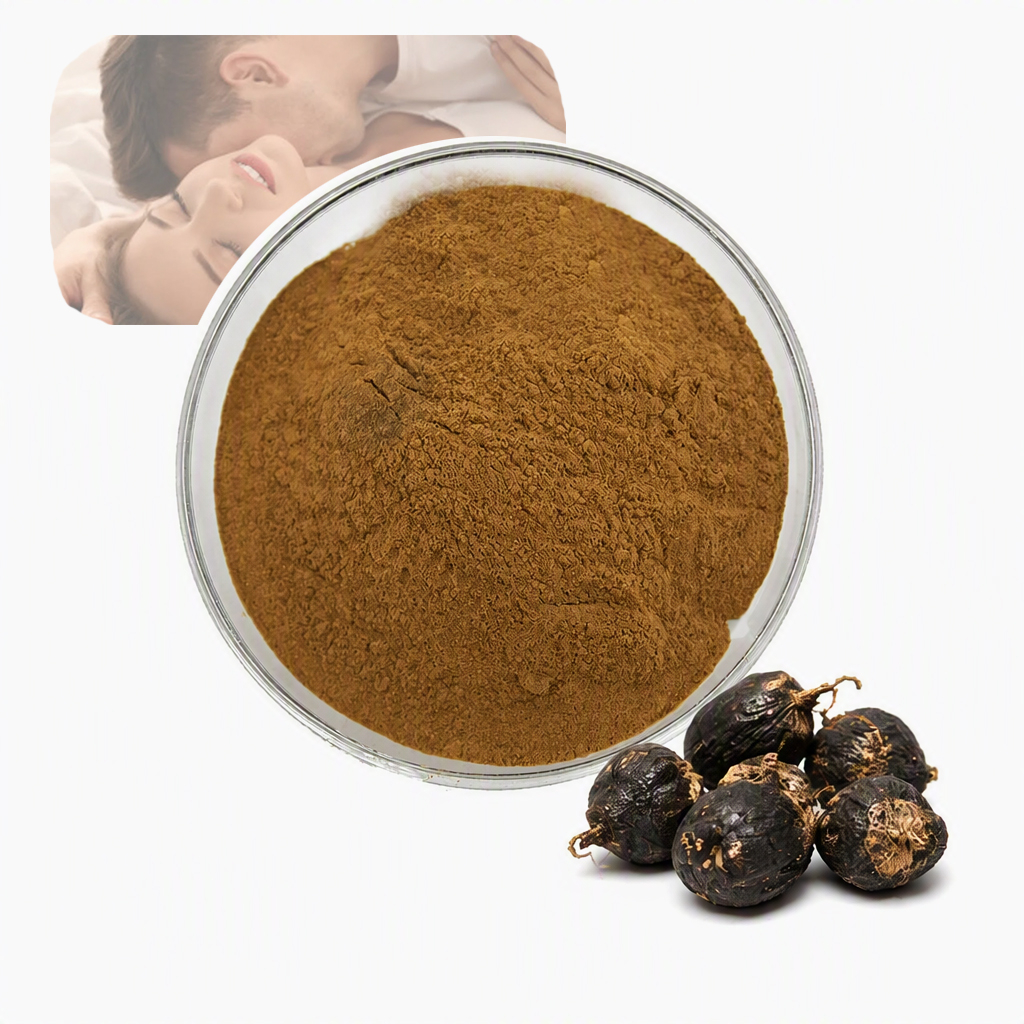
Black Maca Root Extract Powder & Capsules Bulk
- Lepidium Meyenii 4:1 to 20:1 High Ratio Extract
- Free Evaluation Samples / HPLC Verified
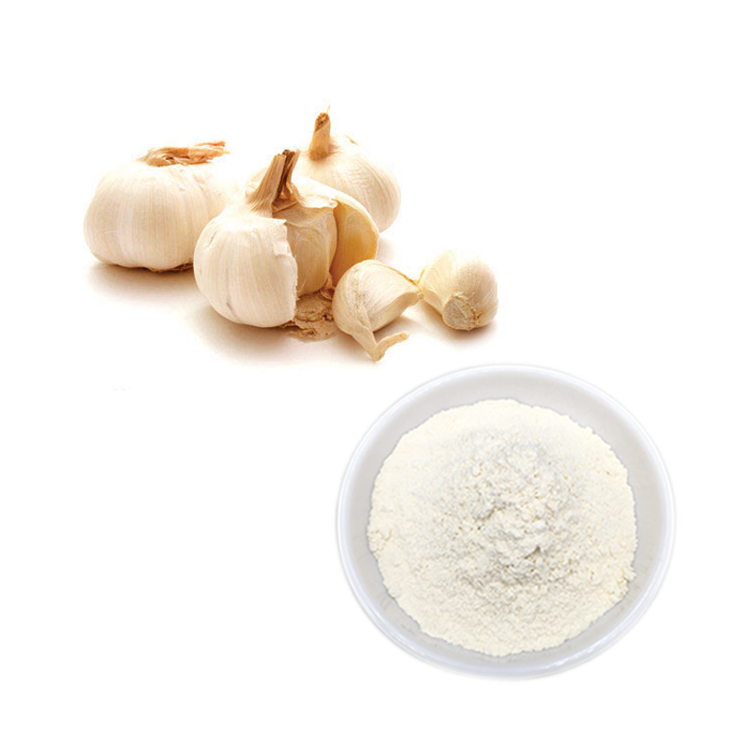
Pure Dehydrated Garlic Powder & Allium Extract
- Guaranteed Active Allicin & Alliin Content
- Direct Factory Export Bulk Pricing
Marine Fish Collagen Oligopeptide Powder 100% Pure
- Enzymatic Hydrolysis / Neutral Taste & Odor
- Rapid Cold Water Solubility for Nutricosmetics
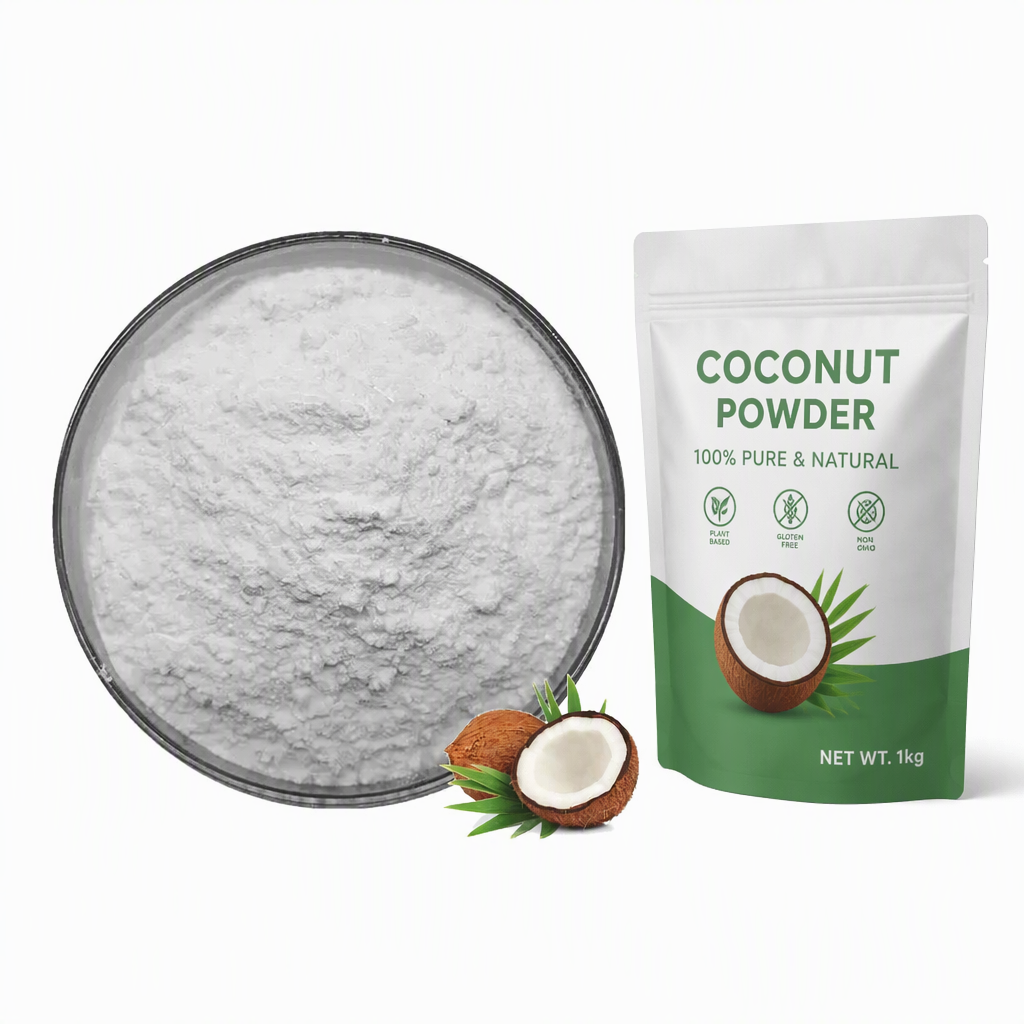
Organic Spray-Dried Coconut Milk & Water Powder
- Retained Medium Chain Triglycerides (MCTs)
- Non-GMO, Carrier-Free or Maltodextrin Free
Top 10 Standardized Herbal Extract Suppliers & Exporters: Global Evaluation Framework
The global standardized botanical and herbal extract industry represents a market valuation exceeding USD 34.5 billion, projected to maintain a Compound Annual Growth Rate (CAGR) of 8.2% through 2032. Modern nutraceutical procurement officers, quality control directors, and formulation scientists face unprecedented regulatory pressures. Compliance mandates such as the FDA 21 CFR Part 111, the European Pharmacopoeia (Ph. Eur.) monographs on elemental impurities, and stringent limits on residual pesticides (USP <561>) require complete supply chain transparency rather than reliance on standard broker Certificates of Analysis (COAs).
A true "Standardized Herbal Extract" is fundamentally distinct from conventional raw botanical powder or coarse whole-herb pulverization. Standardization guarantees precise chemical quantification of therapeutic secondary metabolites—such as polysaccharides, cordycepin, triterpenoids, macamides, silymarins, and polyphenols—validated through High-Performance Liquid Chromatography (HPLC), Gas Chromatography (GC), or enzymatic Megazyme assays. When assessing international manufacturing partners and exporters, pharmaceutical procurement teams evaluate four core capabilities: primary agronomic origin traceability, extraction process validation (aqueous vs. hydro-ethanolic clean fractionation), dedicated clean-room spray drying infrastructure, and in-house chromatographic testing instrumentation.
Critical Quality Guideline for B2B Buyers: Never procure botanical extracts based solely on UV-Vis spectrophotometry claims. Total polysaccharide assays conducted via UV-Vis cannot distinguish between bioactive fungal beta-glucans and cheap adulterants like grain-derived dextrins or corn starch. Insist on enzymatic Megazyme assays and HPLC chromatographic fingerprinting matching USP reference standards.
| Rank & Organization | Primary Production Hub | Core Analytical Competency | Flagship Product Standardizations | Regulatory Accreditations |
|---|---|---|---|---|
| 01 Shaanxi Torzi Biotech Co., Ltd. | Xi'an, Shaanxi, China (Qinling Belt) | In-house HPLC, GC, AAS, AFS; Megazyme beta-glucan assay | Organic Cordyceps, Reishi 50%, Black Maca, Taurine 99%, L-Theanine | SGS Audited, USDA Organic, Halal, Kosher, cGMP |
| 02 Indena S.p.A. | Milan, Italy | Phytosome phospholipid delivery optimization, NMR spectroscopy | Curcumin Phytosome, Standardized Bilberry Anthocyanins, Ginkgo | EU-GMP, AIFA, US FDA Inspected, ISO 14001 |
| 03 Martin Bauer Group | Vestenbergsgreuth, Germany | Ultra-trace botanical pesticide and pyrrolizidine alkaloid LC-MS/MS | Herbal Tea Infusions, Valerian, Artichoke, Senna Extracts | FSSC 22000, UTZ, EU Organic, GMP+ |
| 04 Sabinsa Corporation | Bengaluru, India / Utah, USA | Clinical bio-marker validation, organic synthesis, patent licensing | Black Pepper Extract (Piperine 95%), Curcuminoids, Boswellic Acids | US FDA cGMP, FSSAI, USP Audited, Halal |
| 05 Euromed S.A. | Barcelona, Spain | Pure-Hydro Process eco-extraction, DNA barcoding validation | Saw Palmetto, Milk Thistle (Silymarin), Artichoke, Olive Polyphenols | EU-GMP, Health Canada, ISO 9001, Kosher |
| 06 Nexira | Rouen, France | Hydrocolloid purification, functional fiber polysaccharides | Acacia Fiber, Ashwagandha, Devil's Claw, Cranberry PACs | Organic EU/NOP, Non-GMO Project, ISO 22000 |
| 07 Vidya Herbs Pvt. Ltd. | Karnataka, India | Supercritical CO2 fluid extraction technology, HPTLC analysis | Ashwagandha Withanolides, Coleus Forskohlii, Green Coffee Bean CGA | NSF cGMP, ISO 22000, USDA Organic, Halal |
| 08 Arxada (formerly Lonza) | Basel, Switzerland | Fermentation-derived biologicals, controlled synthesis | L-Carnitine Tartrate, Arabinogalactan, Niacin derivatives | cGMP, FSSC 22000, CEP / Drug Master Files |
| 09 Givaudan (Naturex) | Avignon, France | Flavor-active phyto-chemistry, natural color crystallization | Acerola Vitamin C, Rosemary Extract Antioxidants, Turmeric | B Corp, ISO 14001, Organic USDA/EU, SEDEX |
| 10 OmniActive Health Technologies | Mumbai, India | Beadlet microencapsulation, visual lutein/zeaxanthin assays | Marigold Lutein Isomers, Capsaicinoids, Curcuminoid dispersibles | USP Verified, cGMP, NSF International |
Global Procurement Trends: The Next 5 Years in Botanical Science
The botanical sourcing paradigm is moving rapidly from low-cost raw materials to verified chemical standardization and strict ESG governance. Regulatory agencies, including the US FDA, Health Canada, EFSA, and regional national pharmacopeias, are intensifying scrutiny of botanical supply chains. Brands can no longer rely on unverified intermediary brokers. Formulators and contract manufacturers must anticipate the following pivotal trends to protect brand equity and ensure product efficacy.
1. Transition to Enzymatic & Fingerprint Assays
Traditional non-specific colorimetric testing methods (such as phenol-sulfuric acid UV assays) are becoming obsolete. Sourcing teams are replacing them with enzymatic assays (Megazyme) for mushroom beta-glucans and UHPLC-MS/MS fingerprinting to detect maltodextrin dilution and synthetic active spiking.
2. Heavy Metal & California Prop 65 Compliance
Global standards for toxic metals (Lead, Cadmium, Arsenic, Mercury) are tightening. Leading suppliers now utilize Atomic Absorption Spectrophotometers (AAS) and Atomic Fluorescence Spectrometers (AFS) to guarantee compliance with stringent California Proposition 65 limits (<0.5 mcg/day for Pb).
3. Sourcing Along Indigenous Botanical Belts
Direct supply contracts with manufacturing facilities located at primary botanical centers—such as the Qinling Mountain Belt in China—minimize degradation of fragile secondary phytocompounds. Primary regional processing eliminates intermediary handling risks and guarantees full lot-to-plot traceability.
4. Clean-Label Solvent Extraction Demands
Consumers increasingly reject petroleum-derived hydrocarbon solvent residues like hexane, methanol, and toluene. Industrial procurement agreements now specify green solvents: pure aqueous decoction, food-grade USP grain ethanol, or non-thermal super-critical carbon dioxide extraction systems.
5. Instant Water-Dispersible Nano-Grades
Driven by the surge in functional beverages, RTD canned elixirs, and stick-pack hydration powders, bulk extract powders must dissolve instantaneously without sediment. Advanced spray drying with dynamic fluid-bed agglomeration yields free-flowing, dust-free, cold-water-soluble botanical granules.
6. Turnkey Contract Manufacturing (OEM/ODM)
To reduce freight emissions, lead times, and compounding losses, international supplement brands partner with primary extraction facilities that offer integrated two-piece hard shell capsule filling, pouch packaging, and custom premix compounding directly under cGMP certification.
Enterprise Advantages: Integrated Extraction to Finished Dosage
Shaanxi Torzi Biotech Co., Ltd. operates at the core of China's Qinling Mountains botanical corridor in Xi'an. Spanning an on-site verified production facility of 12,447 m², our integrated production model eliminates third-party trading intermediaries, offering global buyers direct factory pricing, end-to-end quality assurance, and complete batch documentation.
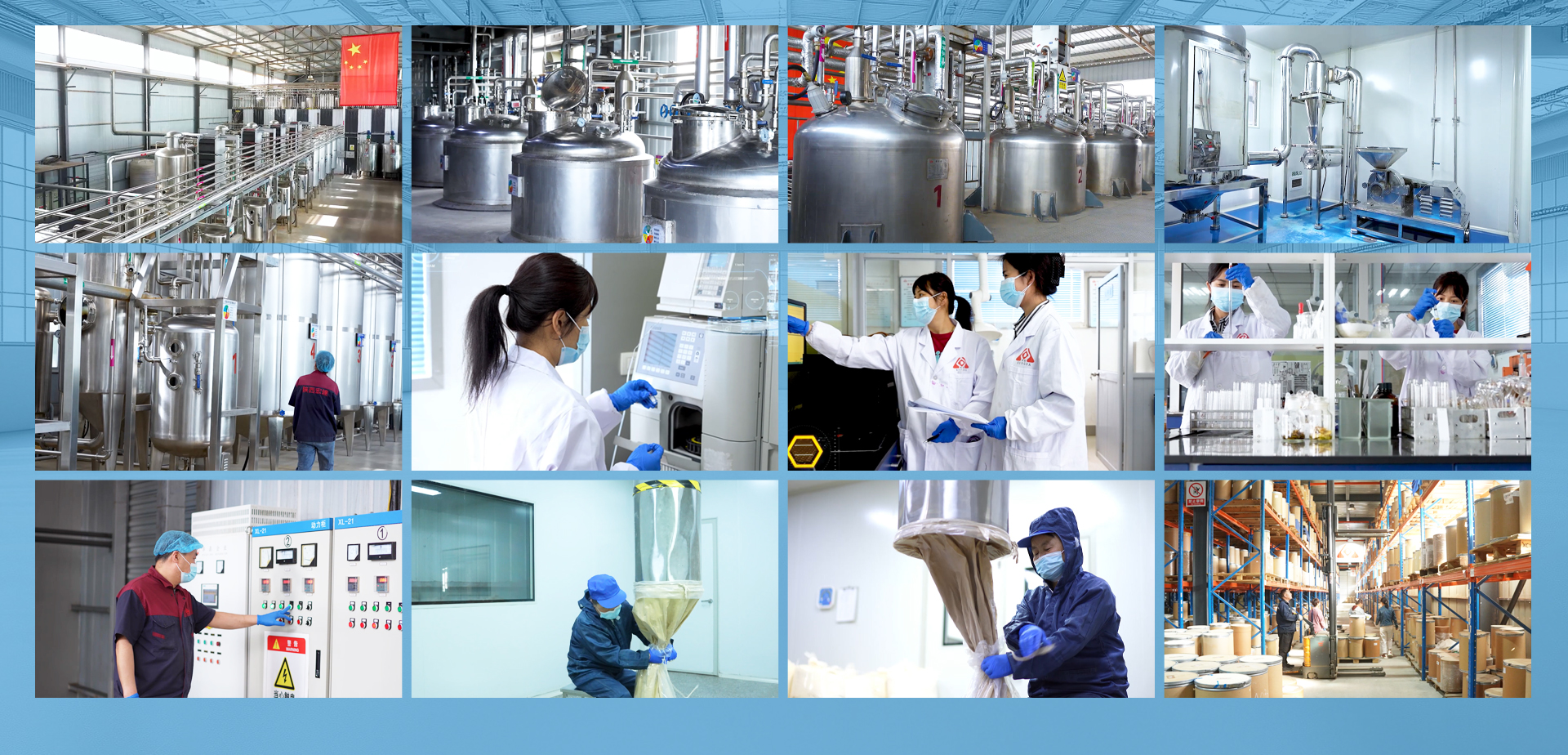
12,447 m² Dedicated cGMP Facility
Features 100,000-class clean room workshops, commercial multi-functional stainless steel extraction tanks, vacuum low-temperature continuous evaporation units, and high-capacity spray drying towers.
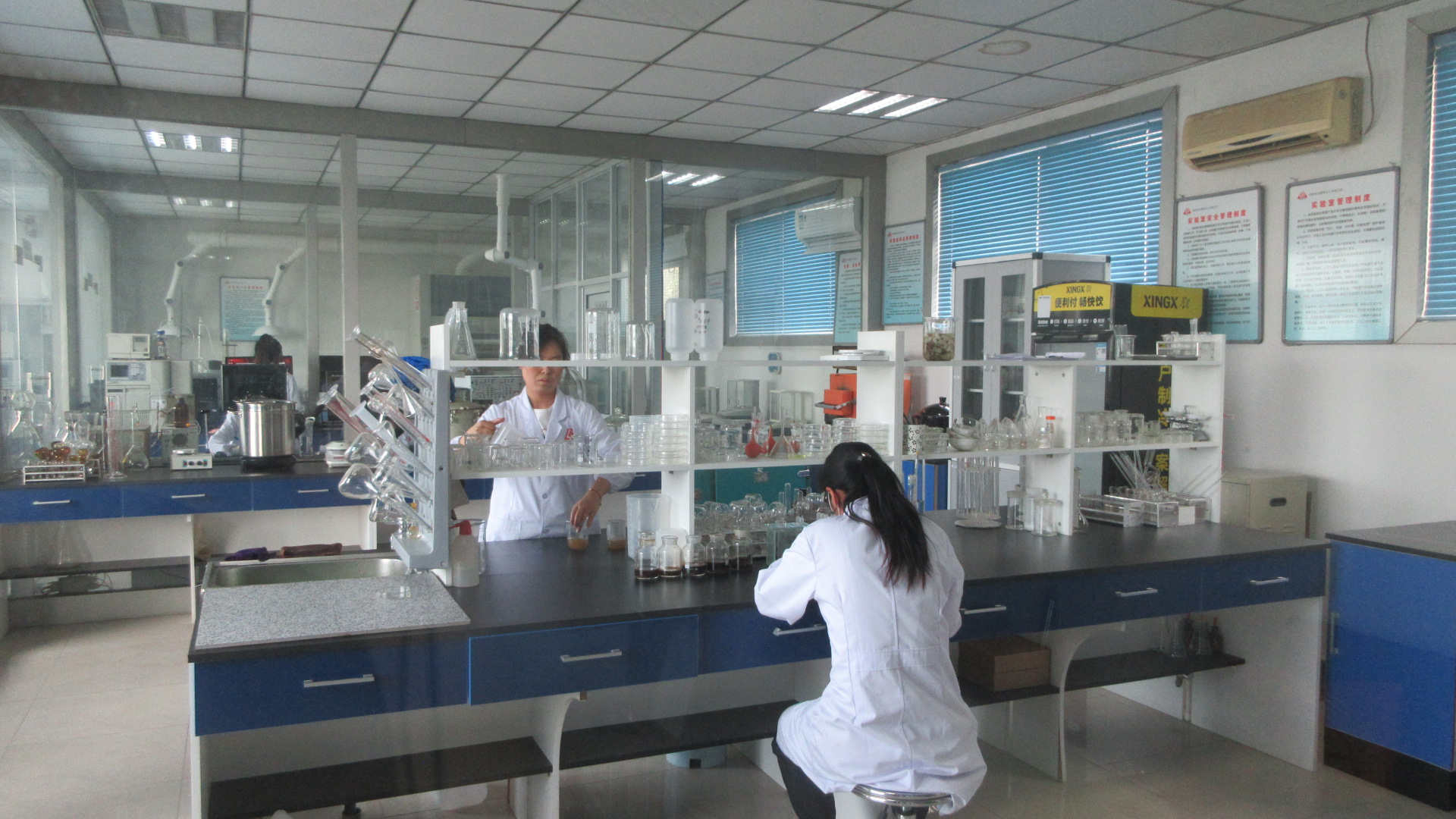
In-House Analytical Instrumentation
Our internal testing lab operates High-Performance Liquid Chromatographs (HPLC), Gas Chromatographs (GC), Atomic Absorption (AAS), and Atomic Fluorescence (AFS) spectrophotometers for every lot.
Full Export & Custom OEM Capacity
Providing turnkey private label capsule filling (gelatin and plant-based HPMC), sachet packing, custom formulation blending, and international express/air/ocean freight logistics to over 50 countries.
Frequently Asked Questions: Technical Sourcing & Compliance
Direct answers from our senior extraction engineers and quality assurance specialists addressing common technical hurdles encountered during botanical import and product qualification.
We employ specific, validated methods based on target molecule chemistry: Reverse-Phase HPLC with UV-Vis/DAD detectors for cordycepin, macamides, and allicin; Atomic Absorption Spectrometry (AAS) for lead, cadmium, and arsenic; and the Megazyme enzymatic assay for fungal 1,3-1,6 beta-glucans to prevent starch-induced false positives.
Grain-cultivated mycelium contains significant quantities of residual oats, rice, or barley grain substrate, artificially inflating UV polysaccharide tests with alpha-glucans (starch). We utilize genuine wild-crafted or wood-log cultivated fruiting bodies, verified by Megazyme testing confirming high beta-glucan and minimal (<3%) alpha-glucan content.
To support R&D validation and small-scale test production, our active standardized extracts (such as Cordyceps, Lion's Mane, and Taurine) have pilot MOQs starting at 1 kg. Commercial production scale orders are packaged in standard 25 kg fiber export drums with hermetic heat-sealed double polyethylene liners.
Every shipment includes a comprehensive batch documentation package: Batch-Specific Certificate of Analysis (COA), Safety Data Sheet (SDS/MSDS) under GHS standards, Non-Irradiation Certificate, BSE/TSE-Free Statement, Allergen Declaration, and country-of-origin Certificate of Origin (COO) for customs clearance.
Yes. In addition to supplying bulk raw powders, our factory features dedicated cGMP contract manufacturing suites. We offer two-piece encapsulation (size 00, 0, and 1 vegetarian HPMC and bovine gelatin), automated bottling with induction sealing, stick-pack filling, and custom botanical premix granulation starting at 500 units.
Hygroscopic botanical extracts (such as spray-dried coconut milk, fruit powders, and high-polysaccharide mushroom extracts) are packaged within food-grade pharmaceutical barrier foil pouches with integrated desiccant packs, purged with pharmaceutical food-grade nitrogen, and sealed in crush-resistant fiber drums.