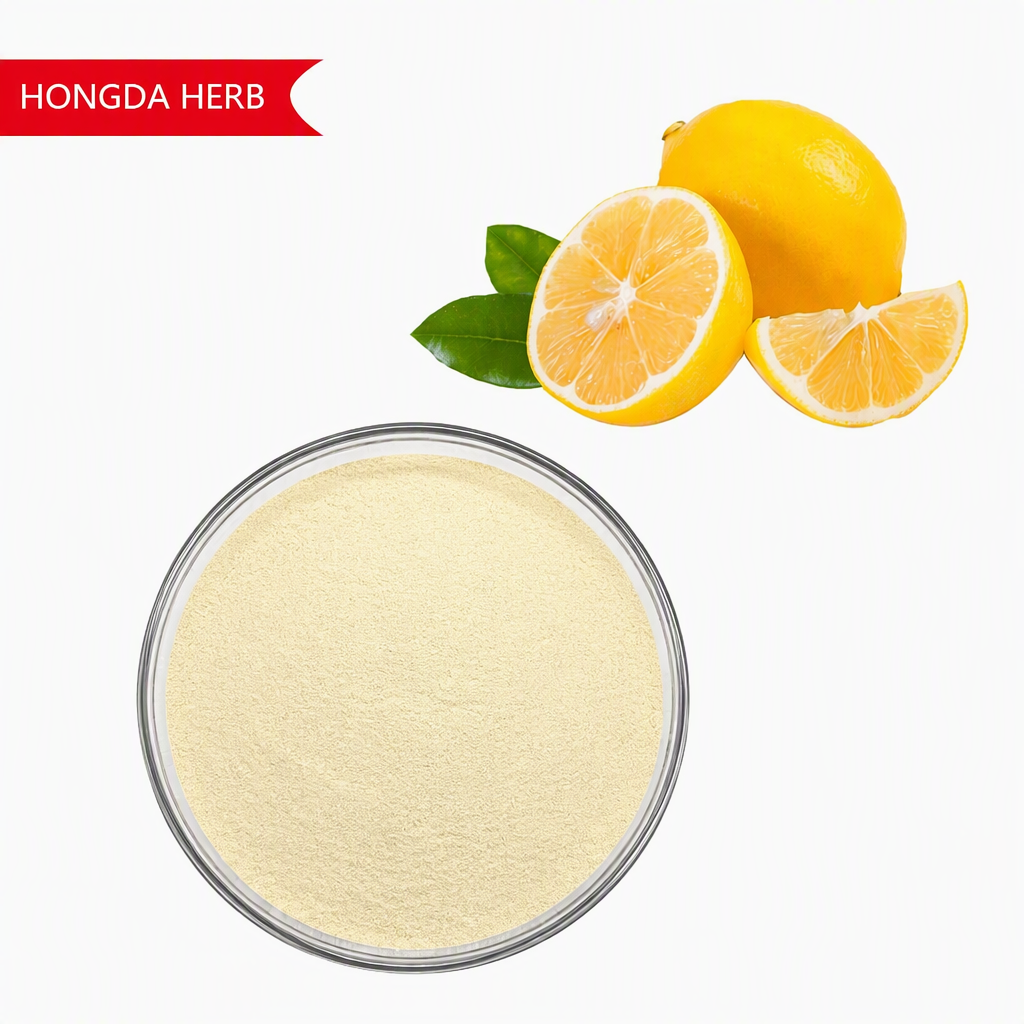
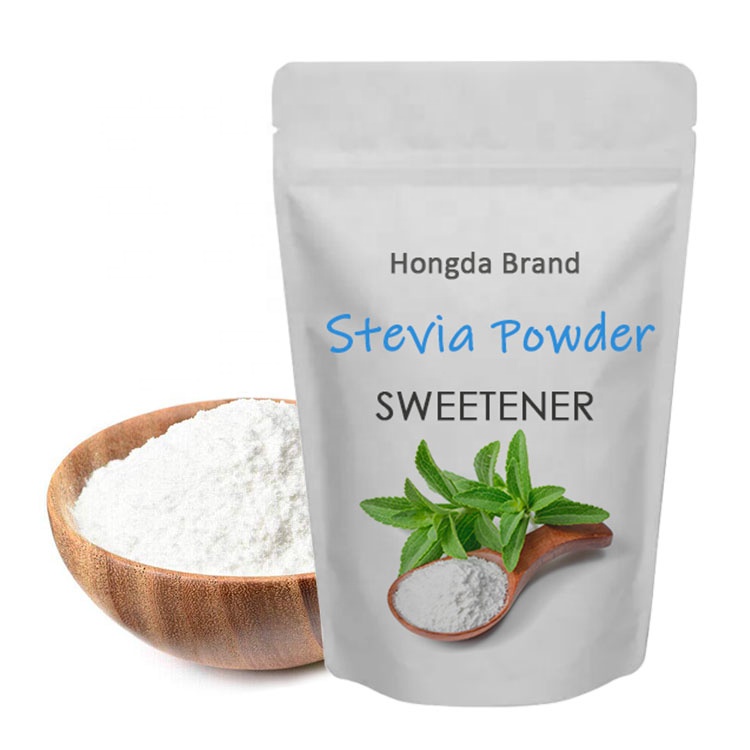
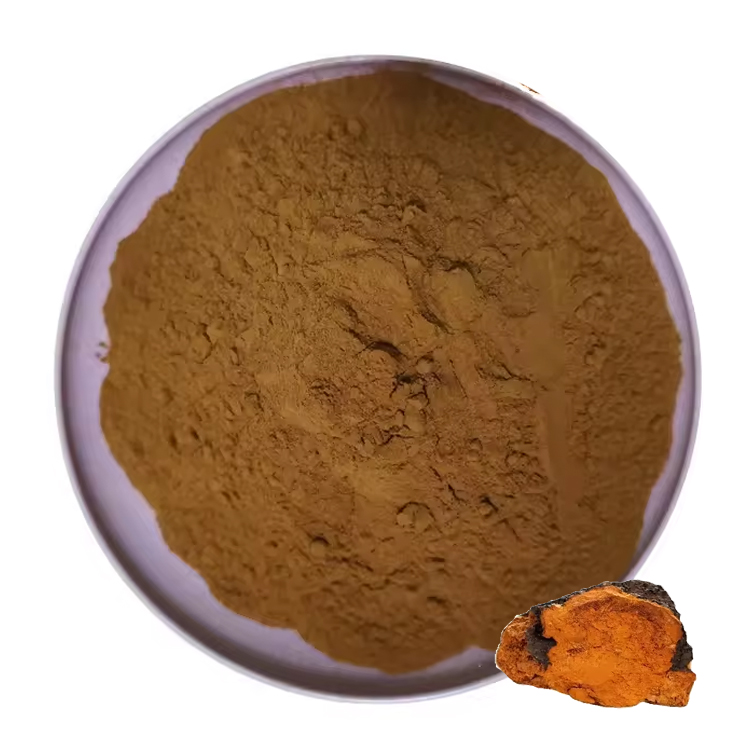
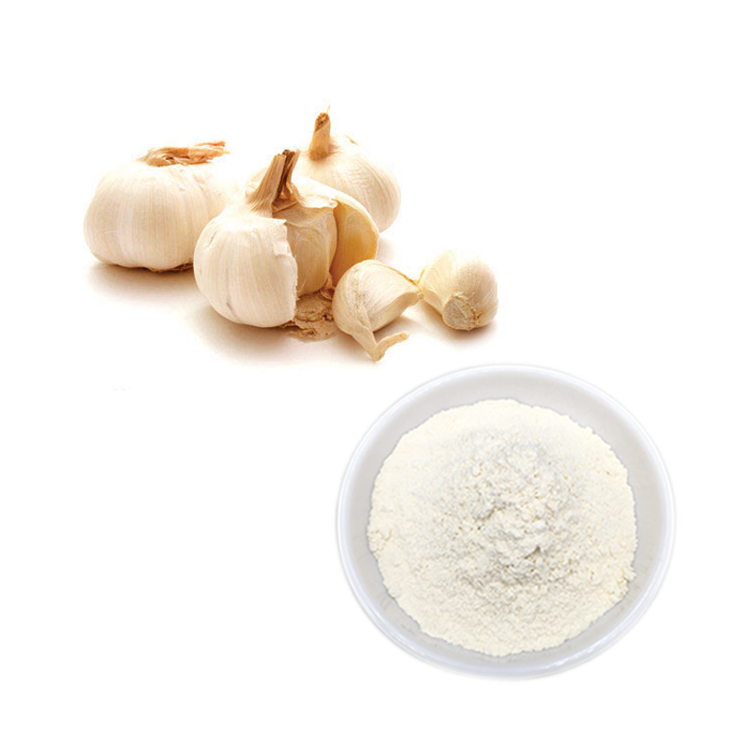
OEM/ODM Alkaloid Extract Manufacturer & Factory

Precision Isolation, Analytical Standardization, and Scalable cGMP Contract Extraction Architecture

Active Botanical Extract Powders & Standardized Functional Ingredients

Manufactured under rigorous cleanroom regimes, certified by SGS on-site audits, and tested batch-by-batch via advanced chromatography.

23+
Years Extraction Experience
12,447m²
Inspected Cleanroom Facility
89+
Ph.D. Chemist & QC Staff
50+
Export Nations Compliant

Overcoming Downstream Purification Hurdles in Industrial Alkaloid Extraction

Alkaloids constitute nitrogenous plant secondary metabolites that present distinct structural vulnerability during large-scale phase-transition extraction.

Differential pH Acid-Base Partitioning

Alkaloids exist natively as organic salts (malates, citrates, tannates). Our extraction protocol applies controlled aqueous acidulation (pH 2.5–3.8) to selectively protonate basic nitrogen rings, shifting them into the aqueous phase while precipitating lipophilic ballast wax and chlorophyll.

Macroporous Resin Adsorption Profiling

Rather than relying solely on aggressive organic solvent partitions, our facility uses proprietary polymeric resin columns (styrene-divinylbenzene copolymers) adjusted for target molecular weight cut-offs, adsorbing active alkaloid bases at neutral pH and stripping them via gradient ethanol elution.

Continuous Centrifugal Chromatography

Thermal degradation of delicate pyridine, isoquinoline, and indole skeletons is mitigated using triple-effect falling-film low-temperature evaporators coupled with disc-stack clarification (10,000+ RPM), producing an un-degraded crystalline or spray-dried mass with minimum solvent residues.

Analytical Rigor: Torzi Biotech Factory vs. Commodity Middlemen

Why Tier-1 dietary supplement and pharmaceutical brands specify direct cGMP factory partnerships over broker houses.

Quality & Technical Parameters Torzi Biotech OEM/ODM Factory Facility Standard Trading Brokers & Resellers
Raw Material Provenance Qinling botanical belt cultivation bases with full geographic GPS batch traceability. Unverified regional spot markets with multi-origin blending risk.
Assay Validation Methodology Validated HPLC, GC-MS, and LC-MS/MS assaying with authentic reference standards. UV-Vis generic absorption (vulnerable to non-specific optical interference).
Heavy Metal Speciation Atomic Absorption (AAS) and Atomic Fluorescence testing for Pb, Cd, As, Hg (< 1ppm limits). Aggregated bulk test reports often copied across multi-ton harvests.
Custom Particle Engineering Microfluidized 80–200 mesh particle distribution, wet granulation, instant dispersibility. Standard crystalline powder; no solubility or flowability modification.
Audit & Facility Verification Physical on-site audit clearance, verified by SGS Group, USDA Organic, Halal & Kosher. Virtual offices without cleanroom control, secondary repacking risks.

Emerging Procurement & Formulation Trends in Alkaloid Botanicals

Strategic analysis for brand directors, supply-chain chiefs, and formulators preparing for regulatory shifts in 2025–2030.

1. Zero-Toxic Residual Solvent Mandates

Global regulatory bodies (EFSA, US FDA) are progressively lowering permitted threshold limits for Class 2 extraction solvents like dichloromethane and chloroform. The global procurement vector has permanently shifted toward pure ethanol-water extraction and supercritical CO2 extraction platforms.

2. Turnkey Private-Label Unit Economics

Procurement teams are cutting intermediary margins by moving past bulk drum imports. Contracting factory-direct white-label encapsulation (vegan HPMC, pullulan), stick packs, and customized blending lowers finished unit costs by 28–42% while shortening time-to-shelf.

3. Isotopic & DNA Genetic Verification

Adulteration with synthetic mimic molecules or cheaper botanical analogs has made traditional UV-Vis titration unacceptable for tier-1 brands. Future procurement contracts require HPLC fingerprint chromatography matching botanical genetic baselines to protect brand equity.

Frequently Answered Technical & Commercial Inquiries

Direct answers for formulation scientists, quality controllers, and global logistics managers.

What documentation accompanies every commercial export batch?

Every delivery includes a batch-specific Certificate of Analysis (COA) containing exact assay titers, moisture, ash content, heavy metals quantified by AAS, microbial enumeration (aerobic plate count, yeast/mold, E. coli, Salmonella), together with SDS, Allergen Statement, and Non-GMO Declaration.

How does your factory prevent cross-contamination during active extraction?

Our 12,447 m² workshop operates dedicated cleanrooms separated by positive air-pressure cascades and individual HEPA filtration zones. Production equipment undergoes validated Clean-in-Place (CIP) cleaning protocols with swab ATP validation between dissimilar botanical batches.

Can you accommodate pilot-scale formulations before commercial production?

Yes. We bridge laboratory R&D to multi-ton scaling through our pilot facility. Initial pilot testing batches (1 kg to 25 kg) are available to optimize your dosage stability, flow characteristics, dissolution kinetics, and encapsulation compatibility before scaling to full commercial container orders.

What finished delivery forms are available under OEM/ODM service?

Our OEM/ODM capabilities encompass custom standardized extract blends, dry-mix granulations, size 00/0 vegetarian capsules, single-serve stick sachets, and retail-ready canisters packed inside nitrogen-purged protective environments for maximum ingredient shelf life.

Ready to Qualify Your Alkaloid & Botanical Extract Supplier?

Directly consult with our engineering and regulatory affairs team. Get full chromatographic data sheets, customize your assay concentration, and receive fast pilot testing samples dispatched within 24 hours.

Send an Inquiry