Featured Botanical & Seed Active Standardized Portfolio
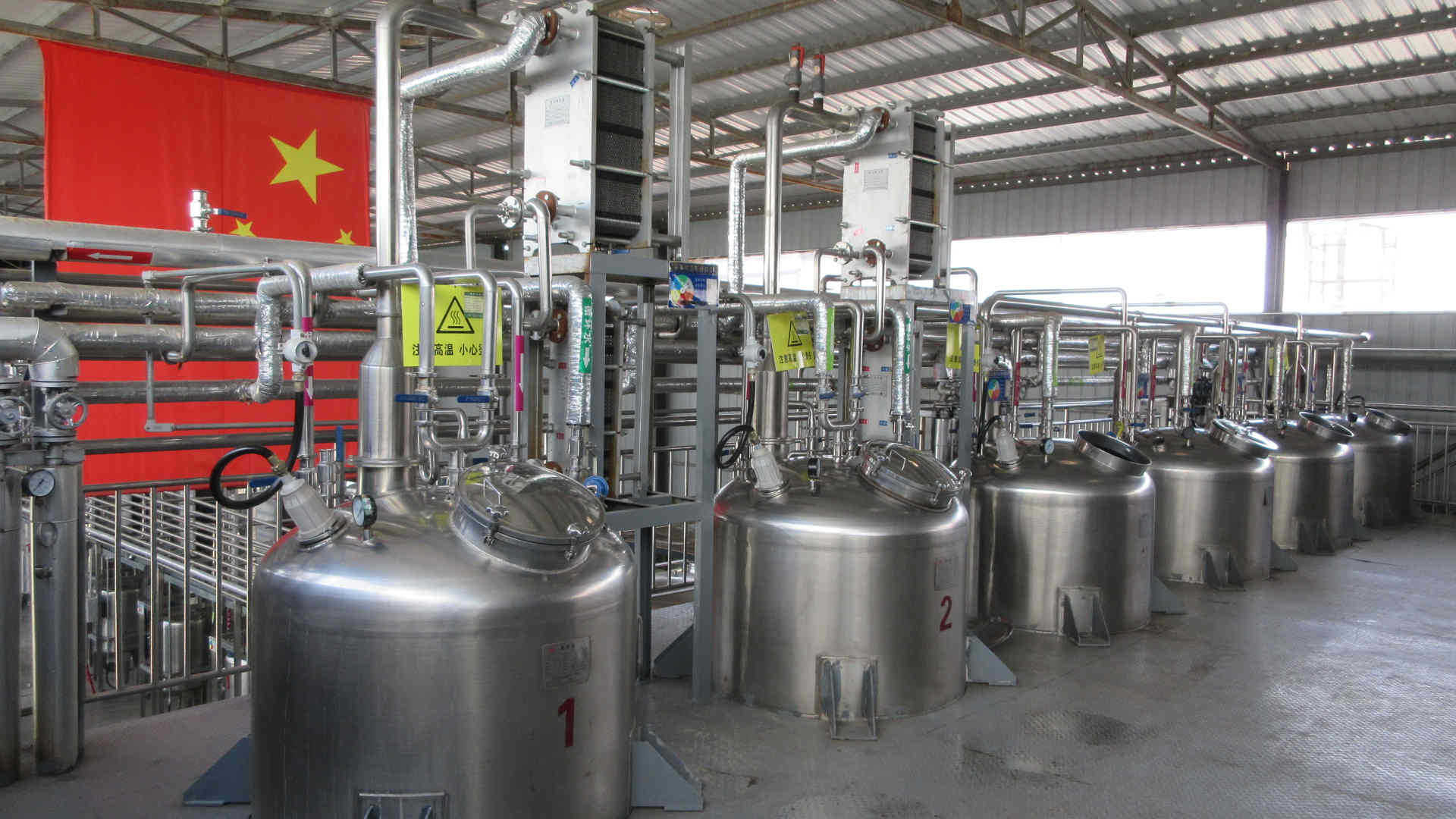
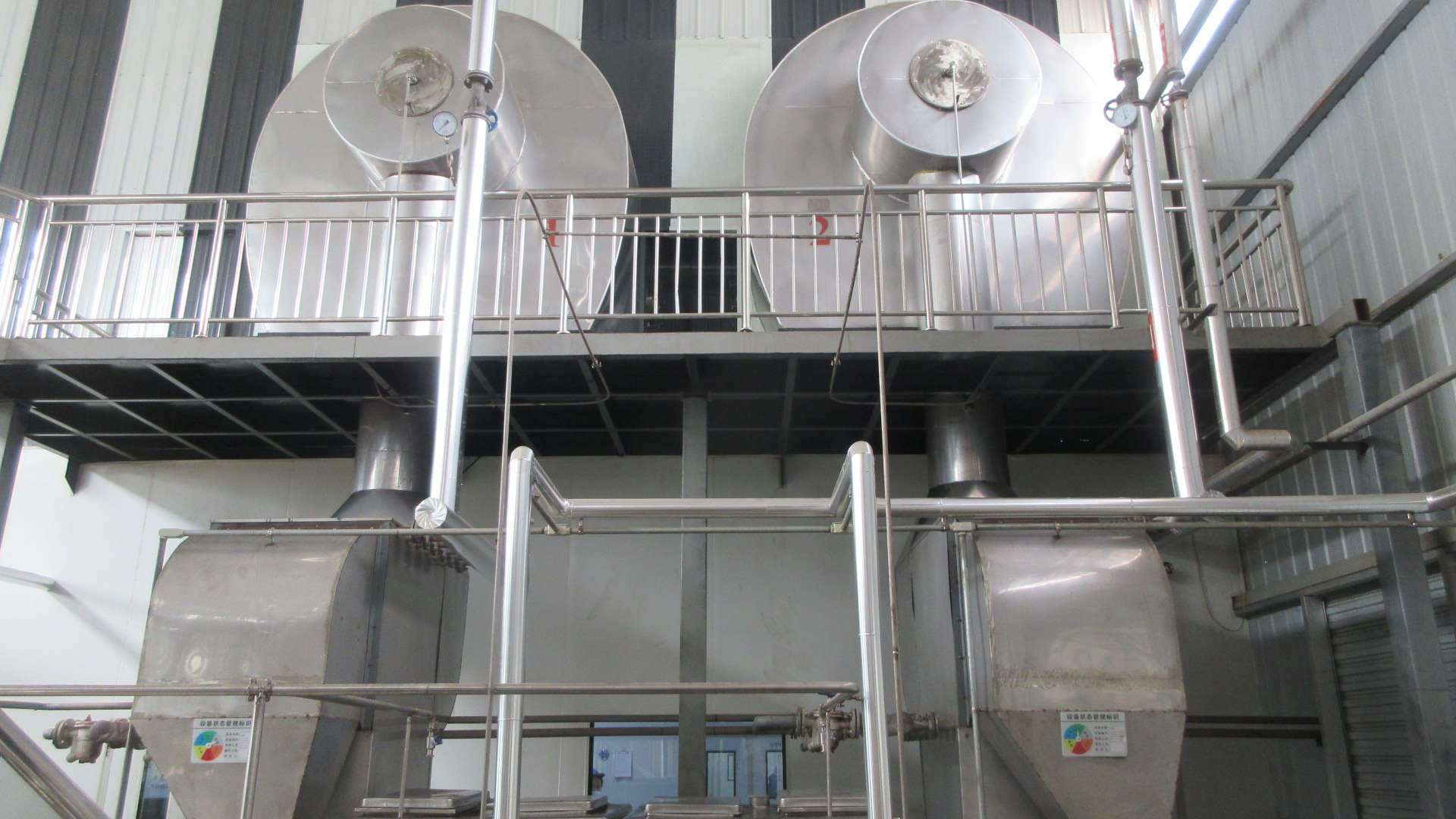
Direct-from-factory bulk supply produced through low-temperature vacuum countercurrent extraction, molecular separation, and spray drying. Fully batch-traceable with validated HPLC/UV/GC certificates of analysis.
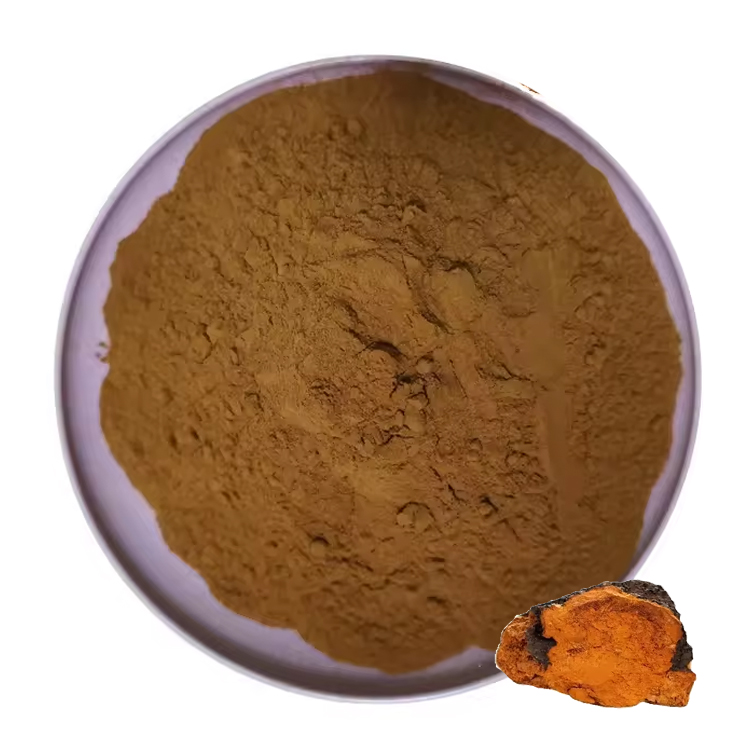 Fruiting Body
Chaga Mushroom Powder Polysaccharide Chaga Mushroom Extract
Inonotus obliquus wild harvest; standardized to 30%–50% polysaccharides, polyphenols, and betulinic acid. 100% water soluble.
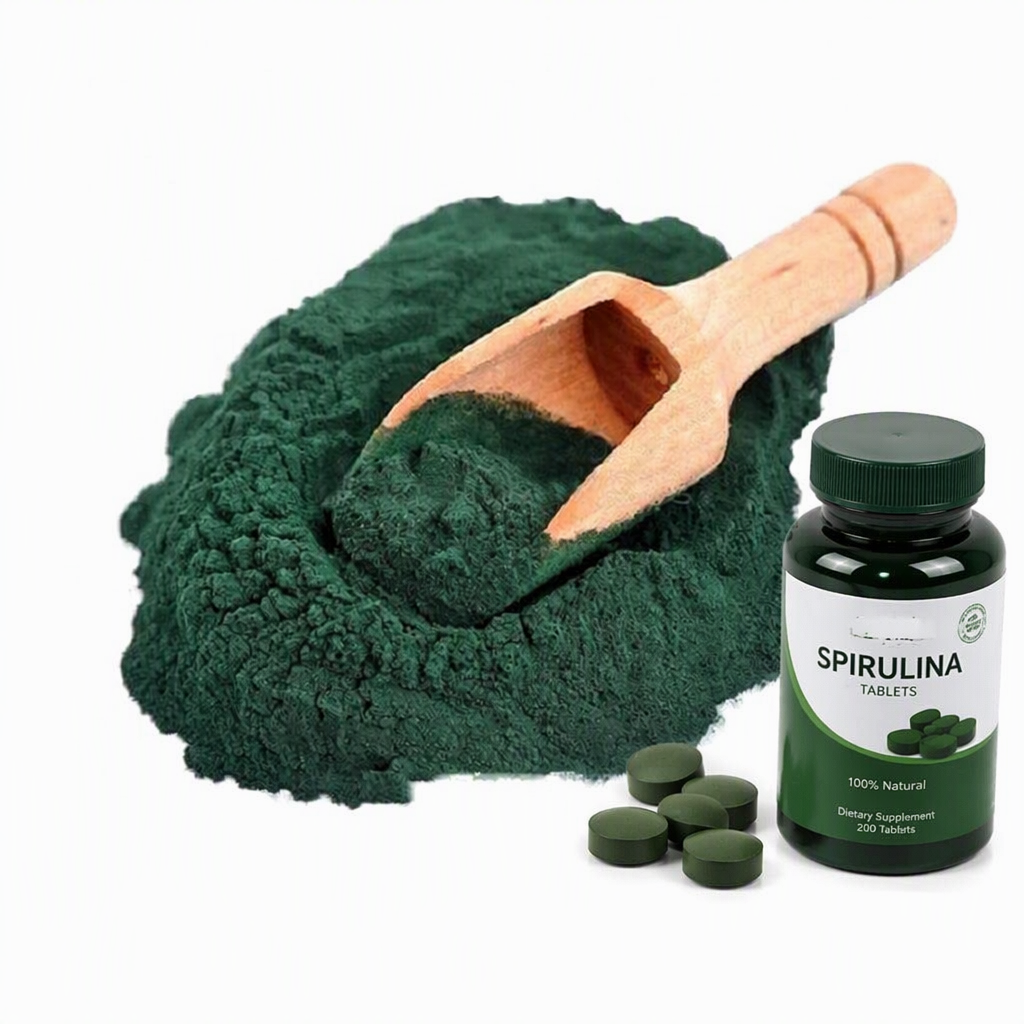 Nutritional Superfood
Spirulina Powder and Spirulina Tablets | Food Grade | Private Label OEM
Arthrospira platensis; ≥60% natural protein, phycocyanin-rich, non-irradiated, heavy metals compliant with USP limits.
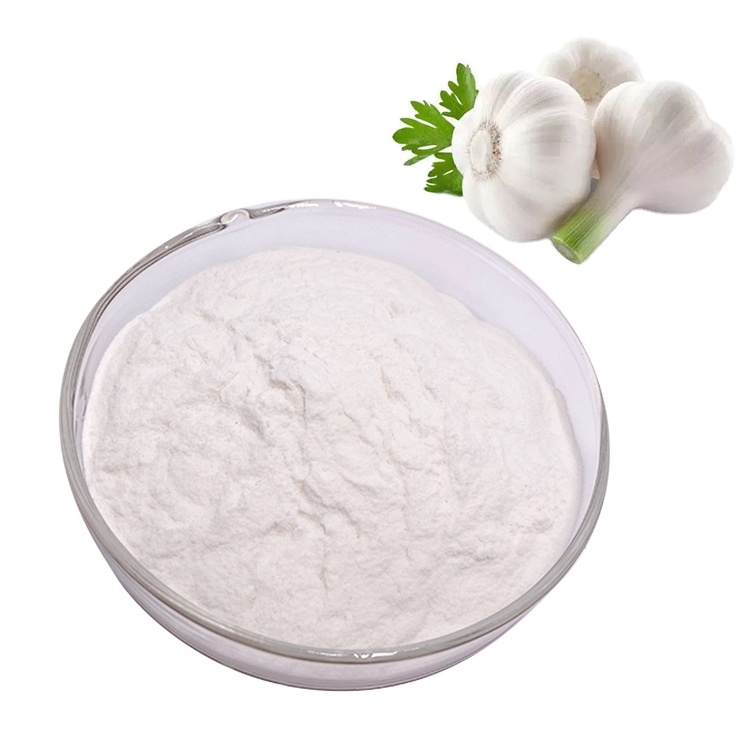 EP Standard
Garlic Extract Powder | 1% 5% Allicin | EP Standard
Allium sativum L.; standardized 1% to 5% allicin by HPLC. Odor-controlled, European Pharmacopoeia compliant solvent residues.
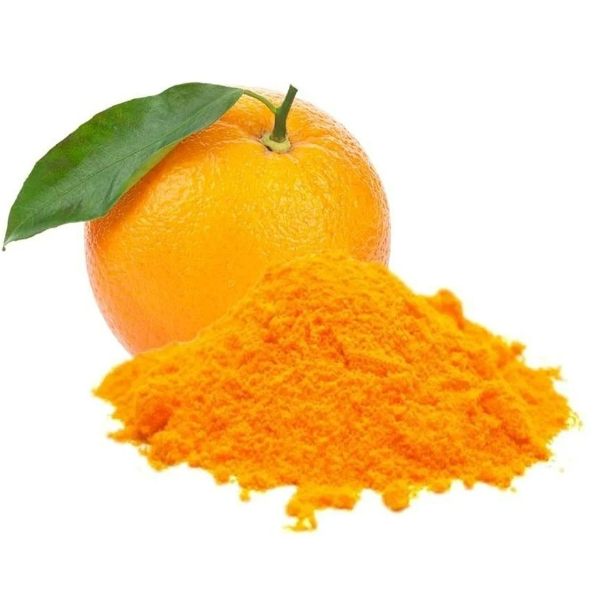 Spray Drying
Hongda Factory Supply Natura Organic Spray Drying Orange Juice Powder
Citrus sinensis spray-dried concentrate. 100% immediate cold-water solubility, rich in native vitamin C and bioflavonoids.
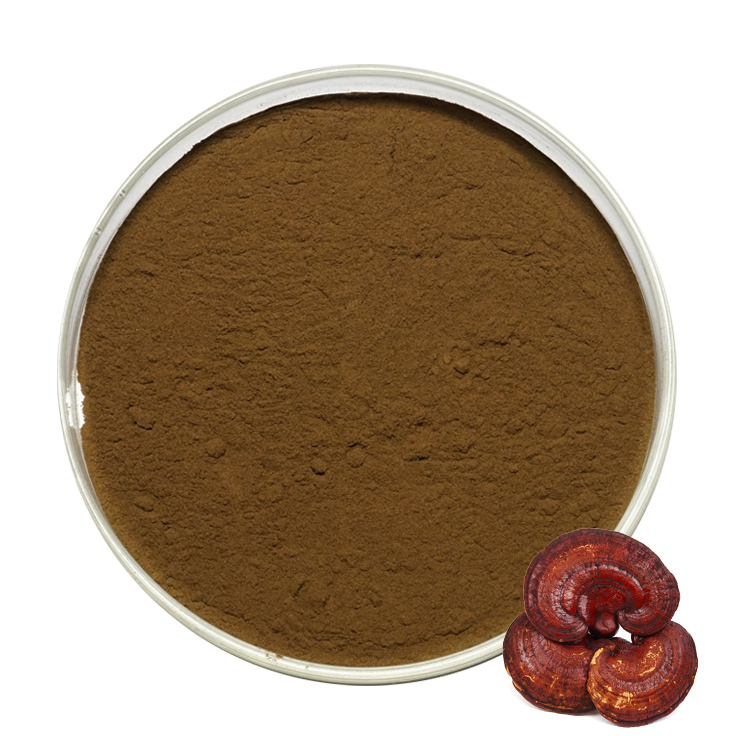 Dual Extraction
Reishi Mushroom Extract Powder Ganoderma Lucidum Extract for Health Supplement
Ganoderma lucidum wood-cultivated fruiting body. Dual hydro-ethanolic extract; 30% polysaccharides, 2%–6% triterpenoids.
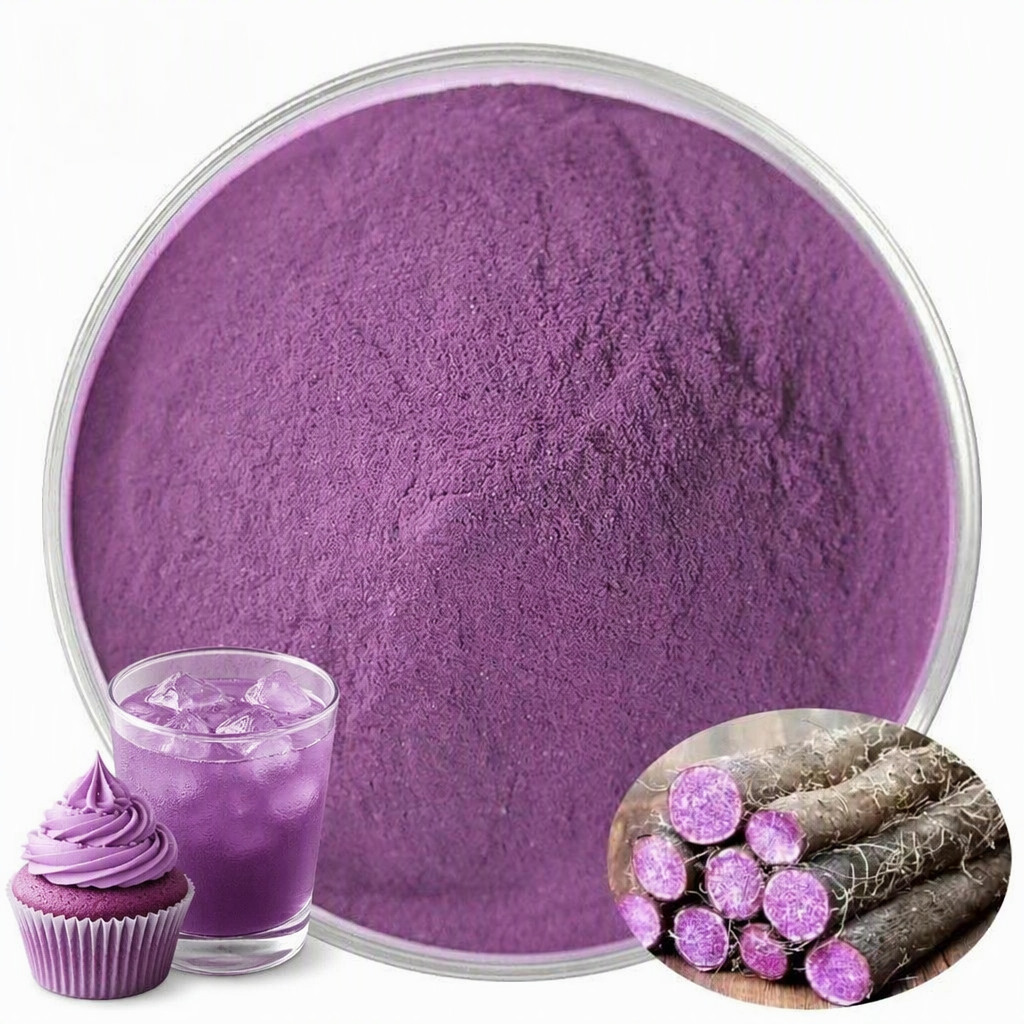 Clean Label Puree
Organic Ube Powder Philippines | Purple Yam Powder | OEM Service
Dioscorea alata; deep purple anthocyanin retention, zero artificial pigments, 80–120 mesh for functional baking and beverage formulations.
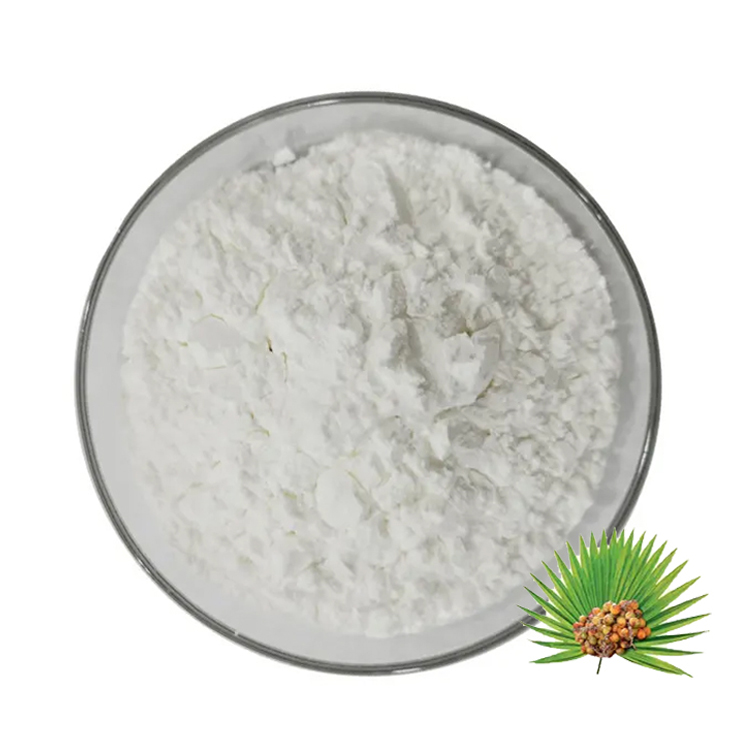 Lipid Standardized
Supplement Ingredient Saw Palmetto Extract Powder 25% 45% 85% Fatty Acids
Serenoa repens fruit/seed extract. Supercritical CO2 extraction delivering 25%, 45% powder, and 85%–90% total free fatty acids.
 Biocatalytic Enzyme
Food Additives Glucose Isomerase Enzyme Price Glucose Powder 25kg Price Bulk Glucose Powder
High-activity bio-catalytic enzyme preparation for isomerizing D-glucose to D-fructose. Stable activity across 60°C–70°C pH 7.0–8.5.
Why International Brands Partner With Us for Wholesale Seed Extracts
Operating our production park in Xi'an within China's natural Qinling botanical corridor gives our procurement and extraction processes unparalleled bio-active consistency and regulatory assurance.
Primary Source Extraction
We are a direct synthesis and extraction facility, not a third-party trader. Raw seed materials (grape seed, fenugreek, milk thistle, saw palmetto, griffonia) are processed directly from contracted GAP cultivation farms.
In-House Analytical Laboratory
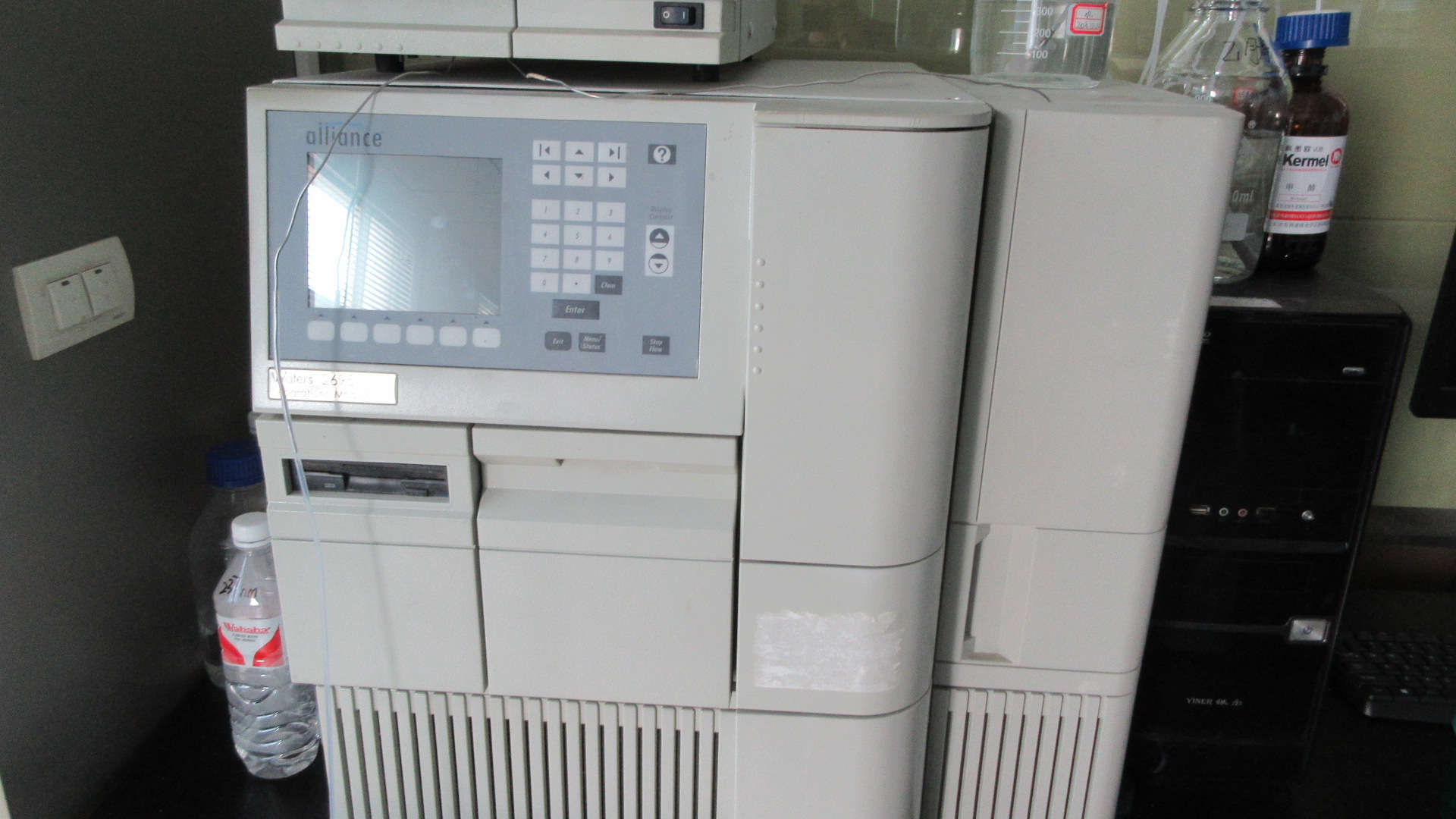
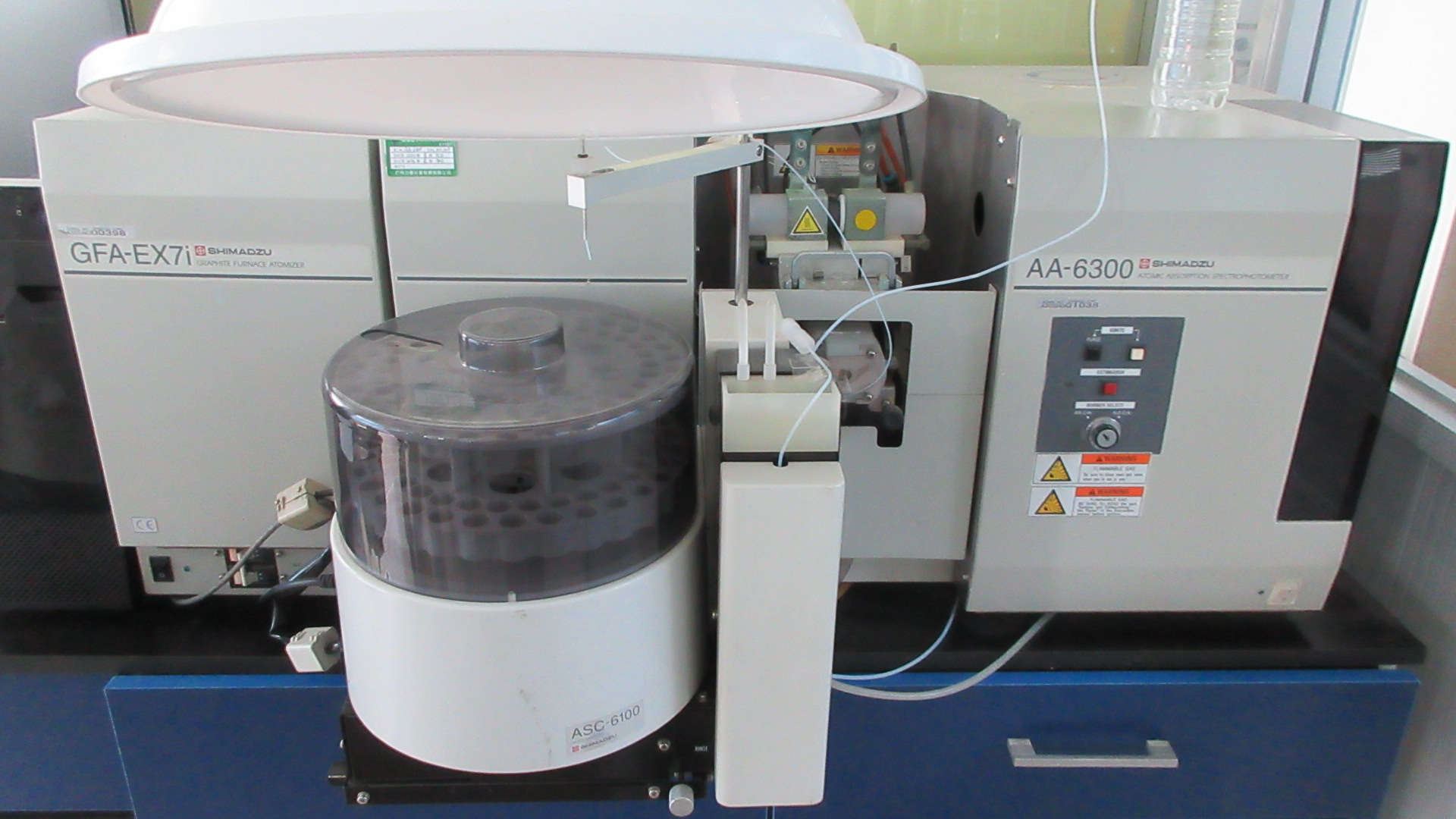
Our testing center features Agilent HPLC, Shimadzu Gas Chromatography, Atomic Absorption Spectrophotometry (AAS), and Megazyme enzymatic assay equipment for definitive phytochemical and contaminant testing.
Pharmacopoeial Compliance
All export batches strictly conform to USP, European Pharmacopoeia (EP), and British Pharmacopoeia (BP) monographs, maintaining zero ethylene oxide (EtO), zero irradiation, and tight polycyclic aromatic hydrocarbon (PAH4) limits.
SGS On-Site Audited Plant
Our 12,447 m² industrial facility has passed rigorous on-site supplier qualification audits by SGS Group. Certified for USDA Organic, Halal, and Kosher supply chains with full batch document archives.
Phytochemical Standardization Engineering in Botanical Seed Extractions
Botanical seeds represent the most metabolically dense structures in vascular plants, containing condensed secondary metabolites including oligomeric proanthocyanidins (OPCs), silymarin flavanolignans, sennosides, sesquiterpenoids, fatty acid triglycerides, and essential glucosinolates. However, converting bulk botanical seeds into uniform, pharmacopoeia-compliant active pharmaceutical ingredients (APIs) and dietary supplement concentrates demands advanced chemical separation science.
At our Xi'an processing facility, the industrial isolation of seed bio-actives begins with mechanical de-hulling, optical seed sorting, and controlled flaking to breach lignified seed coats without generating frictional temperatures exceeding 42°C. Elevated temperatures during milling invariably cause thermal peroxidation of vulnerable polyunsaturated fatty acids and premature cleavage of ester-linked polyphenols.
Extraction Engineering Modalities Applied Across Seed Matrices
Different seed morphologies require specific physicochemical solvent interfaces to maximize bio-active mass transfer while suppressing co-extraction of undesirable seed lipids, gums, and bitter resins:
- Supercritical CO2 Fluid Extraction (SFE-CO2): Applied predominantly for saw palmetto berries, flaxseed, and pumpkin seed fractions. Operating at supercritical parameters (31.1°C, 73.8 bar) with ethanol entrainers allows selective fractionation of free fatty acids (lauric, myristic, oleic) without organic solvent residues or thermal denaturation.
- Continuous Dynamic Countercurrent Extraction: Deployed for high-polyphenol seeds such as grape seed (Vitis vinifera) and milk thistle (Silybum marianum). A multi-stage concentration gradient minimizes solvent volume and exposure duration, preserving monomeric catechins, epicatechins, and silibinin diastereomers A and B.
- Polymeric Macroporous Adsorption Resin Chromatography: Crucial for separating polar flavan-3-ols from seed saccharides and organic acids. Utilizing cross-linked polystyrene resins with targeted pore radii yields standardized extracts with OPC purity exceeding 95.0% by UV, or ≥70.0% by HPLC.
- Carrier-Free Spray Drying & Vacuum Freeze-Drying: High-saccharide and hygroscopic seed extracts undergo microencapsulation or low-temperature centrifugal atomization in negative-pressure towers, ensuring free-flowing powders with moisture content under 5.0% without requiring artificial maltodextrin bulking agents.
| Seed Extract Category | Botanical Source | Standardized Active Marker | Primary Assay Method | Pharmacopoeial Monograph | Industrial Application |
|---|---|---|---|---|---|
| Grape Seed Extract | Vitis vinifera L. | Proanthocyanidins ≥95% / Polyphenols ≥90% | HPLC / UV-Vis | USP / EP / ChP | Cardiovascular, Anti-Aging Supplements |
| Milk Thistle Extract | Silybum marianum (L.) | Silymarin ≥80% (UV), Silibinin ≥30% | RP-HPLC / UV | EP / USP Monograph | Hepatoprotective Formulations |
| Saw Palmetto Extract | Serenoa repens | Total Fatty Acids 25%–45% (Powder), 85% (Oil) | GC-FID (USP method) | USP Standard | Prostate & Urological Healthcare |
| Fenugreek Seed Extract | Trigonella foenum-graecum | 4-Hydroxyisoleucine ≥20%, Furostanol Saponins ≥50% | HPLC-ELSD | In-House / EP | Glucose Metabolism & Endocrine Support |
| Griffonia Seed Extract | Griffonia simplicifolia | 5-Hydroxytryptophan (5-HTP) 20%–99% | HPLC-DAD | USP Verified Standard | Neurotransmitter & Sleep Formulas |
| Horse Chestnut Extract | Aesculus hippocastanum | Aescin ≥20.0% | Titration / HPLC | EP Monograph | Venous Circulation & Topical Creams |
Future B2B Procurement & Sourcing Trends in Botanical Seed Extracts
The global botanical extracts marketplace is undergoing rapid structural realignments driven by stringent pharmaceutical validation standards, supply chain transparency legislation, and conscious consumer behavior. B2B procurement executives, formulation scientists, and brand regulatory managers must navigate these transformative industry shifts when qualifying overseas manufacturing vendors:
1. Transition to Solvent-Free and Eco-Friendly Processing (Green Chemistry)
Global regulatory bodies, including the European Chemicals Agency (ECHA) and the US FDA, continue to lower permissible maximum residue limits (MRLs) for Class 2 extraction solvents such as methanol, hexane, and dichloromethane. In response, modern procurement contracts are explicitly specifying hydro-ethanolic (aqueous ethanol) or Supercritical CO2 (scCO2) extraction pathways. Water-only extraction methods combined with enzymatic maceration are increasingly preferred for clean-label seed concentrates designed for clean functional beverages and infant nutrition.
2. Complete Eradication of Ethylene Oxide (EtO) and Pyrrolizidine Alkaloids
Following comprehensive import recalls across the EU, North America, and Australia, wholesale buyers now mandate multi-stage screening for Ethylene Oxide (EtO) and its breakdown metabolite 2-Chloroethanol with limits enforced at less than 0.01 mg/kg. Concurrently, botanical seed harvests from open field origins are rigorously tested by LC-MS/MS for accidental co-harvested weed contaminants, specifically Pyrrolizidine Alkaloids (PAs) and Tropane Alkaloids, ensuring strict compliance with Commission Regulation (EU) 2023/915.
3. DNA Barcoding and Identity Fingerprinting
Given commercial incentives for botanical adulteration—such as substituting genuine Vaccinium myrtillus with cheap aronia or blending peanut skin extracts into grape seed OPCs—forward-thinking importers no longer rely exclusively on macroscopic inspection. High-Performance Thin-Layer Chromatography (HPTLC) fingerprinting aligned with genomic DNA barcoding verification is now integrated into standard technical dossiers to certify raw botanical provenance before commercial lot blending.
4. Carbon-Neutral Manufacturing & Zero-Waste Valorization
Corporate sustainability mandates are transforming seed extraction from linear production to a circular bio-refinery model. Industrial oil cold-pressing produces high-protein seed cakes, which are sequentially extracted for valuable polyphenols, while residual lignocellulosic biomass serves as bio-energy fuel for extraction steam generation. Enterprise purchasers actively favor audited manufacturers capable of providing Scope 1 and Scope 2 carbon expenditure documentation for every metric ton of active ingredient shipped.
Comprehensive Global Quality Control & Regulatory Assurance Matrix
Exporting high-potency botanical extracts across European, North American, and Asia-Pacific borders requires uncompromising adherence to analytical testing standards. Our in-house Xi'an quality control laboratory tests every production lot across five essential release vectors:
- Assay & Active Chemical Fingerprint: Quantitative determination of targeted active markers via Agilent 1260 Infinity II RP-HPLC and UV-Vis spectrophotometers calibrated against European Pharmacopoeia (CRS) and USP official reference materials.
- Toxic Elemental Impurities: Quantified via Atomic Absorption Spectrophotometry (AAS) and Inductively Coupled Plasma Mass Spectrometry (ICP-MS) complying strictly with USP <232>/<233> and EP 2.4.20 limits: Lead (Pb) < 0.5 ppm, Arsenic (As) < 0.5 ppm, Cadmium (Cd) < 0.2 ppm, and Mercury (Hg) < 0.1 ppm.
- Pesticide Multi-Residue Multi-Screen: Gas Chromatography-Tandem Mass Spectrometry (GC-MS/MS) and Liquid Chromatography-Tandem Mass Spectrometry (LC-MS/MS) multi-screens scanning over 480 individual pesticide residues in conformance with EP 2.8.13 and USP <561>.
- Microbiological Safety: Validated microbial testing in Class 10,000 cleanroom isolation benches: Total Aerobic Microbial Count (TAMC) ≤ 1,000 CFU/g, Total Combined Yeasts and Molds Count (TYMC) ≤ 100 CFU/g; zero tolerance (Negative/25g) for Salmonella, Escherichia coli, and Staphylococcus aureus.
- Polycyclic Aromatic Hydrocarbons (PAHs): Rigorous monitoring of individual Benzo[a]pyrene (≤ 10 ppb) and the cumulative sum of PAH4 (≤ 50 ppb) by GC-MS to meet European Food Safety Authority (EFSA) statutory dietary directives.
Every commercial batch is accompanied by an authenticated Certificate of Analysis (COA), Technical Data Sheet (TDS), Safety Data Sheet (SDS/MSDS conforming to GHS Revision 9), Allergen Statement, BSE/TSE-Free Declaration, Non-GMO Verification, and Irradiation-Free Certification.
Frequently Asked Questions for Wholesale Seed Extract Buyers
Direct answers regarding analytical validation, custom OEM compounding, export documentation, and supply chain logistics.
Initiate Sourcing with a Verified Primary Manufacturer
Contact our chemical and regulatory engineering desk to request complete technical dossiers, lot-specific Certificates of Analysis, or 50g–100g complimentary evaluation samples dispatched directly to your analytical testing laboratory.