23+
Years of Extraction Engineering
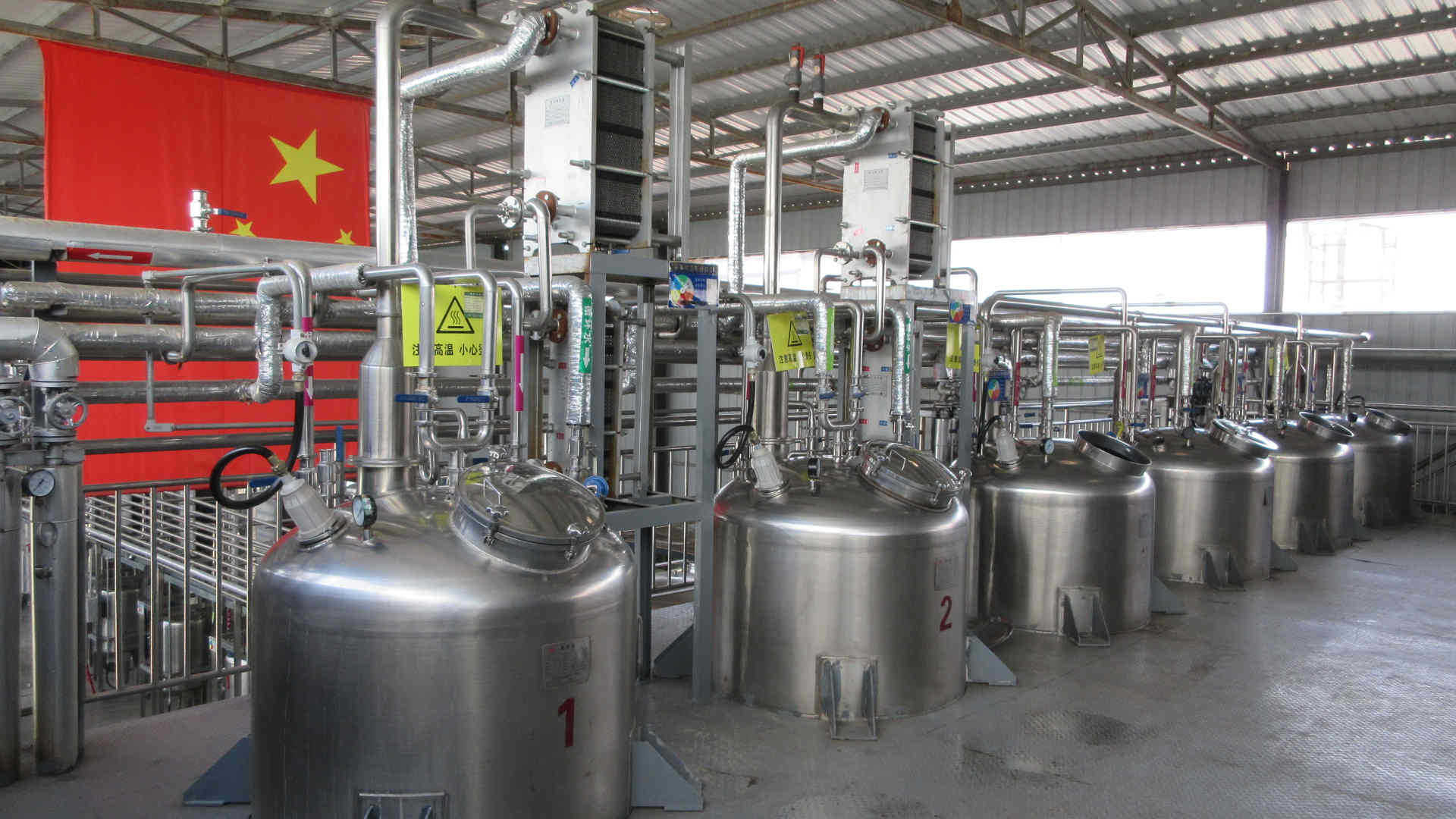
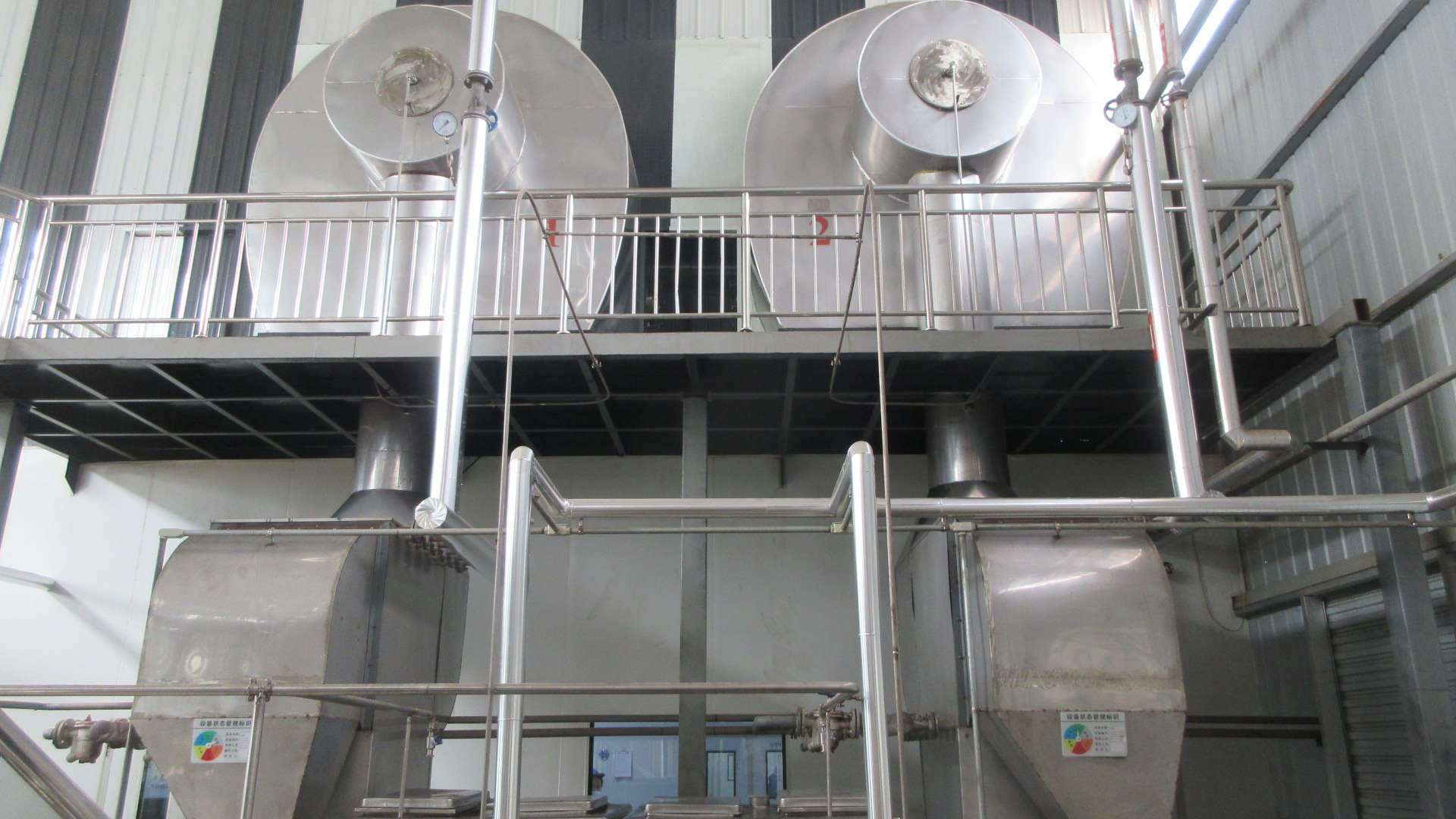
12,447 m²
SGS Verified Plant Footprint
100%
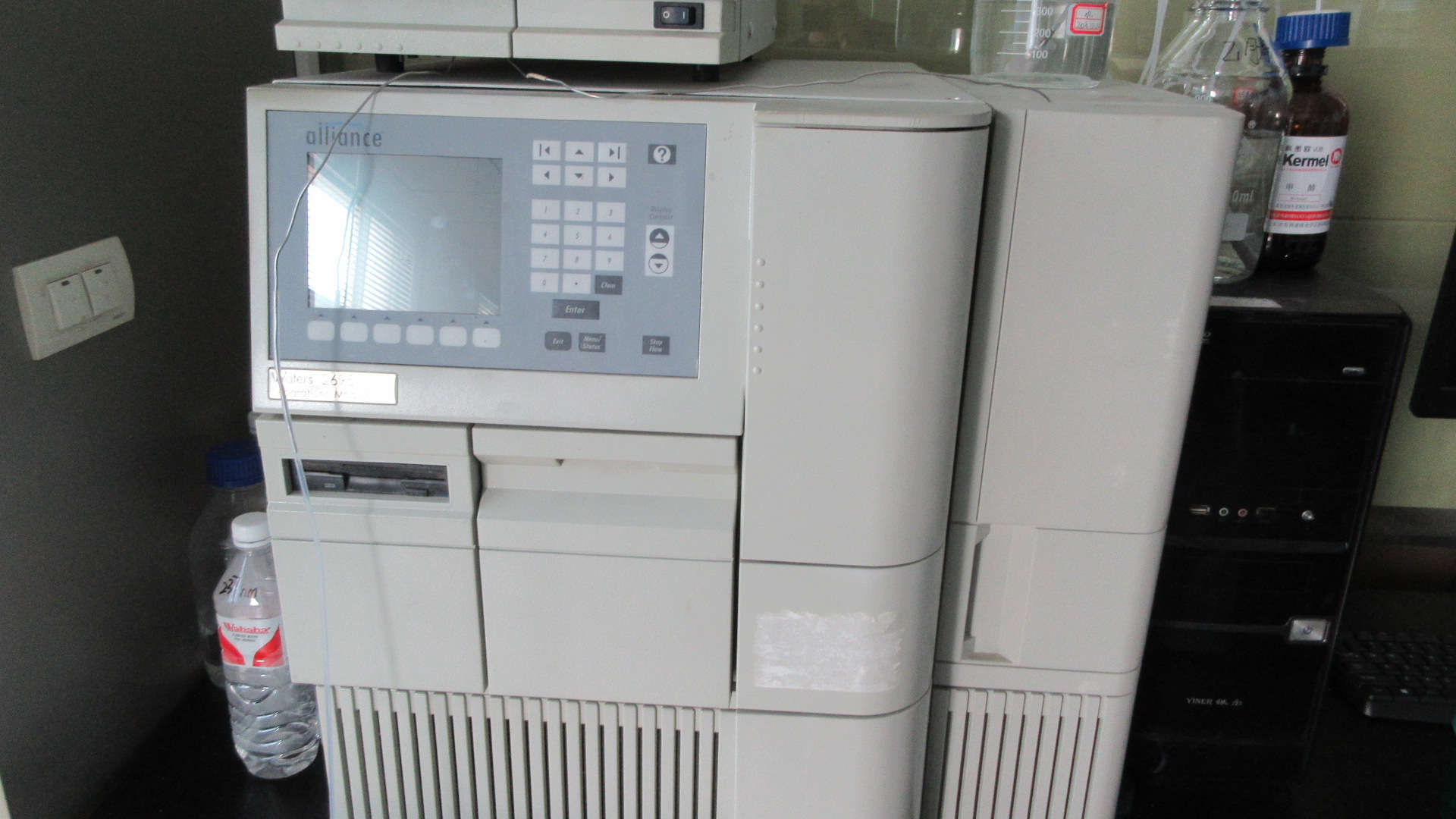
HPLC/UV Verified Batch COA
50+
Countries Export Logistics Network
Global Berry Extract Supply Landscape: An Executive Procurement White Paper
In the functional nutrition, cosmeceutical, and pharmaceutical manufacturing sectors, standardized botanical extracts are shifting from general whole-fruit powders toward ultra-pure, chemically fingerprinted fractionated active substances. The global demand for anthocyanin-, polyphenolic-, and proanthocyanidin-rich berry derivatives (including elderberry, bilberry, acai berry, blackcurrant, and aronia) is driven by consumer reliance on evidence-based immune defense, vascular endothelium modulation, ocular macular protection, and longevity biology.
However, international ingredient buyers face significant market asymmetries: volatile supply caused by climate fluctuations in wild-harvest habitats, widespread adulteration with synthetic colorants (such as amaranth and allura red) or low-grade carriers (excessive maltodextrin), and inconsistent retention of secondary metabolites during spray drying. Navigating these risks requires partnering directly with a primary Chinese botanical manufacturer operating validated solvent extraction, continuous multi-stage resin separation, and comprehensive on-site analytical validation protocols.
1. HPLC/UPLC Monomeric Quantification
Procurement specifications are moving away from broad photometric UV-Vis totals (which can be easily tricked by non-specific polyphenolic compounds) toward strict High-Performance Liquid Chromatography (HPLC) assays that quantify specific monomeric anthocyanins (such as cyanidin-3-glucoside, delphinidin, and malvidin) and confirm the lack of non-berry adulterants.
2. Zero-Carrier & Clean-Label Demand
Consumers actively inspect nutrition labels for hidden fillers. The market is shifting from conventional spray-dried extracts loaded with 30–50% maltodextrin toward 100% pure vacuum freeze-dried concentrates or carrier-free micro-pelletized powders that retain clean-label status without sacrificing powder flowability.
3. Rigorous Heavy Metal & ETO Thresholds
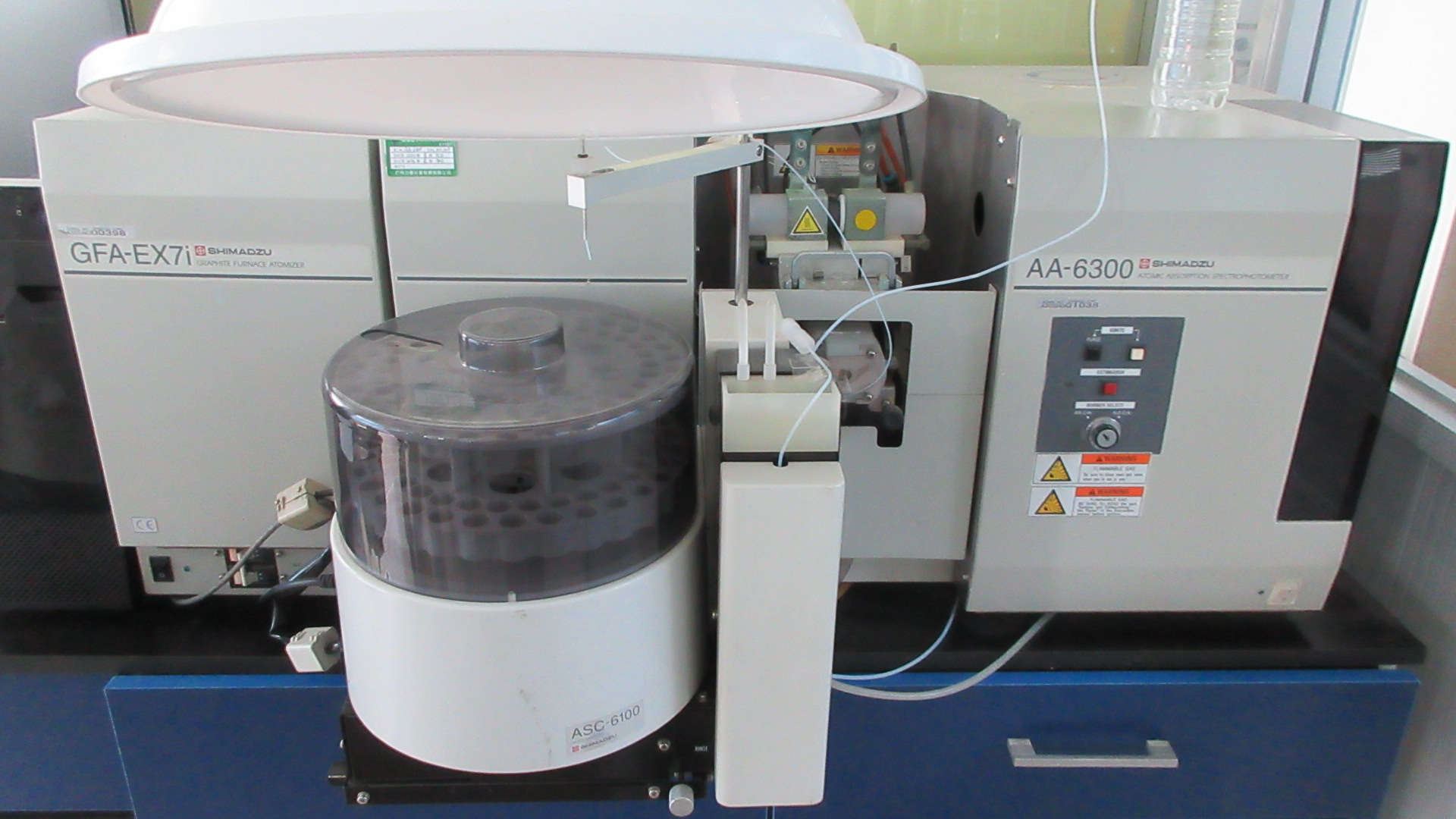
With stricter California Prop 65 enforcement and updated EU 2023/915 contaminant limits, raw material screening now requires sub-parts-per-million sensitivity for Lead, Cadmium, Arsenic, and Mercury, alongside complete zero-tolerance for Ethylene Oxide (ETO) and polycyclic aromatic hydrocarbons (PAHs).