23+ Years
Phytochemical Extraction
12,447 m²
GMP Production Facility
100%
Lot-to-Lot Traceability
50+ Nations
Global Export Reach
Standardized Organic Plant Powders & Active Ingredients
Manufactured under rigorous cleanroom conditions with full batch verification via HPLC, GC, and Atomic Absorption Spectrometry.
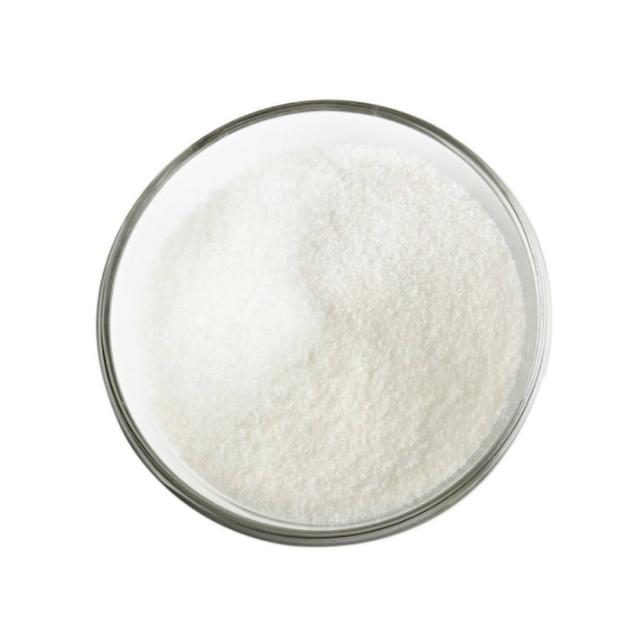
Glucose Isomerase Enzyme Powder (Bulk 25kg)
- High catalytic bio-activity
- ISO/Halal/Kosher certified
- Standard 25kg vacuum drum
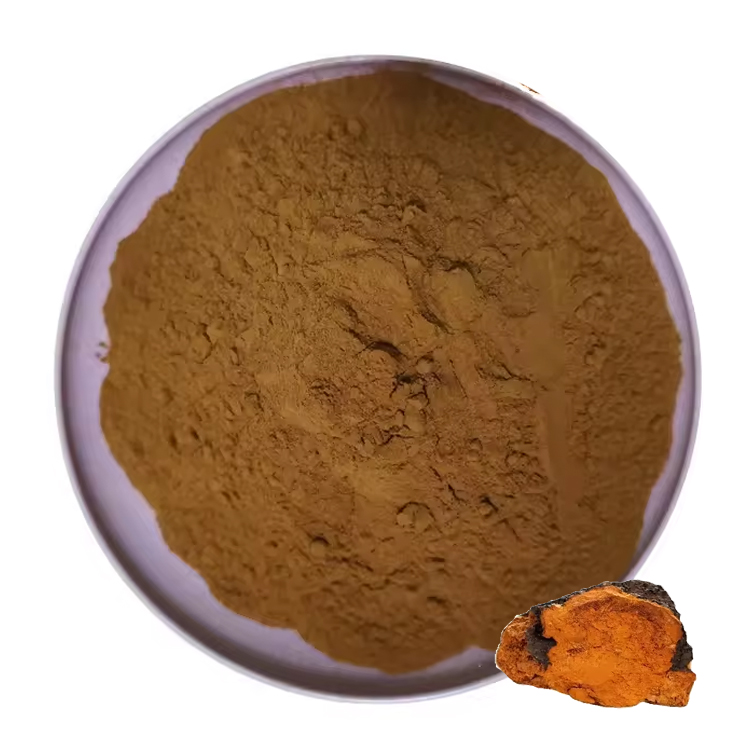
Chaga Mushroom Extract (Polysaccharides ≥30%)
- Wild-harvested Inonotus obliquus
- Verified β-Glucan content
- Heavy metal tested AAS
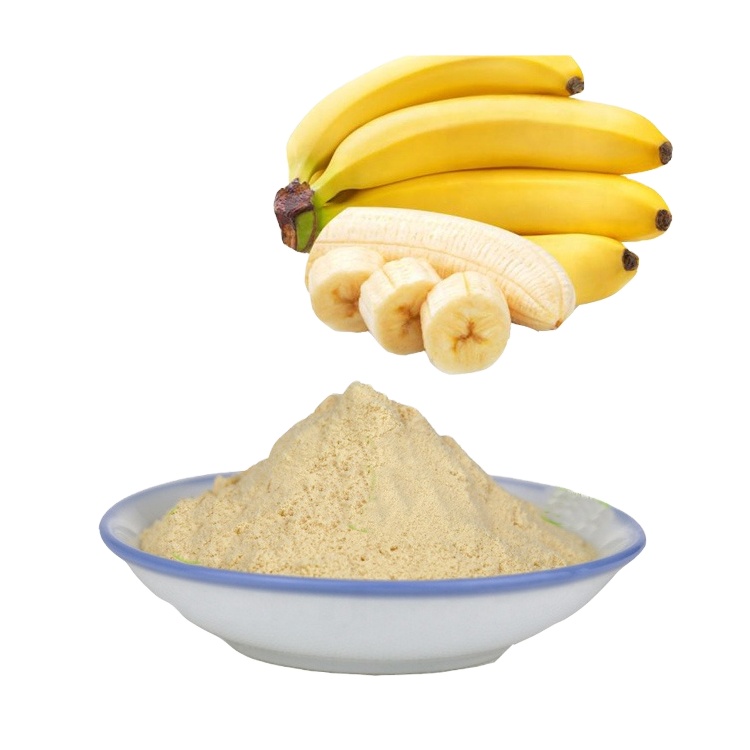
Pure Organic Freeze-Dried Banana Powder
- Low-temp lyopholization (FD)
- 100% natural nutrient retention
- Zero artificial excipients/carrier
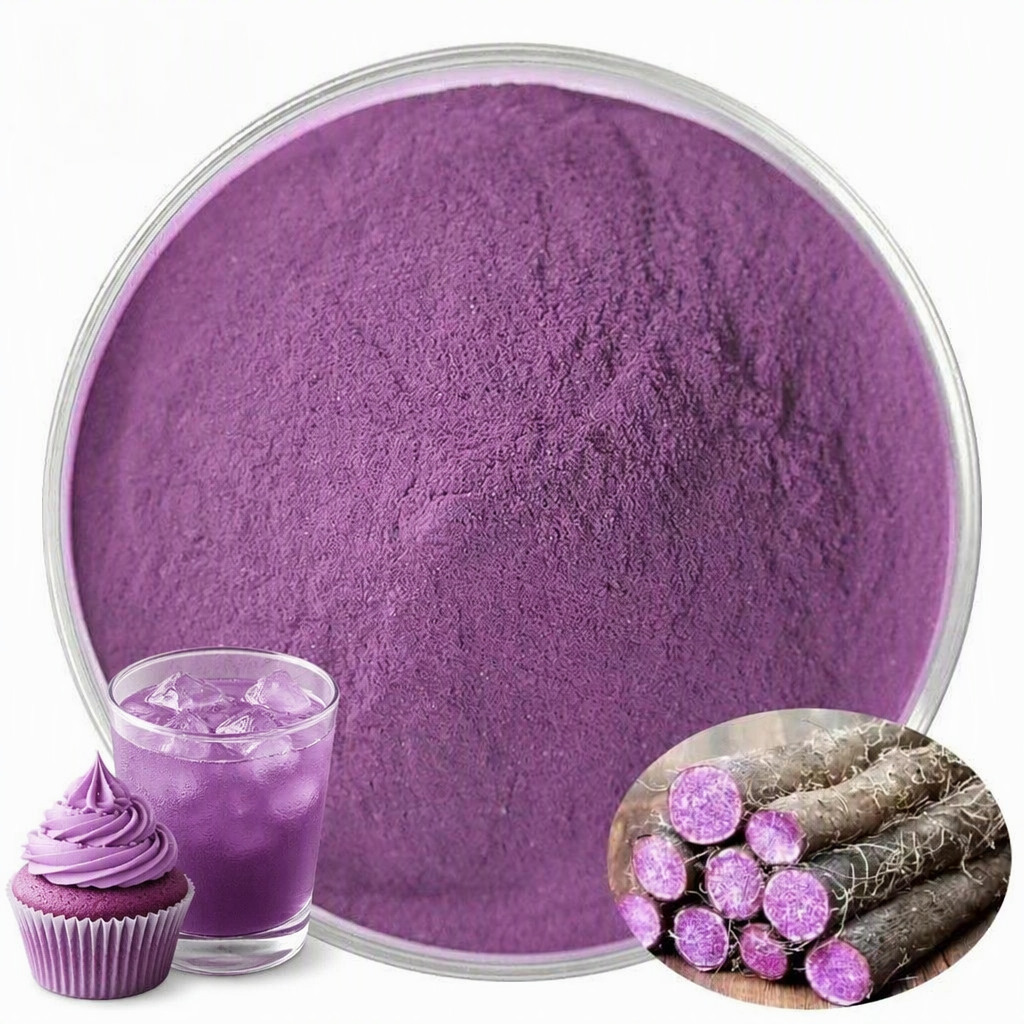
Organic Ube Powder (Purple Yam Extract)
- Natural vibrant anthocyanins
- Clean label beverage stabilizer
- Custom mesh sizes (80-200)
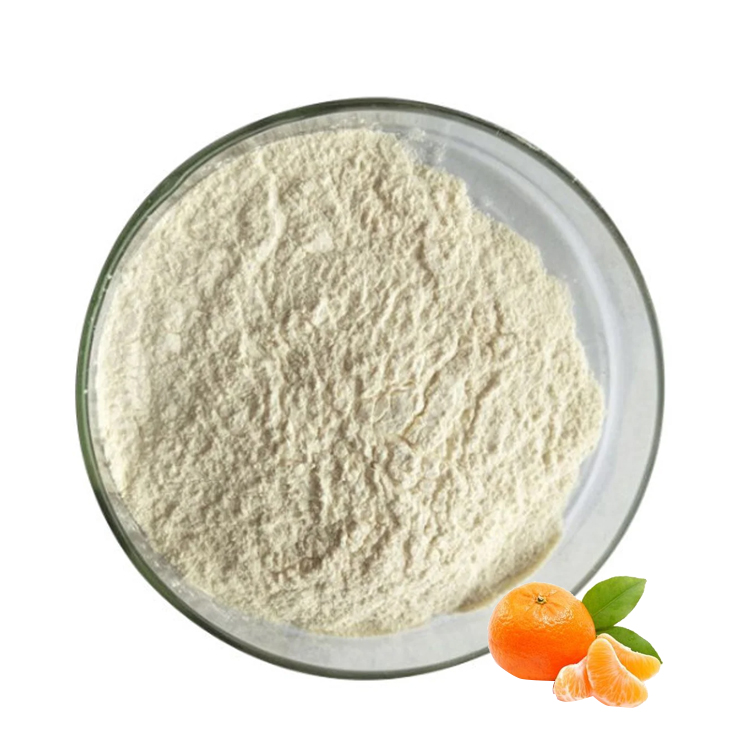
Food Grade Modified Citrus Pectin (MCP)
- Low molecular weight polymer
- Superior cellular bioavailability
- HM slow-set rheology control
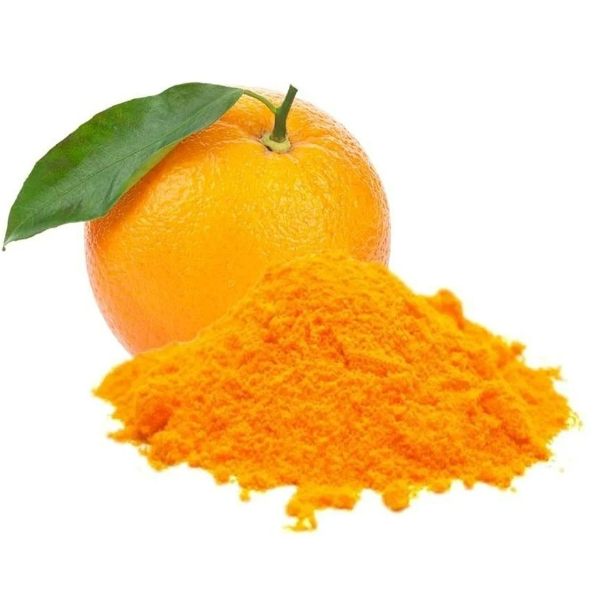
Spray-Dried Natural Orange Juice Powder
- Instant micro-encapsulation
- 100% cold water solubilization
- Retained vitamin C profiles
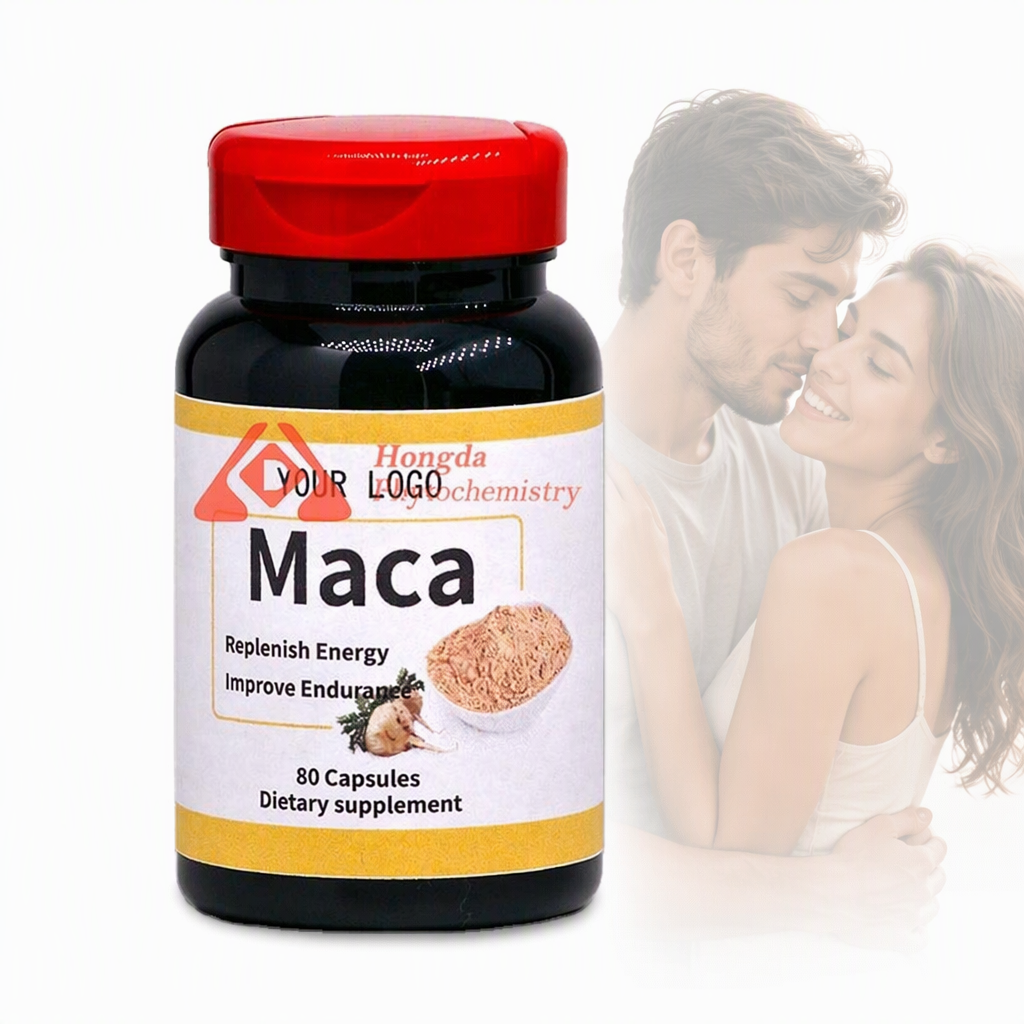
Private Label Black Maca Extract Capsules
- High potency ratio (10:1 - 50:1)
- Gelatin or vegetable HPMC shells
- End-to-end OEM bottling facility
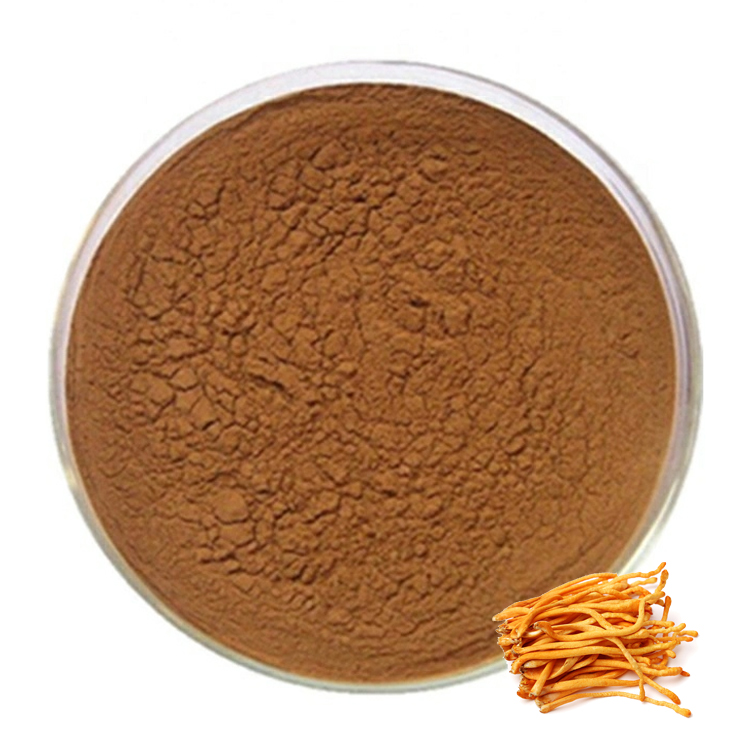
Cordyceps Militaris Extract (30%-50% Polysaccharides)
- High cordycepin & adenosine
- Dual aqueous/ethanol reflux
- Zero maltodextrin blending
Strategic Procurement Shifts: Sourcing Plant Powders & Extracts
Global botanical supply chains have transitioned permanently from simple bulk commodity purchasing to rigorous biomarker validation, transparent lifecycle tracing, and audit-backed safety certifications. Formulators and procurement directors operating in North America and the European Union must account for stricter contaminant thresholds, novel pesticide residues, and verified functional payload metrics.
Standard solvent extractions no longer satisfy competitive clean-label requirements. B2B buyers now mandate continuous-flow aqueous extracts, ultrasonic-assisted cavitation, or subcritical extraction mechanisms that avoid organohalogen or residual hydrocarbon traces in final formulations. Sourcing strategies are actively prioritizing producers possessing vertical integrations spanning GAP-certified agriculture through to cleanroom pulverization.
Analytical Authenticity
Reliance on simple UV-Vis total polysaccharide assays has diminished. Modern purchase specifications mandate Megazyme enzymatic assays and HPLC/UPLC to distinguish biologically active fungal β-glucans from residual grain starches.
Contaminant Safeguards
Supply agreements require comprehensive compliance with Commission Regulation (EU) 2023/915 for heavy metals (Pb, Cd, Hg, As), polycyclic aromatic hydrocarbons (PAH4), and multi-residue pesticide screens exceeding 500 active analytes.
Carbon & ESG Traceability
Institutional enterprises now inspect thermal profiles during spray-drying and demand certified circular water processing circuits to satisfy European Corporate Sustainability Due Diligence Directive (CSDDD) milestones.
Evolutionary Trajectories in Botanical Active Science
How next-generation physical processing, micro-encapsulation, and standardized phyto-engineering are shaping global nutraceutical pipelines.
| Technology Paradigm | Legacy Methodologies | Advanced Next-Gen Vector | Tangible Formulation Advantage |
|---|---|---|---|
| Extraction Kinetics | Extended thermal soaking (High degradation risk) | Dynamic counter-current ultrasonic extraction | Preserves heat-sensitive bio-flavonoids & polyphenols |
| Particle Sizing | Traditional impact milling (60–80 mesh) | Air-jet micronization (300–1200 mesh) | Immediate aqueous suspension & elevated bioavailability |
| Bioactive Protection | Unprotected open-air spray drying | Liposomal & cyclodextrin micro-encapsulation | Shields sensitive active compounds against gastric oxidation |
| Biomass Standardization | Variable bulk root/leaf extraction ratios (e.g. 10:1) | Standardized targeted monomer profiling via HPLC | Deterministic batch dosing eliminates pharmacological variance |
Integrated Extraction & Processing Excellence
Operated by Shaanxi Torzi Biotech Co., Ltd. within the Qinling botanical corridor: An audited manufacturing facility designed to eliminate intermediate broker inefficiencies.
SGS-Assessed Production
Full manufacturing infrastructure assessed on-site by SGS Group, providing clients transparent access to GMP documentation, sanitation validations, and equipment line capacities.
In-House Analytical Lab
Equipped with dual Agilent HPLC arrays, Gas Chromatographs (GC), and Atomic Absorption Spectrometers (AAS) guaranteeing heavy metal (Pb, As, Cd, Hg) screening on every single delivery lot.
Multi-Tier Certification
Every product line holds certified documentation satisfying USDA Organic, EU Organic, Halal, and Kosher regulatory benchmarks for frictionless international import customs release.
Turnkey OEM/ODM Engineering
Scalable cleanroom encapsulation, sachet filling, and high-precision dry powder blending with low custom prototype MOQs from 500 units up to multi-ton bulk container consignments.
Controlled Production Circuit
Direct oversight encompassing 12,447 m² of manufacturing space, vacuum drying columns, resin adsorption columns, and rotary concentrators engineered from food-grade SUS316/304 steel.
Transparent Traceability
Direct supply contracts with domestic agricultural growing cooperatives ensure zero unidentified botanical adulterants, verified pesticide-free soil beds, and complete raw plant documentation.
Frequently Asked Procurement Questions
Clear, direct guidance from our compliance, quality assurance, and technical logistics specialists.
How do you verify genuine fungal beta-glucan content versus starch carriers?
Many legacy botanical facilities employ non-specific colorimetric phenol-sulfuric acid UV assays that report total carbohydrates as fungal polysaccharides. This approach can be artificially inflated by cereal grain starch residues present in mycelial biomass grown on substrate.
Our analytical laboratory utilizes standardized Megazyme enzymatic assays. This method hydrolyzes native starches (alpha-glucans) to D-glucose, measuring them independently from biologically active fungal (1,3)-(1,6)-beta-D-glucans. Every Certificate of Analysis clearly outlines both alpha and beta glucan concentrations to verify functional potency.
What documentation accompanies commercial shipments for customs and FDA compliance?
All export consignments from our facility ship with a full regulatory packet including:
- Batch-Specific Certificate of Analysis (COA) containing assay, physical parameters, heavy metals, and microbials
- Globally Harmonized Material Safety Data Sheet (MSDS / SDS)
- Detailed Manufacturing Flow Chart and Process Validation Summary
- Non-GMO Declaration and Allergen Clearance Statements
- Official Certificate of Origin (COO / Form A)
- Official Phytosanitary and Radiation-Free Declarations where mandated by destination authority
What are your standard minimum order quantities (MOQ) and sample lead times?
For standard catalog botanical extracts, powdered actives, and enzymes, our trial MOQ begins at 1 kg to 25 kg (fiber drum packaging), enabling straightforward pilot runs and analytical verification within client facilities.
Standardized qualification samples (50g–100g) are dispatched within 24 to 48 hours via express air logistics (DHL, FedEx) with full technical dossiers. Finished private-label OEM encapsulation or formulation projects begin at an accessible 500-unit minimum run.
How are sensitive botanical powders protected against oxidation and moisture uptake during transit?
Our export packaging systems are tailored to the physical characteristics of each ingredient. Hygroscopic botanical powders and spray-dried fruit extracts are sealed in food-grade, multi-layered pharmaceutical aluminum foil barrier pouches that block UV light and ambient humidity.
These pouches are packed into reinforced cardboard fiber drums with secondary polyethylene liners. For oxidation-sensitive bioactives (such as Astaxanthin or CoQ10), we offer vacuum nitrogen-flushing to maintain active assay values throughout trans-oceanic transit.
Can Torzi Biotech handle custom specifications, milling mesh targets, or solvent limits?
Yes. Because we operate our own pulverizing, resin extraction, and spray drying units, our production engineers can adjust mesh parameters from standard 80 mesh up to 1200 mesh ultrafine powders. We also adjust solvent profiles (100% water extract, ethanol-water mixtures, or solvent-free mechanically milled raw biomass) to comply with specific USP, EP, or organic manufacturing guidelines.
Accelerate Your Formulation Supply Line
Consult directly with our Xi'an manufacturing plant engineers. Request batch certificates of analysis, pilot evaluation samples, or customized OEM delivery specifications within 24 business hours.