OEM Standard
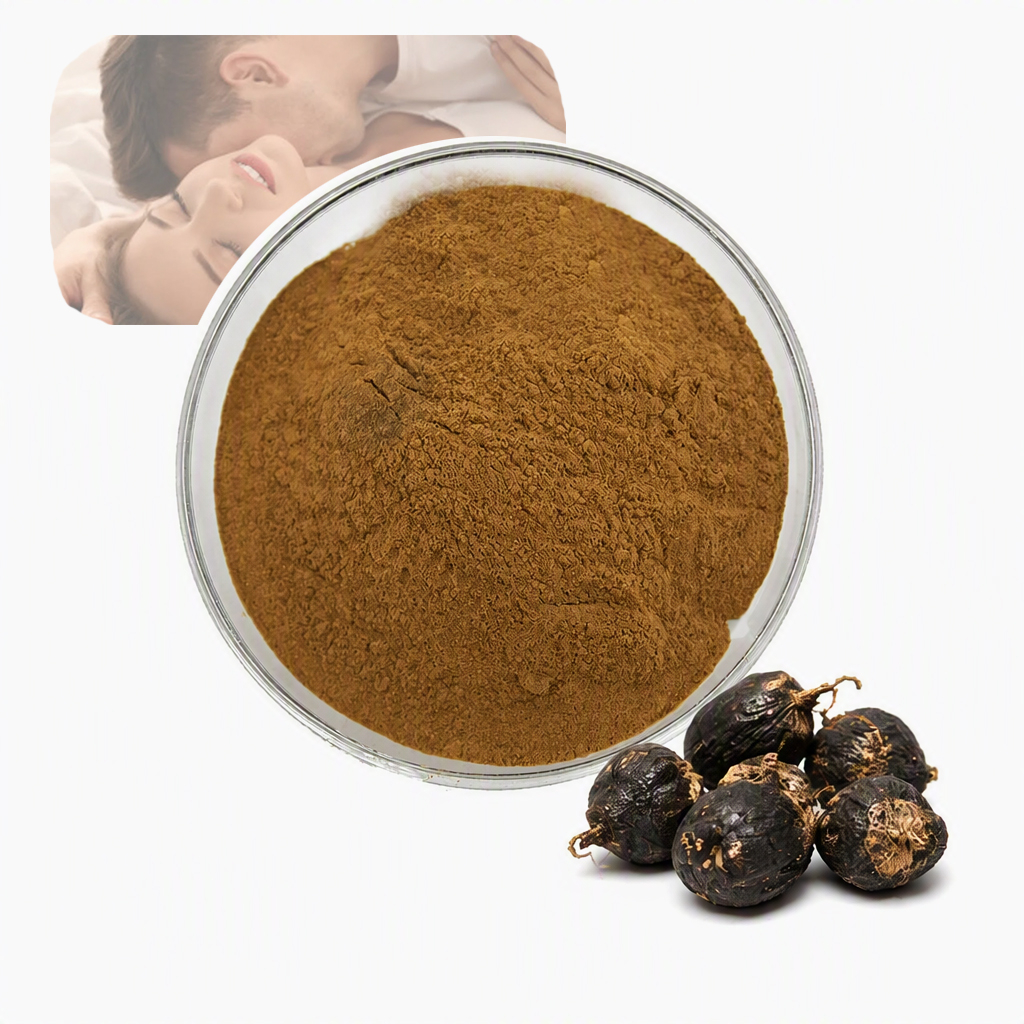
Engineered under verified cGMP and ISO22000 cleanroom conditions with complete chromatographic traceability, directly supporting Darkhan and regional Central Asian processing plants.
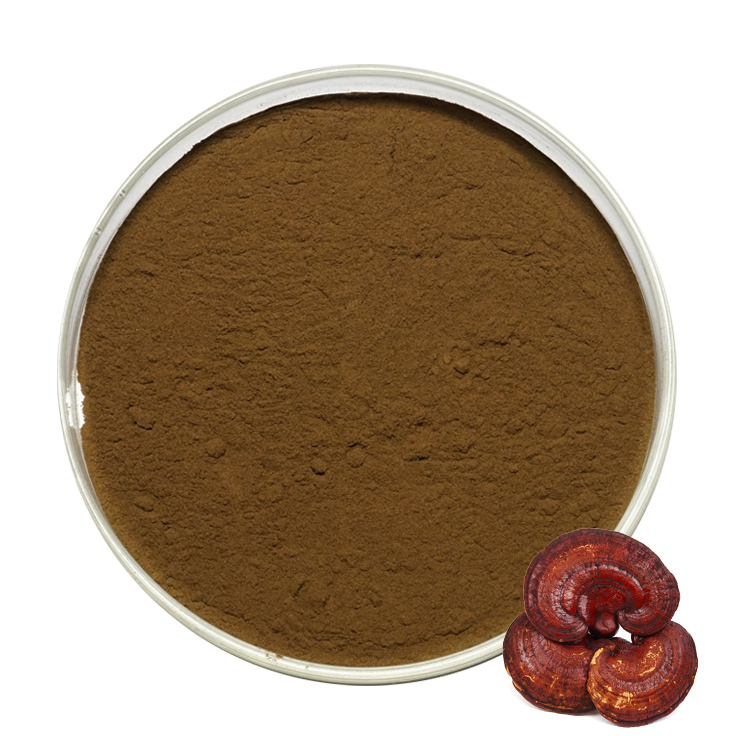
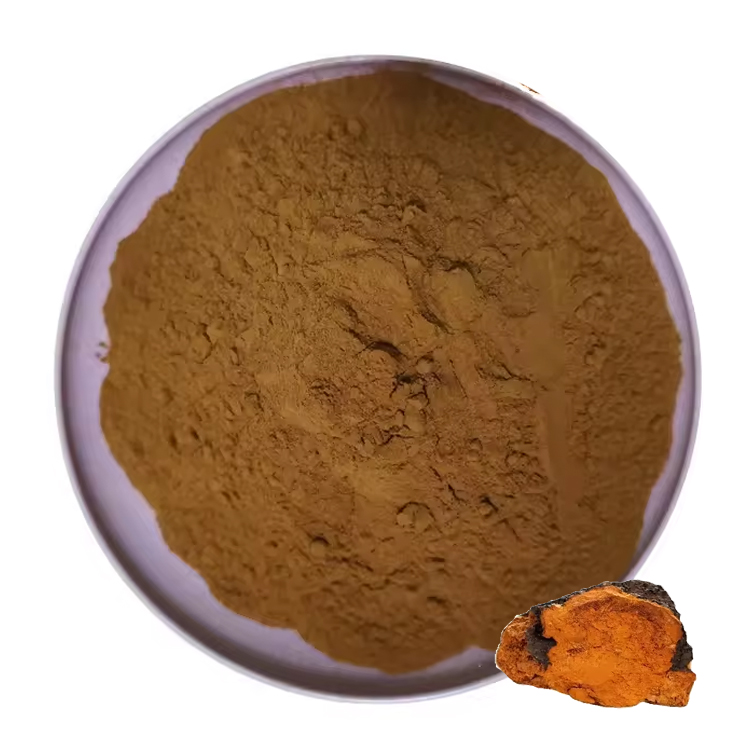
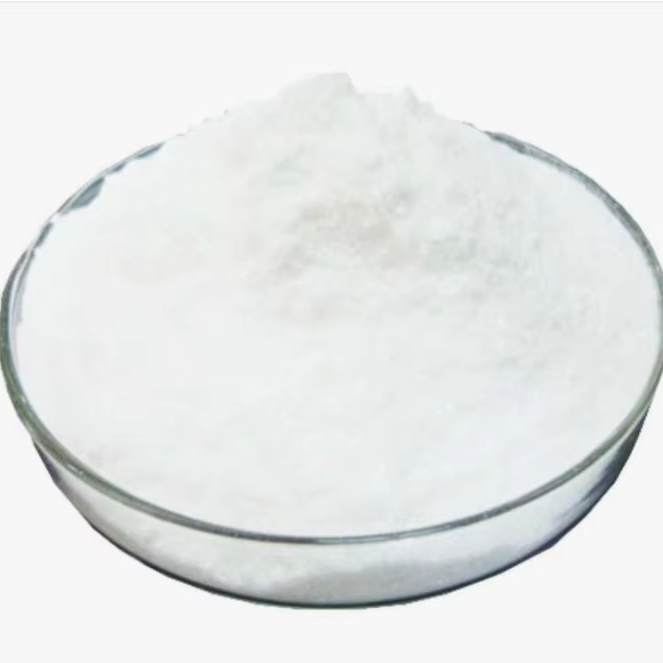
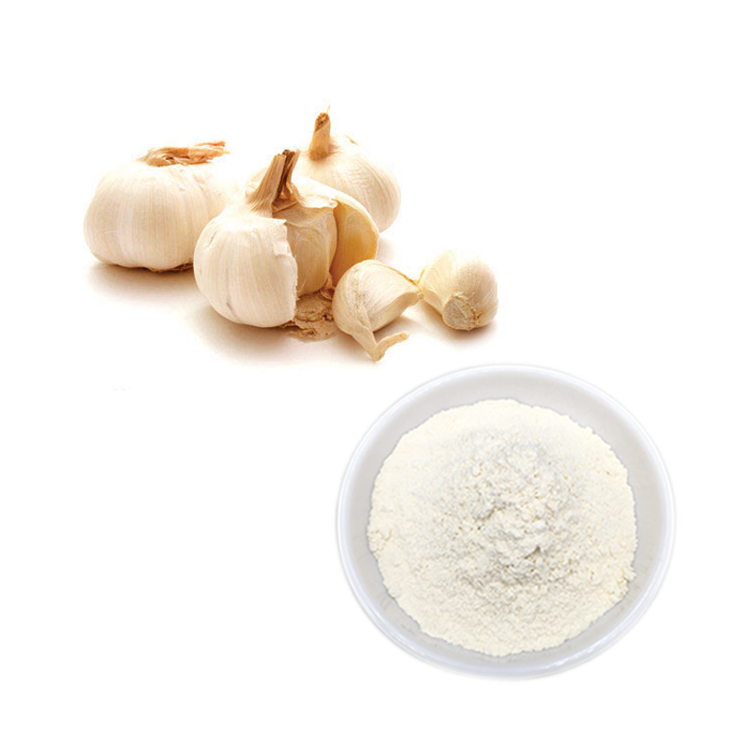
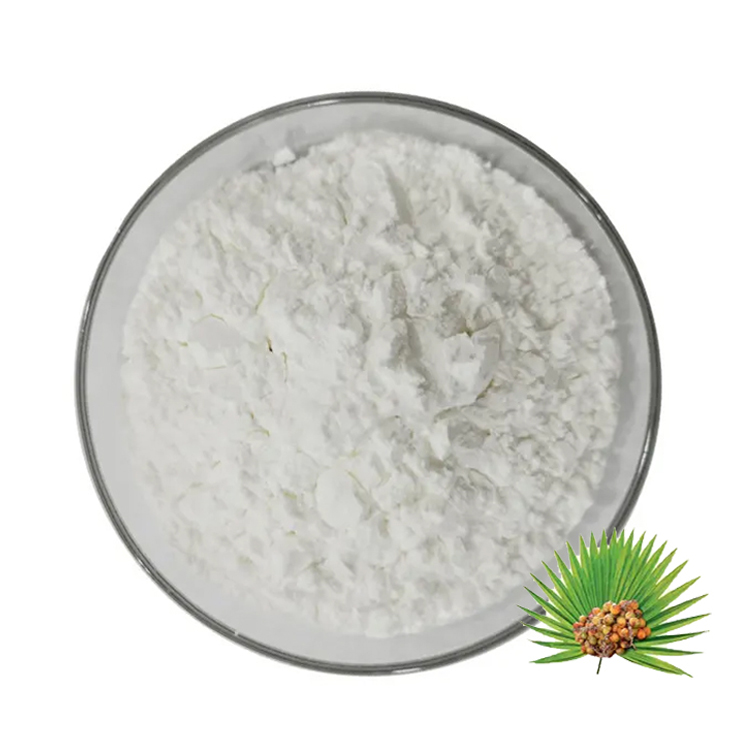
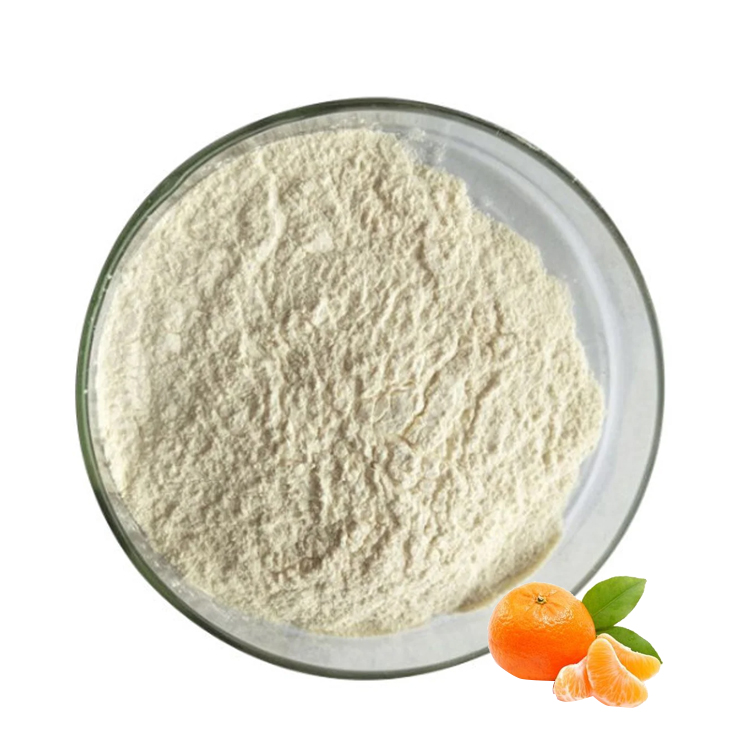
As Mongolia's primary manufacturing and metallurgy corridor, Darkhan (Дархан) represents a strategically distinct intersection of heavy industrial mineral concentration, intensive sub-arctic animal husbandry, and emerging green bio-chemical manufacturing. In this demanding ecological and industrial theater, the demand for high-performance biosurfactants, hemolytic triterpenes, and steroidal saponins has shifted fundamentally. Procurement engineers and formulation chemists across Darkhan-Uul are moving away from unrefined, inconsistent crude biomass in favor of chromatographically validated, batch-traceable saponin extracts that deliver strict thermodynamic, enzymatic, and interfacial stability under harsh continental climate conditions.
Saponins are high-molecular-weight amphiphilic glycosides consisting of a polycyclic aglycone moiety (either a lipophilic C30 triterpene or C27 steroid sapogenin) covalently linked through ether or ester glycosidic bonds to one or more hydrophilic carbohydrate side chains (oligosaccharides containing D-glucose, D-galactose, D-glucuronic acid, or L-rhamnose). This unique dual-character structure endows saponins with remarkable interfacial active properties: critical micelle concentration (CMC) reduction, stable surface foam formation, biological membrane cholesterol complexation, and potent selective antimicrobial efficacy. In the Darkhan industrial zone, where production facilities interface with the Trans-Mongolian Railway corridor and surrounding pastoral steppes, these molecular characteristics serve specific, high-value technical requirements.
A rigorous engineering approach requires distinguishing between the two primary chemical classes of saponins manufactured at our Xi'an industrial extraction center and deployed into Darkhan's industrial sectors:
1. Pentacyclic Triterpenoid Saponins (Oleanane, Ursane, Dammarane): Principally sourced from Camellia oleifera seed cake, Sophora japonica / Sophora flavescens, Panax ginseng, and Quillaja saponaria. The oleanane-type backbone exhibits pronounced surface-tension depression (dropping deionized water surface tension from 72.8 mN/m down to below 38.5 mN/m at 0.1% w/v), exceptional wetting angles on oxidized mineral surfaces, and high thermodynamic foam persistence. These are the workhorse molecules for mineral froth flotation in Darkhan's metallurgical works and natural biopesticidal formulations protecting Northern Mongolian agro-forestry.
2. Spirostane and Furostane Steroidal Saponins: Primarily derived from Yucca schidigera and Tribulus terrestris. The fundamental steroidal aglycone features a condensed cyclopentanoperhydrophenanthrene four-ring core. These structures exhibit profound affinity for biological membranes, selectively binding to membrane cholesterol to alter trans-membrane ion permeability. In pastoral ruminant and swine feeding throughout Darkhan and the Selenge river basin, steroidal yucca saponins inhibit protozoal hydrogenosomes, suppressing enteric ammonia ($NH_3$) synthesis by 28% to 44%, drastically reducing urea-induced atmospheric stress and nitrogen loss during extreme winter yarding (-35°C to -40°C).
Operating a chemical manufacturing and extraction pipeline serving Darkhan requires direct alignment with the city's key industrial anchors. The Darkhan Metallurgical Plant and peripheral polymetallic and fluorite concentrators rely heavily on flotation reagents to separate fine mineral particles from siliceous gangue. Synthetic frothers such as MIBC (methyl isobutyl carbinol) and toxic xanthates carry substantial downstream tailings liability, especially given stringent environmental mandates protecting the Orkhon-Selenge river watersheds. Natural camellia and quillaja-derived saponin extracts operate as non-toxic, highly biodegradable collectors and auxiliary frothers, producing stable, small-bubble froths capable of carrying fine mineral slimes with superior metallurgical recovery rates.
Simultaneously, Darkhan's agricultural and livestock processing sector—anchored by regional meatpacking facilities, wool processing mills, and dairy herds—requires feed-grade saponins to solve the severe caloric and metabolic efficiency challenges imposed by prolonged sub-arctic cold exposure. By modulating rumen microflora, our specialized saponin blends optimize propionate production, enhance microbial protein synthesis, and suppress protozoal predation on beneficial cellulolytic bacteria, delivering measurable gains in feed conversion efficiency (FCR) for Northern Mongolian livestock enterprises.
Customized chemical specifications solving operational bottlenecks across mining extraction, animal husbandry, and industrial processing.
Serving mineral extraction hubs near Darkhan. Standardized camellia saponin operates as a selective, eco-friendly biosurfactant collector and frother for beneficiation of complex iron, copper, and fluorite ores.
Engineered for extreme continental winter diets in Darkhan, Selenge, and Töv aimags. Steroidal yucca and tea saponin compounds suppress ciliate protozoa to curtail methane and urea emissions.
Formulated for intensive grain, canola, and greenhouse vegetable cultivation across the Selenge river plain. High-hemolytic saponins act as potent organic molluscicides and fungal membrane disruptors.
Crucial for Darkhan's primary leather and sheep wool processing industry. Saponins provide exceptional bio-emulsification of animal grease, lanolin, and dirt without damaging natural protein fibers.
Engineered remediation for legacy heavy metal and hydrocarbon contamination. Saponin biosurfactants mobilize polycyclic aromatic hydrocarbons (PAHs) in low-temperature soils without microbial toxicity.
Purified triterpenoid fractions meeting international pharmacopeia standards. Saponin fractions (Quillaja / Panax / Sophora) act as high-potency immunological adjuvants in livestock vaccine manufacturing.
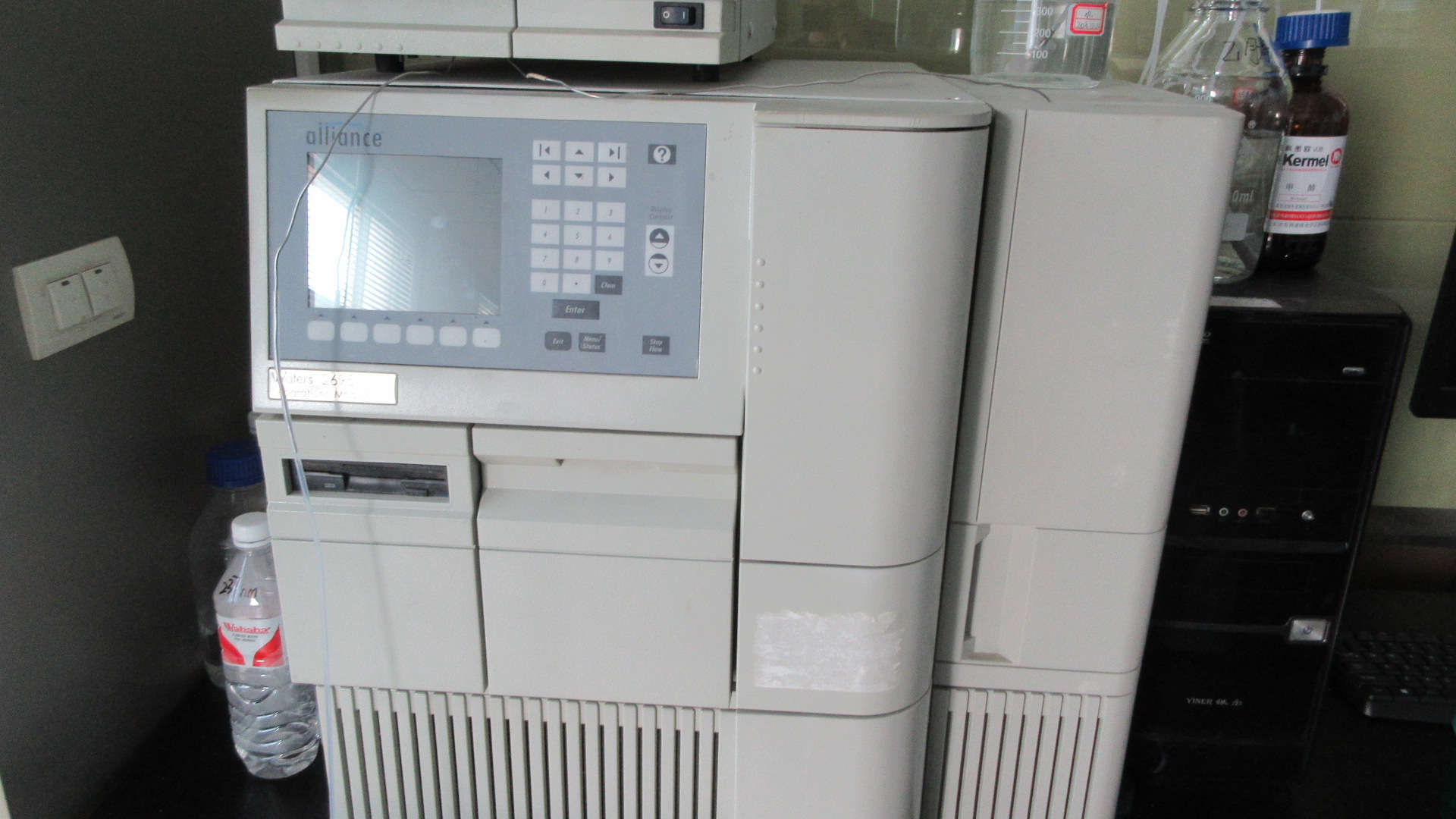
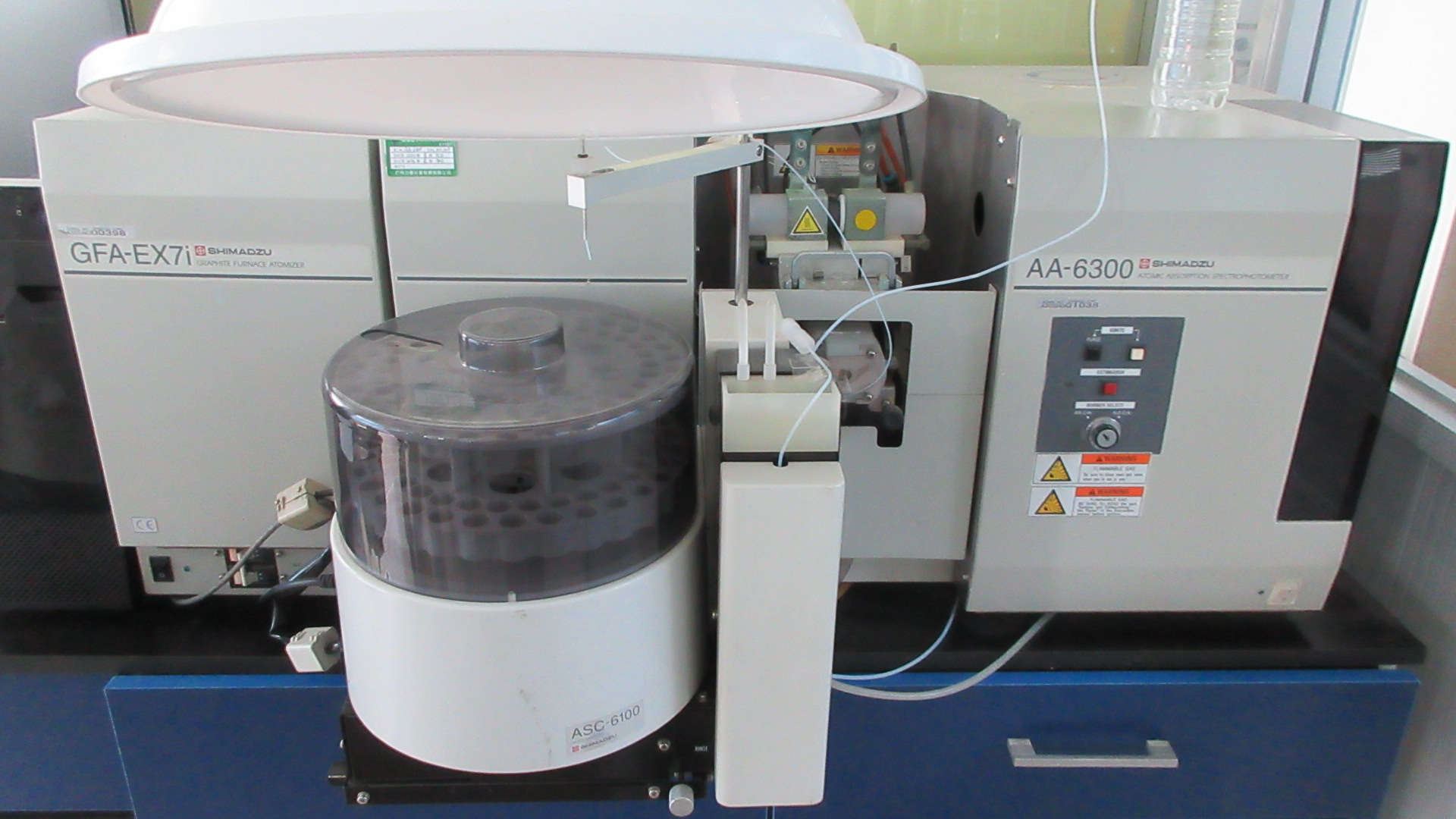
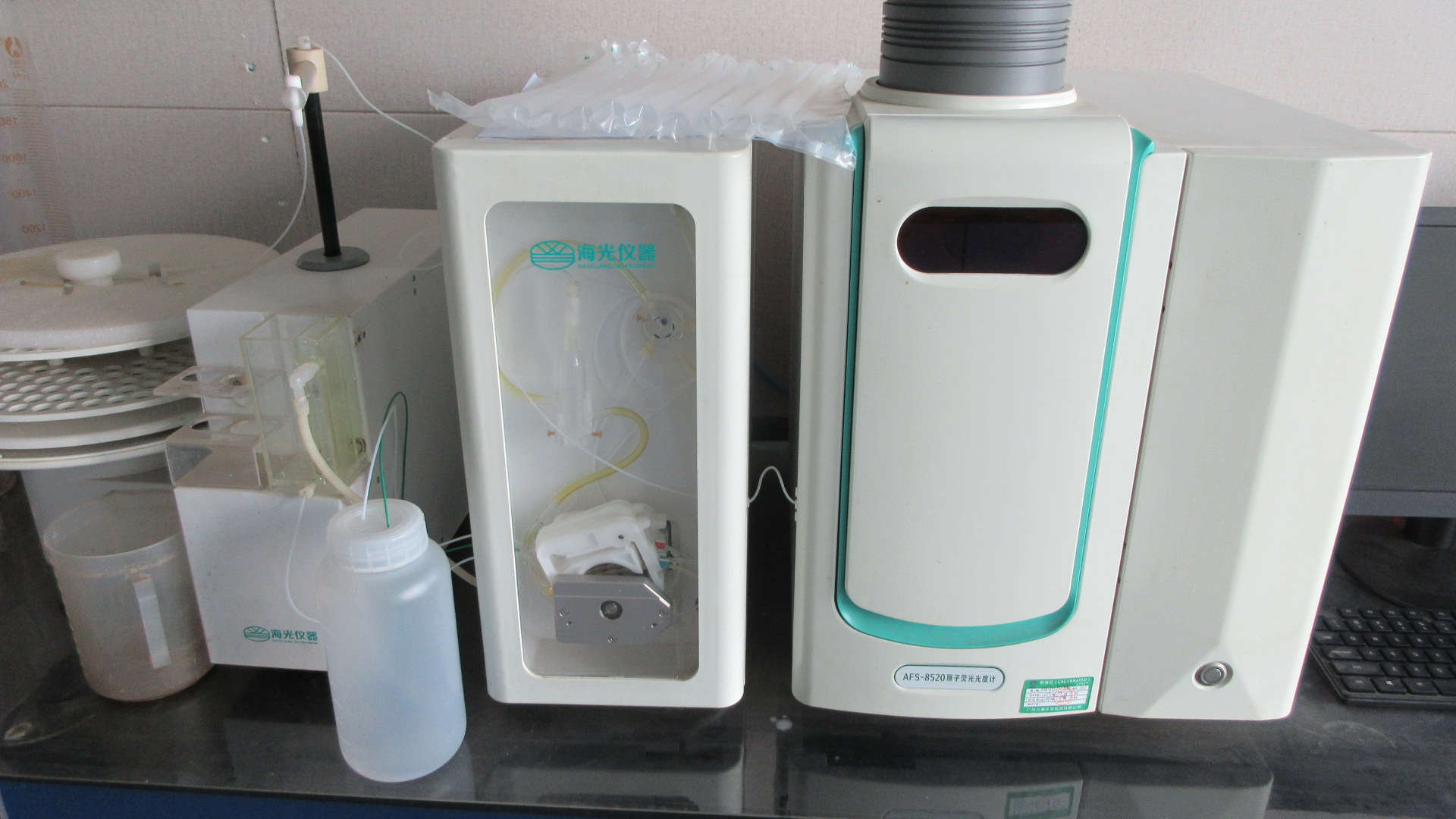
Precision analytic parameters governed by validated HPLC, UV-Vis spectrophotometry, and atomic absorption spectroscopic testing per batch.
| Product / Botanical Source | Active Marker | Assay Standard | Primary CAS / Spec | Surface Tension / CMC | Primary Darkhan Application |
|---|---|---|---|---|---|
| Tea Saponin (Camellia oleifera) | Total Oleanane Saponins | ≥60.0% – 80.0% (UV / Titration) | CAS 8047-15-2 | 38.5 mN/m (0.1% CMC) | Flotation Reagent & Organic Molluscicide |
| Yucca Extract (Yucca schidigera) | Sarsasapogenin Glycosides | ≥30.0% – 60.0% (UV-Vis / BRP) | CAS 223749-05-1 | 44.0 mN/m (0.5% CMC) | Livestock Ammonia & Methane Suppression |
| Quillaja Extract (Quillaja saponaria) | Quillajasaponins (QS-7, QS-21) | ≥20.0% – 65.0% (HPLC-ELSD) | CAS 68990-67-0 | 32.0 mN/m (0.05% CMC) | Vaccine Adjuvant & Food Beverage Emulsifier |
| Tribulus Extract (Tribulus terrestris) | Protodioscin / Furostanol | ≥40.0% – 90.0% (HPLC / UV) | CAS 90131-68-3 | 48.2 mN/m (0.2% CMC) | Veterinary Health & Human Nutraceuticals |
| Sophora Root Extract (S. flavescens) | Matrine & Sophorasaponin | ≥98.0% Matrine (HPLC) | CAS 519-02-8 | Non-critical (Active) | Broad-Spectrum Biopesticide & Antiviral |
| Ginseng / Notoginseng Extract | Ginsenosides (Rg1, Re, Rb1) | ≥10.0% – 80.0% (HPLC-UV) | CAS 90045-38-8 | 52.1 mN/m (0.1% CMC) | High-Potency Adaptogen & Tonic Premixes |
Continuous-flow 316L stainless steel lines and precision analytical instrumentation ensuring absolute batch reproducibility.
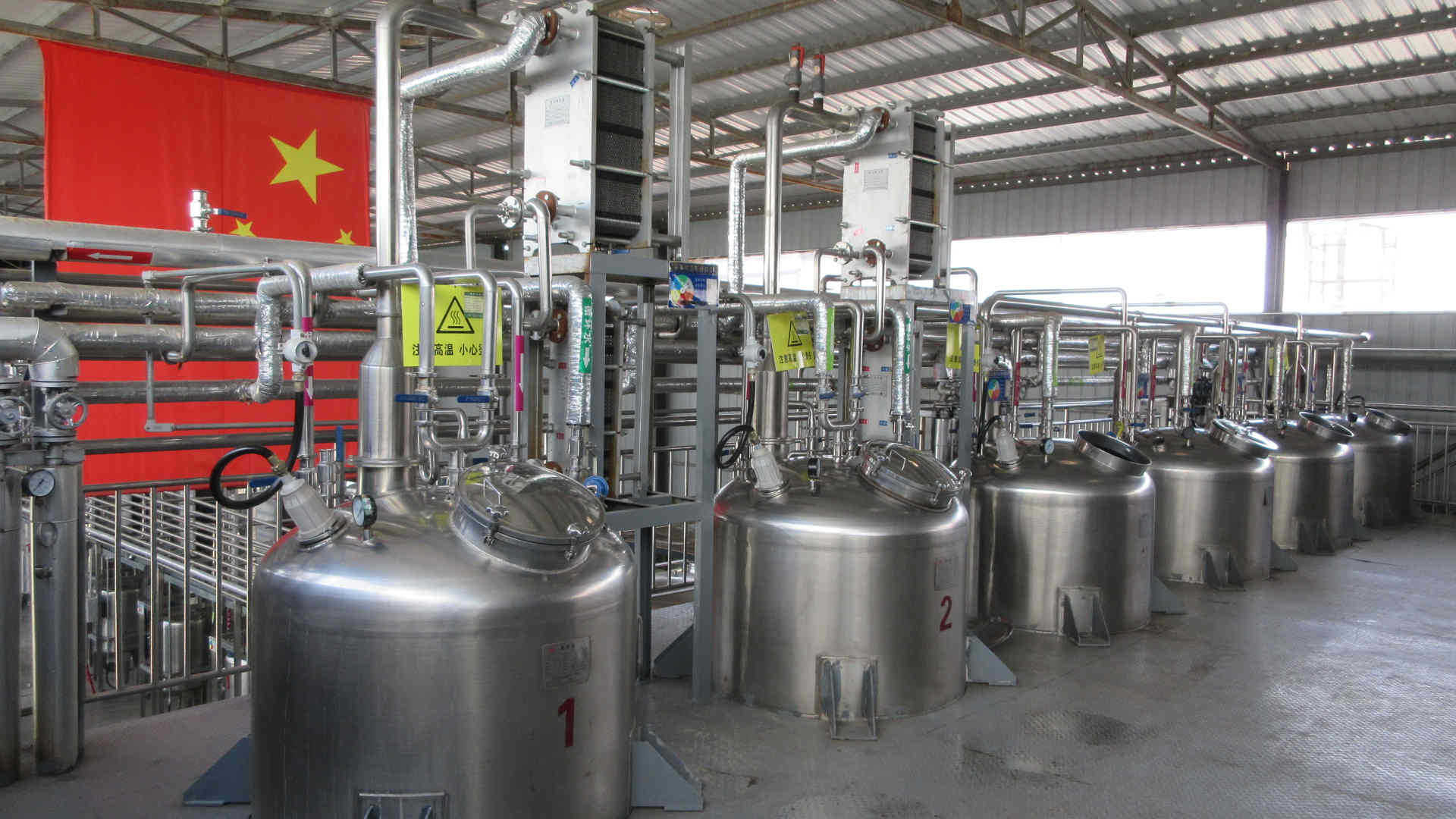
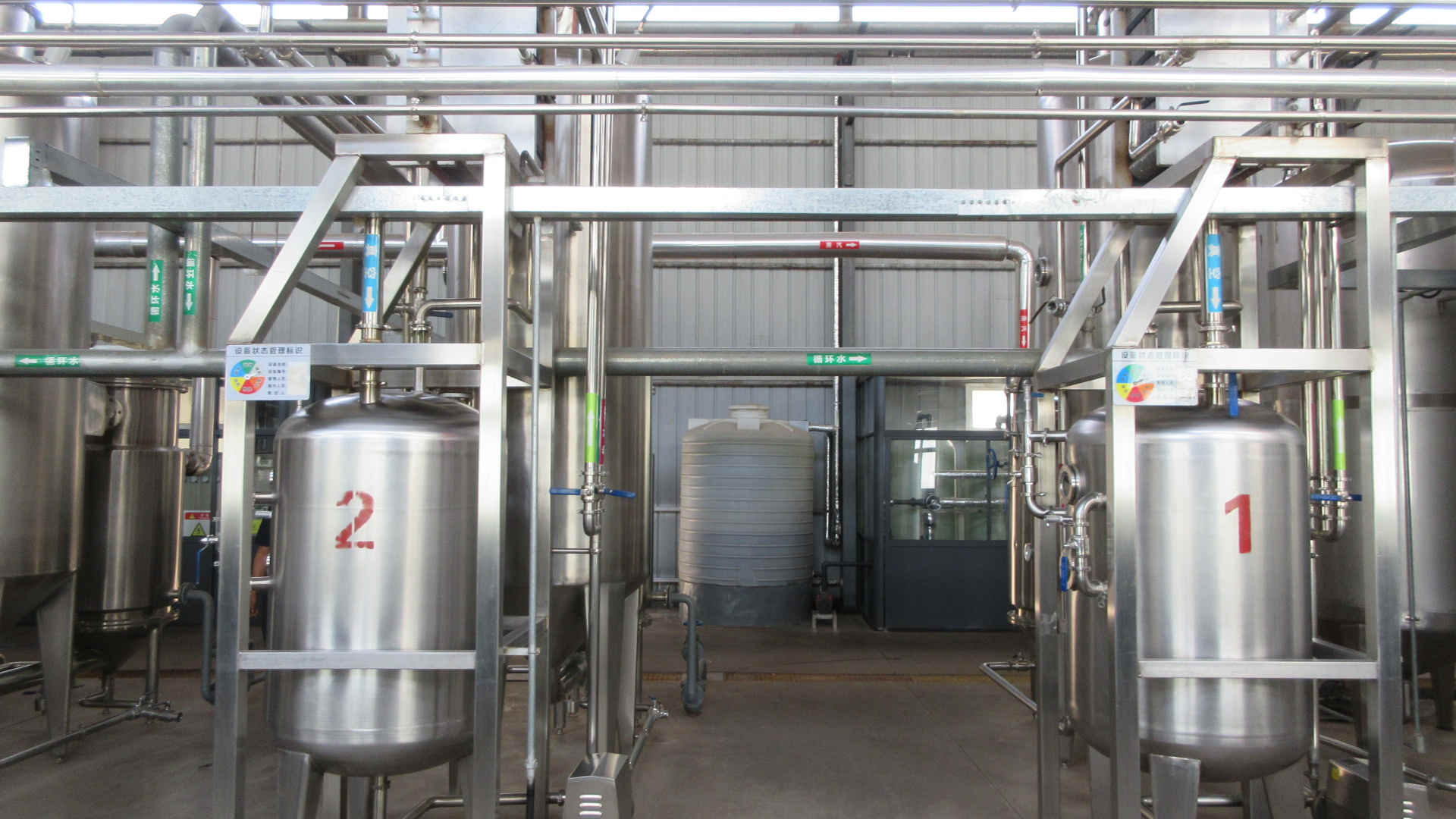
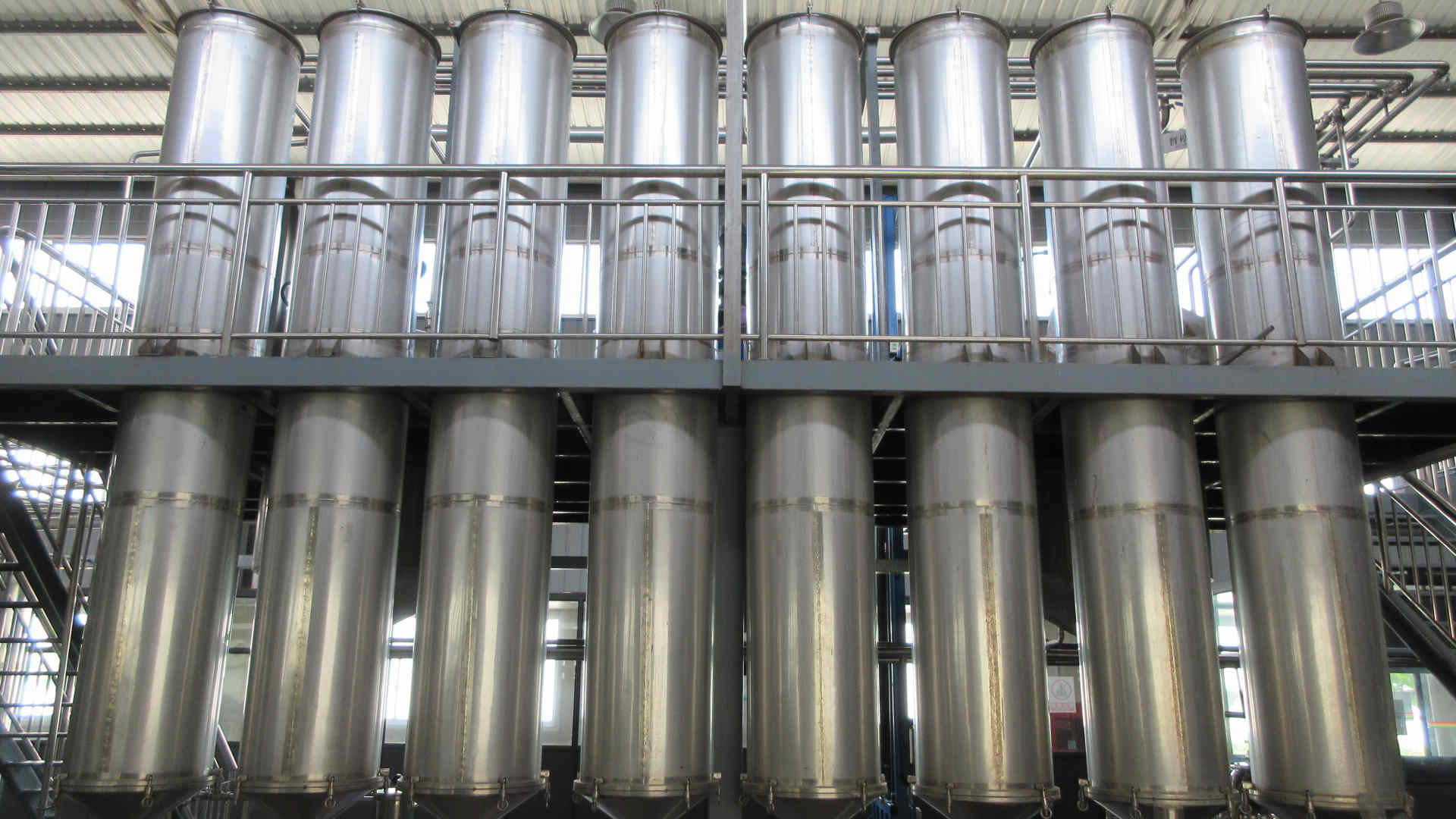
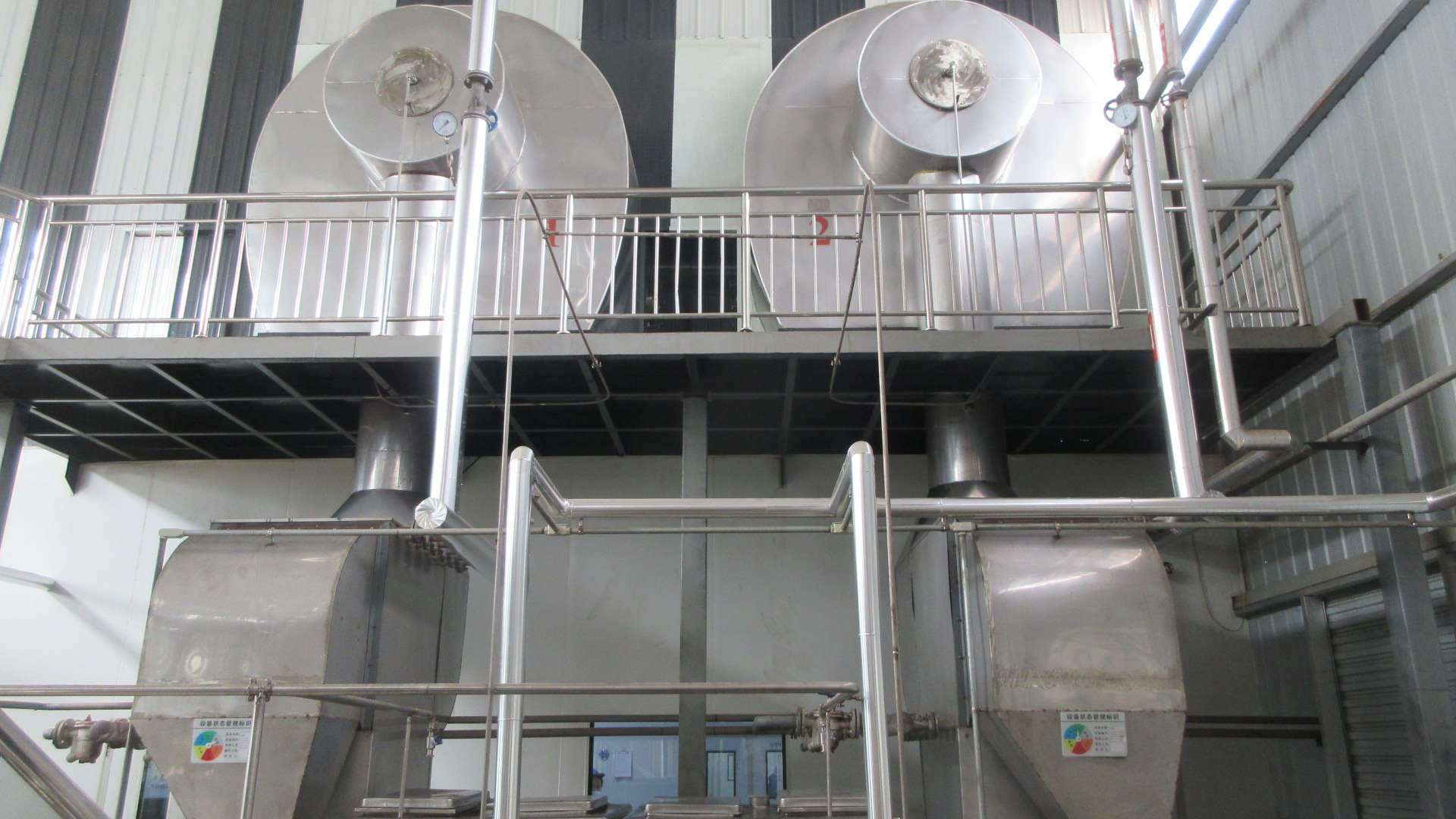
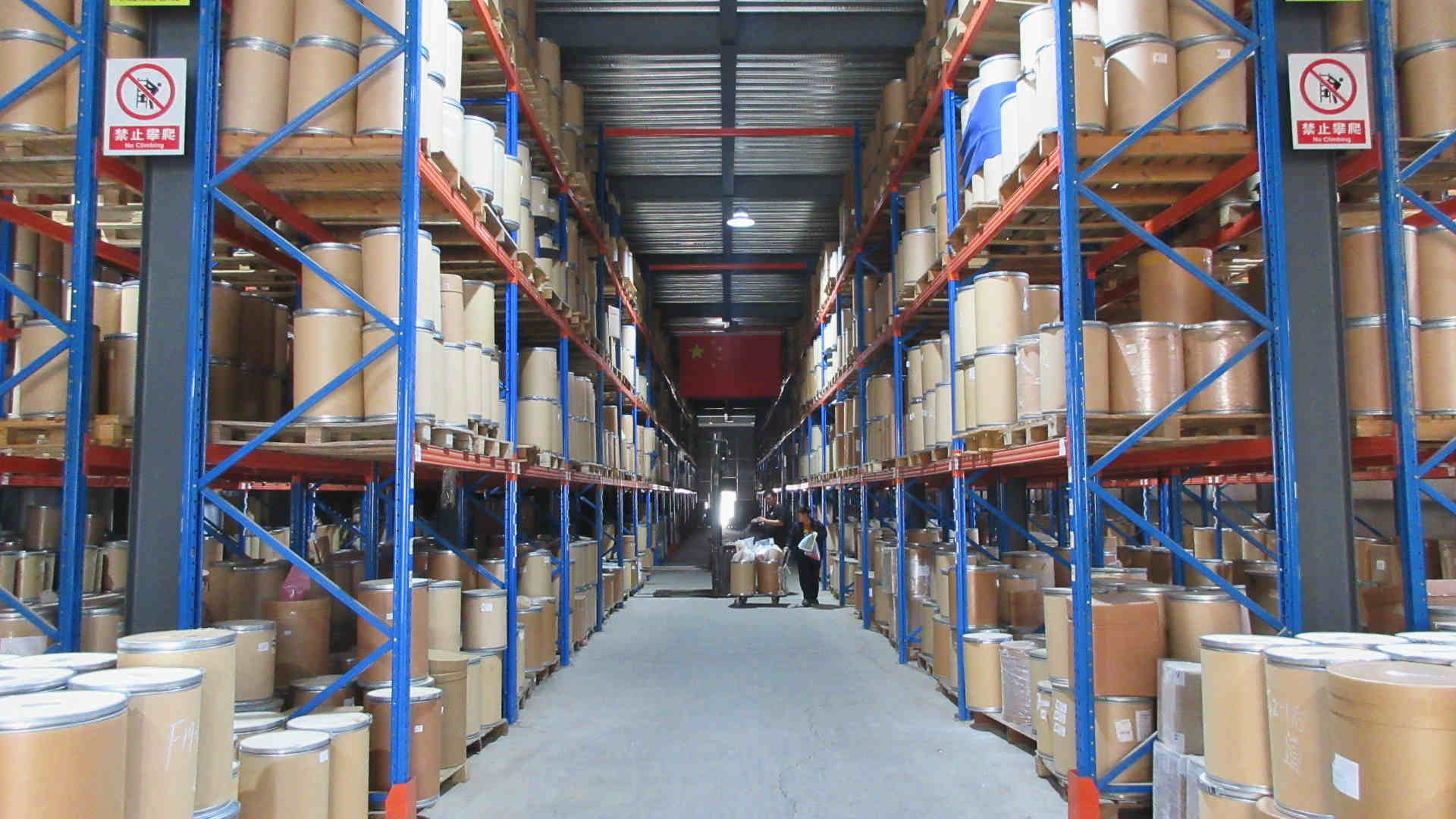
Shaanxi Torzi Biotech Co., Ltd. delivers institutional-grade phytochemistry directly from our Qinling biological manufacturing base to Darkhan-Uul industrial centers.
Founded on proprietary solvent optimization and botanical thermodynamics. We operate without intermediary agents, granting buyers transparent pricing and direct chemical engineering support.
Our extraction, concentration, spray drying, and micronization lines have successfully passed rigorous on-site supplier verification audits conducted by SGS Group.
Strategically routed via the Xi'an - Erenhot - Ulaanbaatar - Darkhan railway artery. Predictable delivery cycles without maritime choke points or seasonal winter border congestion.
Every single export batch is verified via HPLC/UV for potency, AAS for heavy metals (Pb < 0.5 ppm, As < 0.2 ppm, Cd < 0.1 ppm), and rigorous microbiology screening.
We engineer free-flowing powders (80 to 200 mesh) with specialized anti-caking moisture barriers designed to withstand extreme Northern Mongolian winter fluctuations down to -45°C.
Fully compliant with international quality protocols: USDA Organic, Halal, Kosher, ISO9001, and HACCP certifications maintained and verifiable per production SKU.
Key technical, regulatory, and logistics answers addressing industrial saponin sourcing in Mongolia.
Connect immediately with our senior phytochemistry engineering division. We deliver customized COAs, third-party lab verification packages, pilot sample batches, and precise CIF Darkhan volume pricing within 24 hours.