Recommended Core Botanical Extracts & Functional Ingredients
Direct supply from state-of-the-art cGMP facilities. Batch-consistent active assays verified via HPLC, UV, and GC-MS instrumentation with full regulatory documentation.
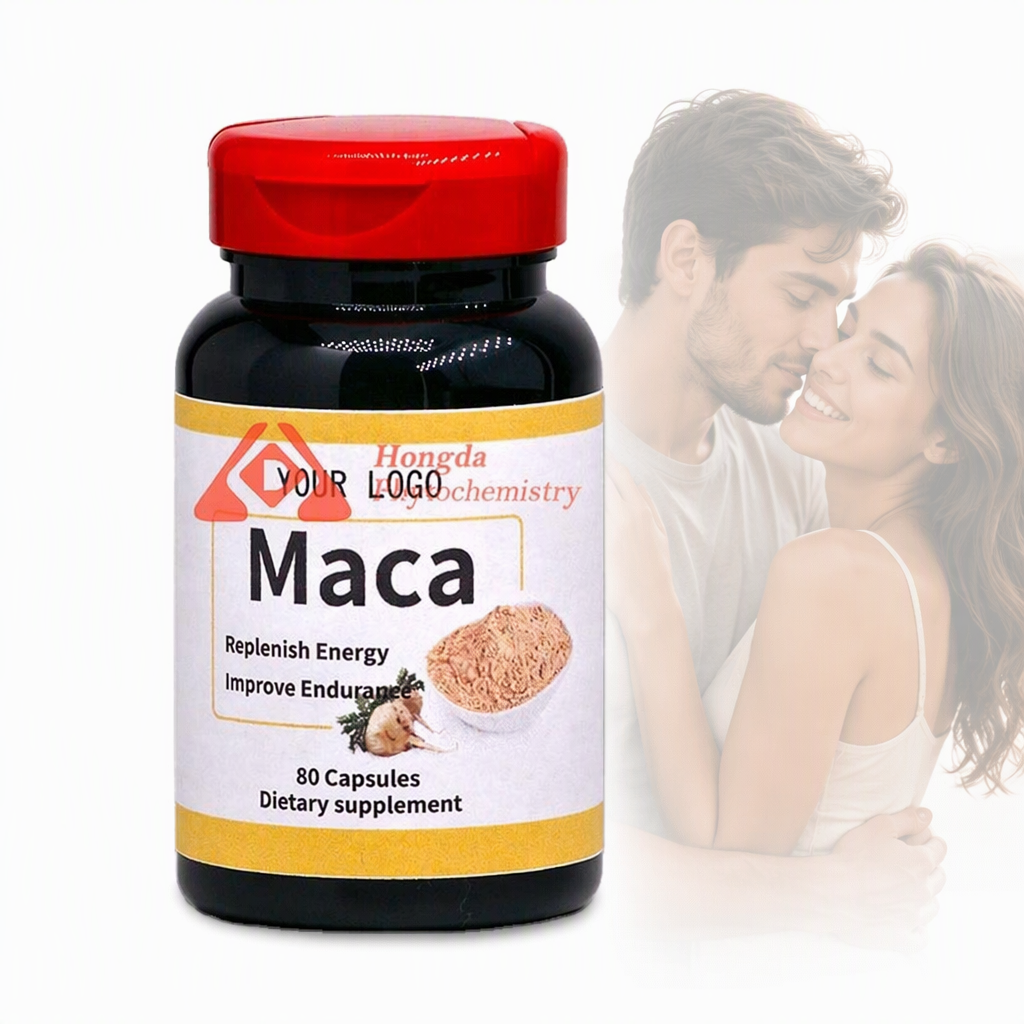
Private Label Maca Capsules Maca Supplement Maca Extract Powder Black Maca Powder OEM Service
Standardized macamides and macaenes. Available in pure extract powder, aqueous-soluble granules, or custom-filled OEM vegan capsules.
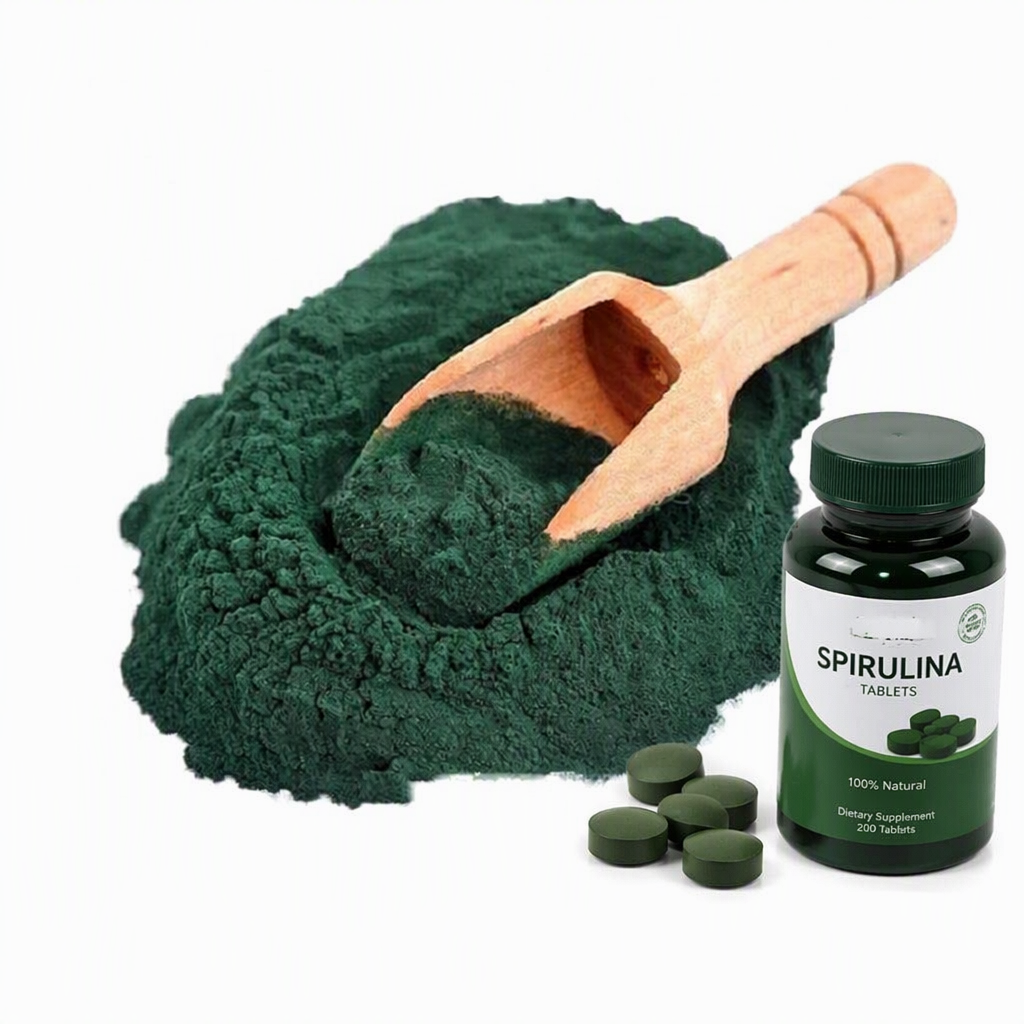
Spirulina Powder and Spirulina Tablets | Food Grade | Private Label OEM
Rich in pure phycocyanin and complete proteins. Low heavy metal profile, non-irradiated, available in fine 120-mesh powder or cold-pressed tablets.
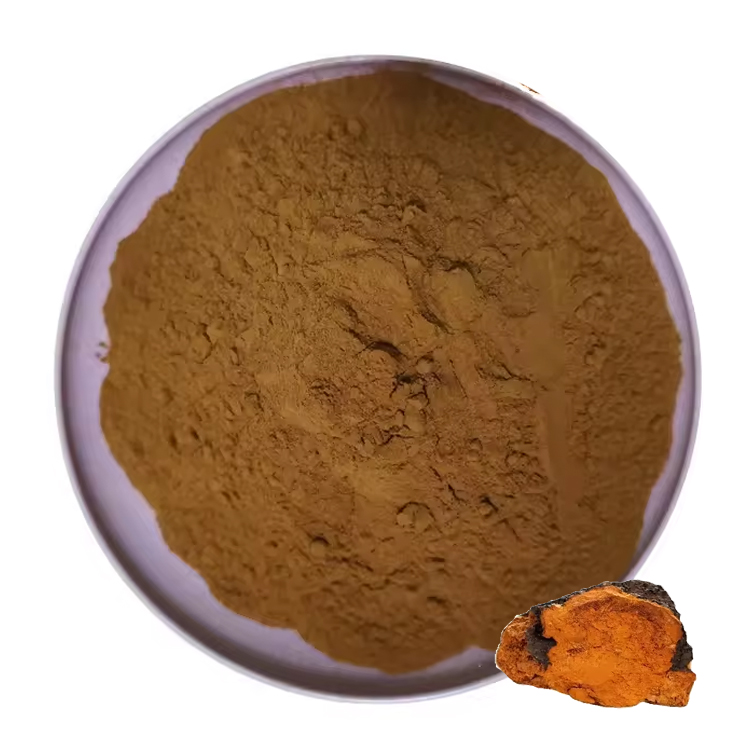
Chaga Mushroom Powder Polysaccharide Chaga Mushroom Extract
Wild-harvested Inonotus obliquus dual-extracted for verified chromogenic complex, polyphenols, and Megazyme-quantified fungal β-glucans.
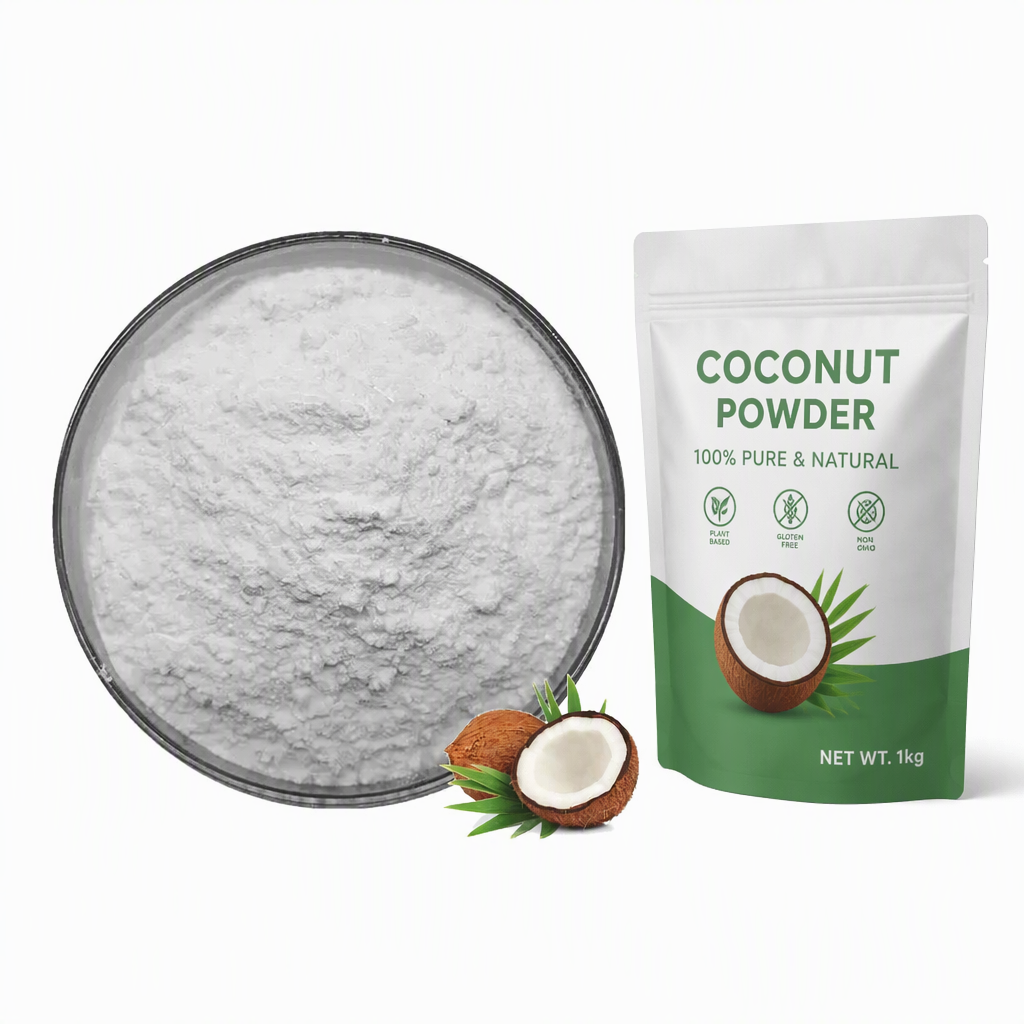
Organic Coconut Milk Powder | Coconut Water Powder | Bulk Wholesale Supplier
Micro-encapsulated medium chain triglycerides (MCTs) and natural electrolyte-dense coconut water. Instant cold-water dispersibility for RTD formulations.
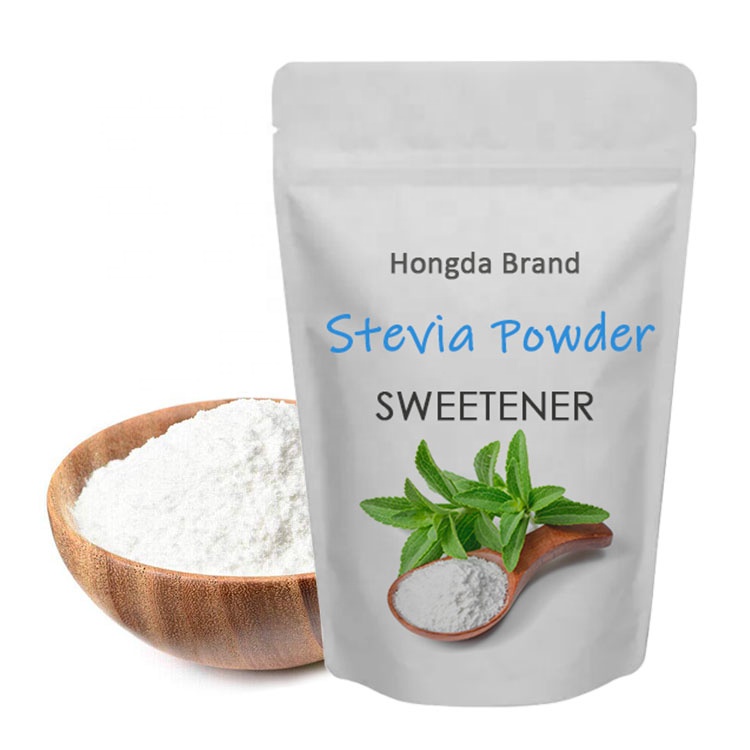
Stevia Extract Powder | 98% Steviol Glycosides | Zero Calorie Sweetener
Highly purified Rebaudioside-A and total steviol glycosides up to 98% by HPLC. Clean gustatory profile devoid of bitter aftertaste for beverage compounding.
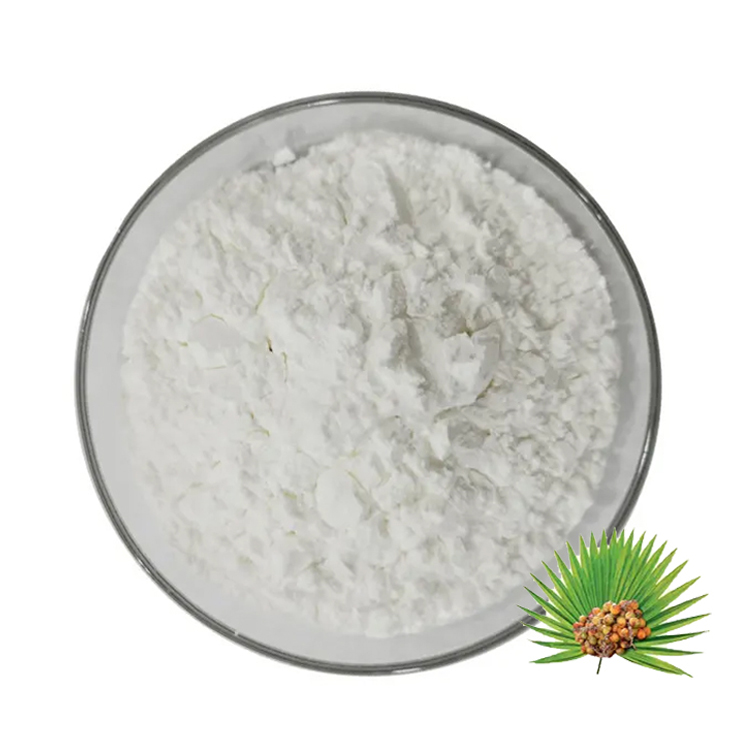
Supplement Ingredient Saw Palmetto Extract Powder 25% 45% 85% Fatty Acids Saw Palmetto Extract Powder
Standardized total fatty acids via supercritical CO2 fluid extraction and micro-encapsulation. Free from residual hydrocarbon solvents for prostate health blends.
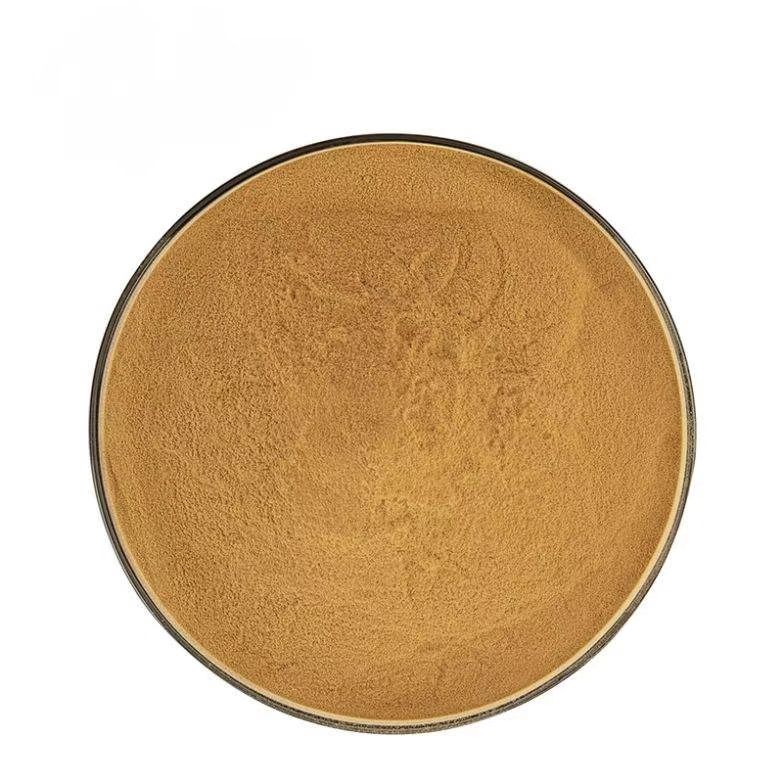
HongdaHerb Food Grade for Galium aparine Extract
Premium cleavers herb water-soluble phyto-complex. Rich in natural flavonoids, iridoids, and chlorogenic acid derivatives for lymphatic detox formulas.
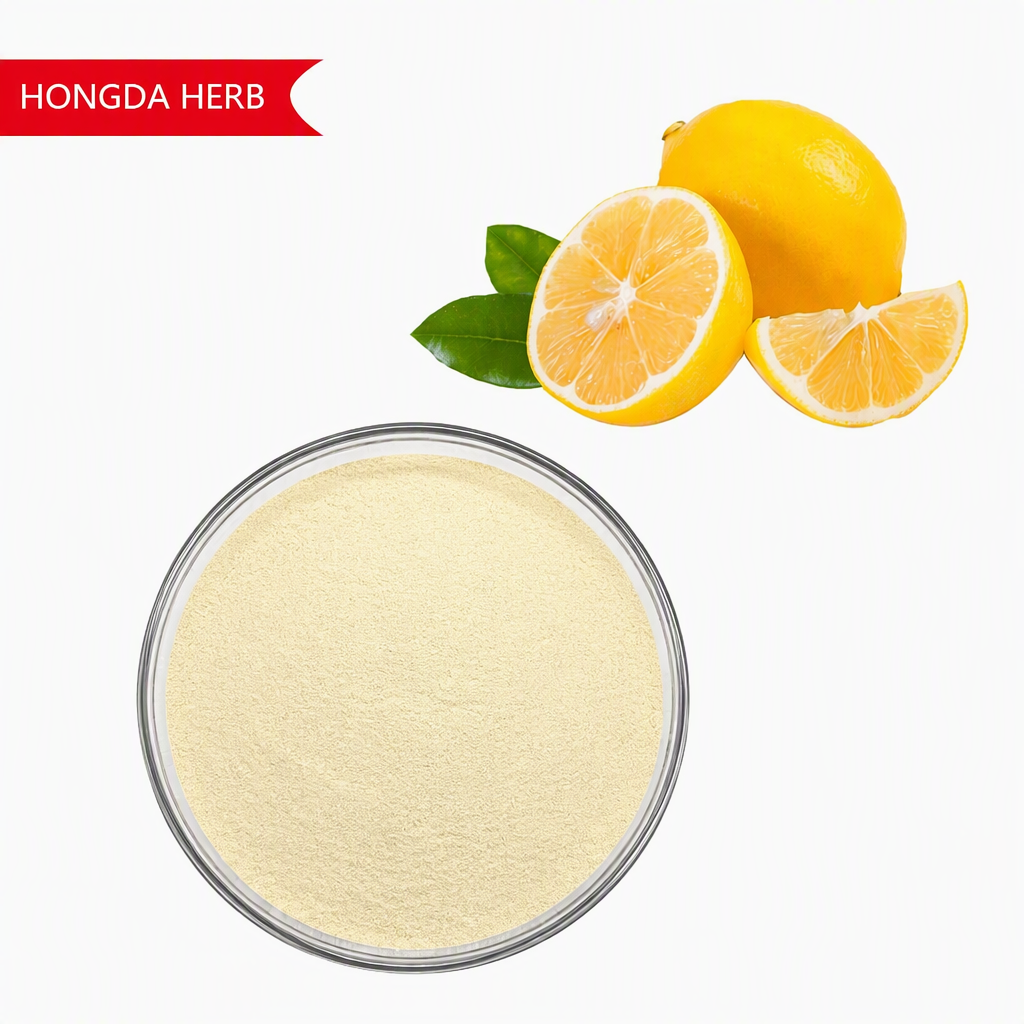
Natural Factory Supply Watersoluble Lemon Juice Powder Lemon Extract Acidity
Spray-dried, cold-processed citrus concentrate standardized for natural citric acid acidity and bioflavonoid complexes. 100% clear instant cold dissolution.
The Science of Botanical Standardization: Beyond Crude Ratios to Molecular Purity
Navigating the paradigm shift in global botanical procurement—how high-performance liquid chromatography (HPLC), orthogonal assay confirmation, and physiological bioavailability define next-generation nutraceutical manufacturing.
Technical Distinction in Quality Testing: Total polysaccharide quantification by UV-Vis spectrophotometry (e.g., anthrone-sulfuric acid assay) often yields false-positive spikes when grain-bound carrier starches, maltodextrin, or dextrins are present. Leading facilities utilize enzymatic Megazyme assay kits to isolate and calculate true fungal β-(1,3)-(1,6)-D-glucans, safeguarding buyers against adulterated or bio-inactive bulk ingredients.
Chromatographic Quantification
Assay validation through reversed-phase HPLC-DAD and GC-MS. We cross-reference retention times against USP, EP, and ChP analytical reference standards to guarantee active molecular isomer accuracy.
Orthogonal Adulteration Screening
Combating intentional or accidental botanical substitution using microscopic TLC fingerprinting and DNA barcoding to certify botanical origin, species integrity, and absence of synthetically spiked analogues.
Trace Impurity Mitigation
Strict elimination of Class 1 and Class 2 residual extraction solvents. Heavy metal monitoring (lead, arsenic, cadmium, mercury) via Inductively Coupled Plasma Mass Spectrometry (ICP-MS) down to parts-per-billion.
Standardization Analytical Benchmarks by Category
A reference guide for formulation scientists, quality assurance managers, and global supply chain directors seeking verifiable bioactive parameters.
| Botanical Species | Target Bioactive Marker | Primary Assay Method | Standard Specification | Analytical Compliance |
|---|---|---|---|---|
| Black Maca (Lepidium meyenii) | Macamides & Macaenes | HPLC-UV / TLC | 0.60% – 2.50% | USP Compliant |
| Chaga Mushroom (Inonotus obliquus) | β-Glucans / Chromogenic Complex | Megazyme Enzymatic / Gravimetric | ≥ 30% Polysaccharides, ≥ 20% β-Glucan | EP / AOAC Certified |
| Saw Palmetto (Serenoa repens) | Total Free Fatty Acids | GC-FID (Gas Chromatography) | 25%, 45%, 85% Total Fatty Acids | ChP / USP Standard |
| Stevia Leaf (Stevia rebaudiana) | Rebaudioside-A / Total Steviol Glycosides | HPLC-RI / HPLC-UV | Reb-A 95%–98%, Total Glycosides ≥ 98% | JECFA / FCC Monograph |
| Spirulina (Arthrospira platensis) | C-Phycocyanin & Crude Protein | Spectrophotometry / Kjeldahl Method | ≥ 60% Protein, ≥ 18% Phycocyanin | Food Chemical Codex |
| Citrus Limon (Lemon Fruit) | Bioflavonoids & Citric Acidity | HPLC / Acid-Base Titration | 5% Flavonoids, 8%–15% Natural Acidity | ISO 22000 Inspected |
Emerging Procurement Trends Shaping the Global Botanical Market
Actionable supply chain strategies for enterprise decision-makers facing regulatory tightening, ESG mandates, and clean-label consumer evolution through 2030.
Zero-Tolerance Clean Label & Green Extraction
Global brands are phasing out synthetic carriers (silicon dioxide, maltodextrin) and toxic petrochemical solvents (hexane, methanol, ethyl acetate). Supercritical fluid CO2 extraction and water-ethanol closed-loop recovery are now baseline prerequisites for clean-label compliance.
End-to-End Genomic Batch Traceability
Downstream retailers and institutional regulatory bodies now require granular provenance records. Procurement teams prioritize extract manufacturers that maintain direct agrarian partnerships, verifying species purity from Qinling agricultural plantations directly to finished drum packing.
Direct Factory Integration over Brokering
Intermediary traders are increasingly bypassed in favor of integrated extraction plants that own concentration, crystallization, spray-drying, and cleanroom encapsulation assets under one roof, insulating buyers from compounding margin markups and documentation blind spots.
Global Botanical Extract Dynamics: 2025–2032 Industrial Outlook
Quantifying compound annual growth across key therapeutic indications, functional beverage compounding, and advanced bio-delivery delivery technologies.
Enterprise Factory Profile & Quality Engineering Capabilities
Situated in the heart of China's Qinling botanical hub, Shaanxi Torzi Biotech Co., Ltd. operates integrated botanical extraction, concentration, and laboratory facilities verified by SGS on-site audits.
Controlled 8-Stage Extraction & Purification Workflow
Botanical Sourcing
Rigorous identification of wildcrafted or organic Qinling mountain herbs; verification of moisture, ash, and heavy metal baselines.
Dynamic Extraction
Dual counter-current hot water or hydro-ethanolic extraction cycles with computer-controlled temperature and contact-time regulation.
Vacuum Concentration
Low-temperature falling film evaporation protecting thermolabile bioactives from heat-induced oxidative degradation.
Resin Chromatography
Selective macroporous resin adsorption columns isolating targeted monomer compounds while rejecting inactive carbohydrates.
Aseptic Spray Drying
High-tower centrifugal spray drying yielding microfine particles with uniform density and optimal flowability.
Milling & Sieving
Cryogenic ultrafine pulverization and mechanical vibration sieving to meet exact 80 to 200 mesh particle specifications.
Homogenized Blending
Three-dimensional powder blending ensuring absolute intra-lot chemical consistency across multi-ton production runs.
Sterile Cleanroom Packaging
Double food-grade polyethylene food bags within fiber drums, heat-sealed in Class 100,000 cleanrooms with nitrogen flushing.
Frequently Asked Procurement & Technical Questions
Authoritative, verified answers addressing commercial terms, laboratory assays, documentation, and contract manufacturing parameters.
What documentation accompanies every commercial export batch?
Every shipment is released with an official Certificate of Analysis (COA) specifying validated assay markers (HPLC/GC/UV), full heavy metal panels (Pb, As, Cd, Hg tested via Atomic Absorption/ICP-MS), total plate count, yeast/mold, E. coli, Salmonella, and residual solvent quantification. Additional documentation including Allergen Statements, Non-GMO Declarations, TSE/BSE Certificates, Safety Data Sheets (MSDS), and Flow Charts are provided on demand.
How do you resolve discrepancies between UV-Vis and HPLC test results?
UV-Vis spectrophotometry evaluates non-specific chromophoric absorbance and is susceptible to interference from native carbohydrates or added dextrin excipients. HPLC uses liquid chromatography to separate individual chemical entities before detection, delivering absolute compound specificity. In our factory laboratory, HPLC is the definitive release benchmark, guaranteeing our clients avoid failed label claims or third-party audit rejection.
What are your standard Minimum Order Quantities (MOQ) for pilot trials?
We recognize that pharmaceutical and nutraceutical innovators require pilot-scale validation prior to commercial volume rollouts. While standard commercial drums weigh 25 kg net, our standard extract powder MOQs start at 1 kg to 5 kg for benchtop R&D formulations, sensory testing, and stability trials. For finished private-label OEM capsules or stick packs, our introductory MOQ starts at just 500 retail units.
Can you manufacture custom particle meshes or water-soluble formulations?
Yes. Our processing equipment features high-pressure liquid homogenizers, air-classifier mills, and specialized fluid-bed granulators. We customize bulk density, flowability, and granulation from coarse 40-mesh direct-compression grades up to ultrafine 200-mesh powders suitable for RTD drink packets, and can micro-encapsulate lipid fractions with natural carriers for rapid cold-water dispersion.
Are mushroom extracts derived from 100% fruiting bodies or grain-grown mycelium?
Transparency is central to our E-E-A-T operational principles. We produce both 100% organic fruiting body extracts and pure liquid-fermented mycelial extracts, clearly declared on specification sheets. For immune support applications, we recommend wildcrafted or wood-cultivated fruiting bodies tested by the Megazyme beta-glucan assay, avoiding grain starches that artificially inflate total polysaccharide readings.
What export packaging standards protect hygroscopic botanical powders?
To prevent moisture absorption, caking, and microbial proliferation during sea freight and multimodal transit, our extracts are packaged inside dual-layer pharmaceutical-grade low-density polyethylene (LDPE) food-grade liners, sealed with zip ties, vacuumed with pharmaceutical desiccants where appropriate, and protected inside durable, tamper-evident 25 kg fiber drums.
Connect Directly with Our Phytochemical Specialists
Access our comprehensive 2025/2026 botanical active ingredient price index, analytical monographs, and order testing samples for your laboratory.
Get Catalog