 HPLC Verified
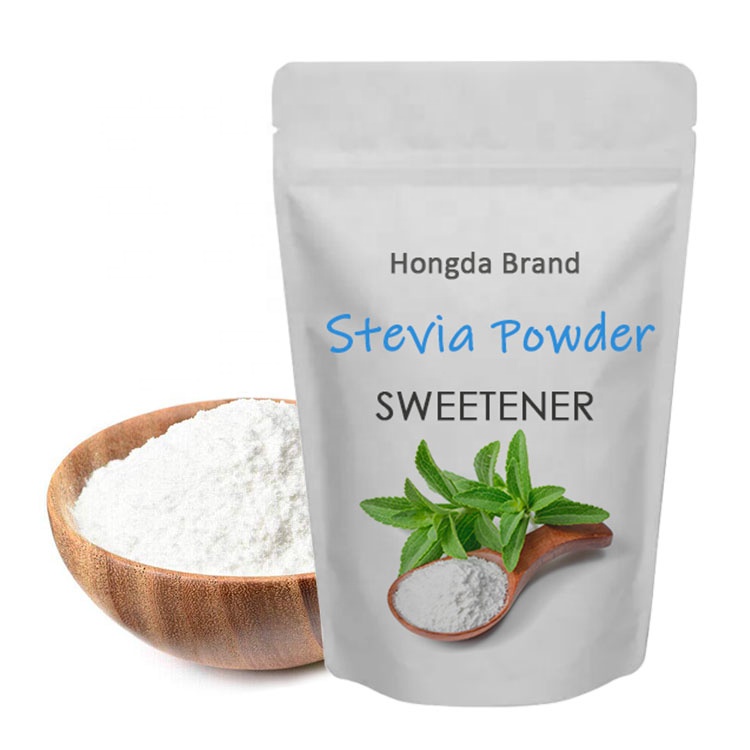
Stevia Extract Powder | 98% Steviol Glycosides | Zero Calorie Sweetener
Assay: ≥98% Steviol Glycosides | Natural Sugar Alternative
MOQ: 25 kg
View Details
Directly sourced, laboratory-standardized botanical concentrates and nutritional compounds manufactured under strict SGS-verified cleanroom conditions.
HPLC Verified
 TLC Tested
 Hydrolyzed
 Clean Label
 Megazyme Tested
 Freeze-Dried
 Cosmetic Grade
 OEM Capsule/Bulk
A comprehensive procurement review of how top-tier botanical exporters maintain chemical stability, overcome supply chain friction, and guarantee regulatory compliance.
The global botanical extract industry has transitioned from bulk-volume commodity trading to a stringent, science-validated sector where analytical precision dictates commercial value. When enterprise procurement teams and formulators evaluate the Top 10 Herbal Extract Concentrate Suppliers & Exporters, the assessment metrics go far beyond unit price per kilogram. Sophisticated buyers in North America, the European Union, and Asia-Pacific scrutinize batch-to-batch consistency, pesticide limits (EC No 396/2005), polycyclic aromatic hydrocarbons (PAHs), and chromatographic profile authentication (HPLC/UHPLC).
A primary failure point in the international supply chain is the reliance on non-standardized UV-Vis testing for complex botanical matrices. For instance, UV-Vis spectrophotometric analysis for mushroom or plant polysaccharides can yield falsely elevated results due to the presence of non-therapeutic starches or residual maltodextrin. High-echelon manufacturers resolve this vulnerability by adopting validated enzymatic methods, such as Megazyme assays for specific (1,3)-(1,6)-β-D-glucans, and gas chromatography-mass spectrometry (GC-MS) for tracking residual extraction solvents. Evaluating direct factory infrastructure—particularly continuous countercurrent extraction lines, closed-loop vacuum concentration, and low-temperature spray drying—is the most reliable method to eliminate adulteration and thermal degradation risks before inventory is dispatched.
| Tier / Category | Standard Identification Protocols | Heavy Metal Limits (Pb/As/Cd/Hg) | Batch Consistency Control | Regulatory & Factory Audit Status |
|---|---|---|---|---|
| Direct Primary Manufacturers e.g., Torzi Biotech Core Facility |
HPLC, LC-MS, HPTLC fingerprinted against USP/EP reference standards | AAS / AFS verified (<1.0 ppm Pb, <0.1 ppm Cd, <0.1 ppm Hg) | Closed-loop automation; single lot up to 5,000 kg with full retention history | SGS On-Site Assessed USDA Organic |
| Regional Secondary Processors | UV-Vis dominant, selective HPLC subcontracted out | Standard third-party composite report | Blended multi-source milling; variable batch variance (±15%) | National Food Hygiene License |
| General Trading Brokers | Relies strictly on broker-forwarded documentation | Batch-level compliance often untested by seller | Variable origins; higher risk of post-extraction carrier additions | Intermediary Export Trader |
Analyzing the shifts toward clean-label solvent recovery, genomic botanical verification, and high-bioavailability encapsulation for 2026–2030.
Environmental legislation across Europe and the US is making toxic organic solvents (hexane, chlorinated hydrocarbons) obsolete. Leading extractors have integrated pure ethanol-water mixtures and pressurized liquid extraction (PLE) to isolate delicate polyphenols, ginsenosides, and diterpenes without toxic residues.
Hydrophobic bioactives like CoQ10, curcuminoids, and astaxanthin suffer from notoriously low gastrointestinal absorption. Future-oriented buyers are pivoting toward micro-encapsulated spray-dried powders and water-soluble cyclodextrin complexes that double plasma concentration without spiking formula dosages.
To safeguard against economic adulteration—such as substituting Siberian Ginseng with unverified root stock—supply chains are implementing DNA barcoding at the agricultural gate, accompanied by carbon isotope ratio analysis to distinguish synthetic active spikes from genuine plant-derived monomers.
Located in the Qinling botanical corridor, our 12,447m² production facility bridges wild botanical harvesting and high-precision biochemical refinement.
Direct proximity to native harvesting regions guarantees cold-chain transit of raw herbs within hours of collection, minimizing active ingredient degradation.
Configured with heavy-duty multi-function extraction tanks, continuous vacuum falling-film concentrators, and macroporous resin purification systems.
Equipped with dual Shimadzu HPLC systems, Gas Chromatography (GC), Atomic Absorption Spectrophotometry (AAS), and atomic fluorescence testing.
From botanical concentrates to custom particle milling (80–200 mesh), customized premix formulations, and blister or bottled private label manufacturing.
Critical considerations for QA compliance officers, formulators, and supply chain managers.