Standardized Botanical Extracts & High-Purity Nutritional Actives
Direct factory supply featuring standardized marker compounds, chromatographic quantification (HPLC/UV), controlled moisture profiles, and food/cosmetic compliance. Each raw material batch is backed by an authentic Certificate of Analysis (COA).
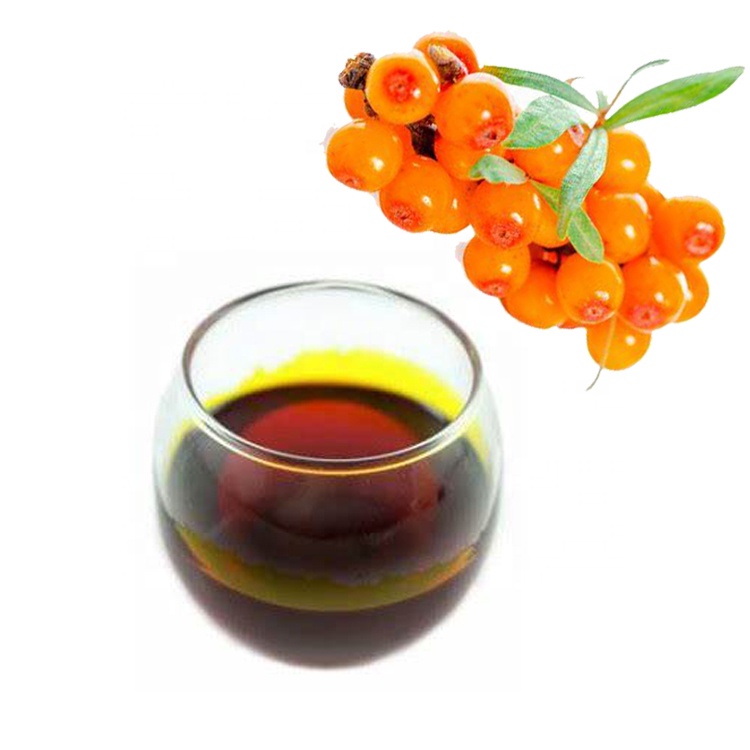
Seabuckthorn Fruit Oil Sea Buckthorn Berry Powder | Fruit Powder | Health Supplement Material
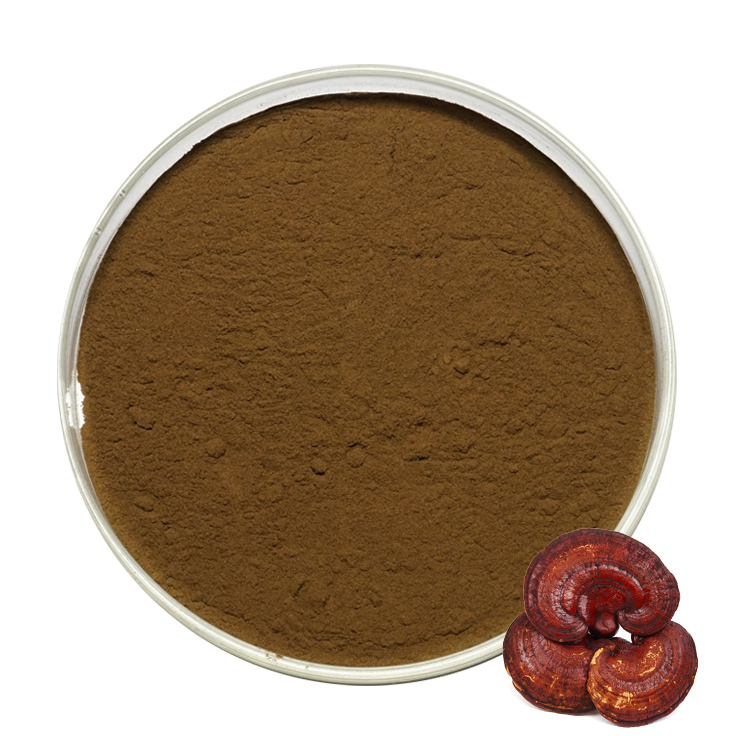
Reishi Mushroom Extract Powder Ganoderma Lucidum Extract for Health Supplement
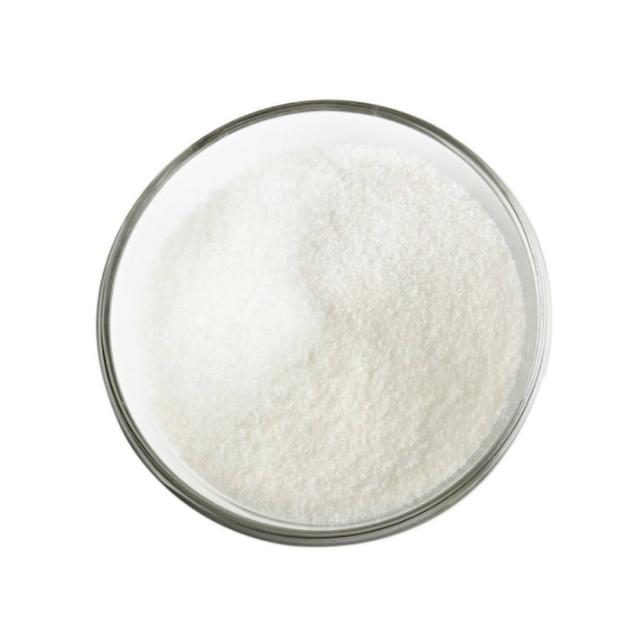
Food Additives Glucose Isomerase Enzyme Price Glucose Powder 25kg Price Bulk Glucose Powder
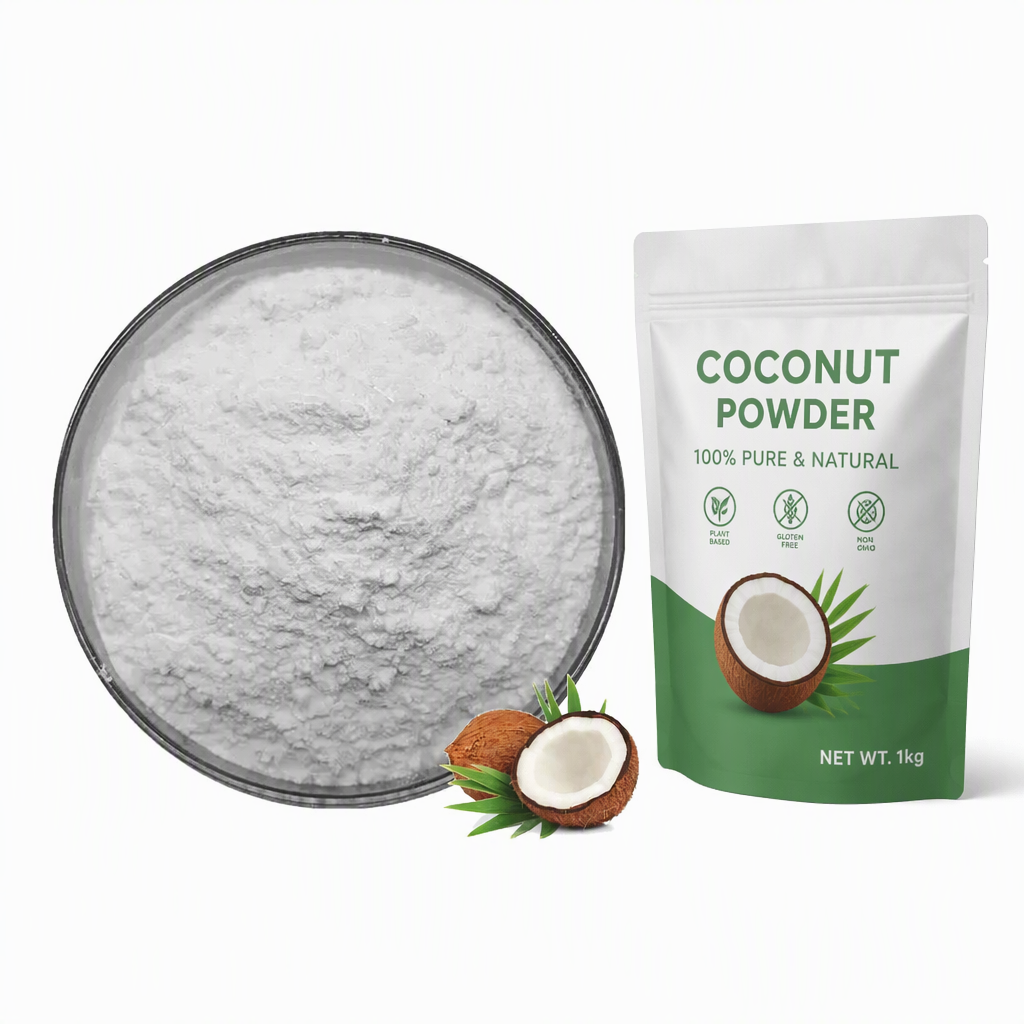
Organic Coconut Milk Powder | Coconut Water Powder | Bulk Wholesale Supplier
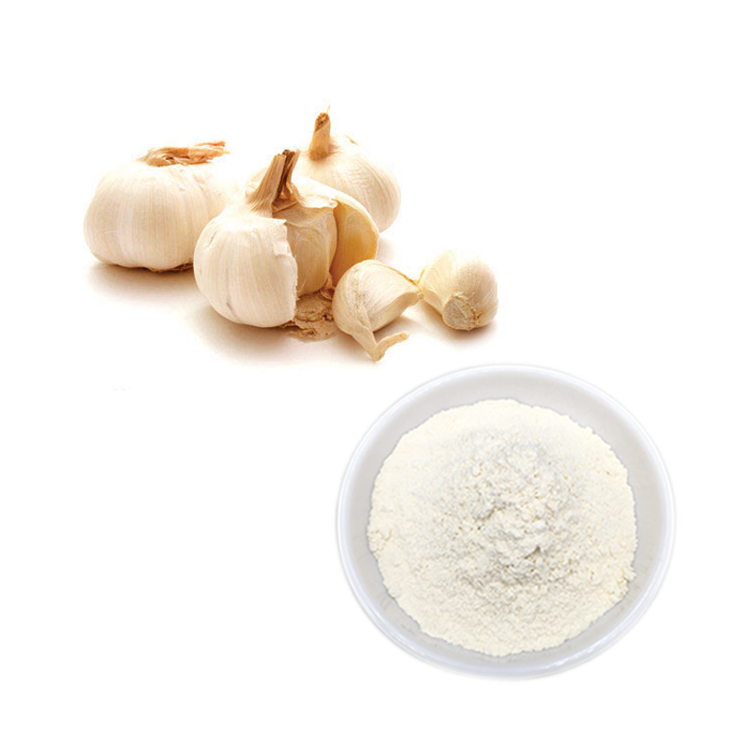
HONGDA Factory Supply Garlic Powder India Price Garlic Powder
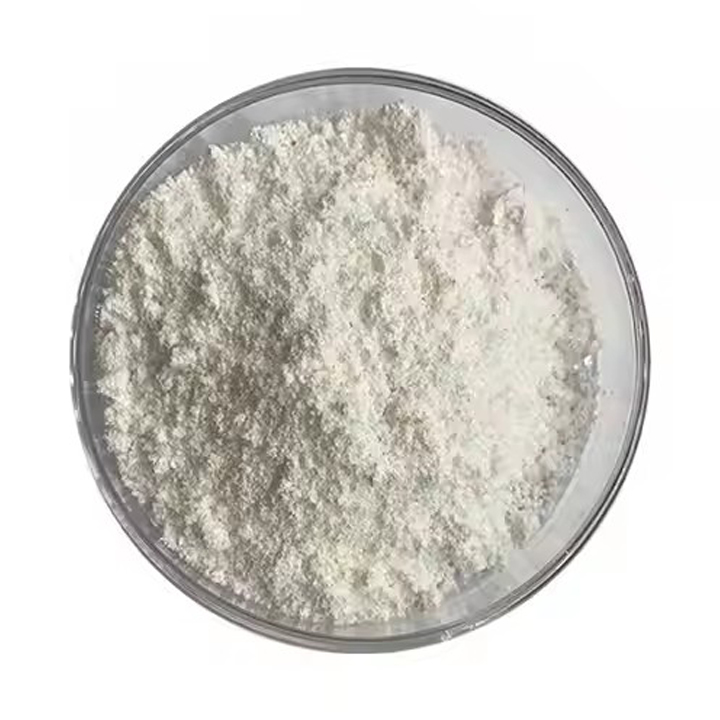
Cosmetic Grade Gamma Polyglutamic Acid Powder PGA CAS 25513-46-6 Moisturizing Ingredient for Skin Care Formulations
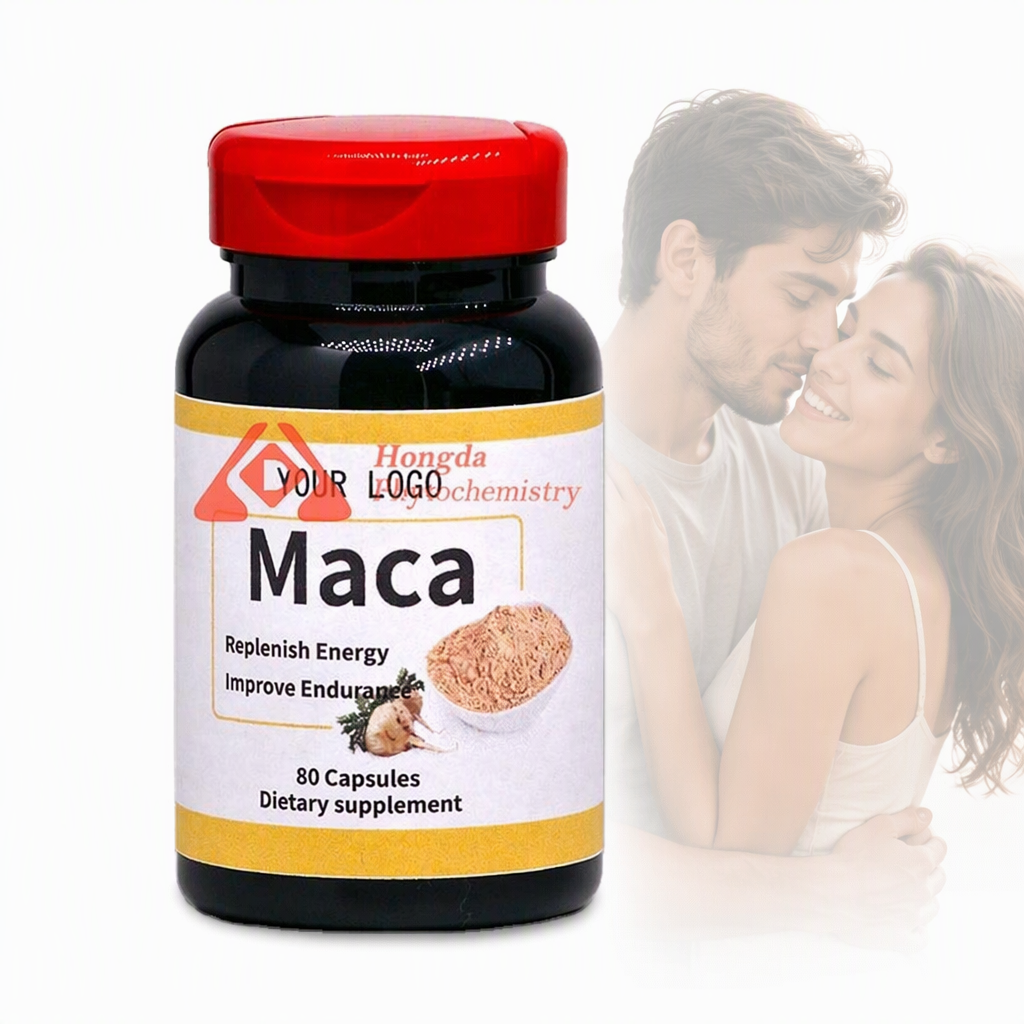
Private Label Maca Capsules Maca Supplement Maca Extract Powder Black Maca Powder OEM Service
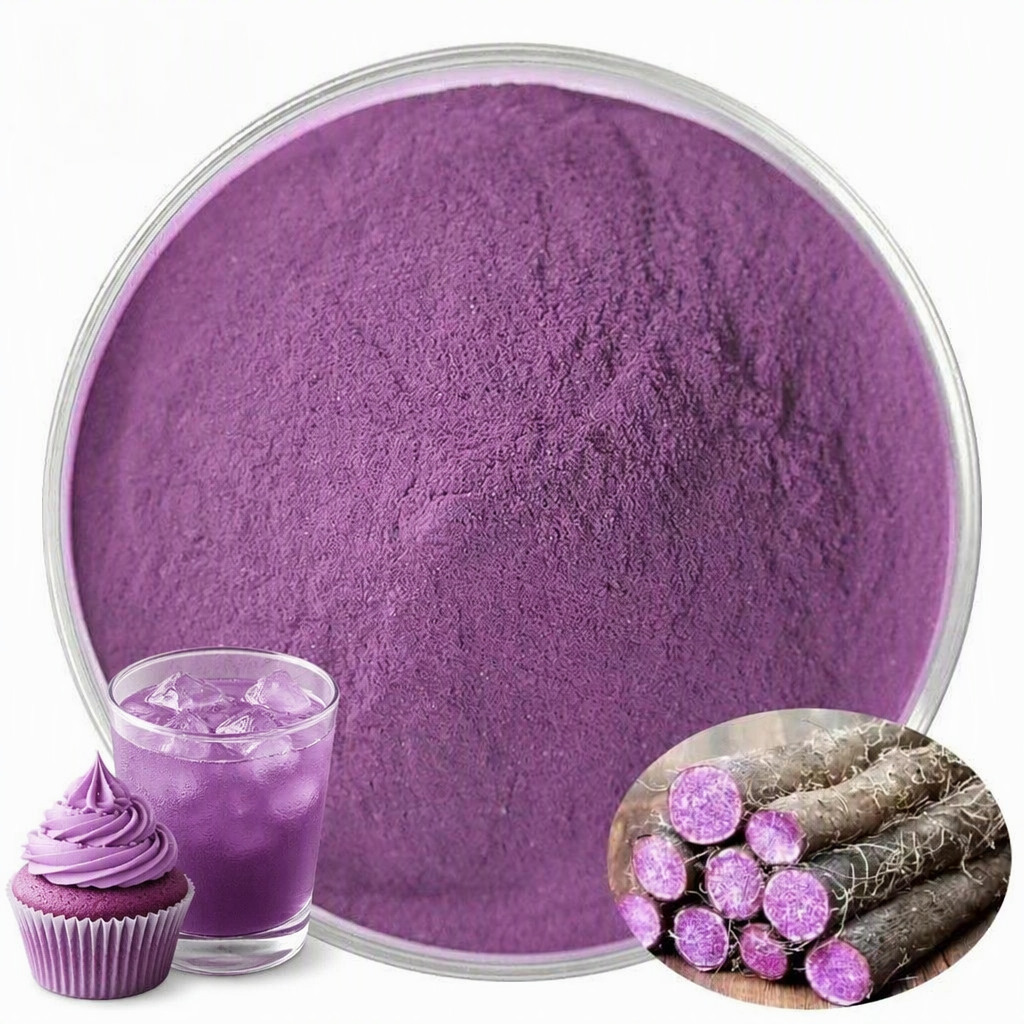
Organic Ube Powder Philippines | Purple Yam Powder | OEM Service
Engineered Botanical Infrastructure in China's Phytochemical Capital
Located in Xi'an adjacent to the Qinling Mountains—an ecological reservoir of over 3,000 medicinal plant species—Torzi Biotech operates fully integrated extraction, resin concentration, spray drying, and cleanroom packaging facilities audited on-site by SGS Group.
The 8-Stage Standardized Phytochemical Process
Every batch of botanical material follows strict Good Agricultural and Collection Practices (GACP) and current Good Manufacturing Practices (cGMP) to prevent cross-contamination, pyrogens, and active breakdown.
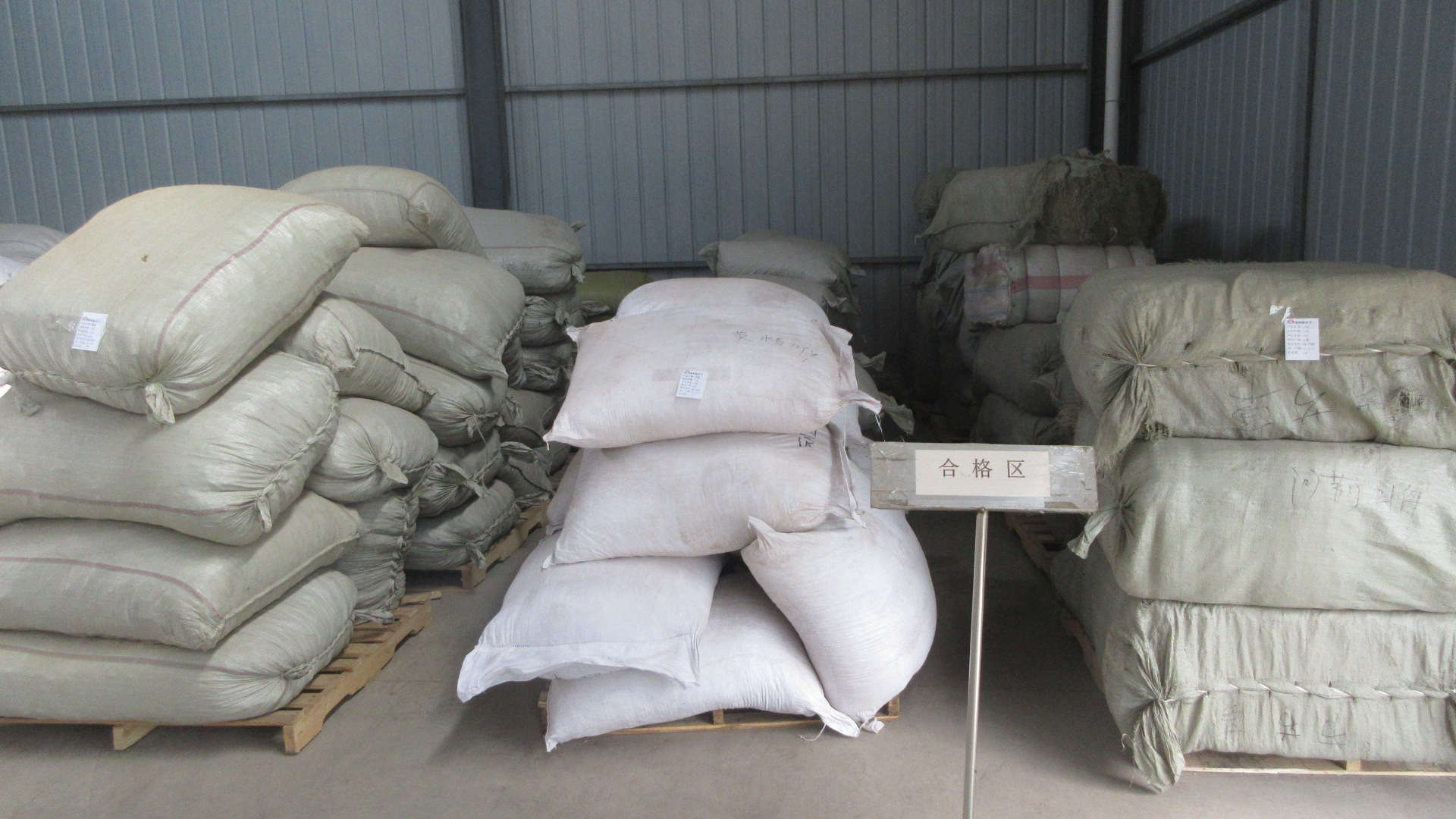
Raw Material Quarantine
Botanical species identity, macroscopic assay, and moisture/ash baseline verification.
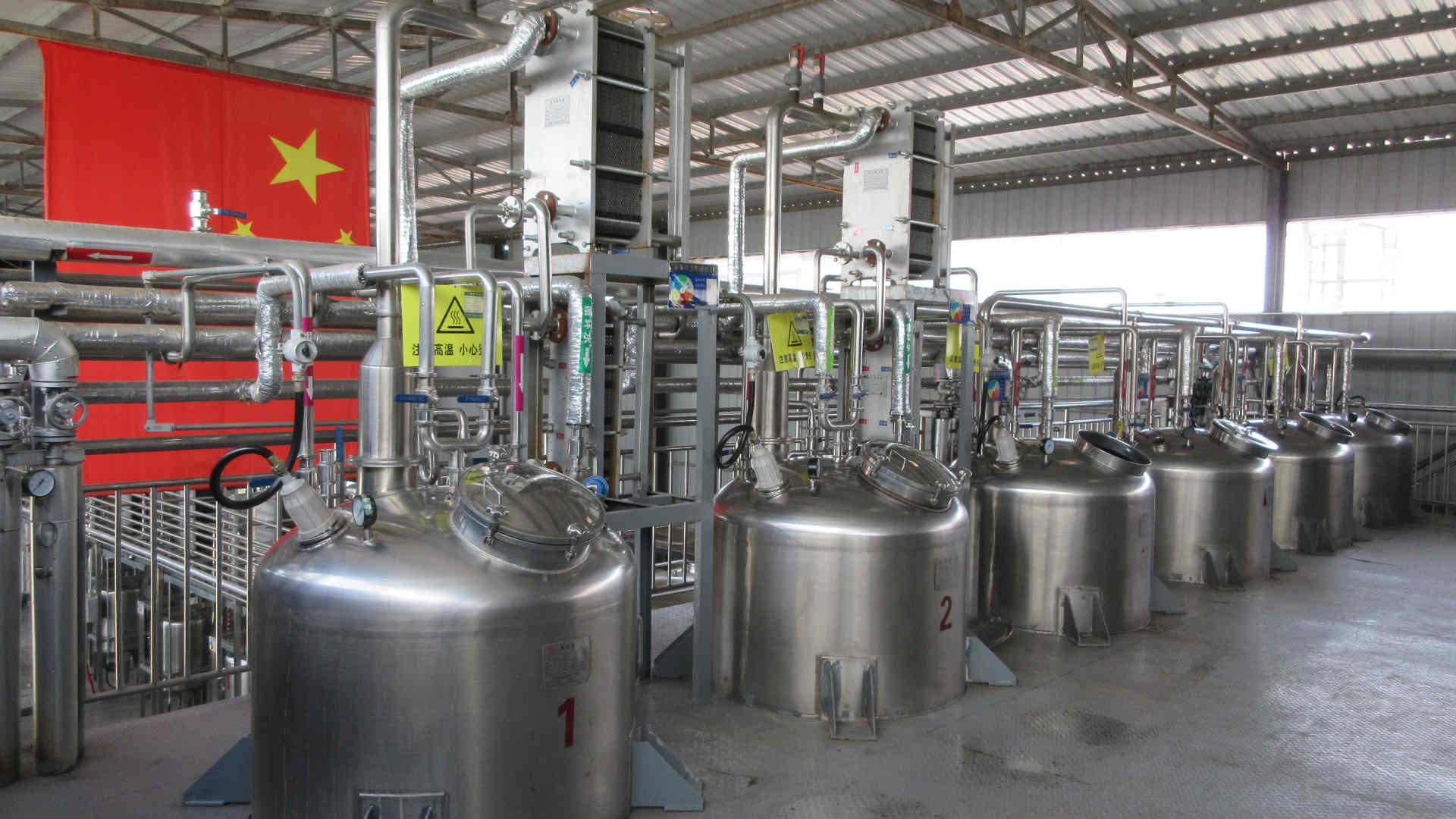
Multi-Stage Extraction
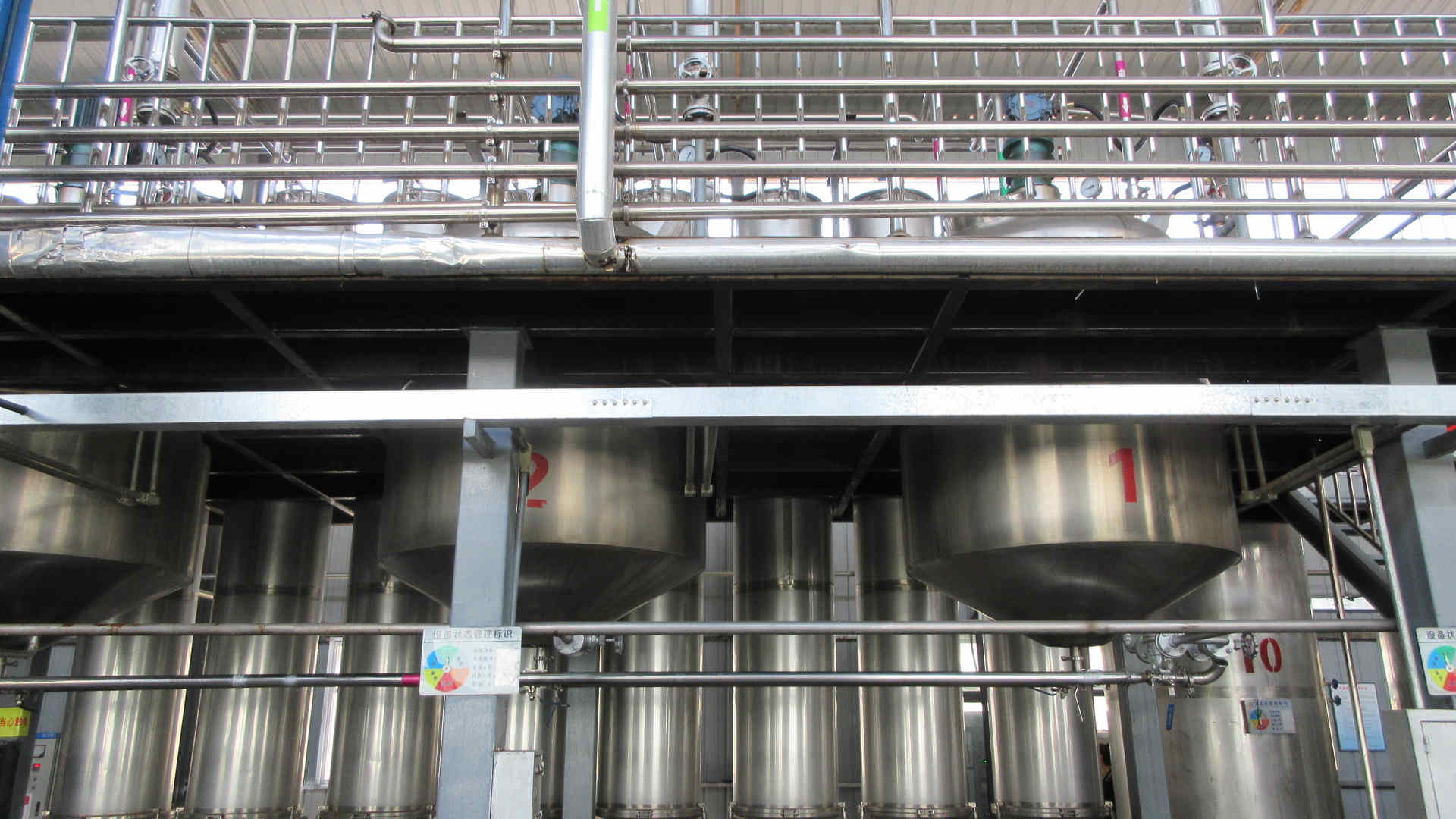
Controlled temperature aqueous, ethanol, or hydro-alcoholic countercurrent extraction tanks.
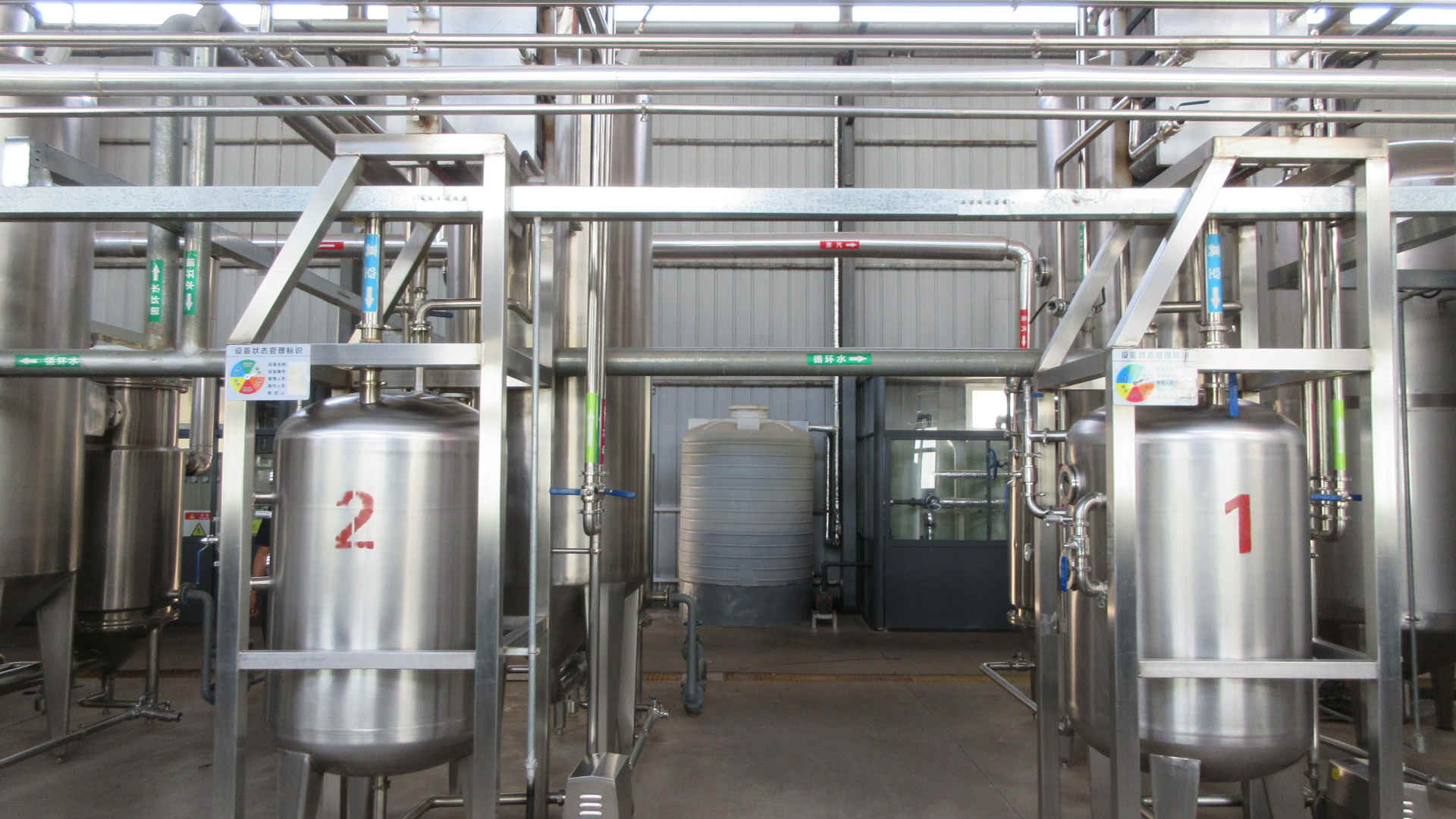
Vacuum Evaporation
Continuous low-heat falling film concentration preventing thermolabile constituent loss.
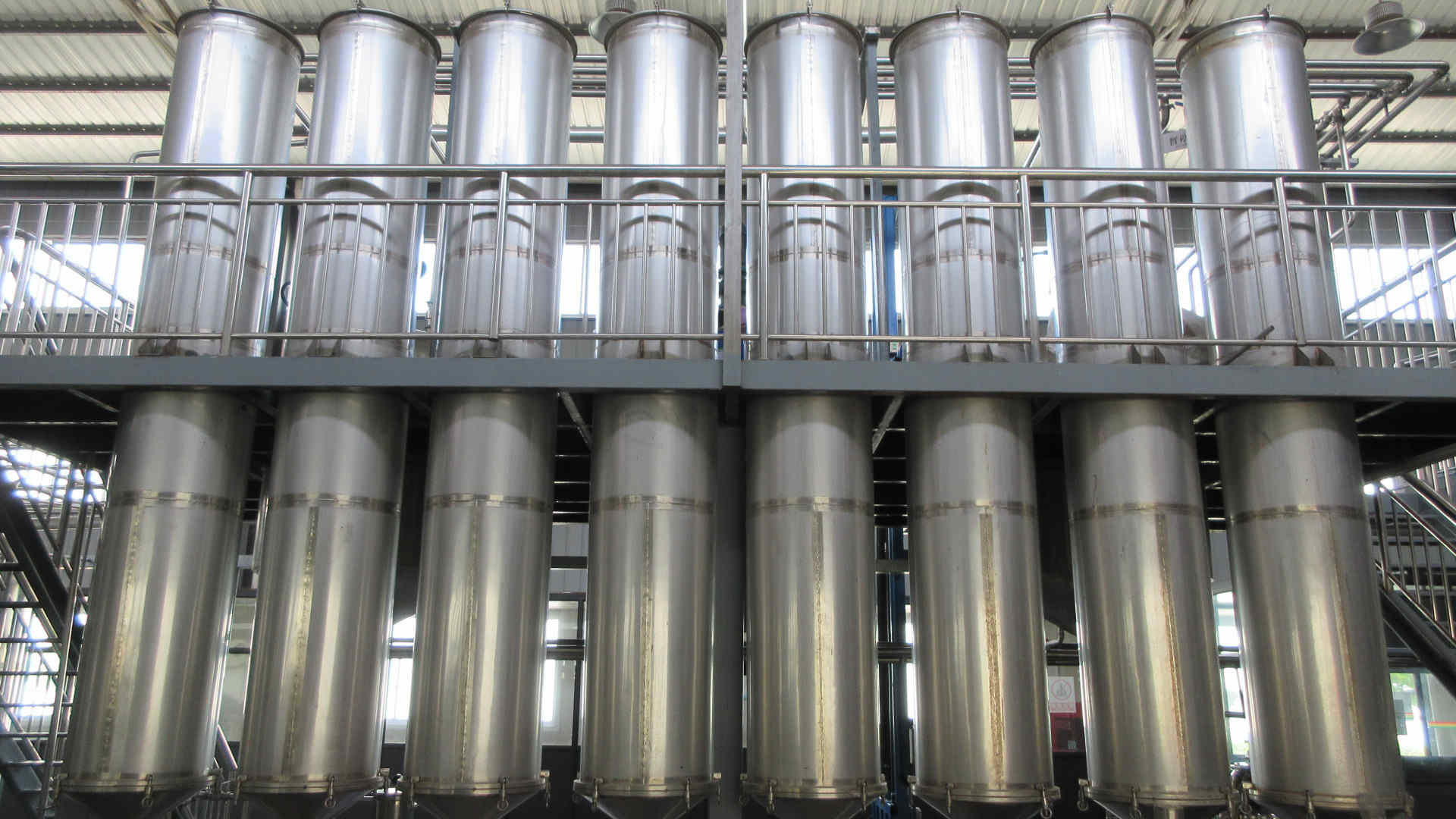
Resin Chromatography
Targeted polymeric resin adsorption columns for isolating pure monomeric actives.
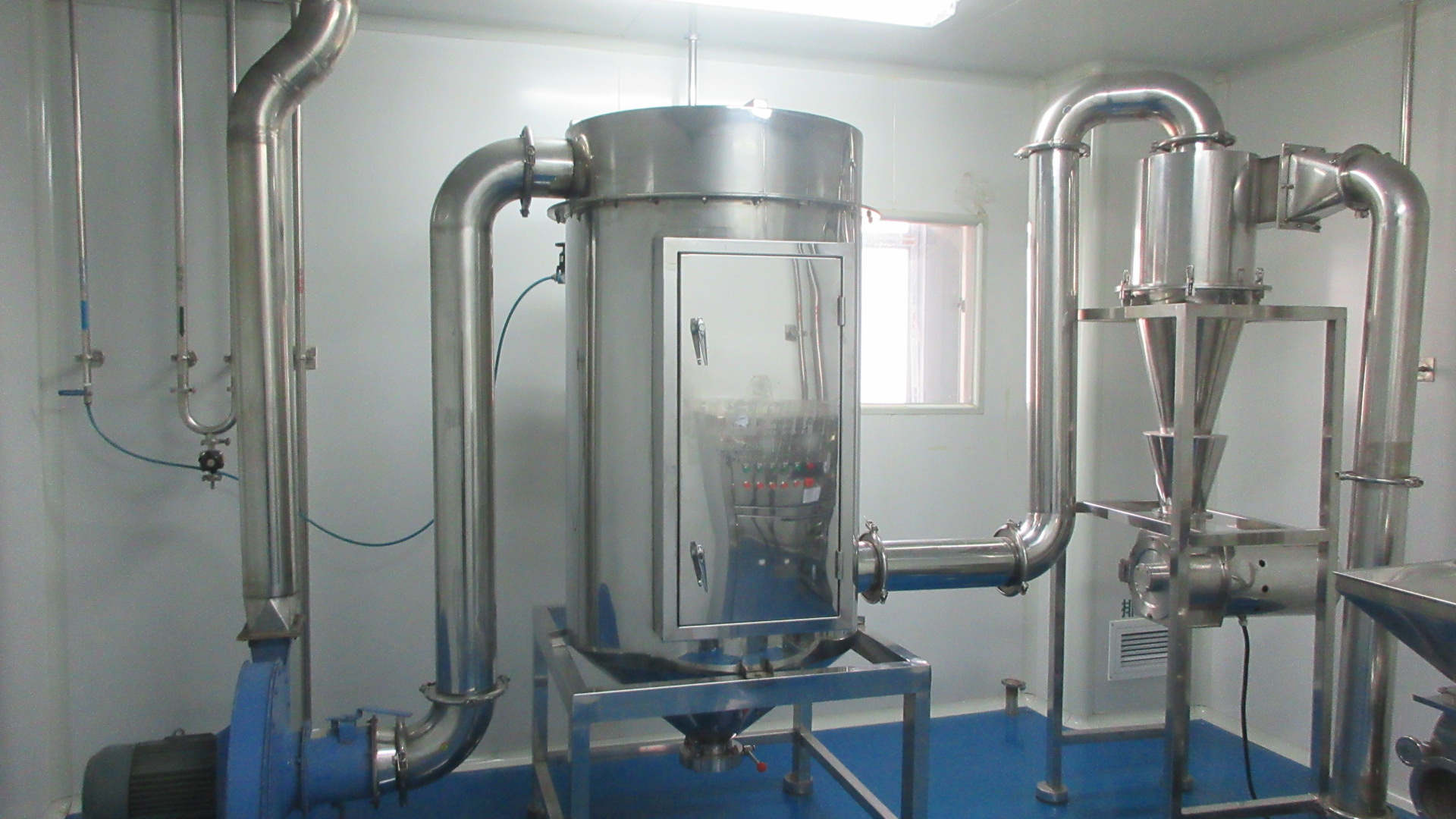
Aseptic Spray Drying
High-speed atomization drying producing free-flowing, non-clumping fine extract powders.
Micronization & Sieving
Airflow pulverization adjusting particle sizes cleanly from 80 mesh up to 200 mesh.
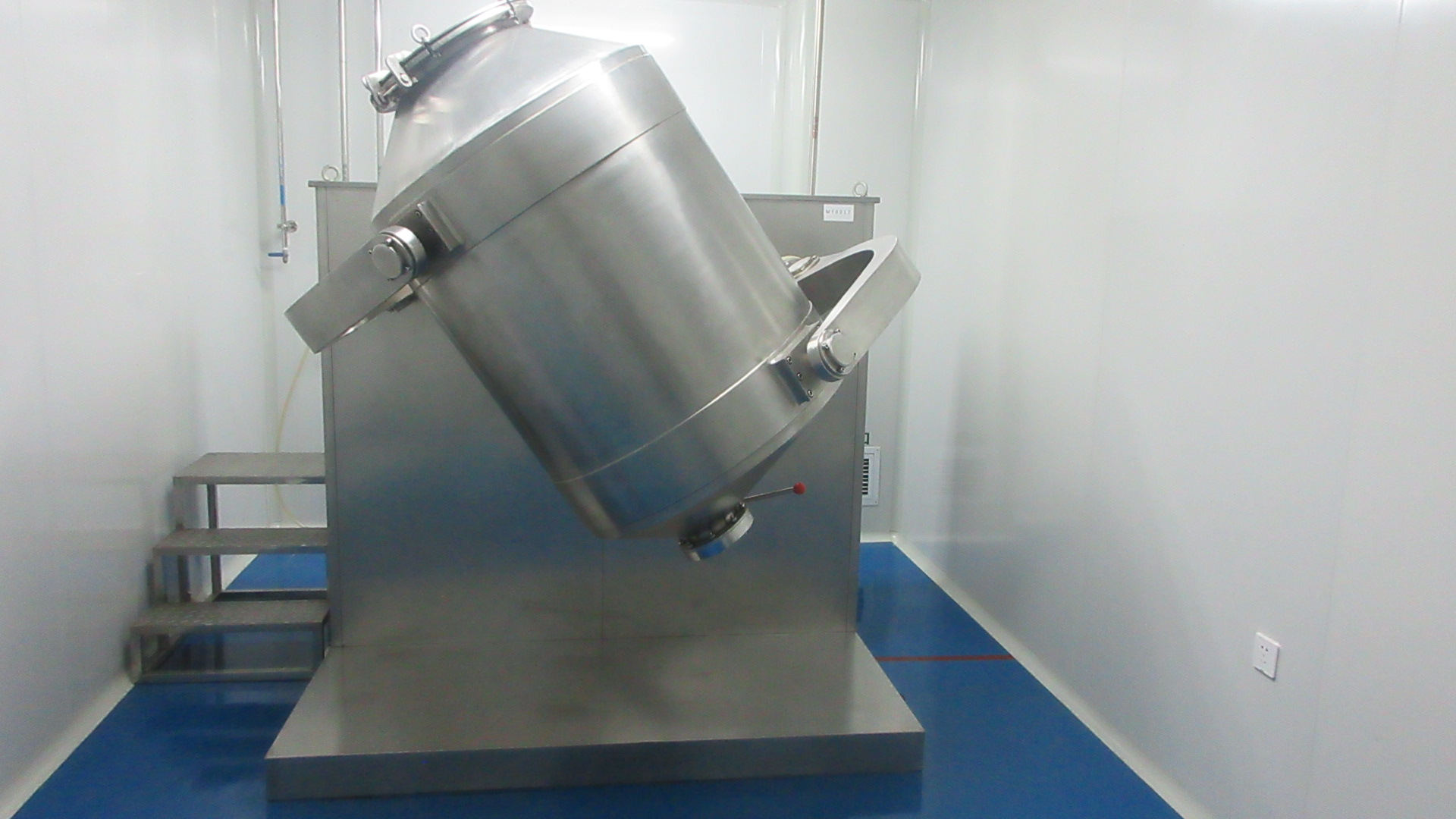
Homogeneous Blending
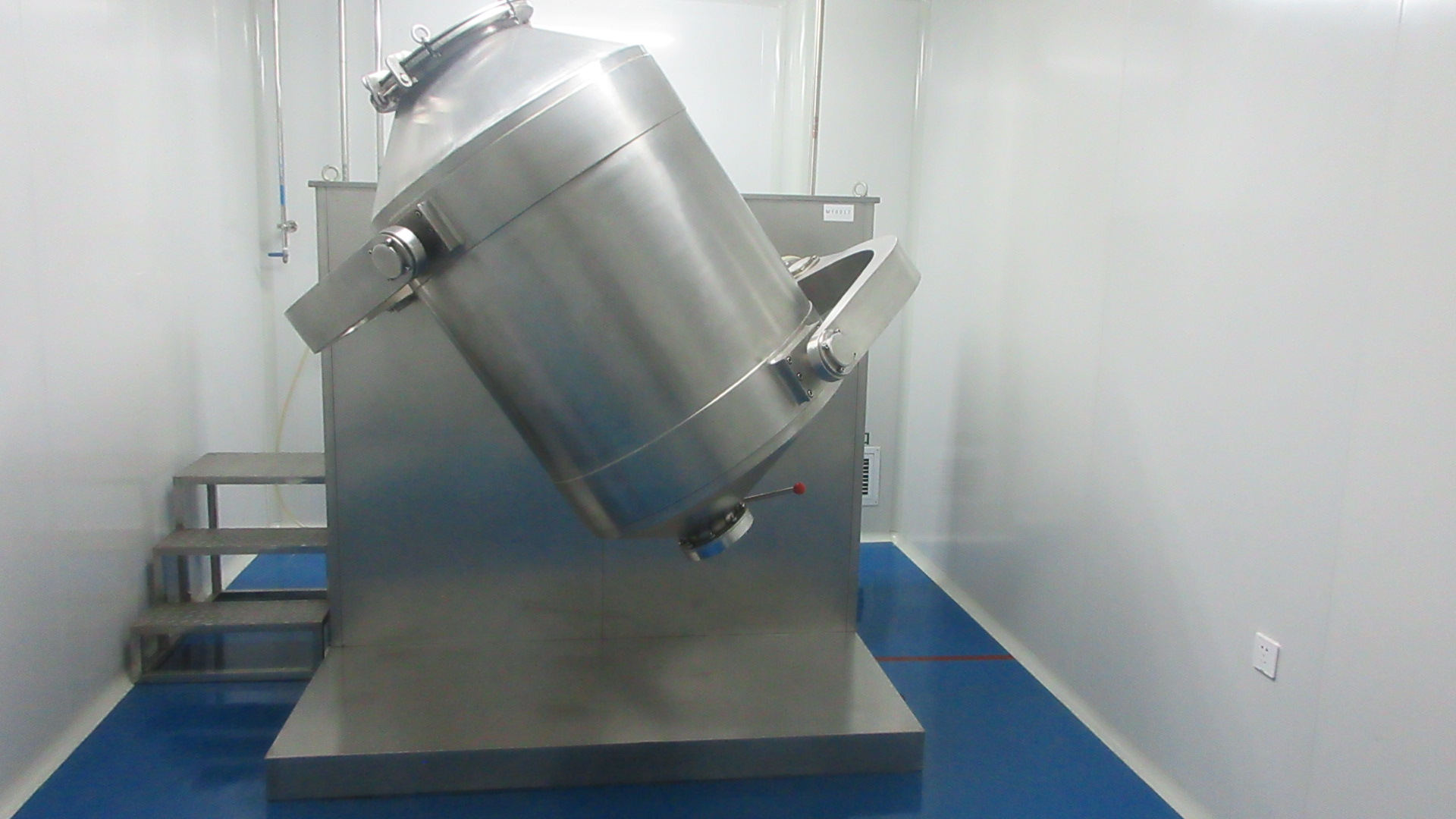
Rotary 3D stainless mixers delivering uniform active distribution across multi-ton lots.
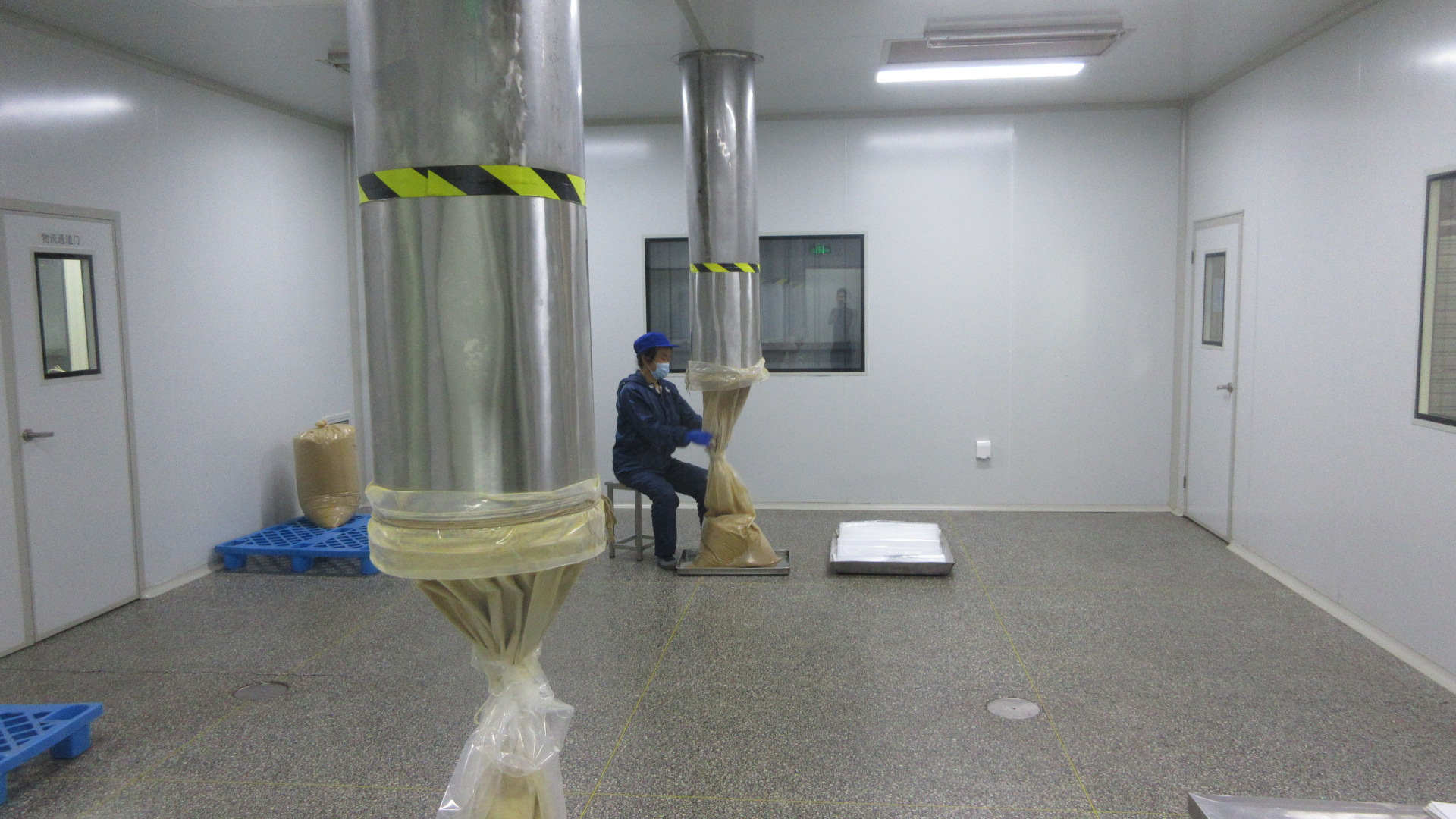
Cleanroom Packaging
Class 100,000 cleanroom packaging in double food-grade PE liner drums with nitrogen flush.
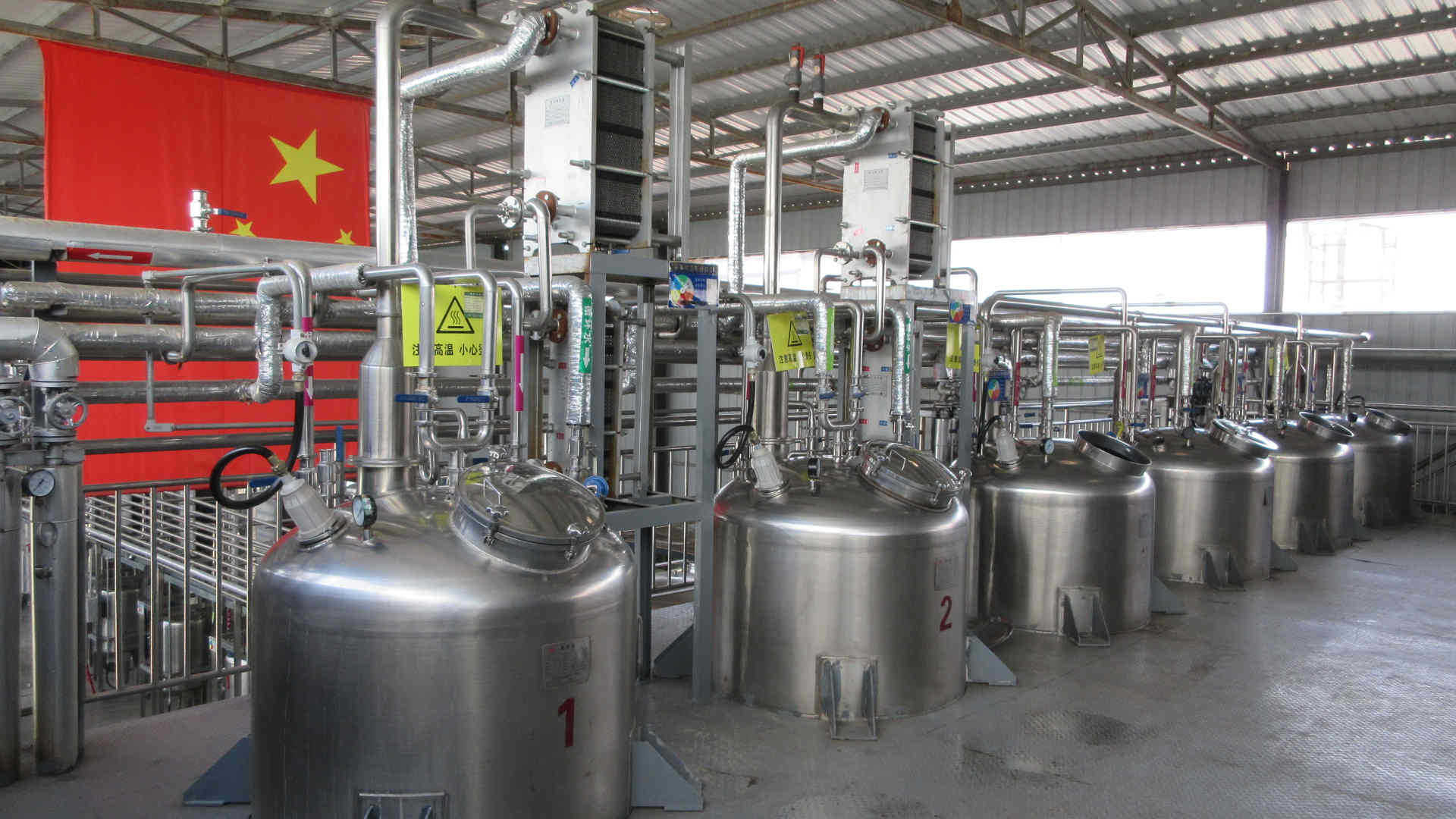
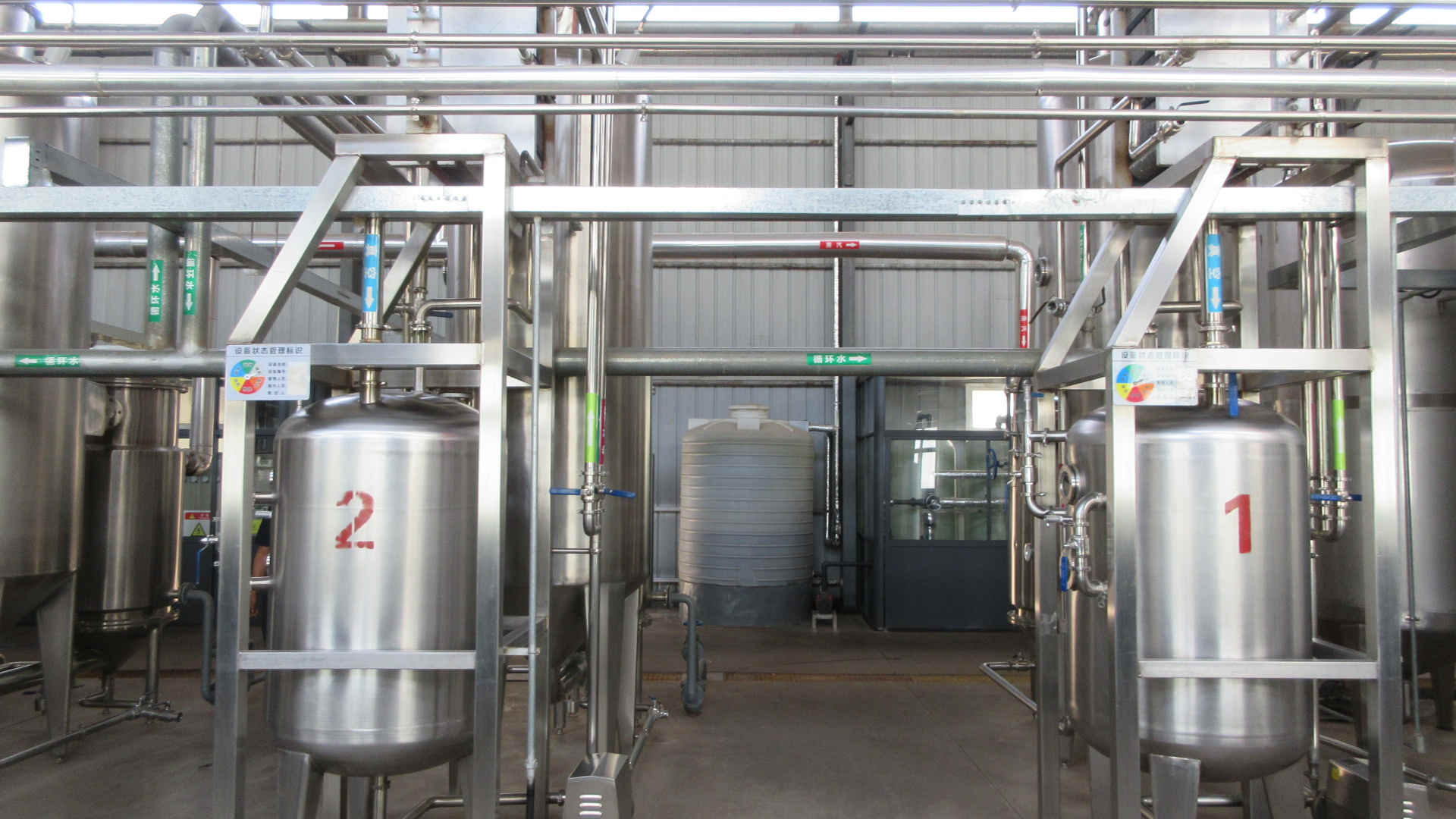
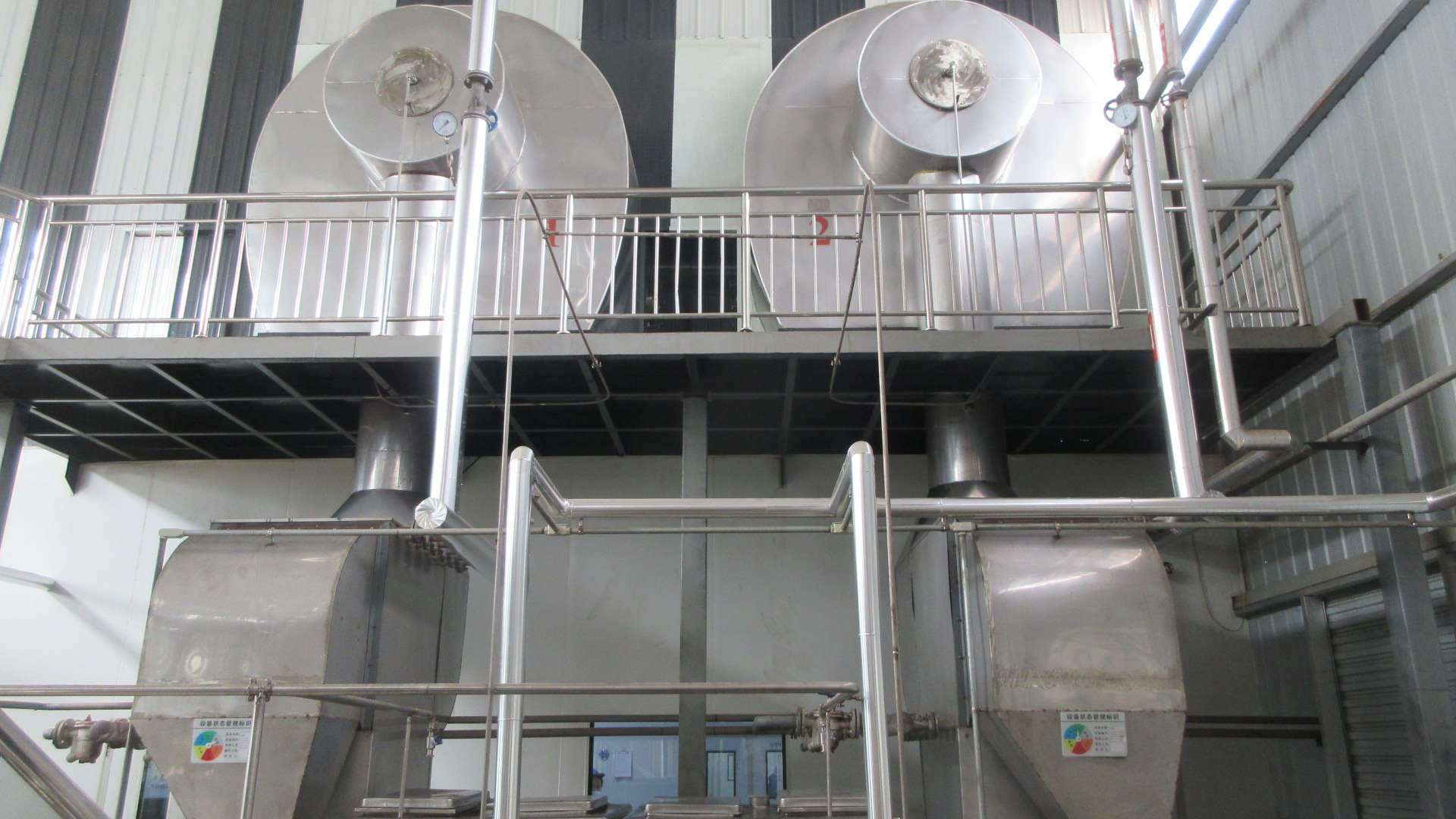
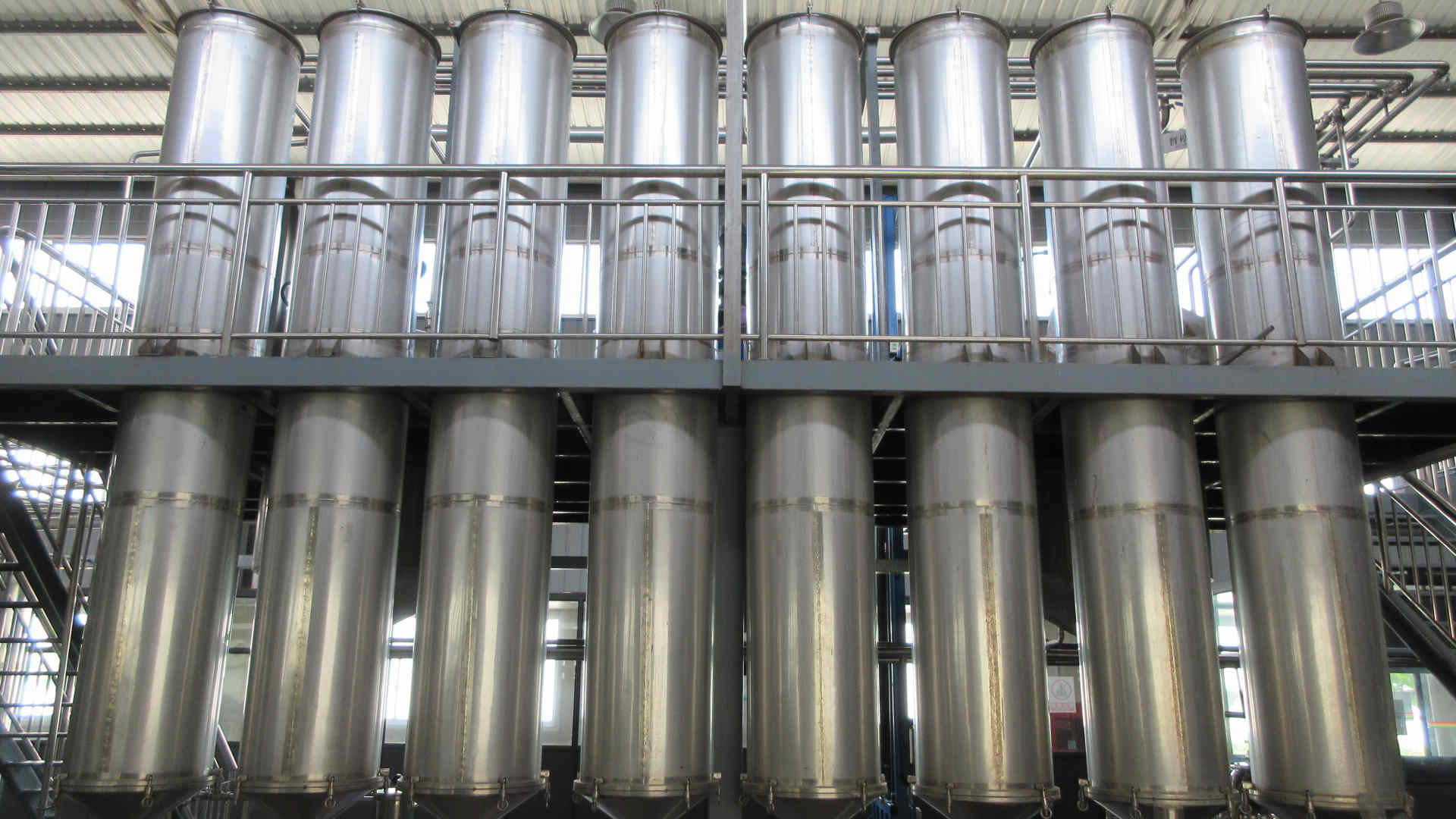
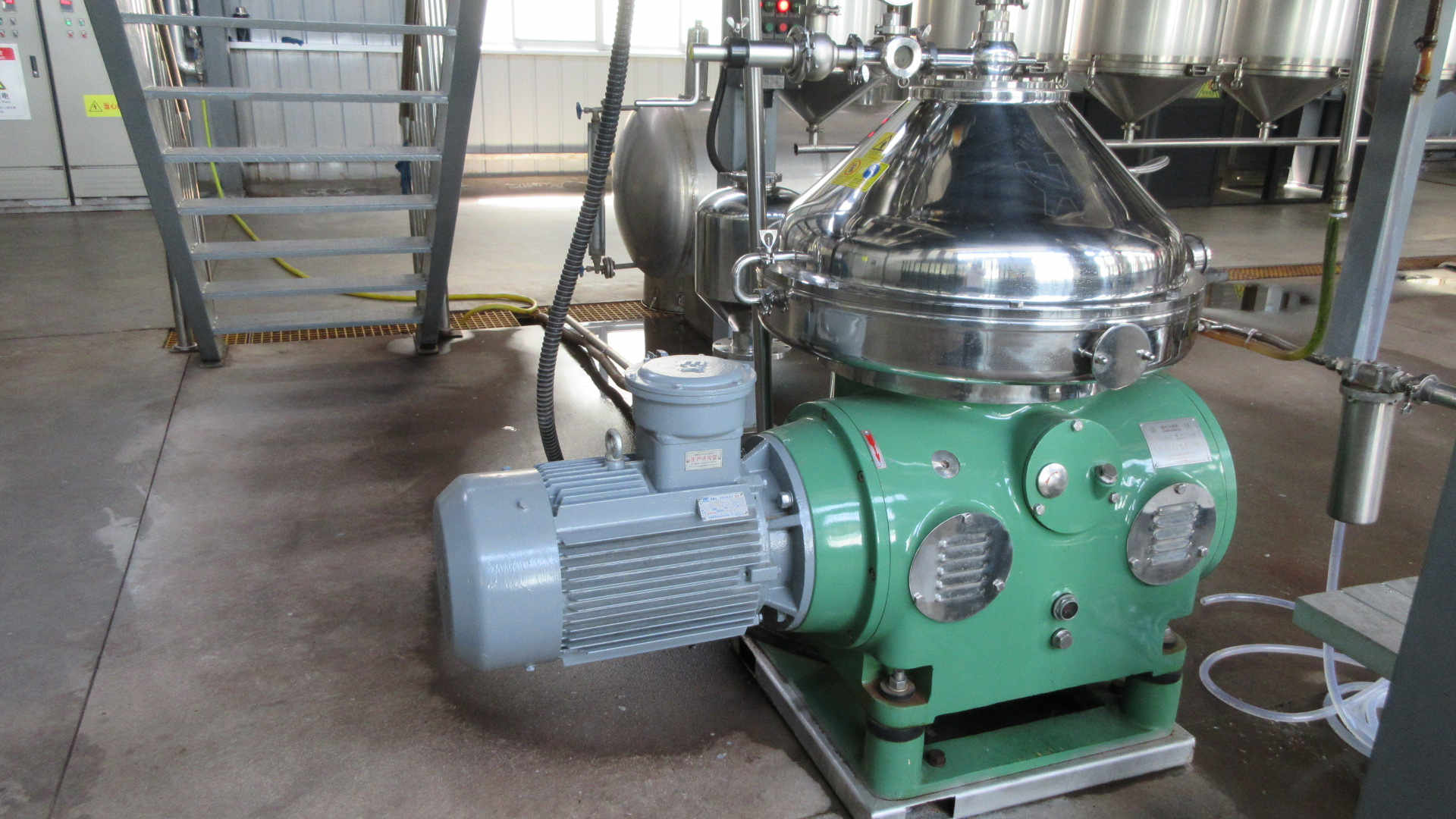
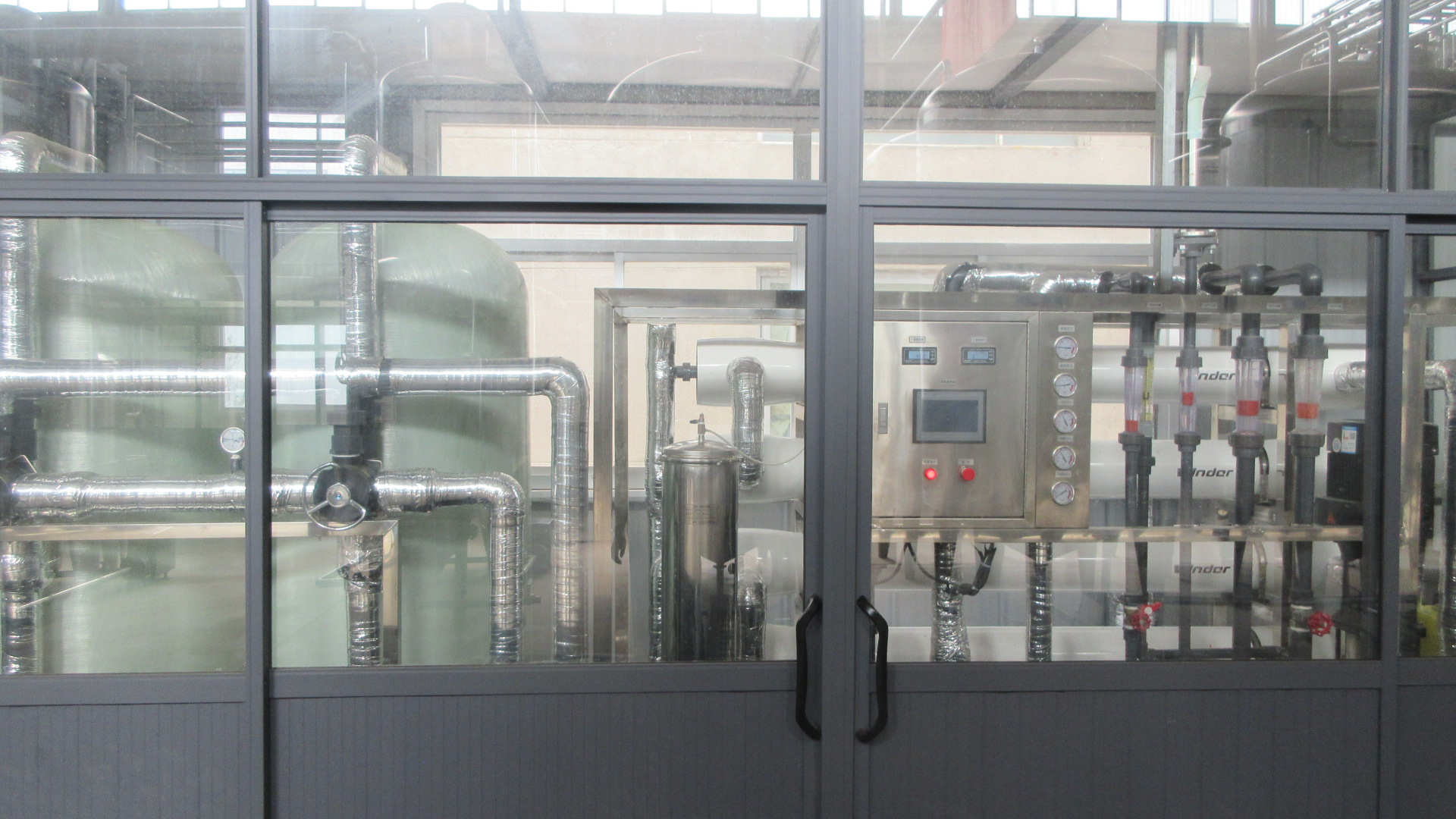
Extraction Workshop & Industrial Equipment
Heavy industrial 316L and 304 food-contact stainless steel infrastructure configured for commercial tonnages and flexible pilot development.
In-House Quality Control: Moving Beyond Non-Specific Assays
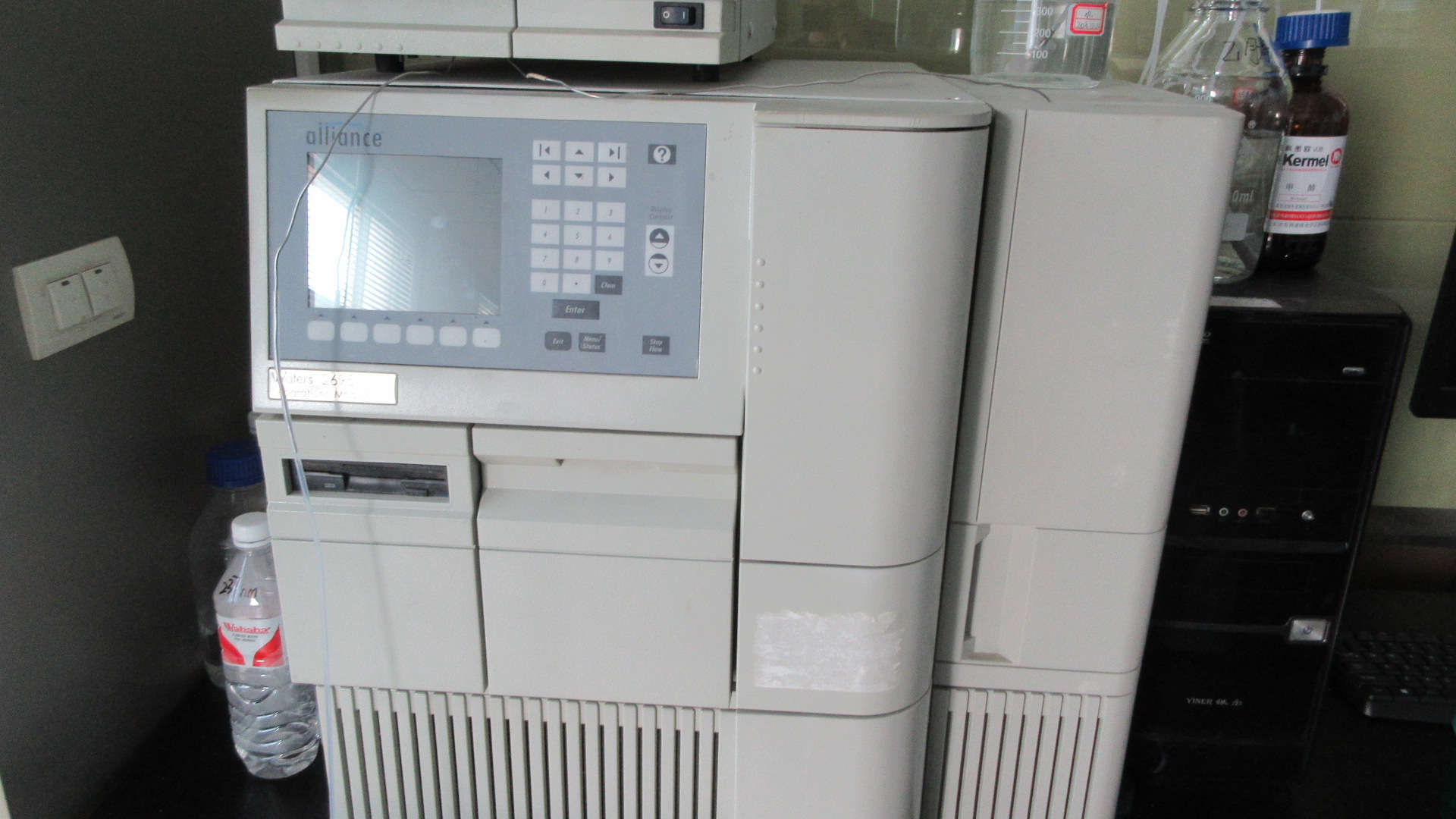
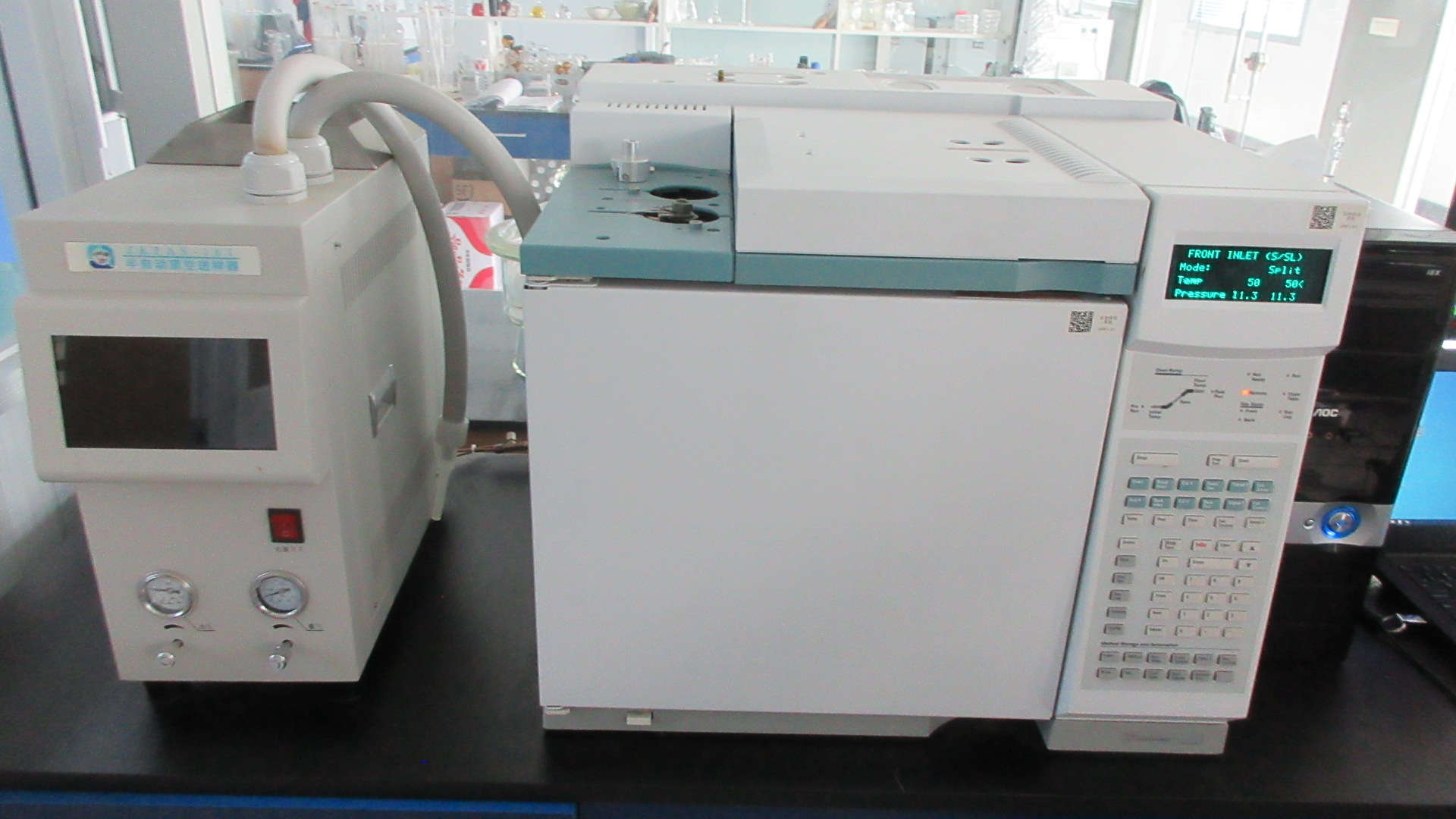
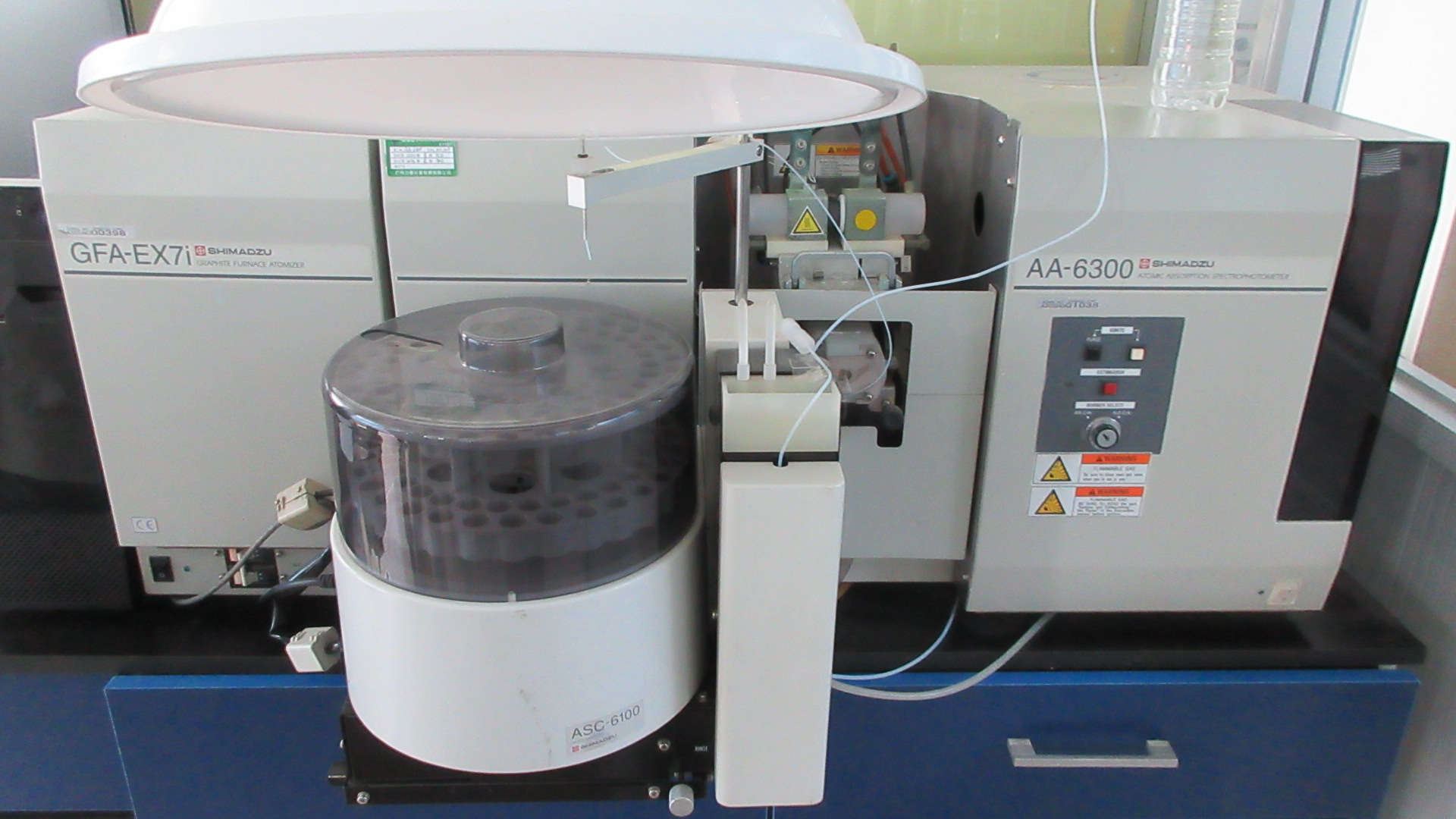
In modern botanical procurement, generic UV-Vis testing is vulnerable to intentional adulteration (such as starch inflating polysaccharide numbers). Torzi Biotech tests every production lot utilizing High-Performance Liquid Chromatography (HPLC), Gas Chromatography (GC), and Atomic Absorption Spectroscopy (AAS) against certified USP/EP standards.
HPLC Fingerprinting
Separates individual phytochemical compounds (e.g., ganoderic acids, flavonoids, alliin) to verify authenticity and prevent adulteration by secondary plant species.
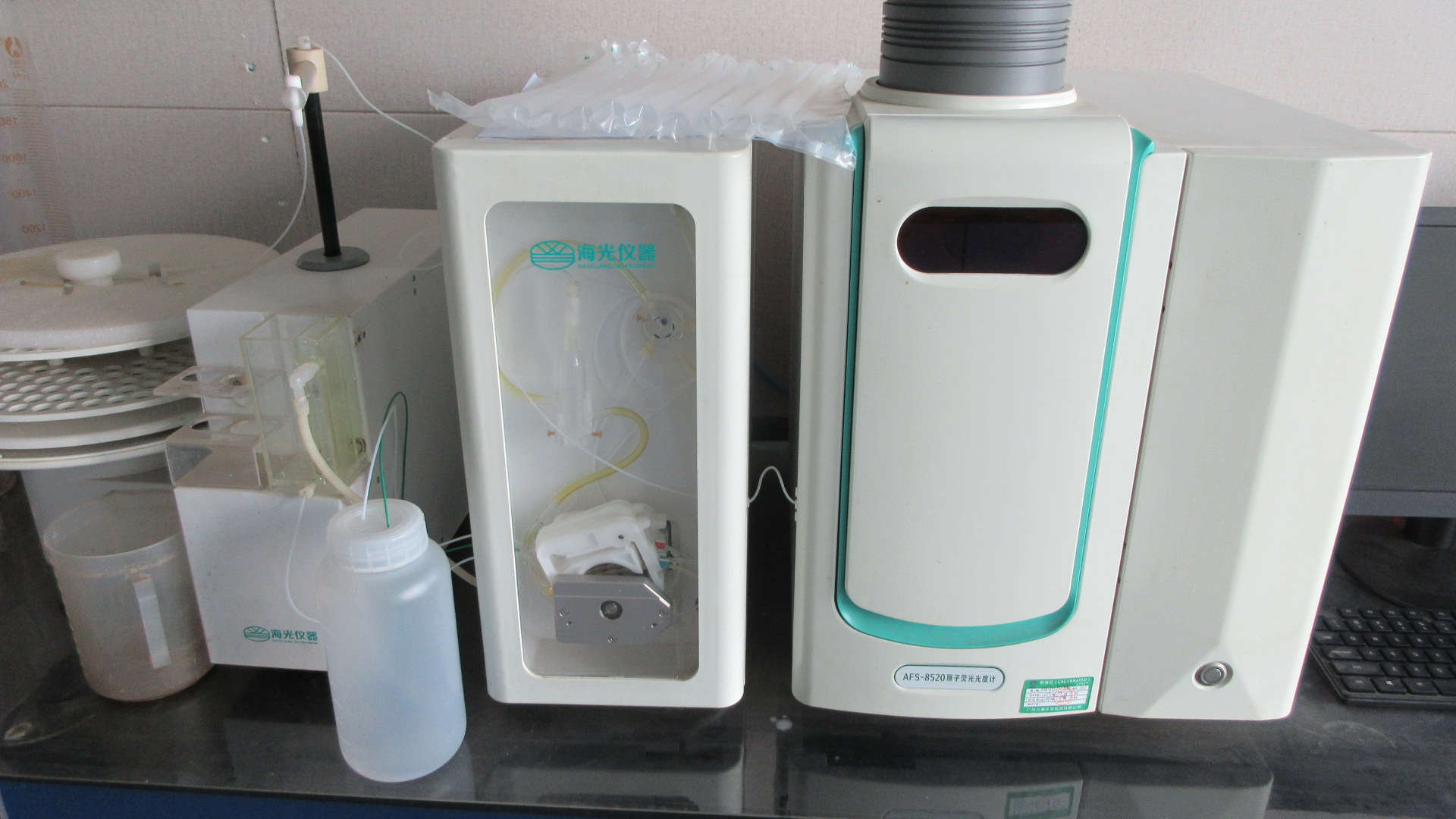
Heavy Metals (AAS / AFS)
Atomic Absorption and Atomic Fluorescence instruments quantify Lead (Pb), Arsenic (As), Cadmium (Cd), and Mercury (Hg) strictly below USP <232> and EP limits.
Pesticides & Solvent Res
Screening against 500+ multi-residue pesticides via GC-MS/MS and LC-MS/MS to ensure zero organochlorine or ethylene oxide (EtO) residues per EU 396/2005.
| Analyte Category | Traditional / Generic Method | Torzi Standardized Method | Target Specification Limits | Procurement Benefit |
|---|---|---|---|---|
| Mushroom Beta-Glucans | Non-specific UV-Vis Total Sugar | Megazyme Enzymatic Assay | β-Glucan ≥20%–45% / Starch <3% | Eliminates maltodextrin/grain starch false positives |
| Flavonoids (Seabuckthorn) | Rutin-equivalent Colorimetry | HPLC-DAD (Isorhamnetin, Quercetin) | Total Flavonoids ≥10.0% | Authentic plant-specific bioactivity guarantee |
| Heavy Metal Impurities | Colorimetric Sulfide Precipitation | AAS & ICP-MS Instrumentation | Pb<1.0 ppm, As<1.0 ppm, Cd<0.5 ppm, Hg<0.1 ppm | Direct pass for California Prop 65 & Health Canada |
| Residual Solvents | Loss on Drying (LOD) | Headspace Gas Chromatography (GC) | Ethanol <5,000 ppm, Methanol <50 ppm | Complies fully with USP <467> Class 1, 2, 3 limits |
| Microbiological Burden | Traditional Agar Plating | USP <2021> / <2022> Incubation | TPC <1,000 cfu/g, Yeast & Mold <100 cfu/g | Zero Salmonella, E. coli, S. aureus in 25g sample |
Strategic Sourcing Shifts in Global Botanical Supply Chains
International dietary supplement brands, functional beverage formulators, and cosmeceutical developers are updating their supplier pre-qualification requirements. Sourcing managers must navigate tighter regulatory regimes, clean-label scrutiny, and ESG expectations.
1. Chromatographic Traceability
Brands are discarding simple extraction ratios (e.g., "50:1") in favor of verified chromatographic fingerprints. Ratio claims lack chemical accountability; global authorities now require quantifiable botanical monomer concentrations (such as HPLC-verified ginsenosides, triterpenes, or polyphenols).
2. Green Solvent Free Extraction
With escalating restrictions on petrochemical solvents like ethyl acetate, hexane, or chlorinated compounds, buyers mandate pure subcritical water extraction, supercritical CO2 fractionation, or organic-certified grain alcohol, eliminating hazardous VOC residues entirely.
3. Decoupling from Middlemen Brokers
Tariff pressures and raw material adulteration have catalyzed direct manufacturer relationships. Sourcing straight from primary Chinese extraction hubs like Shaanxi ensures origin farm audits, rapid lot recall capabilities, and 20% to 35% cost reductions by eliminating broker margins.
De-Risking Supply via Advance Inventory Contracts
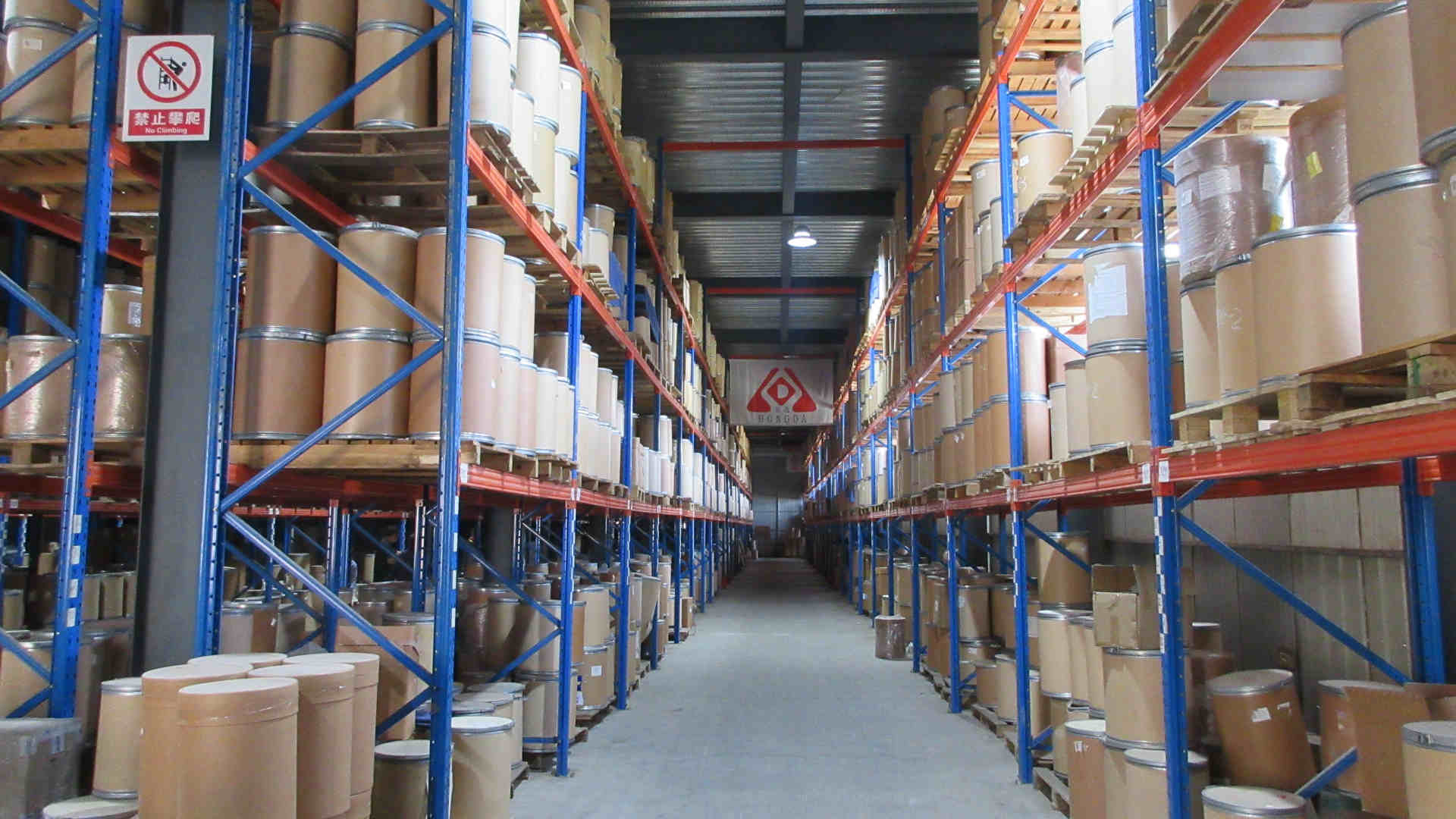
Global agricultural variables—including climate anomalies in wild-harvest habitats—can induce botanical pricing swings of 40%–80% within a single quarter. Forward-thinking procurement teams utilize Torzi Biotech's annual reserve contracts, locking price tiers and holding dedicated buffer inventory in temperature-controlled warehouses for scheduled quarterly releases.
Technological Breakthroughs Shaping Standardized Extracts
Next-generation botanical engineering bridges classical pharmacognosy with modern bio-catalysis and particle technology, achieving higher bio-accessibility and cleaner formulations.
Enzyme Assisted Digestion
Pectinase and cellulase pretreatments gently lyse rigid plant and fungal cell walls, liberating bound active monomers without the harsh thermal destruction typical of pressurized boiling.
Nano-Emulsification
Lipophilic botanical actives (e.g., astaxanthin, sea buckthorn oil, CoQ10) undergo high-pressure homogenization with natural plant gums to create crystal-clear, water-dispersible powders.
Ultra-Sonic Extraction
Ultrasonic cavitation rapidly fractures glandular trichomes in tea leaves and functional roots, dropping extraction time from hours to minutes while reducing solvent consumption by 65%.
Bio-Fermentation Monomers
Employing bacterial organisms to ferment precursors—such as synthesizing ultra-pure Polyglutamic Acid (PGA) from Bacillus subtilis—ensuring 100% natural stereochemical uniformity.
End-to-End Capabilities: From Botanical Raw Material to Shelf-Ready Brand
In addition to supplying bulk raw ingredient drums, Torzi Biotech provides turn-key contract formulation, custom particle size engineering, powder blending, and finished packaging under strict ISO 22000 and cGMP standards.
Hard Gelatin & Veggie Capsules
Automated high-speed encapsulation machinery producing Size 00, 0, and 1 vegetarian HPMC, pullulan, and bovine gelatin capsules. High-density filling with zero chemical excipients or flow agents if requested.
- Custom color matching & titanium-free shells
- Bottling (60, 90, 120 count) with induction sealing
- Private label MOQ from just 500 units
Custom Stick Packs & Sachets
Precision multi-lane packaging machines filling single-serving stick packs, sachets, and standing zip pouches for functional beverage drink mixes, mushroom coffee alternatives, and superfood blends.
- 1g to 30g precision dosing ±1.5%
- Nitrogen-flushed laminate films protecting from moisture
- Full retail box folding and shrink-wrapping
Custom Agglomeration & Granulation
Fluid-bed spray granulation re-engineering fine botanical dust into free-flowing, instantly soluble granules ideal for direct-compression tablets and clear functional effervescent beverages.
- Instant cold-water dispersion with zero sediment
- Custom tap density optimization for tablets
- Taste-masking for bitter polyphenols
Accelerate Your Product Launch with Verified Botanical Batches
Whether you require a 1 kg pilot sample, custom HPLC testing on a proprietary ratio, or full container-load contract manufacturing, our Xi'an engineering team responds within 24 hours.
Get a QuoteFrequently Asked Questions by QA & Sourcing Directors
Clear, technically rigorous answers on minimum orders, testing methodologies, heavy metals, stability validation, and international regulatory filings.
Q1: How does Torzi Biotech prevent false-positive polysaccharide testing?
Traditional UV-Vis phenol-sulfuric acid methods count all alpha-glucans (starches, dextrins) as botanical polysaccharides, allowing adulterated extracts to test artificially high. For all mushroom and fungal extracts (e.g., Reishi, Lion's Mane, Turkey Tail), we validate potency using the specific enzymatic Megazyme assay, isolating true 1,3-1,6 beta-D-glucans while quantifying free starch levels below 3.0%.
Q2: What are your standard Minimum Order Quantities (MOQs)?
To support brand formulation trials and pilot clinical testing, our standard catalog mushroom extracts and active monomers start at an accessible 1 kg to 5 kg MOQ. Commercial production runs for customized ratio extracts or tailor-made mesh sizes generally require 25 kg (one standard fiber drum). Finished private label capsule or sachet projects begin at 500 retail units.
Q3: Can you guarantee compliance with California Proposition 65?
Yes. California Proposition 65 sets exceptionally stringent daily exposure thresholds for Lead (<0.5 µg/day) and Arsenic (<10 µg/day). Because our extraction facility utilizes 100% pure reverse-osmosis water and raw materials grown in verified mountain soils, our extracts comfortably achieve Lead <1.0 ppm and Cadmium <0.5 ppm, supporting low-dose finished capsules without warning labels.
Q4: What documentation is provided with every shipment?
Every single commercial batch arrives accompanied by a comprehensive Batch COA, including HPLC/GC chromatograms, atomic absorption heavy metal readings, and complete microbiological culture results. We also supply Material Safety Data Sheets (MSDS), Technical Data Sheets (TDS), Flow Charts, Allergen Statements, Non-GMO Declarations, and BSE/TSE-Free Certificates.
Q5: Fruiting Body vs. Mycelium on Grain: What do you manufacture?
We prioritize 100% genuine fungal fruiting bodies cultivated on authentic wood logs or natural substrates. Grain-grown mycelium often contains up to 60% residual oat, rye, or brown rice grain, which dilutes active secondary metabolites. When customers explicitly order mycelial extracts, we produce them via pure submerged liquid fermentation, ensuring 100% mycelial biomass with zero agricultural filler.
Q6: How do you control ethylene oxide (EtO) and irradiation concerns?
Strict zero-tolerance policies govern our bio-burden control. We never use Ethylene Oxide (EtO) sterilization due to EU regulation ban 2020/1540 and international carcinogen concerns. Microbiological safety is maintained purely through clean steam sterilization, closed-loop spray drying, and aseptic Class 100,000 cleanroom handling, fully complying with both US and European organic rules.
Q7: How are hygroscopic powders packed for international ocean freight?
Highly hygroscopic botanical powders (such as Sea Buckthorn berry juice powder, Maca extract, or Polyglutamic Acid) are immediately heat-sealed inside double pharmaceutical-grade low-density polyethylene (LDPE) bags along with food-safe non-toxic desiccant packs, then encased in fiberboard drums reinforced with moisture-barrier film and nitrogen gas flushing upon request.
Q8: Do you support on-site or third-party contract laboratory audits?
Yes. In addition to our validated on-site assessment by SGS Group, we welcome pre-scheduled factory audits by our clients' technical QA teams. We also routinely split samples with accredited third-party laboratories (such as Eurofins, SGS, or NSF International) to verify inter-laboratory reproducibility of active chromatographic assays prior to container dispatch.
Have a custom specification or request for a pilot batch sample?
Get a Quote