Choosing a Plant Extract supplier can shape product quality, production schedules, and customer confidence. Global buyers often compare more than price. They need clear specifications, dependable communication, and records that support each purchase. Small details matter. A sample’s color, aroma, or solubility may differ from expectations, even when its name sounds familiar. That gap deserves attention.
This guide introduces ten suppliers for buyers seeking plant-derived ingredients across international markets. It considers practical factors such as product range, sourcing information, quality documentation, testing practices, and supply capacity. These details can help narrow a shortlist, but they do not replace direct supplier checks. Ask for current specifications, certificates, batch records, and relevant test results. Confirm that documents match the exact extract and intended application. Requirements vary by destination, product category, and use, so buyers should review applicable rules with qualified professionals. No list can answer every question. Supplier information may change, and public claims do not always reveal how a batch was handled. Request samples. Compare them under realistic conditions, and keep written records of discussions and decisions. A careful review takes time, but it can prevent costly surprises. Good sourcing is rarely perfect on the first try; even experienced teams sometimes discover that a promising option does not fit their process. This overview is a starting point, not an endorsement or a substitute for independent due diligence.
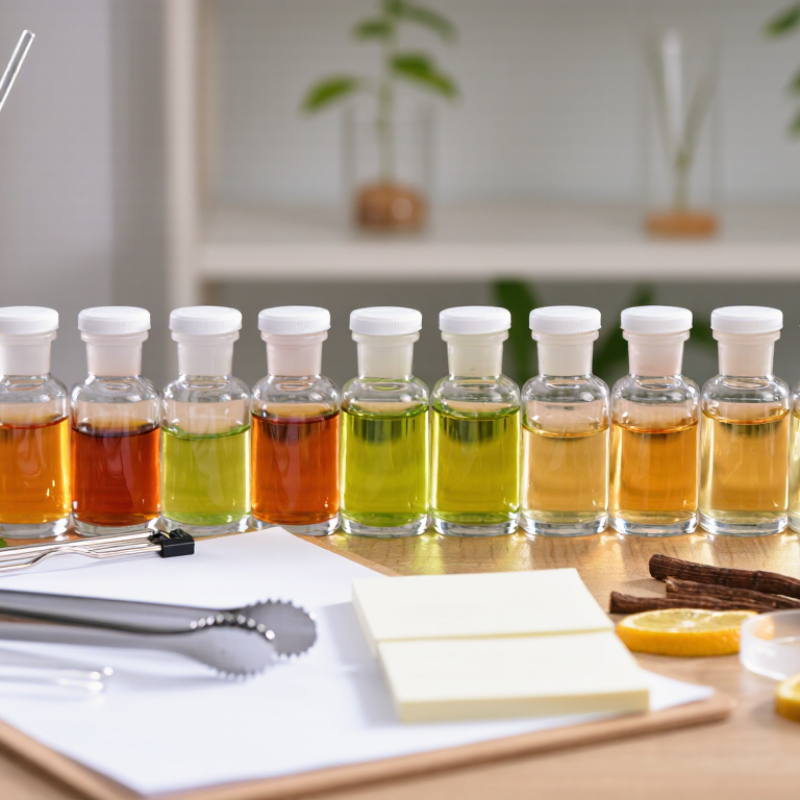
What Plant Extract Suppliers Offer to Global Buyers
Plant extract suppliers provide standardized powders, liquid concentrates, custom extract ratios, and bulk packaging for food, cosmetic, and wellness manufacturers. Strong suppliers also share the details behind each batch: botanical name, plant part, extraction method, marker compounds, and test results. WHO’s 2019 Global Report on Traditional and Complementary Medicine recorded 170 of 194 Member States reporting use of these practices. That reach makes reliable identification and documentation practical sourcing needs. Not just paperwork.
Buyers can request certificates of analysis, contaminant testing, traceability records, samples, and forecast-based lead times. UN Comtrade classifies many vegetable saps and extracts under HS 1302, alongside pectic substances and certain thickeners. So trade totals for this code do not represent pure plant-extract sales. A polished certificate also cannot erase crop variation; color, aroma, and active-marker levels may shift with harvest conditions. Ask how specifications account for that variation, rather than assuming every batch will look identical.
Tips: Request a recent batch sample and compare it with the written specification. Check that the test method is named, not merely the result. Confirm minimum order quantities, packaging, and shipping conditions before placing a large order. A small detail can matter.
Suppliers may offer extracts made using different technologies to suit specific botanicals and target compounds. These indicative temperature ranges vary with the material, solvent, pressure, and process settings; confirm specifications with the supplier.
A plant extract supplier should be able to explain exactly what goes into each batch. Ask for the botanical name, plant part, country of origin, and extraction method. These details help distinguish materials that may share a common name but differ in composition. Request a recent certificate of analysis and check that its test results match the specification, not just a generic product description.
Look for evidence of batch consistency, such as testing methods, retained samples, and clear procedures for handling out-of-specification results. Ask how the supplier identifies and manages risks from pesticides, heavy metals, microbes, or residual solvents. Paperwork matters. Traceability records should link a finished lot to its raw materials and processing dates. If possible, compare a sample with the documented color, odor, and solubility; these observations cannot replace laboratory testing, but they can reveal questions worth asking. A polished document alone is not proof of reliable controls.
Assess practical capability, too. Can the supplier meet your forecast, explain lead times, and notify you before changing a source or process? A small trial order may expose communication gaps that a sales call will not. No checklist is perfect. I would treat vague answers as a reason to pause, while recognizing that a smaller supplier may have sound controls without an elaborate presentation. Request evidence, compare it with your product requirements, and record any unresolved gaps before placing a larger order.
These ten supplier profiles represent different strengths buyers may encounter; they are comparison points, not a verified ranking.
No supplier is perfect. A polished document does not replace a well-designed incoming inspection, and published test methods may differ between vendors.
Tips: Request a recent sample, full specification, and batch-specific test results before placing a large order. Compare botanical identity, extraction ratio, carrier ingredients, and test methods—not just price. Ask what happens when a batch falls outside specification. Small details matter, like whether the powder clumps in a humid room.
Comparing the top 10 plant extract suppliers means looking beyond catalog size. A broad range may include powders, liquid extracts, and standardized ingredients, but buyers should check whether each item has a clear specification. Grand View Research valued the global botanical extracts market at about USD 29.3 billion in 2023 and projected an 8.1% compound annual growth rate from 2024 to 2030. That growth makes supplier capacity and consistency especially relevant. Bigger is not always better.
Quality is easier to assess through batch-specific evidence: botanical identity, active-compound assay, contaminant testing, and traceability to the source material. The World Health Organization’s guidance on quality control for herbal materials describes identity and purity checks as essential parts of evaluation. Ask for recent certificates of analysis and confirm that test methods match the ingredient. A neat document alone is not proof. Global reach also means more than shipping to many countries; compare export experience, lead times, packaging, and support when a shipment is delayed. Even experienced suppliers can have gaps, so verify claims directly.
Tips: Request a sample from the same production process used for commercial orders. Compare its color, aroma, solubility, and test results against the specification. Record any mismatch before approval. A small discrepancy can matter later.
Company-level rankings and capabilities cannot be verified from the information provided. To avoid inventing supplier data or implying endorsements, this table compares ten commonly sourced plant extracts and practical buyer checks. Specifications and certifications vary by supplier, product, and facility.
| No. | Plant extract | Common source | Common buyer use | Useful specification checks | Quality and global-sourcing checks |
|---|---|---|---|---|---|
| 1 | Green tea extract | Leaves of Camellia sinensis | Dietary supplements, foods, beverages, and cosmetics | Catechin and EGCG assay; caffeine level; solvent and carrier details | Request a lot-specific COA and contaminant testing; verify export documents for the destination market. |
| 2 | Turmeric extract | Rhizomes of Curcuma longa | Supplements, food ingredients, and personal-care products | Curcuminoid assay; carrier or delivery-system composition; residual solvents | Check identity and adulteration controls, heavy metals, pesticide residues, and batch traceability. |
| 3 | Ginger extract | Rhizomes of Zingiber officinale | Foods, beverages, supplements, and flavor formulations | Gingerol or total pungent-compound assay; extract ratio; carrier content | Compare analytical methods and sample-to-batch consistency; confirm packaging protects against moisture. |
| 4 | Milk thistle extract | Fruits (commonly called seeds) of Silybum marianum | Dietary supplement formulations | Silymarin or silybin assay; solvent residues; botanical identity | Ask for a validated chromatographic assay, origin and harvest traceability, and applicable food-safety documentation. |
| 5 | Ginkgo leaf extract | Leaves of Ginkgo biloba | Dietary supplements and botanical preparations | Flavone glycosides and terpene lactones; ginkgolic-acid limit | Confirm the specification and test method against the intended market’s requirements; review contaminant controls. |
| 6 | Ashwagandha extract | Roots, leaves, or both from Withania somnifera | Dietary supplements and functional formulations | Plant part; withanolide assay; extraction solvent; root-to-leaf composition | Require clear plant-part disclosure, identity testing, and lot-specific results for heavy metals and pesticides. |
| 7 | Boswellia extract | Oleogum resin from Boswellia species | Supplements, topical products, and botanical formulations | Species and plant part; boswellic-acid profile; extract and carrier details | Check species authentication, responsible sourcing documentation, and consistency of the analytical profile. |
| 8 | Echinacea extract | Roots or aerial parts of specified Echinacea species | Herbal products, supplements, and liquid preparations | Species and plant part; extraction solvent; relevant marker compounds | Confirm the botanical species and plant part on the COA; assess microbial limits and shelf-life data. |
| 9 | Grape seed extract | Seeds of Vitis vinifera | Supplements, foods, and cosmetic formulations | Proanthocyanidin or oligomeric proanthocyanidin assay; carrier and solvent details | Check assay method, residual solvents, and lot-to-lot variability; request representative samples before approval. |
| 10 | Pomegranate extract | Fruit peel, juice, or other specified fruit parts of Punica granatum | Foods, beverages, supplements, and cosmetics | Plant part; punicalagin or ellagic-acid assay; sugar and carrier content | Verify the declared plant part and intended-use compliance; review microbial, pesticide, and stability data. |
For supplier qualification, request a current specification, lot-specific certificate of analysis, allergen and GMO statements where relevant, safety data, traceability information, and evidence of the quality system applicable to the manufacturing site. Certifications and regulatory compliance should be verified directly for the product, facility, and destination market.
Before requesting prices, define the extract precisely: accepted botanical name, plant part, extraction solvent, and target marker compounds. “Ginseng extract” alone is not a usable specification; roots and leaves can differ substantially. Ask how the supplier identifies incoming material and controls substitutions. Small details matter. Request a batch-specific certificate of analysis, not a generic example.
Check whether testing covers identity, marker content, microbes, pesticide residues, heavy metals, and residual solvents where relevant. Confirm test methods, limits, dates, and whether an independent laboratory tested the lot. A polished certificate is not proof by itself. Compare its lot number with the sample label and shipping records. Ask for traceability to the harvest region and processing site, plus storage and stability data. Those records may be incomplete.
International sourcing adds practical friction: lead times, temperature exposure, moisture-resistant packaging, customs paperwork, and local import requirements. Have the intended importer or a qualified customs professional confirm destination requirements before placing a large order. Request a representative sample, then compare its color, aroma, solubility, and test results with the agreed specification. A pilot order helps, but cannot predict every seasonal variation. Agree on change notifications and acceptance criteria in writing; vague promises can lead to difficult conversations later.
Specify the botanical name, plant part, extraction solvent, and target marker range. “Ginseng extract” is too vague. Roots and leaves can differ.
Request a current specification and a batch-specific certificate of analysis. Match the lot number to the sample label. A tidy document is not proof.
Check identity, marker content, microbes, pesticide residues, heavy metals, and residual solvents when relevant. Confirm test methods, limits, and dates. Details matter.
Compare assay ranges, traceability, and testing methods—not price alone. Ask whether an independent lab tested the lot. Paperwork can still have gaps.
Compare color, aroma, solubility, and test results with the agreed specification. Check for clumping in a humid room. Note small mismatches.
Request the harvest region, processing site, and controls against material substitutions. Some records may be incomplete. Verify what you can.
Review lead times, temperature exposure, moisture-resistant packaging, and shipping support. Ask the intended importer to confirm destination requirements. Delays happen.
No. A pilot order offers useful evidence, but seasonal variation can affect later batches. Agree on acceptance criteria and change notifications in writing. Not perfect.
This article explores what Plant Extract suppliers provide to global buyers, from a broad selection of botanical ingredients to documentation, quality controls, and support for international sourcing. It explains how buyers can assess a supplier’s production capabilities, sourcing practices, quality management, product consistency, and ability to meet different order and delivery requirements.
The article also profiles ten types of suppliers and compares their product range, quality standards, and international reach without relying on brand endorsements. Before choosing a partner, buyers should review specifications, testing records, traceability information, packaging options, communication practices, and shipping arrangements. A careful comparison of these factors can help businesses identify a dependable supplier and make more informed sourcing decisions.