0%

China has a broad network of botanical extract manufacturers, but choosing a supplier takes more than comparing prices. A polished product sheet is useful. It is not proof. Buyers should examine the plant species, extraction method, declared active compounds, and batch documentation behind each offer. Ask for a recent certificate of analysis and check whether the tested batch matches the lot being quoted. Details matter.

This guide looks at how to assess Botanical Extract suppliers in China, from production controls to communication and sample handling. A reliable partner should explain its raw-material sourcing, quality checks, and specifications in clear, consistent terms. When possible, compare a sample’s color, aroma, solubility, and stated markers with the written specification. These observations do not replace laboratory testing. They can reveal questions worth asking. Certifications may help, but their scope and validity should be verified rather than assumed. Supplier websites can also leave gaps. That is common, and it deserves attention. The strongest choice is not automatically the largest factory or the lowest quote. It is the supplier that can support claims with traceable records, answer technical questions without evasion, and maintain consistent communication when requirements change. No checklist can remove every uncertainty. Careful verification can make the decision more informed.
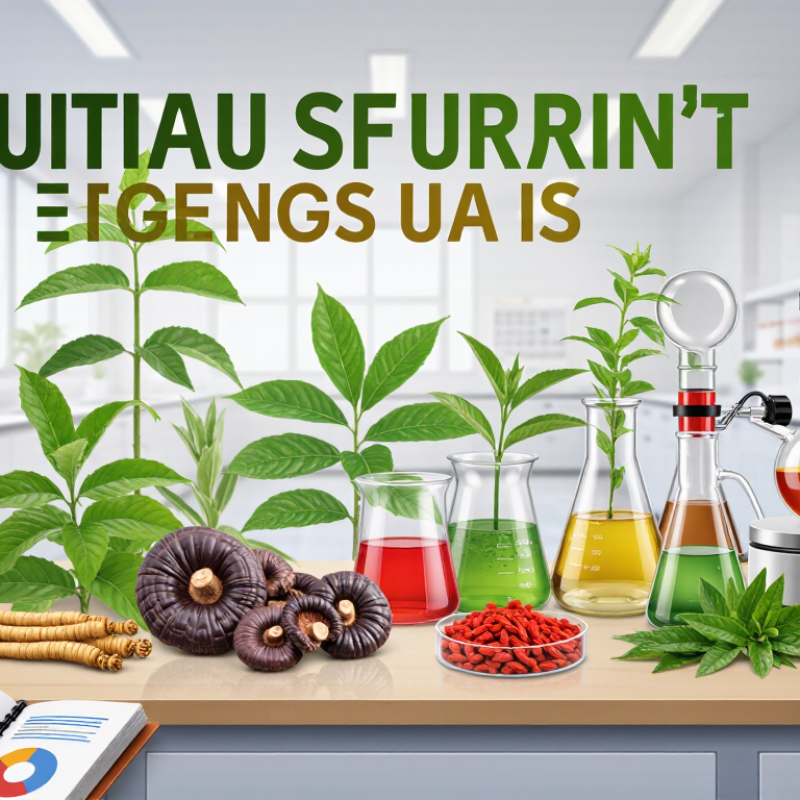
What Are the Best Botanical Extract Suppliers in China?

What Botanical Extract Suppliers in China Do

Botanical extract suppliers in China connect growers, processors, and manufacturers. Their work often begins with checking plant identity, plant part, harvest season, and origin. These details matter: leaves and roots from the same species can produce different extract profiles. Reliable suppliers request traceable records and inspect incoming material for moisture, foreign matter, and storage damage. Small details count.

They clean, dry, and mill the botanical before extraction. Methods, such as water or suitable food-grade solvents, depend on the plant and the desired compounds. Suppliers may concentrate or dry the extract, then standardize it to a defined marker range. Batch testing can cover identity, active markers, microbiological quality, heavy metals, and residual solvents. Test results should correspond to the specific lot, not just a general product sheet.

Suppliers also prepare samples, specifications, certificates of analysis, and export documents, while coordinating packaging and shipment. Buyers benefit from asking about test methods, acceptance limits, and how harvest changes are handled. Broad quality promises are not enough. Even careful systems can have gaps, so reviewing a representative sample and its records before a large order is a sensible step.

What Botanical Extract Suppliers in China Do: Solvent Polarity

Botanical extract suppliers select solvents to target different plant compounds. Dielectric constant is one indicator of solvent polarity; the values below are approximate at 25°C.

Higher dielectric constants indicate greater polarity. Solvent choice also depends on the botanical material, target compounds, and intended product; polarity alone does not predict extraction yield or quality.

How China's Botanical Extract Supply Chain Is Organized

China’s botanical extract supply chain often begins near the growing region. Farmers or cooperatives harvest leaves, roots, flowers, or fruit, then sell dried material through local collection points. Harvest timing, drying temperature, and storage can affect moisture, color, and quality. Small details matter.

Processors clean, sort, and mill the plant material before extraction. Depending on the plant and product specification, they may use water, food-grade ethanol, or another documented method. The extract is concentrated, dried, and blended to meet defined limits for marker compounds, moisture, and carriers. Not every facility controls every step. Some outsource drying, testing, or packaging, so buyers should map the actual production route rather than rely on a factory address alone.

Independent laboratories can check identity, marker compounds, contaminants, and microbial quality. Suppliers also maintain batch records and retain samples. Exporters and trading companies connect processors with buyers, manage documents, and consolidate shipments. Handoffs matter. Ask for the botanical name, plant part, origin, extraction details, current specification, and a recent batch report. Compare the report with a retained sample. A neat certificate is not the whole story. Records may be complete yet miss seasonal variation; even experienced teams sometimes need to tighten specifications after reviewing several lots.

What Are the Best Botanical Extract Suppliers in China? - How China's Botanical Extract Supply Chain Is Organized
Supply-Chain Stage Typical Participants Main Activities Typical Outputs and Records What Buyers Should Check
Botanical cultivation and collection Farms, agricultural cooperatives, and managed collection operations Grow or collect plant material; identify the species and plant part; record harvest and sourcing locations. Fresh or dried roots, leaves, flowers, seeds, fruits, or other specified plant parts; farm or collection records where available. Confirm the accepted botanical name, plant part, origin, harvest timing, and traceability. Check that wild collection is lawful and appropriately documented.
Primary processing and aggregation Local processors, drying facilities, and raw-material aggregators Clean, sort, dry, cut, grade, and store botanical raw materials before sale or extraction. Dried or prepared raw material; batch identification, moisture information, and incoming inspection records where maintained. Review controls for moisture, foreign matter, pests, storage conditions, and segregation of species and lots. Ask how supplier identity and lot history are retained.
Extract manufacturing Botanical extraction and ingredient-processing facilities Prepare plant material and extract it using a process appropriate to the ingredient, such as water or a specified food-grade solvent; concentrate, dry, and standardize when required. Crude, concentrated, or standardized extract in forms such as liquid, powder, or granules; manufacturing and batch records. Specify the plant part, extraction solvent, native extract ratio or equivalent information, carrier ingredients, and target marker compounds. Verify that the process matches the intended food, supplement, cosmetic, or other use.
Quality control and testing In-house quality-control laboratories and independent testing laboratories Test raw materials and finished lots against defined identity, composition, and safety specifications. Certificate of Analysis (CoA), test methods, and supporting results for the tested batch. Check that the CoA matches the shipment lot and includes relevant tests, such as identity or marker content, microbiology, heavy metals, pesticide residues, and residual solvents where applicable. Review laboratory competence and test scope.
Packaging, storage, and export Manufacturers, packaging operations, logistics providers, and export agents Pack and label the ingredient, maintain suitable storage and transport conditions, and prepare shipment documentation. Lot-labelled packages; commercial and shipping documents; product and regulatory documents required for the destination and product category. Confirm packaging protection, shelf life, storage conditions, lot traceability, and required import documentation. Requirements vary by destination, ingredient, and intended use.
Importer verification and downstream distribution Importers, ingredient distributors, and manufacturers using the extract Review supplier documentation, qualify incoming lots, and distribute or use the extract in a finished product. Supplier qualification files, receiving records, release decisions, and downstream batch records. Assess the supplier’s quality system and change-control process. Certifications such as HACCP, ISO 22000, or applicable GMP credentials can support evaluation, but should be checked for scope, validity, and relevance.

Buyer note: Supplier suitability depends on the botanical, extract specification, intended application, and destination-market rules. Request current, lot-specific documentation and verify claims independently; a certificate or general product specification does not replace product-specific assessment.

Key Criteria for Comparing Botanical Extract Suppliers

Comparing botanical extract suppliers in China starts with a clear specification. Name the plant part, extraction ratio, and marker compounds you need. Ask how each value is tested, and whether the method appears on the report. A certificate alone is not enough. Paperwork matters.

Check batch records, traceability, and contaminant testing. Reports should identify the tested lot, not just show a generic sample result. For routine orders, compare several batches for marker levels, appearance, and moisture. Ask about extraction solvents and residual-solvent controls. Also clarify how the supplier handles out-of-spec results. These details reveal more than a polished brochure.

Request a sample and review its technical file before discussing price. Confirm production capacity, lead times, packaging, and how changes to raw materials are communicated. If possible, arrange a quality-system audit or use a qualified independent auditor. Samples can mislead. They may not reflect later production, so written batch criteria are essential. One imperfect part of supplier evaluation is that documents can look comparable while test methods differ. Ask for the method, then compare like with like.

How to Verify Supplier Quality, Safety, and Compliance

What Are the Best Botanical Extract Suppliers in China?

How to Verify Supplier Quality, Safety, and Compliance

A reliable supplier should explain where each plant comes from and how its extract is made. Ask for the botanical name, plant part, extraction solvent, and batch number. These details should match across the specification sheet, certificate of analysis, and product label. If documents disagree, pause and ask for a corrected record. Small inconsistencies matter.

Request recent test results for identity, active markers, and contaminants relevant to the ingredient. Check whether the methods and laboratory are clearly identified; a certificate alone is not independent proof. Send a sealed sample to a qualified third-party lab when the material is high-risk or the results seem unusual. One sample is not enough. A clean result cannot guarantee every batch.

Review traceability records, quality procedures, and registrations or permits applicable to the product and destination market. A remote call can help, but a site audit offers a clearer view of storage, cleaning, and batch controls. Look for labeled containers, dry floors, and records that staff can retrieve without delay. Paperwork can look tidy. It is not proof by itself. I would not treat a checklist as complete; practical judgment still matters.

How to Select a Supplier for Your Sourcing Needs

What Are the Best Botanical Extract Suppliers in China?

How to Select a Supplier for Your Sourcing Needs

A reliable supplier should make each extract traceable from plant material to finished batch. Ask for the botanical name, plant part, growing region, extraction solvent, and a batch-specific certificate of analysis. Check whether the stated marker compounds match your product specification. Request test methods and recent results for contaminants, including heavy metals, pesticides, and microbes. Paperwork matters. So does whether the supplier can explain it clearly.

The World Health Organization’s 2019 Global Report on Traditional and Complementary Medicine found that 170 of 194 Member States reported using these practices. This broad adoption makes dependable ingredient sourcing important, but it does not verify any individual supplier. Review quality-system certificates, audit records, and change-control procedures directly. If possible, compare a retained sample with the commercial batch using an independent laboratory. A polished certificate alone can miss a mismatch.

Tips: Ask for a small sample before placing a large order. Compare its color, aroma, solubility, and assay results with your requirements. Discuss minimum order quantities, lead times, and how harvest variability is managed. One awkward but useful question: what happens when a batch fails? Clear answers, documented corrective actions, and consistent communication are stronger signals than promises.

FAQS

Where does the botanical extract supply chain usually begin?

It often starts near growing regions, where farmers harvest leaves, roots, flowers, or fruit. Drying and storage can affect quality.

What details should buyers request about an extract?

Ask for the botanical name, plant part, origin, extraction method, specification, and recent batch report. Small details matter.

Why should buyers check the full production route?

A processor may outsource drying, testing, or packaging. A factory address alone may not reveal who handled each step.

What should a useful batch report include?

It should identify the tested lot and show methods and results for identity, marker compounds, moisture, and relevant contaminants. Generic reports are weaker.

How can buyers compare suppliers fairly?

Compare several batches for marker levels, appearance, and moisture. Check that testing methods match before comparing results. Like with like.

Why is a sample not enough to judge ongoing quality?

A sample may not represent later production or seasonal changes. Written batch criteria help, but they are not foolproof.

How can buyers verify a supplier’s documents and traceability?

Match batch numbers and product details across specifications, certificates, and labels. If records disagree, pause and request corrections.

When might independent testing or an audit help?

Third-party testing can help when results seem unusual or an ingredient is high-risk. A site audit can show storage, cleaning, and batch controls. Paperwork can look tidy. It still needs judgment.

Conclusion

Choosing among botanical extract suppliers in China begins with understanding their role in turning plant materials into standardized ingredients for food, wellness, cosmetic, and other applications. The supply chain may include growers, raw-material processors, extraction facilities, testing laboratories, and exporters. Knowing how these stages connect helps buyers assess traceability, production capacity, consistency, and how reliably a supplier can meet order requirements.

A careful comparison should consider the supplier’s experience with the relevant plant and extraction method, documentation, quality controls, communication, lead times, and ability to provide suitable specifications and samples. Verify quality and safety through clear test reports, batch records, traceability information, and a review of the supplier’s procedures and compliance documentation. The best choice depends on your intended use, required product profile, order volume, budget, and delivery schedule. By setting these priorities before requesting quotations, buyers can evaluate Botanical Extract suppliers more consistently and build a sourcing relationship suited to their needs.

Charlotte

Charlotte

Charlotte is a professional marketing specialist with a strong understanding of the company’s products, services, and the needs of the customers they are designed to support. She combines product knowledge with clear, thoughtful communication, helping readers understand how different solutions work......